
×
Sign in
Sign in to save favorite properties and equipment, save your search parameters and more
Don’t have an account yet? Sign Up Now
Sign up
Already have an account? Login Now


 866-741-8323
Sign in
Sign in to save favorite properties and equipment, save your search parameters and more
Don’t have an account yet? Sign Up Now
Sign up
Already have an account? Login Now
866-741-8323
Login
Sign in
Sign in to save favorite properties and equipment, save your search parameters and more
Don’t have an account yet? Sign Up Now
Sign up
Already have an account? Login Now
Sign in
Sign in to save favorite properties and equipment, save your search parameters and more
Don’t have an account yet? Sign Up Now
Sign up
Already have an account? Login Now
 Back to Blog
/
Land Ownership, Real Estate Market /
Back to Blog
/
Land Ownership, Real Estate Market /
Most real estate decisions come down to money and timing. Land decisions come down to something harder to put a number on. Maybe it’s the first house a young couple has finally saved up for. Maybe it’s 300 acres that have been in one family since before the county paved the road out front. Either way, getting it right usually means bringing in the right person to guide the process, and that’s really what this whole question of how to find a good real estate agent comes down to.
The upshot? You don’t have to become an expert in real estate to make a great decision; you just have to know what to look for in the agent you hire. A good real estate agent is the one who can find you that house that’s finally ready to sell so the next chapter can start. The rancher who’s ready to hand their legacy to the next generation after four decades of mornings that started before sunrise. The family who wants to do right by the 80 acres Grandpa left them. In every one of these situations, a land specialist is there to bring the expertise you don’t need to have yourself, which is exactly why it’s worth taking a little time to find a good real estate agent who genuinely fits and understands the land you’re working with.
In our guide, we’ll cover both ends of the spectrum. First, what buyers should look for in a good real estate agent. Then what sellers should look for, since each situation presents its own opportunities and challenges. And then, because most articles on this topic stop at the front door of a suburban house, we get into what changes when the property in question is land, a working farm, or a ranch, where having a real estate agent who’s a true land expert is a non-negotiable.
We’ll get into the nitty gritty of what to look for in a good real estate agent throughout this guide, but here’s a quick overview of the essentials you’ll want to consider when searching for the right person:
If the property is land, a farm, or a ranch, finding a good real estate agent means choosing one who’s worked with these types of land transactions before. In many respects, it’s a different job than solely selling houses, which is why having a land expert by your side is key.
A lot of the work to find a good real estate agent happens before you ever dial a number. Pull up your state’s real estate license lookup and confirm the real estate agent you’re considering is actually licensed and in good standing. Ask for examples of recent transactions involving similar properties. Where information is publicly available, review the property history, but remember that public records may not show the professional’s precise role or the full circumstances of the sale.
Spread your review reading across a few platforms too. A five-star testimonial page a real estate agent built themselves doesn’t carry the same weight as a mix of reviews across Google and a brokerage site where the agent has less control over what gets posted. And notice how they respond to negative reviews. Those reactions often say more about the real estate agent than the review itself.
A buyer’s real estate agent is filtering listings, coordinating showings, and providing guidance on offers. A seller’s agent is pricing correctly, building out marketing, and working with the seller to find the right offer. While in many ways the work they do is on opposite ends of the spectrum, one standard holds for both: a good real estate agent pays attention to what you specifically need, not simply whatever gets the deal to the finish line the fastest.
Quick note for anyone buying and selling at the same time: if you’re selling one place and buying another on a tight overlapping timeline, you don’t need two separate real estate agents for it. What you do need is a straight answer about whether the one you’re talking to has actually juggled that kind of timing before.
Buying property, whether it’s a first home or a piece of ground you’ve had your eye on for years, requires a real estate professional who clearly explains their role, understands your priorities, and fulfills the duties required by the brokerage relationship.
A referral gets you a name for an agent, but this is simply a starting point. When a friend tells you they loved their real estate agent, push past the compliment and ask what that agent actually did well. Was it that calls got returned on the same day? That the agent caught something during the inspection negotiation nobody else would have thought to fight for? That things stayed smooth even after the contract was signed? Get specific with these questions, because whether a real estate agent is a good fit for you may be different than what worked for someone else.
Have the real estate agent talk you through how many buyers they have in the pipeline right now and what happens on their end when a property receives multiple offers in the same week. A good real estate agent who can walk you step-by-step through how they’d structure a competitive offer is going to be extremely helpful, especially in a seller’s market.
Brokerage relationships vary by state and may include agency, designated agency, transaction brokerage, or other arrangements. Ask the real estate agent you’re considering to explain whom they represent, what duties they owe you, and whether they or their brokerage may work with another party in the same transaction.
Selling changes the conversation. Now you need a real estate agent who can price accurately, market well, and negotiate from strength instead of just planting a sign and hoping.
It’s tempting to hire whichever agent quotes the biggest number for the property you’re selling, but that number is less valuable if the house or land sits for four months and eventually gets marked down to where it should’ve started.
Push any real estate agent you’re considering to walk you through their comps line by line, and get them talking about how they landed on that price in the first place, not just why it’s the right one.
A real plan for selling a property involves more than a yard sign and an MLS listing. When trying to find a good real estate agent, ask what photography looks like, whether staging is part of it, and what the digital push covers. For land, a farm, or a ranch, this list needs to go a lot further, and we’ll cover exactly how in a minute.
Know the length of the commitment, how the real estate agent’s commission actually breaks down, and any other relevant seller or agent duties. This will vary from brokerage to brokerage.
Anybody can claim to be a top producer. When you’re trying to find a good real estate agent, what matters is the agent’s list-to-sale ratio and typical time on market, and where public records allow it, a few specific addresses you can look up yourself. It’s always worth doing your due diligence when interviewing a real estate agent to know if they’re a good choice or not.
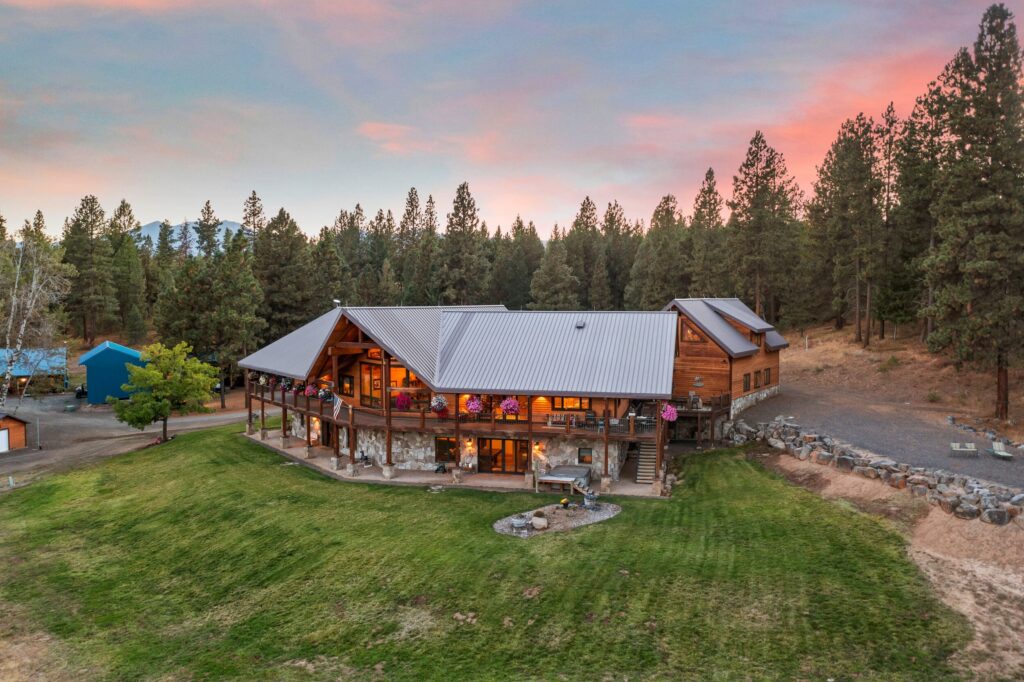
Some of what gets sold isn’t just acreage. It’s water rights somebody’s grandfather spent years securing. It’s a grazing rotation three generations deep. It’s the 40 acres a family bought so their kids would grow up exploring the great outdoors. When we’re talking about a property like that, the whole question of how to find and choose a good real estate agent gets a good bit more nuanced.
A real estate agent who’s outstanding at selling homes in a subdivision might never have had a reason to price a property on grazing capacity, water access, or mineral value in their entire career.
Land pricing doesn’t work off a simple price-per-square-foot comparison the way a house does. It’s built on acreage, soil quality, water, timber, agricultural income potential, and sometimes mineral rights that may or may not still belong to the surface owner.
The buyers look different too. Out-of-state investors, hunters, conservation buyers, families chasing exactly the kind of legacy property that hooked you on it in the first place. A good real estate agent reaching that group uses a different approach than a real estate agent helping a buyer who wants a three-bedroom right outside of a major city.
There’s a list of things a good land real estate agent should be able to talk through or help you research, because these are the details that actually decide a land transaction. When your agent doesn’t have the answer, they should be able to point you to the relevant expert who can help:
When you’re trying to find a good real estate agent for a land transaction in particular, you’ll want to ensure the real estate agent you speak with can look into each of these details for the properties you’re considering (or point you in the right direction of the expert or specialist who can help).
Reaching the right buyer matters just as much as getting the due diligence right, and a good estate agent can help you do both. Serious land and ranch buyers aren’t scrolling the same sites as somebody hunting for a condo downtown.
They’re reached through email lists, targeted campaigns, and print publications a general residential agent may not think to touch. Ask the real estate agent directly where your property will actually be seen outside the local market. For a lot of these properties, that answer is the difference between the right buyer finding it and it just sitting there.
For certain ranches, farms, and legacy properties, an auction, live or sealed-bid, creates real competition among serious buyers quickly. It’s not the right call for every property, and a good real estate agent worth hiring will help you navigate this decision. An agent with real auction experience should walk you through the actual trade-offs and help you assess whether it’s the right move.
The best land specialists know the local ground and the lifestyle that comes with it. And at the same time, these real estate agents also need a network that pulls in serious buyers well past the county line, because the right buyer for a legacy ranch is just as likely to be sitting in an office in Dallas or Denver as living three roads over.
Hayden Outdoors has been building exactly that combination since 1976. Family-owned brokerage, yet with real estate agents spread across the US, and most of our brokers and agents worked the ground themselves before they ever sold it. When a client starts talking about grazing capacity or what a hunting lease is actually worth, they’re explaining it to a real estate agent who speaks their language.
Get In Touch With A Hayden Agent
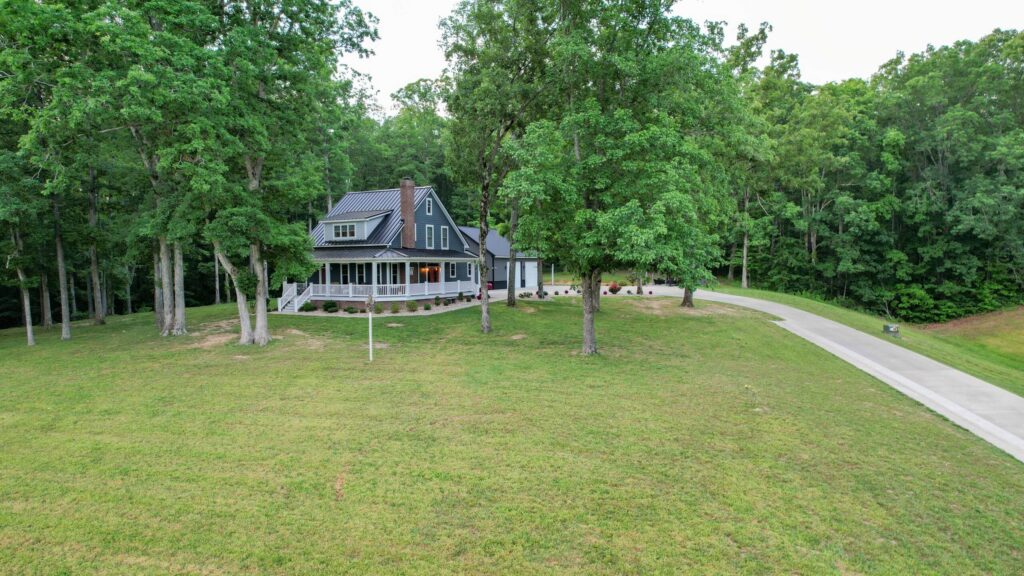
This really varies, and there isn’t a hard and fast timeframe for how long it takes to find a good real estate agent. Whether you’re buying or selling, the goal here is to find an agent whose approach and background align with your goals and the type of property you’re seeking out. If you’re looking at land, ranch, and farm property, that means connecting with a land specialist who understands the nuances of these types of listings. And that’s exactly why the local-roots-plus-national-reach combination matters so much here. It’s worth casting a slightly wider net for a legacy property than settling for whoever happens to be closest on a map.
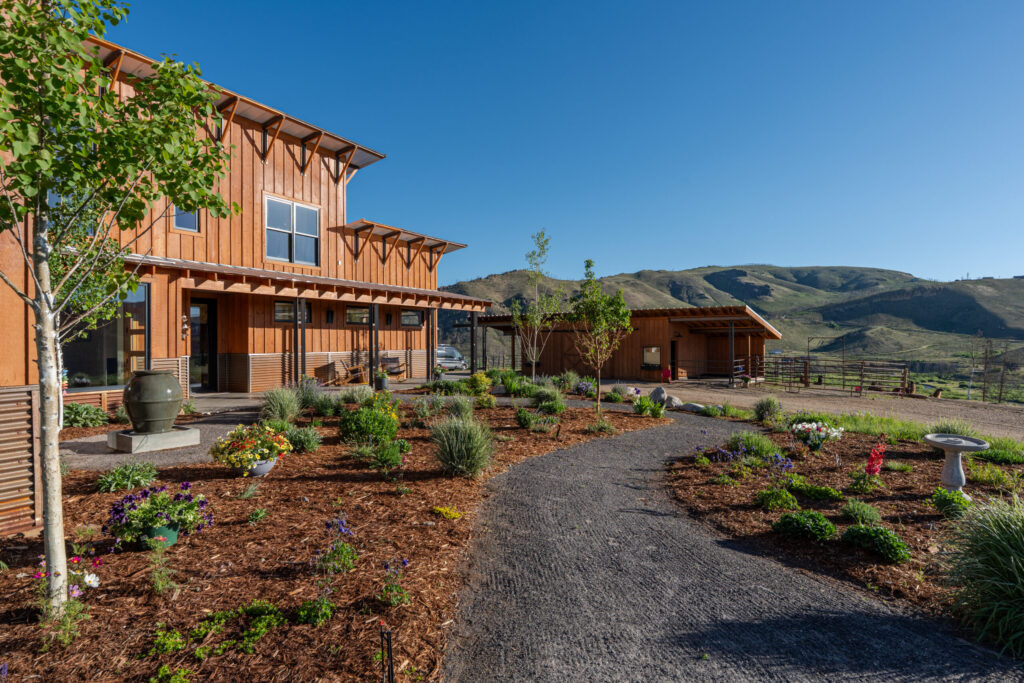
Whether you’re buying, selling, or sorting through a property that means a lot more than its price tag, here’s a working list to bring into those first conversations with a potential real estate agent.
For any buyer or seller:
If you’re selling:
If it’s land, a farm, or a ranch:
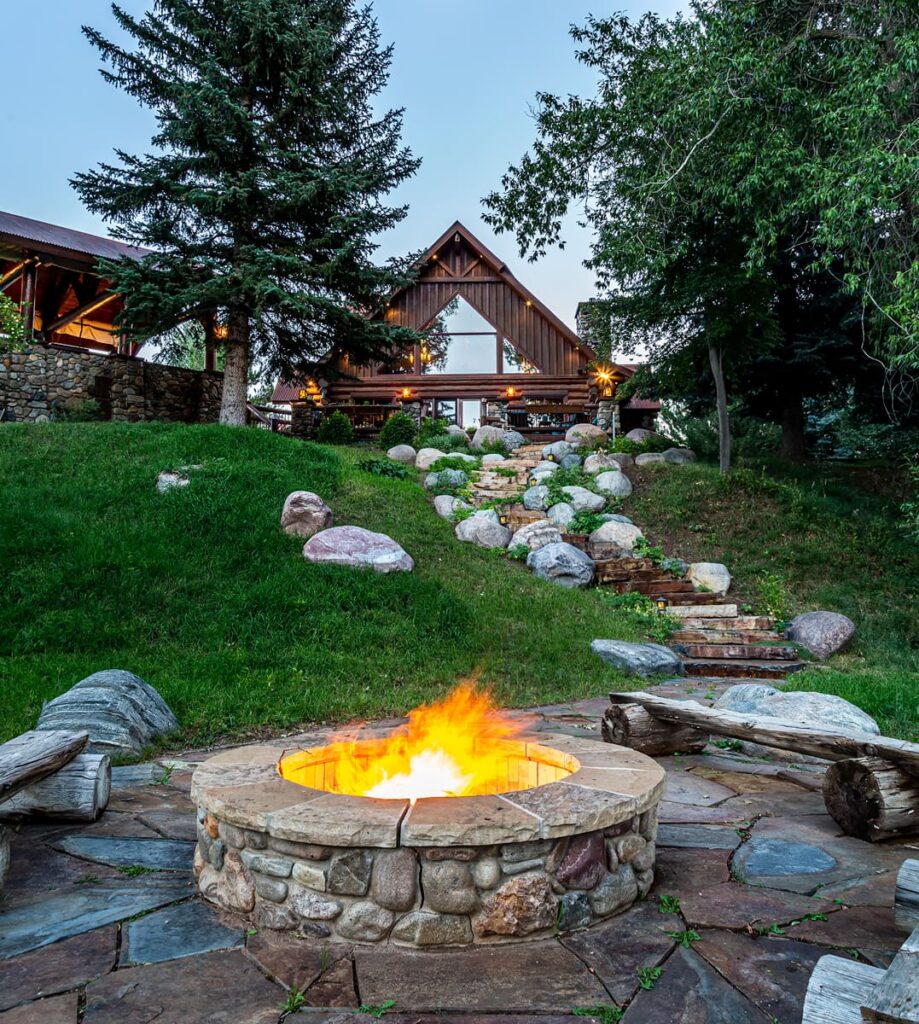
As you chat with possible real estate agents to find a good fit, keep an eye out for these signs. If the real estate agent you’re speaking with is checking these boxes, there’s a good chance it’s worth a continued discussion.
When you’re trying to find and choose a good real estate agent, these are a few starting points worth considering:
If what you’re selling or buying is a ranch or a working farm and you’d rather talk to someone who’s spent their life in that world instead of picking it up on the job, Hayden Outdoors’ network of land specialists exists for exactly that conversation.
Finding and selecting a good real estate agent doesn’t have to be complicated, especially if you know what to look for when you choose. You want someone who understands what’s actually on the line, whether that’s a first home, a next chapter, or land that’s carried a family’s name for decades. A good real estate agent asks real questions before they ever ask for a signature, and treats the property the way you already do: like it matters.
If you’re buying or selling a house, everything in this guide will serve you well no matter who you end up hiring. If it’s land, a ranch, or a farm, Hayden Outdoors has spent the past 50 years building a team of people who were land people long before they were real estate agents, and that’s exactly the kind of partner a decision like this deserves.
Find A Hayden Outdoors Real Estate Agent