
×

Sign in
Sign in to save favorite properties and equipment, save your search parameters and more
Don’t have an account yet? Sign Up Now
Sign up
Already have an account? Login Now


 866-741-8323
Sign in
Sign in to save favorite properties and equipment, save your search parameters and more
Don’t have an account yet? Sign Up Now
Sign up
Already have an account? Login Now
866-741-8323
Login
Sign in
Sign in to save favorite properties and equipment, save your search parameters and more
Don’t have an account yet? Sign Up Now
Sign up
Already have an account? Login Now
Sign in
Sign in to save favorite properties and equipment, save your search parameters and more
Don’t have an account yet? Sign Up Now
Sign up
Already have an account? Login Now
Most people who are serious about buying land at auction have already done some homework. They know the parcel, they know the area, and they have a rough idea of what they’re willing to spend. What they usually don’t know, especially if they’re a beginner to the world of land auctions, is how the actual auction process works. The mechanics of it, what happens on the day, what the paperwork looks like, and what separates the buyers who walk away with property from the ones who drive home empty-handed.
At Hayden Outdoors, we’ve been running land auctions for a long time. We’ve seen buyers come in completely cold and win. We’ve also seen experienced investors blow it because they skipped steps they thought they could skip. Preparation is not optional in this game. But it’s also not complicated once someone lays it out plainly.
So we’re covering all the bases and breaking down everything you need to know about buying land at auction, especially if you’re a beginner who’s new to this world.

A land auction is a public sale where a property goes to the buyer who is willing to pay the most for it. A seller lists their land, buyers register to bid, the auction runs on a set date, and the highest qualified bid wins. When buying land at auction, there aren’t months of negotiation, there’s no waiting on contingencies, and no back-and-forth offers that drag into the holidays.
What makes land auctions work well for everyone involved is the structure. The timeline is fixed. The terms are disclosed upfront. Every registered bidder has access to the same property information going in. When the auction closes, there is a clear winner and a clear path to closing. When buying land at auction with Hayden Outdoors that closing window is typically 30 to 45 days.
This structure, transparency, and speed are a big part of why land auctions have been around for generations and why they continue to be so popular amongst both buyers and sellers.
Not all land auctions run the same way, and this is something a lot of beginner buying guides gloss over. The format changes how you participate, how you prepare, and in some cases how you think about strategy.
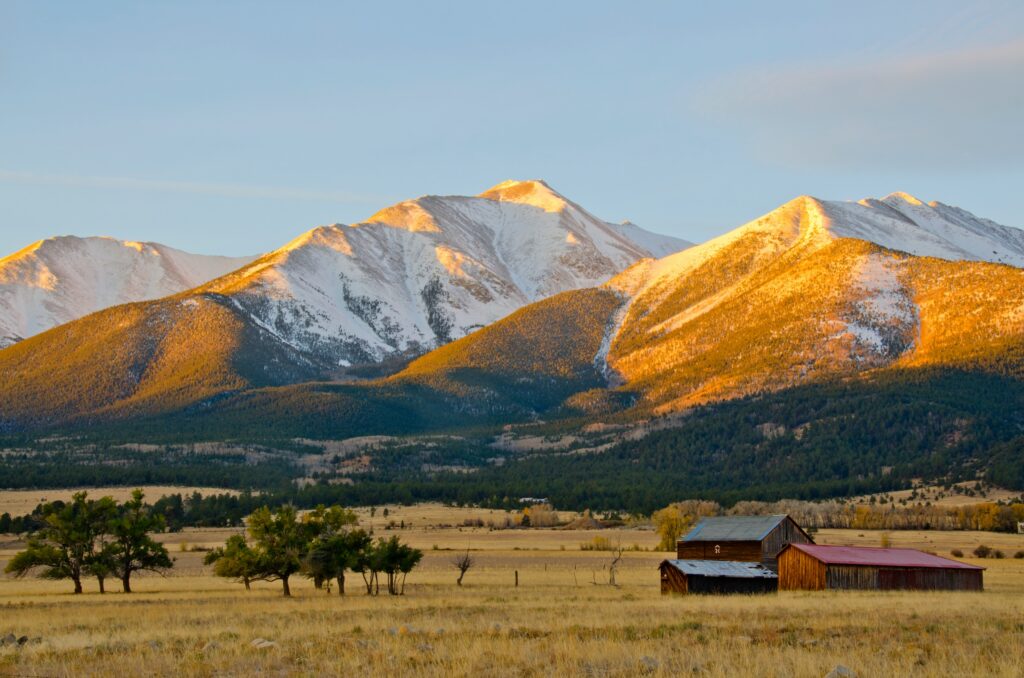
It’s worth understanding seller incentives because it shapes everything about how you should approach buying land at auction, especially as a beginner.
There’s often a misconception that sellers who choose to sell their land via auction are in trouble or have a sense of panic/need to sell their land. Most of the time, though, they choose auctions because land auctions are efficient. Land auctions get a defined sale date, pre-qualified buyers, no contingencies, and a closing timeline measured in weeks rather than months. The competitive bidding environment tends to produce strong market prices, which is the whole point for a seller.
What that means for you is this: when you show up to bid on auction land, you’re in a fair buying market. The seller is motivated, and the timeline is real. The price that results from the auction is what the market actually said the land was worth that day. Not a number someone made up, not an inflated ask that got negotiated down over six weeks.
And that market tends to favor land buyers who come to the auction ready to move. Pre-qualified, researched, financing confirmed, decision already made. That is the buyer who wins land auctions consistently. Not the sharpest negotiator or the one with the deepest pockets. The prepared one. Whether you’re a beginner buying land at auction or a seasoned pro, that preparation is key.
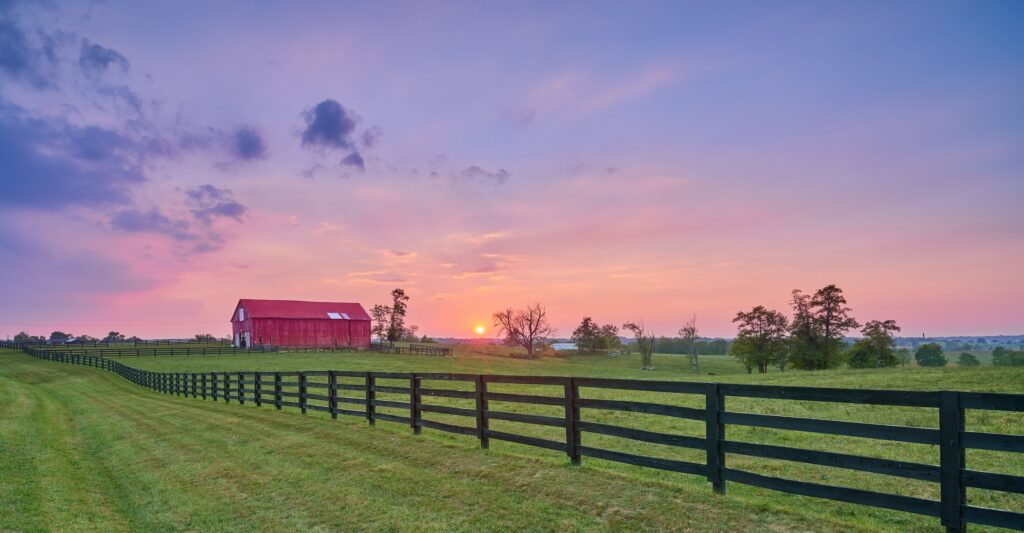
Browse the active listings. Every auction listing comes with detailed property information that’s critical to know before buying land: location, acreage, property type, relevant land characteristics, and available survey data. Thoroughly review all of this.
Then go look at the land in person, if possible. Photos can give you a great sense for the land you’re considering buying at auction, but nothing quite replaces walking the land. Walk the boundaries if you can, and verify property lines. Check access points, road frontage, water sources, and any existing improvements. You’ll also want to look at what surrounds the parcel on all four sides.
This visit is also when you start forming your real opinion of what the property is worth, not just its list price, but what it means to you and what comparable ground in the same county has been selling for lately.
Land loans are not home mortgages. They have different requirements, different timelines, and usually larger down payment expectations, depending on the lender and the property. The approval process involves an appraisal of rural land, which takes time. Lenders who aren’t experienced with agricultural or recreational real estate sometimes struggle to value it properly.
When considering buying land at auction, especially as a beginner, start this process early (weeks before auction day, not days before). Many auctions require a pre-approval letter or proof of funds just to register to bid. Beyond that requirement, you want land financing handled before the auction so that winning and buying does not create a scramble you were not ready for.
If you’re a beginner who has never purchased land via auction, we highly recommend doing a deep dive into our guide on financing for land purchases.
Everyone considering buying land in a Hayden Outdoors auction must register and pre-qualify before participating. You can do this through the online platform or through the mobile app. This process protects everyone at the table. Sellers know the bids are coming from serious, vetted buyers, and so do you.
Decide on your bid ceiling before auction day. Not a rough idea of it, but the actual number, accounting for the purchase price, closing costs, title fees, first year property taxes, any immediate improvements the land needs, and your cost of financing, if applicable.
Here’s the honest version of why this matters when buying land in an auction (especially for beginners): live auctions have a pull to them that’s hard to describe until you’ve felt it. The bidding accelerates, other buyers are visible, and it’s genuinely easy to find yourself $15,000 past where you intended to stop. Buyers who hold their number buy land they’re happy with for years. Buyers who do not hold their number sometimes win the auction and lose sleep over it.
Your ceiling is not a limitation; it’s the whole point of doing the research.
For live land auctions, arrive early. Know where to stand, how to signal a bid, and who in the room is the auctioneer’s spotter. For online land auctions, test your connection and confirm your login is working before the bidding window opens. These are small things that become large problems at the wrong moment.
When you win, you sign a purchase agreement and put down earnest money the same day. Then you close, typically within 30 to 45 days. Your agent, lender, and title company handle the mechanics from there. Buying land at auction has a faster close than a traditional real estate transaction, but that’s by design.

Auction properties sell as-is. That’s not a catch; it’s just how the format works. The as-is nature of buying land at auction is the reason pre-auction research is not something you do if you have time. It is the job.
At Hayden Outdoors, we provide thorough property information on every listing. Go through it, and then do your own additional digging.
Pull the title history and look for unresolved liens, ownership clouds, or encumbrances. Verify that road access is legally established, not just physically practical, and that any easements are recorded at the county level and will transfer to a new owner.
Check zoning and permitted uses for the parcel of land you’re considering buying at auction. If mineral rights or water rights are involved and relevant to what you plan to do with the land, find out their current status before you bid.
One thing that’s often forgotten when buying land at auction: check whether the property sits within a drainage district or carries special assessments. In farming country, the Midwest especially, these assessments are common and can add real costs to annual ownership. They are a matter of public record. A quick call to the county assessor before auction day handles it.
When considering buying land at auction, property taxes are worth a hard look, too. Rural land tax obligations vary a lot by county and by property type. What looks like a strong deal at your ceiling price may look different once you factor in what you owe every year.
If you have a question about a specific listing, call the Hayden agent on it. That’s what they’re there for.
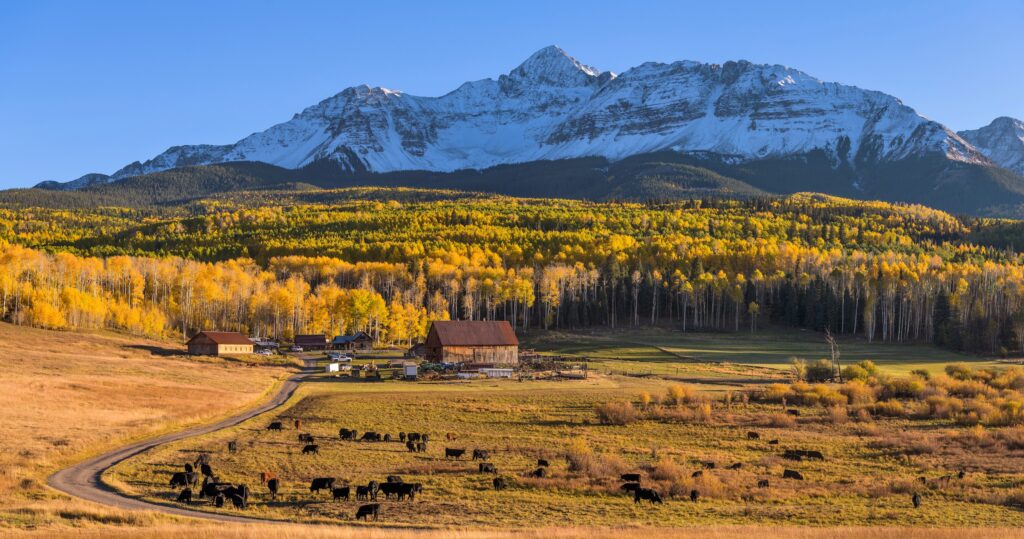

For buyers who know what they want and have done the work to get ready, buying land at auction is one of the most efficient ways to acquire rural and recreational property. Fast timeline, transparent process, fair market pricing, no months of back-and-forth.
For buyers who want time to negotiate, add contingencies, or make decisions over several weeks, a traditional listing may be a better fit than buying land at auction. There’s nothing wrong with that. It’s just a matter of personal preference.
But if you’re the kind of person who thrives on digging into the research, who makes decisions clearly, and who wants to know exactly where you stand, land auctions are genuinely worth pursuing. The process works because everyone who participates shows up ready.

Somewhere right now, there’s a piece of ground that checks every box. Maybe it’s a creek bottom in the hill country with whitetail sign on every trail. Maybe it’s a working farm that’s been in one family for three generations and is finally ready for the next one. Maybe it’s a high country parcel with a ridgeline view that stops you cold the first time you walk it.
That kind of land doesn’t sit on the market for long. When it goes to auction, it goes to the buyer who showed up ready. And now you have what you need to be that buyer.
 Back to Blog