
×
Sign in
Sign in to save favorite properties and equipment, save your search parameters and more
Don’t have an account yet? Sign Up Now
Sign up
Already have an account? Login Now


 866-741-8323
Sign in
Sign in to save favorite properties and equipment, save your search parameters and more
Don’t have an account yet? Sign Up Now
Sign up
Already have an account? Login Now
866-741-8323
Login
Sign in
Sign in to save favorite properties and equipment, save your search parameters and more
Don’t have an account yet? Sign Up Now
Sign up
Already have an account? Login Now
Sign in
Sign in to save favorite properties and equipment, save your search parameters and more
Don’t have an account yet? Sign Up Now
Sign up
Already have an account? Login Now
 Back to Blog
/
Land Ownership /
Back to Blog
/
Land Ownership /
If you’re wondering about the timber value per acre for the trees on your property or are considering purchasing land for logging and want to know its worth, you’re asking the right question. Understanding how much money you can get for timber per acre can mean the difference between leaving thousands of dollars on the table or making a smart, profitable decision.
At Hayden Outdoors, we’ve spent decades helping landowners evaluate timber prices per acre and manage timberland properties. Our agents live and work on the land, understanding forest management, timber markets, and what makes this type of land truly valuable.
When a landowner asks, “How much is my timber worth?” the answer depends on several different factors. Timber value per acre can range from a few hundred dollars for young stands to several thousand dollars per acre for mature, high-grade hardwoods.
This wide range reflects the complexity of timber valuation, where species, quality, volume, accessibility, and market conditions determine how much timber actually does sell for per acre.
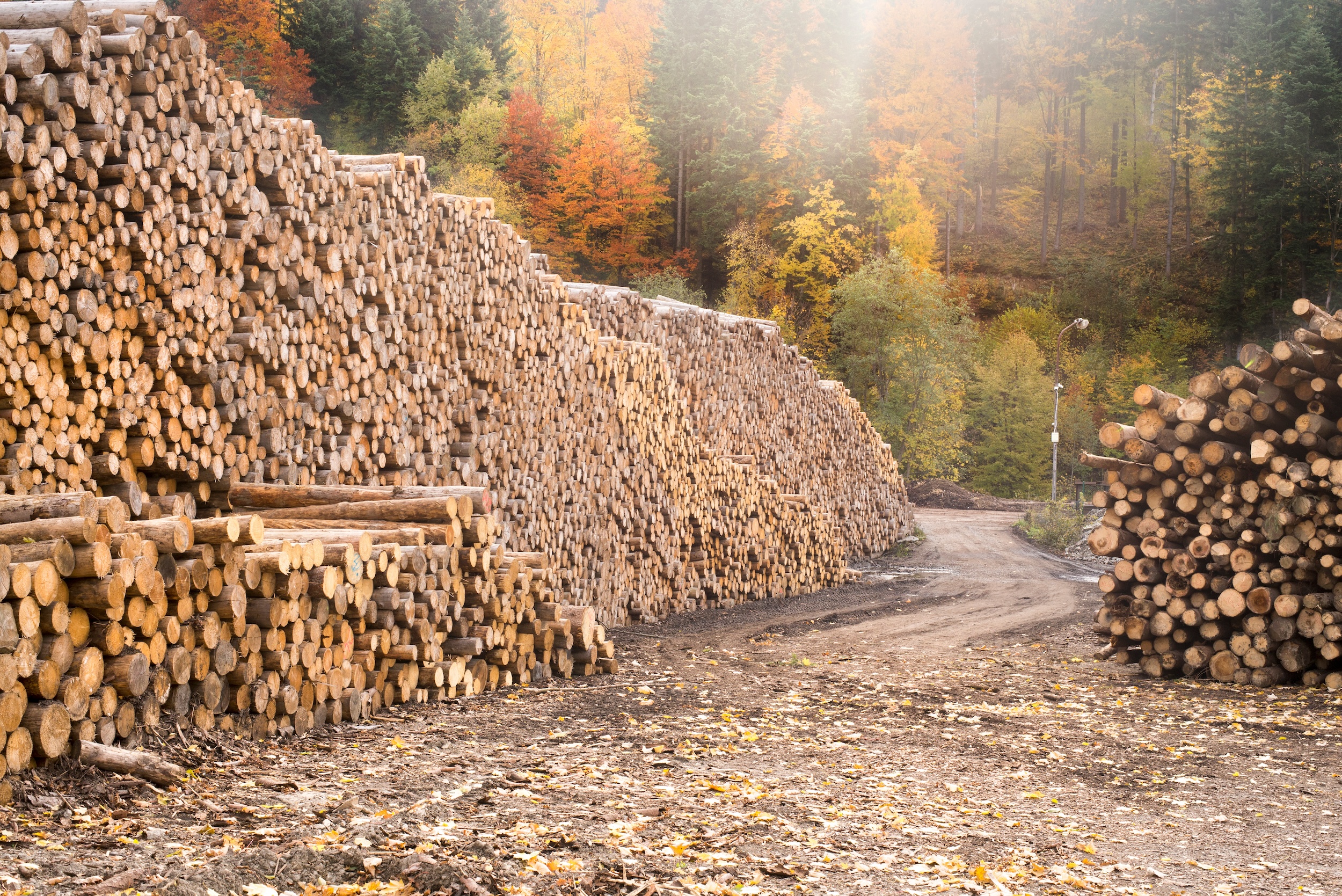
At its core, understanding timber value per acre starts with getting in the weeds on what factors impact timber prices. Timber value refers to the stumpage price, which is what buyers pay for standing trees before they’re harvested.
This differs from delivered log prices, which include harvest and transportation costs. As a landowner, you’ll typically receive the stumpage price when calculating how much money you can get for timber per acre.
Timber prices per acre are calculated by estimating the volume of merchantable timber (measured in board feet, tons, or cords) and multiplying by current stumpage prices for each species and grade. A timber cruise, performed by a professional forester, provides this inventory and can help you determine timber cost per acre on your land.
The key is understanding that an acre might contain multiple products at different values. You might have veneer-grade black walnut worth $2,000 per thousand board feet, lower-grade oak sawtimber at $400 per thousand board feet, and pine pulpwood at $8 per ton, all on the same property. This diversity directly impacts your total timber value per acre.
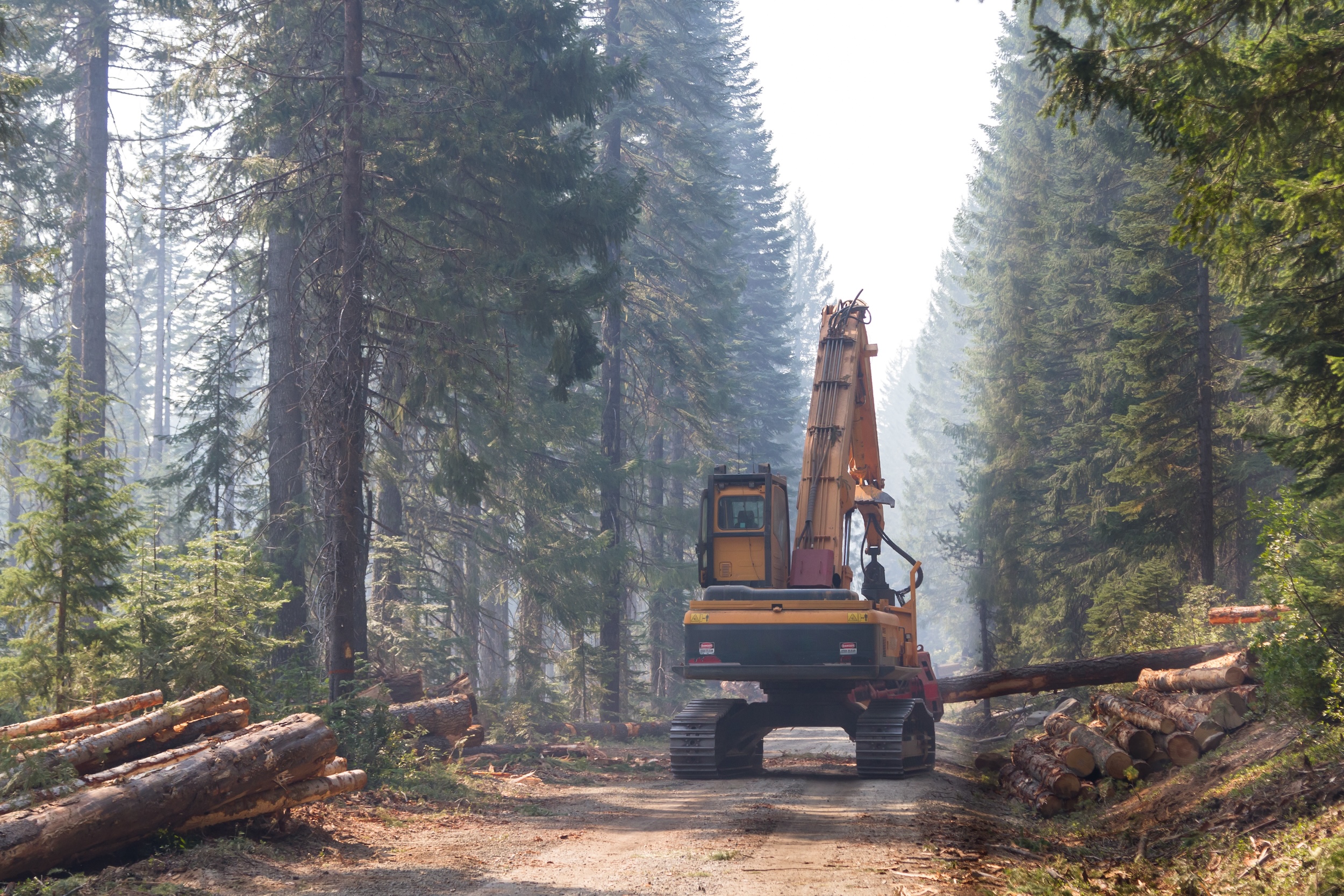
Several critical factors determine how much money you can get per acre for your timber. Understanding these variables can help you set realistic expectations for timber prices and identify opportunities to maximize the value per acre of your timberland.
When evaluating how much your trees are worth for logging, the specific tree species will dramatically affect timber cost per acre and overall timber value.
Hardwoods generally command the highest prices per acre in the timber market. Black walnut stands at the top tier, especially for veneer-grade logs that can be used in fine furniture and cabinetry.
Other premium hardwoods include white oak and cherry, both highly valued for their appearance, workability, and durability in furniture and flooring applications.
Mid-range hardwoods like red oak, hard maple, and ash offer solid value, though they typically offer less timber value per acre than the premium species. These woods are widely used in construction, flooring, and furniture manufacturing, making them consistently marketable.
Softwoods like pine, fir, and spruce generally bring lower timber prices per acre but grow faster and are widely used in construction lumber. Southern yellow pine dominates the Southeast timber market, while Douglas fir is the primary commercial species in the Pacific Northwest.
While individual tree values are lower than premium hardwoods, softwood plantations can be profitable due to shorter rotation times and reliable market demand.
Quality matters as much as species when determining how much timber is worth.
Common defects that reduce timber value per acre include rot, excessive knots, crookedness, sweep, and hollow centers. A straight, clear log of a premium species can command top-tier prices, while a defective tree of the same species might only be worth pulpwood value or may not even be worth harvesting.
The total harvestable volume directly impacts timber value per acre.
Stand density indicates how much timber you have per acre. A well-stocked hardwood stand might have 80 to 120 square feet of basal area per acre, while a pine plantation could have 100 to 150 square feet. All else equal, higher volumes generally translate to better timber prices per acre.
Accessibility also plays a pretty big role in how much money you can get per acre for your timber. Properties with good road access and gentle terrain allow efficient logging, meaning buyers will pay more. Steep slopes, wet ground, or the need to build new logging roads all reduce the timber value per acre that buyers are willing to pay.
Distance to mills matters when determining how much money your timber can sell for per acre. Properties within 50 miles of active mills typically receive better timber prices per acre than remote locations.
Local market conditions also create price variation. Regions with strong housing markets typically offer better timber cost per acre due to the high demand, while economic downturns can depress the dollar value per acre you’ll receive.
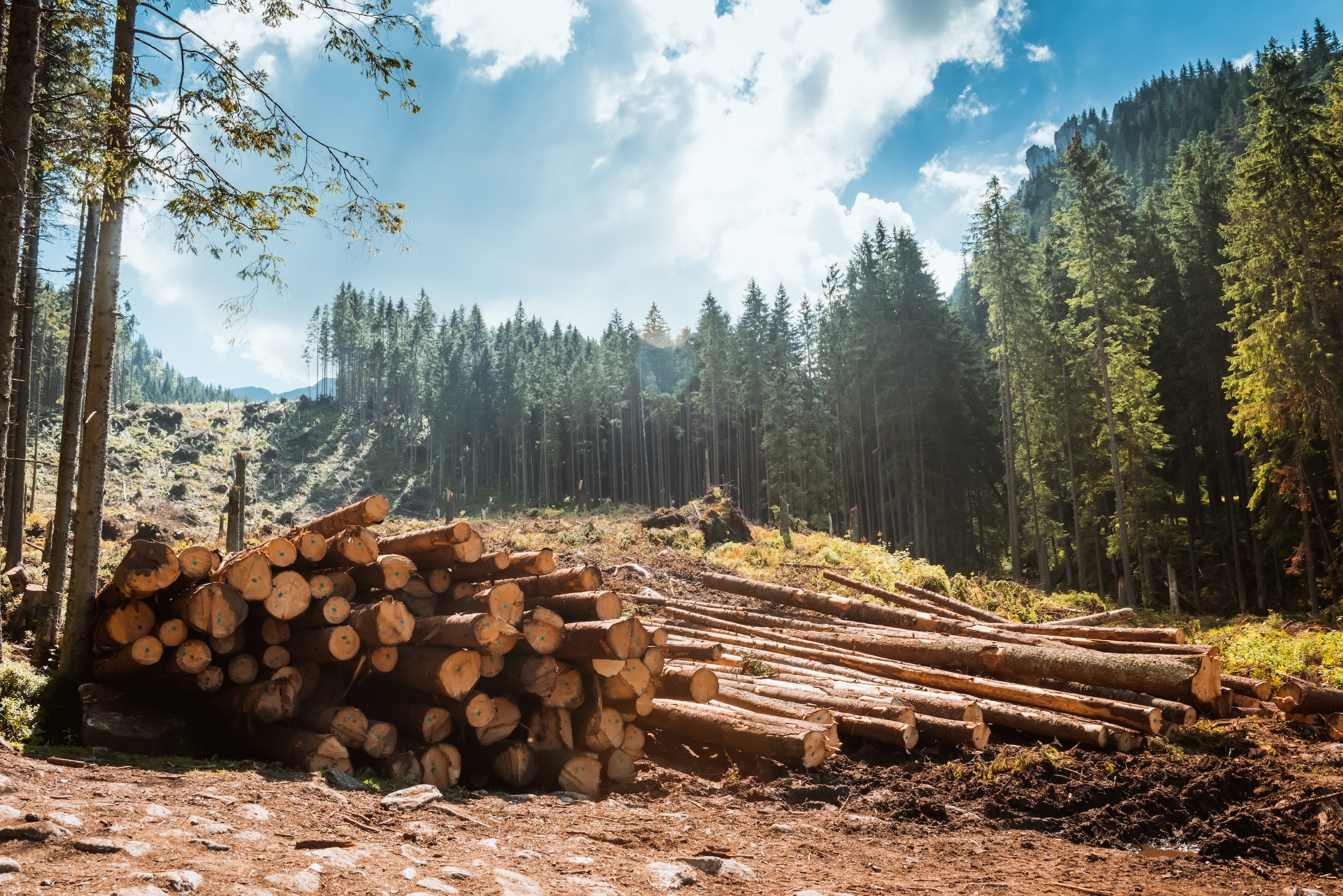
When landowners ask “how much is my timber worth” or “how much does timber sell for per acre,” the answer varies by region and species. Understanding typical timber prices per acre helps set expectations for your property’s timber value per acre.
According to state forestry timber market reports, regional patterns provide benchmarks for the average timber cost per acre.
In the Northeast, hardwood sawtimber prices show red oak averaging around $200 to $500 per thousand board feet, hard maple at $150 to $400 per thousand board feet. With stands containing 4,000 to 8,000 board feet per acre, this translates to roughly $800 to $3,000 in timber value per acre.
The Southeast shows pine sawtimber averaging around $20 to $30 per ton, with pine pulpwood around $7 to $10 per ton. A mature pine stand with 25 to 40 tons per acre might deliver timber prices per acre of around $500 to $1,200.
The Midwest presents mixed hardwood stands. Quality white oak brings $300 to $600 per thousand board feet, while red oak runs $200 to $400 per thousand board feet. Good stands might achieve timber value per acre of $1,500 to $2,500.
The Pacific Northwest has historically high timber value per acre. USDA Forest Service reports show Douglas fir stumpage prices ranging from $300 to $600+ per thousand board feet, with exceptional stands exceeding $5,000 per acre in timber value.
Note that these figures represent averages for timber cost per acre. Individual properties can vary dramatically in how much money you can get for timber per acre, largely because of the quality of the timber and accessibility for logging operations.
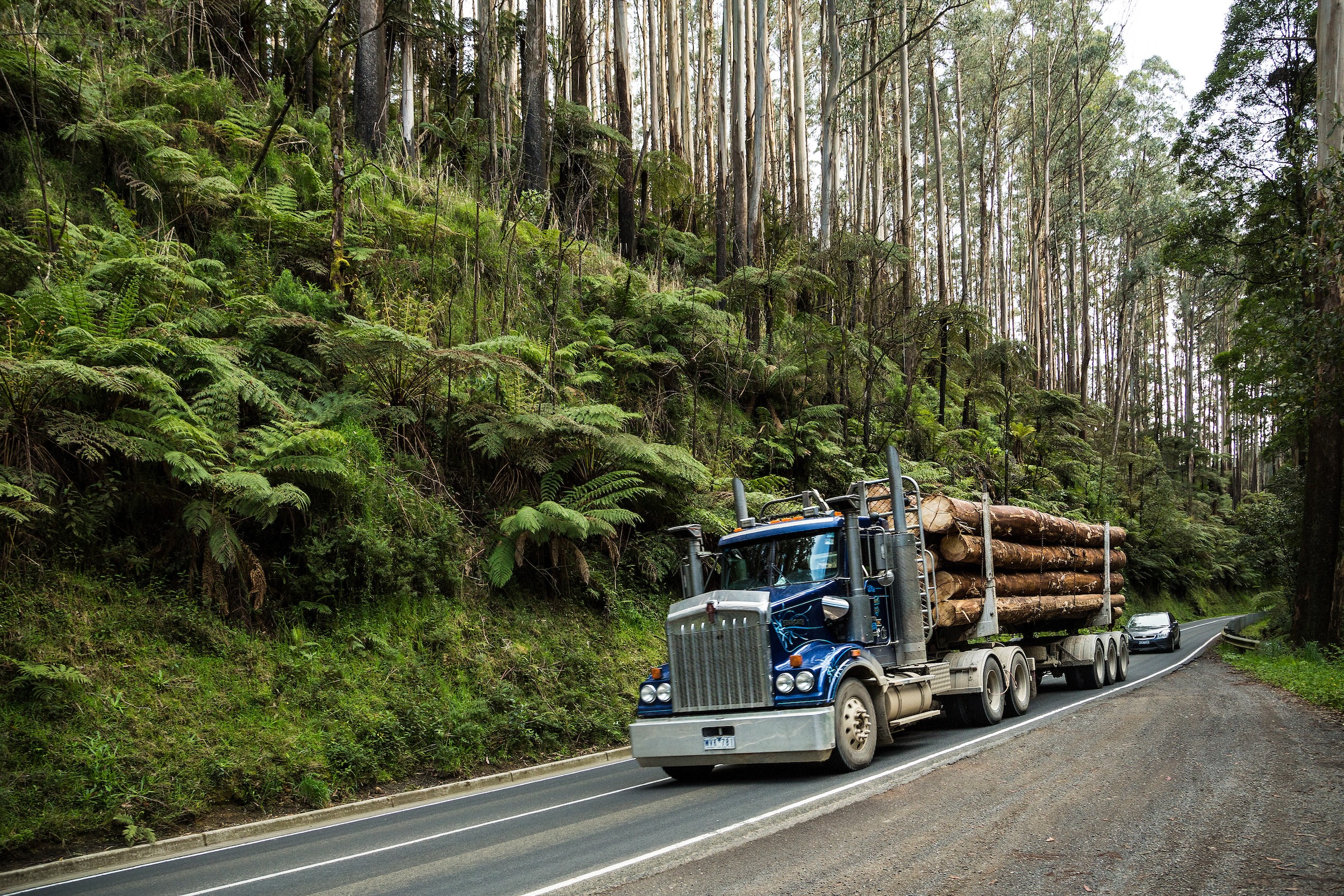
When loggers evaluate how much trees are worth for logging, they calculate whether a sale will make money after both harvest and transportation costs are factored in. This directly affects the timber prices per acre and stumpage price they’ll offer when determining how much money you can get per acre for your timber.
The delivered log price minus all harvest costs gets you to the stumpage price. Typical logging costs range from $150 to $300+ per thousand board feet, depending on terrain and distance.
If mills pay $500 per thousand board feet delivered and harvest costs are $200, the maximum stumpage price is around $300 per thousand board feet. This calculation fundamentally determines how much money your timber will sell for per acre.
Tree size matters significantly when evaluating timber value per acre. Large trees yield more volume per tree, reducing per-unit costs.
A 24-inch oak log might contain 300 board feet, while a 12-inch tree contains only 50 board feet. Since the cutting and moving labor is similar for both trees, larger trees are dramatically more profitable, commanding better timber cost per acre.
Pro Tip: Not all trees on your property may be worth harvesting, which affects your overall timber value per acre. Small trees, poor-quality stems, and low-value species may have negative value.
Professional foresters distinguish merchantable volume (worth harvesting) from total volume when calculating realistic timber prices per acre. For those considering timberland as an investment, understanding these economics helps balance current timber value per acre with future growth potential.
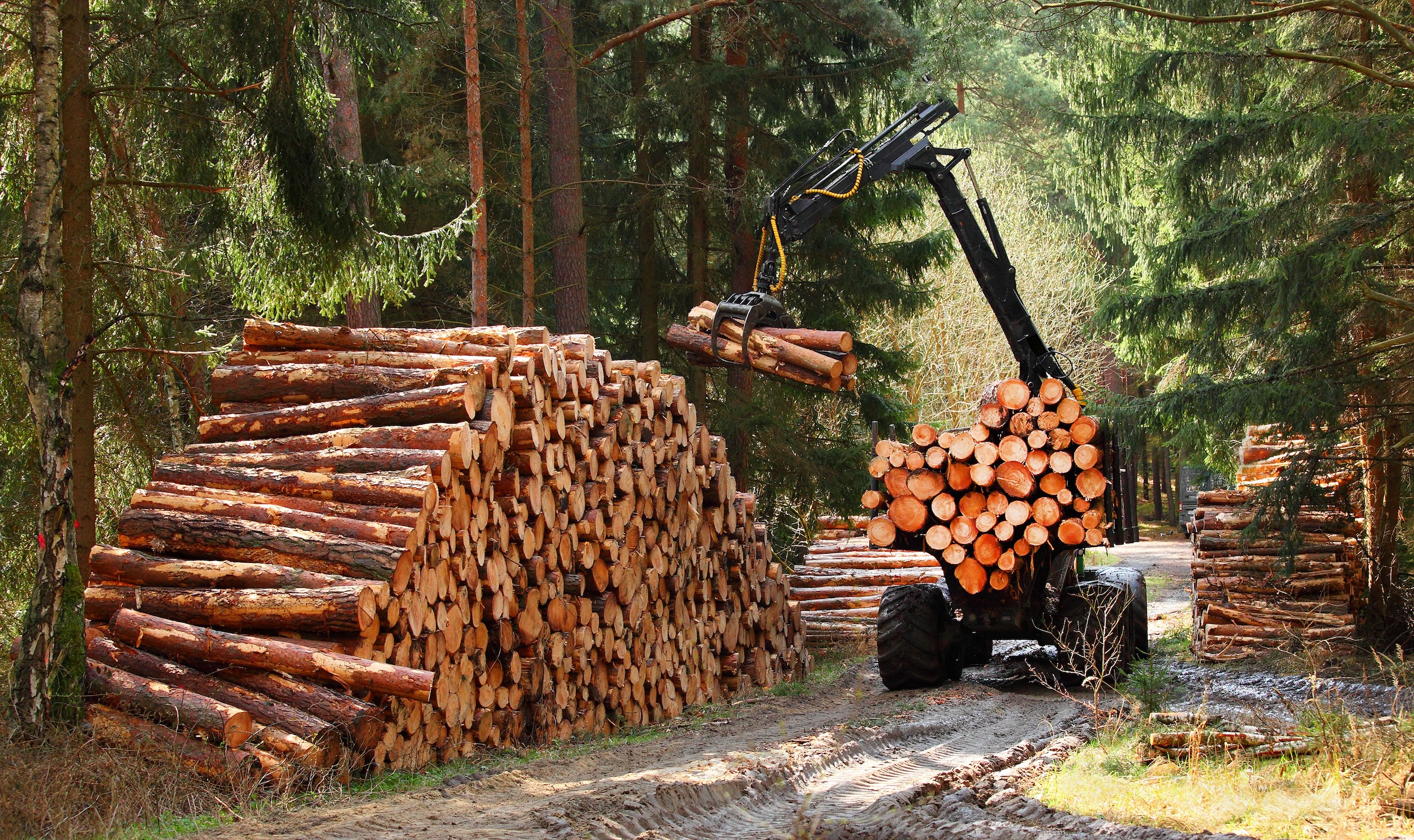
At the end of the day, getting an accurate assessment of timber value per acre really requires professional expertise. While general timber prices per acre for your region and tree type can provide you with some context and a ballpark figure, your specific property needs an individual value assessment to determine how much money you can get per acre for your timber.
The difference between guessing and knowing the true timber cost per acre on your property can leave money on the table.
Hiring a consulting forester is the gold standard for determining accurate timber value per acre. These independent professionals perform a timber cruise, systematically sampling your forest to estimate volume, species, and quality.
This typically costs $300 to $2,000+, depending on property size, but pays for itself by ensuring you receive fair timber prices per acre. A proper cruise provides detailed inventories by species and quality grade that reveal the true timber value per acre.
Consulting foresters can also market your timber to multiple buyers, creating competition that drives up how much money you can get for timber per acre. They typically work on percentage fees (5-10% of sale value) or flat fees for appraisal-only services.
Get competitive bids from at least three loggers to understand how much timber sells for per acre in your area. Different loggers have different specialties and profit requirements, so you’ll want to shop around a bit.
One might specialize in veneer logs and pay premium timber prices per acre, while another focuses on pulpwood. Compare not just total timber cost per acre but payment terms and harvest quality requirements.
Timber sale contracts matter enormously to protect your timber value per acre. Lump sum sales provide an upfront payment for a fixed price. Pay-as-cut sales pay based on the actual harvested volume. Your contract should specify what’s sold, payment terms, boundaries, and liability provisions.
State forestry agencies publish timber price reports that provide market baselines for timber prices per acre. These reports show average prices by species, product, and region.
While useful for understanding general timber cost per acre trends, remember these are averages that may not reflect your specific property’s timber value.
Online timber value calculators offer quick estimates of how much your timber is worth, but they should be used cautiously. They can’t account for quality or accessibility, both of which can impact how much money your timber sells for per acre.
Use them for ballpark figures, not serious financial decisions about timber prices per acre. When substantial value is at stake, professional appraisal is essential for determining accurate timber value per acre.
State forestry extension services often provide free technical assistance to landowners seeking to understand timber cost per acre and can refer you to consulting foresters or reputable buyers.
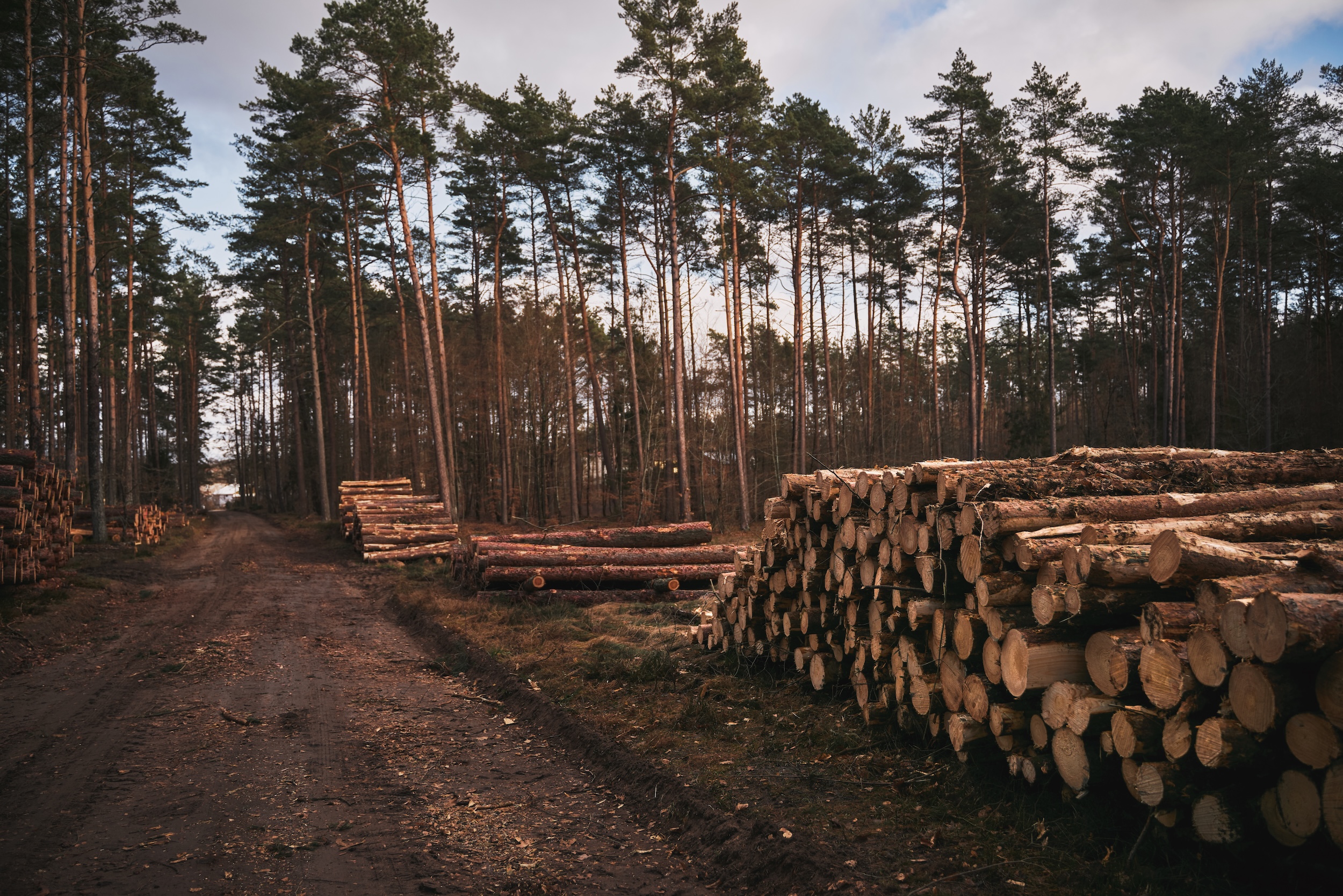
Timing plays a pretty big role in how much money you can get per acre for your timber. Understanding when to harvest affects both biological maturity and market conditions that influence timber prices per acre.
Trees should generally be harvested when growth rate slows below alternative investment returns. For pine plantations, this often occurs at 25-35 years. For hardwoods, it might be 50-80 years, depending on species and desired timber value per acre.
Market timing adds complexity to maximizing timber cost per acre. Lumber markets are cyclical, driven by housing construction and economic conditions. Selling during strong markets can increase timber prices per acre by 30-50%.
However, for most landowners, selling when trees reach maturity, and markets are reasonable represents a sound strategy for achieving good timber value per acre.
Selective harvests remove only certain trees, maintaining forest cover and providing periodic income. However, they’re more expensive per unit, which can reduce the money you make per acre of timber harvested on your property. Clear-cuts harvest all merchantable trees, maximizing current timber value per acre but requiring reforestation.
Tax implications are another factor at play when considering how much money you can get for timber per acre. Timber sales may qualify for capital gains treatment if you’ve owned the property for over one year and the timber has appreciated.
This saves substantial taxes compared to ordinary income rates, which is why it’s important to consult a tax professional who understands timber taxation and property rights transactions.
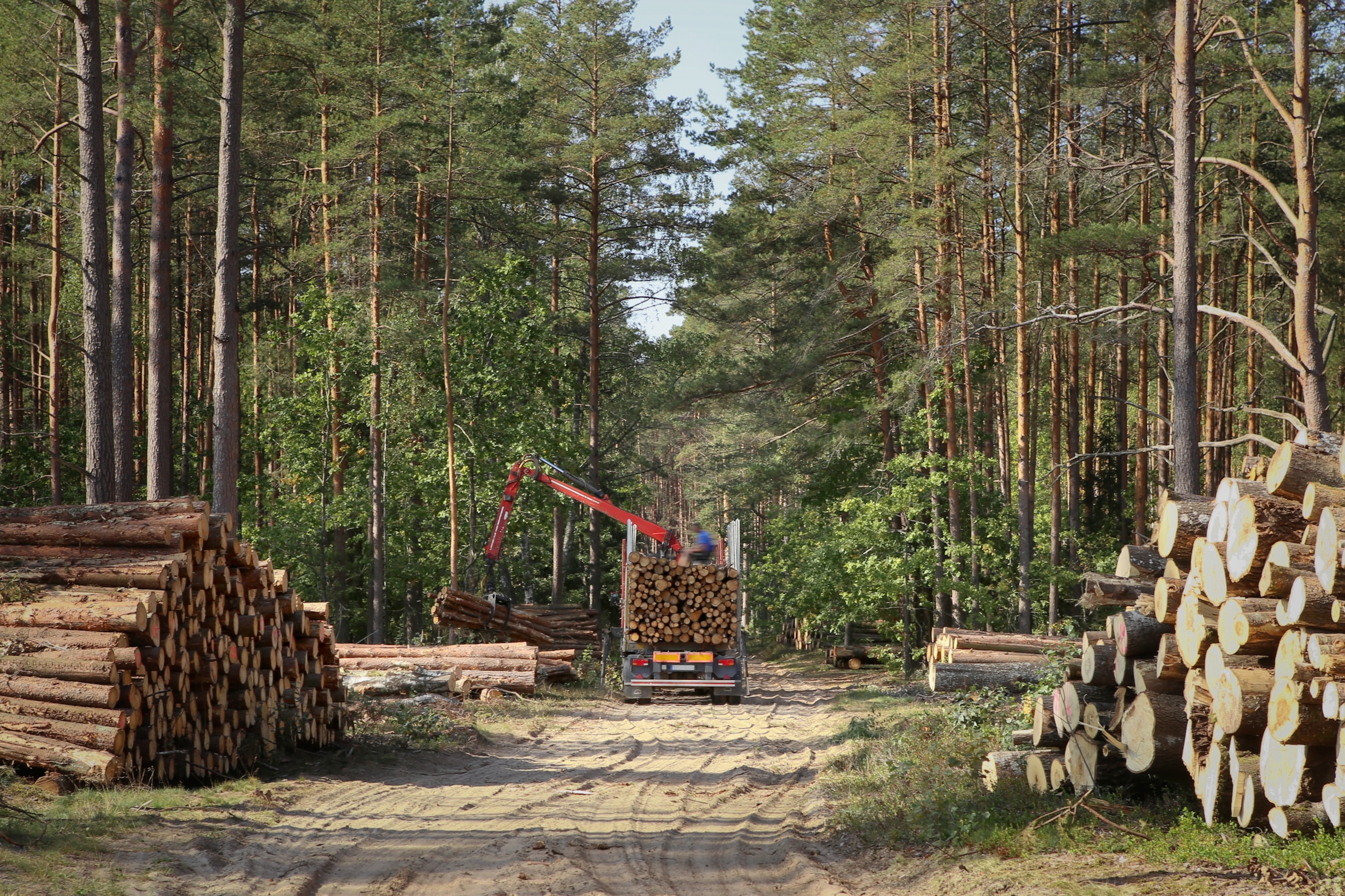
For buyers evaluating timberland properties, understanding timber value per acre is crucial to making a sound purchase decision. When asking “how much is my timber worth” on a prospective property, assess both current timber prices per acre and future growth potential.
The best timberland purchases balance current timber value per acre with long-term potential that will maximize how much money you can get for the timber in the future.
When touring properties, look for large-diameter trees with straightness and minimal branching, as these factors significantly impact timber value per acre. Hardwood stands with multiple high-value species offer better timber prices per acre than monocultures.
Ask about harvest history to understand the current timber value per acre. Properties unharvested or last cut for timber 30+ years ago likely command a higher per acre value.
Previous harvest methods matter, as selective harvests that removed only premium trees may have reduced potential timber prices per acre.
Site quality indicators reveal future timber value per acre growth potential. Deep soils, moderate slopes, and good moisture suggest strong growing conditions. State forestry agencies often maintain site index maps showing soil productivity.
Review existing timber cruises or forest management plans to assess current timber value per acre. Recent inventories can provide detailed information about how much the timber on the property is worth.
Here’s the thing many landowners often overlook: the most valuable timberland offers multiple income streams beyond simply factoring in timber value per acre.
Hunting lease income can provide $10 to $50+ per acre annually in areas with quality game populations. Recreation value from streams, scenic views, or trail access appeals to broader markets. Carbon credit markets represent an emerging opportunity, as forest carbon programs pay landowners for storing carbon in standing timber.
If you’re considering which areas offer the best opportunities for timberland, look for regions with strong timber markets and diverse revenue opportunities.
The most common mistake you can make is selling without a professional appraisal, which often means accepting lower timber prices per acre. Many landowners accept the first offer, leaving thousands on the table.
Poor contract terms create risks when determining how much money you can get for timber per acre. Ensure contracts specify exactly what’s being sold, payment terms, boundaries, and liability provisions. Property boundary confusion causes disputes, so mark boundaries clearly before harvest.
Timing errors also cost money. Harvesting too early means trees haven’t reached optimal timber value per acre. Waiting too long risks storm damage or mortality that reduces timber prices per acre.
Whether you’re evaluating timber value per acre on a property you currently own or you’re searching for timberland to purchase, understanding timber price per acre is fundamental to making informed value-based decisions. And when determining how much money you can get for timber per acre, professional guidance makes all the difference.
At Hayden Outdoors, our agents bring more than real estate expertise to timberland transactions. Many of us manage our own forested properties, understanding firsthand the challenges of timber ownership.
We work with professional foresters who can accurately assess timber value per acre, understand regional timber markets and current timber prices per acre, and help clients evaluate both current timber cost per acre and long-term potential.
When you’re ready to sell timber or looking for your next timberland investment, our team has the local knowledge to ensure you understand how much your timber is worth and make the most of your property.
Explore available timberland properties across the United States and discover how Hayden Outdoors can help you understand the true timber value per acre of the timber you’re buying or selling.
Our agents are here to walk the property with you, connect you with trusted foresters who can determine accurate timber prices per acre, and ensure timber value per acre is properly evaluated and maximized in your land transaction.