
×

Sign in
Sign in to save favorite properties and equipment, save your search parameters and more
Don’t have an account yet? Sign Up Now
Sign up
Already have an account? Login Now


 866-741-8323
Sign in
Sign in to save favorite properties and equipment, save your search parameters and more
Don’t have an account yet? Sign Up Now
Sign up
Already have an account? Login Now
866-741-8323
Login
Sign in
Sign in to save favorite properties and equipment, save your search parameters and more
Don’t have an account yet? Sign Up Now
Sign up
Already have an account? Login Now
Sign in
Sign in to save favorite properties and equipment, save your search parameters and more
Don’t have an account yet? Sign Up Now
Sign up
Already have an account? Login Now
Rolling hills that stretch for thousands of acres. The scent of sagebrush, the sound of cattle lowing, horses saddled at dawn, and neighbors gathering every spring for branding season. Ranch life is deeply woven into the fabric of American heritage, but the dream of starting a ranch is far more than cinematic nostalgia. Understanding how to buy a ranch is the first step toward making that dream a reality.
Beyond the wide-open spaces lies a way of living that demands 24/7 commitment, high operating costs, property tax planning, knowledge of pasture and soil health, and the grit to weather both literal and financial storms.
Whether you’re drawn to the way of life or see potential in land ownership, learning how to own a ranch or how to start a ranch involves much more than signing a deed. With insight from the ranch real estate experts at Hayden Outdoors, here’s what you need to know before buying a ranch—from land selection to long-term planning, we’ll give you the blueprint to start your next adventure.
The answer to this question is another question: Why are you buying the ranch in the first place? Do you want to realize a return on your investment? Are you in it to sell cattle and make a profit?
Or is your search into how to buy and start a ranch focused more on the joys of the ranching way of life? These two categories are quite different, so let’s break them down separately.
If you’re looking to make money through your ranch, it’s wise to adjust your expectations before you purchase the land. Traditional ranching, especially cattle or hay operations, typically offers low cash returns, somewhere in the ballpark of 2 to 4% annual ROI (sometimes less than that).
Ranches come with a lot of overhead, so the basic costs of owning and starting one can be steep. Ranch profits are usually pretty slim, due to high input costs, volatile markets, and weather unpredictability.
Of course, the value of the ranch land itself will most likely appreciate over time, especially if your ranch is in a well-located, highly desirable area. Ranch owners can take advantage of some tax benefits, such as agricultural exemptions, depreciation, and 1031 exchanges that improve net return.
These benefits will vary by state, so make sure to consult a CPA familiar with owning ag property before you buy and start your ranch.
Obviously, the answer to this question is up to you, but as it relates to return on your investment, it’s an important consideration for many people. Often, buyers view a ranch as a personal asset rather than a pure profit vehicle. Ranch land offers privacy, recreation opportunities such as hunting, fishing, and owning horses, and a daily connection to wild spaces. Ranches are frequently passed down from generation to generation, establishing family legacy and opportunities for generational wealth.
Whatever your reason for buying a ranch, you’ll want to consider the holding period and liquidity factors. These types of properties are hard to sell quickly—it can take a special buyer or buyers who want to take on the responsibility and cost of owning one—and values can fluctuate with the ag or real estate markets. Maintaining a ranch must continue while you’re looking to sell your property, meaning that even when you’re done with your ranch, it’s not necessarily done with you. Fences still need to be fixed, watering systems maintained, and equipment serviced. There are ways to offset the costs of ranch holding periods, such as diversifying income with livestock, hunting leases, hay production, solar or wind leases, or agritourism, but these can also require investment and infrastructure.
The bottom line is that ranches aren’t typically high-profit generators. However, there is the pure magic of owning one, the freedom, and the family legacy value. If you value long-term land appreciation, tax advantages, and living the ranch way of life, a ranch can be a smart and resilient investment, especially when it’s well managed.
When considering how to buy a ranch, it’s important to understand what officially qualifies a property as a ranch. While there’s no federal definition, many state and county regulations do set minimum acreage and agricultural use requirements that can impact tax exemptions, zoning classifications, and operational status.
There’s no universal size threshold for owning a ranch. You might raise a few head of cattle on five acres and rightfully call it your ranch. The more formal definitions usually depend on land use—specifically, how your state or county classifies the property in terms of taxes, zoning, and regulation.
Before buying a ranch, start by researching local definitions and requirements. Understanding how your land is classified could help you secure agricultural tax exemptions, which may significantly reduce property taxes.
These requirements vary widely by location, so if you’re learning how to start a ranch, it’s essential to speak with a knowledgeable ranch land real estate professional. They can help you determine how land use classification may affect tax benefits and meet your county’s ag appraisal standards.
Tell someone you’re thinking of buying a ranch, and the West is most likely the first place that comes to mind.
With its wide-open spaces, big sky country, pioneering heritage, and rich history of settlers moving cattle from one pasture to the next, western states have been home to the country’s most famous ranches since the Homestead Act. It’s a go-to region for starting a ranch.
You can start your search for land by looking at ranches for sale in Montana, Wyoming, Idaho, Colorado, and Utah. Or, consider things from a different perspective, one that weighs purpose and benefit over location.
If you’re just starting the business of owning a ranch, affordable land and relatively straightforward regulations are good criteria to look for. There are a variety of other factors to think about, like your goals, budget, and how much time you can commit to the operation. But for those looking to get a flavor for ranch life, these are three strong states to consider:
Make sure to consider the following “beginner-friendly” ranch ownership criteria:
For those looking to start or buy a ranch specifically for cattle operations, including grazing, water access, and proximity to markets, these states offer key advantages:
For those determining how to buy a ranch for cattle ranching, consider the following:
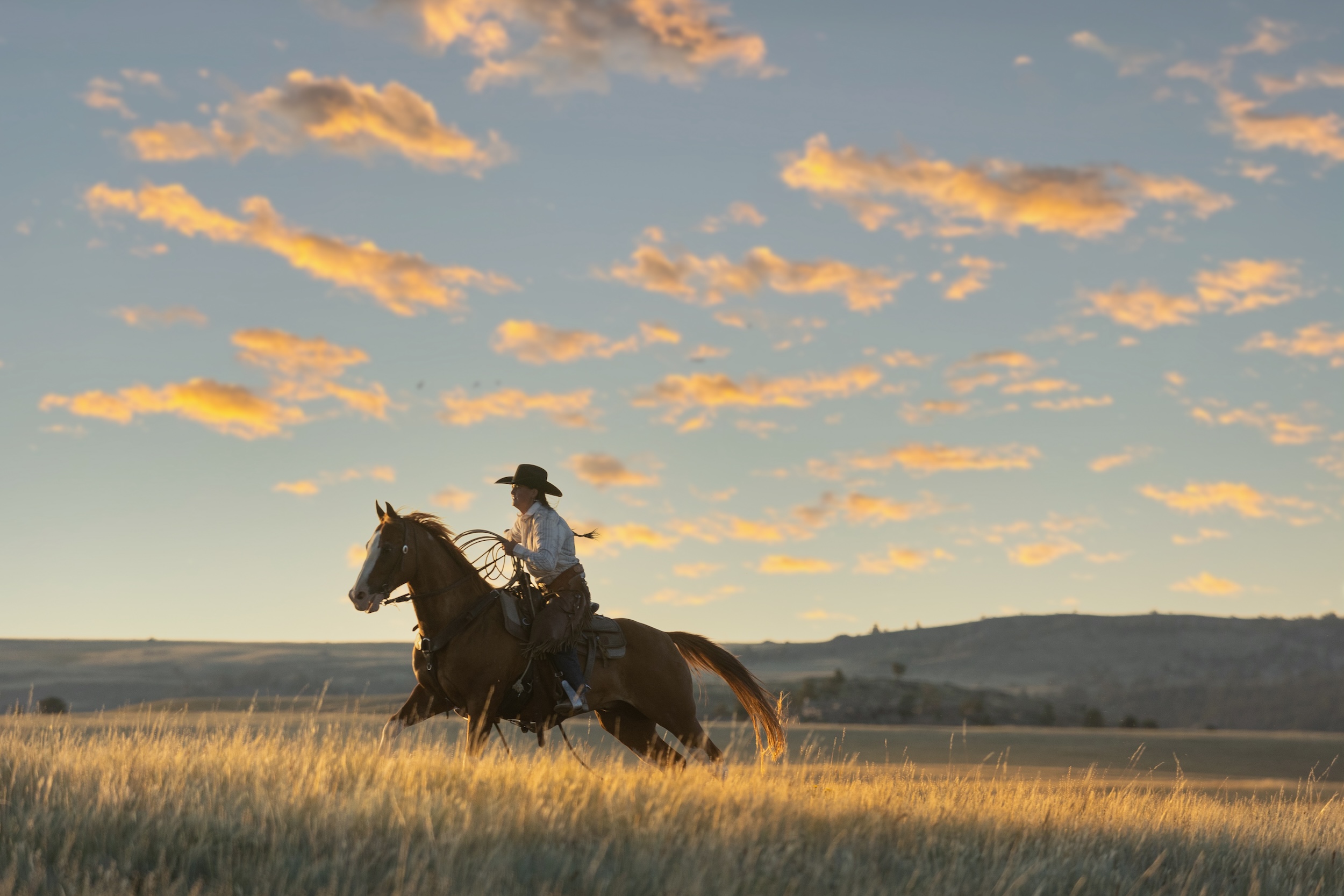
Given the cost of starting, owning, and running a ranch, tax benefits and offsets can be an important factor when buying your property. Here are the most tax-friendly states for those looking to start a ranch:
Important criteria to consider for any state:

As the global climate changes, agricultural production can become more unpredictable and harder. Those looking to buy and start a ranch in a region that offers water security and climate resilience might want to start in these notable locations:
Things to consider when buying and starting a ranch based on climate and water availability:
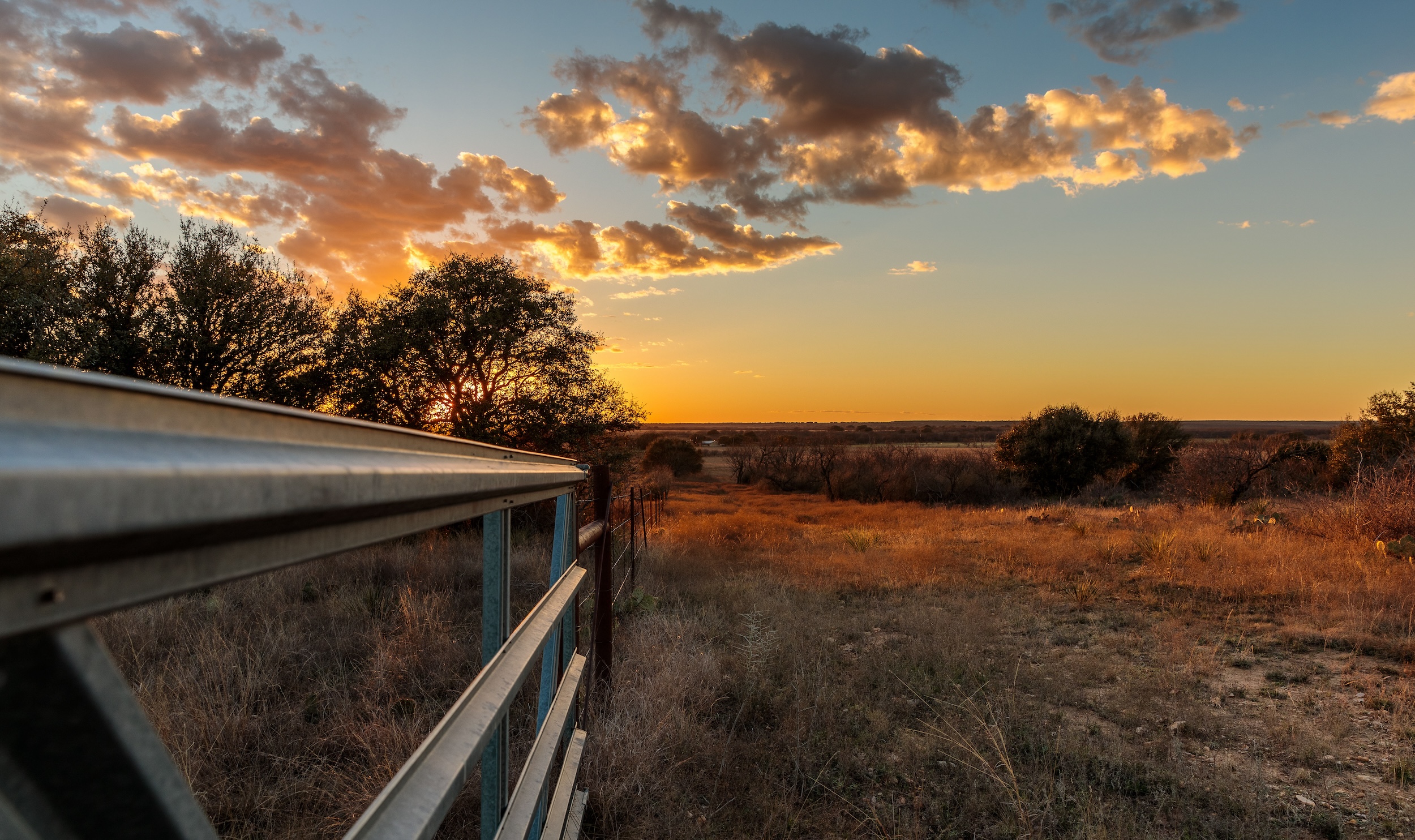
Rural land has become a hot commodity these days. If you want to look beyond your ranch years to the future sale, appreciation, and market value of your land, explore these states:
Prime ranch land requires specific conditions. If you’re in the market, make sure to avoid the following:
As is evidenced by the list above, a variety of factors go into pricing ranch land. Determining how much a ranch costs, or how much it will cost to buy one, depends on factors like location, local zoning and ag requirements, views, and desirability.
According to the United States Department of Agriculture (USDA), the average farm real estate value across the U.S. in 2025 was $4,350 per acre, while the average pastureland value was $1,920 per acre. Pricing and valuing actual “ranch land” is difficult, given that there is no official designation for ranches.
Key variables that affect ranch land cost include:
If you’re looking to buy a working cattle ranch in a decent location that allows for water and grazing but doesn’t offer any luxury amenities, you’re probably looking in the $2,000 – $7,000 per acre range, again, depending heavily on the criteria above.
Extremely remote land might go for closer to $2,000 per acre, while high-end, highly desirable and luxury ranches can go for upwards of $10,000 per acre. If you have a location, size and goals in mind, talk with a local ranch real estate specialist to learn more about the best ways to price ranch land in that area, and what you can expect to pay per acre when looking for ownership opportunities to start your ranch.
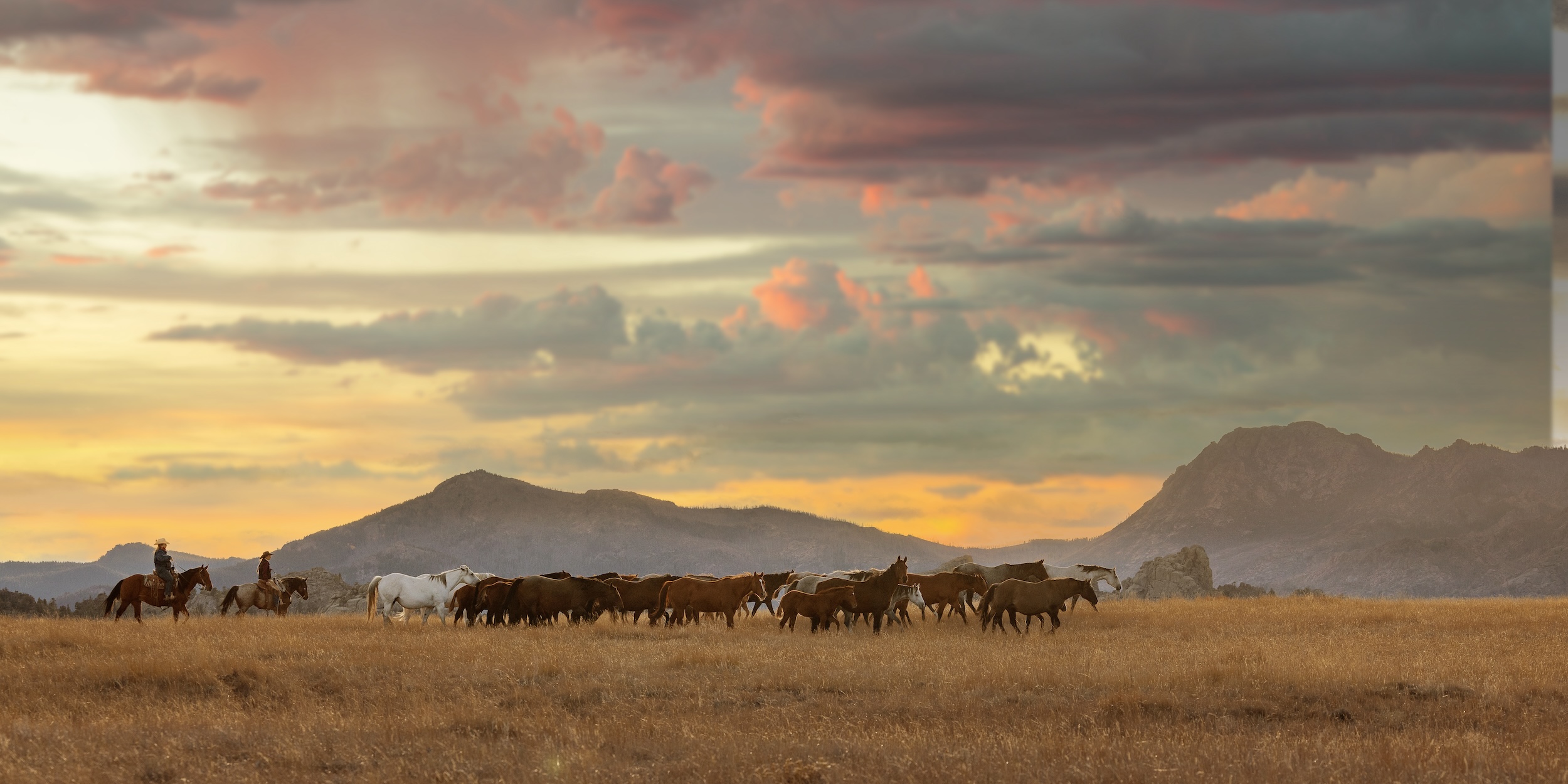
Knowing what you’re truly getting into when starting and buying a ranch will help save you time, money, heartache, and headaches down the ol’ dirt road. Many first-time ranch owners, even those with business experience, make the same handful of costly mistakes when buying land.
Here are some of the most common pitfalls and specific steps you can take to avoid each one.
Underestimate the Operating Costs: Don’t assume buying the land is the main expense. Starting and running the ranch requires plenty of capital, including feed, fencing, fuel, repairs, taxes, and veterinary care.
Avoid It: Create a detailed budget before you purchase your ranch, including livestock feed, equipment, labor, insurance, water and utilities, and property taxes. A good general rule is to assume at least 10 to 15% of the property value annually for maintenance and operations. Talk to local ranchers and ag specialists to get accurate numbers for your area.
Overlooking or Overestimating Water Availability and Rights: It might be a beautiful plot of land, but if it doesn’t offer a reliable water source, or if the water rights are shaky or unclear, you can’t sustain livestock or crops.
Avoid It: Verify the legal water rights with the county or state water agency. Inspect wells, springs, and the irrigation systems before buying your ranch. Ask how deep the well is, what its flow rate is, and if there are seasonal creeks, ponds, or other natural water sources on the property. Finally, review the drought history of the area and identify any local water restrictions.
Misjudging or Not Understanding Carrying Capacity: Don’t buy land based solely on size. Not all acres are equally productive, and overgrazing quickly degrades soil and pasture.
Avoid It: Calculate how many cows the land can support year-round (animal unit months or AUMs). Consult the NRCS or county ag extension offices for forage productivity data. If you’re new to this world and are just beginning your journey of starting a ranch, consider starting small, increasing stock rates only after monitoring pasture health for at least one full season.
Ignoring Infrastructure Needs: Don’t forget the cost of fencing, corrals, barns, power, or roads, especially on raw or undeveloped land.
Avoid It: Make sure to include money for improvements in your budget. Inspect all existing infrastructure before you buy your ranch to make sure it’s functional and account for improvement costs if it’s not. Make sure the property has legal access and all-weather roads for trucks and trailers.
Not Understanding Zoning and Tax Rules: Don’t assume your property automatically qualifies for ag exemptions or livestock qualifications.
Avoid It: Confirm zoning classifications and allowed land uses with the county before you buy the ranch. Ask about rollback taxes if the land loses its ag status.
Understanding Climate and Environmental Risks: Don’t overlook any pattern of droughts, wildfires, floods, and extreme winters in your region.
Avoid It: Review climate data for the last 20 to 30 years, as well as USDA drought maps. Ask the locals about typical weather and any climate hazards. Invest in winter storage, firebreaks, and insurance early on in your ranch ownership.
Overestimating Personal Labor Skills: Avoid assuming you can run everything yourself. Odds are, you can’t.
Avoid It: Start small and scale up once you’ve gained some experience. Hire or consult a ranch manager for at least your first year, and consider taking courses in grazing management, livestock health, and equipment operation as you become more skilled in how to start a ranch.
Ignoring Resale Value: Don’t forget to look to the future when you buy your ranch. Some remote or over-specialized properties can be hard to resell.
Avoid It: Choose land with versatile use in a desirable location with viable access, and that does not come with any unclear easements or boundary disputes.
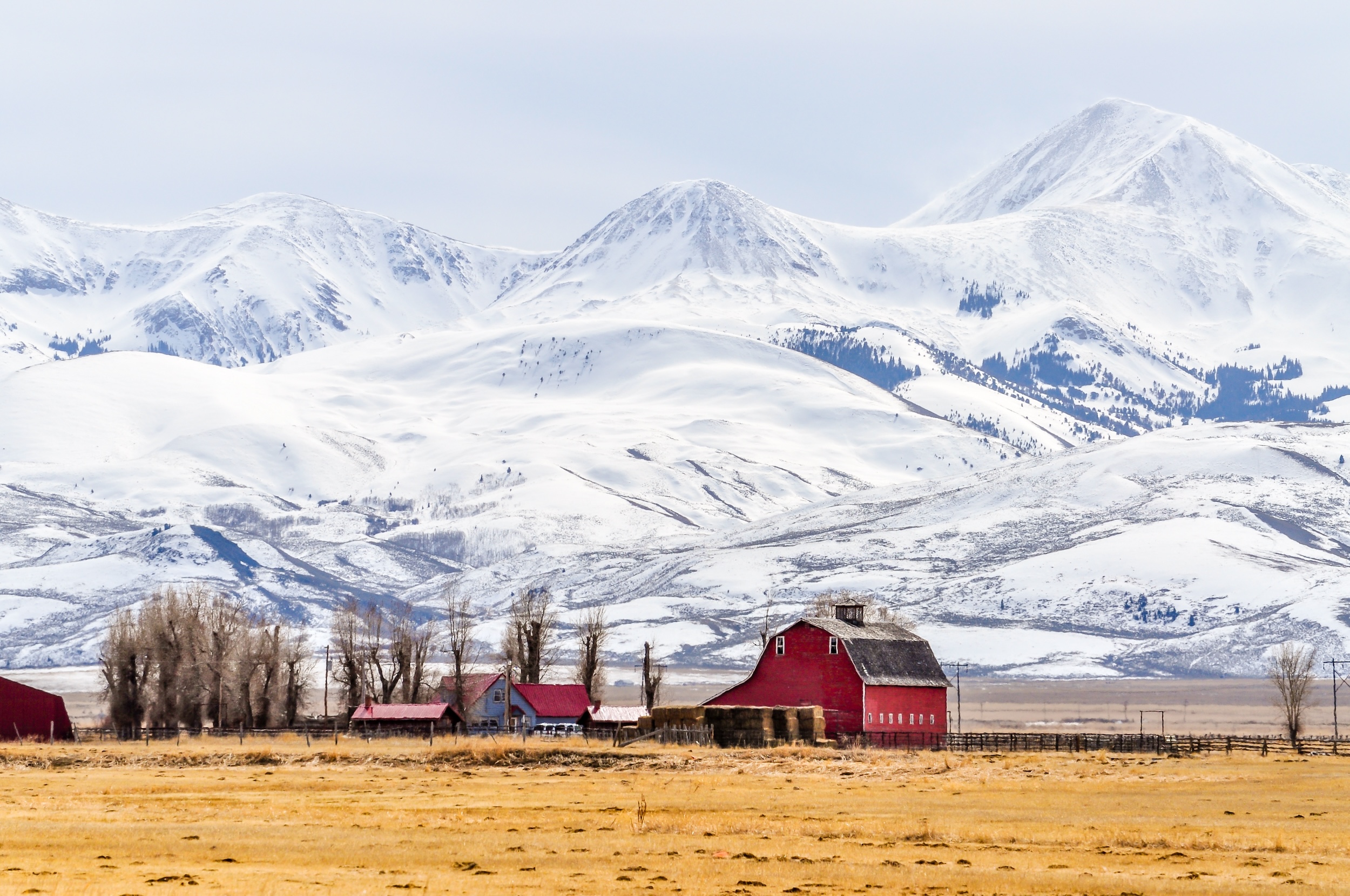
The best place to start the ranch buying process is with an expert in large-acreage purchases. But it’s equally important to come prepared, understanding what you need to look out for, where the sale might go astray, when to walk away, and future considerations.
This is our expert checklist of things to do before you buy a ranch:
Physical Property Due Diligence
Legal and Title Due Diligence
Do a title report review, looking for the legal description, confirmed total acreage, any liens, easements, and right-of-way agreements, mineral, water, and timber rights, encroachments or boundary issues, access and right of entry, covenants or HOA agreements, unpaid property taxes or special assessments, and title exceptions.
Operational Due Diligence
Environmental Due Diligence
Make sure you understand all environmental and ecosystem impacts associated with your ranch, including an endangered species habitat check, wetlands delineation, contamination assessment, and flood plain mapping.
Generally, starting and buying a ranch is a longer and more complex process than buying residential real estate. There’s the size of the land, the extensive due diligence, and often livestock and equipment involved.
While these ranch buying timelines can vary for specific circumstances, you should allow for the following:
In total, you should plan on spending between four and nine months to buy a ranch. Work with an experienced ranch real estate agent to help you find the right property and navigate the many steps involved in buying a ranch.
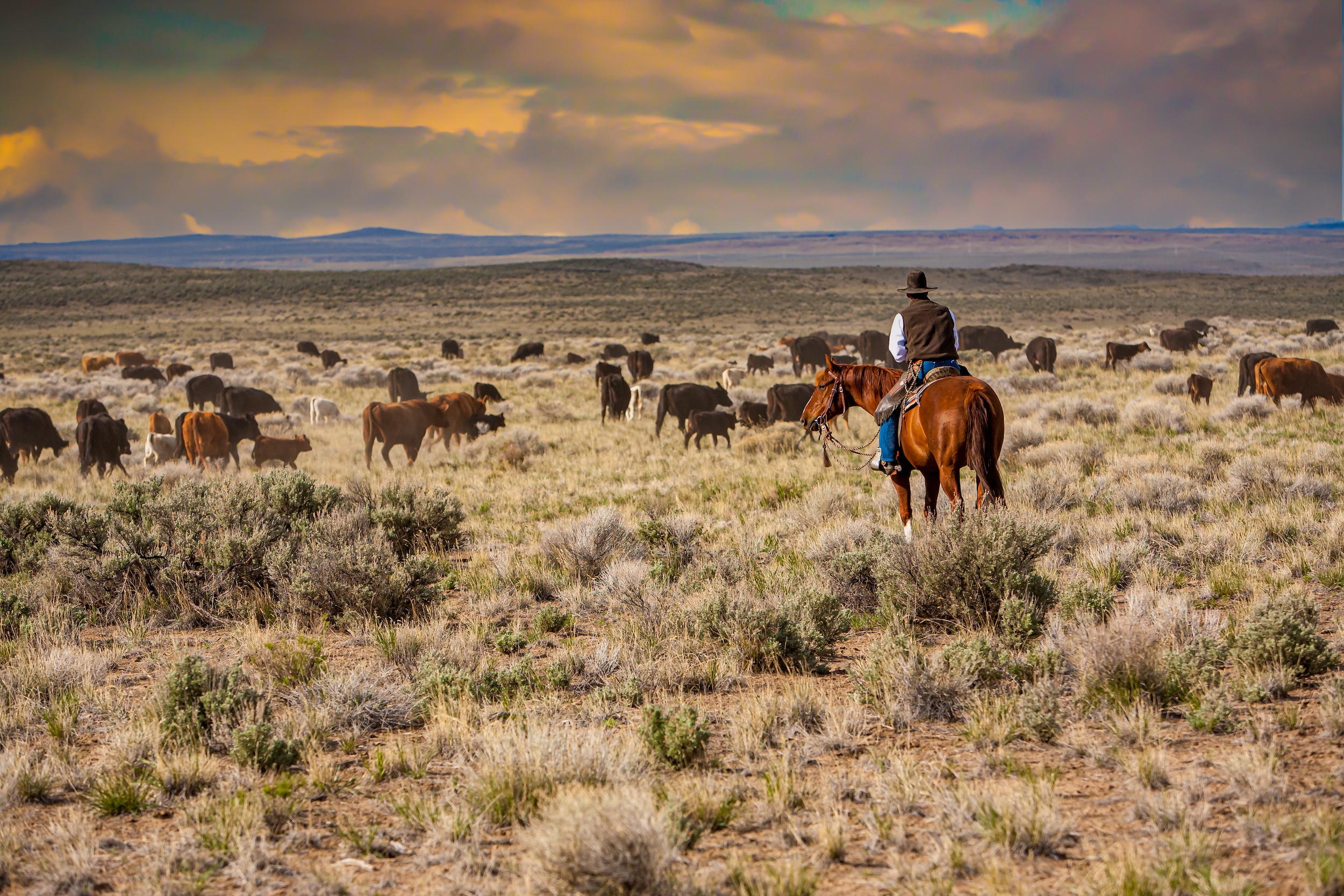
While you might be able to walk the walk when you wander onto a ranch, talking the talk when you wander into the process of buying a ranch is equally valuable to your success with the property. Show up prepared to negotiate and stand up for your values and long-term goals.
Understanding the Seller
It’s the first question many buyers will ask: “So, why are you selling your ranch?” And it’s a very important one. Knowing why someone is walking away can help you determine if it’s a good deal for you to start your ranch on this land.
Are they selling out of financial, operational, or climate distress, or was the sale planned?
One of the most important factors when determining how to buy a ranch is knowing how to identify a motivated seller and read between the lines in a ranch property listing.
Negotiation Strategies
Alternative Acquisition Strategies
Starting and buying a ranch involves multiple layers of law, including real estate, water, agriculture, environment, and sometimes federal land use. Examine the following before closing on any ranch property.
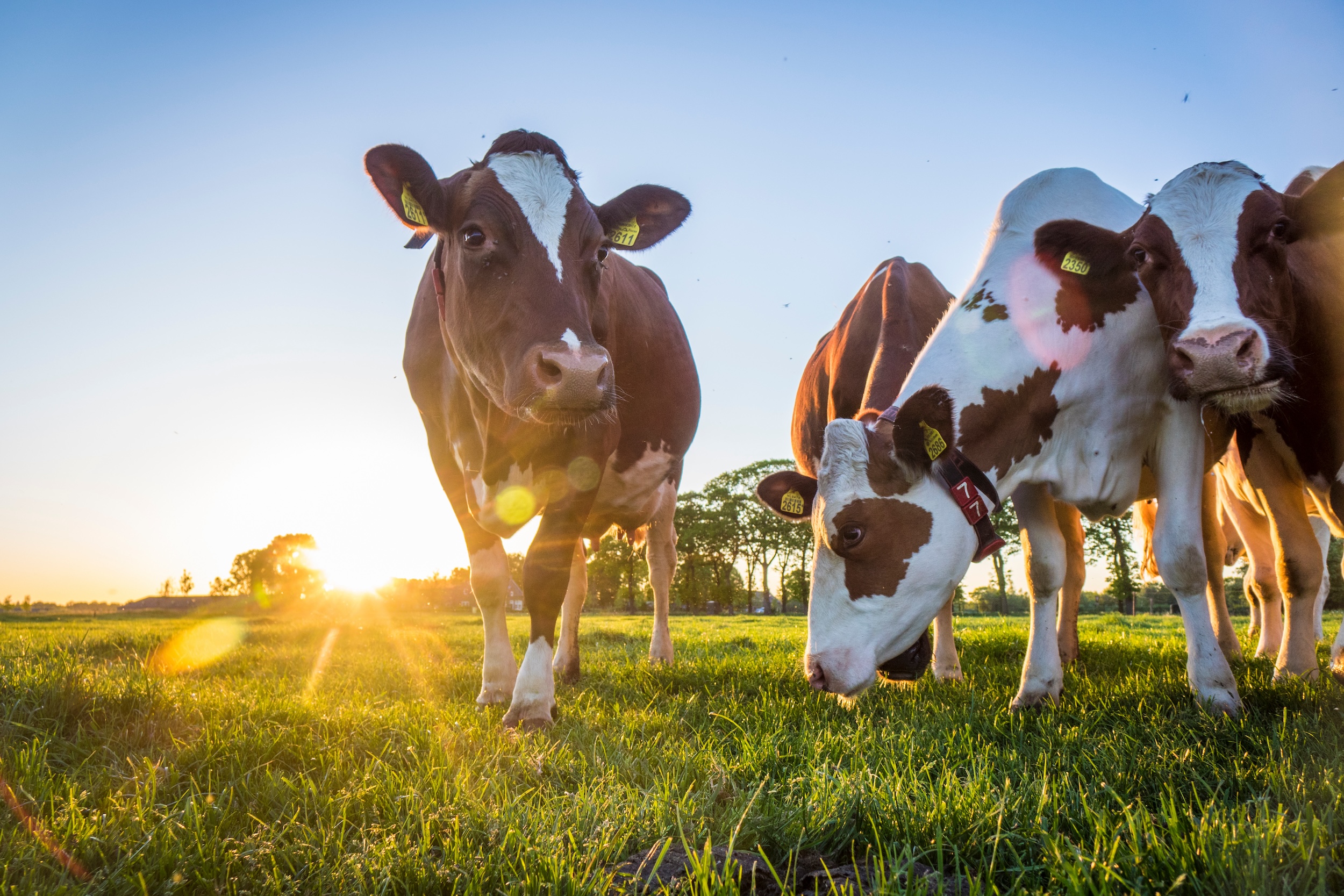
If you’re buying a ranch with the intent to monetize your ranch land or offset some of the operation costs of owning it, you’re in luck. Ranches offer a variety of ways to increase profit margins.
Here are some ways you can make money off your ranch land—the obvious and less so:
If you’re buying a ranch, it’s best to start with your personal goals for ownership before you look to expand your revenue streams. Start with land health—grazing capacity and water determine your profit line.
Diversify slowly at first, adding two to four revenue streams for stability. Maintain your agricultural use to preserve tax status and exemptions. Think long-term, keeping conservation and soil health in mind for increased production. Offer an authentic ranch experience to visitors looking for a more rural experience.
There are a variety of financing options when determining how to buy a ranch, particularly if you’re a first-timer looking to start a new operation. It’s best to talk with your bank, your CPA, and your real estate professional to determine which is best for you.
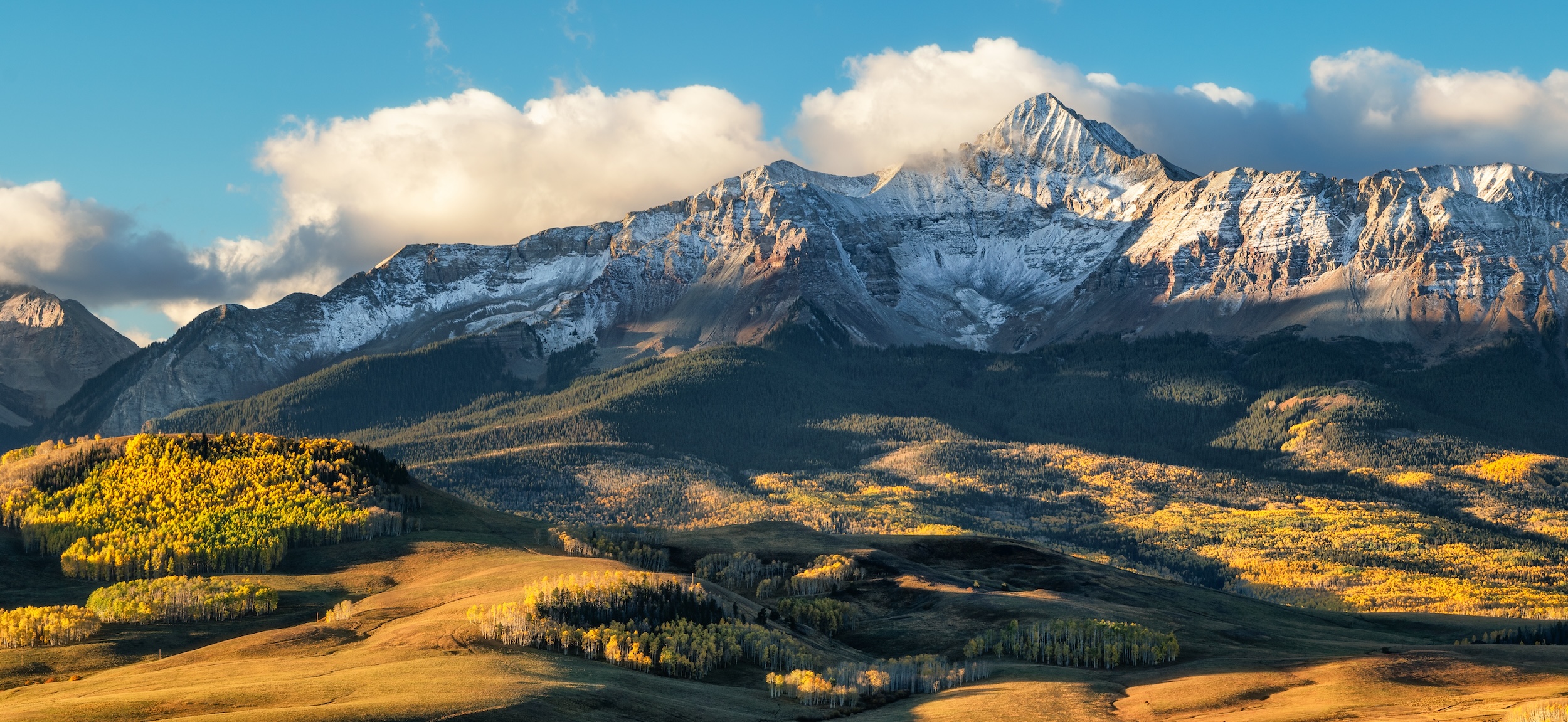
Finding the ideal ranch property to start your journey often begins with someone who knows and understands rancher way of life. The recreational real estate professionals at Hayden Outdoors are well-versed in all things starting and buying a ranch.
They’re experienced real estate professionals, but they’re also seasoned ranchers, cowfolk, farmers and hunters. They know what to look for in an ideal ranch property for first-time buyers.
Talk with them about the vision you have of starting your ranch. They can help you identify that special piece of ground—the one where your cattle graze and your kids run wild; where your family gathers and your chickens roost; where ranch existence takes hold and your legacy is realized. Start your search today.
 Back to Blog