
×

Sign in
Sign in to save favorite properties and equipment, save your search parameters and more
Don’t have an account yet? Sign Up Now
Sign up
Already have an account? Login Now


 866-741-8323
Sign in
Sign in to save favorite properties and equipment, save your search parameters and more
Don’t have an account yet? Sign Up Now
Sign up
Already have an account? Login Now
866-741-8323
Login
Sign in
Sign in to save favorite properties and equipment, save your search parameters and more
Don’t have an account yet? Sign Up Now
Sign up
Already have an account? Login Now
Sign in
Sign in to save favorite properties and equipment, save your search parameters and more
Don’t have an account yet? Sign Up Now
Sign up
Already have an account? Login Now
 Back to Blog
/
Land and Habitat Management, Land Ownership /
Back to Blog
/
Land and Habitat Management, Land Ownership /
There’s something profound about standing on land that’s been in your family for generations. The worn path to your favorite fishing hole. The ridge where your grandfather taught you to look for elk. The pasture where four generations of cattle have grazed. This isn’t just property. It’s your family’s living history, which is why establishing a family land trust is such a critical part of estate planning; because ensuring that property can be passed down means keeping that legacy intact.
But without proper planning, that legacy can disappear in a single generation. Probate courts, family disputes, and forced sales tear apart family land holdings every year. Research shows that 70% of wealth transfers fail by the second generation, and 90% fail by the third, often due to poor communication and inadequate planning.
A family land trust offers a powerful solution to protect what matters most. Whether you own 40 acres of hunting land, a legacy ranching property, or pristine timberland, understanding how property trusts work can mean the difference between preserving and passing down your legacy and watching it slip away.
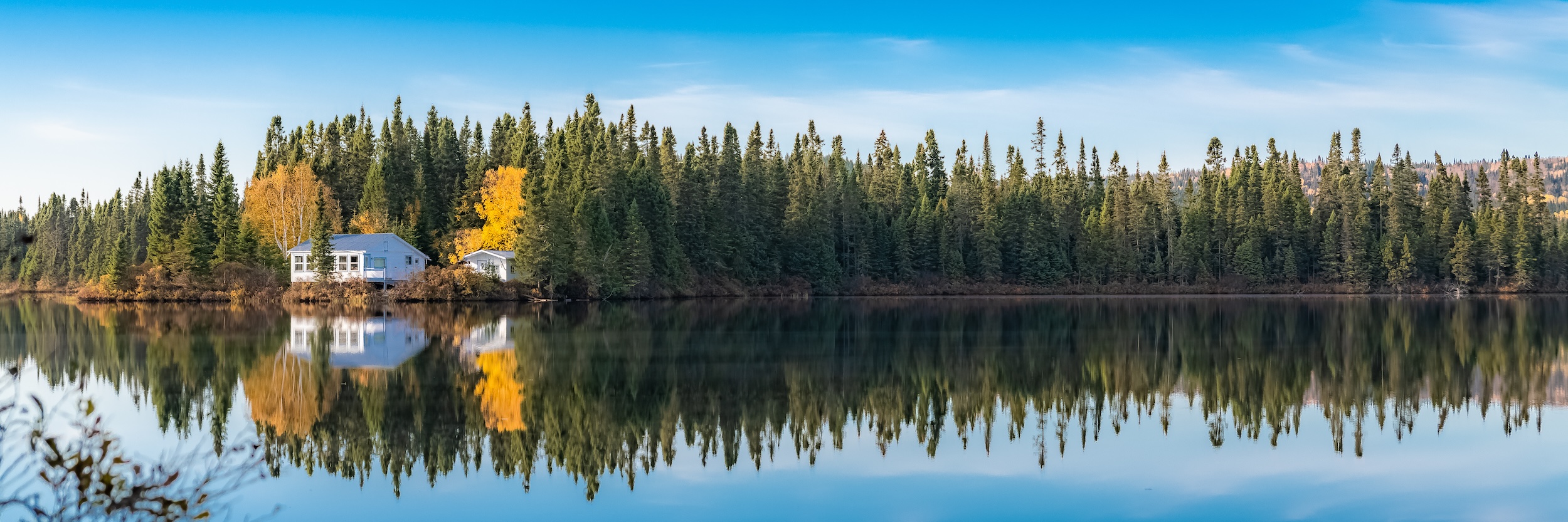
A family land trust is a legal arrangement specifically designed to hold and transfer real property within families across generations. Think of this type of trust as a protective wrapper around your property—the land trust holds the legal title while you retain all the benefits of ownership.
You can still hunt it, farm it, lease it, or simply enjoy it. The difference is in who appears on public records and how the property transfers when you’re gone.
Here’s what might surprise you: establishing a family land trust doesn’t mean giving up control of your property. When you create a family land trust, you typically serve as the trustee during your lifetime, which means you maintain complete authority.
You make all the decisions. You collect the income. You decide when and if to sell. Nothing changes in your day-to-day management, but everything changes in terms of privacy, estate planning, and protecting your family’s future.
Land trusts have a rich history in America. They originated in Illinois in the 1890s, primarily as a tool for wealthy Chicagoans who wanted to keep their property holdings private. Today, family land trusts are used in all 50 states, though only eight states (Florida, Georgia, Hawaii, Illinois, Indiana, Montana, South Dakota, and Virginia) have specific statutory laws governing them.
It’s important to distinguish between different types of property trusts, though.

Understanding how a family land trust operates requires knowing the three key players:
You can, however, wear all three hats simultaneously—grantor, trustee, and beneficiary.
Let’s look at a theoretical example. Consider the Wilson Ranch—370 acres of prime grazing and hunting land in Wyoming. When Tom Wilson purchased the property in 1965, he placed it directly into a family land trust, with himself as both trustee and beneficiary. He ranched that land for 44 years. When Tom passed away in 2009, his daughter Sarah automatically became the successor trustee. There was no probate, no court involvement, no public record of the transfer. Three generations have now benefited from that single family land trust document.
The timeline for putting land in a family land trust is straightforward. The entire process typically takes 3-4 weeks (although we recommend anticipating 2-3 months before everything is fully ready): initial consultation, document preparation, review and signing, and finally recording the deed with the county.
When title to real estate is held in a title-holding trust, courts have held that the beneficial interest is considered personal property rather than real property, which can simplify certain transfers.

There are three main types of land trusts, each with different core objectives and benefits. Before establishing a trust for your property, it’s critical to understand what your options are.
This is the most common type of family land trust. With a revocable property trust, you maintain complete control during your lifetime. You can change the terms, add or remove beneficiaries, sell the property, or even dissolve the trust entirely.
The trust is tax-neutral while you’re alive—you still report all income and expenses on your personal tax return. There’s no separate tax return required. The trust automatically becomes irrevocable when you pass away, triggering the succession plan you’ve established.
One limitation: revocable land trusts provide limited asset protection from creditors during your lifetime. An LLC is typically required for substantial liability protection, especially for rental properties or hunting leases.
An irrevocable land trust represents a permanent transfer. Once established, you generally cannot change the terms or remove the property. This loss of control is what makes irrevocable trusts less popular for family legacy planning.
The primary benefit is estate tax reduction for very large estates. When you transfer property into an irrevocable trust, it’s removed from your taxable estate, potentially saving substantial money if your estate exceeds the federal exemption (currently $13.99 million in 2025).
For most families preserving hunting land or working ranches, a revocable land trust offers better balance.
Here’s where many landowners get confused: conservation easements are not the same thing as family land trusts for estate planning.
A conservation easement is a permanent legal restriction on how your land can be developed. You’re preserving the land’s natural character forever in exchange for tax benefits. Under Section 170(h) of the Internal Revenue Code, qualifying easements can provide substantial income tax deductions—up to 100% of adjusted gross income for farmers and ranchers.
Critical distinction: conservation easements significantly reduce property value, typically by 25-60%. This makes sense—development rights have value, and surrendering them permanently reduces what buyers will pay.
Conservation easements are enrolled with qualified organizations, cannot be reversed, and involve ongoing monitoring. Many families use both tools together: a family land trust holds title for estate planning while a conservation easement restricts use for conservation purposes.

After working with thousands of families buying and selling land, we’ve seen how proper planning makes all the difference in passing down property (and your legacy).
Avoiding probate is the single biggest advantage of putting land in a trust. Probate takes 6-18 months, costs thousands in legal fees, and requires complete public disclosure. A family land trust bypasses all of this. Your successor trustee steps in immediately—no waiting, no court approval required.
Family land trusts prevent court-ordered partition sales—one of the most heartbreaking outcomes in family land disputes. When multiple heirs inherit property without proper planning, any one can petition the court to force a sale. A properly structured family land trust prevents this by clearly defining management and distribution.
For families with land in multiple states, a land trust is almost essential. Without one, heirs face separate probate proceedings in each state.
Your personal name stays off public property records when putting land in a trust. The trustee name appears on records, which can simply be the trust name itself. This privacy eliminates unwanted solicitation from developers and marketers.
Walt Disney used Florida property trusts to acquire all the land for Disney World before anyone knew his plans. If his name had appeared on property records, prices would have skyrocketed.
Revocable property trusts are completely tax-neutral during your lifetime. You continue reporting all income and expenses on your personal tax return. There’s no separate trust tax return to file. Property taxes also remain unchanged in most states. Your agricultural exemptions and other tax benefits generally continue unaffected.
For large estates exceeding the federal exemption ($13.99 million in 2025), family land trusts can provide estate tax benefits. The step-up in basis still applies—when heirs inherit, they receive the property at current fair market value, eliminating decades of capital gains taxes.
A family land trust creates a clear succession plan that prevents disputes from tearing families apart. We’ve seen siblings who grew up hunting the same land end up in court battles because their parents never clarified their wishes.
A family land trust allows multiple beneficiaries with specified ownership percentages. You can set terms for responsible stewardship extending beyond your lifetime—preventing subdivision, requiring supermajority approval for sales, or ensuring grandchildren get hunting rights.

Family land trusts aren’t necessarily for everyone, but there are a few key scenarios where establishing one is a solid long-term strategy for keeping property in the family and passing on generational wealth.
One of the most common questions when it comes to family land trusts is this: “Can I put my land in a trust if I still owe money on it?” The answer is yes.
Thanks to the Garn-St. Germain Depository Institutions Act of 1982, you can transfer mortgaged property into a revocable living trust without triggering the “due-on-sale” clause. This federal law specifically protects borrowers transferring property into a family land trust where they remain a beneficiary.
What this means:
Important considerations:
Bottom line: Having a mortgage should not prevent you from establishing a family land trust.
Hunting leases generally transfer with the property when putting land in a trust. Review your lease terms, but most family-arranged leases present no issues.
Timber rights and mineral rights require special attention if severed from surface rights. A family land trust can hold surface rights, mineral rights, or both—but separate conveyance documents are needed for each.
Conservation easements work beautifully alongside family land trusts. The trust holds title for estate planning while the easement restricts development for conservation purposes.

The honest answer? As soon as you own significant land you want to protect for future generations, it’s best to begin the process of establishing a family land trust.
The following are core events that warrant considering establishing a trust: birth of children or grandchildren, divorce or remarriage, retirement and succession planning, serious illness, sale of business creating wealth to invest in land, or inheritance received that you want to preserve.
Schedule an initial consultation as soon as you’re seriously considering putting land in a trust. Many estate planning attorneys offer complimentary consultations. Come prepared with property information and goals. Once you’ve established a working relationship with an attorney who specializes in property trusts, allow at least 2-3 months before you want the trust active (the more complex the case, the longer the timeline).
What to look for:
Pro Tip: The best time to establish your family land trust is when you first acquire that dream property. Build legacy planning into your land purchase from day one, just like you’d purchase title insurance or survey the property lines.
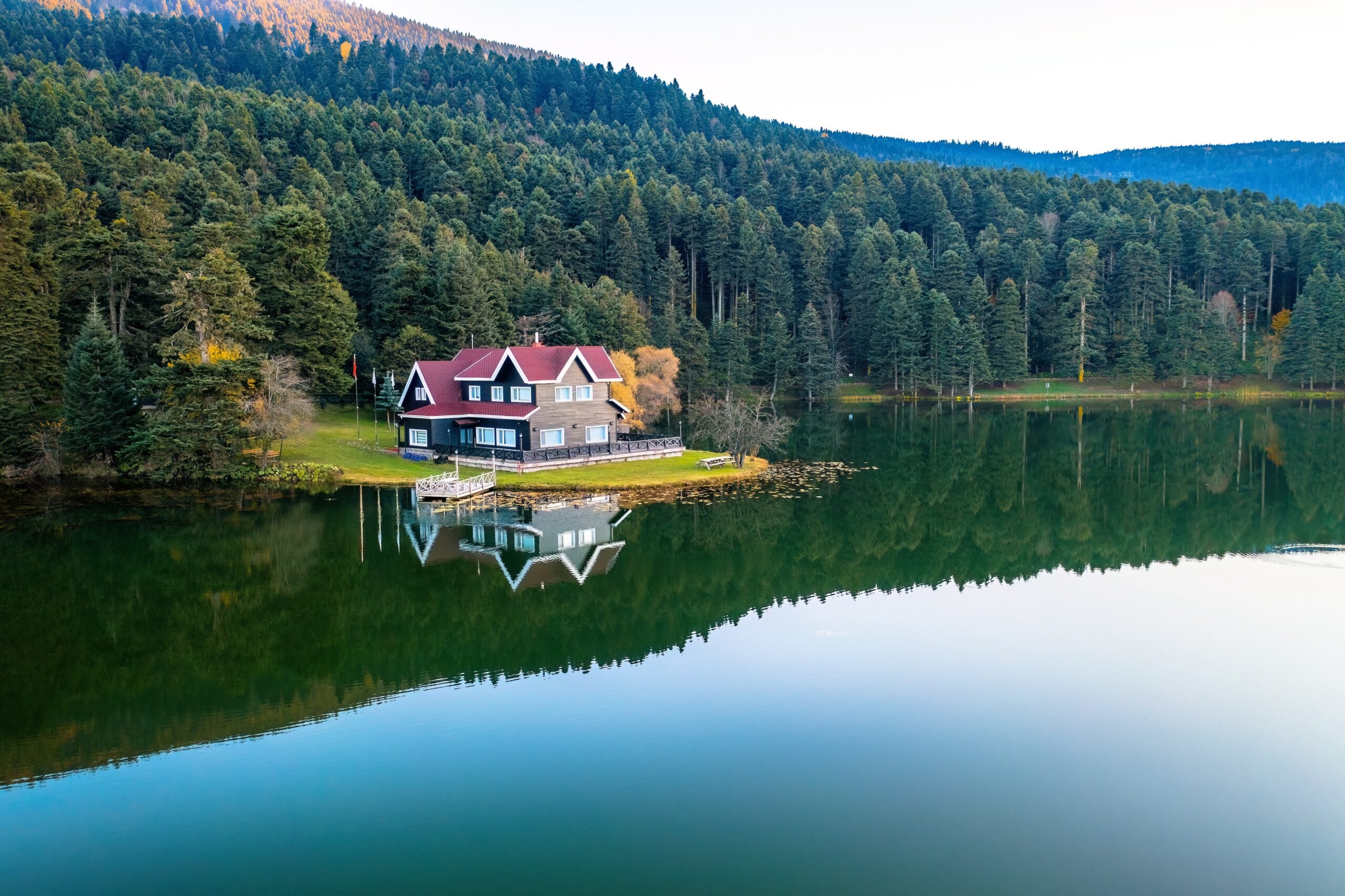
With so many avenues for estate planning, it’s a common question: what’s the difference between a land trust vs living trust?
Here’s the key insight: a family land trust is actually a type of living trust, but it’s specifically designed for real estate. Many families use both: a comprehensive living trust for overall estate planning, and separate land trusts for specific parcels that demand extra privacy.
Think of it this way: A living trust is a toolbox for your entire estate—holding bank accounts, investments, and personal property. A land trust is a specialized tool designed specifically for real property.
When comparing a family land trust vs living trust for your estate planning, it’s important to consider your purpose. A family land trust holds title to real estate only, while a living trust holds all types of assets, including cash, investments, land, personal property, and business interests.
In terms of privacy, a family land trust offers a very high level of protection since only the trustee name appears on public records, whereas a living trust provides moderate privacy by avoiding probate publicity.
Family land trusts are simpler in complexity, while living trusts are more comprehensive estate planning tools. When it comes to the cost of a family land trust vs a living trust, you’ll likely pay more for setup of the living trust, due to its more comprehensive nature and the various assets it covers.
The reality is, both living trusts and land trusts provide probate avoidance and allow you to retain full control during your lifetime if structured as revocable trusts. The key is understanding which tool—or combination of tools—best serves your specific situation. Most established landowners are typically looking at incorporating both into their estate planning process.
You can transfer land from a living trust into a separate family land trust for added privacy, or consolidate land trusts into a comprehensive living trust for simplification.

Let’s address this directly: a title-holding family land trust for estate planning purposes should have zero impact on your property’s actual market value. The land itself doesn’t change; only the name on the title changes.
There are two completely different types of property trusts, and understanding the difference can significantly impact your property’s resale value:
Title-holding family land trusts are used for estate planning and privacy. They do not reduce property value, do not restrict land use, can be revoked or changed anytime if revocable, and simplify transfer to heirs.
Conservation easements (very different) permanently restrict development. They do significantly reduce property value by 25-60%, cannot be reversed, and provide tax deductions in exchange.
When you hear someone say “land trusts reduce property value,” they’re talking about conservation easements, not title-holding family land trusts.
Some buyers unfamiliar with trusts may initially hesitate or have questions. Their lender might require additional documentation. However, these concerns are easily managed with proper Certificate of Trust documentation and experienced land specialists who understand trust transactions.
The selling process is straightforward: You, as trustee, have legal authority to sell. The sales contract names the trust as seller. The title company handles it like any other transaction with proper documentation.
Advantages when selling: If multiple beneficiaries exist, trust terms control the sale process, avoiding the need for all heirs to sign separately. For estate situations, successor trustees can sell without probate.
In high-value land markets, establishing a family land trust is common and expected. Sophisticated buyers view it as a sign of proper estate planning. Beneficial interests in title-holding trusts are considered personal property, which can simplify some transfers.
When you work with land specialists like Hayden Outdoors, trust-held properties are completely routine. Our agents handle these transactions regularly and know exactly how to market your legacy land effectively. Many of the highest-value recreational and agricultural properties are held in trusts, and sophisticated buyers respect it.
A well-structured family land trust signals to buyers that the property has been professionally managed as part of a long-term family legacy. That’s attractive to buyers looking for quality land they’ll cherish for generations.
Bottom line: Title-holding family land trusts don’t reduce property value. Conservation easements do (25-60%), but that’s a different tool. Trust ownership may add 1-2 weeks to the transaction timeline for documentation. In the long term, the estate planning benefits far outweigh minor paperwork additions on the front-end.

Legacy isn’t just about preserving what you have; it’s about creating something lasting for the generations to come.
Whether you’re searching for that perfect hunting property to pass down via a family land trust, a working ranch that will support your family for decades, pristine timberland that will grow in value, or recreational land where your family will build memories for generations, Hayden Outdoors specializes in helping families find land that becomes their legacy.
We understand that buying land isn’t just a transaction; it’s the beginning of your family’s story on that property. That first sunrise over your new ridge. The first deer your grandson hunts. The first cattle turned out on your own pasture. These moments become the fabric of your family’s heritage.
Our land experts guide you through the entire process of legacy building, from identifying land that matches your vision, to connecting you with estate planning professionals who can help you protect it through a family land trust for generations.
Get In Touch With A Hayden Outdoors Land Agent
The information in this article is for educational purposes only and should not be considered legal or tax advice. Always consult with qualified estate planning attorneys, tax professionals, and financial advisors before making decisions about trusts.