
×

Sign in
Sign in to save favorite properties and equipment, save your search parameters and more
Don’t have an account yet? Sign Up Now
Sign up
Already have an account? Login Now


 866-741-8323
Sign in
Sign in to save favorite properties and equipment, save your search parameters and more
Don’t have an account yet? Sign Up Now
Sign up
Already have an account? Login Now
866-741-8323
Login
Sign in
Sign in to save favorite properties and equipment, save your search parameters and more
Don’t have an account yet? Sign Up Now
Sign up
Already have an account? Login Now
Sign in
Sign in to save favorite properties and equipment, save your search parameters and more
Don’t have an account yet? Sign Up Now
Sign up
Already have an account? Login Now
If you’ve spent any time looking at land for sale, you’ve probably heard “ranch” and “farm” used like they mean the same thing. Technically speaking, a ranch is actually a type of farm (generally described as a large farm used to raise cattle, horses, or sheep). But the reverse isn’t necessarily true. Not every farm is a ranch, and the difference between ranch and farm properties runs deeper than what’s growing or grazing on the acreage. It shapes how you spend your days, how your property makes money, what equipment sits in the barn, and even what kind of person you become once you’ve owned the land for a few years.
At Hayden Outdoors, we’ve spent decades walking landowners through exactly this question, because understanding the difference between ranch and farm ownership right up front ensures you’re bringing the right vision for your land to life.
Our guide breaks down the real difference between a ranch and a farm, region by region, dollar by dollar, and day by day. Whether you’re picturing cattle grazing across open range in Wyoming or rows of corn stretching across Iowa bottomland, understanding the difference between farm and ranch properties will help you purchase land that actually fits the life you want to build.
We’ll also dig into the difference between an eastern cattle farm and a western ranch, and the difference between a working ranch and a luxury ranch retreat, because both of those distinctions matter just as much as the basic farming vs ranching question most landowners start with.
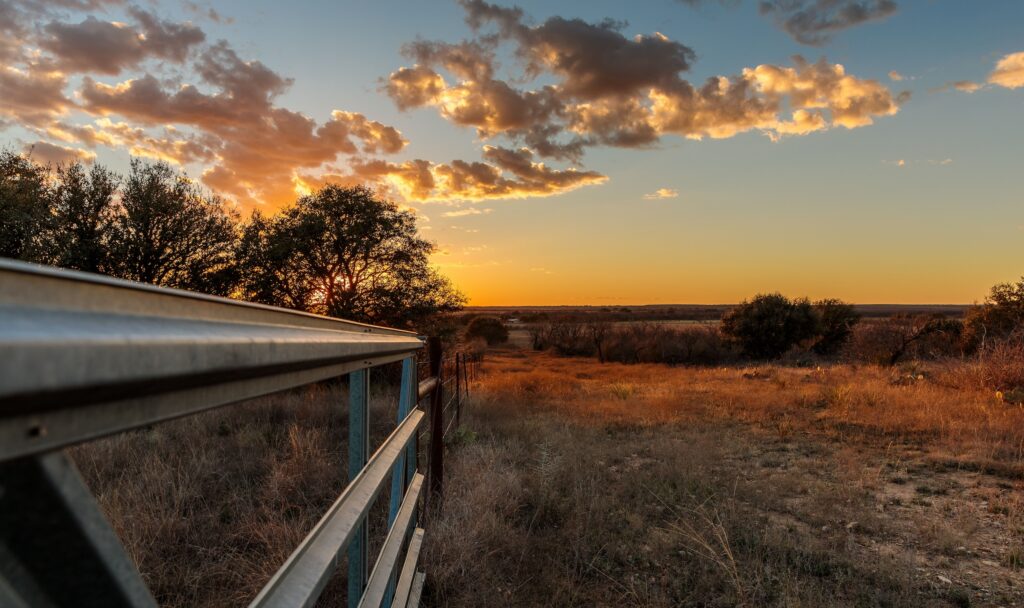
Before we split hairs on farming vs ranching, let’s cover what these two ways of life share (and it’s worth remembering that a ranch falls under the broader umbrella of farming to begin with).
Both ranches and farms are built on land, weather, and patience. A farmer checking soil moisture before planting and a rancher checking a water tank before turning cattle out are running the same kind of operation at heart: one where the land dictates the schedule, not the other way around.
Both farming and ranching also carry a generational weight that few other professions do. Families pass down farms and ranches the same way they pass down last names. The equipment changes, the markets shift, but the commitment to working land stays constant. That’s part of why the term “heritage” gets used so often when we talk about agricultural land. It’s not marketing fluff. It’s the honest truth of how these properties get handed from one generation to the next, and it’s a big part of why so many buyers care about the difference between ranch and farm properties in the first place. They aren’t just purchasing dirt. They’re investing in a way of life.
Financially, farms and ranches share exposure to the same forces. Commodity prices swing. Drought doesn’t care whether you’re growing wheat or raising Angus. Both ranch and farm operations depend on land quality, water access, and a working knowledge of markets that most people outside agriculture never think twice about. Both farmers and ranchers tend to measure success in years and decades, not quarters, and both understand that a single bad season doesn’t define the operation the way it might in another industry.
Farming and ranching also share a respect for self-reliance. Farmers and ranchers alike tend to be the kind of people who fix their own equipment, read their own soil, and trust their own judgment over a spreadsheet built somewhere else. That mindset shows up on both sides of the farming vs ranching divide.
Where things start to diverge is in how that land actually gets used, and that’s where the real difference between ranch and farm properties begins to show up.
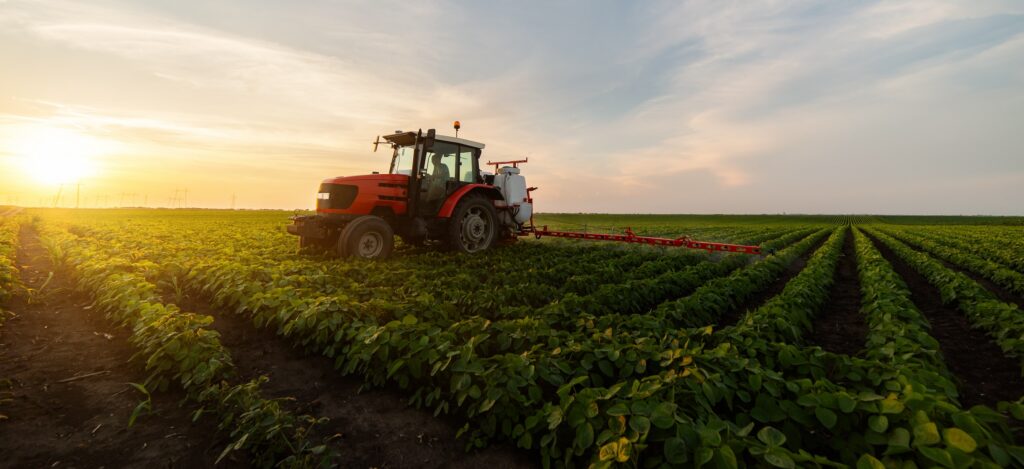
There’s a broad spectrum here, and plenty of properties blend elements of both. It’s also worth noting upfront that plenty of farms raise animals too: dairy cows, hogs, poultry, even cattle, often on smaller, more intensively managed acreage.
So the real dividing line between farming vs ranching isn’t crops vs animals; it’s how the land itself gets used. A useful starting point for the land usage difference between a ranch and a farm is this: farms (whether raising crops or livestock) are generally built around actively cultivating the land, while ranches are generally built around managing large tracts of land so livestock can graze them.
Generally speaking, a farm plows, plants, irrigates, harvests, or feeds and houses animals on a smaller footprint vs a ranch that fences, waters, rotates, and grazes typically across a much larger footprint.
This difference between farm and ranch land also often shows up in the acreage for each type of operation. A productive farm in the Midwest, whether growing row crops or running a dairy, might run several hundred acres and generate strong revenue because the ground supports intensive, closely managed production. A working ranch in the west, on the other hand, often involves several thousand acres because grazing land can only carry so many animals per acre before it starts to degrade.
That’s a core element of the ranch vs farm land equation: farms, on average, tend to concentrate value into a smaller footprint through intensive management (though not always the case for operations that take a pasture-raised approach), while ranches tend to spread value across a much larger one through extensive grazing.
When evaluating the difference between a farm and a ranch, topography matters, too. A farmer growing row crops, for example, wants flat to gently rolling ground that machinery can move across efficiently, vs a cattle rancher, who can put livestock on rough, broken, or hillside ranch terrain that would never support a planter or a combine for a farm operation.
One nuance that trips up a lot of aspiring landowners is the difference between an eastern cattle farm and a western ranch. Both run cattle. Both can call themselves cattle operations. But they look almost nothing alike on the ground, and understanding that regional difference between ranch and farm terminology will save you a lot of confusion when you start comparing listings across state lines.
In the Southeast and parts of the Midwest, cattle operations tend to run on smaller, fenced pastures with higher rainfall and better forage growth. These are often called cattle farms, and the name fits because the operation looks and behaves more like traditional farming than ranching. We’re talking fenced fields, rotational paddocks, and closer proximity to markets and processing facilities. A 200-400 acre property can support a respectable herd because the grass grows fast and the rain keeps coming through most of the year.
Head west to a ranch in Colorado, Wyoming, Montana, or the high plains, and the calculation changes. Rainfall drops and forage grows more slowly, so western ranches typically need significantly more acreage to support the same size herd as a comparable eastern cattle farm. Exactly how much acreage a given ranch needs depends on rainfall patterns, elevation, forage quality, and grazing management practices, which is exactly why an experienced ranch broker walks the ground and evaluates carrying capacity property by property rather than leaning on a rule of thumb.
Add in public land grazing leases through the BLM or Forest Service, and a western ranch might control access to tens of thousands of acres even if the deeded acreage is a fraction of that. This is the classic image most people picture when they hear “ranch,” and it’s a direct result of geography and rainfall that drive this difference between ranch and farm property use across the country.
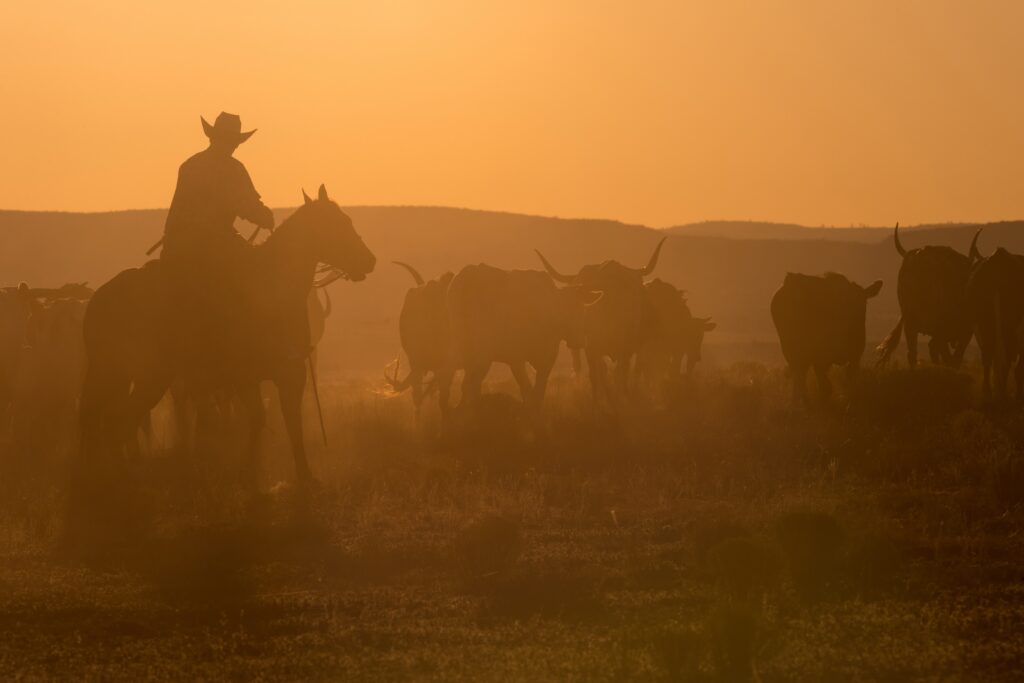
Money is where the difference between ranch and farm properties gets most practical for aspiring landowners. Farms and ranches make money differently, scale differently, and carry different barriers to entry, and understanding the revenue generation difference between ranch and farm ownership will shape which one actually fits your financial goals.
Farms generally produce more revenue per acre vs a ranch. A well-managed irrigated farm growing corn, soybeans, or specialty crops can generate substantial income from a relatively compact footprint (assuming soil quality and water access are strong). The same holds true for farms raising livestock intensively, like dairy or hog operations, since those animals are managed closely rather than left to graze on the open range. That revenue density means farms, cropland, and livestock alike can sometimes be profitable on acreage that could be a challenge for a cattle operation on a western ranch. The tradeoff, though, is that farming carries noteworthy input costs: seed, fertilizer, feed, veterinary care, chemicals, fuel, and equipment maintenance.
Ranches generate revenue more slowly and over a much larger land base, but the input costs per acre of a ranch tend to be lower than those of a farm once the initial herd and infrastructure are in place. Selling calves, yearlings, or finished cattle happens on a longer cycle, often just once or twice a year, which means ranch cash flow looks different from the more frequent selling cycles some farm operations see. A core difference is that ranches can also diversify income through grazing leases, hunting leases, and hay production on the acreage that isn’t actively grazed, giving a ranch owner additional ways to generate revenue beyond the crop-in, crop-out cycle of a typical farm.
Barriers to entry for farming vs ranching differ sharply, too. Getting into farming at scale requires expensive equipment (especially for workhorses like tractors and combines) plus annual input costs that hit before any crop revenue comes in. Getting into ranching at scale requires a much larger land purchase, since carrying capacity depends on acreage, plus the cost of a foundation herd, fencing, and water infrastructure. Neither path is cheap, but the capital gets allocated differently, and that’s a core part of the difference in revenue generation between ranch and farm ownership that buyers need to understand before choosing the option that makes the most sense for them.
Scalability differences between farms and ranches tell a similar story. A farmer can often scale up production by improving yield per acre through better seed, better soil management, or more efficient irrigation, all without necessarily getting more ground (though sometimes that does become a necessity). A rancher’s path to scaling can often mean acquiring more acreage or securing additional grazing leases, since there’s only so much you can push carrying capacity on a fixed amount of land before you damage the range itself.
That structural difference between ranch and farm growth strategies explains why so many large ranches keep expanding their footprint over generations while farms often grow by intensifying rather than simply adding acres.
Not every ranch on the market is built to turn a profit from cattle. There’s a real and growing difference between working ranches and luxury ranch retreats, and it matters for how you think about return on investment.
A working ranch is run as an agricultural business first. Revenue comes from livestock, hay, and grazing leases, and the property is managed with production in mind. Ranch improvements tend to be practical: good fencing, reliable water systems, solid handling facilities, and outbuildings built for function over form.
A luxury ranch retreat flips that priority. These properties are often purchased for legacy, recreation, and long-term appreciation rather than pure agricultural income. Revenue, if a part of the plan, tends to come from guest operations, hunting access, or leasing grazing rights to a neighboring operator rather than running cattle directly. The improvements reflect that shift too: architect-designed lodges, private trout water, curated big game habitat, and infrastructure built for entertaining as much as for production agriculture.
Neither approach is right or wrong. It depends entirely on what you want the land to do for you. This is exactly the kind of decision where working with a team that understands both working operations and recreational ranch properties, like the land specialists at Hayden Outdoors, makes the difference between a purchase you love for decades and one that never quite fits what you actually need the land to do.
Get In Touch With A Hayden Land Expert
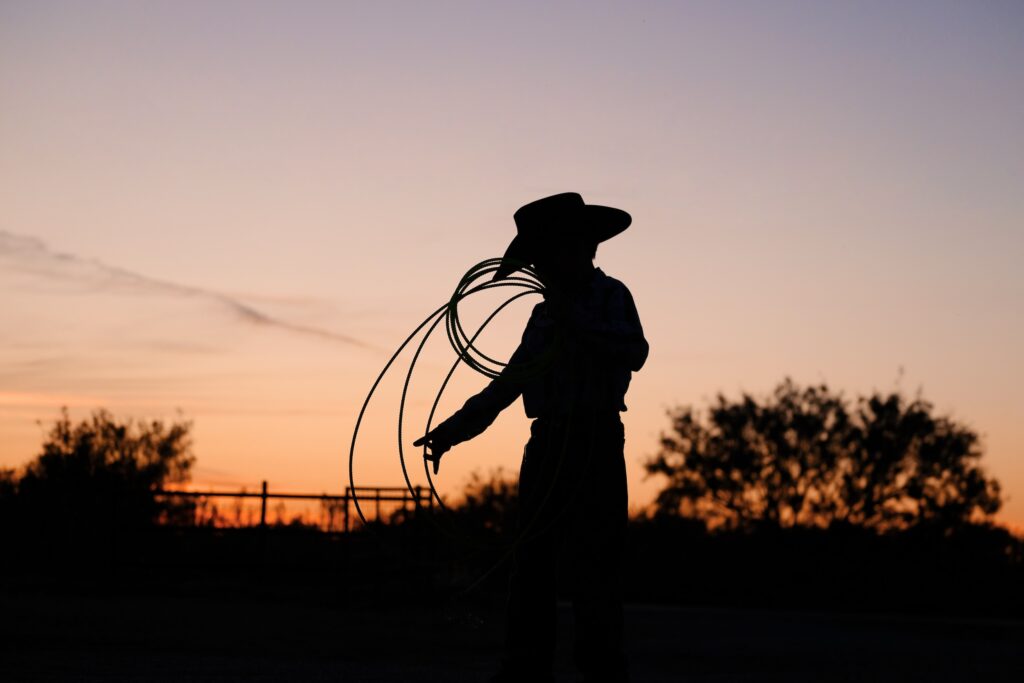
Walk into a farm equipment shed and a ranch equipment shed, and you’ll see some core differences between ranch and farm operations. The equipment gives you a look at how each property actually functions day-to-day, though it’s worth noting that farm equipment varies quite a bit depending on what the farm actually produces.
For a row crop operation growing corn, wheat, or soybeans, the list centers on tillage, planting, and harvesting. Tractors, plows, planters, sprayers, and combines dominate the shed. Irrigation equipment, including pivots, wells, and pumps, often represents one of the larger investments a farm like this makes, especially in drier regions where rainfall alone can’t be trusted to finish a crop. Grain bins, dryers, and storage infrastructure round out the picture, since timing a harvest and sale correctly can matter as much as growing the crop itself.
Other farm types look different. Dairy operations run on milking equipment, cooling tanks, and feed handling systems. Orchards and vineyards need pruning tools, sprayers built for permanent plantings, and harvest equipment suited to trees or vines. Produce and specialty crop farms lean on smaller, labor-intensive equipment and hand tools rather than heavy machinery. Across nearly every type, GPS-guided and precision ag tools have become common too, since small efficiency gains add up fast.
Often different than what you may see on many types of farm operations, ranch equipment centers on livestock movement and containment. Fencing materials, whether barbed wire, woven wire, or electric, represent an ongoing investment across thousands of acres. Stock trailers, working pens, chutes, and loading facilities are essential for handling cattle safely during branding, doctoring, and shipping.
Horses and stock dogs still play a working role on many ranches, alongside ATVs and side-by-sides for covering ground quickly across rough country. Water infrastructure (including wells, pipelines, stock tanks, and solar pumps) is arguably one of the most important systems on a western ranch because livestock simply cannot survive without reliable access to it, especially during the heat of summer or a hard freeze in winter.
While there are some notable differences between farm and ranch equipment, there’s also overlap. Both operations typically run a general-purpose tractor for hay work, fence repair, and general maintenance. And both need reliable trucks capable of hauling equipment and supplies across long distances.
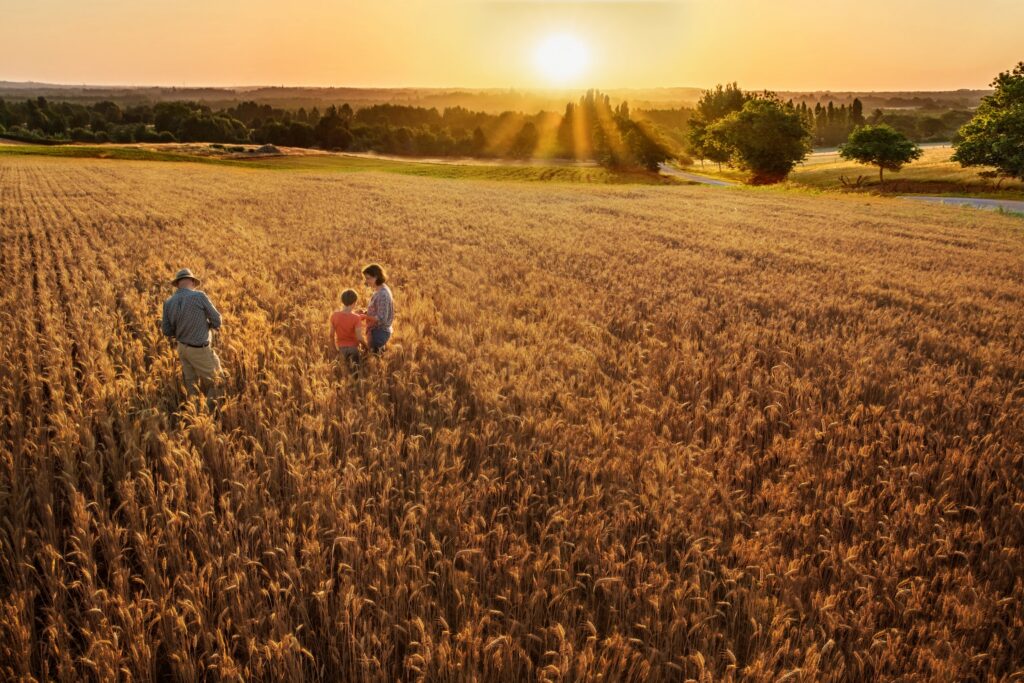
If you’re evaluating raw land, the criteria for good farmland and good ranch land can diverge a bit, which is another piece of the difference between ranch and farm properties that catches new buyers off guard.
Good farmland comes down to soil first. Soil composition, drainage, and organic matter determine what can be grown and how consistently, and a soil test should be one of the very first things a serious farmland buyer requests. Flat or gently rolling topography matters too, since steep or uneven ground complicates planting and harvest equipment and can lead to serious erosion problems over time. Irrigation access, whether through water rights, wells, or proximity to a reliable ditch system, often separates a mediocre farm from an excellent one. Proximity to grain elevators, processing facilities, and transportation infrastructure also affects long-term value, since getting the crop to market efficiently protects margin on every bushel sold.
Good ranch land is judged by a different set of standards than farm properties (though given that a ranch is a type of farm, there is naturally some overlap). Carrying capacity, meaning how many animal units the land can support sustainably per acre, sits at the top of the list for anyone evaluating ranch ground, and it’s a figure best assessed by an experienced set of eyes rather than a generic formula, since forage quality, terrain, and rainfall all shift that number from property to property.
Native forage quality, grass species diversity, and the presence of shelter from wind and weather all factor into whether a piece of ground will keep cattle healthy through a hard winter. Water sources across the property, whether springs, creeks, stock ponds, wells, or hauled water, matter enormously, since cattle can’t be irrigated on a schedule the way a crop can. Fencing condition and the layout of pastures for rotational grazing also weigh heavily, along with terrain that offers both grazing and natural protection from harsh weather.
Some criteria carry over regardless of whether you’re looking at a ranch vs a farm. Water rights, road access, and mineral rights considerations matter whether you’re buying ranch land or farmland, and they deserve careful legal review either way, since a mistake in either category can cost you far more than the purchase price of the land itself. Here’s a side-by-side breakdown to make the ranch vs farm comparison easier to reference at a glance.
| Category | Farm Property | Ranch Property |
|---|---|---|
| Primary land use | Cultivating crops | Grazing livestock |
| Typical acreage needed | Hundreds of acres | Thousands of acres |
| Revenue model | Per-acre crop yield and sale | Per-head livestock sale, leases |
| Key equipment | Varies by farm type: tractors, planters, and combines for row crops; milking and cooling equipment for dairy; pruning and harvest tools for orchards | Fencing, stock trailers, working pens, water systems |
| Top land priority | Soil quality and drainage | Carrying capacity and forage |
| Water needs | Irrigation on a schedule | Year-round access for livestock |
| Labor rhythm | Seasonal, intense at planting and harvest | Year-round, steady daily demands |
| Common regions | Midwest, Eastern river valleys | Mountain West, High Plains |
| Barrier to entry | Equipment and annual input costs | Land acreage and foundation herd cost |
| Common owner type | Working farmer or agribusiness | Working rancher, family legacy, or luxury retreat owner |
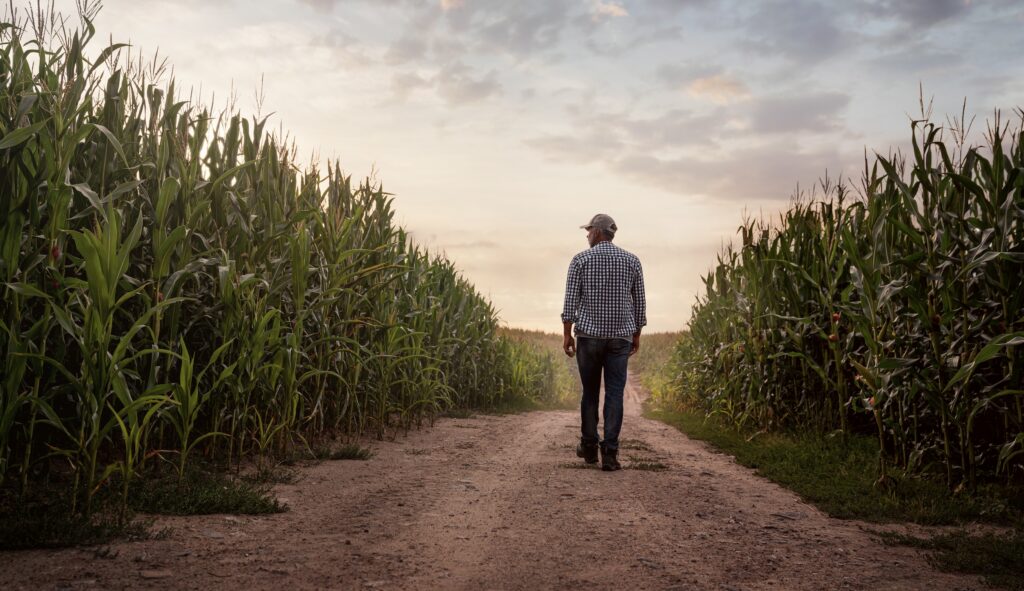
Numbers and acreage only tell part of the story. The ranch vs farm work-life difference is the part most people feel every single day once they own the land, and it’s often the deciding factor for landowners who thought they wanted one type of property until they actually pictured living the daily routine that comes with it.
A farmer’s year runs in windows. During planting season, days start before sunrise and can run until dusk, because getting seed in the ground during the right soil and weather conditions can determine the entire year’s yield. Equipment maintenance fills the gaps between field work. Through the growing season, the pace slows to monitoring: checking crop health, managing irrigation, watching weather forecasts like a hawk for any sign of hail, drought, or an early frost. Then harvest hits, and the busy season returns.
Between those windows, a farmer’s schedule has more flexibility. Winter, in particular, tends to bring equipment repair, planning for next season, and a slower overall pace compared to the sprint of spring planting and fall harvest. Many farmers use that winter downtime to handle bookkeeping, negotiate contracts, and plan crop rotations for the year ahead.
Farm vs Ranch Note: That seasonal rhythm describes row crop farming specifically. A farmer raising dairy cows, hogs, or poultry works on a schedule that looks a lot more like a rancher’s: daily, hands-on, and with no real off-season, since animals need care every single day regardless of the calendar.
A year for a rancher looks almost opposite vs that of a farmer. There’s no true off-season to ranch life because livestock need attention every single day regardless of weather or calendar. Mornings start with checking water, checking fence lines, and checking on the herd. Calving or lambing season brings its own intense and exciting stretch, often requiring around-the-clock attention for weeks as new animals arrive and need health monitoring. Feeding routines shift with the seasons: grazing management in the warmer months, supplemental feeding through winter when forage goes dormant and natural grass can’t meet the herd’s nutritional needs alone.
Moving cattle between pastures, doctoring sick animals, repairing fence damaged by weather or wildlife, and hauling animals to market or to seasonal grazing all fold into the ranching routine. Ranching is often steadier than farming in terms of daily hours and far less seasonal in nature.
Owners of luxury ranch retreats often experience a very different daily rhythm than working ranch owners, since much of the day-to-day livestock management may be handled by a ranch manager or outside operator rather than the owner personally. That’s one more reason the working ranch versus luxury ranch retreat distinction matters so much when you’re picturing your actual day-to-day life on the property.
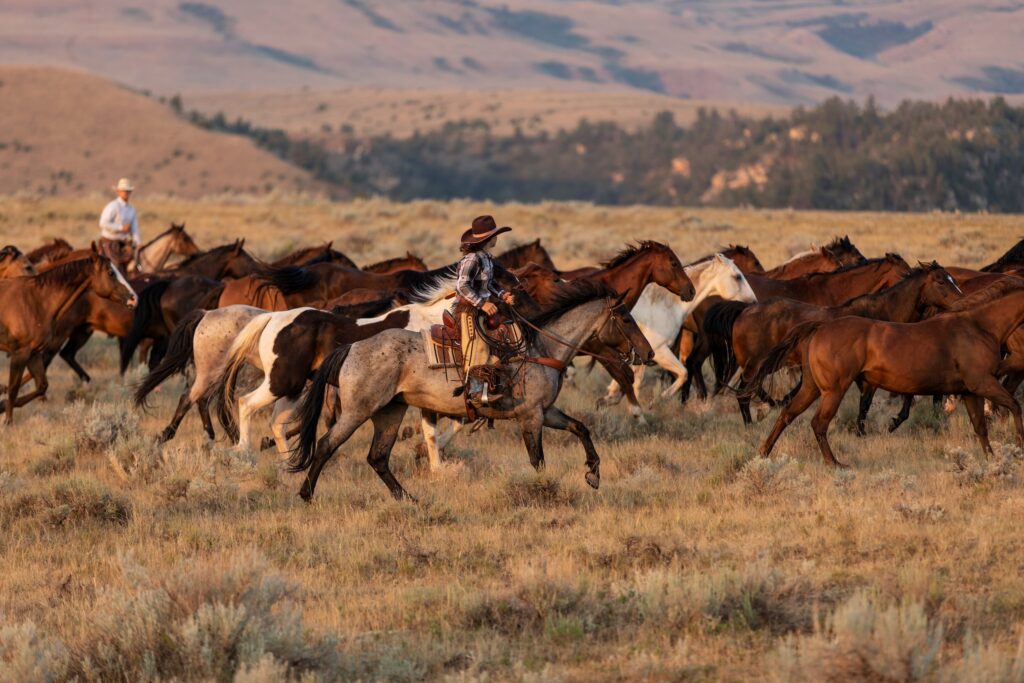
The difference between a rancher and a farmer isn’t just about job description. It’s about identity, and it carries real weight in the agricultural community.
A farmer is generally someone who cultivates land to grow crops, though plenty of farmers also raise livestock alongside their row crops or hay ground. A rancher is someone whose operation centers on grazing livestock across land managed primarily for that purpose. The terms aren’t always mutually exclusive. Plenty of operations blend both, running cattle on pasture ground while also farming hay or grain on the side, and the person running that kind of place might comfortably answer to either title depending on the day and depending on who’s asking.
Regionally, the terminology carries its own flavor, and this is one of the more overlooked parts of the difference between a rancher and a farmer. In the West, “rancher” tends to be the default term for anyone running cattle, sheep, or horses on grazing land, and it carries a certain identity tied to the open range tradition that stretches back to the earliest cattle drives. In the East and Midwest, “farmer” tends to be the umbrella term even for operations that include livestock, and cattle operations there are more likely to be called farms than ranches.
Neither title is more prestigious than the other. Both the farmer and rancher titles carry generations of pride, hard work, and a direct relationship with the land that few other professions can claim. And both deserve equal respect regardless of which side of the ranch vs farm identity a person falls on.
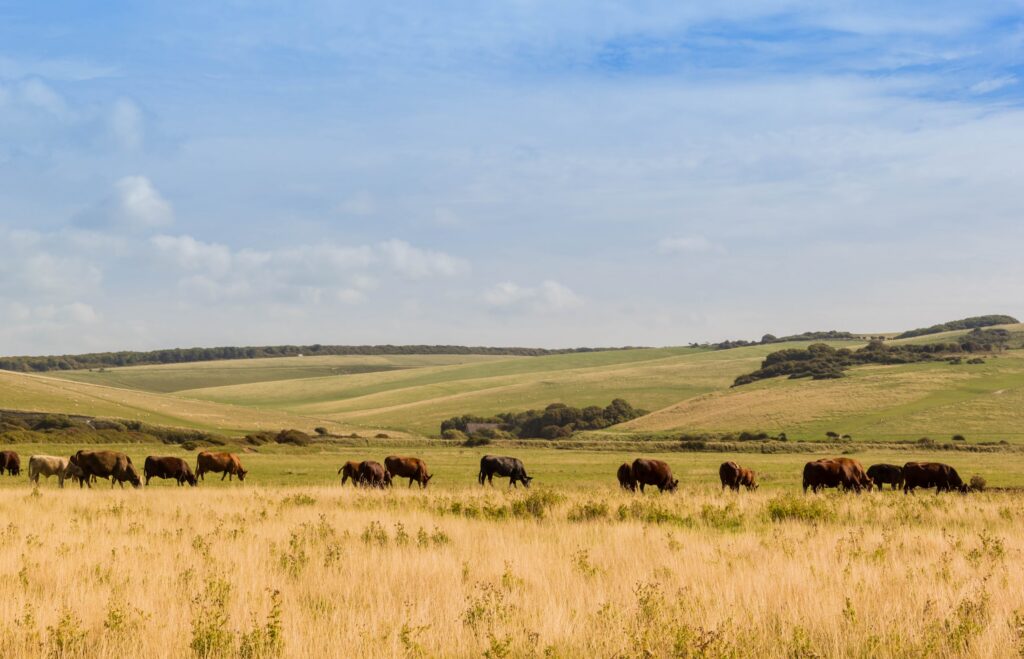
Understanding the difference between ranch and farm properties gives you the foundation to start looking at land with real clarity instead of guesswork. But every piece of ground is different, every region carries its own rules around water and grazing rights, and every buyer has a different vision for what they want their property to do for them and their family.
That’s where Hayden Outdoors comes in. Our team has spent decades helping buyers and sellers across the country find farm and ranch properties that actually match their goals, whether that’s a working cattle operation in the high country, productive farmland in a river valley, or a legacy retreat meant to be handed down for generations. We know the land, we know the water rights, and we understand the difference between a property that looks good in photos and one that will actually deliver on what you need it to do for the next chapter of your life.
If you’re ready to start exploring farm and ranch properties that fit your vision, the Hayden team has you covered. Let’s find the ground that’s right for you.
View Available Ranch And Farm Properties
 Back to Blog