
×

Sign in
Sign in to save favorite properties and equipment, save your search parameters and more
Don’t have an account yet? Sign Up Now
Sign up
Already have an account? Login Now


 866-741-8323
Sign in
Sign in to save favorite properties and equipment, save your search parameters and more
Don’t have an account yet? Sign Up Now
Sign up
Already have an account? Login Now
866-741-8323
Login
Sign in
Sign in to save favorite properties and equipment, save your search parameters and more
Don’t have an account yet? Sign Up Now
Sign up
Already have an account? Login Now
Sign in
Sign in to save favorite properties and equipment, save your search parameters and more
Don’t have an account yet? Sign Up Now
Sign up
Already have an account? Login Now
 Back to Blog
/
Land Ownership, Real Estate Market /
Back to Blog
/
Land Ownership, Real Estate Market /
There’s a common belief that buying land is always a good investment—a tangible asset that will inevitably appreciate. In many respects, buying land absolutely is a good investment, but there are certain factors you, as the buyer, should keep in mind when finding the right plot to meet your needs. Whether purchasing and investing in land makes sense for your particular situation depends on the type of property, its location, how you plan to use it, and your overall financial picture.
The core thing to keep in mind is that investing in land requires active management and ongoing maintenance in order for it to live up to its investment potential. This is one of the factors that many landowners find to be the most meaningful and fulfilling aspects of purchasing and investing in property, but it does require a spirit and love for living on the land.
As experts in all things land buying and investing, we’ll walk you through the critical factors that determine whether buying land is a good investment for your specific situation. We’ll cover what most investing resources won’t tell you—what factors make investing in land the right fit for you—all from the perspective of land professionals who work with buyers and sellers every day.

When it comes to determining whether buying land is a good investment, it’s important to remember that not all land is created equal. The type of property you purchase can impact potential returns, significantly impacting whether the piece of land you’ve chosen is a good investment for your particular needs.
Farmland and grazing land are consistently some of the most stable land investments. Quality cropland can generate immediate income through cash rent arrangements, where farmers pay you annually to work the land. Depending on your region and soil quality, those rents can range from $50 to over $300 per acre in prime agricultural areas.
Grazing land for cattle typically commands lower rents (often $10 to $40 per acre) but requires less intensive management. Beyond rental income, agricultural land often qualifies for property tax exemptions that can significantly reduce your carrying costs and increase your return on investment, though you’ll need to maintain legitimate agricultural activity to keep these benefits.
If you’re exploring smaller-scale operations when investing in land, understanding the nuances of hobby farming can help you determine if this approach fits your investment goals.
View Available Agricultural Land
The market for recreational properties has surged as more people seek outdoor experiences and private hunting grounds. Recreational land with quality wildlife habitat, water features, or scenic views commands premium prices for good reason, and buying this type of land can absolutely be a good investment strategy.
Well-managed hunting land can generate solid income through hunting leases. In regions with strong hunting cultures, annual leases can range from $10 to $50+ per acre, depending on game quality and property management. Properties enrolled in the Conservation Reserve Program (CRP) may also generate government payments while improving habitat.
For those considering improvements, exploring options like how to build a roping arena on your property or reviewing ways to imagine your dream recreational property can help maximize your land investment.
View Available Recreational Land
Timberland offers a unique investment combination—long-term appreciation with periodic income from harvesting. Well-managed timberland can provide cash flow through selective cutting while the underlying land continues to appreciate.
The key is professional management. A consulting forester can develop harvest schedules that maximize value without degrading the property. Timber also offers tax advantages, as it’s typically taxed as capital gains rather than ordinary income when sold.
When it comes to deciding if land is a good investment for you, it’s worth noting that some of the strongest appreciation of property occurs in the path of development. Land near expanding metropolitan areas or along future transportation corridors can see dramatic value increases as development approaches, making these plots solid investments.
Watch for specific indicators of growth: new highway projects, school construction, utility infrastructure extensions, and commercial development announcements. Land that’s currently agricultural but sits near expanding suburbs often represents a sweet spot for appreciation potential, offering a solid return on investment
The challenge is timing. You’ll likely hold the property for several years before development pressure drives values significantly higher, carrying costs during that time. But when it works, the return on investment for this land can be substantial, making it highly desirable.
Land with water frontage—lakes, rivers, or coastal areas—commands premium pricing and often appreciates faster, making buying this type of property a good investment strategy. The scarcity of waterfront land, combined with consistent demand, creates favorable conditions from an investment standpoint.
However, water properties come with unique considerations that can complicate the investment equation. You’ll want to look into flood zone designations on any properties you’re considering investing in, as well as consult with insurance companies beforehand about rates. If you’re considering investing in waterfront property, there are a few key considerations you should keep in mind before buying land.
Buying land with subdivision potential—meaning it can be legally divided and sold as individual lots—offers such a good return on investment that it often comes with a premium price tag. The key things to look for when investing in this type of land are adequate road frontage, favorable zoning, access to utilities, and compliance with minimum lot size requirements.
Subdividing requires navigating planning commissions, engineering requirements, and potentially significant infrastructure investments. Because of this, buying this type of land investment is often a good investment for those with prior land development experience.
Land where you own both surface and mineral rights can offer additional investment value, particularly in regions with extraction activity. However, many properties have severed mineral rights, where previous owners retained subsurface rights.
If mineral rights matter to your land investment strategy, research what’s actually included when you purchase to ensure that buying that particular piece of land is a good investment. For a detailed breakdown, our guide on surface rights vs. mineral rights explains what you need to know.

Location influences every aspect of investing in land, from appreciation potential to rental income possibilities to how quickly you can sell when needed. The reality is, you can’t change where your land sits, so it’s critical to choose a location that ensures the land you’re investing in gives you the leg up.
Consider both macro and micro location factors when determining whether buying a specific piece of land is a good investment. At the big picture level, look at state and regional trends—population growth, economic development, and major employers. States experiencing growth naturally see stronger value appreciation, which can play a large role in whether buying land is a good investment in the area.
At the local level, examine factors that directly impact the property you’re investing in. What’s the quality of nearby schools? What are crime rates? How is adjacent land being used? All of these elements play a role in whether buying a particular property is going to be a solid investment choice.
How easily you can access your property matters tremendously. Properties with year-round access via maintained roads appeal to far more buyers than those requiring four-wheel drive, or that become unreachable during winter months.
While this varies by location, buying land in high-altitude mountain locations that are snow-bound for part of the year may not offer the same good return on investment as buying land that is available year-round. While this absolutely doesn’t eliminate the value, it could limit the future buyer pool when you opt to sell your investment in the future and realize those returns.
If you plan to generate income through hunting leases or rentals, seasonal inaccessibility becomes a factor in potential revenue generation and should be a core factor in determining whether the land you’re buying is a good investment for your intended use case.
Distance from your primary residence also affects the equation. A piece of land can be a very good investment if it’s located close to your primary residence, where you can make stops by the property to attend to maintenance needs and show the land to potential renters. This is even more true when you’re looking to run a recreational business on your land investment.
A 20-acre parcel near a growing suburb might sell within months. A 400-acre remote hunting property might take a little longer, but could command a solid price when it does.
This liquidity difference has real implications for your land investment strategy. If you’re buying land that is a good investment asset specifically for short-term returns, land near cities and suburban areas will be the go-to. If you’re thinking about a long-term investment strategy, buying rural land can be an excellent investment opportunity to generate revenue, especially given the greater availability of high-acreage parcels.
Climate patterns increasingly influence land values and insurance costs, so once you find a good piece of land to invest in, it’s important to consult with an insurance agent to understand your potential costs before buying. This will allow you to accurately project your carrying costs and resale prospects over your investment timeline so you can ensure you get the best return for the land you’ve purchased.
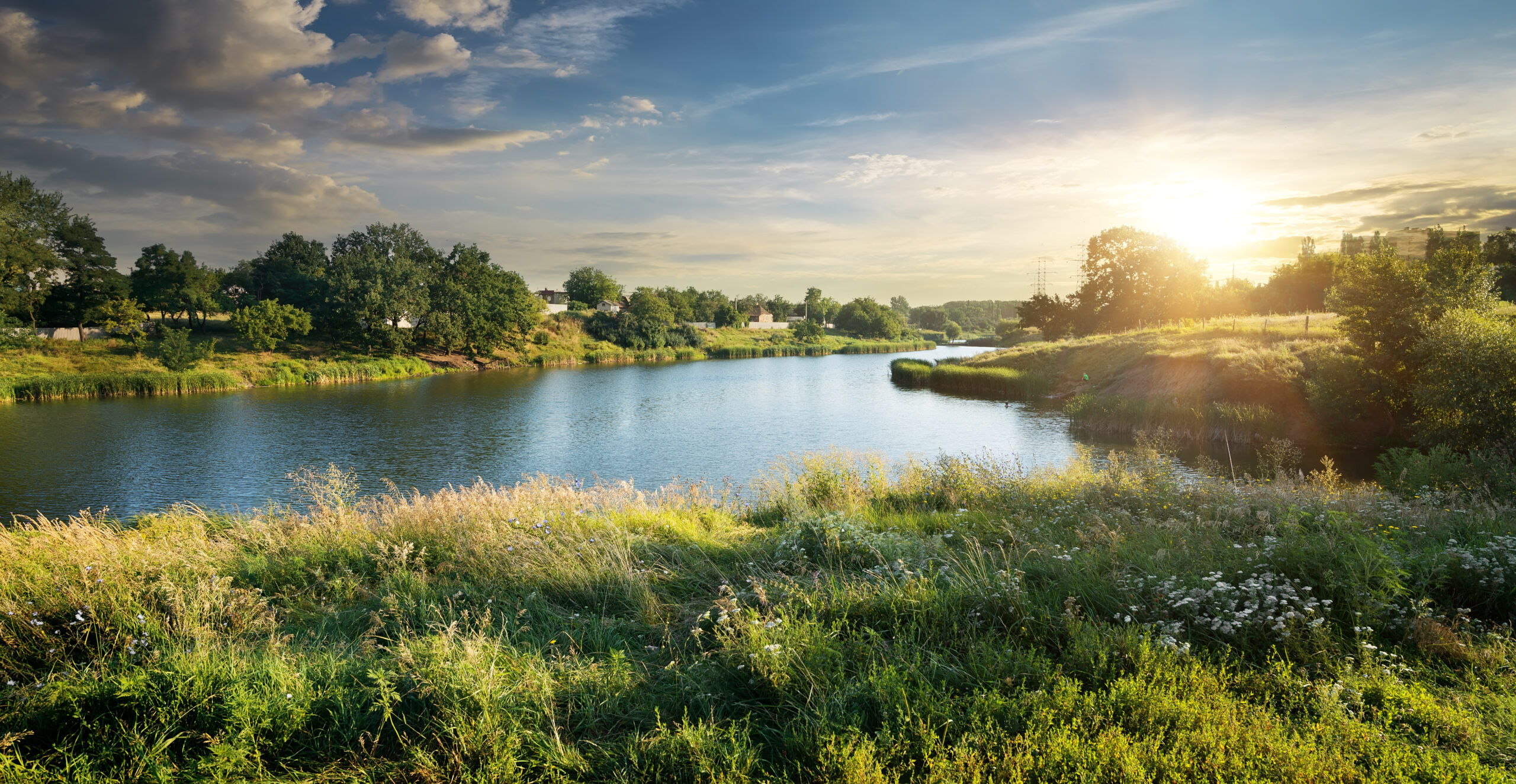
Beyond location, numerous other factors determine whether buying land genuinely is a good investment for your particular needs. Many of these factors aren’t immediately obvious but can dramatically affect both your costs and your eventual return on any land you opt to invest in.
Undeveloped land typically carries a lower purchase price, which can be an attractive factor when investing in property. However, the true cost of this land investment includes whatever infrastructure you’ll need before the property becomes usable.
Drilling a well typically runs $5,000 to $15,000, depending on depth and local geology. Installing a septic system ranges from $10,000 to $30,000 for conventional systems. Bringing in electricity can cost $10,000 to $50,000 or more, depending on distance from existing lines.
You’ll want to include these costs into your land investment strategy. However, when factored in appropriately, buying undeveloped land can absolutely be a good investment approach.
For a comprehensive look at the tradeoffs of purchasing undeveloped property, our guide to buying undeveloped land explores the pros and cons of this type of land investment.
Zoning determines what you can and cannot do with any investment property you’re considering buying, so it needs to be a part of your planning process. Agricultural zoning may offer tax benefits but could prohibit commercial activities or restrict certain structures. Some areas have development moratoriums, while others have right-to-farm laws protecting agricultural operations.
For recreational land, zoning becomes even more specific and varies significantly by state. Important factors include whether the property is outside city limits (often required to discharge firearms), access to public lands, whether the acreage meets minimums for private land hunting tags, and local ordinances affecting recreational use.
Before purchasing, verify that zoning allows for your intended use of the land. This is critical in determining whether buying a particular plot of land is a good investment for your intended plans for the property.
In Western states, water rights can be more valuable than the land itself. Understanding what water rights come with the property is an essential factor in any land investment strategy.
Do you have rights to surface water? Are those rights sufficient and senior enough to remain usable during droughts? If the property relies on groundwater, are well permits available?
Confirm you can drill a well before assuming groundwater access, and be sure to test water quality.
Consideration of easements—legal rights for others to use portions of your property—should always be top-of-mind in any land investment strategy. Utility easements are common and generally cause minor inconvenience.
Access easements, where your property provides the only route to landlocked parcels, can add some complexity. This is where working with a seasoned agent, like those on our Hayden Outdoors team, becomes critical. You need an expert who can help you identify how easements may impact whether buying a particular piece of land is a good investment for the way you plan to use it.
For some investors, investing in land with wetland designations that restrict building or alterations to the property is part of the appeal. They are buying and investing in the land for its beauty, whether it’s with the intent of supporting the protection of species habitats or maintaining the natural beauty of the property for future generations.
Boundary disputes between landowners are more common than you’d think. An updated survey eliminates ambiguity about what you’re actually purchasing when investing in a piece of land.
Survey costs vary by property size and terrain but typically range from $500 to $3,000 or more. That said, the price is absolutely worth it if you’re hoping to get the most out of the land you’re investing in.
Also, title insurance protects against undiscovered title defects. When investing in land, title insurance is particularly important because transactions often involve more complex ownership histories.
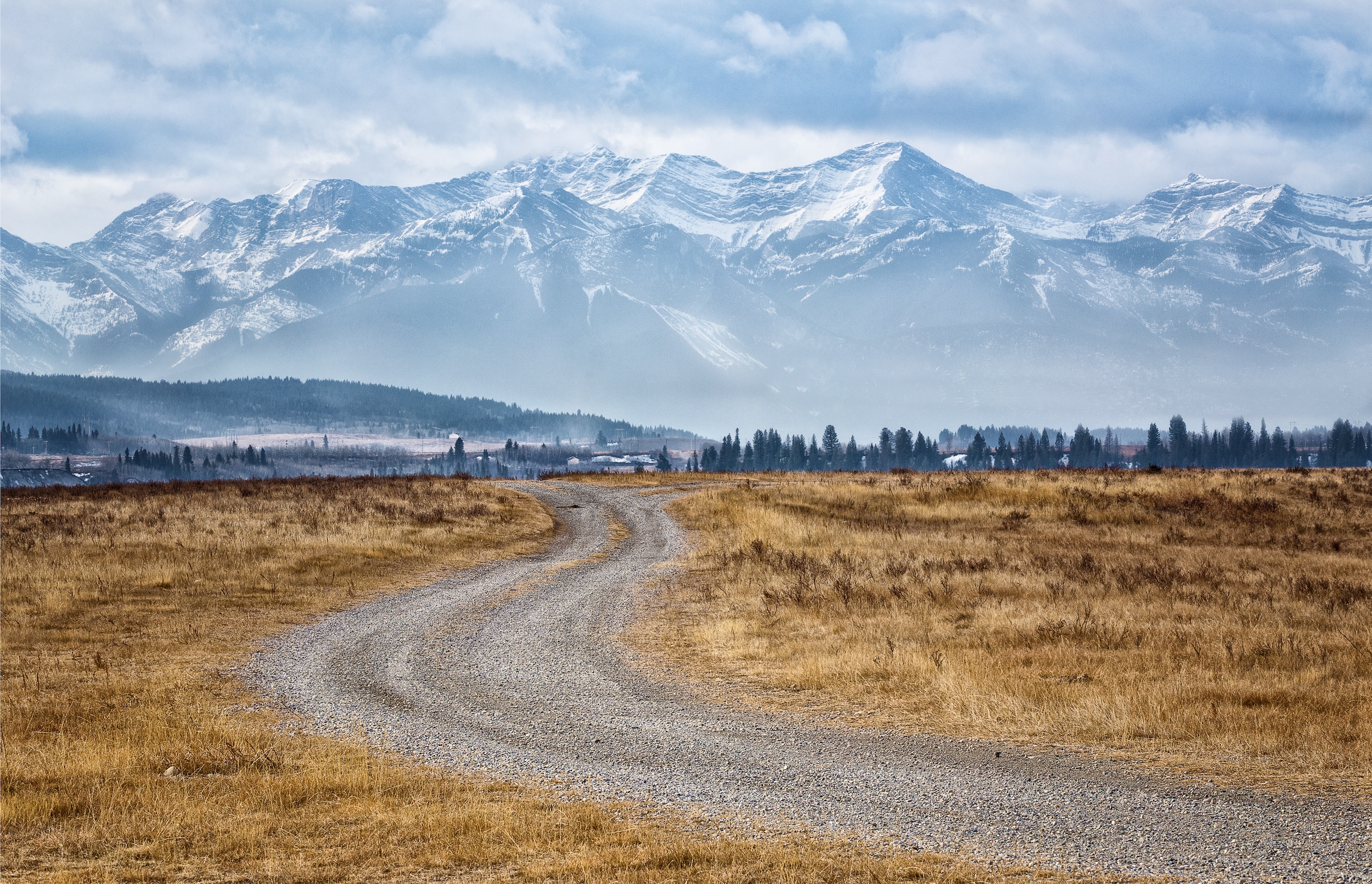
This is where reality meets expectations—these are the little things that catch new land investors by surprise. Land ownership, while a good investment strategy for many buyers, comes with some expenses that you should budget for accordingly.
Investing in land differs from financing a home. Lenders often request higher down payments, shorter loan terms, and higher interest rates compared to residential mortgages.
The benefit? If you have the financial means to invest in the land, you’ll encounter less competition vying for the same property you’re considering buying, which translates to potentially a better return on your investment.
For detailed information on the financing process, our complete guide to getting a loan for land covers what to expect.
While typically lower than taxes on improved property, land still generates annual tax bills. Depending on location and property size, expect $10 to $300+ per acre annually.
Agricultural exemptions can significantly reduce this burden, but they’re not automatic. Most states require legitimate agricultural activity—actually farming or ranching, not just owning land with agricultural zoning.
This is perhaps the most overlooked factor when deciding if buying land is a good investment for your particular use case, yet it’s one of the most important. Liability insurance for vacant land typically costs $12 to $150 per month. Many landowners skip this coverage, but property owners can be held liable for injuries on their land, even to trespassers, in some circumstances.
The “attractive nuisance” doctrine holds owners liable for injuries to children drawn to dangerous conditions—old wells, abandoned structures, ponds, or attractive climbing trees. If you plan to generate income through hunting leases or commercial uses, liability insurance isn’t optional—it’s essential.
When it comes to determining if buying land is a good investment, it’s important to remember that vacant land requires some maintenance and upkeep. Common costs include mowing or brush control, fence repairs, erosion control measures, road and driveway maintenance, and tree removal when dead or hazardous trees threaten structures or roads.
You’ll want to budget at least $500 to $5,000 annually, depending on the size of the land you’ve invested in. This will keep your land investment well-maintained over the years, so that when and if you decide to sell, you’re ready to go.
If you don’t live near the land you’re investing in, you’ll want someone to keep an eye on things and maintain your investment property. Unmonitored properties face higher risks from trespassing and damage. Local property managers typically charge $50 to $200 monthly, depending on what’s involved.

If you meet one or more of the qualifications below, there’s a good chance that buying land is a good investment strategy for you.

Throughout this guide, we’ve explored the complexities of whether buying land is a good investment, along with the variables that determine success and the hidden costs that catch investors off guard. If there’s one clear takeaway, it’s this: land investment requires expertise to navigate successfully.
The reality is, investing in land can be complicated if you don’t have a qualified land expert to guide you through the process of finding the right property. Here’s why:
Real estate is local, and land investment even more so. Our Hayden Outdoors agents live and work in the regions they serve. We understand regional land values, know which areas are appreciating and why, and can identify opportunities out-of-area buyers might miss. Just as importantly, we can steer you away from land that appears attractive but has fundamental problems that wouldn’t make purchasing it a good investment.
We understand the nuances that make or break land investments—water rights and how they’re adjudicated in your target state, mineral rights and what actually conveys, how conservation easements or agricultural exemptions affect both value and usability, zoning trends and future development plans impacting appreciation, and local market dynamics, including typical sale timelines.
Buying and investing in land involves more complexity than residential real estate. You’ll likely need surveyors, environmental consultants, attorneys familiar with land transactions, CPAs who understand investment property taxation, and potentially specialized lenders comfortable with rural property.
Hayden Outdoors agents have established relationships with these professionals, connecting you with qualified experts who understand land transactions and helping you avoid costly mistakes.
One of the most valuable aspects of working with land investment specialists is getting realistic projections for your return. If you’re considering income from hunting leases, we can provide realistic expectations based on comparable properties in your area.
We understand what agricultural land actually rents for in your region, what infrastructure improvements typically cost in local markets, how long similar properties have taken to sell, and what appreciation rates have been historically in specific areas.
Whether you’re taking your first steps into investing in land or looking to expand an existing property portfolio, Hayden Outdoors can help you find that perfect piece of land that aligns with your goals and budget. Browse current land for sale to see what’s available, or reach out to one of our expert agents to discuss your land investment criteria and get guidance tailored to your specific situation.
Buying land can absolutely be a good investment, when done right. This means expert guidance, thorough due diligence, and realistic expectations. The key is going into it with eyes wide open, understanding both the opportunities and the challenges, and having the right experts in your corner from the start.
Find Your Next Land Investment Opportunity