
×

Sign in
Sign in to save favorite properties and equipment, save your search parameters and more
Don’t have an account yet? Sign Up Now
Sign up
Already have an account? Login Now


 866-741-8323
Sign in
Sign in to save favorite properties and equipment, save your search parameters and more
Don’t have an account yet? Sign Up Now
Sign up
Already have an account? Login Now
866-741-8323
Login
Sign in
Sign in to save favorite properties and equipment, save your search parameters and more
Don’t have an account yet? Sign Up Now
Sign up
Already have an account? Login Now
Sign in
Sign in to save favorite properties and equipment, save your search parameters and more
Don’t have an account yet? Sign Up Now
Sign up
Already have an account? Login Now
 Back to Blog
/
General, Land Ownership /
Back to Blog
/
General, Land Ownership /
The lifestyle of living on a ranch is often romanticized in movies and media: wide-open skies, rugged independence, the gentle hum of livestock at sunrise. But what does it really mean to live the ranch lifestyle day in and day out? To immerse yourself in the ranching culture?
The answer lies far beyond the glossy imagery. Ranching is both a lifestyle and a livelihood that demands resilience, versatility, and a genuine connection to the land. It’s not just about riding horses or enjoying sunsets; it’s about managing livestock health, navigating seasonal unpredictability, maintaining infrastructure, and making tough business decisions, all while staying grounded in your purpose.
Ranch life blends tradition with innovation, solitude with community, and challenge with deeply personal reward. For those drawn to the rural lifestyle, it’s essential to understand the realities behind the dream.
As experts on all things ranchland, we’ve crafted a clear-eyed look at what living on a ranch really looks like, from its daily rhythms, unexpected challenges, and the many ways it can exceed even your highest expectations.

The short answer: it can be. But the reality of the ranch lifestyle depends heavily on the size, scope, and purpose of your ranch. Whether you’re running a high-intensity cattle operation across thousands of acres or managing a smaller hobby ranch, the daily demands can be relentless.
Physical Labor and Daily Grind:
Living on a ranch isn’t a 9-to-5 job. It’s a sunup to sundown (and sometimes beyond) commitment. A single day might include repairing a busted fence line, loading hay bales by hand, checking the water tanks before the heat spikes, and rounding up cattle that found their way through a gap.
During calving or branding season, your daily tasks can triple overnight. And if you’re short on help (which many ranchers are), you may have to do it all yourself.
If it breaks, you fix it. If it needs moving, you move it. From greasing tractors to bottle-feeding calves, ranch life demands grit, muscle memory, and the ability to keep going when you’re bone-tired. Ranchers quickly learn that “later” isn’t always an option; the work waits for no one.
Seasonal and Environmental Challenges:
Every season brings its own kind of test. In winter, it’s chopping ice so the herd can drink and keeping newborn calves warm enough to survive. Spring often means mud, flooded pastures, and round-the-clock animal care. Summer on the ranch brings drought worries, water shortages, and fire risk. Fall is for planning ahead—stacking hay, preparing stock for winter, and repairing what the other seasons damaged.
When living on a ranch, Mother Nature calls the shots, and ranchers are forced to adapt and build their sense of resilience season after season. Weather can change your plans in an instant, whether it’s a hailstorm destroying your crop or a blizzard stranding your animals. Ranching teaches respect for the land because it humbles you regularly, in the most challenging yet beautiful ways.
Emotional and Time Commitment:
Ranching isn’t just physically demanding; it’s emotionally consuming. You form bonds with the land, your livestock, and even your tools. When something goes wrong—a sick animal, a wildfire threat, a dry well—you feel it in your gut. The stakes are personal, and you’re fully invested.
There’s rarely a clear boundary between work and rest. The ranch is your home, your business, and your responsibility. That means no “clocking out” on weekends or holidays.
A vacation might be a half-day off to go to town for supplies. And yet, many ranchers wouldn’t trade it for anything. There’s a profound satisfaction in the ranch lifestyle—watching a healthy calf take its first steps, seeing green pasture after a hard rain, or fixing something with your own two hands that saves the day.
Living on a ranch isn’t easy, but it is deeply real. And for those who stick with it, that realness becomes its own kind of reward. After all, there’s a reason living on a ranch is something many could only aspire to do.

More than just a backdrop for scenic views, living on a ranch is a full-spectrum lifestyle that blends grit with grace. It’s a blend of agriculture, ecology, logistics, and land stewardship—not just a home, but a living system that needs constant observation, adaptation, and decision-making.
Ranchers don’t just live on the land; they live with it. That relationship means you’re managing variables most people never think about: soil health, animal stress, fuel costs, equipment lifespans, predator pressure, and your own endurance.
Living on a ranch isn’t a passive experience; it’s an active role in a constantly moving ecosystem. And while the views are breathtaking, it’s the behind-the-scenes responsibilities that define the lifestyle.
An Example Of A Typical Day In The Life:
A typical day living on a ranch starts before sunrise and can stretch until long after dark. Morning might begin with checking fence lines after a night of high wind, then pivoting to triage a water system malfunction before cattle go thirsty.
Midday could involve managing rotational grazing, meeting with a soil conservation expert, or troubleshooting irrigation pumps. In between, there’s feeding, doctoring livestock, tracking breeding cycles, and prepping for market deadlines.
You might spend part of your afternoon submitting paperwork for an NRCS environmental cost-share program or coordinating delivery logistics with a local butcher. Zoning and water use laws may change how or where you graze. You could be writing a prescribed burn plan for rangeland improvement or navigating new land-use compliance rules.
And it’s not just about the “work.” It’s about forecasting what needs doing before it breaks, because out here, waiting until something fails can be costly, dangerous, or life-threatening. The most seasoned ranchers are intuitive managers, reading the land like a language and adjusting their operations in real time.
At its core, living on a ranch means wearing many hats: livestock caretaker, mechanic, accountant, wildlife observer, land steward, marketer, and crisis manager. The days are long, the problems unpredictable, and the responsibilities immense, but for those called to it, there’s no lifestyle more rewarding. Needless to say, there’s never a boring day.
And yes, there often are plenty of evenings spent watching the sunset over the expanses of your ranchland, making the work of living on a ranch that much more worth it.
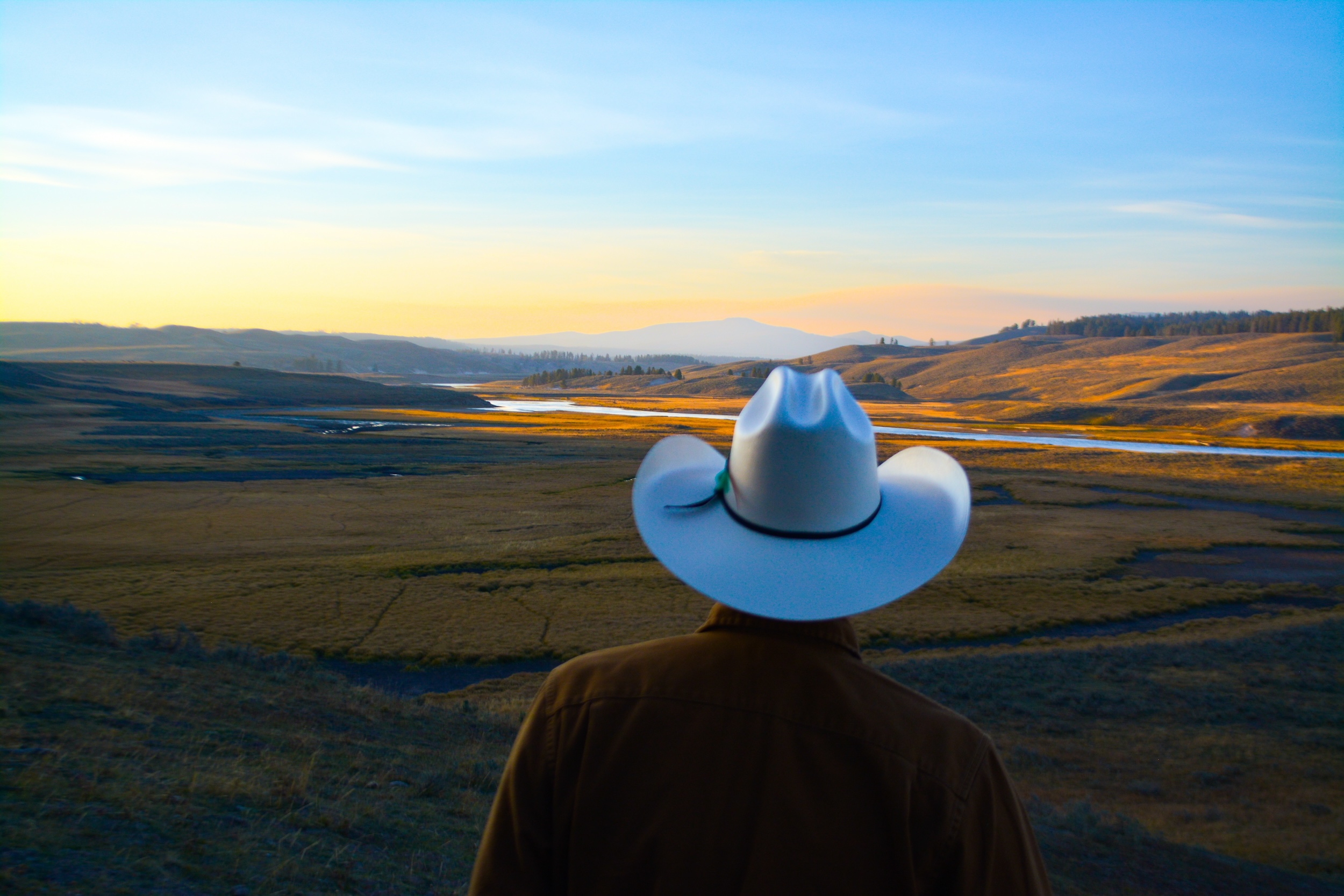
Living on a ranch isn’t just a profession; it’s a personal calling. While anyone can be drawn to the romance of the ranch lifestyle, those who thrive are built for more than the aesthetics. They are gritty, resourceful, and determined individuals who don’t shy away from discomfort. They work through exhaustion, fix problems in real time, and rarely rely on someone else to save the day.
Resilience, self-reliance, and adaptability are the foundational skills for successfully living on a ranch. Problem-solving isn’t a nice-to-have; it’s a daily requirement. Whether it’s a broken axle on your feed wagon or a mother cow rejecting her calf, ranchers need to think fast and act faster. Mental stamina is just as important as physical strength, especially in isolated areas where help might be hours away.
Living on a ranch also demands emotional endurance. Solitude is part of the lifestyle—not just physical isolation, but the emotional load of running a complex operation with real stakes. For many, that solitude is a source of clarity and fulfillment. For others, it can be a deal-breaker.
But beyond sheer toughness, ranching also attracts entrepreneurial minds. The best ranchers treat their land like the asset it is, constantly evaluating risk, opportunity, and return. They understand that every decision, from genetics to grazing patterns, is an investment in the future.
Living on a ranch isn’t about maintaining what is; it’s about building what could be. It’s legacy work.
The bar is even higher for modern-day ranchers. The most successful modern ranchers are information-driven and unafraid of innovation. Drones and satellite imaging help track pasture health. GPS ear tags offer real-time insights into herd behavior. Rotational grazing models improve soil health and long-term productivity. Even water usage and fencing systems are going digital.
In today’s world, sustainability is critical to running a business. Savvy ranchers adopt regenerative practices not only for the environment but to enhance profitability, reduce input costs, and secure conservation funding.
Whether it’s diversifying income streams with agritourism or incorporating carbon sequestration strategies, today’s rancher understands that living on a ranch requires being equal parts cowboy, conservationist, and CEO.
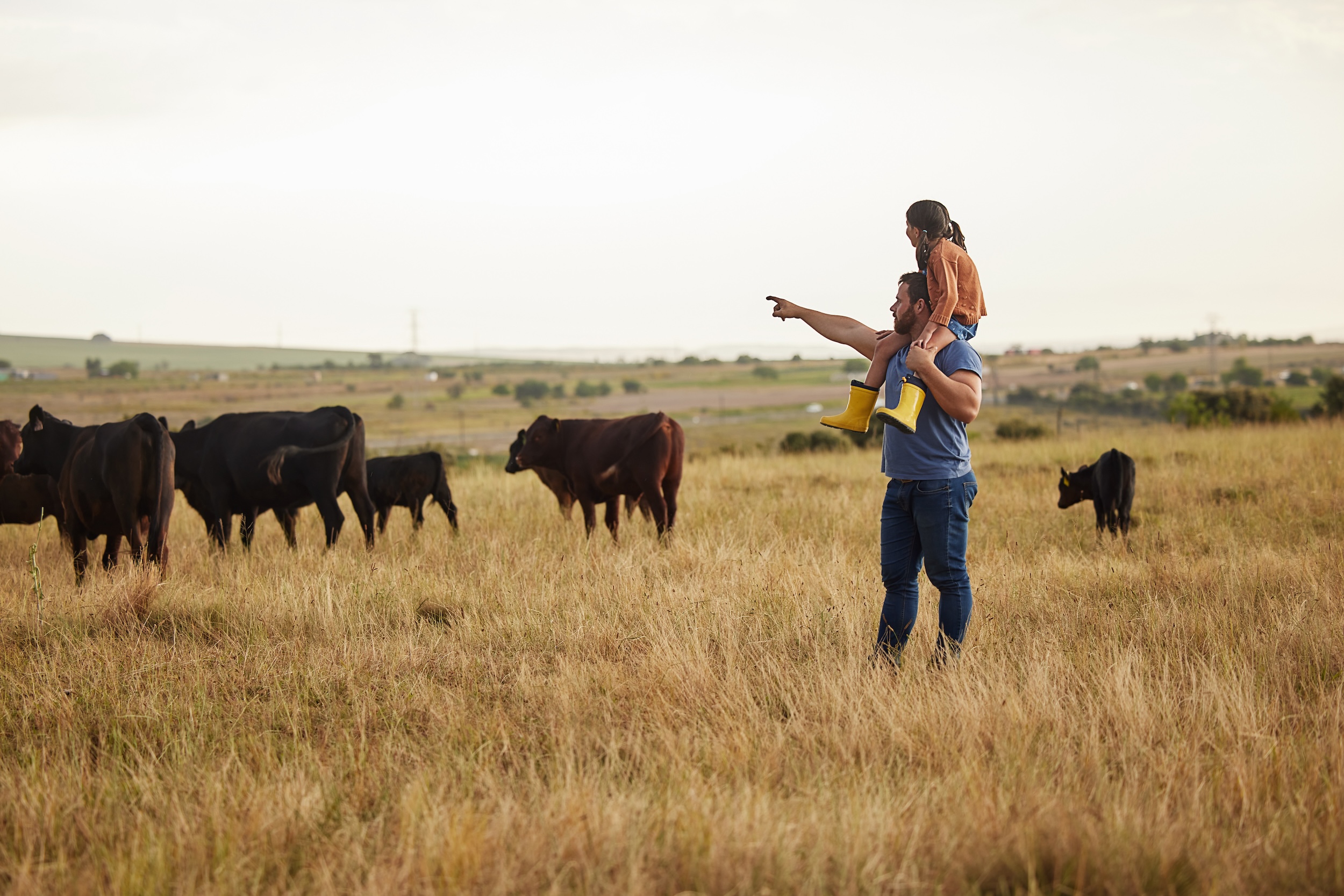
Media portrayals often shape the idea of ranch life, but those romanticized depictions don’t often capture the full picture of what it’s like to live on a ranch day in and day out. Western shows may showcase golden-hour horse rides and sweeping mountain views, but the real story includes diesel-slick hands, exhausted nights, and relentless problem-solving.
Let’s dispel some of the most widespread myths and misunderstandings of what it’s like to live on a ranch:
Misconception: “Living on a ranch is always peaceful and picturesque.”
Truth: Ranches can be beautiful, but they can also be loud and unpredictable. Between bellowing cattle, squealing hydraulic equipment, and barking dogs, there’s often quite a bit of noise mixed in with those peaceful moments. The work is dusty in summer, muddy in spring, and bone-chilling in winter.
Yes, there are moments of awe—a sunrise breaking over frost-covered fields, a quiet evening walk through tall grass—but those are earned between the hard parts. It’s not always serene, but it is always real.
Misconception: “Ranching is solo work.”
Truth: The image of the lone cowboy may be iconic, but it doesn’t reflect the full reality of living on a ranch. Most ranches are family-run operations where every member plays a role, from checking fence lines to keeping books.
Others depend on hired hands, especially during branding, calving, or harvest seasons. Neighboring ranchers often share labor during emergencies or lend equipment when something breaks. The truth is, successful ranching is built on networks of trust, teamwork, and shared experience.
Misconception: “Ranching is just about cattle.”
Truth: While cattle may be the centerpiece for many ranch operations, modern ranching is as multifaceted as any business. It’s about land management, pasture rotation, weed control, water rights, soil regeneration, predator mitigation, and yes, livestock care.
Ranchers may also run guest lodging, lease hunting rights, manage timber stands, or participate in conservation programs. You might spend one hour installing solar panels on a pump house, and the next guiding a wildlife biologist across your property. Needless to say, there’s never a dull moment when living on a ranch.
Misconception: “Ranch work ends at sunset.”
Truth: Livestock emergencies and equipment failures don’t follow a 9-to-5 schedule. A cow with a breached calf, a sudden wildfire, or a busted water line can turn a quiet evening into an all-nighter.
Fences go down, predators show up, pipes freeze, and these things aren’t always predictable. Many ranchers have learned to keep their phones charged, their boots by the door, and their headlamps within reach.
Misconception: “Living on a ranch is just like the TV shows.”
Truth: Television shows rarely show the hours of maintenance, stress, and decision-making that go into living on a ranch. They skip the spreadsheets tracking feed costs, the planning meetings with conservation agencies, or the slog of repairing a PTO shaft in 100-degree heat.
They miss the mental math of hay inventories or the emotional toll of putting down a sick animal you may have bonded with. Living on a ranch is more than a dramatic backdrop. It’s a long-haul commitment that tests your resolve as much as it rewards your spirit.
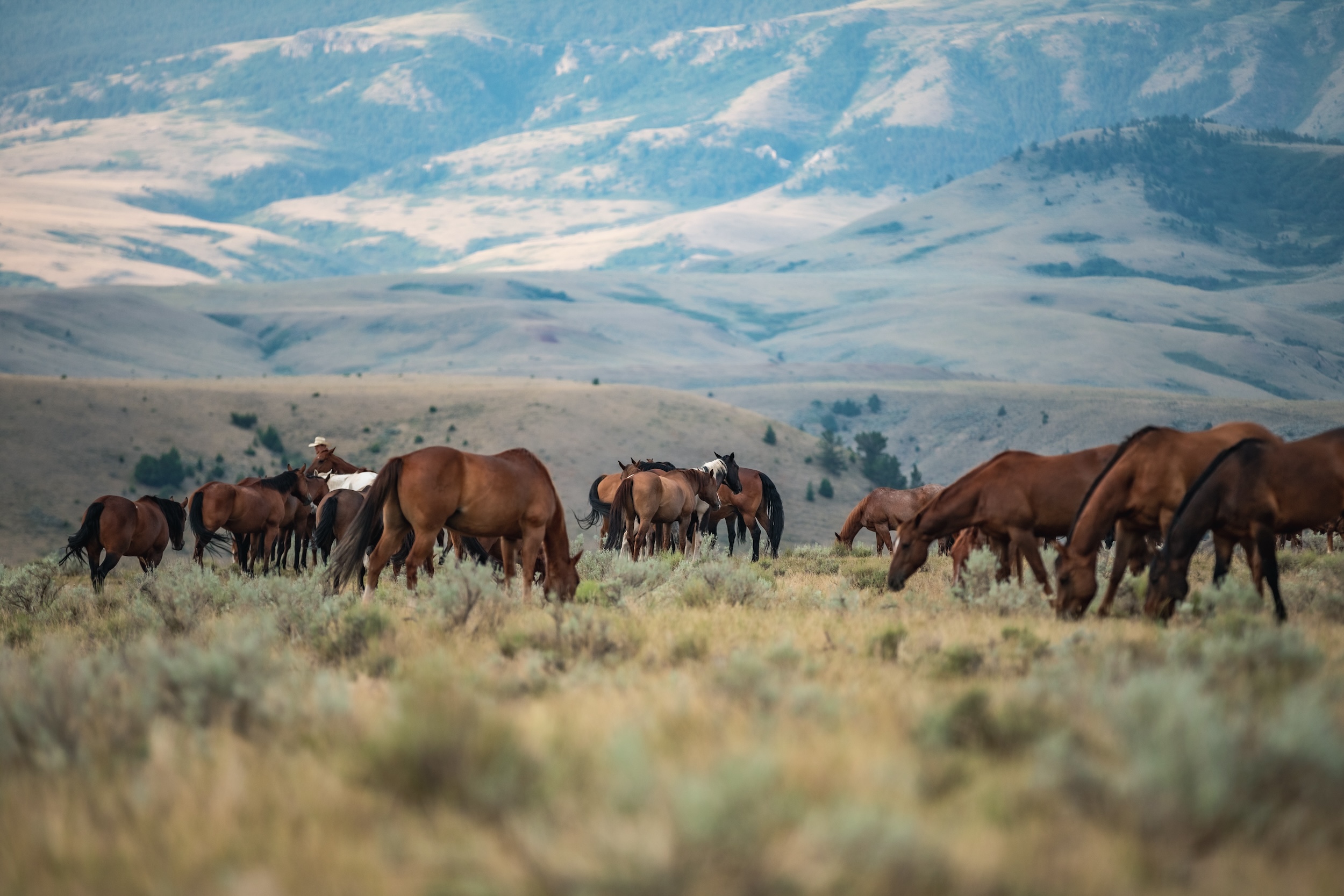
There’s a big difference between how people imagine ranch life and what it truly entails. Let’s break down some common expectations with real-world realities of living on a ranch.
Expectation: There is freedom and autonomy in running your own ranching operation. When living on a ranch, you make your own schedule and your own rules.
Reality: While you often do have quite a bit of freedom and autonomy with the ranch lifestyle, you are also tied to land and animals, leaving you with fewer opportunities and flexibility for travel.
Expectation: The ranch lifestyle is a simple one.
Reality: Living on a ranch does bring a sense of going back in time to a simpler period, but it also comes with complex operations and unexpected challenges.
Expectation: You can live off the land.
Reality: Living on a ranch absolutely does allow you to lead a lifestyle of living off the land, but it also comes with significant input costs, maintenance, and upkeep. It’s important to factor these into your decision-making process when deciding if you want to commit to ranch life.
Expectation: When living on a ranch, you will do work you love every day.
Reality: Most ranchers would agree they truly do love the work they do. But remember: some ranching tasks are fulfilling, while others are just plain tough. It comes with the territory and the lifestyle. Ranchers are a gritty bunch, and their willingness to put up with what some may consider grunt work is key to their success.
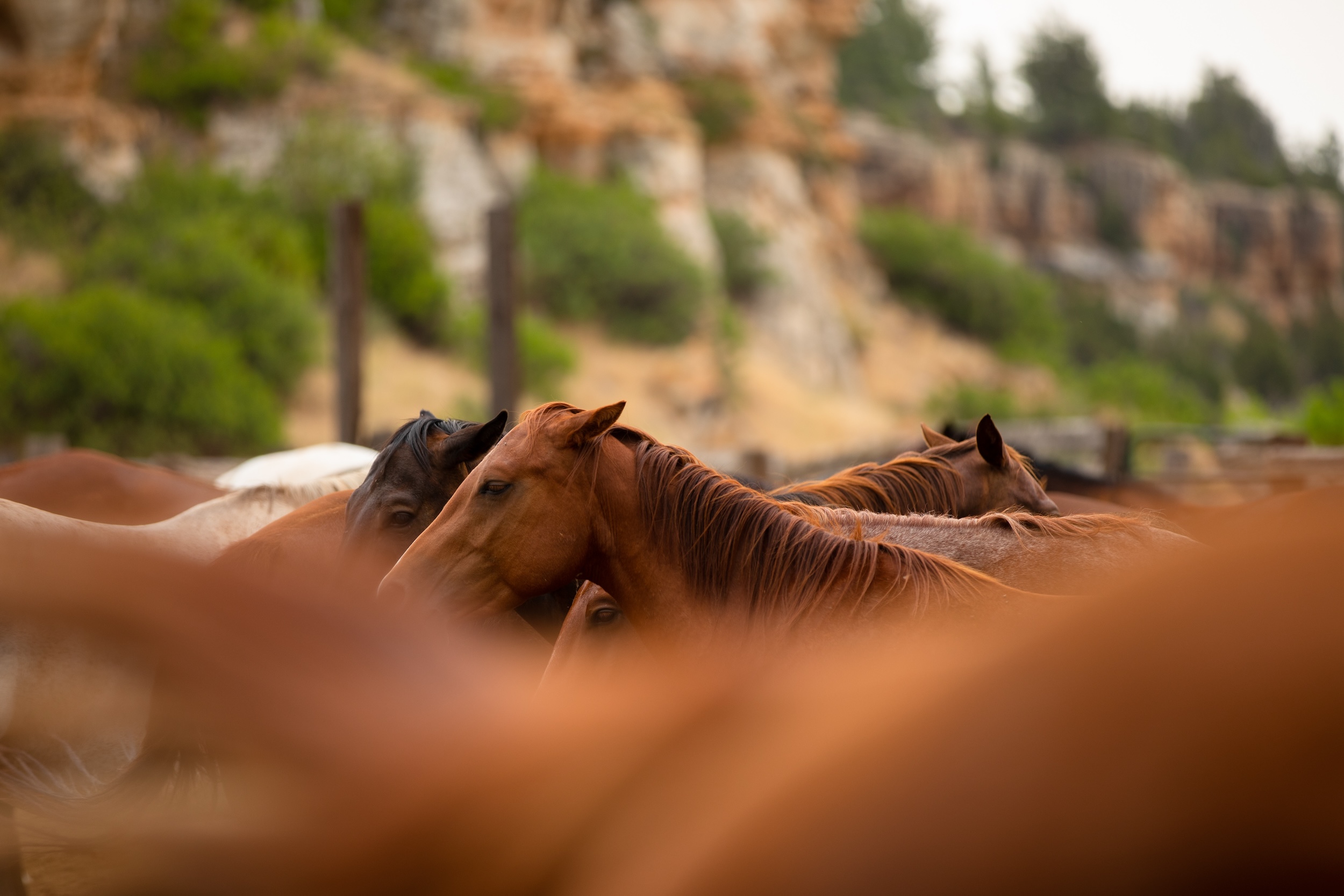
Living on a ranch isn’t just a change of address; it’s a shift in pace, priorities, and personal rhythm. The ranch lifestyle shapes more than your daily tasks; it impacts your mindset, relationships, and how you measure fulfillment. It requires a recalibration of what matters most and a willingness to trade convenience for meaning.
There’s a depth to the experience of living on a ranch that’s hard to articulate until you’ve lived it. Many ranchers describe the lifestyle as grounding, anchored in purpose, and connected to something bigger than themselves.
There’s a deep pride in self-sufficiency: knowing you’ve raised your own beef, fixed your own gate, or helped deliver a breech calf in the dead of night.
Watching the sunrise over a frost-covered pasture, hearing the first meadowlark of spring, or seeing a tired heifer bond with her newborn; these moments don’t make headlines, but they shape a life worth living.
It’s not glamorous, but it’s real. And for many ranchers, it far outweighs the perks of modern convenience or a corporate career path.
That said, living on a ranch comes with undeniable sacrifices.
Living hours from the nearest grocery store, vet, or hospital is routine. If your well pump goes out, you’re the repair crew. If your child needs a specialist, it may mean a full-day drive. Social circles can be limited, especially for extroverted folks who thrive on city energy and amenities.
The weather also dictates your plans. Birthday parties get postponed for branding days, and holidays may be spent checking water lines instead of relaxing. Even when you’re “off,” you’re never truly off. Animals need feeding, fences need mending, and emergencies don’t respect your schedule.
These trade-offs can wear on relationships and test your resolve, but for those who accept them, living on a ranch is often worth the reward.
While physical isolation is real, emotional isolation often isn’t. Ranching communities are known for stepping up when it counts. Need help gathering cattle before a storm? Your neighbor’s already saddled up. Wildfire near your fence line? Someone’s probably grading your firebreak before you even ask.
Rural culture runs deep with values like stewardship, humility, and shared responsibility. Whether it’s a branding day, a benefit dinner, or just an extra set of hands when you’re short-staffed, there’s an unspoken code in ranch country: help is never far away, and neither is gratitude.
For many, this sense of community is one of the most treasured parts of living on a ranch, where the land may be vast, but you’re never truly alone.
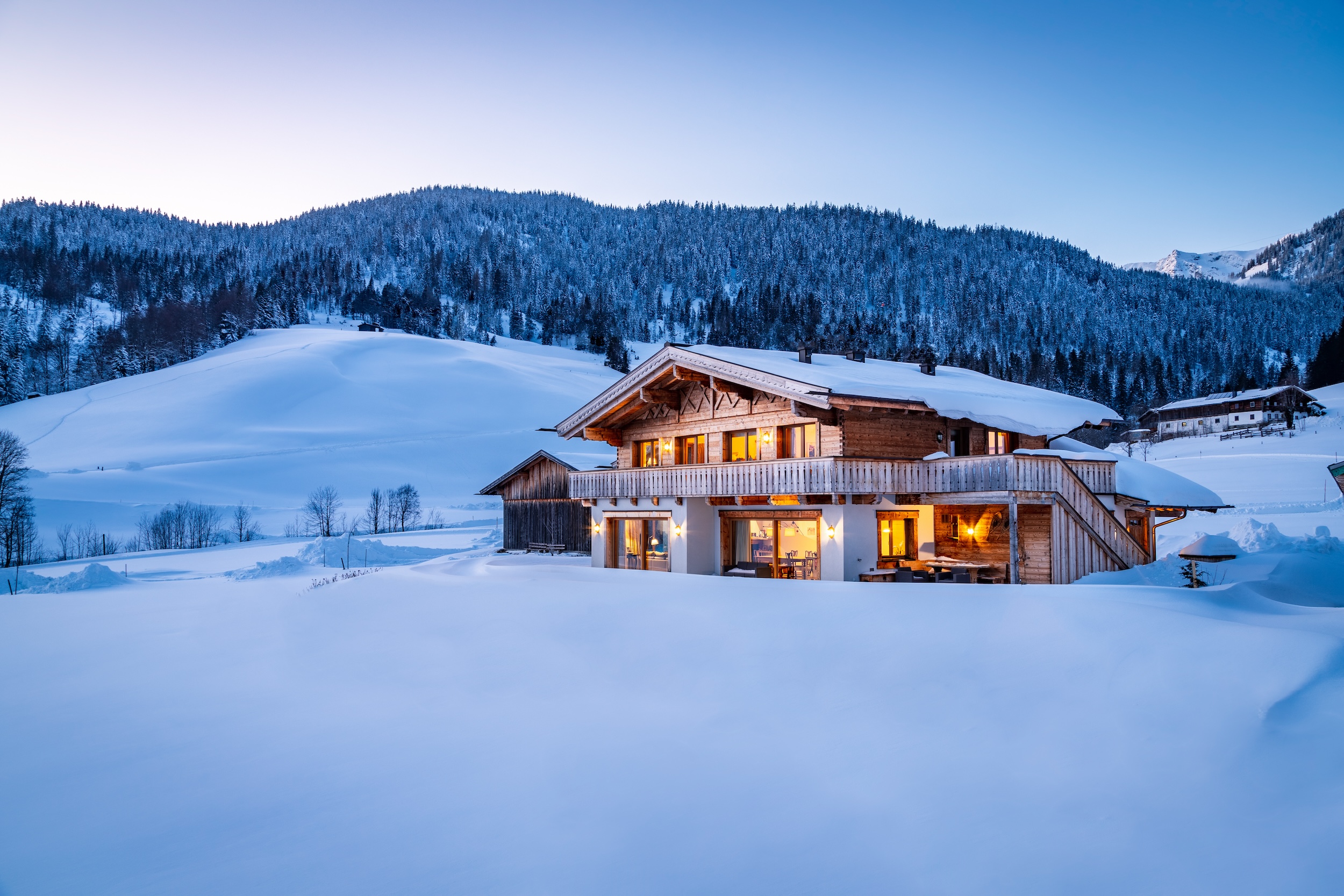
Budgeting for ranch life goes far beyond the purchase price of land and a few head of livestock. The financial reality of living on a ranch is layered, unpredictable, and highly dependent on the scope of your operation.
From ongoing input costs like feed, fuel, and vet care, to long-term investments in infrastructure and equipment, ranching requires both cash flow management and strategic planning.
Unexpected expenses are the norm, not the exception, when living on a ranch. Think broken tractors, water line repairs, or emergency hay deliveries during a drought. There’s also the cost of compliance: grazing permits, insurance, taxes, and environmental regulations can all affect your bottom line.
While some ranching costs are seasonal, others are constant, like maintaining miles of fencing, servicing equipment, or upgrading facilities to meet changing needs. These are the major cost categories that come with ranch living and highlight where new ranchers often underestimate their budgets.
Whether you’re running a full-scale cattle operation or maintaining a mixed-use recreational ranch, understanding these financial dynamics is key to long-term success.
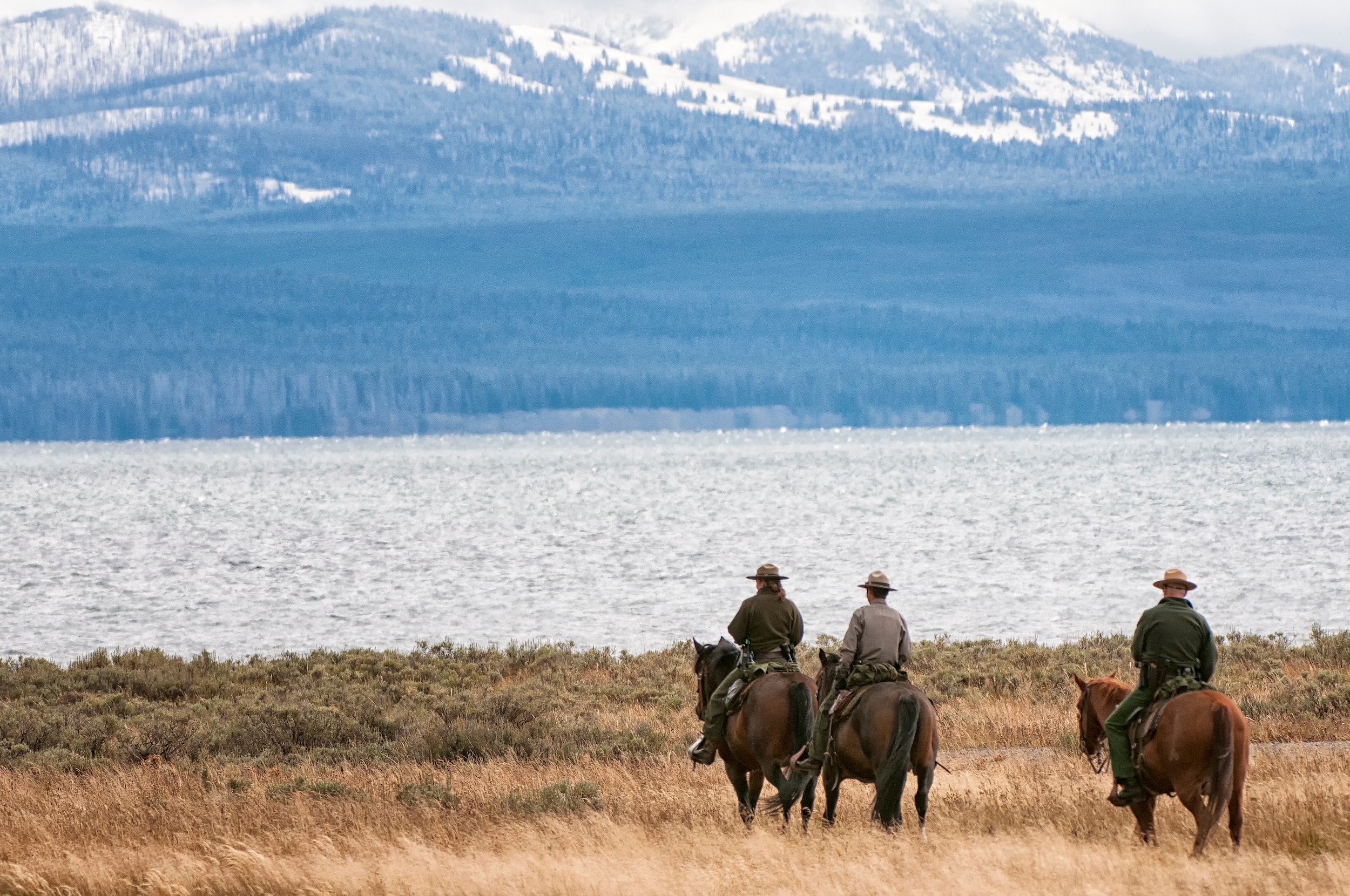
There’s no single blueprint for living on a ranch, because no two ranchers have the same goals, skills, or land. Ranching can be as intensive or as laid-back as you make it, ranging from high-output cattle enterprises to small recreational retreats designed for stewardship and solitude.
For some, living on a ranch means managing livestock across thousands of acres with a fully staffed crew and commercial-scale infrastructure. For others, it’s a weekend sanctuary with a few horses, a garden, and space to breathe.
Increasingly, many ranchers are blending traditional practices with modern strategies, integrating conservation, tourism, and off-grid technologies to meet both financial and ecological goals.
In this section, we break down the most common ranch models and what kind of mindset, commitment, and resources each one requires. Whether you’re building a legacy or simply seeking a lifestyle shift, there’s a ranch type that fits your vision of what it means to live on a ranch.
At Hayden Outdoors, we live and breathe the ranch life. Whether you’re dreaming of wide-open spaces or a working cattle operation, our team is here to help you find a ranch property that aligns with your vision and values.
We understand the challenges and the unmatched rewards that come with living on a ranch, and we’re ready to guide you every step of the way. Get in contact with one of our ranchland agents, or browse available ranchland.