
×

Sign in
Sign in to save favorite properties and equipment, save your search parameters and more
Don’t have an account yet? Sign Up Now
Sign up
Already have an account? Login Now


 866-741-8323
Sign in
Sign in to save favorite properties and equipment, save your search parameters and more
Don’t have an account yet? Sign Up Now
Sign up
Already have an account? Login Now
866-741-8323
Login
Sign in
Sign in to save favorite properties and equipment, save your search parameters and more
Don’t have an account yet? Sign Up Now
Sign up
Already have an account? Login Now
Sign in
Sign in to save favorite properties and equipment, save your search parameters and more
Don’t have an account yet? Sign Up Now
Sign up
Already have an account? Login Now
Picture this: you’ve spent years building up your grain operation, and the time has finally come to put a combine harvester on your farm. You start browsing listings, talking to combine harvester dealers, and asking around; the pricing numbers you get back are all over the map. One machine is listed at $40,000. Another looks nearly identical and carries a $200,000 price tag. A brand-new model from a major dealer clocks in at over $800,000. And suddenly the question “how much does a combine harvester cost” starts to feel a lot more layered than you expected.
Here’s the good news: the wide price range for combine harvesters actually makes complete sense once you understand what’s driving it. Combine harvester pricing reflects everything from machine size and crop capacity to technology level, age, and condition.
A compact used unit suited to a few hundred acres of small grain is a completely different animal than a high-capacity rotary harvester designed to chew through thousands of acres without missing a beat. The gap in combine harvester price ranges reflects the gap in capability, and that means there’s a machine at the right price for nearly every farming operation.
In this guide, we’ll walk you through everything that shapes the cost of a combine harvester, what you’ll want to budget for beyond the sticker price, the renting versus buying debate, your financing options, and how to find a great machine at a great value. By the time you’re done reading, you’ll know exactly how to approach the combine market with confidence.
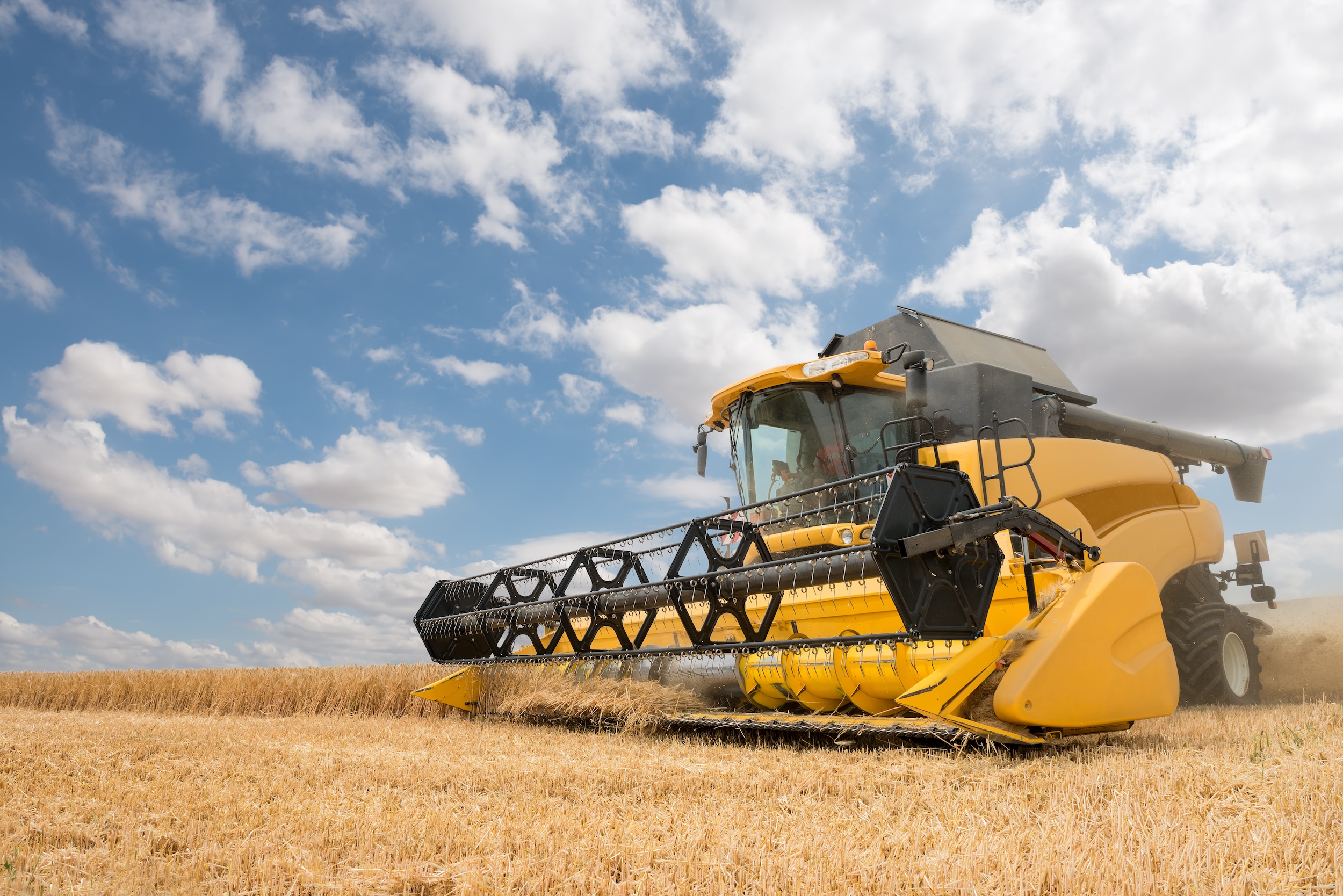
Before we get into the factors that shape how much a combine harvester actually ends up costing you, it helps to have a general sense of the pricing landscape. Combine harvester costs come in a pretty massive price range: from around $10,000 for an older, smaller used machine all the way up to over $1,000,000 or more for a fully loaded new flagship model.
Most late-model used combines trade somewhere in the price range of $100,000 to $400,000 range, depending on age, hours, and condition.
If you’re wondering how much a new combine harvester costs specifically, expect to start somewhere around the price range of $200,000 to $300,000 for a newer entry-level model, with mid-range and high-capacity machines climbing from there. At the top of the market, premium new models from major combine harvester manufacturers can comfortably exceed a cost of $500,000 to $700,000 fully configured.
Those pricing numbers represent the full spectrum of what’s available. How much a combine harvester costs for your specific operation depends on your acres, your crops, and what you actually need the machine to do. That’s exactly what the rest of our guide will help you figure out.

Understanding those wide combine harvester price ranges starts with understanding what you’re paying for in the first place. Several key variables drive combine harvester costs up or down, and knowing them helps you compare machines intelligently and find the best fit for your budget.
Machine size is one of the most direct drivers of combine harvester price. Combines are built in different harvesting classes, and each step up the class ladder brings more processing capacity, more engine power, a larger grain tank, and faster throughput.
For a smaller or mid-sized farming operation, a lower-class combine harvester will do everything you need at a price that fits comfortably within your budget. For large-scale operations harvesting thousands of acres in tight weather windows, a higher-class combine harvester is a better fit for the job, and its cost reflects that capability.
The practical takeaway: match the machine to your acres. A combine harvester price that seems high in isolation is often more reasonable than it seems when you divide it across the number of productive acres it will cover each season.
New or used is the biggest single lever you can pull to determine how much a combine harvester could cost you. A brand-new machine gives you the latest technology, full factory warranty coverage, and zero hours on the clock.
A used combine harvester gives you a significantly lower cost, and with the right inspection and history, it can deliver many more years of dependable service at a more approachable price point.
How much does a new combine harvester cost compared to the price of a used one? Generally speaking, a well-used machine can come in at 30 to 60 percent of the equivalent price of a new combine harvester, sometimes less, depending on hours and age.
That kind of spread is why the used combine market stays so active, and why it’s worth exploring thoroughly before committing to a new one.
When evaluating used combine harvester prices, separator hours are the most important number on the spec sheet. Separator hours measure how long the threshing and separation system has been running, and they are the clearest indicator of mechanical wear on a used machine.
A used combine harvester with low separator hours (under 1,000 or so) will carry a higher price that approaches a similar cost to that of a new machine. As hours increase, the price of the combine harvester comes down accordingly, which creates some of the best value opportunities in the market.
Higher-hour combine harvesters are often the most negotiable on price, and with a solid inspection, many of these machines have plenty of productive seasons ahead.
When it comes to determining how much a combine harvester could cost you, it’s important to remember that modern combines can be equipped with GPS guidance, yield mapping, automated speed control, moisture sensing, and remote diagnostics.
These features deliver genuine daily value: better data, higher efficiency, and more precision across every acre you harvest. However, they can also drive up the cost of a combine harvester, which is worth understanding when comparing the price on various listings.
Factory-integrated precision ag packages on newer machines can add a meaningful amount to the base price of a combine harvester. When shopping, note exactly which technology features each machine includes, since two combine harvesters with a similar price may be configured quite differently under the hood.
It’s also worth asking whether any technology features carry annual software or connectivity subscription fees, as these recurring costs can drive up the lifetime cost of owning (or renting) a combine harvester.
Combines use one of two primary threshing systems. Conventional combine harvesters, sometimes called straw-walker combines, carry a lower price and work exceptionally well for small grains like wheat, oats, and barley.
Rotary combines handle a broader range of crops with higher throughput and are common on larger, more diverse operations. Rotary combine harvesters carry a higher price, but for farms that depend on their capacity and versatility, that cost reflects real daily productivity.
When you see two combine harvesters that look similar in size but carry noticeably different prices, the threshing system is often part of that cost equation.
The cost of a combine harvester doesn’t exist in a vacuum. Equipment market conditions, regional demand, and where you are in the model cycle all play a role.
When manufacturers release new machine generations, the previous generation depreciates, and prices on those combine harvester models soften, creating a solid opportunity for buyers who don’t need necessarily need the latest technology on their farms.
Regionally, combine harvester prices can vary based on local crop mix and inventory levels. Fall listings, right after harvest season, typically bring the widest selection of used combines to market as farmers upgrade or transition out, which tends to be a buyer-friendly time to shop.

One of the most useful things you can know going into a combine harvester purchase is that the listed price is almost always the starting point, not the complete cost picture. Understanding the additional line items up front helps you budget accurately and walk into a price negotiation fully prepared.
A combine harvester is typically sold as a base machine. The header (the front attachment that cuts and gathers the crop) is priced and purchased separately in almost every transaction.
Header costs vary based on type and cut width, and depending on your crops, you may eventually want more than one configuration.
The good news is that used headers are widely available through equipment auctions and third-party marketplaces at prices well below dealer new pricing, which is a great way to get fully outfitted while keeping your total cost for your combine harvester down.
Moving a combine harvester from the seller or dealer to your farm requires a flatbed or lowboy trailer. Freight costs depend on the distance involved, but this is a real line item that’s worth building into your budget early, especially when buying remotely through an auction or private sale.
For new machines purchased through a dealer, a pre-delivery inspection is part of the standard process. When purchasing a used combine, an independent inspection from a qualified ag mechanic is one of the smartest steps you can take.
Knowing the mechanical status of a combine harvester before you finalize a purchase gives you full confidence in your decision and the price you’re paying. And if the inspector finds anything worth discussing, it gives you useful information to leverage during the negotiation process.
A thorough inspection typically runs from a few hundred to a couple thousand dollars, which is a very small number relative to the total price of the combine harvester and its attachments.
Farm equipment insurance and routine annual maintenance are the ongoing operating costs that come with owning a combine harvester. Insurance protects the substantial investment and price you’ve made.
Routine maintenance (belts, bearings, fluids, and seasonal prep) keeps the machine running at its best and extends its useful life.
Both are predictable, plannable costs, and building them into your annual budget from the start makes owning a combine harvester sustainable for the long haul.
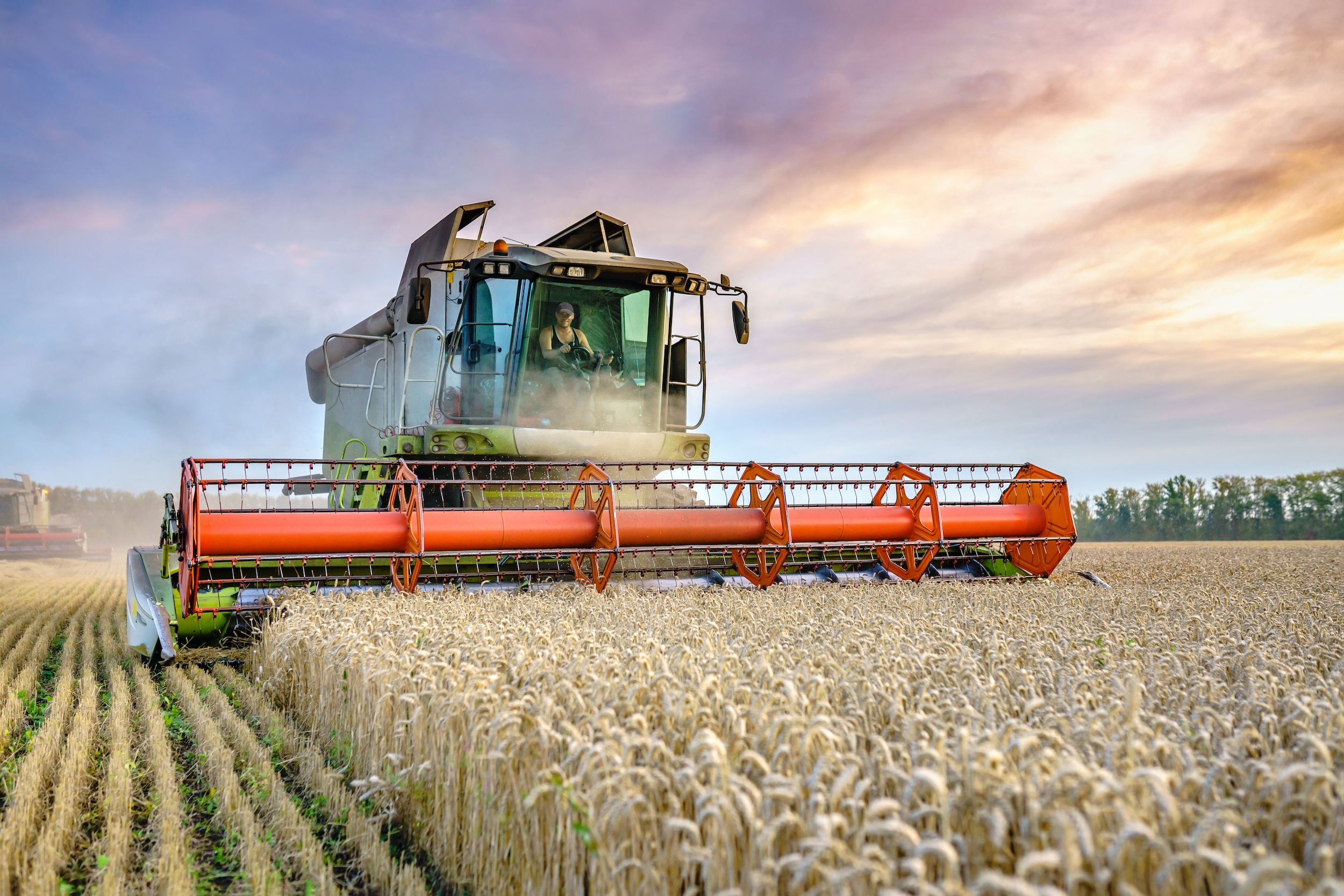
When farmers look at how much a combine harvester can cost, one of the first questions that comes up is whether ownership is the right path for them.
Renting, custom hiring, and leasing are all strong options, and for certain operations, and sometimes they make financial sense. In other scenarios, owning a combine harvester truly is the most viable path from a long-term cost perspective.
Let’s talk through the factors you’ll want to consider:
Acreage is the clearest starting point for this analysis. The more acres you harvest per season, the more efficiently a purchased combine harvester pays for itself, even at a higher price tag.
Operations farming larger acreages can spread the cost of a combine harvester across more productive use, which makes ownership increasingly efficient over time.
For smaller acreages where a machine wouldn’t be in the field very many hours per season, renting or custom hiring often delivers more value per dollar.
That said, as your operation grows, the economics of buying a combine harvester begin to make more financial sense. Many farmers start by renting or custom hiring, then make the move to ownership when their acreage supports it.
If you’re farming a smaller acreage or want to run a machine type before committing to a purchase, renting a combine harvester is a practical and flexible path from both a cost and logistics perspective.
Daily rental cost for a combine harvester typically runs around $1,000 to $3,000, depending on model and region, with hourly rates in the $150 to $225 range for larger machines.
Maintenance is typically the rental provider’s responsibility, which can simplify your harvest season logistics considerably.
Custom harvesting, hiring a contractor who brings both their combine and an operator, handles a significant share of crop acres in major grain states.
Custom harvesting rates typically run $35 to $45 per acre, but this cost can also vary quite a bit, depending on your region and crop type.
For operations with limited labor, or for growers who want to focus their energy on grain hauling and logistics during harvest, custom hiring can be an efficient, more price friendly way to get the crop in without taking on the full cost of combine harvest ownership.
Leasing a combine sits between renting and buying. It typically requires less upfront capital than purchasing outright, provides consistent access to a machine, and some lease structures allow you to upgrade to a newer model at the end of the term.
Lease payments are often fully deductible as a business expense, which can be a meaningful tax advantage. If staying current with technology matters to your operation, leasing is worth a conversation with your ag lender.
The right choice among buying, renting, leasing, and custom hiring comes down to your acreage, your crops, your labor, and your cash flow.
Farmers harvesting large acreages with tight timing windows get the most from owning a combine harvester, even with the up-front cost factored in.
Farmers who are scaling up or running smaller operations often find that the flexibility of leasing or renting a combine harvester works better at their current stage. There’s no wrong answer; just the right answer for where your operation is today and where it’s headed.

Combine harvester costs at the higher end of the market represent one of the largest single investments some farming operations make, and most buyers finance at least part of the purchase price.
The ag lending world is well-equipped for this, and you have several different routes to choose from:
Manufacturer and Dealer Financing: The major equipment manufacturers offer their own financing programs, and dealers frequently run promotional rates during key buying seasons. These programs are convenient and sometimes very competitive for financing, especially for new combine harvesters with higher price tags. Comparing rates from at least one outside lender gives you a fuller picture and makes sure you’re getting the best deal available.
Farm Credit and Agricultural Lenders: Farm Credit institutions specialize in agricultural lending and are often one of the strongest options for financing the combine harvester purchase price. Regional ag banks and credit unions with farm lending experience are worth contacting as well.
USDA Farm Service Agency Loans: The USDA Farm Service Agency offers loan programs specifically designed to help farmers access the financing they need to grow. FSA Operating Loans can be used to purchase farm equipment, including combine harvesters, with terms built around the realities of farm income and cost structures. Newer farmers and operations looking for flexible financing will find FSA programs especially worth exploring.
Section 179 Tax Deduction: The IRS Section 179 deduction allows farm businesses to deduct the full purchase price of qualifying equipment in the year of purchase rather than spreading depreciation across multiple years. On a combine harvester purchase, this can meaningfully improve your first-year tax position and reduce your effective combine cost. A conversation with your tax advisor is critical to understanding your options.
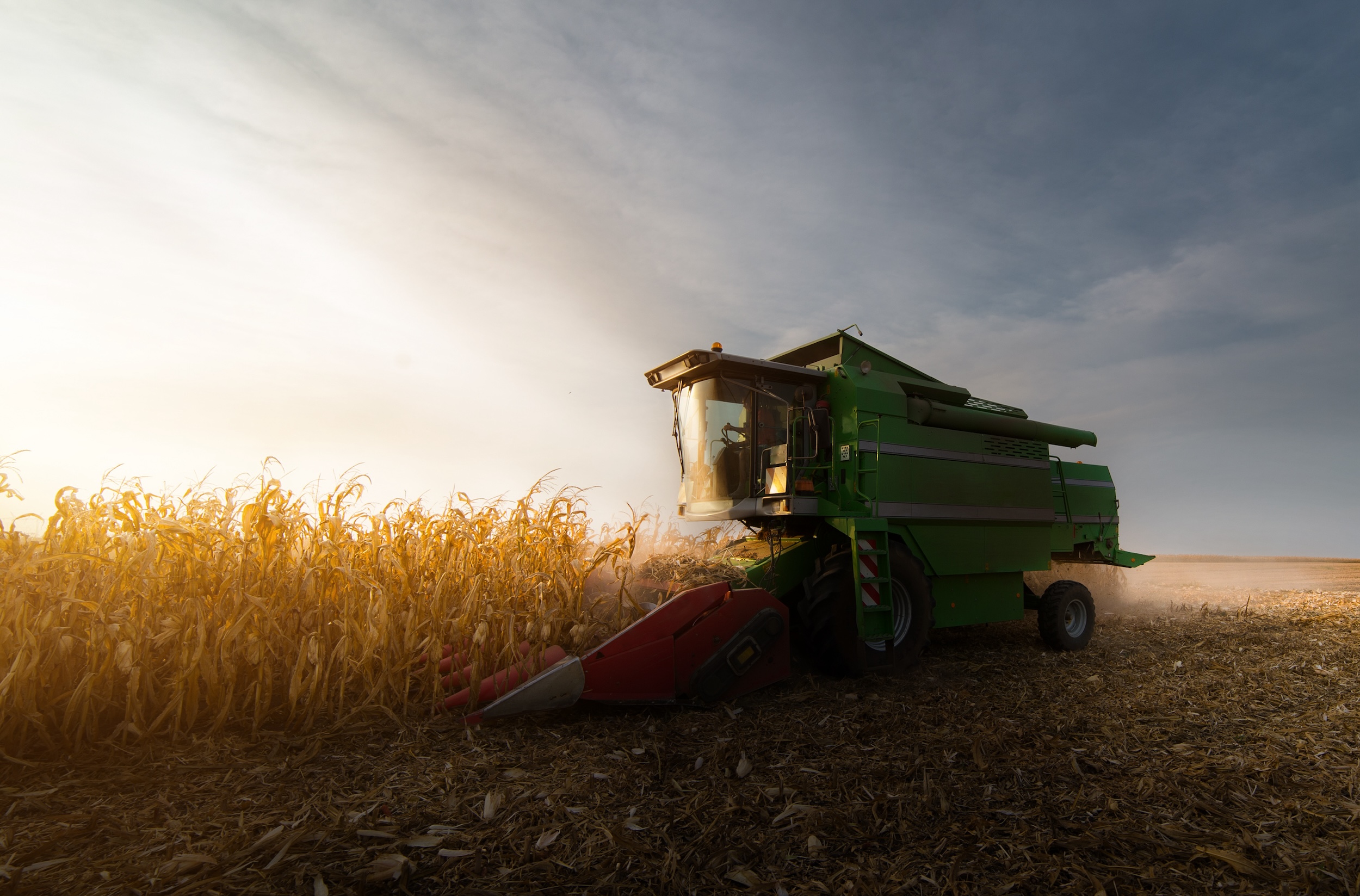
Understanding combine harvester prices and how much you can expect this equipment to cost you is one thing. Knowing how to shop for the best value is another. Here are the habits that help farmers find the right combine harvester at the right price.
Shop In The Fall: Fall is prime time for used combine inventory. After the harvest wraps up, farmers who are upgrading or transitioning their operations list their machines, which means more selection and more motivated sellers (which can often translate to a lower cost for that combine harvester you have your eye on). Shopping in the fall or early winter typically gives you more options and a stronger negotiating position than you’d find in the spring.
Focus On Hours Over Year: When comparing used combine harvester price tags, prioritize separator hours over model year to truly understand the value in relation to the cost. A machine with fewer hours and a slightly older year often represents better value than a newer machine with significantly more hours on it. Always ask for a full maintenance history alongside the hour meter reading. A seller who can provide detailed records cared for the equipment, and that history supports the asking price for the combine harvester.
Commission An Independent Inspection: An independent pre-purchase inspection gives you a clear, objective picture of your combine harvester’s mechanical condition before you commit to the price. It’s also a useful tool for price negotiation. If the inspector identifies items that need attention, that’s a fair and constructive basis for revisiting the combine harvester with the seller. This step is especially valuable when buying through an auction or private sale.
Compare Across Channels: Traditional dealerships are a great starting point for understanding what a given machine class should cost and for exploring warranty and trade-in options for combine harvesters. Equipment auctions and third-party marketplaces are where you’ll often find the most competitive prices for a combine harvester, because you’re working directly with motivated sellers without dealer overhead built into the price. Browsing both channels gives you a full picture of the market and helps you recognize genuine value when you see it.
Explore The Used Header Market: Headers and attachments depreciate quickly and are widely available through equipment auctions and marketplaces at prices well below new dealer pricing. Pairing a solid used combine harvester with a used header sourced separately is a smart way to get fully operational without paying new prices across the board. And it’s a great way to manage how much a combine harvester could cost you in total, without compromising your harvest capability.
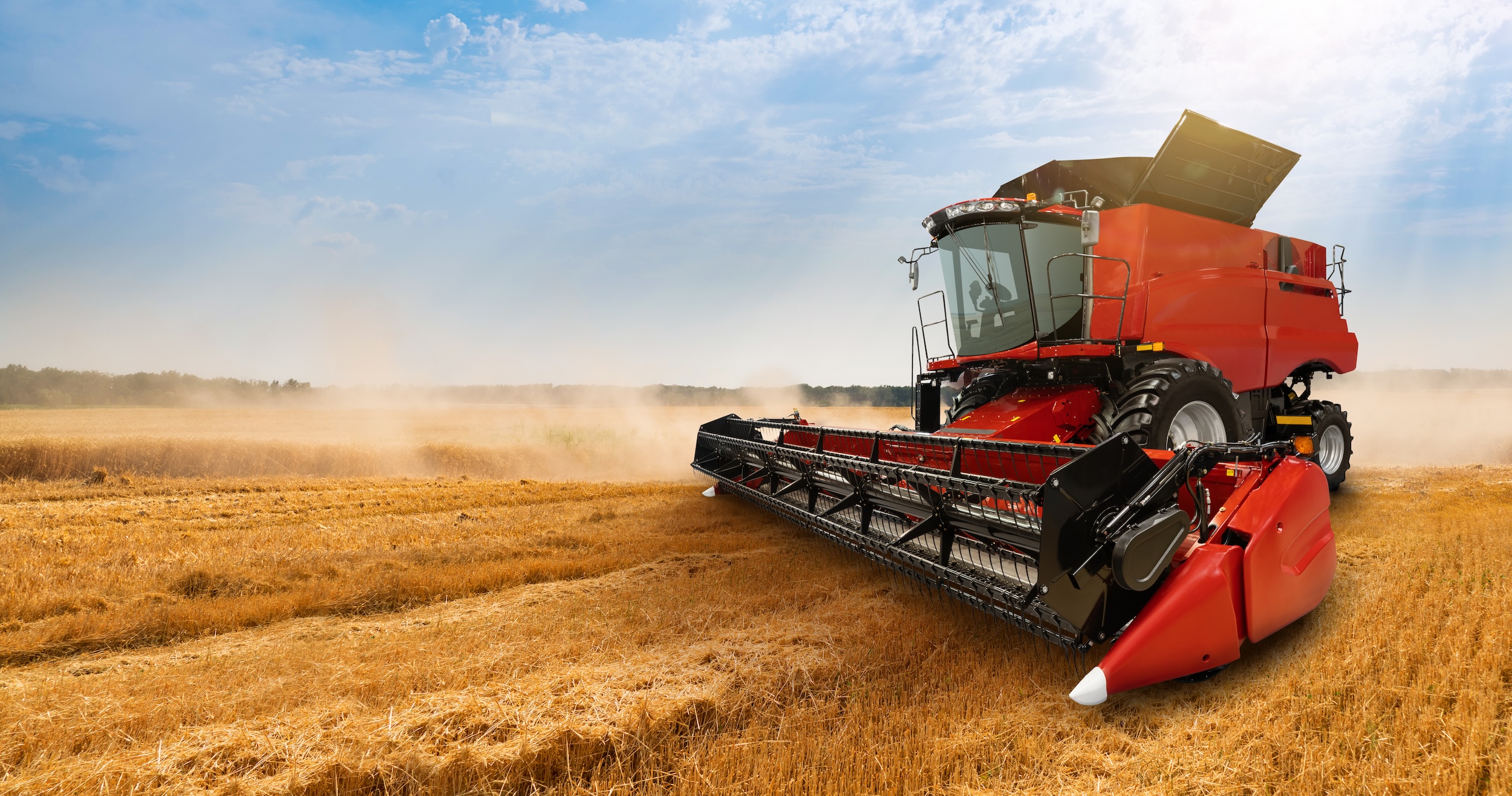
You’ve done the research. You understand what factors can impact how much a combine harvester could cost your farm, what to budget beyond the sticker price, how to think through renting versus buying, and how to shop the market effectively. That’s a strong foundation for making a confident, well-informed purchase decision.
At Hayden Outdoors, our equipment marketplace connects equipment sellers directly with buyers across the country. Sellers list their own equipment directly, which means transparent pricing and direct communication; no dealer overhead stands between you and a fair price for a combine harvester.
Whether you’re looking for a late-model combine to power a growing operation or a solid used machine to get your farm off to a strong start, browse what’s available.
View Combines and Harvesting Equipment
The information in this article is for educational purposes only and should not be considered legal or tax advice. Always consult with attorneys, tax professionals, and financial advisors before making decisions about your farming operation.
 Back to Blog