
×
Sign in
Sign in to save favorite properties and equipment, save your search parameters and more
Don’t have an account yet? Sign Up Now
Sign up
Already have an account? Login Now


 866-741-8323
Sign in
Sign in to save favorite properties and equipment, save your search parameters and more
Don’t have an account yet? Sign Up Now
Sign up
Already have an account? Login Now
866-741-8323
Login
Sign in
Sign in to save favorite properties and equipment, save your search parameters and more
Don’t have an account yet? Sign Up Now
Sign up
Already have an account? Login Now
Sign in
Sign in to save favorite properties and equipment, save your search parameters and more
Don’t have an account yet? Sign Up Now
Sign up
Already have an account? Login Now
Picture this: You’re standing in a dealership showroom, or scrolling through page after page of equipment listings online, and the numbers seem to be all over the map. One tractor is listed at a price of $13,000. Another appears nearly identical but costs $45,000. A third catches your eye at $150,000, and you’re wondering what on earth makes it worth ten times more than the first one you looked at. If you’re asking yourself, “how much does a tractor cost?” you’ve already discovered the first truth about tractor ownership: there isn’t a simple answer.
The reality is that tractor prices span from around a few thousand dollars to well into the hundreds of thousands, and that’s before you factor in the cost of attachments that can add another $3,000 to $7,000 or more to your total investment.
But here’s what matters more than those numbers: understanding what drives those tractor costs and, more importantly, figuring out exactly what your operation needs.
At Hayden Outdoors, we work hand-in-hand with farmers every day, and we know the ins and outs of the tractor market and what impacts prices and costs.
Our guide will walk you through the real factors that determine tractor prices, help you match your tractor needs to your land and work, and show you how to find the right machine at the right price—one that becomes a trusted partner in your farming operation for decades to come.
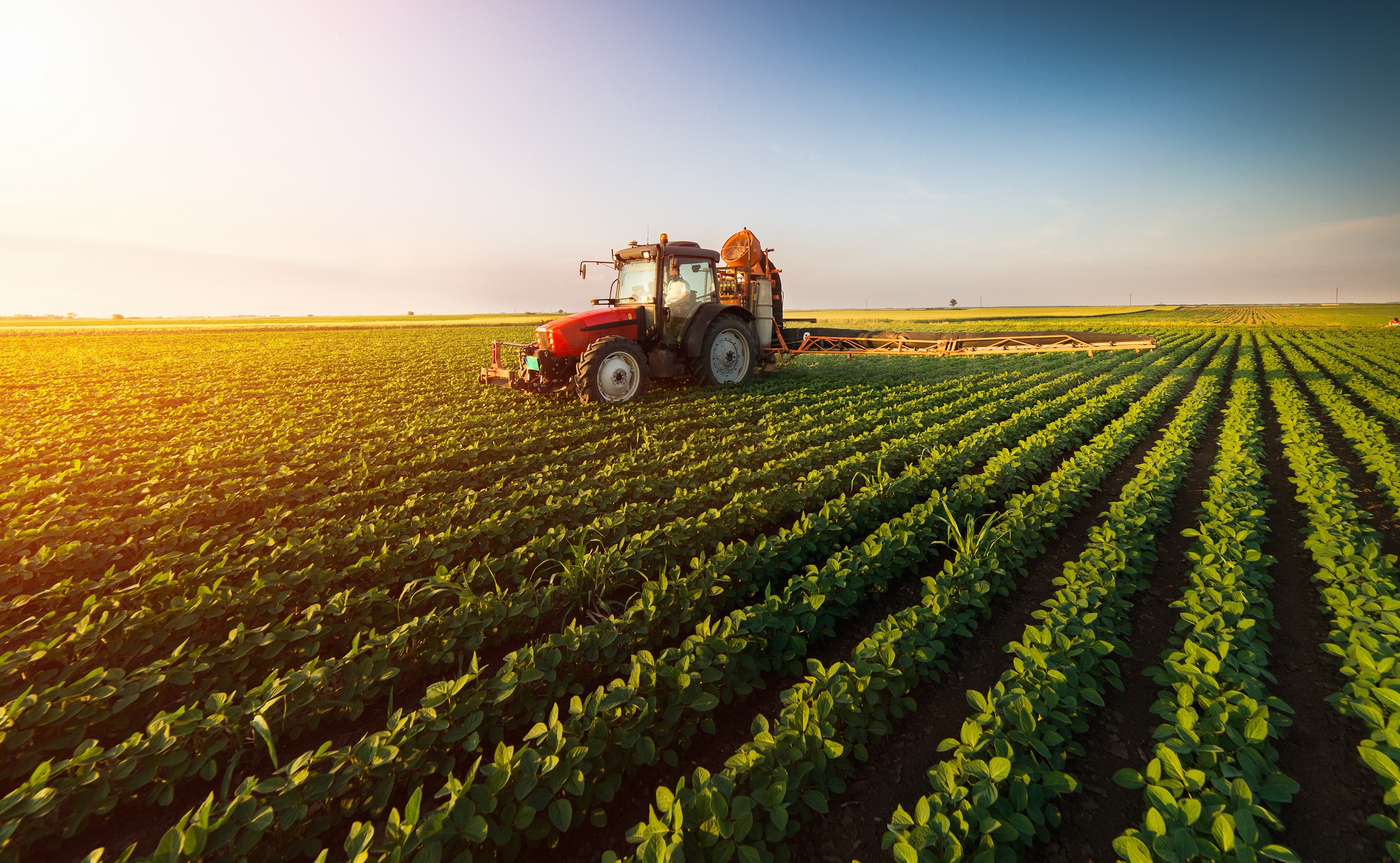
The agricultural world doesn’t deal in simple answers, and tractor pricing and cost structures reflect that reality. Every farm and ranch operation is as unique as the land it sits on and the people who work it. What makes perfect sense for a 500-acre cattle operation in Wyoming’s high plains could be completely wrong for a 10-acre vineyard tucked into California’s coastal hills.
Think about the variables at play in determining how much a farm tractor could cost. There’s acreage, certainly, but that’s just the beginning. The terrain you’re working with can dramatically affect what you need, whether it’s flat delta farmland, rolling pastures, or steep hillsides.
The crops you grow or livestock you raise, the climate you contend with, and even the soil composition under your boots all factor into the tractor cost equation. A hay operation in humid Tennessee faces different demands than the same work in arid New Mexico.
This is where the concept of “right-sized” equipment becomes crucial to the equation of determining how much a tractor costs. Buy too little tractor, and you’ll find yourself constantly frustrated, underpowered for the work, burning excessive time on tasks that should go faster.
On the flip side, buying more tractor than you need ties up capital that could go toward other parts of your operation. A tractor with capabilities you’ll never use doesn’t make you more productive—it just costs more to purchase, maintain, and fuel.
Here’s something else that’s often overlooked: the nature of your farm operation matters as much as its scale when determining how much a tractor should cost you.
Someone managing a lifestyle property or hobby farm has different priorities than a commercial producer whose livelihood depends on maximizing efficiency and output. That’s not a judgment on either approach—it’s simply recognition that your goals shape your anticipated costs for a new tractor purchase.
The best tractor for your operation is the one that matches your work, your land, and your desired price range. It’s the machine that you can count on season after season, that holds its value over time, and that lets you build something lasting on your land. Everything else is just noise.
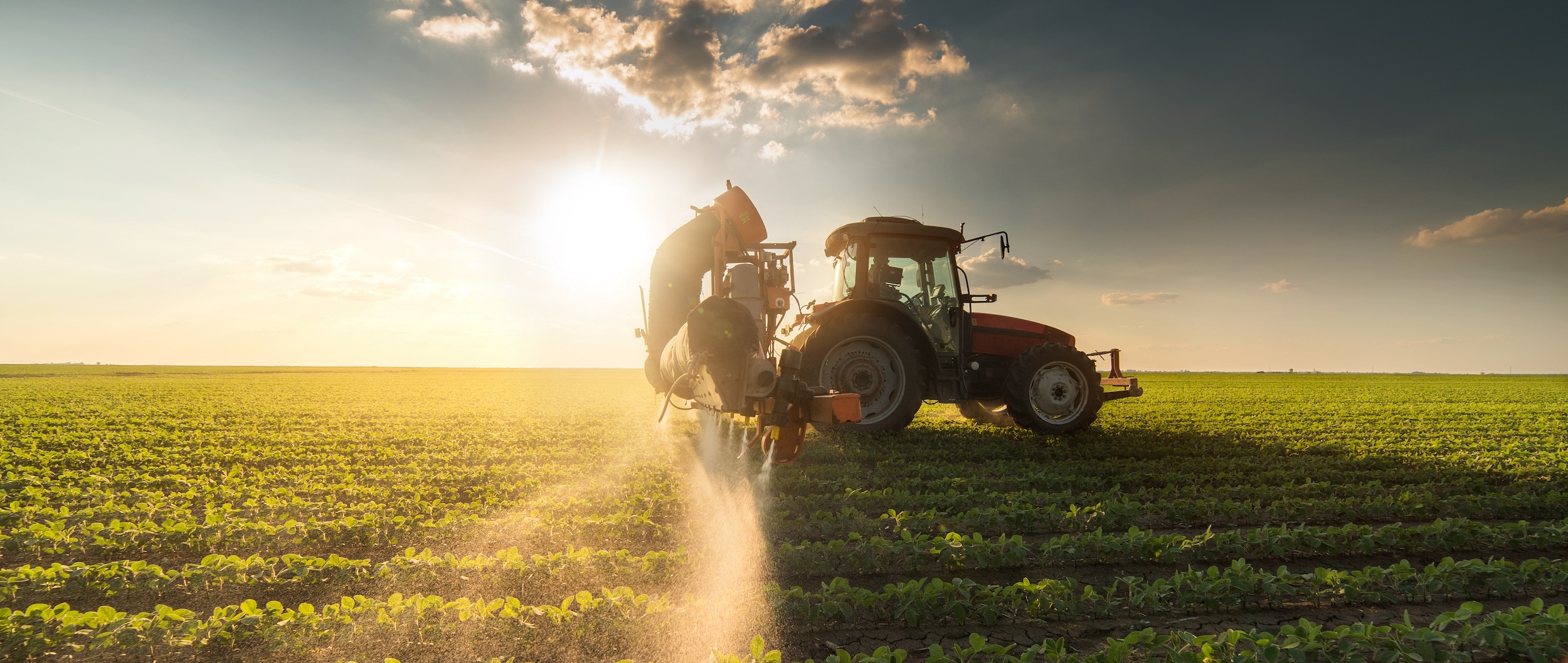
When it comes to determining how much a tractor costs, nothing matters more than the specific farm work you’re asking it to do. Different farming activities demand vastly different levels of power, durability, and specialized features—and those requirements translate directly into the price tag and upfront cost you’ll see for a particular tractor.
For property maintenance, basic landscaping work, and light agricultural tasks, you’re looking at the more accessible end of the tractor cost spectrum.
These operations typically require machines in the 20 to 35 horsepower range, which fall into the compact and sub-compact categories. Compact tractors generally range in price from around $1,000 to around $50,000, with most practical working models sitting in the $10,000 to $25,000 cost range.
These machines excel at tasks like mowing larger properties, running box blades for gravel driveway maintenance, light loader work for moving materials, and preparing garden beds or food plots.
These tractors are perfect for estate management and smaller acreages where heavy cultivation isn’t part of the picture, which is part of the reason for their cost being lower.
The compact design of these tractors offers excellent maneuverability in tighter spaces—think navigating between buildings, working around trees, or operating in confined areas where larger equipment simply won’t fit.
If your primary work involves maintaining acreage rather than intensive agricultural and farming production, a well-chosen compact tractor becomes an indispensable tool that handles dozens of tasks throughout the year, while keeping the investment cost down.
Step up to hay production, moderate tillage work, planting operations, livestock management, and pasture maintenance, and your tractor costs increase substantially.
These operations typically demand 40 to 100 horsepower, placing you firmly in utility tractor territory where prices range from a few thousand dollars to over $300,000 (particularly with those incorporating the most cutting-edge technology), with most working models falling in the $25,000 and $60,000 cost range.
These tractors can effectively handle 5 to 6 foot implements, feature sufficient hydraulic capacity for both loader work and three-point hitch applications, and are built for all-day operation without constant strain on the machine or the operator.
The power requirements within this range vary considerably based on specific tasks. Running a rotary cutter might require 15 to 30 PTO horsepower, depending on width, while operating a round baler typically needs 60 to 80 PTO horsepower for a standard 4×5 model.
Understanding the distinction between engine horsepower and PTO (Power Take-Off) horsepower matters here—PTO horsepower is typically 10 to 20 percent less than engine horsepower, and it’s the PTO number that determines what implements your tractor can actually run effectively.
Large-scale row crop farming, extensive tillage operations, and commercial hay or livestock operations require serious power and capability, and thus, you’re looking at tractors that tend to cost more.
Tractors with 100 horsepower and above are built specifically for this work, with new models typically costing $80,000 to $350,000 and top-tier equipment exceeding $500,000 for specialized high-horsepower machines.
These tractors feature robust construction designed for thousands of hours of demanding work, advanced hydraulic systems capable of running multiple implements simultaneously, larger fuel tanks for extended operation, and often include precision agriculture technology like GPS guidance systems and auto-steering.
Climate-controlled cabs, which can increase tractor costs, become standard rather than optional at this level, recognizing that operator comfort and productivity are inseparable when you’re covering hundreds of acres season after season.
For operations at this scale, efficiency directly translates to profitability. The ability to pull wider implements at better speeds, work longer days without mechanical issues, and integrate advanced technology for precision farming justifies a higher cost for a more robust tractor.
Some agricultural work requires tractors with unique characteristics that command premium pricing and a different cost structure.
Orchards and vineyards need narrow configurations that can navigate between rows while maintaining stability. Nursery operations require exceptional visibility and precise control for delicate work around valuable plants. Landscaping contractors benefit from quick-attach systems that allow rapid implement changes throughout the day.
These specialty tractors often cost more than comparable general-purpose tractors because they’re built in smaller quantities and incorporate features that don’t translate to broader markets, thus impacting price.
For those managing specialized operations, having the right equipment and tools for your specific work matters more than finding the lowest cost item—the right specialized tractor dramatically improves productivity in ways that general equipment simply can’t match.
Here’s something most buyers don’t fully appreciate until they’ve been working their land for a while: terrain and environmental conditions can increase your power requirements by 20 to 30 percent or more for the same tasks.
Hilly or rolling terrain demands significantly more power than flat ground—your tractor is constantly working against gravity, whether climbing slopes or maintaining control on descents.
Rocky soil or heavy clay requires more robust construction and additional power compared to soft loam. Weather extremes influence whether you need cab protection and climate control, and these features can add $10,000 to $20,000 to your tractor cost. Working at high altitude affects engine performance due to thinner air, effectively reducing available power.
Consider this practical example: A hay operation on flat Kansas farmland might handle the work perfectly with a 60-horsepower tractor. Move that exact same operation to hill country in Tennessee, and you’re looking at needing 75 to 80 horsepower for the same productivity and reliability.
The soil conditions, slopes, and summer humidity all factor into what your tractor must overcome to get the work done, and that is reflected in higher cost for tractors that can handle those challenging conditions.
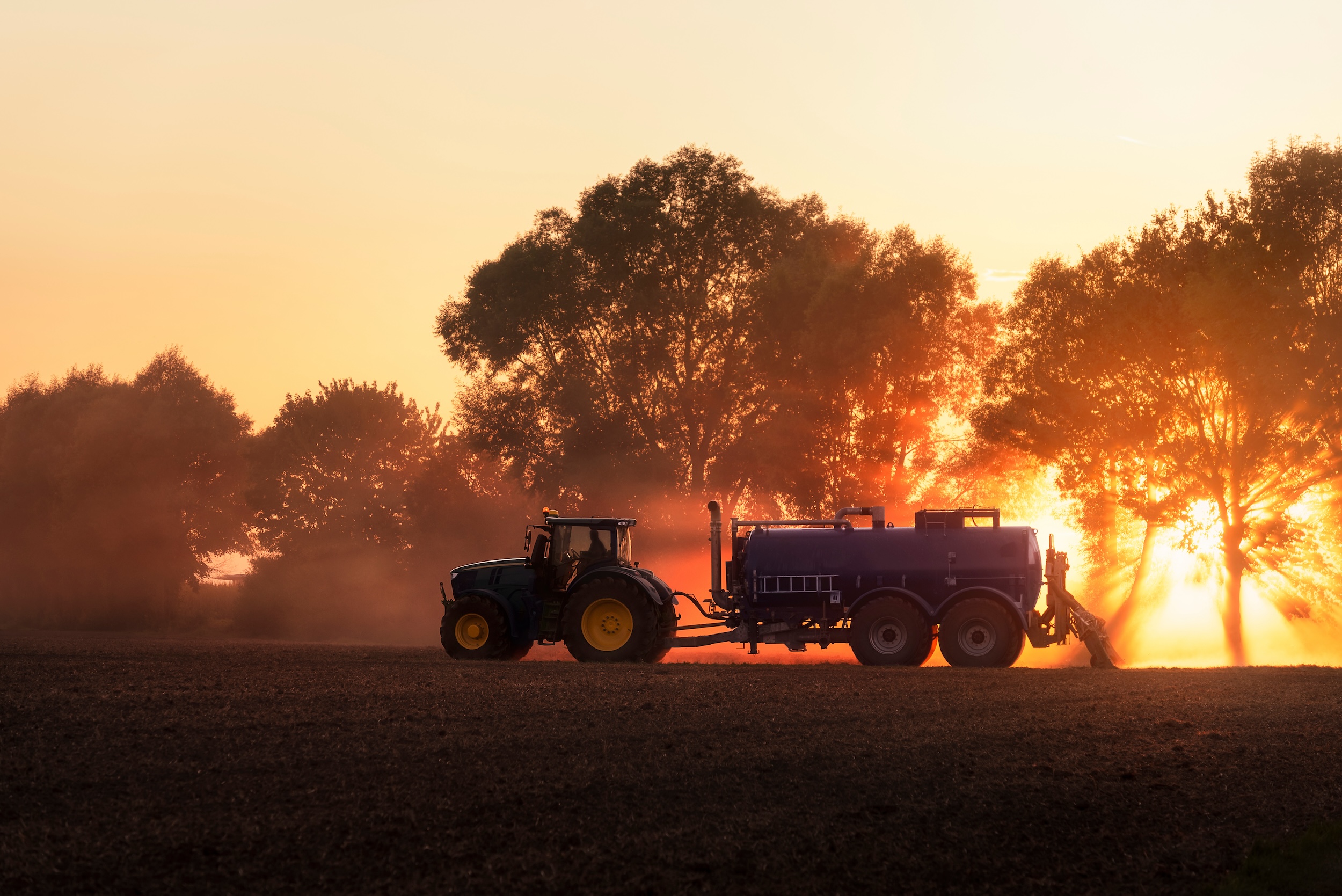
Beyond the baseline question of horsepower and work capacity, numerous factors contribute to a tractor’s price and how much it could cost you in the long run. Understanding these elements helps you make informed decisions about where to invest your money and where you might find opportunities to save without sacrificing quality or capability.
Horsepower is the primary driver of tractor pricing, but how manufacturers specify and rate that power matters more than many farmers realize. When shopping for tractors, you’ll encounter two key horsepower ratings: engine horsepower and PTO horsepower.
Engine horsepower represents the total power output of the motor. PTO horsepower indicates the power actually available to run your implements through the power take-off shaft. This distinction is crucial because PTO horsepower is typically 10 to 20 percent less than engine horsepower due to drivetrain losses through the transmission and other systems.
For implement-intensive farm work—running mowers, tillers, balers, or other powered attachments—PTO horsepower is your critical number.
A tractor advertised at 45 engine horsepower might only deliver 36 PTO horsepower, which could make the difference between effectively running your equipment and constantly struggling with underpowered performance.
Engine tier ratings and emissions compliance also factor into the cost of a tractor. Modern engines meeting current EPA standards include technology that adds to both purchase price and maintenance complexity.
Diesel engines—which power the vast majority of farm tractors—offer superior torque and longevity compared to gasoline engines, but they also command higher initial prices.
Modern tractors increasingly incorporate sophisticated technology that enhances farm productivity but also increases cost.
GPS and precision agriculture systems can add $5,000 to $20,000 or more to the cost of your tractor. These systems offer auto-steering, field mapping, and application controls that improve tractor efficiency and reduce input costs on larger operations.
For farms where precision matters and time directly translates to profit, this technology is worth the additional tractor cost. However, for smaller acreages or less intensive work, these tractor features may represent unnecessary costs that your farm doesn’t require.
Electronic controls and integrated monitors have largely replaced mechanical linkages in modern tractors, improving reliability and giving farm operators better information about machine performance.
Telematics and fleet management systems allow remote monitoring of equipment status, maintenance needs, and even machine location—valuable for larger farming operations but potentially overkill for single-tractor farms.
At the cutting edge, autonomous and self-driving technology allows tractors to operate with minimal human intervention. While these systems can dramatically improve efficiency of the tractor for large farms, they add substantial cost and may not make economic sense for less substantial acreages.
Similarly, electric tractors offer reduced operating costs and environmental benefits, but currently command premium prices as the technology continues to develop and scale.
The transmission system significantly impacts both tractor price and operational characteristics. Manual or gear-driven transmissions represent the most affordable option, offering direct control and mechanical simplicity. They’re ideal for repetitive tasks where frequent speed changes aren’t necessary, and they generally prove most efficient for heavy pulling work.
Hydrostatic transmissions provide seamless speed adjustment without clutching, making them popular for loader work and tasks requiring constant speed changes. They command a premium price—often $2,000 to $8,000 more than comparable manual transmissions—but deliver superior ease of use, especially for tractor operators who aren’t experienced with clutch work.
Power shuttle transmissions fall in the middle, allowing direction changes without clutching while maintaining gear-driven efficiency for forward travel.
Continuously variable transmissions (CVT) or infinitely variable transmissions (IVT) represent the highest cost option, offering maximum efficiency for large operations where optimal speed selection directly impacts productivity and fuel consumption.
Key Takeaway: Your choice depends on the nature of your work and personal preference, but expect meaningful price differences between transmission types on otherwise comparable tractors.
The manufacturer’s name on your tractor isn’t just about prestige—it directly impacts upfront tractor costs, long-term value (and what price you could resell your tractor at), parts availability, and service support.
Established brands like John Deere, Kubota, Case IH, New Holland, and Massey Ferguson typically command higher prices. Research indicates that John Deere compact tractors can hold 16 percent more value compared to competitive brands with similar age and hours.
What you’re paying for goes beyond the tractor itself: extensive dealer networks, proven parts availability, established resale value, and decades of reputation for reliability and support all impact the cost equation.
Is there a dealer within a reasonable distance who knows your tractor and can service it effectively at a solid price? Will that dealer still be in business in 10 years when you need major service?
Import brands offering value pricing (Mahindra, LS, Kioti, and others) on their tractors often deliver solid equipment at attractive initial costs. However, parts availability can be more challenging, dealer networks may be thinner, and resale values typically don’t match the established brands.
This doesn’t necessarily mean avoiding these tractor options, but it does mean understanding the trade-offs you’re making in exchange for lower initial cost and favorable price tag.
Here’s our best advice: Buy what’s common in your area. If you’re surrounded by John Deere operations, that’s likely because there’s good dealer support, parts availability is strong, and the used market is active.
Following the regional trend isn’t just herd mentality—it’s recognizing that local infrastructure matters for long-term ownership. Make sure the cost of what you’re paying for a tractor is genuinely worthwhile by ensuring there’s existing infrastructure to support your purchasing decision.
Tractors come configured with either open ROPS (Roll-Over Protective Structure) platforms or enclosed cabs, and the difference significantly impacts both cost and operator experience.
ROPS tractors cost substantially less—often $10,000 to $20,000 less than the price tag on comparable cab models—but offer no weather protection, limited noise reduction, and no climate control.
For operations in moderate climates where most work happens during favorable weather, ROPS tractors make sense from a cost savings perspective. You’re exposed to the elements, certainly, but the cost savings are substantial, and you avoid the maintenance complexity of tractor cab systems.
However, for year-round operation, work in extreme temperatures (either hot or cold), or situations where farm operator comfort directly impacts productivity, an enclosed tractor cab—with heating/air and sound insulation—becomes a worthwhile investment despite the added cost.
Resale value factors in here, too—cab-equipped models typically hold their value better and can command a higher resale price, as buyers recognize the expanded utility and working conditions these tractors provide and are willing to take on additional cost for it.
The cost of tractor ownership rarely ends with the tractor itself. Most operations require various tractor attachments, and the price of these adds up quickly.
A front-end loader—one of the most versatile and commonly desired tractor attachments—might add $2,500 to $4,500 to your total cost. A backhoe can run $4,000 to $7,000 or more.
Even basic tractor implements carry their own price tags: rotary cutters run $800 to $2,500, box blades cost $300 to $1,200, tillers range from $1,200 to $4,000, and post hole diggers typically cost $500 to $1,500.
Quick-attach systems add convenience but also additional costs to your tractor investment, though they can pay for themselves in time saved when switching implements frequently.
When budgeting for a tractor, realistic price and cost planning includes accounting for the implements you’ll need immediately and those you might add later. Understanding the comprehensive equipment list required for your operation helps you understand total system cost rather than focusing solely on the tractor itself.
Pro Tip: Manufacturers and dealers often offer package deals that bundle the tractor and its implements at better combined pricing than the cost you’d face buying each separately. If you know you’ll need to invest in implements, this can be an excellent way to bring down the cost of investing in a tractor for your farm.
Here’s a principle that seasoned farmers understand deeply: paying a higher price upfront for a higher-quality, more durable tractor often costs less over its lifetime than buying a cheaper tractor that requires constant maintenance or premature replacement.
Tractors built with heavy-duty components, better metallurgy, and more robust construction typically carry higher price tags and will inevitably cost more. However, these tractors also deliver longer service life, maintain their value better in the resale market, and incur lower repair costs over time.
When you’re looking at a tractor that should serve you for 15 to 25 years or more, the long view matters considerably more than the initial purchase price and upfront costs. This needs to be top of mind when you’re determining how much a tractor should cost you.
Expected service life varies by category and quality level. Compact tractors typically see 2,000 to 4,000 hours of useful life, while heavy-duty models are built for 5,000 to 10,000 hours or more.
Higher-quality tractors not only last longer but maintain better performance throughout their service life, with fewer breakdowns and less downtime, which provides an undeniable cost savings.
How to determine if a tractor is worth its price: Look at frame construction—heavier castings generally outlast stamped components. Check bearing sizes in critical wear points. Compare component weights between models—heavier often indicates more robust construction. Ask about axle ratings and transmission duty cycles.
The relationship between initial cost and total cost of ownership over 15 to 25 years frequently surprises farmers who focus exclusively on purchase price.
A tractor that costs $5,000 more but lasts five years longer and requires half the maintenance represents substantial cost savings, even before considering a better resale price when you’re ready to upgrade.
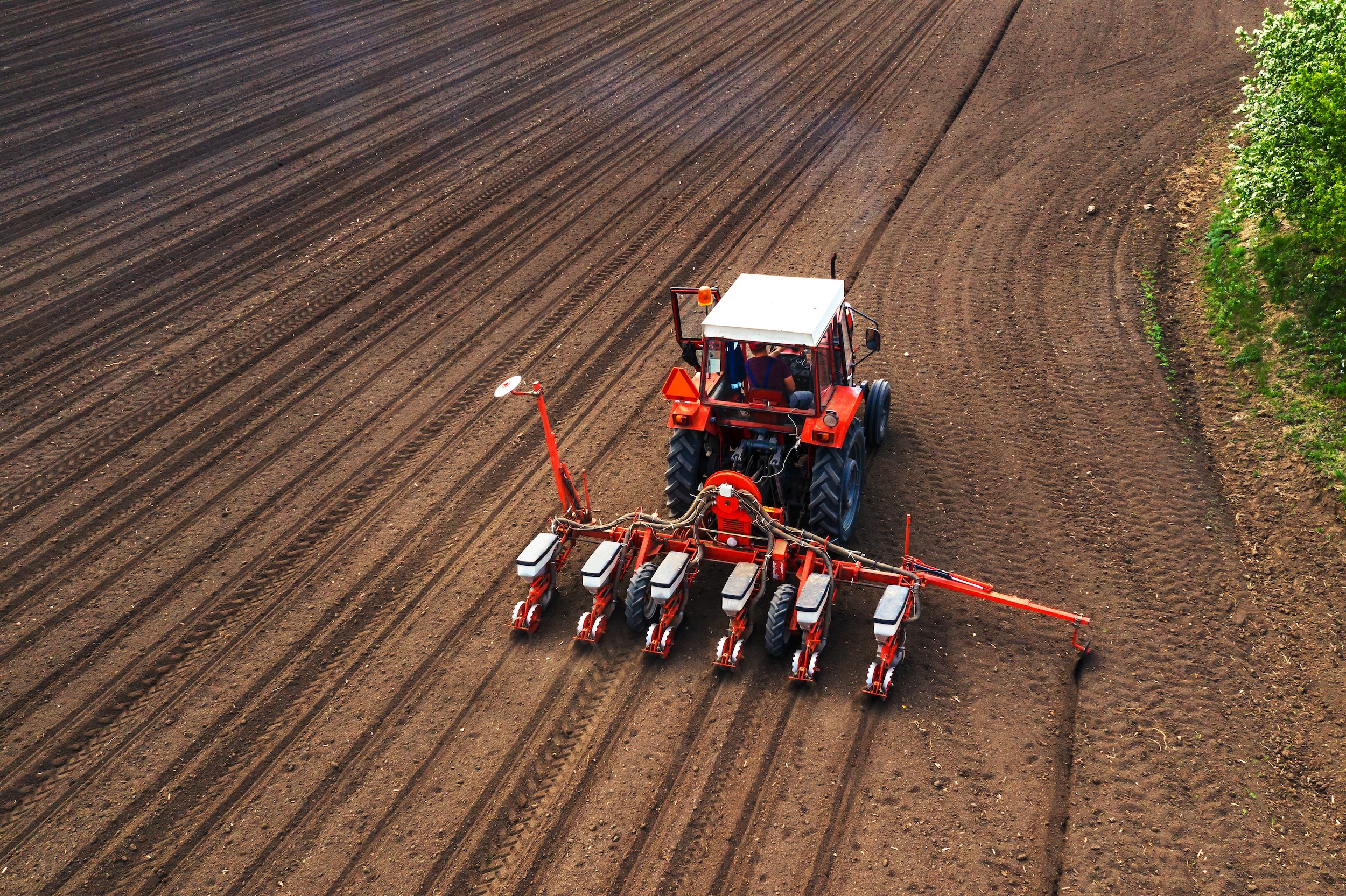
The used versus new decision stands as one of the most important choices you’ll make regarding the cost (and lifetime value) of a tractor, with significant financial implications in both directions.
Understanding the true economics of each option—including the upfront cost difference—helps you make the right tractor choice for your particular farm.
Yes, buying a used tractor reduces initial cost substantially. But whether it actually saves you money in the long run depends on numerous factors that go beyond simple purchase price comparison.
We’ve done the research, though, and we’ll share the sweet spot that can make buying a used tractor genuinely the best cost option for your farm.
New tractors experience their steepest value decline immediately after purchase. Studies of John Deere compact tractors indicate depreciation of approximately 23 to 26 percent in the first year, with continuing depreciation in subsequent years. By year five, these tractors typically retain about 58 percent of their original price and value.
This depreciation pattern creates a genuine cost opportunity for smart used tractor buyers. A two to three-year-old tractor has already absorbed the steepest depreciation hit, yet it still offers most of its useful life ahead, making this cost window one of the most favorable.
You’re essentially letting the first tractor owner pay the price for the privilege of being first—they take the cost hit while you acquire proven equipment at a meaningful discount. This is the sweet spot when it comes to optimizing the cost and purchase price of a tractor.
However, depreciation rates vary considerably by brand and equipment type. John Deere tractors tend to hold price value better than many competitors—that premium brand pricing pays dividends at resale time.
Conversely, lesser-known tractor brands may depreciate more steeply, making them attractive used buys but poor long-term value propositions if you’ll eventually resell, as you won’t be able to command a higher price.
Understanding how to evaluate used equipment values helps you recognize fair pricing and avoid paying a high cost in the used market. Hours of operation, maintenance history, visible condition, and specific model reputation all factor into determining how much a tractor genuinely should cost you.
While we lean toward preferring the notable cost advantages of buying a used tractor, it’s worth noting that new tractors come with some advantages as well.
You know exactly how the machine has been treated (or more accurately, hasn’t been mistreated yet). You’re likely to receive the full manufacturer’s warranty (typically 2 to 5 years on powertrain components). And you start with zero tractor maintenance issues hanging over your head, which helps reduce the upfront maintenance costs.
For farms where downtime costs money and reliability is paramount, this peace of mind about your tractor provides a real cost advantage. Missing your narrow hay-making window because your used tractor broke down can cost far more than the depreciation you saved by buying used in the first place.
Modern tractors also incorporate technology and efficiency improvements that didn’t exist even five years ago and could lead to cost savings. Better tractor fuel efficiency, improved hydraulics, more comfortable operator stations, and integrated precision agriculture technology all contribute to farm productivity gains that can offset higher initial costs over time.
Financing terms can favor new tractor purchases, which can help reduce costs for your farm. These financing advantages can sometimes make the monthly cost of a new tractor comparable to that of used tractors financed at higher rates.
Caveat: Many new tractors involve investing in subscription services for new technologies, which can result in the newer tractors costing more in the long run than the used ones. You’ll want to factor this into your decision-making process while evaluating tractor prices and total cost of ownership.
There has also been a growing trend of farmers opting to buy vintage tractors due to the higher build quality of previous generations. So while new tractors haven’t been touched by another farmer, they do pose a risk of not being “built like they used to be,” which can have a direct impact on your long-term cost savings.
Pro Tip: Tax advantages also exist for new and used tractor purchases, which can lead to substantial cost savings for your farm. Section 179 deductions allow immediate expensing of equipment purchases up to significant limits, potentially offering noteworthy tax benefits for profitable operations considering purchasing a tractor.
The primary advantage of purchasing used tractors is straightforward: lower initial cost. A well-maintained five-year-old tractor might cost 30 to 50 percent less than its new equivalent, putting capable equipment within reach of farm operations with tighter budgets or allowing you to acquire a larger, better-equipped machine used than you perhaps couldn’t afford new.
In addition to their favorable cost, used tractors also provide faster access to working machinery. For farms with time-sensitive needs and shorter windows of profitability, tractor availability is a critical factor in the cost equation.
Used tractors dominate the marketplace for many price-conscious buyers, and for good reason. They offer genuine value when chosen carefully.
Hours of operation matter significantly—under 1,000 hours indicates low use, 2,000 to 3,000 hours represents moderate use, and 4,000-plus hours indicates high use for compact and utility tractors. However, a well-maintained 3,000-hour tractor often makes a better purchase than a neglected 1,500-hour machine, and there’s a chance it could even cost less.
The importance of a thorough pre-purchase tractor inspection cannot be overstated, especially when it comes to ensuring you’re not paying a higher price than you should. Check for hydraulic leaks, engine smoke or unusual noises, tire wear patterns, play in three-point hitch linkages, and overall condition of wear items to ensure the cost of the tractor doesn’t exceed its value.
Caveat: Parts availability presents challenges for older used tractors. Models more than 15 to 20 years old can prove increasingly difficult to maintain as parts become scarce and fewer mechanics remain familiar with older systems. A tractor is only economical if you can actually keep it running—this consideration becomes more critical as equipment ages and inevitably factors into the cost equation.
Private party sales versus dealer used inventory presents another choice. Private sellers typically offer lower tractor prices, but you may not be able to secure a warranty (always check with the seller to see, though). Dealer used tractor inventory costs more but often includes some warranty coverage or service support.
The new versus used tractor decision ultimately depends on your specific circumstances and cost flexibility. Here’s a framework for thinking it through:
Consider new if you value the latest technology and features, warranty protection is non-negotiable, or you can secure favorable financing terms that make the payment for your tractor affordable relative to your cash flow.
Choose used if you have mechanical aptitude or access to affordable service, you’re operating on a tight budget where upfront savings matter most, you don’t need the latest features and technology, or you’re aiming to maximize the value to tractor cost ratio (remember the 2-5 year sweet spot we mentioned earlier).
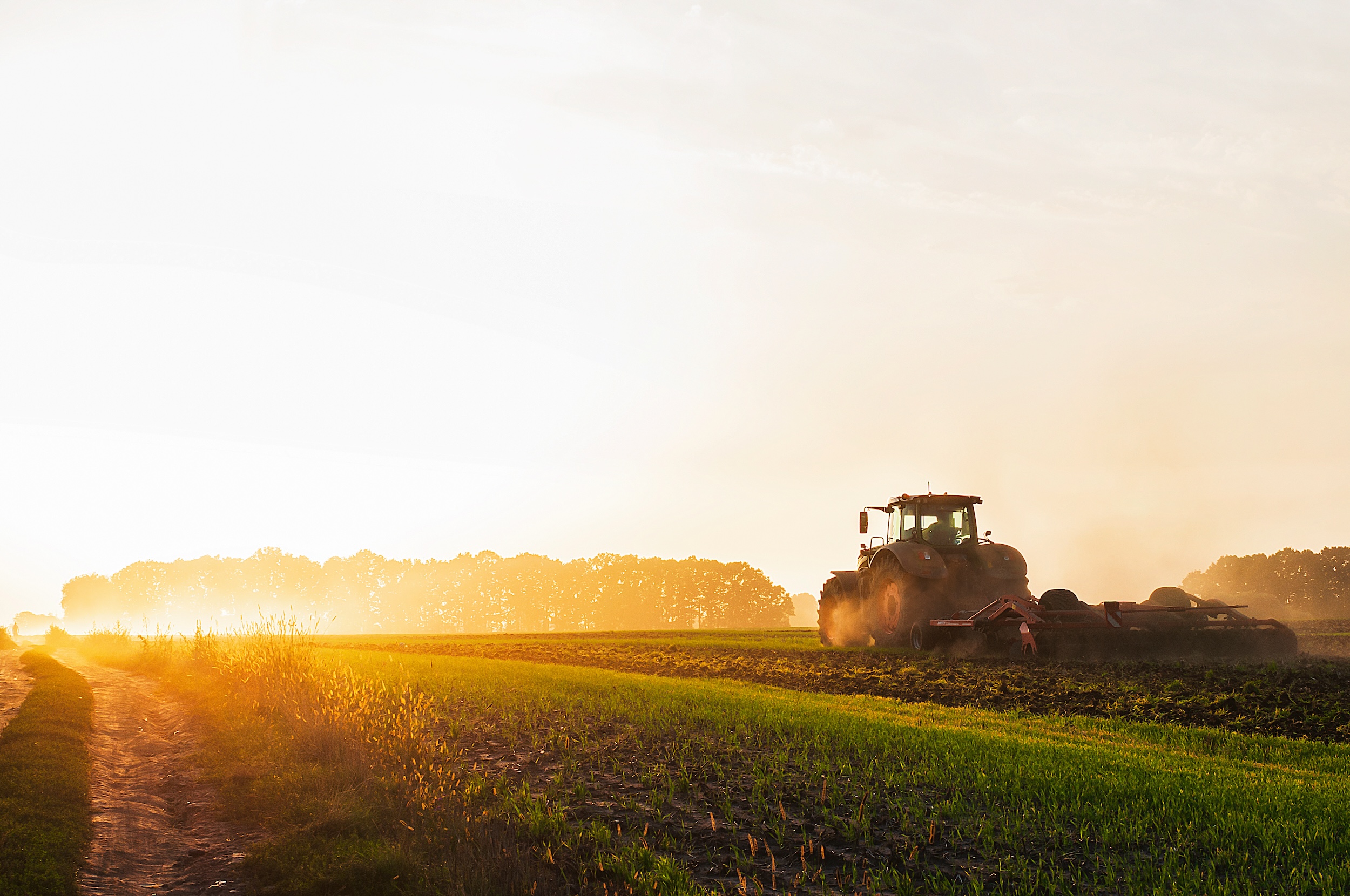
How much does a tractor cost? Believe it or not, much of that is up to you. Pricing and cost is negotiable—both for new and used tractors—yet many buyers either don’t realize this or don’t know how to navigate the negotiation process effectively.
Understanding how tractor pricing works and when you have the most leverage to reduce cost can save thousands of dollars on the price tag of your tractor purchase.
Approach tractor cost negotiations as a professional business discussion rather than an adversarial confrontation. You’re working toward a deal that serves both parties—a fair tractor price for your farm and a reasonable profit for the dealer.
Tractor dealers operate on margin—the difference between their wholesale cost and what they sell equipment for. Unlike automotive dealerships, where invoice pricing is sometimes publicly available, tractor wholesale costs generally remain private. However, industry norms provide guidance.
For new compact and utility tractors, dealers typically work with margins that allow for cost negotiation. The specific markup varies by brand and model—higher-volume brands may operate on thinner margins than specialty tractor brands, which has a direct impact on price flexibility. Popular models during peak season leave less room for negotiation than slow-moving inventory at year-end.
Tractor cost itself is somewhat flexible. Attachments and implements often carry higher margins, making them useful negotiating points. Delivery charges, setup and prep work, filled tires, and extended service packages all represent areas where dealers can adjust to make deals work.
What’s less flexible? Extremely popular tractor models with limited availability, high-demand periods when dealers have more buyers than inventory, and special-order equipment where the dealer has committed to bringing in specific tractors can lead to higher costs.
Manufacturer incentives and floor plan costs also factor in—dealers pay interest on tractor inventory sitting on their lots, making aged inventory inherently more negotiable than freshly arrived equipment.
When you buy matters as much as what you buy and where you buy it. Several windows throughout the year offer better cost negotiating leverage for tractor purchases:
Year-end (November through January): Tractor dealers want to clear inventory before their fiscal year ends and make room for incoming new model year tractors, meaning costs for those older models will be lower. December and January often bring the most aggressive tractor pricing as dealers balance year-end financial goals against carrying costs.
Off-season purchases: Buying a tractor in winter for spring delivery, or late summer before harvest season, often yields better price deals than purchasing during peak spring season when demand hits its annual high.
End of month or quarter: Salespeople working on commission frequently have monthly or quarterly quotas. The last few days of these periods can provide additional leverage if they’re close to hitting targets and need a few more tractor deals to qualify for bonuses.
Manufacturer promotion periods: Watch for special financing rates, rebate programs, or bundle deals. Timing your tractor purchase to coincide with promotions can save thousands in cost—dealers can offer better pricing deals when manufacturers are supporting them with incentives.
Model year transitions: Previous-year tractor models get discounted when new model years arrive (typically mid-to-late calendar year), which can cut your farm’s costs substantially.
Effective tractor negotiation starts with gathering information on expected prices and price ranges. Before visiting dealers, research comparable tractors across multiple sources to assess the average cost.
Whether you opt to buy new or used, getting quotes from three or more tractor sellers provides valuable leverage in securing the best price for your farm.
Even if you prefer working with a particular seller, having competitive quotes on tractors demonstrates that you’ve done your homework and are not going to tolerate a cost that exceeds the value.
For those comfortable with the process, online farm equipment auctions provide insight into actual selling prices versus asking prices and are often an excellent route to securing the best price for a high-quality tractor.
For used farm tractors, understanding current valuations is essential to determining how much the tractor should cost you. Service history, hours of operation, condition, and included attachments all factor into appropriate tractor pricing.
When it comes to establishing how much a tractor should cost (and negotiating for that price), these are the things to keep top of mind:
Inspection provides leverage: A thorough pre-purchase inspection that reveals issues provides legitimate negotiating leverage and helps establish a realistic baseline for the cost of the tractor.
Service history commands premium value: Farm tractors with complete maintenance records are worth a higher price than similar equipment without documentation. If service records are absent, factor this uncertainty into your offer—you’re assuming more risk about the tractor’s true condition and history, which should absolutely have an impact on the total cost you absorb.
Hours and condition inform your offer: High hours or visible wear patterns provide an excellent opportunity to negotiate down the cost of a tractor and establish a fair asking price. A tractor showing 4,500 hours deserves a lower price than one with 1,200 hours, all else being equal.
“As-is” versus warranty influences value: If the seller won’t provide any warranty or guarantee, tractor prices should reflect the risk you’re accepting.
Private party dynamics: Private sellers often have more pricing flexibility than tractor dealers. Understanding seller motivation helps—someone moving out of the area, upgrading to different equipment, or managing an estate sale often proves more flexible on price than someone casually testing the market.
For sellers who are preparing their tractor for auction sale, understand they’ve already invested time and money making the tractor presentable and marketable, which can impact the cost. This investment sometimes makes their tractor prices firmer, but it also means you’re buying equipment that’s been serviced and detailed.
Be genuinely willing to walk away: The most powerful negotiating position is authentic willingness to walk away if the deal doesn’t meet your needs. This doesn’t mean being difficult, but it does mean knowing the maximum price you’re willing to pay for a tractor and respecting it.
Get everything in writing: Before committing, ensure all agreed terms, included items, delivery timeline, and tractor pricing appear in writing.
After exploring everything from horsepower requirements to negotiation strategies, one truth stands clear: determining how much a tractor costs is really about determining what your farm operation needs are and finding equipment that delivers that capability at a fair value.
There’s wisdom in choosing a quality used tractor that’s been well-maintained over stretching your budget for a new tractor with a higher price tag that leaves no room for the cost of attachments and maintenance.
The right tractor (at the right price) matches your land, your work, and your budget. It’s a machine you can count on season after season, that holds its value over time, and that enables you to build something lasting on your property.
At Hayden Outdoors, we understand that your farm’s tractor is more than just machinery—it’s the foundation of your operation’s productivity and the tools that help you build legacy on your land. That’s why we connect buyers with sellers offering tractors at a cost that feels right.
 Back to Blog