Sign in to save favorite properties and equipment, save your search parameters and more
Don’t have an account yet? Sign Up Now
Sign up
Already have an account? Login Now
Login
×
Sign in
Sign in to save favorite properties and equipment, save your search parameters and more
Don’t have an account yet? Sign Up Now
Sign up
Already have an account? Login Now
How to Find a Good Real Estate Agent, Whether You’re Buying or Selling
Most real estate decisions come down to money and timing. Land decisions come down to something harder to put a number on. Maybe it’s the first house a young couple has finally saved up for. Maybe it’s 300 acres that have been in one family since before the county paved the road out front. Either way, getting it right usually means bringing in the right person to guide the process, and that’s really what this whole question of how to find a good real estate agent comes down to.
The upshot? You don’t have to become an expert in real estate to make a great decision; you just have to know what to look for in the agent you hire. A good real estate agent is the one who can find you that house that’s finally ready to sell so the next chapter can start. The rancher who’s ready to hand their legacy to the next generation after four decades of mornings that started before sunrise. The family who wants to do right by the 80 acres Grandpa left them. In every one of these situations, a land specialist is there to bring the expertise you don’t need to have yourself, which is exactly why it’s worth taking a little time to find a good real estate agent who genuinely fits and understands the land you’re working with.
In our guide, we’ll cover both ends of the spectrum. First, what buyers should look for in a good real estate agent. Then what sellers should look for, since each situation presents its own opportunities and challenges. And then, because most articles on this topic stop at the front door of a suburban house, we get into what changes when the property in question is land, a working farm, or a ranch, where having a real estate agent who’s a true land expert is a non-negotiable.
We’ll get into the nitty gritty of what to look for in a good real estate agent throughout this guide, but here’s a quick overview of the essentials you’ll want to consider when searching for the right person:
Confirm the license and any professional designations of the real estate agent before your first meeting.
Look at what the real estate agents you’re considering have actually closed lately. This will help you get a sense of whether a real estate agent is a good fit for the particular property you’re buying or selling.
Nail down how and through what channels you’ll actually hear from them.
If you’re selling, get the marketing plan on paper before you sign a listing agreement.
If the property is land, a farm, or a ranch, finding a good real estate agent means choosing one who’s worked with these types of land transactions before. In many respects, it’s a different job than solely selling houses, which is why having a land expert by your side is key.
How To Find A Good Real Estate Agent Before You Ever Pick Up The Phone
A lot of the work to find a good real estate agent happens before you ever dial a number. Pull up your state’s real estate license lookup and confirm the real estate agent you’re considering is actually licensed and in good standing. Ask for examples of recent transactions involving similar properties. Where information is publicly available, review the property history, but remember that public records may not show the professional’s precise role or the full circumstances of the sale.
Spread your review reading across a few platforms too. A five-star testimonial page a real estate agent built themselves doesn’t carry the same weight as a mix of reviews across Google and a brokerage site where the agent has less control over what gets posted. And notice how they respond to negative reviews. Those reactions often say more about the real estate agent than the review itself.
How To Find A Good Real Estate Agent When Buying vs. Selling
A buyer’s real estate agent is filtering listings, coordinating showings, and providing guidance on offers. A seller’s agent is pricing correctly, building out marketing, and working with the seller to find the right offer. While in many ways the work they do is on opposite ends of the spectrum, one standard holds for both: a good real estate agent pays attention to what you specifically need, not simply whatever gets the deal to the finish line the fastest.
Quick note for anyone buying and selling at the same time: if you’re selling one place and buying another on a tight overlapping timeline, you don’t need two separate real estate agents for it. What you do need is a straight answer about whether the one you’re talking to has actually juggled that kind of timing before.
How To Find And Choose A Good Real Estate Agent When You’re Buying
Buying property, whether it’s a first home or a piece of ground you’ve had your eye on for years, requires a real estate professional who clearly explains their role, understands your priorities, and fulfills the duties required by the brokerage relationship.
Use Real Estate Agent Referrals As A Starting Point
A referral gets you a name for an agent, but this is simply a starting point. When a friend tells you they loved their real estate agent, push past the compliment and ask what that agent actually did well. Was it that calls got returned on the same day? That the agent caught something during the inspection negotiation nobody else would have thought to fight for? That things stayed smooth even after the contract was signed? Get specific with these questions, because whether a real estate agent is a good fit for you may be different than what worked for someone else.
Go In Depth When Interviewing Potential Real Estate Agents
Have the real estate agent talk you through how many buyers they have in the pipeline right now and what happens on their end when a property receives multiple offers in the same week. A good real estate agent who can walk you step-by-step through how they’d structure a competitive offer is going to be extremely helpful, especially in a seller’s market.
Make Sure Your Real Estate Agent’s Loyalty Is To You
Brokerage relationships vary by state and may include agency, designated agency, transaction brokerage, or other arrangements. Ask the real estate agent you’re considering to explain whom they represent, what duties they owe you, and whether they or their brokerage may work with another party in the same transaction.
How To Find And Choose A Good Real Estate Agent For Selling Your Property
Selling changes the conversation. Now you need a real estate agent who can price accurately, market well, and negotiate from strength instead of just planting a sign and hoping.
A Good Real Estate Agent Won’t Just Chase The Highest Number
It’s tempting to hire whichever agent quotes the biggest number for the property you’re selling, but that number is less valuable if the house or land sits for four months and eventually gets marked down to where it should’ve started.
Push any real estate agent you’re considering to walk you through their comps line by line, and get them talking about how they landed on that price in the first place, not just why it’s the right one.
A Good Selling Agent Puts The Marketing Plan In Writing
A real plan for selling a property involves more than a yard sign and an MLS listing. When trying to find a good real estate agent, ask what photography looks like, whether staging is part of it, and what the digital push covers. For land, a farm, or a ranch, this list needs to go a lot further, and we’ll cover exactly how in a minute.
Read The Seller Listing Agreement Before You Sign It
Know the length of the commitment, how the real estate agent’s commission actually breaks down, and any other relevant seller or agent duties. This will vary from brokerage to brokerage.
Verify The Numbers The Agents You’re Talking With Provide You
Anybody can claim to be a top producer. When you’re trying to find a good real estate agent, what matters is the agent’s list-to-sale ratio and typical time on market, and where public records allow it, a few specific addresses you can look up yourself. It’s always worth doing your due diligence when interviewing a real estate agent to know if they’re a good choice or not.
How To Choose A Real Estate Agent For Land, A Ranch, Or A Farm
Some of what gets sold isn’t just acreage. It’s water rights somebody’s grandfather spent years securing. It’s a grazing rotation three generations deep. It’s the 40 acres a family bought so their kids would grow up exploring the great outdoors. When we’re talking about a property like that, the whole question of how to find and choose a good real estate agent gets a good bit more nuanced.
Why Finding A Good Real Estate Agent For Land Takes Different Expertise
A real estate agent who’s outstanding at selling homes in a subdivision might never have had a reason to price a property on grazing capacity, water access, or mineral value in their entire career.
Land pricing doesn’t work off a simple price-per-square-foot comparison the way a house does. It’s built on acreage, soil quality, water, timber, agricultural income potential, and sometimes mineral rights that may or may not still belong to the surface owner.
The buyers look different too. Out-of-state investors, hunters, conservation buyers, families chasing exactly the kind of legacy property that hooked you on it in the first place. A good real estate agent reaching that group uses a different approach than a real estate agent helping a buyer who wants a three-bedroom right outside of a major city.
What a Good Land Agent Helps You Get Answers On
There’s a list of things a good land real estate agent should be able to talk through or help you research, because these are the details that actually decide a land transaction. When your agent doesn’t have the answer, they should be able to point you to the relevant expert who can help:
Water rights, and whether they’re surface or groundwater, since that answer often changes state to state
Mineral rights, and whether they’re still attached to the surface or were severed off at some point
Easements, access roads, and whether the parcel even has legal, usable ingress and egress
Zoning and any agricultural exemptions currently in place
Conservation easements, where they apply
What experts to get in touch with for soil quality checks and timber value assessment
When you’re trying to find a good real estate agent for a land transaction in particular, you’ll want to ensure the real estate agent you speak with can look into each of these details for the properties you’re considering (or point you in the right direction of the expert or specialist who can help).
Choosing A Good Agent Means Getting The Property In Front Of The Right Buyer
Reaching the right buyer matters just as much as getting the due diligence right, and a good estate agent can help you do both. Serious land and ranch buyers aren’t scrolling the same sites as somebody hunting for a condo downtown.
They’re reached through email lists, targeted campaigns, and print publications a general residential agent may not think to touch. Ask the real estate agent directly where your property will actually be seen outside the local market. For a lot of these properties, that answer is the difference between the right buyer finding it and it just sitting there.
A Good Real Estate Agent Knows When An Auction Makes Sense
For certain ranches, farms, and legacy properties, an auction, live or sealed-bid, creates real competition among serious buyers quickly. It’s not the right call for every property, and a good real estate agent worth hiring will help you navigate this decision. An agent with real auction experience should walk you through the actual trade-offs and help you assess whether it’s the right move.
The Combination That Moves The Needle: Local Roots, National Reach
The best land specialists know the local ground and the lifestyle that comes with it. And at the same time, these real estate agents also need a network that pulls in serious buyers well past the county line, because the right buyer for a legacy ranch is just as likely to be sitting in an office in Dallas or Denver as living three roads over.
Hayden Outdoors has been building exactly that combination since 1976. Family-owned brokerage, yet with real estate agents spread across the US, and most of our brokers and agents worked the ground themselves before they ever sold it. When a client starts talking about grazing capacity or what a hunting lease is actually worth, they’re explaining it to a real estate agent who speaks their language.
This really varies, and there isn’t a hard and fast timeframe for how long it takes to find a good real estate agent. Whether you’re buying or selling, the goal here is to find an agent whose approach and background align with your goals and the type of property you’re seeking out. If you’re looking at land, ranch, and farm property, that means connecting with a land specialist who understands the nuances of these types of listings. And that’s exactly why the local-roots-plus-national-reach combination matters so much here. It’s worth casting a slightly wider net for a legacy property than settling for whoever happens to be closest on a map.
Questions Worth Asking Before You Choose A Real Estate Agent
Whether you’re buying, selling, or sorting through a property that means a lot more than its price tag, here’s a working list to bring into those first conversations with a potential real estate agent.
For any buyer or seller:
What have you closed in the last year, specifically in this area or this kind of property?
How many active clients are you juggling right now, and what does that mean for my timeline?
Walk me through what happens if this gets complicated partway through.
What’s the actual channel and frequency I should expect for updates?
If you’re selling:
What does the written marketing plan cover, in detail?
Walk me through the reasoning behind this list price.
What’s your list-to-sale ratio and average time on market, and can I see the addresses?
If it’s land, a farm, or a ranch:
What specific experience do you have with a property like this one?
Where does this property actually get seen beyond the local MLS?
Would an auction make sense here, and why or why not?
As you chat with possible real estate agents to find a good fit, keep an eye out for these signs. If the real estate agent you’re speaking with is checking these boxes, there’s a good chance it’s worth a continued discussion.
They hand over recent, relevant transactions without hesitating, because they’re proud of the work they’ve done for their clients.
They’re not pressuring you to make an immediate decision.
If you’re working with a selling agent, they show you the details of the marketing plan in writing, so you know what you can expect (rather than counting on verbal promises).
Dual agency, if it comes up, gets a clear answer from the agent.
For land, farm, or ranch properties, the real estate agent can speak to water rights or agricultural potential of the land (and point you in the direction of the right experts for testing).
When you’re trying to find and choose a good real estate agent, these are a few starting points worth considering:
Personal referrals, but just make sure to run through the follow-up questions we covered earlier with the agent you’re speaking with.
Your state’s license lookup, so you can confirm a real estate agent’s license before you start conversations.
Local and regional brokerages with an actual track record in the property type you’re dealing with.
If what you’re selling or buying is a ranch or a working farm and you’d rather talk to someone who’s spent their life in that world instead of picking it up on the job, Hayden Outdoors’ network of land specialists exists for exactly that conversation.
Find The Land Expert That Can Meet You Where You’re At
Finding and selecting a good real estate agent doesn’t have to be complicated, especially if you know what to look for when you choose. You want someone who understands what’s actually on the line, whether that’s a first home, a next chapter, or land that’s carried a family’s name for decades. A good real estate agent asks real questions before they ever ask for a signature, and treats the property the way you already do: like it matters.
If you’re buying or selling a house, everything in this guide will serve you well no matter who you end up hiring. If it’s land, a ranch, or a farm, Hayden Outdoors has spent the past 50 years building a team of people who were land people long before they were real estate agents, and that’s exactly the kind of partner a decision like this deserves.
Hayden Outdoors 2025 Year In Review: Awarded America’s Best Brokerages
When you work with a land brokerage, you’re not just hiring someone to list a property or send you listings. You are trusting a team with decisions that carry real weight: generational ranches, hard-earned ground, luxury investment properties, and the kind of land that does not come back around once it’s gone.
That trust has to be built on something. At Hayden Outdoors, it’s built on 50 years of doing this work, a team of specialists who know the land they sell, and a brokerage track record that speaks clearly: in 2025 alone, we closed 1,026 transactions across 31 states, moved more than 488,000 acres, and recorded over $1.54 billion in total sales volume.
Over the past five years, that adds up to more than $6.3 billion and 1.5 million acres transferred on behalf of clients who trusted us to get it right.
This is a look back at what our performance as one of the top land brokerages in the US looked like in 2025, who drove it, and what it means if you are thinking about buying or selling land in 2026.
Land Transactions Are Personal And Your Brokerage Should Be Too.
Selling or acquiring rural land, ranches, and recreational properties is not like other real estate. The stakes are higher. The process is more complex. And the right agent is not just someone who knows contracts. They know the country, the soil, the water rights, the wildlife, and the community that surrounds every transaction.
Most brokerages are not built for these types of land transactions. Hayden Outdoors is, and has been for 50 years.
With half a century of experience in rural land, ranches, and recreational properties, and 15 consecutive years of recognition by the Land Report as one of America’s Best Brokerages, our team of specialized land professionals shows up every day with one purpose: serving people who care about the land the way we do. That focus is what drives performance year after year, and 2025 was no exception.
What We Accomplished Together In 2025
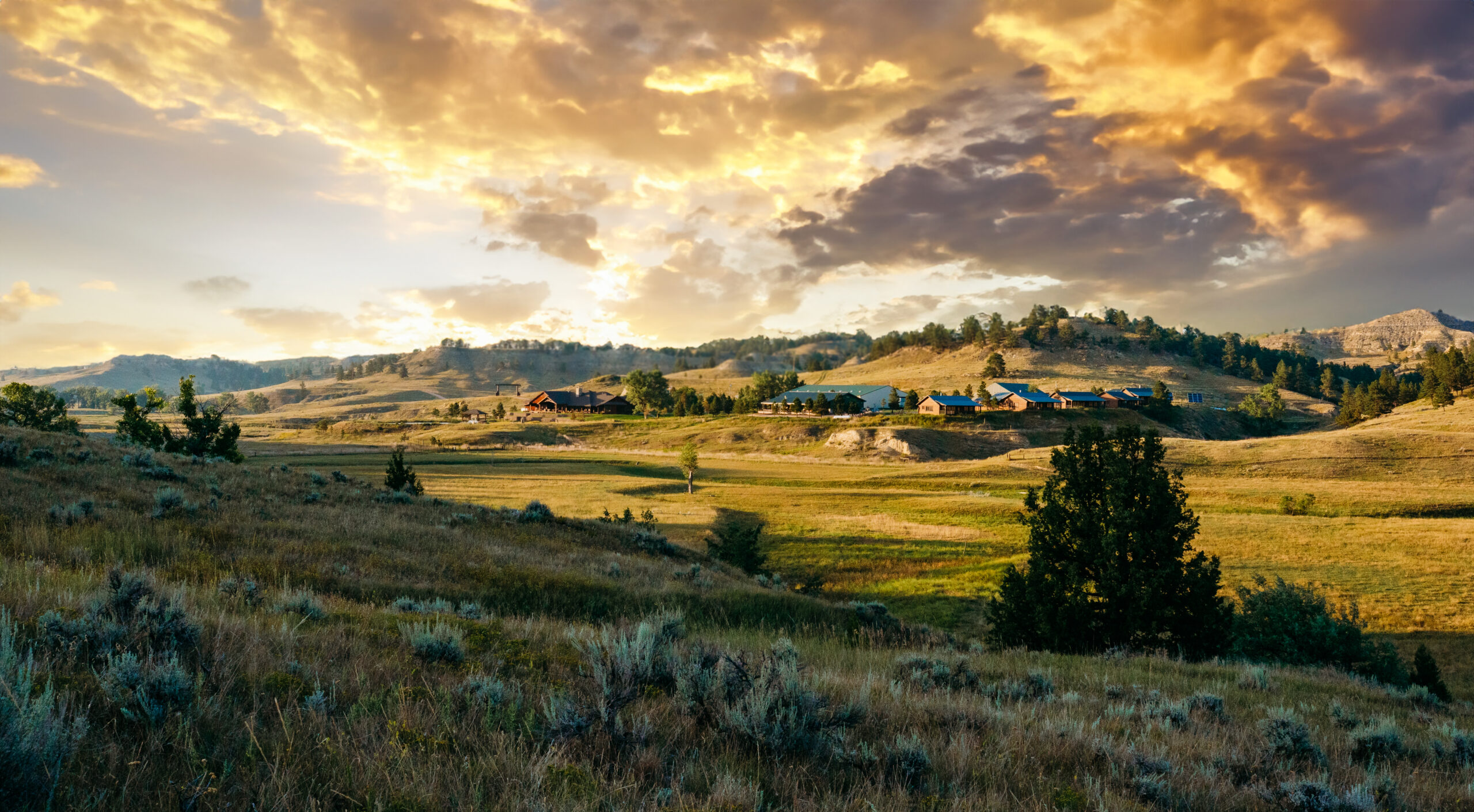
The Steiner Ranch, $29,900,000 | 5,582.00 Acres | Campbell County, Wyoming
Those numbers represent real people and real land. Behind each of those 1,026 transactions is a landowner who trusted our brokerage and our agents with something irreplaceable, and a buyer who found the property they had been searching for. Our job as a luxury land brokerage is to bring those two parties together with expertise, integrity, and a deep respect for what land means to the people who own it.
Looking at the bigger picture, Hayden Outdoors has now facilitated more than $6.3 billion in sales and over 1.5 million acres transferred over the past five years. That level of sustained performance reflects one thing above all else: trust that is earned, transaction by transaction.
The States Where Our Brokerage Showed Up
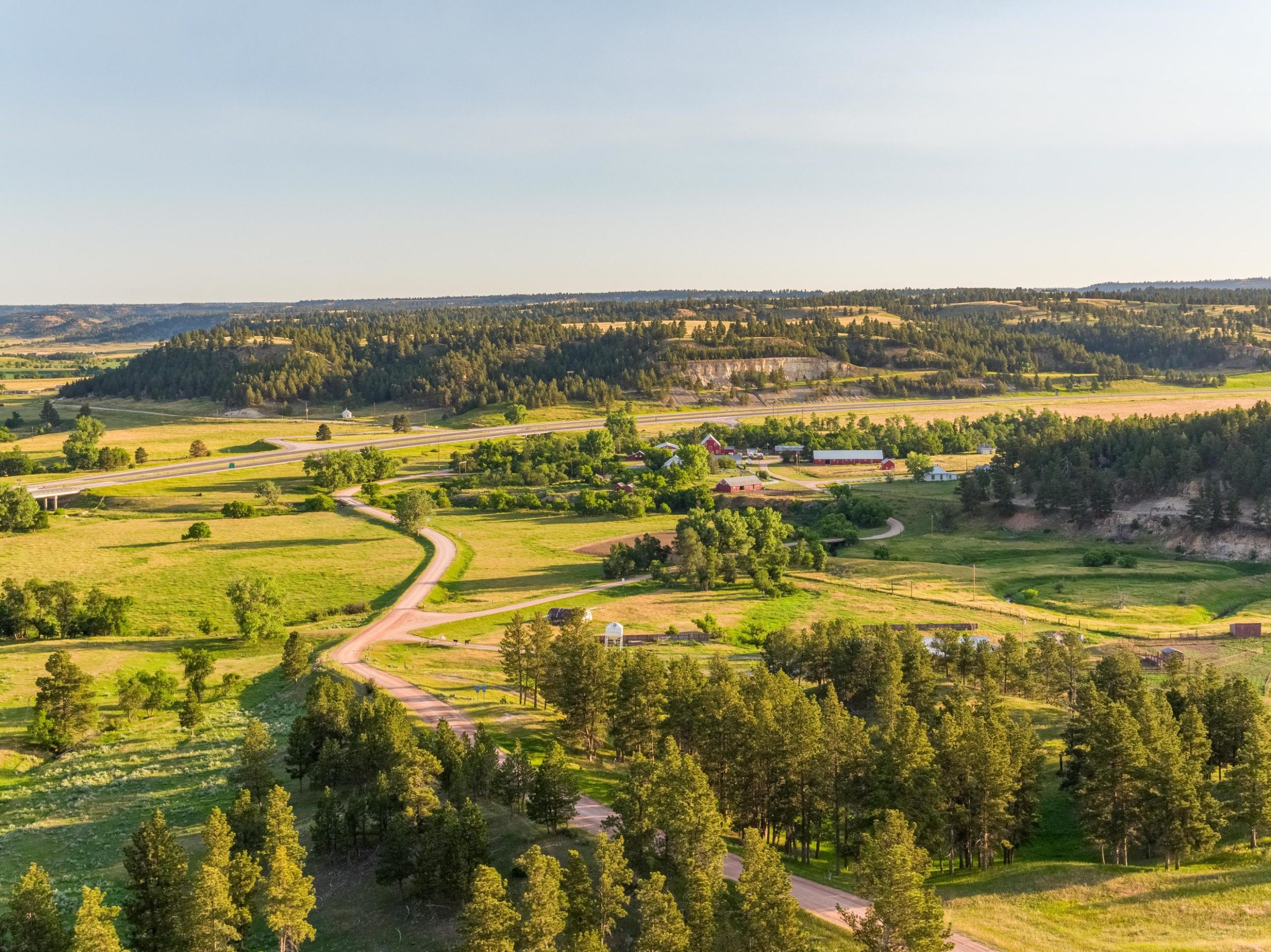
Old Sundance Ranch, $64,900,000 | 33,934.00 Acres | Crook County, Wyoming
Our reach as a luxury land brokerage spans the American West and beyond, but several states stood out in 2025:
Colorado led the way with more than $330 million in closed sales, a testament to the enduring demand for high-country ranches, mountain properties, and productive agricultural ground across the state.
Wyoming followed with over $152 million, driven by a market that values wide-open spaces, wildlife habitat, and working cattle operations.
New Mexico recorded over $113 million in sales as buyers continued seeking the unique terrain and cultural richness the Land of Enchantment offers.
Nebraska produced nearly $85 million, reflecting strong activity in agricultural land and hunting properties throughout the state.
Kansas contributed over $78 million, with recreational and tillable ground drawing consistent attention from buyers throughout the year.
Missouri rounded out the top states with nearly $44 million in closed transactions.
Whether you are buying or selling in the Rockies, the Great Plains, or anywhere in between, Hayden Outdoors has the local knowledge and national reach to deliver.
The People Who Make It Possible
Behind every closed land transaction is an agent who answered the phone, drove the roads, walked the ground, and advocated for the client standing in front of them. In 2025, 46 Hayden Outdoors real estate agents surpassed $10 million in individual sales volume. That depth of high performance across the team is uncommon in this industry. It means clients are well-served, regardless of which market or property type they are working in.
A few standout performances from 2025:
Dax Hayden closed the year with over $140 million in sales, an extraordinary benchmark that reflects decades of relationships, market knowledge, and an unwavering focus on client outcomes.
Austin Callison followed closely with over $120 million in sales. He also earned the organization’s highest honor, the Top Gun Award, recognizing him as the top individual salesperson in the company for 2025.
Lonnie Gustin brought in over $60 million, continuing a record of consistent production that our clients have come to rely on.
Every one of these agents worked on behalf of clients who expected more than average from their land brokerage. We are proud that they delivered it.
The In-House Support Team Behind Every Land Transaction
When you list a property with Hayden Outdoors, you’re not just getting an agent. You’re getting the full weight of an organization built from the ground up to support that listing at every level.
Our in-house marketing team includes professional designers and marketing specialists dedicated to presenting properties with the quality and reach they deserve.
A professional photography and videography team, backed by a full editing and post-production team, ensures every property is showcased at its best, from sweeping aerial footage to the kind of imagery that stops a buyer mid-scroll.
That content is distributed across paid advertising, SEO-driven editorial content, and social media channels built to put the right properties in front of the right audiences.
Properties are also featured on Life on the Land, Hayden Outdoors’ own show that brings listings to life in a way no standard listing platform can replicate. For sellers, that kind of visibility is a genuine advantage. For buyers, it is how the property they have been looking for finds them.
Supporting every transaction behind the scenes is a dedicated compliance staff that keeps deals on track and protects everyone involved in the process. Administrative support staff and a full operations team ensure the day-to-day work of the brokerage runs smoothly, so agents in the field can stay focused on what they do best: serving clients.
Leadership and management teams, including managing brokers operating across our markets, provide the oversight, accountability, and expertise that a transaction of this magnitude demands.
And then there are the brokers and agents themselves. The field team that walks the ground, builds the relationships, and closes the deals is backed by every layer of that infrastructure. That is the difference between an agent working alone and an agent working with the full resources of a 50-year-old, purpose-built land brokerage behind them.
That is what you get when you work with Hayden Outdoors.
What Will 2026 Bring?
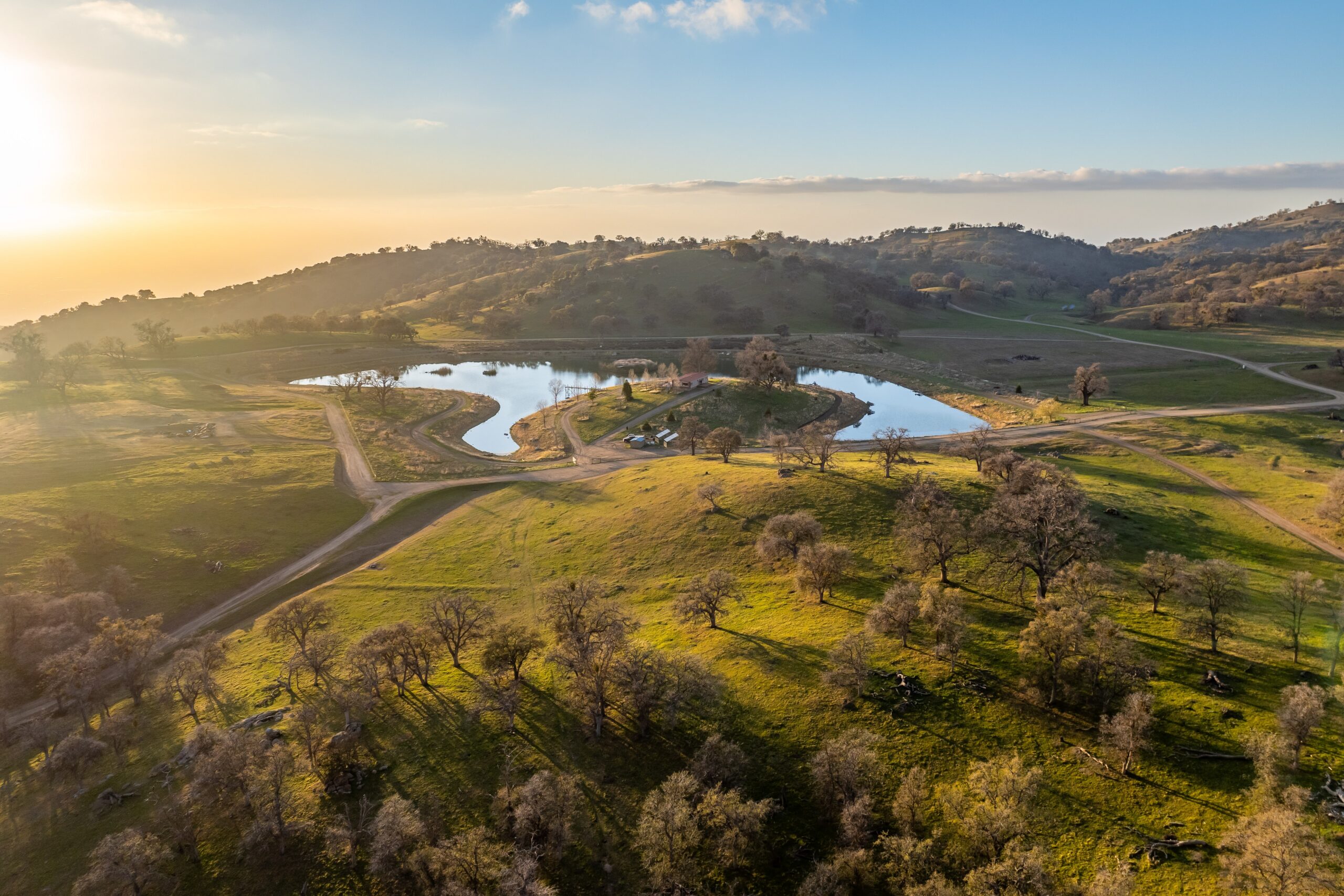
Black Oaks Ranch, $21,000,000 | 7,000.00 Acres | Kern County, California
Those are not just milestones to celebrate. They are the foundation every client stands on when they put their trust in Hayden Outdoors as their land brokerage.
Whether you’re selling ground that has been in your family for decades or searching for the property you have always had in mind, our 2025 results reflect something clear: this team knows how to deliver. Fifty years in this industry. Fifteen consecutive Best Brokerage recognitions. Over $1.54 billion in closed sales in a single year, across 29 states and more than 1,000 transactions.
If you’re ready to buy or sell in 2026, we’re ready to go to work. Our agents bring local expertise, national reach, and a commitment to getting land transactions done right.
Land is not just an asset. It is a way of life. You deserve a brokerage that understands the difference.
The 12 Best States To Buy Land In The US – Top Places In 2026
There’s something beautiful about buying land that outlasts you. Something that builds a legacy for generations to come. At its core, narrowing down the best states to buy land throughout the US means understanding that this decision transcends mere real estate transactions.
In 2026, the American land ownership landscape continues evolving. Remote work has untethered families from urban centers, driving unprecedented interest in rural acreage. While coastal properties command high prices, savvy buyers are discovering that the best place to buy land often lies in regions and states overlooked by those chasing trendy markets.
This isn’t about finding cheap dirt. Finding the best state to buy land in the US is often a balance of price with opportunity. You want to match your family’s vision with a place that can truly support it for generations.
Whether you’re establishing a cattle operation your grandchildren will expand, building a homestead that teaches self-reliance, or preserving hunting land that becomes your family’s sacred gathering place, choosing to buy land in the right state matters profoundly.
We’ve identified the best places to buy land across twelve key use cases. Each recommendation reflects not just current conditions but the long-term potential of the property, because land ownership requires thinking in decades, not quarters.
Here at Hayden Outdoors, our agents live this reality daily. We don’t just help you buy land; we’re helping families like yours find their place in the American landscape, ensuring you’re choosing the best state to buy land for your specific needs and what you value in the place you call yours.
Factors That Determine If A State Is A Good Place To Buy Land
Before we break down the best states to buy land for your particular situation, it’s important to understand that certain fundamentals and “truths” of land quality apply across the board.
Great land purchases share common characteristics, regardless of whether you’re building a homestead or a commercial timber operation.
Location Value And Market Dynamics
The best place to buy land is where your family’s needs intersect with the particular strengths of the state or region. Some families need proximity to hospitals and schools. Others prioritize privacy measured in miles from the nearest neighbor.
It’s helpful to look into stats on population growth and decline for any state you’re considering buying land in, so you can gather insights into which areas are more likely to appreciate steadily versus those facing stagnation. Infrastructure development trajectories can also tell a story that price per acre of land may not completely explain.
For example, if you’re considering a remote parcel of land strictly because of its affordability, but the county plans no road improvements and internet access remains unavailable, you may not get the return on the land you’re hoping for. A more expensive, yet better-positioned parcel (perhaps even in a different state) may be the better long-term choice, and should be a factor when determining the best place to buy land.
Property Taxes And Ongoing Costs
Property tax structures are what separate smart land purchases from those that can become financially burdensome. Agricultural exemptions can substantially reduce your annual tax bill when you buy land in states that truly support working landscapes. The calculation of determining the best state to buy land considers these ongoing costs as seriously as the purchase price.
Road maintenance on private roads, association fees where they exist, and special assessments for infrastructure improvements all add costs and value over decades of ownership.
Water Rights And Resource Accessibility
Water rights are one of the most critical considerations when determining the best states to buy land in the US. Western states operate under prior appropriation, where water rights exist separately from land ownership. Eastern states generally follow riparian doctrines, attaching water rights to the land itself.
The best places to buy land provide clear water rights documentation and reliable access. Some land parcels in western US states command high prices precisely because senior water rights convey with the land, while neighboring properties without such rights sell for less.
Zoning Regulations And Building Restrictions
County-level regulations create dramatically different land buying experiences within the same state. One county might allow agricultural buildings without permits while the neighboring county requires engineered plans and inspections for simple barns.
Finding the best state (and place within that state) to buy land means finding counties where regulations align with your vision, rather than getting stuck in bureaucratic red tape.
Climate And Weather Patterns
Your land should work with you, not against you. Growing seasons are key to agricultural viability, so if you’re planning on using your land for farming, this is an important consideration when determining which states are your best options to buy land in.
The best place for you to buy land will need to match the climate patterns of the area with your family’s weather preferences and intended land use. Texans joke that if you don’t like the weather, wait five minutes. Montanans embrace the fact that winter defines half the year. There’s beauty to both.
Mineral Rights Considerations
Severed mineral rights create situations where you own the surface but someone else owns what lies beneath. This matters quite a bit in states like Texas, Oklahoma, and Pennsylvania, where oil and gas development can disrupt surface use entirely.
Understanding what conveys with your land purchase protects your family from unwelcome surprises. The discussion of surface rights vs mineral rights represents one of the most misunderstood aspects of land ownership, yet it fundamentally affects property value and your family’s control over the land’s future.
Access And Infrastructure
Legal access to land differs from physical access to land. For example, some plots of land that on their face may appear more affordable could be priced that way simply because they’re inaccessible during winter months (often due to heavy snowfall restricting access).
The best states to buy land typically have clear access laws, but verifying actual, year-round access for your specific parcel remains essential. Road maintenance responsibilities, utility extension costs, and internet availability are all important to keep in mind as you choose the best place to buy land for you and your family.
Best State To Buy Land For Homesteading: Tennessee
When it comes to the best state to buy land for homesteading, Tennessee is a place that truly stands out. The state has all four seasons, but without the immensely harsh winters in other regions throughout the US and the extremely dry heat in others. This reliability is key to the homesteading process and why Tennessee has scored the spot of best state to buy land for homesteading.
As we mentioned earlier, the cost of living in Tennessee runs 10% below the national average, meaning your homesteading dollar stretches further. On top of that, no state income tax creates an enticing environment to begin a homesteading venture, without a heavy tax burden getting in the way of the dream.
A nine-month growing season provides ample time for gardens and orchards to produce without the killing frosts that challenge northern homesteaders prematurely each fall.
As the sixth rainiest state, buying land in Tennessee also means less irrigation anxiety. Your ponds fill naturally, livestock have water, and gardens thrive without elaborate water management systems, making Tennessee one of the best states in terms of reliability for newer homesteaders.
Feed stores, farm co-ops, and agricultural suppliers dot the Tennessee landscape. When your tractor breaks at harvest, you’re not waiting weeks for parts. When livestock need veterinary care, large animal vets operate within a reasonable distance. This infrastructure, built over generations of agricultural heritage, supports homesteaders who are aiming to truly live off the land.
The hilly terrain throughout Tennessee is perfect for pastured livestock and terraced gardens, and small operations like hobby farms and homesteads are quite common in this state.
Tennessee proves itself the best place to buy land for homesteading because it’s a state that balances every factor families need: affordable entry, agricultural infrastructure, supportive communities, and a climate that cooperates.
Best State To Buy Land For Investment Purposes: Texas
Texas has several things going for it that makes it the best state to buy land for investment purposes. We’re talking about everything from overall growth trajectories in property value to tax advantages to exit flexibility that pure investors demand. Land investing requires patient capital and a clear strategy. Texas provides both the holding economics and appreciation potential that make patience profitable.
No Texas state income tax immediately improves investment returns, and is a big reason we rank the state as one of the best places to buy land for investment purposes. Agricultural exemptions reduce property tax burdens dramatically, making land carrying costs manageable during multi-year or multi-decade holds. These tax structures easily make the state of Texas one of the best places to buy land for wealth preservation and growth.
The Dallas-Fort Worth region earned top “Market to Watch” status in Emerging Trends in Real Estate 2026, driven by continued business migration from high-tax states. Companies relocating from California bring jobs and population, driving land values in suburban and exurban submarkets. Austin, San Antonio, and Houston have been following similar trajectories, further boosting the value of Texas land and making it one of the best states to buy investment land.
Texas delivers multiple exit strategies beyond simple appreciation. Hunting leases generate annual income while you hold for development. Timber operations in East Texas provide cash flow plus appreciation. Agricultural land near expanding metros transitions to residential development when timing and zoning align. The unlimited homestead exemption protects your primary residence value completely, offering asset protection alongside investment returns.
Texas combines population growth fundamentals, business-friendly policies that continue attracting corporate relocations, diverse geography enabling multiple use cases, and tax structures favoring land investors over most other investment vehicles.
The scale of opportunity accommodates investors at every level, from first-time land buyers acquiring 10-acre recreational tracts to institutional investors assembling ranch empires. It’s all of these elements at play that makes Texas one of the best states to buy land in the US.
Affordable land shouldn’t mean buying future regrets, and New Mexico delivers actual affordability with room to grow rather than dirt that never appreciates. That’s the reason why New Mexico snags the spot of the best state to buy affordable land.
Desert land in areas like Luna County trades as low as around $200 per acre. Productive farmland with water access averages around $700 per acre. These aren’t misprint prices but reflect genuine opportunity in a state where over 48% of land remains federally owned, making private parcels genuinely scarce relative to total land area.
Over 300 sunny days annually make New Mexico ideal for off-grid living powered by solar. The sun represents New Mexico’s most reliable resource, delivering energy independence that reduces operating costs significantly, which is hands-down one of the biggest benefits when you buy land in the state.
On top of that, low population density translates to minimal regulations in rural counties, giving landowners freedom to develop and use property according to their vision rather than bureaucratic mandates.
Property taxes remain low compared to national averages, keeping carrying costs manageable for buyers stretching budgets to acquire maximum acreage. This combination of low acquisition cost and low ongoing costs is one of the big reasons we consider New Mexico to be one of the best states to buy affordable land.
Things To Consider: Water scarcity is something to keep in mind. If you’re trying to determine if buying land in a place like New Mexico is right for you and your family, you’ll want to look into drilling wells or looking into hauled water solutions. These will be critical both for living off the land and running any sort of operation on it.
For buyers prioritizing maximum acreage (and who have thought through their plan for getting water on their land), New Mexico provides unmatched affordability among the best states to buy land. The state’s natural beauty, outdoor recreation access, and growing remote work population suggest land values will continue appreciating from current low baselines, rewarding patient buyers who secure property early.
Best State To Buy Land For Cattle Ranching: Montana
Montana has earned its reputation as the best state to buy land for cattle ranching through generations of producing the country’s top beef. This isn’t marketing; it’s an operational reality confirmed by cattle sold through sale barns, feedlots, and direct-to-consumer operations across the state.
Available plots commonly exceed 2,000 acres, providing the scale necessary for viable commercial cattle operations. Montana offers genuine ranch-scale properties, allowing operations to achieve efficiency and profitability impossible on fragmented acreage.
The state’s economy grows faster than national averages, driven partly by cattle and calves as top exports. This economic vitality creates robust markets where ranchers sell cattle at fair prices rather than accepting whatever buyers offer due to limited competition. This alone is enough to boost Montana near the top of the list of best states to buy land for cattle ranching.
Cultural support for ranching runs generations deep in Montana, with traditions dating to the 1860s. This ranching heritage created infrastructure from veterinary services to sale barns operating at levels that support professional ranchers rather than hobbyists. Fellow ranchers share knowledge and assist during challenges, creating community bonds that prove invaluable when drought hits or markets fluctuate.
The state of Montana’s vast grasslands are another core reason the state tops out list of best places to buy land for cattle ranching. The state offers quality forage, though stocking rates vary by rainfall and pasture management. In addition to grasslands, water access from rivers, streams, and reservoirs provides reliable livestock water year-round.
Montana combines established ranching infrastructure, cultural support spanning generations, and available acreage at genuine ranch scale. While land prices remain higher than some other states, operational advantages and long-term appreciation potential justify investment for serious cattlemen seeking the best place to buy land for ranching operations that will support their families for generations.
Yes, Texas has made our list more than once, but it also stands out as the best state to buy land and build a house. Purchasing land in Texas offers regulatory freedom and construction economics that can transform building your dream home on your dream property into a reality.
Rural counties in Texas embrace minimal zoning, and the absence of a state building code (regulations remain county-dependent) provides flexibility that’s difficult in heavily regulated states.
Large contractor networks across Texas mean competitive pricing and available skilled labor, both core factors in making the state one of the best places to buy land and build a house. Whether you’re building a traditional ranch home, a barndominium, or a completely custom design, you’ll find experienced builders who’ve executed similar projects on land like yours.
Diverse climate options from humid east to arid west let you choose weather patterns matching your preferences. No state income tax benefits those living on property during construction and after completion, keeping more money available for building your home.
Texas combines regulatory flexibility allowing architectural freedom, contractor availability preventing construction delays, year-round building seasons avoiding winter shutdowns, and tax advantages reducing both construction and long-term ownership costs.
The ability to build without excessive permit delays or design restrictions makes Texas the best place to buy land and build a house for families unwilling to compromise their vision.
Iowa stands as the best state to buy land for row crop farming, possessing some of the most arable land in the United States. Deep, fertile topsoil built over millennia makes Iowa the best place to buy land for farmers focused on the corn, soybeans, and grain crops that feed much of the US.
Strong agricultural communities provide access to equipment dealers, grain elevators, commodity markets, and agronomic expertise operating at sophisticated levels. Crop insurance programs, university extension services, and farming cooperatives support farmers through challenges, with knowledge accumulated over generations of Iowa agriculture.
For commercial row crop farmers, Iowa’s productivity advantages and established infrastructure outweigh some of the higher cost of farmland in the state. Iowa’s specialization in grain agriculture means every input, from seed dealers to equipment mechanics, operates at peak efficiency. This is what makes Iowa the best state to buy land for serious grain farmers building long-term operations.
Farming Note: Farming encompasses a wide variety of crops and operations, making it a bit of a challenge to narrow down just one state as the best place to buy land for farming. Iowa is excellent for row crops. Wine grapes and tree fruit thrive in Washington and Oregon’s ideal microclimates. Citrus and tropical crops require Florida’s year-round growing seasons. Vegetables for fresh markets benefit from Georgia and North Carolina’s long growing seasons. The best state to buy land for farming will be highly variable based on what you plan to grow.
That said, soil testing for pH, nutrient levels, drainage, and depth remains essential regardless of which state becomes your best place to buy land for farming. Verify growing degree days for target crops, first and last frost dates, irrigation requirements, and water availability. Distance to processing facilities or markets affects profitability significantly, turning marginal operations profitable or profitable operations marginal.
Best State To Buy Land For Agritourism: North Carolina
North Carolina snags the spot as the best state to buy land for agritourism because of its proven tourism infrastructure and supportive liability protections for farm operators. The state provides statutory limitations on liability for agritourism professionals who post proper warning signs, making North Carolina one of the best places to buy land for income diversification through farm-based tourism.
The Blue Ridge Mountain tourism corridor drives consistent visitor traffic year-round. Four-season appeal means your farm’s revenue doesn’t depend solely on fall harvest seasons. Strong local food movements (particularly in and around Asheville) create demand for farm-to-table experiences, u-pick operations, and agricultural education.
Farms that engage in agritourism average $44,000 in annual receipts for those initiatives, with median county agritourism income reaching $161,000. For landowners seeking revenue diversification of their land while maintaining their traditional agricultural operations, agritourism in a state like North Carolina is definitely a compelling opportunity.
So what exactly qualifies as agritourism? Some examples include u-pick experiences, farm stays and glamping, educational tours, wedding venues, seasonal festivals, farm-to-table dining, and agricultural workshops.
Liability insurance, health department permits for food sales, and parking logistics are all things you’ll need to think about, but North Carolina’s regulatory clarity makes compliance more straightforward and is one of the core reasons we consider it to be the best state to buy land for agritourism ventures.
North Carolina combines a well-established agricultural culture and legacy with established tourism markets and moderate climate, allowing diverse operations year-round, making it one of the best places to buy land when you want to diversify you farming income.
Best State To Buy Land For Timber Harvesting: Alabama
Alabama secures the spot as the best state to buy land for timber harvesting, combining fast growth rates, established mill infrastructure, and attractive entry costs. Southern pine grows faster than northern species, producing commercial timber on manageable timelines.
Average timerland in the state costs around $2,700 per acre, providing an accessible entry point for those looking to buy land. Proximity to numerous sawmills keeps hauling costs reasonable, critical since transportation beyond 50 to 75 miles significantly affects profitability.
Final harvest could yield 70 to 140 tons per acre depending on genetics and location. First thinning at 12 to 15 years generates initial revenue. Second thinning at 18 to 22 years provides additional cash flow. Final harvest at 25 to 35 years completes the cycle, allowing reforestation for the next generation.
Alabama’s specialization means expertise from foresters to loggers operates at high levels, making it the best place to buy land for multi-generational timber operations.
Timberland Tip: Timber serves as an inflation hedge since biological growth continues regardless of economic conditions. Additionally, conservation easements can reduce taxes while maintaining operations, providing estate planning benefits alongside timber income.
Wisconsin ranks #1 nationally for trophy whitetail with 1,822 total Boone and Crockett record book entries, more than any other state in America. Buffalo County alone claims 160 record-book entries, making it the #1 county in the entire nation for producing trophy bucks.
Wisconsin holding the top ranking as the best state to buy deer hunting land isn’t a coincidence. It’s the result of exceptional deer management, quality habitat, and a hunting culture that values mature bucks.
The agricultural landscape throughout Wisconsin provides excellent nutrition, with corn and soybean fields creating ideal conditions for antler development and body size. The Driftless Area in western Wisconsin features unique topography that was never glaciated, creating diverse terrain with wooded bluffs and fertile valleys where trophy bucks thrive.
Counties like Crawford, Trempealeau, Vernon, Richland, and Sauk all rank in the nation’s top 20 for record book entries, demonstrating that trophy potential extends across the state rather than concentrating in a single area.
Wisconsin’s proven genetics, deep hunting heritage, and consistent trophy production make it the best state to buy land for serious whitetail hunters building legacy properties. Land prices reflect this quality, but the investment rewards patient landowners committed to proper deer management.
Deer Hunting Land Tip: Evaluate neighboring land use carefully. Water sources on your property benefit wildlife year-round. Food plot potential and soil quality determine whether you can enhance habitat meaningfully. Access during all seasons matters, particularly during winter when properties become difficult to reach.
Best State To Buy Land For Commercial Properties: Florida
Florida takes the spot as the best state to buy land for commercial properties due to its population growth, favorable tax structure, and extraordinary economic diversification. While development opportunities exist nationwide, Florida’s structural advantages have created sustained demand across multiple commercial sectors.
No state income tax attracts corporate relocations and high-net-worth individuals, particularly those leaving high-tax states in the Northeast. This migration drives commercial real estate demand from retail to office to industrial, creating opportunities across property types. Florida’s population growth ranks among the highest nationally, with projections showing continued expansion through 2030.
The economy extends far beyond tourism. Miami functions as a global financial hub, attracting international capital. Technology sectors expand rapidly. Trade and logistics benefit from expanding ports handling international commerce. Mixed-use developments thrive in growing metros like Tampa, Orlando, Jacksonville, and Fort Myers, meeting demand from population influx.
If you’re looking to buy commercial agricultural land in the state, Florida’s year-round growing season supports citrus, vegetables, and specialty crops that command premium prices. Proximity to major population centers and port access for export markets benefits agricultural operations shipping domestically and internationally.
Florida’s combination of population growth, business-friendly environment, economic diversity, and year-round appeal creates opportunities across commercial uses. The state’s specialization in tourism, finance, and international trade means commercial infrastructure and expertise operate at sophisticated levels, making Florida the best place to buy land for commercial properties serving markets that continue expanding.
Best States To Buy Land For Waterfront Property: South Carolina And Idaho
When it comes to oceanfront property, South Carolina holds the spot as the best state to buy land, providing more affordable access than Florida or North Carolina while maintaining strong vacation rental markets. Four-season mild climate extends rental seasons beyond summer peaks, and the hurricane risk is lower than in other coastal states.
In the world of lakefront property, the state of Idaho takes the spot as the best place to buy land for mountain lakefront views. There’s no denying the exceptional beauty and wilderness character of Idaho. Lakes like Payette and Priest offer premium settings with lower population density than Midwest states, and more affordable land prices than other mountainous states.
Additionally, four-season recreation from boating to nearby skiing add year-round appeal to investing in lakefront property in Idaho.
Waterfront Land Pro Tip: Waterfront due diligence includes understanding riparian rights, evaluating erosion patterns, verifying flood insurance requirements, researching dock permits, testing water quality, and confirming seasonal access.
Best State To Buy Land For Outdoor Recreation: Colorado
It’s hard to beat a place like Colorado when it comes to choosing the best state to buy land for outdoor recreation. World-class skiing, 14,000-foot peaks, beautiful national forests, blue-ribbon trout streams, and exceptional big game hunting create comprehensive recreational opportunities.
Proximity to public lands exponentially enhances private land experiences. Established tourism infrastructure means guides, outfitters, and equipment rentals support recreational land uses comprehensively, without requiring extensive development before you can generate revenue from your land.
Colorado combines spectacular scenery, diverse recreation opportunities year-round, established infrastructure, and strong appreciation potential. For families prioritizing outdoor recreation access, Colorado justifies premium prices through unmatched amenity access and quality of life. This is at the core of why we’ve ranked the state as the best place to buy land if your focus is on outdoor recreation potential.
There are so many factors at play to determine the best states to buy land. Montana cattle ranches require different considerations than North Carolina agritourism acreage or Wisconsin hunting land. What remains constant is that a well thought out land purchase combine thorough research, clear goals, and expert guidance from those who know the land intimately.
Land ownership has the ability to connect us to our heritage, provide for our families, and build legacies that outlast us. Whether you’re drawn to agricultural landscapes, expansive Western ranches, or diverse Southern opportunities, the right property exists for those who approach the land buying process with patience and knowledge.
Rather than chasing lowest per-acre prices, focus on total value: carrying costs, water access, infrastructure, community support, and long-term appreciation. And most importantly, partner with professionals who view the land as a way of life worth preserving.
Why Working With A Local Land Expert Is So Important
Your land purchase represents your generational legacy, and it warrants specialized knowledge. Agents who specialize in your region should understand the complexities of everything from zoning to water rights, and be able to help you navigate the process.
It’s important to note that the best land often sells before it’s publicly listed. Local agents, like those at Hayden Outdoors, maintain relationships with existing landowners, giving you first access to premium properties in the best states to buy land.
Our local experts evaluate not just current use but future flexibility, helping determine whether properties accommodate children building homes, transitioning from ranching to agritourism, or maintaining timber value as backup assets.
Our Hayden Outdoors agents live in the communities where they sell land. They hunt the same mountains and fish the same streams. They understand you’re buying into community, lifestyle, and family vision, not just acres.
And they’re here to help you not only determine whether a particular piece of land is a good value, but also whether the property can really live up to the potential for how you want to use it, whether that’s developing a ranching operation, expanding into agritourism, or looking to get into homesteading.
The Expert’s Property Guide – Is Buying Land A Good Investment?
There’s a common belief that buying land is always a good investment—a tangible asset that will inevitably appreciate. In many respects, buying land absolutely is a good investment, but there are certain factors you, as the buyer, should keep in mind when finding the right plot to meet your needs. Whether purchasing and investing in land makes sense for your particular situation depends on the type of property, its location, how you plan to use it, and your overall financial picture.
The core thing to keep in mind is that investing in land requires active management and ongoing maintenance in order for it to live up to its investment potential. This is one of the factors that many landowners find to be the most meaningful and fulfilling aspects of purchasing and investing in property, but it does require a spirit and love for living on the land.
As experts in all things land buying and investing, we’ll walk you through the critical factors that determine whether buying land is a good investment for your specific situation. We’ll cover what most investing resources won’t tell you—what factors make investing in land the right fit for you—all from the perspective of land professionals who work with buyers and sellers every day.
What Types Of Land Are Going To Be The Best Investment?
When it comes to determining whether buying land is a good investment, it’s important to remember that not all land is created equal. The type of property you purchase can impact potential returns, significantly impacting whether the piece of land you’ve chosen is a good investment for your particular needs.
Investing In Agricultural Land
Farmland and grazing land are consistently some of the most stable land investments. Quality cropland can generate immediate income through cash rent arrangements, where farmers pay you annually to work the land. Depending on your region and soil quality, those rents can range from $50 to over $300 per acre in prime agricultural areas.
Grazing land for cattle typically commands lower rents (often $10 to $40 per acre) but requires less intensive management. Beyond rental income, agricultural land often qualifies for property tax exemptions that can significantly reduce your carrying costs and increase your return on investment, though you’ll need to maintain legitimate agricultural activity to keep these benefits.
If you’re exploring smaller-scale operations when investing in land, understanding the nuances of hobby farming can help you determine if this approach fits your investment goals.
The market for recreational properties has surged as more people seek outdoor experiences and private hunting grounds. Recreational land with quality wildlife habitat, water features, or scenic views commands premium prices for good reason, and buying this type of land can absolutely be a good investment strategy.
Well-managed hunting land can generate solid income through hunting leases. In regions with strong hunting cultures, annual leases can range from $10 to $50+ per acre, depending on game quality and property management. Properties enrolled in the Conservation Reserve Program (CRP) may also generate government payments while improving habitat.
Timberland offers a unique investment combination—long-term appreciation with periodic income from harvesting. Well-managed timberland can provide cash flow through selective cutting while the underlying land continues to appreciate.
The key is professional management. A consulting forester can develop harvest schedules that maximize value without degrading the property. Timber also offers tax advantages, as it’s typically taxed as capital gains rather than ordinary income when sold.
When it comes to deciding if land is a good investment for you, it’s worth noting that some of the strongest appreciation of property occurs in the path of development. Land near expanding metropolitan areas or along future transportation corridors can see dramatic value increases as development approaches, making these plots solid investments.
Watch for specific indicators of growth: new highway projects, school construction, utility infrastructure extensions, and commercial development announcements. Land that’s currently agricultural but sits near expanding suburbs often represents a sweet spot for appreciation potential, offering a solid return on investment
The challenge is timing. You’ll likely hold the property for several years before development pressure drives values significantly higher, carrying costs during that time. But when it works, the return on investment for this land can be substantial, making it highly desirable.
Investing In Water-Adjacent Land
Land with water frontage—lakes, rivers, or coastal areas—commands premium pricing and often appreciates faster, making buying this type of property a good investment strategy. The scarcity of waterfront land, combined with consistent demand, creates favorable conditions from an investment standpoint.
However, water properties come with unique considerations that can complicate the investment equation. You’ll want to look into flood zone designations on any properties you’re considering investing in, as well as consult with insurance companies beforehand about rates. If you’re considering investing in waterfront property, there are a few key considerations you should keep in mind before buying land.
Buying land with subdivision potential—meaning it can be legally divided and sold as individual lots—offers such a good return on investment that it often comes with a premium price tag. The key things to look for when investing in this type of land are adequate road frontage, favorable zoning, access to utilities, and compliance with minimum lot size requirements.
Subdividing requires navigating planning commissions, engineering requirements, and potentially significant infrastructure investments. Because of this, buying this type of land investment is often a good investment for those with prior land development experience.
Investing In Land With Mineral Rights
Land where you own both surface and mineral rights can offer additional investment value, particularly in regions with extraction activity. However, many properties have severed mineral rights, where previous owners retained subsurface rights.
If mineral rights matter to your land investment strategy, research what’s actually included when you purchase to ensure that buying that particular piece of land is a good investment. For a detailed breakdown, our guide on surface rights vs. mineral rights explains what you need to know.
How Location Determines Whether Buying Land Is A Good Investment
Location influences every aspect of investing in land, from appreciation potential to rental income possibilities to how quickly you can sell when needed. The reality is, you can’t change where your land sits, so it’s critical to choose a location that ensures the land you’re investing in gives you the leg up.
Big Picture And Local Factors Impacting Land Investments
Consider both macro and micro location factors when determining whether buying a specific piece of land is a good investment. At the big picture level, look at state and regional trends—population growth, economic development, and major employers. States experiencing growth naturally see stronger value appreciation, which can play a large role in whether buying land is a good investment in the area.
At the local level, examine factors that directly impact the property you’re investing in. What’s the quality of nearby schools? What are crime rates? How is adjacent land being used? All of these elements play a role in whether buying a particular property is going to be a solid investment choice.
Accessibility Is Critical In Determining If Buying Land Is A Good Investment
How easily you can access your property matters tremendously. Properties with year-round access via maintained roads appeal to far more buyers than those requiring four-wheel drive, or that become unreachable during winter months.
While this varies by location, buying land in high-altitude mountain locations that are snow-bound for part of the year may not offer the same good return on investment as buying land that is available year-round. While this absolutely doesn’t eliminate the value, it could limit the future buyer pool when you opt to sell your investment in the future and realize those returns.
If you plan to generate income through hunting leases or rentals, seasonal inaccessibility becomes a factor in potential revenue generation and should be a core factor in determining whether the land you’re buying is a good investment for your intended use case.
Distance from your primary residence also affects the equation. A piece of land can be a very good investment if it’s located close to your primary residence, where you can make stops by the property to attend to maintenance needs and show the land to potential renters. This is even more true when you’re looking to run a recreational business on your land investment.
Market Liquidity Varies Dramatically by Location
A 20-acre parcel near a growing suburb might sell within months. A 400-acre remote hunting property might take a little longer, but could command a solid price when it does.
This liquidity difference has real implications for your land investment strategy. If you’re buying land that is a good investment asset specifically for short-term returns, land near cities and suburban areas will be the go-to. If you’re thinking about a long-term investment strategy, buying rural land can be an excellent investment opportunity to generate revenue, especially given the greater availability of high-acreage parcels.
Climate Considerations For Your Land Investment
Climate patterns increasingly influence land values and insurance costs, so once you find a good piece of land to invest in, it’s important to consult with an insurance agent to understand your potential costs before buying. This will allow you to accurately project your carrying costs and resale prospects over your investment timeline so you can ensure you get the best return for the land you’ve purchased.
Other Factors That Determine Whether Buying Land Is A Good Investment
Beyond location, numerous other factors determine whether buying land genuinely is a good investment for your particular needs. Many of these factors aren’t immediately obvious but can dramatically affect both your costs and your eventual return on any land you opt to invest in.
Development Status And Infrastructure Costs
Undeveloped land typically carries a lower purchase price, which can be an attractive factor when investing in property. However, the true cost of this land investment includes whatever infrastructure you’ll need before the property becomes usable.
Drilling a well typically runs $5,000 to $15,000, depending on depth and local geology. Installing a septic system ranges from $10,000 to $30,000 for conventional systems. Bringing in electricity can cost $10,000 to $50,000 or more, depending on distance from existing lines.
You’ll want to include these costs into your land investment strategy. However, when factored in appropriately, buying undeveloped land can absolutely be a good investment approach.
For a comprehensive look at the tradeoffs of purchasing undeveloped property, our guide to buying undeveloped land explores the pros and cons of this type of land investment.
Zoning And Land Use Impacts On Whether Buying Land Is A Good Investment
Zoning determines what you can and cannot do with any investment property you’re considering buying, so it needs to be a part of your planning process. Agricultural zoning may offer tax benefits but could prohibit commercial activities or restrict certain structures. Some areas have development moratoriums, while others have right-to-farm laws protecting agricultural operations.
For recreational land, zoning becomes even more specific and varies significantly by state. Important factors include whether the property is outside city limits (often required to discharge firearms), access to public lands, whether the acreage meets minimums for private land hunting tags, and local ordinances affecting recreational use.
Before purchasing, verify that zoning allows for your intended use of the land. This is critical in determining whether buying a particular plot of land is a good investment for your intended plans for the property.
Water Rights And Access On Your Land Investment
In Western states, water rights can be more valuable than the land itself. Understanding what water rights come with the property is an essential factor in any land investment strategy.
Do you have rights to surface water? Are those rights sufficient and senior enough to remain usable during droughts? If the property relies on groundwater, are well permits available?
Confirm you can drill a well before assuming groundwater access, and be sure to test water quality.
Impact Of Easements And Right-of-Way On Land Investments
Consideration of easements—legal rights for others to use portions of your property—should always be top-of-mind in any land investment strategy. Utility easements are common and generally cause minor inconvenience.
Access easements, where your property provides the only route to landlocked parcels, can add some complexity. This is where working with a seasoned agent, like those on our Hayden Outdoors team, becomes critical. You need an expert who can help you identify how easements may impact whether buying a particular piece of land is a good investment for the way you plan to use it.
Environmental Factors That Can Impact Your Return On Land Investment
For some investors, investing in land with wetland designations that restrict building or alterations to the property is part of the appeal. They are buying and investing in the land for its beauty, whether it’s with the intent of supporting the protection of species habitats or maintaining the natural beauty of the property for future generations.
Property Survey And Title Issues With Your Land Investment
Boundary disputes between landowners are more common than you’d think. An updated survey eliminates ambiguity about what you’re actually purchasing when investing in a piece of land.
Survey costs vary by property size and terrain but typically range from $500 to $3,000 or more. That said, the price is absolutely worth it if you’re hoping to get the most out of the land you’re investing in.
Also, title insurance protects against undiscovered title defects. When investing in land, title insurance is particularly important because transactions often involve more complex ownership histories.
The Things No One Tells You About Investing In Land
This is where reality meets expectations—these are the little things that catch new land investors by surprise. Land ownership, while a good investment strategy for many buyers, comes with some expenses that you should budget for accordingly.
Financing A Land Investment Works Differently
Investing in land differs from financing a home. Lenders often request higher down payments, shorter loan terms, and higher interest rates compared to residential mortgages.
The benefit? If you have the financial means to invest in the land, you’ll encounter less competition vying for the same property you’re considering buying, which translates to potentially a better return on your investment.
While typically lower than taxes on improved property, land still generates annual tax bills. Depending on location and property size, expect $10 to $300+ per acre annually.
Agricultural exemptions can significantly reduce this burden, but they’re not automatic. Most states require legitimate agricultural activity—actually farming or ranching, not just owning land with agricultural zoning.
Liability Insurance Can Be Necessary When You Invest In Land
This is perhaps the most overlooked factor when deciding if buying land is a good investment for your particular use case, yet it’s one of the most important. Liability insurance for vacant land typically costs $12 to $150 per month. Many landowners skip this coverage, but property owners can be held liable for injuries on their land, even to trespassers, in some circumstances.
The “attractive nuisance” doctrine holds owners liable for injuries to children drawn to dangerous conditions—old wells, abandoned structures, ponds, or attractive climbing trees. If you plan to generate income through hunting leases or commercial uses, liability insurance isn’t optional—it’s essential.
Property Maintenance Necessities For Land Investments
When it comes to determining if buying land is a good investment, it’s important to remember that vacant land requires some maintenance and upkeep. Common costs include mowing or brush control, fence repairs, erosion control measures, road and driveway maintenance, and tree removal when dead or hazardous trees threaten structures or roads.
You’ll want to budget at least $500 to $5,000 annually, depending on the size of the land you’ve invested in. This will keep your land investment well-maintained over the years, so that when and if you decide to sell, you’re ready to go.
Property Management Needs When You Invest In Land
If you don’t live near the land you’re investing in, you’ll want someone to keep an eye on things and maintain your investment property. Unmonitored properties face higher risks from trespassing and damage. Local property managers typically charge $50 to $200 monthly, depending on what’s involved.
How To Know If Buying Land Is A Good Investment For You
If you meet one or more of the qualifications below, there’s a good chance that buying land is a good investment strategy for you.
Your Investment Strategy Doesn’t Require Immediate Liquidity: When it comes to investing in land, the recommendation is to hold onto the property for at least five years to fully take advantage of the return potential. While it certainly is possible to approach land investments as a short-term strategy, closing costs, commissions, and capital gains taxes can impact the full return.
When You Have Funds: Land financing requires larger down payments and carries higher costs, so if you have larger cash reserves on hand, buying land and investing those cash funds can be a good investment strategy to recognize appreciation on your hard-earned money.
When You Can Manage The Land From Close By: For those who are purchasing property near their primary residence, buying land can be a really good investment. Being close to the property makes maintenance and management much simpler.
When You Want To Diversify Your Investment Portfolio: Yes, many investors choose to invest in the stock market. But as any good investor knows, diversifying your portfolio is key, and buying land to invest in helps you mitigate the risks by diversifying where your investments are placed.
When The Land Has Desirable Features: Water features, hunting potential, pastures for farming and grazing. These are the features that make buying land such a good investment for many property owners.
When You’re Looking To Establish Your Legacy: It’s easy to fall in love with land—the views, the imagined future, the lifestyle. Buying land is more than just a good financial investment; it’s an emotional one, too. Many landowners purchase property like ranches to be a legacy they pass down from generation to generation.
When Market Conditions Are Favorable: If you have cash savings, high interest rates actually give you the leg up on a land investment. Buying a parcel outright in cash gives you the advantage over those who may not be able to make a competitive offer due to higher lending rates. On the flip side, if you require a loan and rates are low, investing in land is a good opportunity to take advantage of the favorable market conditions.
Buying Land Is A Good Investment When You Have The Right Expert By Your Side
Throughout this guide, we’ve explored the complexities of whether buying land is a good investment, along with the variables that determine success and the hidden costs that catch investors off guard. If there’s one clear takeaway, it’s this: land investment requires expertise to navigate successfully.
The reality is, investing in land can be complicated if you don’t have a qualified land expert to guide you through the process of finding the right property. Here’s why:
Buying Land Is A Good Investment When You Have Local Experts By Your Side
Real estate is local, and land investment even more so. Our Hayden Outdoors agents live and work in the regions they serve. We understand regional land values, know which areas are appreciating and why, and can identify opportunities out-of-area buyers might miss. Just as importantly, we can steer you away from land that appears attractive but has fundamental problems that wouldn’t make purchasing it a good investment.
We understand the nuances that make or break land investments—water rights and how they’re adjudicated in your target state, mineral rights and what actually conveys, how conservation easements or agricultural exemptions affect both value and usability, zoning trends and future development plans impacting appreciation, and local market dynamics, including typical sale timelines.
You Need A Team Who Can Simplify The Complexities Of Investing In Land
Buying and investing in land involves more complexity than residential real estate. You’ll likely need surveyors, environmental consultants, attorneys familiar with land transactions, CPAs who understand investment property taxation, and potentially specialized lenders comfortable with rural property.
Hayden Outdoors agents have established relationships with these professionals, connecting you with qualified experts who understand land transactions and helping you avoid costly mistakes.
You Deserve Realistic Projections For Your Return On Your Land Investment
One of the most valuable aspects of working with land investment specialists is getting realistic projections for your return. If you’re considering income from hunting leases, we can provide realistic expectations based on comparable properties in your area.
We understand what agricultural land actually rents for in your region, what infrastructure improvements typically cost in local markets, how long similar properties have taken to sell, and what appreciation rates have been historically in specific areas.
Whether you’re taking your first steps into investing in land or looking to expand an existing property portfolio, Hayden Outdoors can help you find that perfect piece of land that aligns with your goals and budget. Browse current land for sale to see what’s available, or reach out to one of our expert agents to discuss your land investment criteria and get guidance tailored to your specific situation.
Buying land can absolutely be a good investment, when done right. This means expert guidance, thorough due diligence, and realistic expectations. The key is going into it with eyes wide open, understanding both the opportunities and the challenges, and having the right experts in your corner from the start.
How To Get A Loan For Land – Undeveloped Property Lending Guide
Securing loans for buying land presents unique challenges that most traditional mortgage borrowers never face. Unlike financing a home with an existing structure, land loans require lenders to evaluate raw potential rather than established value. Whether you’re pursuing raw acreage for future development, unimproved land for agricultural use, or improved parcels ready for construction, understanding how to get a loan for land can mean the difference between securing your dream property and watching it slip away.
The land financing landscape offers diverse options for purchase—from conventional bank loans to USDA rural development programs. However, this variety comes with complexity. Each loan type carries distinct requirements, terms, and qualifications that directly impact your borrowing capacity and long-term costs of the purchase.
This guide breaks down everything you need to know about land loans, from understanding why these loans are harder to secure than traditional mortgages to navigating the hidden costs that catch unprepared buyers off guard. We’ve consulted with Adam Weber, VP at Outdoor Bank, to provide insider insights that go beyond surface-level advice found in typical land lending guides.
Getting a loan for land is significantly more challenging than securing a traditional home mortgage. Lenders view land loans as higher-risk investments because undeveloped property lacks the immediate collateral value of a finished home. If a borrower defaults, land resale markets are narrower, values are more volatile, and properties may sit unsold for extended periods.
Borrower Profile Makes A Major Difference In Land Financing
Your financial background substantially impacts land loan qualifications and whether you’re approved to purchase. First-time land buyers typically face more scrutiny than experienced investors with proven track records of purchasing property. Lenders want to see that you understand development costs, zoning restrictions, and long-term holding expenses.
Self-employed borrowers encounter additional hurdles. While W-2 employees provide straightforward income verification through pay stubs, self-employed applicants must typically submit two years of tax returns, profit-and-loss statements, and additional documentation proving consistent cash flow.
Cash reserves play an equally critical role. Land loans demand larger down payments than conventional mortgages—typically 20-50% depending on land type and intended use. If you’re stretching to meet the down payment, lenders worry you’ll lack the financial cushion needed for unexpected costs.
Land Use Intent And Development Plans Impact How You Secure Your Land Loan
How you plan to use the land fundamentally shapes your loan financing approval odds. Lenders view applications more favorably when borrowers present concrete, realistic development timelines. Purchasing land to build a primary residence within 12 months yields better terms than buying and taking out a loan for raw land for speculative investment with no immediate build plans.
Agricultural land loans carry their own considerations. Lenders want viable business plans demonstrating how the property will generate income. For working farmland or ranch land, you’ll need to show crop yields, livestock capacity, market conditions, and your management experience.
How Property-Specific Risk Factors Impact How To Get A Land Loan
The physical characteristics of the land itself create approval challenges for land financing. Zoning classifications determine legal use, and lenders verify your intended use aligns with current zoning.
Accessibility matters significantly—land accessible year-round via maintained roads receives more favorable treatment than parcels reachable only by seasonal routes. Existing infrastructure dramatically impacts land loan terms as well. Improved land with utilities already extended to the property qualifies for better rates and higher loan-to-value ratios.
Unimproved land requiring significant infrastructure investment carries higher risk. Raw land with no infrastructure presents the highest risk and consequently faces the strictest lending standards.
The Real Cost To Get A Loan For Land – Beyond The Down Payment
The sticker shock of land financing extends far beyond the down payment. While many buyers mentally prepare for putting 20-50% down, the additional costs of securing and maintaining a land loan catch many off guard.
Interest Rate Differentials Between Traditional Mortgages And Land Loans
Land loan interest rates consistently run higher than traditional mortgage rates, and the gap widens based on land classification. Raw land typically carries rates 1.5-3 percentage points above conventional mortgage rates. Unimproved land falls in the middle range, usually 1-2 percentage points higher. Improved land commands the most favorable land financing terms, though still typically 0.5-1 percentage point higher than traditional mortgage rates.
Closing Costs: What Lenders Won’t Tell You Upfront
Adam Weber, VP at Outdoor Bank, explains: “Every lender is a little different on closing cost. Unlike traditional consumer home loans, land lenders don’t have to legally provide a full fee disclosure prior to close on commercial and agricultural loans. It would always be advised for purchasers to ask their lender for a term sheet listing out their internal fees.
Internal lender fees are going to include an origination fee, appraisal fee, most likely a flood determination on the property if the property includes any structures that add value. All other fees would be documented on the purchaser statement provided by the title office. Those fees would include document prep fees, title fees for both the lenders policy and owner’s policy, proration of taxes if taxes are delinquent. If taxes are paid in full, then that creates a credit back to the seller.”
Origination fees typically range from 1-3% of the loan amount, meaning a $200,000 land loan could carry $2,000-$6,000 in origination costs alone.
The Appraisal Variable
When it comes to appraisals, Adam tells us, “I hate that I can’t give you a rough closing cost amount, but that is due to size of transaction directly impacting that. An appraisal on 10,000 acres might range anywhere from $5,000 to $25,000. Each state is different on how difficult it is to research data.
For example, the state of Wyoming is a nondisclosure state for appraisers, thus resulting in more leg work leading to substantially increased appraisal cost compared to, say, Kansas. The cost of the title insurance is also going to be dependent on the overall amount of the transaction and the loan the purchasers are taking out.”
For smaller parcels (under 50 acres), expect appraisals in the $1,500-$3,500 range. Mid-sized properties (50-500 acres) typically run $3,000-$8,000.
Hidden Due Diligence Costs
Before lenders approve land financing, they require extensive property evaluations that buyers must fund:
Boundary surveys establish exact property lines. Basic surveys start around $500, but expect $1,000-$2,000 for properties with complex boundaries.
Percolation tests assess soil drainage for septic systems, costing $500-$1,500.
Environmental Phase I assessments investigate potential contamination, costing $1,500-$5,000.
Utility hookup evaluations determine connection costs—extending utilities to remote parcels can cost $10,000-$50,000 or more per utility.
Post-Closing Holding Costs
After closing, expenses continue: annual property taxes, liability insurance ($300-$1,000 annually), maintenance costs ($500-$3,000 annually), and ongoing interest payments during the holding period.
Preparing Intelligently For Land Loan Costs
As you’re navigating the process of how to get a loan for land, build a comprehensive budget including all due diligence, closing, and first-year holding costs. Add a 15-20% contingency for unexpected expenses.
Request detailed fee breakdowns early in the lending process. Shop for third-party services—price variations can be substantial. The real cost of land financing often runs 30-50% higher than buyers initially expect.
How To Avoid Common Mistakes And Pitfalls When You Apply To Get A Loan For Land
Land loan applications fail for preventable reasons more often than borrowers realize. Learning from common mistakes helps you avoid delays, rejections, and the frustration of watching your dream property sell to a better-prepared buyer who was able to secure the necessary land financing.
1. The Down Payment Reality Check
Insufficient down payment funds represent the most common land loan rejection reason. Weber observes:
“Traditionally, on land or real estate purchases we don’t often have to come back informing the customer that they can’t afford the land purchase. On smaller asset purchases, that is a common occurrence, but with real estate purchases typically the borrower has already done the math on their budget.
I would say the biggest reason for denial on land financing deals would be down money. Again, each lender will be different on whether or not they want hard cash down or if they are ok with the borrowers pledging outside assets for additional collateral.”
Many buyers assume they can leverage low down payment strategies from residential mortgages, only to discover land loans require 20-50% down. Some lenders accept alternative collateral—pledging other real estate with substantial equity, investment accounts, or business assets—but this isn’t universal.
2. Incomplete Or Inconsistent Documentation
Land loans require extensive documentation. Common gaps include missing income verification (particularly for self-employed borrowers), undocumented down payment sources, vague land use plans, and missing property documentation like title reports and surveys.
Weber tells us, “Approval rates will vary on the stickiness of the relationship and history. Lending institutions want to bank customers as a whole. If I am going to lend someone $5M, I would like to have more or all of their business.
We push technology hard so that you can bank anywhere across the county from your phone. A lot of loan approval is also based off location of the asset being purchased. It’s a lot easier to finance someone from 4 states away if they’re buying real estate somewhat near the lender vs. out of the area.”
Banking relationships significantly impact approval rates and terms for land loans. First-time borrowers with no other banking relationship receive less favorable consideration than established customers.
4. Agricultural Loan Special Considerations
Weber notes: “Approval rates on true AG loans are very dependent on the market and what the purchasers operation looks like.”
Agricultural lenders evaluate your farming or ranching operation as a business. First-time farmers with no agricultural background face significant skepticism when trying to secure a loan for land purchase, particularly for large operations requiring substantial financing.
Types of Land Loans – Your Options For How To Get A Loan For Land
Before we can dive into the different types of land loans and land financing, it’s critical that we break down the different categories of land you can get a loan for: raw vs unimproved vs improved.
Raw land represents property in its most natural state, with no improvements, utilities, or infrastructure. Raw land carries the highest lending risk, requiring the highest down payments (30-50%) and charging the highest interest rates.
Unimproved land includes parcels with some basic infrastructure—typically road access—but lacking utilities. Down payments generally range from 25-40% with modestly lower interest rates.
Improved land describes parcels ready for construction, with road access and utilities at or near the property boundary. Improved land commands the most favorable land financing terms, with down payments potentially as low as 15-20% and interest rates approaching conventional mortgage levels.
For each of these types of loans for buying land, we’ll break down: requirements, terms, and qualifications.
1. Conventional Bank And Credit Union Land Loans
Conventional lenders offer the most common financing path for land purchases. Most large national banks avoid raw land financing entirely. Regional banks and credit unions occasionally offer raw land loans with 40-50% down payments, shorter terms (10-15 years), and rates 2-3 percentage points above conventional mortgages.
Unimproved land finds broader acceptance, with 30-40% down payment requirements and 15-20 year terms. Improved land receives the most favorable treatment: 20-30% down, 20-30 year terms, and rates just 0.5-1.5 percentage points above residential mortgages.
Credit Score: 680-720 minimum, typically
Down Payment: 20-50% depending on land type
Debt-to-Income Ratio: 43% maximum typically
Loan Duration: 10-20 years
2. USDA Land And Construction Loans
USDA offers land financing through its Construction-to-Permanent loan program, allowing qualified buyers to finance both land purchase and home construction in a single loan. You must intend to build a primary residence, with construction commencing within 12 months. The property must be in an eligible rural area (communities of 35,000 people or less). Income limits apply, excluding higher-income borrowers.
The most attractive feature of this type of land loan is zero down payment financing for qualified borrowers looking to purchase land. However, you’ll face mortgage insurance costs offsetting some zero-down advantages.
Credit Score: 640 minimum, typically
Down Payment: 0% for qualified borrowers
Debt-to-Income Ratio: 41% typically
Loan Duration: 30-year fixed-rate terms
3. VA Land Loans
VA does not offer standalone land-only loans. Any VA financing must be part of a purchase-or-construction transaction with immediate build plans. The VA requires improved land with utilities, access, and readiness for immediate construction. Raw or significantly unimproved land doesn’t qualify for this type of land purchase loan.
Down Payment: 0% for qualified veterans within VA loan limits
Debt-to-Income Ratio: 41% typically
Loan Duration: 30-year fixed-rate terms
4. Agricultural Land Loans (Farm Credit/FSA)
Agricultural land loans serve buyers looking to purchase working farmland, ranches, or properties intended for agricultural production. Farm Credit associations and the USDA Farm Service Agency (FSA) specialize in these loans. They evaluate your business plan, production capacity, market conditions, and operational experience.
Credit Score: 650-680 minimum, typically
Down Payment: 20-40% (FSA may allow 10% for beginning farmers)
Debt-to-Income Ratio: Focus on farm operation profitability
Loan Duration: 15-30 years (some extend to 40 years)
5. Commercial Land Loans (SBA 504)
Commercial land loans finance properties intended for business use. The SBA 504 program provides favorable land financing for qualified small businesses purchasing real estate for business operations. These loans require that at least 51% of the property purchase be owner-occupied for business purposes.
Credit Score: 680-700 minimum
Down Payment: 10% typically
Debt-to-Income Ratio: Business debt service coverage ratio of 1.25+ required
Loan Duration: 10, 20, or 25-year terms
6. Alternative Financing: Home Equity Loans/HELOCs
If you own a home with substantial equity, tapping that equity provides an alternative path to land financing. This works well for smaller land purchases and eliminates pressure to prove immediate construction plans. However, you’re pledging your home as collateral, meaning default could cost you your primary residence.
Credit Score: 680-720 typically
Down Payment: Not applicable (using home equity)
Debt-to-Income Ratio: 43-50% combined, typically
Loan Duration: 5-15 years for home equity loans
7. Seller Financing And Land Contracts
In seller financing, you negotiate purchase and loan terms directly with the seller—down payment, interest rate, payment schedule, and duration. You make monthly payments to the seller, who retains a lien until you’ve paid in full.
Pros: Faster closing, more flexible lending terms, potential for lower closing costs, and access to financing for properties that might not qualify for traditional loans.
Cons: Typically higher interest rates, shorter loan terms (often 5-10 years with balloon payments), larger down payments (30-50%), and limited consumer protections.
Credit Score: Varies by seller
Down Payment: 20-40% typically (many require 30-50%)
Debt-to-Income Ratio: Seller discretion
Loan Duration: 5-10 years with balloon payments
What Borrowers Should Know About Land Loan Balloon Payments
Balloon payments represent one of the most misunderstood elements of land financing and land purchase. Many land loans feature balloon structures where you make regular payments for a set period, then owe the entire remaining balance in one lump sum.
Weber explains: “The way most balloon payments work would be as follows: Loan payment is a monthly payment for 35 months of (X) and one final payment of (Y). The monthly payment is going to be reflective of a 20 year payment. At renewal, the lender will take the remaining principal balance of the loan and amortize that over 17 years, continuing that 20 year amortization.”
Refinancing Strategies When Balloon Comes Due
Most borrowers looking to get a loan for land purchase handle balloon payments through refinancing. Start refinancing discussions 6-12 months before balloon due dates. Maintain strong credit throughout the loan term. Improve property value through infrastructure improvements. Build banking relationships.
Weber notes: “Traditionally, unless there has been poor payment history or other derogatory events going into the balloon payment, the lender will renew the loan based on the remainder of the amortization schedule.
Borrowers can be proactive in communicating with their land lender making sure there is no surprises on renewal. Lenders will also reprice loans at this time to adjust to current market conditions.”
How To Get A Loan For Land With No Down Payment
Zero-down payment land financing exists through specific government programs, though accessing these options requires understanding their strict requirements. Zero down payment doesn’t mean zero qualification requirements for the land purchase loan—these programs often impose stricter standards than conventional financing.
USDA Zero-Down Options – USDA provides the most accessible zero-down payment path for land financing, but you must buy land and build a home simultaneously, with construction commencing within 12 months. The property must be in USDA-eligible rural areas. Income limits apply, typically capping at $90,000-$120,000 for four-person households.
VA Zero-Down Options – VA offers qualified veterans zero-down financing, but requires improved land with immediate construction plans. The immediate construction requirement is more stringent than the USDA’s timeline, and it’s limited to military veterans and active-duty service members.
Down Payment Assistance Programs – Many states, counties, and municipalities offer down payment assistance programs, though most target residential home purchases and not land purchase. Start research at your state housing finance agency website. Each state maintains different resources.
Local vs National Lenders – Weber explains: “Local lenders are typically going to be a little more flexible with land financing. Your large national lenders or your government program lenders are going to have hundreds of checkboxes, and you either check the box or you don’t, and there’s no grey area.
Now, if you’re willing to do the paperwork and your land purchase qualifies, a lot of the government programs do offer beneficial rates and fixed longer terms.” Local lenders understand area land markets and can approve exceptions for strong borrowers who don’t fit standardized criteria. For borrowers seeking minimal-down financing when looking for a loan for land purchase, local lenders provide far better success odds.
Checklist For How To Get A Land Loan – Everything You Need Before Applying
The difference between a smooth land loan approval and a frustrating rejection often comes down to preparation on acquiring your loan for land purchase. Most land loan applications stall not because borrowers lack qualifications, but because they’re missing critical documentation or haven’t completed essential pre-application steps for financing their land.
Unlike residential mortgages with standardized checklists, land loans require property-specific documentation that varies based on land type, intended use, and development plans.
This comprehensive land financing checklist breaks the land loan process into four distinct phases, each with specific documentation requirements and expert consultations. Following this structured loan acquisition approach prevents last-minute scrambling, reduces closing delays, and strengthens your negotiating position with sellers who prioritize prepared land buyers over those still gathering basic paperwork when trying to purchase property.
A critical distinction most online checklists miss: pre-qualification documents differ significantly from full application requirements. Confusing these phases wastes time and creates false confidence when you’re not actually ready to make competitive offers. We’ve separated pre-shopping preparation from actual property-specific documentation so you know exactly what you need at each stage of land financing.
Phase 1 – Pre-Shopping (Before you even look at land):
Credit report (all 3 bureaus) – Order reports from Experian, Equifax, and TransUnion to identify issues requiring resolution before applying for a land loan.
Calculate DTI ratio – Total all monthly debt obligations and divide by gross monthly income to ensure you’re under 43%.
Gather 2 years tax returns – Self-employed borrowers may need complete returns with all schedules; W-2 employees typically need 1040s only.
Compile asset/liability statement – List all assets (bank accounts, investments, real estate) and all debts (mortgages, loans, credit cards).
Research down payment sources – Verify funds are seasoned (in accounts 60+ days) or obtain gift letters from family donors.
Experts You’ll Need: Financial advisor or accountant to review tax returns and financial positioning.
Phase 2 – Pre-Qualification:
2 recent pay stubs – Self-employed individuals provide profit-and-loss statements and business bank statements instead.
Bank statements (2-3 months) – Self-employed borrowers often need 6-12 months to verify consistent deposits.
Written land use plan – Detail intended property use, development timeline, construction budgets if building, or business plans for agricultural/commercial use.
Target property information – Property address, parcel number, asking price, and basic characteristics.
Lender pre-qual application – Complete preliminary applications with 2-3 lenders to compare terms.
Experts You’ll Need: Real estate agent specializing in land sales, preliminary lender consultations. The land agents at Hayden are here to help with this.
Phase 3 – Full Land Loan Application (After finding property):
Purchase agreement – Fully executed contract with contingencies for financing and inspections.
Property survey – ALTA survey for commercial properties; boundary survey minimum for residential/agricultural.
Preliminary title report – Identifies liens, encumbrances, easements, and title issues requiring resolution.
Zoning verification letter – Confirms property zoning classification and intended use compliance.
Utility availability confirmation – Letters from utility providers documenting service availability and connection costs.
Detailed construction plans – If building within 1 year, provide architectural plans, builder contracts, and construction budgets.
Insurance quotes – Obtain liability insurance quotes and hazard insurance if structures exist.
Final financial documents – Updated bank statements, pay stubs, and any changes since pre-qualification.
Experts You’ll Need: Real estate attorney, land surveyor, environmental consultant, insurance agent, builder/contractor if constructing.
Phase 4 – Closing:
Final walkthrough documentation – Photos and notes from property inspection confirming condition matches purchase agreement.
Final title insurance – Both lender’s policy (required) and owner’s policy (recommended).
Hazard insurance proof – Binder showing coverage effective at closing.
Wire transfer instructions – Verified directly with title company, never via email alone due to fraud risks.
Legal entity documents – If purchasing through LLC or corporation, provide formation documents and authorization for signers.
Experts You’ll Need: Real estate attorney, title company representative, insurance agent.
The Timeline For How To Get A Land Loan
Pre-qualification (1-3 days): Quick assessment of borrowing capacity based on basic financial information. Land lenders can often pre-qualify within days, though gathering required documents may take longer.
Full application to approval (14-30 days): Complete application submission through underwriting approval takes 2-4 weeks for straightforward transactions. Complex deals with multiple income sources, self-employment, or unique properties may require 4-6 weeks.
Property due diligence (21-45 days): Surveys, environmental assessments, title searches, and inspections run concurrently but require time. Simple properties may complete in 3 weeks; complex acreage with title issues or environmental concerns can take 6-8 weeks.
Closing preparation (7-14 days): Final underwriting, document preparation, and closing coordination require 1-2 weeks after approval.
Total Timeline (45-90 days): From application to closing, expect 45-60 days minimum for simple transactions. Complex land purchases with multiple contingencies may require 90-120 days. Build extra time into purchase contracts to avoid rushed closings or lost opportunities.
We Have The Experts To Help You Find Your Dream Land And Loan
Navigating land financing requires expertise across multiple disciplines—real estate, lending, legal, environmental, and construction. At Hayden Outdoors, we’ve built relationships with specialists who understand the unique challenges of loans for buying land and can guide you through every step of the process.
Our partnership with Outdoor Bank connects you with lenders who specialize in land financing and understand the complexities that conventional mortgage lenders often miss. Whether you’re purchasing raw acreage for future development, improved land ready for construction, or working farmland for agricultural operations, we can connect you with financing solutions tailored to your specific needs.
Ready to start your land purchase journey? Visit our current land listings to explore available properties, or contact us to discuss your financing options when it comes to loans for buying land. We’ll help you navigate the land loan process with confidence, ensuring you secure both your dream property and the financing to make it yours.
There’s a certain allure to owning a piece of rural land. A place where the hustle and bustle of city life fades into the background, replaced by the soothing sounds of nature. Rural land investment offers more than just a peaceful retreat. It’s a chance to create a personal haven, a space for outdoor recreation, and a potential source of income.
But embarking on this journey isn’t as simple as picking a plot and signing a check. It requires careful planning, thorough research, and a deep understanding of what rural land ownership entails. In this guide, we’ll walk you through the steps to get started on your rural land journey. From understanding the benefits of rural real estate to preparing for your purchase, we’ll provide practical advice to help you navigate this exciting venture. So, whether you’re an outdoor recreation blogger seeking engaging content or a farm and ranch lover yearning for a retreat from modern life, let’s dive into the world of rural land investment.
Understanding the Allure of Rural Land Investment
The charm of rural land lies in its promise of tranquility and privacy. Away from the prying eyes and constant noise of urban settings, rural properties serve as a refuge. Here, the pace of life slows down, allowing one to appreciate the simple pleasures often missed in city life. Rural land investment is not just about isolation, though. It’s about potential growth too. With urban sprawl creeping ever outward, rural properties are becoming more valuable. Savvy investors recognize this trend, seeing rural land not only as a retreat but as a strategic financial asset.
Moreover, investing in rural real estate opens doors to a wide range of outdoor activities. Whether it’s hunting, fishing, or simply hiking through unspoiled landscapes, rural properties provide countless opportunities for adventure and connection with nature. This multifaceted allure of rural land makes it an attractive prospect for many. It’s a chance to own a unique piece of the world, to invest in something tangible, and to foster a lifestyle that’s in harmony with nature.
The Benefits of Investing in Rural Real Estate
Rural real estate offers a wealth of benefits that go beyond the traditional urban property market. For those seeking a sanctuary from daily life, rural properties offer unmatched seclusion. The vast open spaces and limited foot traffic create a perfect setting for personal fulfillment and relaxation.
Financially, rural land investment is a sound choice. Rural properties often come at a lower initial cost than urban homes, and yet they have great potential for appreciation over time. As cities expand and land becomes a finite resource, the value of rural land rises, providing excellent long-term investment returns.
Opportunities for outdoor activities further enhance the appeal of rural real estate. Owning land provides a great backdrop for various recreational activities. You’re not just buying land; you’re embracing a lifestyle that many modern-day adventurers crave.
Here’s a quick look at some rural real estate benefits:
Escape from urban stress and enjoy wide-open spaces.
Own a tangible asset that can appreciate over time.
Engage in a variety of outdoor pursuits like hunting and fishing.
Enjoy lower property purchase costs relative to urban areas.
Create a personal retreat with ultimate privacy.
Personal Enjoyment and Privacy
When it comes to personal enjoyment, rural land provides an unrivaled sense of freedom. With wide-open spaces, you have room to breathe and think without distraction. Here, you can craft a personal oasis tailored to your own tastes and interests. Privacy is another significant advantage. You won’t find the hustle and bustle of city life here. Instead, enjoy peaceful solitude or the opportunity to build close-knit communities with neighbors who value personal space, creating a sense of tranquility.
Financial Advantages and Appreciation
The financial benefits of rural real estate are manifold. Compared to urban properties, rural land often requires a smaller investment, allowing for entry at various price points. This makes rural property an accessible option for many aspiring investors. Long-term appreciation is another appealing factor. As more people flee crowded urban areas for rural sanctuaries, the value of these lands is on the rise. This demand, coupled with limited supply, positions rural land as a smart investment with potential lucrative returns.
Opportunities for Outdoor Recreation
One of the great joys of rural land ownership is the access to outdoor recreation. Picture yourself casting a line on a calm lake or setting off on a hunt through the woods. Rural land invites these activities and more, offering a lifestyle rich in adventure. The land becomes your playground, with each season bringing new opportunities to explore and enjoy. It’s not just a place to live; it’s a backdrop for hobbies that offer both relaxation and excitement, bringing you closer to nature.
Preparing for Your Rural Land Purchase
Embarking on a rural land journey requires more than just enthusiasm. It takes careful planning to make wise decisions. The first step is a comprehensive understanding of the land itself and what you want to accomplish. Whether it’s to build a dream home or start a small farm, clarity is crucial. Assessing the land’s value is another key aspect. Look beyond its scenic beauty. Dig into the details that could impact your enjoyment and investment returns. Soil quality, water access, and potential hazards are all essential considerations.
Equipped with this knowledge, you are better positioned to negotiate a fair deal. Remember, rural properties can have hidden costs or limitations. It’s important to carry out exhaustive research to avoid surprises. Lastly, connecting with local experts can provide insights that online resources cannot. A local real estate agent can help navigate specific challenges typical of rural areas.
Research and Due Diligence
Before leaping into a purchase, research the property thoroughly. This helps ensure that it meets your expectations and intended use. A clear understanding of the land’s history and existing conditions will guide your decision. Conduct visits to feel the land, study surroundings, and understand its best features. Speak to neighbors and professionals to gain invaluable insights into the community and untapped potential of the location.
Assessing Land Quality and Resources
Evaluating land quality is pivotal for any land investment. Check soil quality, as this affects agriculture potential and building feasibility. Top-notch soil is a boon if you’re considering farming or gardening. Access to water is equally vital. Water availability affects daily living and plant cultivation. Review natural water sources, and have them tested if possible, to assess their reliability and safety.
Zoning Laws and Land Use Regulations
Understanding zoning laws and land use regulations is a must. These rules dictate what activities are permissible on the land. Ignoring them can lead to missed opportunities or legal complications. Invest time in learning about these regulations beforehand. Knowing them will help you avoid pitfalls. A local planning office or real estate expert can be great resources for this information.
Financing Your Rural Land Investment
Securing financing for rural land differs from urban real estate. Many traditional mortgages cater to urban settings. Investigate rural-specific financing options, like land loans, offered by lenders familiar with rural markets. Have a clear budget outline, keeping an eye on initial down payments and interest rates. A well-planned financial strategy will keep your investment journey smooth and stress-free, allowing you to focus on creating your ideal rural haven.
Owning rural land offers endless possibilities. The challenge lies in unlocking its full potential. To maximize enjoyment and value, consider diverse approaches that align with your vision. Many landowners are leaning towards sustainable living. This not only nurtures the environment but reduces costs. A well-managed piece of land can yield both ecological and personal dividends.
For those inclined to generate income, rural property offers numerous avenues. From agriculture to timber harvesting, the land can become a source of profit. Strategically leveraging its resources is key. Effective land management, including wildlife preservation, adds value to rural properties. Balanced ecosystems enhance the natural beauty and recreational opportunities. With mindful stewardship, your land can become a personal paradise.
Sustainable Living and Land Conservation
Embarking on the path of sustainable living is both practical and rewarding. Implementing environmentally friendly practices conserves resources for future generations. By embracing renewable energy or organic farming, landowners can create self-sufficient havens. Conservation efforts play a critical role in maintaining land health and biodiversity. By fostering healthy ecosystems, you can enjoy the bountiful natural resources your rural property offers, ensuring its vitality for years to come.
Income-Generating Activities
The potential for profit on rural land goes beyond traditional farming. Consider leasing land for hunting, which can provide supplemental income. Specialty crops, such as berries or mushrooms, are another growing trend for savvy landowners. Engaging in these activities requires strategic planning. It’s important to maintain the land’s balance and adhere to ethical practices. By doing so, your rural property not only generates income but enhances its value.
Wildlife and Land Management
Effective wildlife and land management enriches the rural experience. Enhancing habitats attracts diverse wildlife, boosting recreational opportunities. This, in turn, makes the property more appealing for outdoor enthusiasts. Managing the land responsibly includes controlling invasive species and promoting native flora. With careful planning and execution, landowners can foster a thriving ecosystem. This creates a harmonious environment where nature and recreation coexist beautifully.
The Joys of Rural Land Ownership
Owning rural land is more than a financial investment; it’s an opportunity to craft a unique lifestyle. The vastness of open spaces invites creativity and freedom. It’s a canvas for dreams to take shape. The joy of rural land ownership often lies in the unhurried pace it offers. Here, time seems to stretch and bend, providing moments to cherish simple pleasures. The call of a distant whippoorwill at dusk, the gentle rustle of leaves—it all fosters a deep connection with the world around.
Additionally, rural properties present the chance to build personal havens. These sanctuaries provide solace from the demands of modern life. Designing these spaces reveals the true potential of one’s land, tailored to personal tastes. Land ownership also carries an intrinsic value, offering a sense of achievement. Whether it’s planting an orchard or raising livestock, each endeavor contributes to this sense of fulfillment. Rural land becomes more than property; it becomes a cherished part of one’s identity.
Building a Personal Retreat
Creating a personal retreat within your rural land transforms it into a sanctuary. Here, you can escape the hurry of everyday life, immerse in peace, and rejuvenate. Consider erecting a rustic cabin or crafting a scenic garden to make the space uniquely yours. Customization turns land into a personal narrative. Each choice—from choosing a porch view to planting native blooms—reflects a piece of your soul. These retreats become extensions of your identity, nourishing your well-being with every visit.
Creating a Legacy for Future Generations
Envisioning your rural land as a legacy can be deeply gratifying. This perspective turns your property into a gift for future generations, fostering a lifelong bond with nature. As caretakers of the land, you sow the seeds for enduring memories and traditions. Preserving rural land for the next generation is about more than inheritance. It’s about imparting values and appreciation for nature. This legacy teaches stewardship, emphasizing the importance of protecting and honoring the land we cherish.
Navigating Challenges and Risks
Owning rural land, while fulfilling, comes with its share of challenges. Each parcel of land is unique, and assessing its specific risks is essential. Factors like climate, natural disasters, and market fluctuations can all affect land value. Proactive measures can help navigate these uncertainties. Building a resilient strategy for maintenance and improvements can mitigate future issues. Being informed and adaptable ensures you are prepared for whatever comes your way.
Mitigating Potential Risks
Mitigating risks starts with thorough research and awareness. Understanding environmental factors is crucial to preserving and enhancing land value. Identifying hazards like flooding zones or wildfire risks helps in planning appropriate responses. Developing a solid land management strategy can also lessen potential threats. Regular assessments of the property’s condition can reveal vulnerabilities before they escalate. Keeping a network of local experts can offer advice and solutions to safeguard your investment.
Long-Term Planning and Patience
Long-term planning is the cornerstone of successful rural land investment. Unlike urban properties, rural land may take time to develop its full potential. Strategic planning helps guide your decisions and maximize the returns over time. Patience is equally essential in this journey. The rewards of rural land ownership often come gradually. Whether you’re cultivating a sustainable forest or waiting for appreciation, it’s important to embrace the journey. With patience, the fruits of your effort will surely appear.
Conclusion: Embarking on Your Rural Land Adventure
Starting your journey into rural land investment is a thrilling venture. It offers a unique blend of personal enjoyment and financial opportunity. Each step, from research to ownership, brings new insights and a deeper connection to the land. As you embark on this adventure, remember that the rewards often outweigh the challenges. The beauty of rural landscapes provides a serene backdrop for creating lasting memories. With careful planning and a spirit of exploration, you can craft a fulfilling lifestyle that resonates with both nature and your personal aspirations. May your rural land journey be both enriching and delightful.
The Complete Guide to Investing in Lakefront Property
Like all Hayden Outdoors real estate professionals, Kevin Doyle knows land. Kevin is the oldest of the four Doyle Boys, while growing up on the Tri-Lakes in Mecosta County, Michigan. His genuine love of the outdoors started at a very young age and most of his adult life while living on Lake Mecosta, where he and his brothers embraced every water sport imagined, plus fishing and hunting, while ice fishing and snowmobiling in the wintertime. Kevin’s passion for lake living is evident while sharing his experience and knowledge with friends and clients alike who are considering investing in lakefront property.
If you’re dreaming of lakefront property, imagining afternoons spent relaxing in the screened-in porch room or evenings on the deck that overlooks your dock as the sun sinks low, Kevin has some tips. Here, he walks through important things to consider when buying a lakefront home or property.
Types of Lakefront Properties
Private vs. Public
When it comes to talking about lakeside real estate, there are really two important types to consider: public and private lakes. While owning property on a public lake still ensures you are the homeowner, the main difference is access. Public lakes offer public access points while private lakes are for home and landowners only. “If you’re a private owner of lakefront property on a public lake, you just need to know the lake will get busier, compared to a private lake,” says Kevin. Public lakes do typically offer blanket regulations, such as no overnight mooring, but they can lack the sanctity of a private lake.
Seasonal vs. Year-round
And these days, lake living isn’t always a summer-only endeavour. Many people who buy do so planning to live on the lake year-round. If you’re buying a seasonal property, you’ll need to keep winterizing in mind – making sure your property is properly shuttered and maintained for the colder winter months. However, according to Kevin, many newer lakefront homes provide plenty of amenities. “These days, it’s easy to settle into year-round lake life in homes that feature vaulted ceilings, a lakeside wall of windows, sliding glass doors out to a patio or deck, three- and four-season rooms.” Yes, please.
Developed vs. Undeveloped Shoreline
To this point, it’s important to consider how developed and modernized you want your property to be. For some, the appeal of a knotty pine, rustic lakefront cottage with a natural rocky shoreline is the ideal. Others prefer more developed features, such as steel seawalls and permanent docks, firepits and sand volleyball courts.
Finally, keep in mind that not all lakefront property is right on the lake. Important distinctions include:
Waterfront: The property line adjoins the water and homeowners have direct access to the lake.
Water access: The property might share a path or a dock that provides access to the water.
Water view: As the name suggests, this type of lakefront property offers views of the water, but does not have direct access, although many lakeview neighborhoods and homeowners associations do offer a shared private beach or dock.
Ask Kevin about the price trends for lakefront property and he’s quick to point out the supply-demand aspect of this unique type of land ownership. “A lot of family cottages will stay in families for generations. I just listed one on a springfed lake. This cottage has a beautiful 169 feet of beachfront; been in the same family for 55 years.” This type of generational ownership plays a big part in lakefront properties continuing to appreciate year after year. If you’re looking to buy, prepare your pocketbook for premium pricing in waterfront locations.
An additional annual expense is property tax. While all home and landowners pay property tax, it is a tax that is assessed based on the value of the property. In short, the more the property is worth, the higher you can anticipate your property taxes to be.
Given its unique waterfront location, your lakeside property might require additional insurance coverage, but this is dependent on location. Says Kevin, “Here in our area, in most of Western Michigan actually, most of the lakefront properties are not in any type of floodplain, so no additional insurance is required.” Flood insurance might not be applicable in many areas, but talk with your insurance provider to make sure you have adequate coverage for the following:
Liability or umbrella insurance, especially if you have a lot of water toys, boats, a dock or any other feature that could result in additional risk or injury.
Hurricane and storm surge coverage, while more important for those who live in coastal areas, large lakes can still experience storm surges large enough to cause property damage.
Windstorm coverage
Boat insurance (if you have one)
Covering Your Bases
When buying any type of property, it’s important to talk with your real estate professional about all of the financing challenges you might face and possible solutions. Lakefront property can come with unique obstacles, namely higher property values and costs that require higher loan amounts, the potential for increased insurance costs, county and HOA property restrictions and specialized appraisals. Work with your real estate agent to establish the best path forward. If you’ll need to finance the property, explore all of your options, including fixed and adjustable mortgage rates, USDA and VA loan programs if applicable and seller financing.
If your dream property is still out of your financial reach, don’t give up. There is always the option to explore smaller properties and lakeview properties. In Kevin’s home state of Michigan, for example, there are 11,037 inland lakes that are five acres or bigger, according to the Michigan Lakes and Streams Association. While you can’t buy or build on all of these lakes, that number does lend itself to plenty of possibilities.
And it’s worth keeping in mind that lakefront property will almost always be a winning proposition. Kevin confirms, “Lakefront properties hold their value strongly.” They are highly sought after real estate. “On some of the most desirable lakes, I have several buyers who are just waiting for the right property to come available. Lakefronts have appreciated at a greater amount than some of rural property types. Lakefront properties are just a wonderful investment for making memories with your family and friends. You can not put a value on that. And that’s what lakefront living is all about.”
Beautiful Lake Mecosta at twilight.
Environmental and Regulatory Factors
Buying a lakefront property can bring with it a variety of environmental considerations. One of the big ones, according to Kevin, is whether the lake is spring-fed or not. “Most of our lakes in Michigan are considered spring-fed lakes. There are good natural groundwater springs throughout the lakes themselves that replenish every year, or daily. These lakes are going to be the healthiest. They’ll typically have better water clarity. The water quality is better and healthier for aquatic life; they tend to have fewer invasive species.”
In addition to the water source, consider these key environmental restrictions.
Shoreline regulations and building restrictions:
Setbacks – the minimum distance homes and other structures must be from the shoreline
Shoreline alterations – look to local agencies and authorities before removing vegetation or doing any major excavation
Structure restrictions
Erosion control
View impediment
Riparian rights
Riparian rights refer to access rights associated with the ownership of land that directly borders a natural watercourse. In short, riparian rights allow property owners the use of water for various purposes so long as that use is reasonable and does not impede or harm other riparian owners or the public. In short, if your lakefront property is in close quarters to your neighbors, a public boat launch or other natural, personal or community infrastructure, it’s on you as the property owner to be respectful of general boundaries.
Flood zones and FEMA considerations
It’s worth working with your real estate professional to understand any FEMA flood zone designations that might affect your property. The FEMA Flood Insurance Rate Maps (FIRM) designate areas of varying flood risk levels. Ensuring you’re compliant with any potential flood zones will help keep people and structures safe, preserve the natural beauty of the property and maintain the best flood insurance rates possible. Note that homes on natural lakes are often not in flood zones – the topography of the land ensures it!
Environmental protection requirements
If you’re investing in lakefront property, you most likely want to preserve its natural beauty as much as anyone. There are some essential environmental considerations and ongoing maintenance and management to think about before diving in, so to speak.
Erosion control
No dumping in water policies and protocols
Slope protection
Pollution prevention
Stormwater and wastewater management
Zoning laws
Building and shoreline modification permits
Water level fluctuations and management
Whether you find yourself on a natural spring-fed lake or a vast expanse of dam-controlled fresh water, make sure to consider how much water levels might fluctuate throughout a season. Will you need to pull your dock every fall, or is it permanent and able to weather ice and long winter months? Do you have shore stations for boats and other watercraft or will you need to pull your boat out of the water completely and store it? Is the lake prone to large swings in water levels due to irrigation factors, dam releases or spring run off? Keep these important questions in mind when planning for time and maintenance costs.
Dogs enjoying their day out on the boat.
Property Evaluation
In addition to extraordinary sunsets, prime fishing, lazing on a sunny dock or mixing up some mid-afternoon water games, the beauty of finding your perfect escape extends to properly evaluating the property before you buy. By all lakefront lifestyle measures, Kevin is an expert. Here ares some of the key points he likes to walk clients through before signing on the dotted line:
Perform a complete water quality assessment to make sure your shoreline is healthy and swimmable.
Work with an expert to test shoreline stability and establish proper, natural erosion control.
Make sure you understand your personal lakefront access, public access and riparian rights as they relate to your property as well as nearby services, such as boat gas stations, marinas and docks.
Walk your property line to get a complete idea of how much privacy your lakefront land will afford you and your family.
Talk through dock and boat storage options, especially if you don’t plan to stay through the winter.
If you’ll only be enjoying your lakefront home during the summer months, make sure it is properly winterized and shuttered by the time winter comes to avoid property damage or theft.
Ownership Responsibilities
Again, the ownership responsibilities of lakefront property are unique, and working with someone who fully understands the joy and implications of the task is important to the success and longevity of your investment. Before you buy, talk with your real estate professional about the time commitment and other responsibilities of owning lakefront property, including:
Special maintenance requirements
Shoreline preservation
Community obligations and restrictions, and whether or not your property is part of a homeowners’ association or lake association
Seasonal preparations and weatherproofing
Wildlife management, including contributing to and preserving a healthy aquatic ecosystem
Kevin refers to the “lakefront lifestyle” often and with the type of appreciation you only find in a kindred spirit who knows. He gets it and understands the literal and figurative ebbs and flows of a life spent on fresh water. It’s his inherent knowledge that sets him apart from other real estate agents when talking about lakefront living.
It’s important, according to Kevin, to know the ins and outs of your lake, including what type of lake it is. “All-sports lakes are big bodies of water – large enough where you can waterski, wakeboard, do some high speed boating, those types of activities. If an all-sports lake is under 400 acres in size, it will typically have a no-wake time, typically between 7:30 p.m. and 11:30 a.m., to give fishermen and people time to enjoy the lake without high speed boating and personal watercraft.”
He continues, “If you’re on a smaller lake that’s considered a no-wake lake, there’s usually also a restriction on horsepower, usually 10 hp or below. Some lakes have restrictions on electric motors altogether.”
Know Your Goals
This is all to say, think about what kind of enjoyment you’re seeking in buying lakefront property, including:
Recreational opportunities, such as boating, fishing, kayaking, paddleboarding and swimming.
Community aspects of lake living, knowing you’ll need to share your big blue front yard with others, which can be fun and highly rewarding. Just ask Kevin; he loves a good boat poker run!
Seasonal changes and accessibility
Work-from-home viability and whether or not this factors in. As work-from-home options become more popular, many have flocked to more secluded parts of the country to clock in. Make sure your lakefront home or cottage offers sustainable resources if you choose this path, including high-speed internet and phone options.
Family considerations, including your family’s interests and how long you hope to own the property.
The Buying Process
Buying a lakefront cottage or home can be a lifelong dream realized. It can become a legacy property, passing from one generation to the next, and a place where generations come together to celebrate, relax and play. Given all of this, it’s important to work with someone who understands the special aspects and specific requirements of buying and selling lakefront. “Try to find someone who really knows what they’re talking about,” says Kevin. “Someone who has lived it and has a passion for it. When you find someone who knows what lakefront lifestyle is all about, that makes a big difference.”
Make sure to talk with your real estate professional about key inspection points that are unique to lakefront properties, negotiation strategies and due diligence specific to waterfront. Doing the legwork upfront will mean you’ll get to sit back and relax once you close on your shoreline dream home.
Conclusion
There are a lot of things that set a lakefront property apart, but to Kevin, it comes down to one very important element. “With my background, growing up living the lake lifestyle, it’s all about the view and the setting. To me, that’s just as important as what the cottage or home has to offer on the inside.” If you’ve spent time jumping off the end of a dock into crystal clear blue water, recounted a sun-soaked day with family and friends overlooking the lake at sunset, or found sanctuary on the boat in the middle of the lake, you know what Kevin’s talking about. And if you’ve always dreamed of doing these things from your very own stretch of shoreline, give Kevin a call, because he can talk lakefront living – in all of its wild fun, peaceful solitude and vibrant beauty – all lake day long.
The four Doyle boys and their father after a successful day on the lake. Photo courtesy of Kevin Doyle.
The Buyer’s Guide to Buying Acreage in Kentucky
There’s a certain allure to owning a piece of the Kentucky countryside. The rolling hills, the lush forests, the wide-open spaces – it’s a dream many of us share. But buying land in Kentucky isn’t just about fulfilling a dream. It’s also a significant investment. One that requires careful planning and a deep understanding of the local real estate market. That’s why we at Hayden Outdoors have put together a full guide to navigating your dream acreage in Kentucky.
The Cumberland Mountains shrouded in mist at 1824 Kingtown Rd in Strunk, KY.
Why Kentucky Acreage? The Dream of Space and Freedom
The appeal of Kentucky acreage lies in its vastness and natural beauty. Owning land here means embracing a lifestyle of tranquility and open skies. It’s a space where you can stretch your legs and let your imagination wander. Kentucky’s landscapes are perfect for those craving a break from the hustle and bustle of urban life. Imagine morning walks through misty fields, afternoons spent fishing in your own pond, and evenings under a starlit sky. This is the promise of Kentucky acreage – a promise of freedom and connection with nature.
Understanding Kentucky’s Real Estate Market Trends
Diving into Kentucky’s real estate market reveals opportunities and considerations for potential buyers. The market continues to show promise, but understanding its nuances is key. Recent trends highlight a shift towards rural living and land investment, driven by the desire for more space. Key aspects to consider include:
Fluctuations in land prices.
Demand for rural properties.
Impact of local economy on land values.
These elements play a crucial role in shaping your buying strategy for Kentucky acreage.
When buying acreage in Kentucky, land appraisal and surveys are crucial steps. They determine the property’s true value and uncover any hidden issues. Appraisals provide insight into how much a piece of land is worth in the current market. Surveys, on the other hand, define property boundaries and highlight potential encroachments. These steps should include:
Accurate valuation of the land
Identification of boundary lines
Detection of any legal issues
Together, appraisals and surveys protect your investment and prevent future disputes.
Water and Mineral Rights: A Hidden Value
When buying acreage in Kentucky, it’s essential to explore water and mineral rights. These rights can add significant value. Water access is crucial for farming, livestock, and personal use, while mineral rights could lead to additional income. Understanding these rights requires careful research and often legal guidance. Consulting with experts ensures you know what rights are conveyed with your land, securing long-term benefits and protections.
Zoning Regulations and Land Use in Kentucky
Zoning regulations in Kentucky can greatly influence how you use your purchased acreage. Understanding these rules helps ensure your plans align with legal requirements. It’s essential to explore local land use regulations before buying. These can affect various aspects, such as:
Knowledge of these regulations can help you make informed decisions and prevent future obstacles in your land development ambitions.
Autumn light filtering through the trees at Knight and Hale Farm in Cadiz, Kentucky.
Easements and Access: Knowing Your Rights
Easements can significantly influence how you use your property. They grant others certain rights over parts of your land. Understanding these rights is crucial before buying. Access issues can arise if your property is landlocked. You might need an easement for road access. Ensure you explore all easement agreements to avoid future conflicts. Your peace of mind depends on clear property access rights.
Making Use of the Right Professionals
Financing Your Kentucky Land Purchase
Purchasing land often requires different financing options than a typical home. Banks and lenders may offer land loans tailored to rural properties. Understanding these options is key to securing the best deal. Many land buyers consider financing methods such as:
Traditional bank loans
Owner financing arrangements
USDA rural development loans
Consulting with local financial advisors can help you explore and understand these options. They can guide you through the process, ensuring it aligns with your budget and goals.
Partnering with the Right Real Estate Agent
Choosing the right real estate agent is crucial when buying acreage in Kentucky. Seek agents with expertise in rural property. Their knowledge of the local market can be invaluable. A specialized agent can navigate complex issues, from zoning regulations to land appraisals. They can also connect you with essential resources. This partnership can make your land-buying experience smoother and more successful.
Planning to build on your Kentucky acreage requires careful thought. Understanding local building codes is essential. These regulations may impact your plans significantly.
Key considerations include:
Access to utilities like water and electricity.
Installation of a septic system.
Topography and soil quality for construction.
Furthermore, checking for potential flood zones is crucial. This can affect building options and safety. Engaging with local contractors can provide insights into these issues.
Property Taxes and Insurance in Kentucky
Owning land in Kentucky includes handling property taxes. These taxes vary by county, affecting your annual costs. Knowing the tax rate is vital for budgeting. Insurance is another important factor. It safeguards your investment from unforeseen events. This peace of mind is worth the cost. Ensure you explore different insurance options to find the best coverage for your land.
Embracing a homesteading lifestyle in Kentucky offers unmatched rewards. Imagine self-sufficiency, peace, and a connection to nature’s rhythms. Rural living provides room to grow, both figuratively and literally. Your land becomes a canvas for sustainable living, with gardens, livestock, and green practices. The satisfaction of harvesting homegrown food is unequaled. Homesteading in the Kentucky countryside can truly nourish both body and soul.
The Allure of Agricultural and Woodland Potential
Kentucky’s fertile soil and lush woodlands offer abundant opportunities for both farming and woodland management. Many buyers are drawn to the idea of growing their own crops or managing a timber operation. The region’s climate supports diverse agricultural ventures, from horse farming to small-scale organic agriculture. For outdoor enthusiasts, the woodland areas are teeming with potential. They present opportunities for hunting, conservation, and recreational activities. Whether you dream of managing a sustainable farm or a wildlife habitat, Kentucky’s land is ripe with possibility.
A rafter of Eastern turkeys showing off for the trail cam at Knight and Hale Farm.
Final Thoughts: Embracing the Kentucky Countryside
Owning acreage in Kentucky is more than a real estate transaction; it’s an invitation to a serene lifestyle. The countryside offers a blend of adventure and tranquility that appeals to outdoor enthusiasts. Embrace the rich landscapes and community spirit that distinguish Kentucky living. Whether you’re dreaming of hunting, farming, or simply savoring the peace, the Kentucky countryside holds endless possibilities. Making a home here means joining a legacy of land stewardship and vibrant rural life.
An Expert Shares Things to Consider When Buying Oceanfront Property
Lauren Fichtl describes herself as a southern girl, now living out West. Indeed, her roots stretch from Georgia to the Florida panhandle to the Rocky Mountains and the Southwest. She’s an adventurous mountain towner who loves the beach; a hunter and cowgirl who’s not afraid to swim with great white sharks; and a passionate real estate agent who devotes her career to helping clients find the perfect place to call home.
Lauren currently splits her time between Santa Fe, New Mexico and coastal Florida where she specializes in buying and selling oceanfront property. For many, living on the water is a dream, one she works hard to make come true in her current role as a Hayden Outdoors real estate agent. But in order to achieve the dream, there are a variety of considerations and pitfalls to avoid. Oceanfront property can be unique in a variety of ways. Here, Lauren walks through the dos and don’ts of buying land or homes near the water.
Sunset in Destin, Florida. Photo courtesy of Lauren Fichtl.
Location Matters: Not All Oceanfronts Are Equal
Before diving in, so to speak, Lauren cautions that each oceanfront property is different in structure, access, coastline, and maintenance. “Depending on where you are, you don’t always own all the way to the ocean. Every county is different as to where that property line is, so it’s important to be mindful of what you’re buying. Most people buying oceanfront have the understanding that the majority of the property line will go to the high tide water line. This means others can walk near your property.”
If you’re looking for a completely private beach, talk with your real estate professional about what that means to you and how realistic it is within your budget. Lauren outlines these considerations:
Learn where the property line is – the high tide water mark, which can fluctuate, or another landmark.
Does the property line extend into the water?
Do you own surfer’s rights?
Does the county have an easement that allows public access across the beachfront near your home?
What are the HOA regulations associated with the property?
Is there one access point, or are there multiple places homeowners and the public can walk onto the beach?
Proximity & Climate
It’s also important to think about proximity to urban areas. If seclusion is what you’re after, private beachfront can offer that, however, you might also find yourself farther away from local community amenities such as hospitals, school systems, grocery stores, and dining establishments and nightlife.
While climate and surrounding environment are always an important consideration when investing in real estate, it is an elemental aspect of buying oceanfront property. There is the obvious threat of hurricanes, which can batter poorly built homes into disrepair. But oceanfront property homeowners also need to consider:
Humidity
Rain
Wind
Severe storms
Flooding
Pure white sand and blue water on the coastline of Destin, Florida. Photo Courtesy of Lauren Fichtl.
Know the Risks: Erosion and Flooding
When you’re looking for the ideal beachfront property, two key factors to consider are coastal erosion and flooding. Both can decrease the value of your home and contribute to significant safety hazards. If your house is level with the ocean, this is particularly important. Coastal erosion can affect property values and personal safety by:
Causing structural damage, such as structural instability, foundational damage, and faltering utilities
Increasing flood risk by lowering the land elevation
Driving up homeowner’s insurance costs
Increasing the possibility of landslides
Decreasing the market appeal and value of a property
Make sure you thoroughly understand flood zones as they relate to your property’s location. FEMA defines a flood zone as a geographic area with a specific level of flood risk. Flood zones can be anything from high-risk to minimal flood hazard. Flood zones can also affect your options for building as well as securing adequate flood insurance. Talk with your real estate agent about how flooding might impact your oceanfront property and the flood zones in and around your area.
Along those water lines, flood insurance goes hand-in-hand with flood zones, and is an elemental aspect of any successful beachfront property purchase. Flood insurance protects your property, helps you recover more quickly in case of flooding, and helps you avoid financial loss and replace damaged goods.
Maintenance Costs: It’s More Than Just the View
The ocean can be a beautiful, warm, sunny, inviting place to live. But it also presents a variety of maintenance challenges. Salty air can be hard and corrosive on exterior materials. Wind and water can batter a house over decades, increasing the cost of upkeep. Says Lauren, “It’s one thing to see a big, beautiful house, but you definitely want to look into the age of the property. Most of the properties that get completely wiped out in a hurricane are older construction.”
Lauren’s list of materials and construction items to consider when buying on the beach include:
The age of the home
How it was constructed
If any updates have been made
Hurricane-proof windows
Exterior materials, e.g. paint versus concrete versus metal siding or stucco
Additionally, take into mind the angle of the home – whether it faces the on-shore winds and water or is slightly askew to them. Buyers will want to look closely at landscaping and, if there is none, put in trees and shrubs that can withstand high winds, such as palms and heavy bushes. Stucco is a good alternative to paint or stain if you want to avoid having to reapply materials every few years. Passive homes also tend to better withstand the harsher, constant elements of coastal climate.
Take all of these maintenance costs into consideration before you buy. Oceanfront property can require long-term financial commitments for repairs and maintenance.
Dolphins swimming in teal blue water. Photo courtesy of Lauren Fichtl.
Seasonal Considerations: Off-Peak vs. Peak Periods
You might be someone looking to spend all of your days watching the sun rise and set over the coastal horizon, or you might simply be seeking a warm-weather getaway for part of the year. If you’re buying oceanfront property in a heavily touristed area that enjoys periods of ideal weather and other times of less tempting temps, make sure to account for how often you plan to be at the property and if it will be usable when you want to be there.
Seasonal considerations include:
Temperature fluctuations
Hurricane season
Tourist season (if you’re looking to escape the crowds, or join them)
Water temperature
Amenity availability
To understand the area’s high and low seasons, talk with your real estate professional, but also ask around. Pop into local shops and restaurants and chat with people who live in the area. If you’ll be flying commercially into the local airport, check seasonal ticket prices to make sure you can afford to get to your property when you want to. Think about if you’ll want to visit during high visitation periods (summer or winter depending on the area, spring break, holidays, etc.) and if so, how those costs might impact your decision to buy.
Insurance Essentials: Beyond the Basics
When it comes to properly insuring your beachfront home, Lauren doesn’t equivocate. “Insurance is essential. Make sure your insurance is adequate and you have the right approval. Find a good insurance agent you have a good relationship with, someone who is looking out for your best interests.” Her top homeowner’s insurance tips for oceanfront property include:
Don’t stop at hurricane or flood insurance. Get wind, fire, and storm insurance as well.
Set calendar alerts or set up a yearly call with your insurance agent to make sure your insurance doesn’t lapse or get cancelled.
Consider an endorsement or add-on to your policy that provides coverage for mold, which can become extremely problematic and systemic in oceanside homes.
Spend time with a trusted insurance agent to fully understand the cost of your homeowner’s insurance. Talk about expected annual increases if your area is hit by a hurricane, flood, or other natural disaster. If you plan on renting your home either short-term or long-term, include that coverage in your homeowner’s policy (this can drastically increase your premium cost, doubling it in some cases). Compare insurance quotes across companies, policies, and agents. If you’re a veteran or active military service member, you might be able to secure specific rates that can help lower the annual cost of your insurance.
Maintaining proper insurance coverage for your oceanfront property is key to maintaining the property’s value and ensuring your peace of mind.
Rental Potential and ROI for Oceanfront Homes
If you don’t plan on living in your beachfront home year-round, turning it into a rental property part of the year is an excellent way to offset ownership and maintenance costs and increase the home’s value. “When you’re getting a loan for an oceanfront property, the lender will look at the rental income because it will affect how much you can afford. Properties that rent for higher and more have higher purchase demand.”
While this can be a great way to save money in the long run, don’t discount the costs associated with establishing a property as a rental, such as:
Furnishings
Amenities
Landscaping and maintenance
Utilities
Housekeeping and property management fees
Insurance
Before you put down a down payment, assess the rental demand in the area and any legal requirements.
Is your property zoned for short-term rentals?
If other properties in the area are rented, how much do they charge and what is the average length of stay?
Do you want to put any limitations on potential renters, such as number in the party, pets, parking, etc.?
Expert Advice: What to Ask Before You Buy
Lauren encourages potential beachfront buyers to approach the process with a checklist in mind, including key questions to ask real estate agents, inspectors, and local authorities, including:
How old is the house?
Where is the property line?
Has it had any recent updates?
Has it been tested for mold?
What are the property taxes?
How much are the HOA fees if there are any?
Will you have the beach access you want?
Are you zoned for short-term rentals?
What are the environmental influences, including storms, hurricane season, flood zones, natural land barriers, etc.?
How old is the roof?
Are the windows hurricane-proof?
Some of these answers are obvious, others less so, which is why consulting with a professional is non-negotiable. Lauren and agents like her know which questions to ask and who to turn to for the most informed answers. She relies on long-established networks of reliable local authorities and inspectors to help her clients find their dream property within their budget.
The Fichtl family on a fishing trip in Florida. Photo courtesy of Lauren Fichtl.
Conclusion: Making Your Oceanfront Dream a Reality
In a world where remote or hybrid work is now a reality for many, oceanfront living has become a possibility for those looking to escape to their own slice of beach. Lauren appreciates that. Growing up in Destin, Florida engrained a love of salty air and coastal life, one she’s happy to share with those looking to fulfill their own oceanfront dreams.
Lauren with her husband and fellow Hayden Outdoors agent, Chris. Photo Courtesy of Lauren Fichtl.
Steps to Take When Selling Farm Land
Selling farm land is no small task. It requires careful planning, a deep understanding of the market, excellent marketing and a good deal of patience. With the right guidance, selling your farm land can be a good financial decision. It’s an opportunity to sell your land and pass on a piece of rural paradise to someone who will appreciate it as much as you do, as well as free up funds for other investments or beneficiary funding. We’ll walk you through the steps to take when selling farm land, from understanding the local real estate market to marketing the property to closing the sale. Whether you’re an outdoor land blogger looking for engaging content, or a farm and ranch owner considering selling your land, this guide is for you.
Understanding the Local Farm Real Estate Market
Before you hire a land agent and put up that “For Sale” sign, it’s key to understand your local farm real estate market. Each region comes with its own set of dynamics influenced by everything from economic trends and land values to local agricultural policies. Start by researching available properties for sale nearby or recent sales in your area with a licensed agent. Look at comparable properties to get a sense of what’s selling and at what price. This will help you gauge market demand and set realistic expectations. Consulting with real estate agents specializing in farm land can provide invaluable insights. They know the local market inside out and can alert you to any emerging trends or potential challenges in your area.
Analyzing Current Market Trends
The farm land market is always shifting. Staying on top of current trends will help you make informed decisions. Pay attention to factors such as crop prices, input costs, interest rates, and farming subsidies, as these can significantly influence land values. Market reports from agents and real estate publications often highlight key trends. Keep an eye on these resources to see where the market is headed. Are prices rising or falling? Is demand increasing or waning? By understanding these dynamics, you can better position your property to attract the right buyers at the right time.
The Best Time to Sell: Seasonal and Economic Considerations
Timing your sale can make a big difference in the outcome. Farm land can be more attractive during certain seasons or economic conditions. For example, springtime or summer might offer freshly planted crops or lush, green fields, making the land more visually appealing in marketing and showings. Economic factors like rural land interest rates and government policies also play a crucial role. Selling when rates are low might attract more buyers, while supportive agricultural policies can boost land values. Careful analysis of these factors will help you determine the optimum time to list your farm land, ensuring you reach potential buyers ready to make a purchase.
Preparing Your Land for Sale
Getting your land ready for sale is about first impressions. A well-maintained property attracts more buyers and can command a better price. Start with a thorough clean-up. Remove any debris or unwanted items. Tidy up fence lines and access roads. A neat appearance suggests that the land has been well cared for. Give lease notice or termination to any tenants you have that you are preparing to sell. Consider making improvements. Repair any damaged structures or infrastructure. Clean the farm yard, ensure clear property boundaries, and enhance the land’s “curb appeal”. These steps can significantly impact a buyer’s perception and willingness to pay top dollar.
Clean-Up and Land Improvements
The state of your land speaks volumes. Begin by walking the property to identify areas needing attention. Cut back overgrown areas and ensure paths are clear. This not only improves aesthetics but also makes the land easily navigable for potential agents and buyers. Consider minor improvements that make a big difference. Fixing leaky irrigation systems or restoring worn-out buildings can increase value. Enhancements can have a positive impact on both the sale price and buyer interest. Talk with a real estate agent about the costs of repair compared to the value in a sale.
Establishing Fair Market Value
Setting the right price is crucial. An accurate assessment prevents your land from sitting on the market too long or undervaluing your property. To do this, talk with a Hayden Outdoors agent to get a Comparative Market Analysis (CMA), or possibly have an appraisal done by a professional familiar with farm land (Appraisal costs vary depending on your farm size). Consider all potential income sources from the land, like crop production, hunting leases or rental income. What values can be put on soil types, rainfall, water rights and mineral rights? These details can affect your asking price. A fair valuation, backed by data, is convincing when negotiating with buyers.
Hiring the Right Professionals
Successfully selling farm land often requires a team of experts. Navigating this complex process is easier with skilled professionals by your side. They offer valuable insights and ensure you cover all bases. Start with a real estate agent who specializes in farm land. Their experience in rural property sales is invaluable. They’ll assist in marketing, pricing, and negotiating, specifically tailored to land sales. Don’t overlook the importance of legal and financial advisors. They safeguard against potential pitfalls. They help you comprehend the tax implications and legal requirements involved, ensuring a smooth transaction.
The Role of a Specialized Farm Land Agent
An agent experienced in farm land sales is crucial. They understand the nuances of the rural market and modern marketing; gone are the days of a property sign and local newspaper ad to sell your farm. Their knowledge helps attract the right buyers nationally and determines realistic pricing. Their network can uncover buyers you might miss. By leveraging their expertise, you increase the chances of a successful and timely sale.
Legal and Tax Implications: Seeking Expert Advice
The legal side of selling land can be daunting. Hiring an attorney who knows farm real estate law is wise. They navigate contracts, easements, leases, 1031 exchanges, trusts and settlement, ensuring everything is in order. Tax implications can be complex. A knowledgeable accountant can advise on capital gains, agricultural tax breaks, and other financial matters. This guidance optimizes your sale results, reducing unexpected tax burdens. A good Title company can ensure that the deed and title work are accurate and on time, which is critical to a real estate transaction.
Marketing Your Farm Land
Marketing farm land requires a unique approach. Unlike typical real estate, farm land offers specific features that appeal to niche buyers. Emphasizing these can be your key to success. Start by identifying the unique attributes of your property. Features such as fertile soil, water rights, crop production, or proximity to markets can enhance the appeal. These aspects form the core of your marketing strategy. Don’t underestimate the power of a strategic marketing plan from a land broker. This includes eye-catching listings, harnessing traditional and digital ad platforms, local, regional and national marketing, and the traditional referral approach. Together, these efforts can effectively reach potential buyers.
Crafting a Compelling Listing
A well-crafted listing description and presentation can captivate potential buyers. Hayden Outdoors agents will highlight the land’s features and potential uses in a clear manner. Quality agents use precise and thorough language to describe things like acreage, terrain, and existing infrastructure. Excellent photos and video are crucial. High-quality images and videos showcase the land’s beauty and functionality. Let them tell a story that words alone cannot convey, drawing in interested buyers ready to explore further.
Utilizing Online Platforms and Social Media
The digital age presents numerous opportunities for selling farm land. Online platforms broaden your reach, connecting with buyers far and wide. Only the most successful real estate firms use a variety of marketing channels to advertise real estate. From traditional real estate websites to specialized farm land forums, every option is valuable. Social media adds another dimension. Platforms like Facebook and Instagram can showcase your land’s visual appeal. Engaging posts and ads increase visibility, reaching communities interested in rural properties.
Showings for Potential Buyers
Inviting prospective buyers for a property tour is a powerful tool used by agents to bring qualified buyers to see the property. It provides them with a tangible sense of the land’s potential and assets. Walking through the fields often tells more than any listing could. Prepare the property to look its best. Ensure paths are clear and views are unobstructed. During the tour, the agents will discuss insights about the land’s history, functionality, profitability and future potential, making a lasting impression.
Navigating Offers and Negotiations
Once your land attracts attention, offers may start rolling in from buyers to your agent. This stage is where negotiations begin, a critical phase that can dramatically affect your final outcome. Strategic thinking and patience are your allies here. Each offer can vary significantly. Factors such as buyer contingencies, financing terms, and timelines can play a crucial role in negotiations. It’s wise to weigh these factors carefully against your priorities. Being open to negotiations ensures you don’t close off potential deals. Flexibility often leads to a satisfying middle ground. Let our qualified real estate agents handle your communication with potential buyers or buyer agents. Keep calm, remain professional, and always aim for a solution that feels fair to both sides. Buyers are normally not trying to insult you with lower offers, they are trying to inquire about below market opportunities and testing your motivation levels. Would you do the same?
Handling Multiple Offers and Terms of Sale
Receiving multiple offers can be both exciting and overwhelming. It’s essential to assess each on its own merits. Don’t just look at the price; consider terms such as inspection periods and closing dates too. This process benefits from a thoughtful, methodical approach. Rank the offers based on your goals and the overall package they present. Communicate clearly with your agent to relay comments and responses to potential buyers, keeping them informed and engaged.
The Importance of Due Diligence
Due diligence protects both the buyer and seller. It involves confirming all facts and conditions related to the property. Skipping this step can lead to unwelcome surprises later in the process. Keeping you on track and on time is a real estate agent’s job. We encourage prospective buyers to conduct inspections and surveys. This transparency builds trust and can streamline negotiations. Being thorough ensures a smoother closing process and peace of mind for everyone involved.
Closing the Sale
Reaching the closing stage is an exciting milestone in selling farm land. This phase involves finalizing the sale and ensuring all legalities are in place. It’s essential to be thorough and detail-oriented as you approach this conclusion. Documentation is key during the closing process. You’ll need to gather all necessary paperwork and prepare for the transfer of ownership. This includes signing agreements and verifying that all contingencies have been met. Communication with your agent and the buyers remains crucial. Clear dialogue ensures that any last-minute questions or concerns can be addressed swiftly. A smooth closing is the product of careful planning and professional handling.
Preparing for Closing: Documentation and Ownership Transfer
The preparation for closing involves assembling a comprehensive set of documents by your agent and a title company, and possibly an attorney. Essential paperwork includes the purchase agreement, title deeds, title insurance policy, lease documents, and any other legal contracts. Having these in order ensures a seamless transfer of ownership. During this period, confirm with your agent that all financial requirements are met, including escrow deposits and loan approvals, if applicable. Proper preparation mitigates delays and ensures that both parties can proceed confidently.
Post-Sale Considerations and Responsibilities
After the sale concludes, several responsibilities could remain for the seller. These may include farming existing crops when mature, which is very common in farm land sales. ]Additionally, reflect on the sale process to gather insights for future endeavors. Whether it’s feedback from buyers or lessons learned during negotiations, these takeaways provide valuable experience for your next venture.
Personal Anecdotes and Case Studies
Selling farm land is often more than just a business transaction. For many, it’s an emotional journey filled with memories and deep-rooted connections. Personal stories can offer valuable insights into this multifaceted process. Consider the tale of a family who decided to sell their ancestral land. They faced both bittersweet emotions and the challenge of finding the right buyer who appreciated the property’s history. Their journey included tearful goodbyes but also hopeful new beginnings. These stories illustrate the blend of practical steps and emotional transitions involved. Through shared experiences, sellers can find guidance and reassurance, knowing they’re not alone in their journey.
Emotional Aspects of Selling Family-Owned Land
Letting go of family-owned land can tug at the heartstrings. It often holds generations of memories and life stories. Embracing these emotions is a natural part of the process. One must reconcile nostalgia with the practicalities of sale. Balancing these emotions can help ease the transition and open a new chapter with a sense of closure and respect for what was.
Success Stories: Learning from Others
Success stories can serve as powerful motivators. One farm owner sold land while maximizing value by smartly highlighting its potential for organic farming. The family’s planning and strategic approach made it a lucrative venture. Another example involves a seller who transformed an underused property into a sought-after retreat spot. Understanding market trends and leveraging unique features led to an impressive sale. Learning from these stories can inspire innovative thinking and effective strategies.
Conclusion and Checklist
Selling farm land involves careful planning and strategic steps. Each stage, from understanding market trends to closing, plays a crucial role in achieving a successful sale. Emotions, too, weave through the journey, adding depth to the process. Having a checklist can help streamline actions and maintain focus. It ensures nothing is overlooked during this complex and rewarding venture.
Here’s a handy checklist to guide you:
Research local market trends
Determine the best time to sell
Prepare land with necessary improvements
Hire specialized professionals
Create compelling marketing materials
Engage potential buyers through tours
Navigate offers with diligence
Plan for closing documentation
By ticking off each item, you can confidently move towards a satisfying sale experience.


 866-741-8323

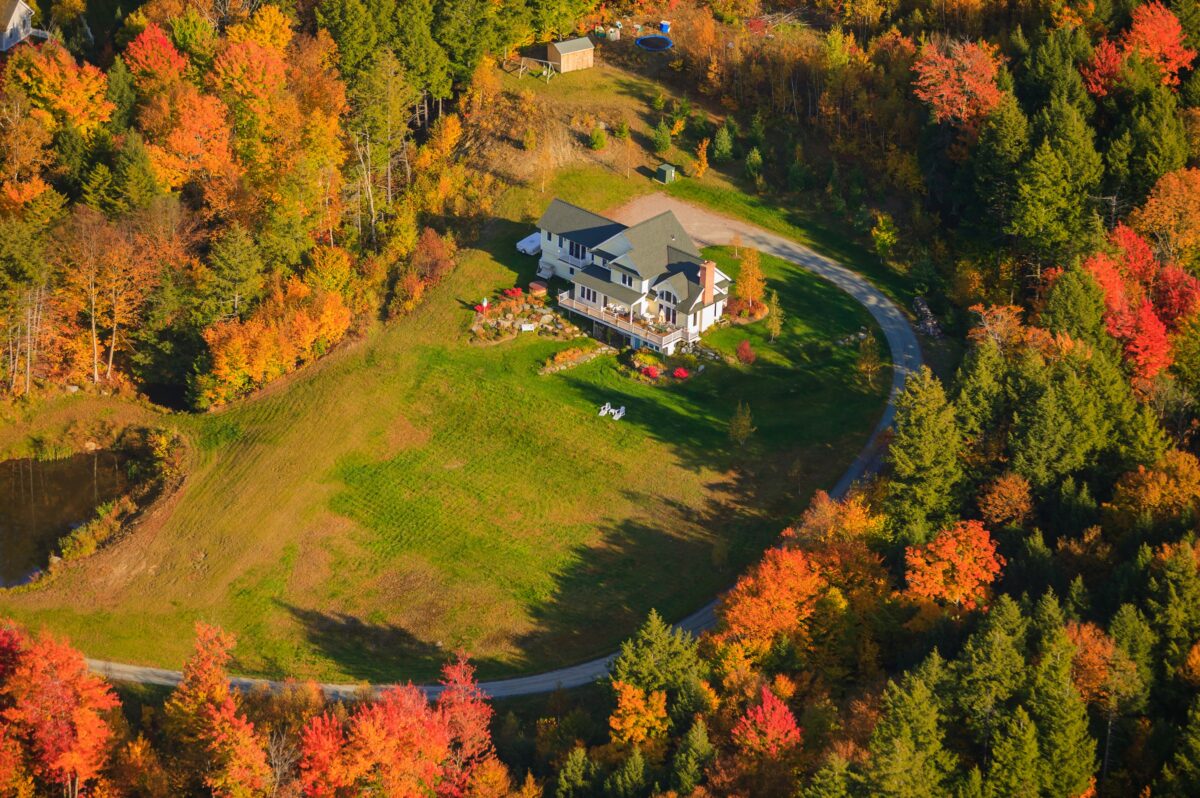
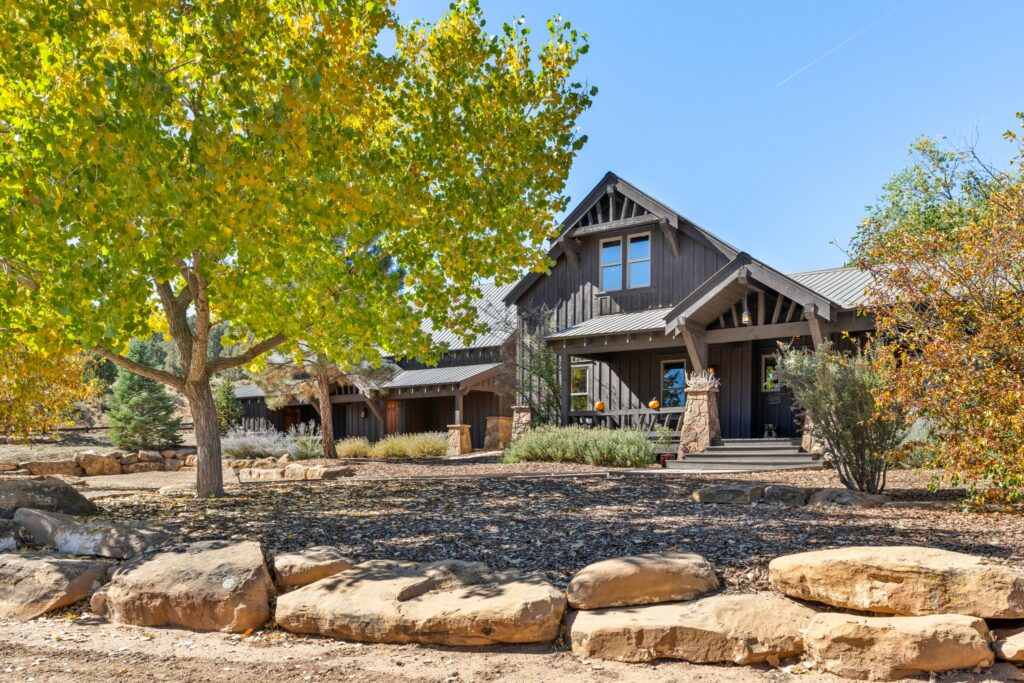
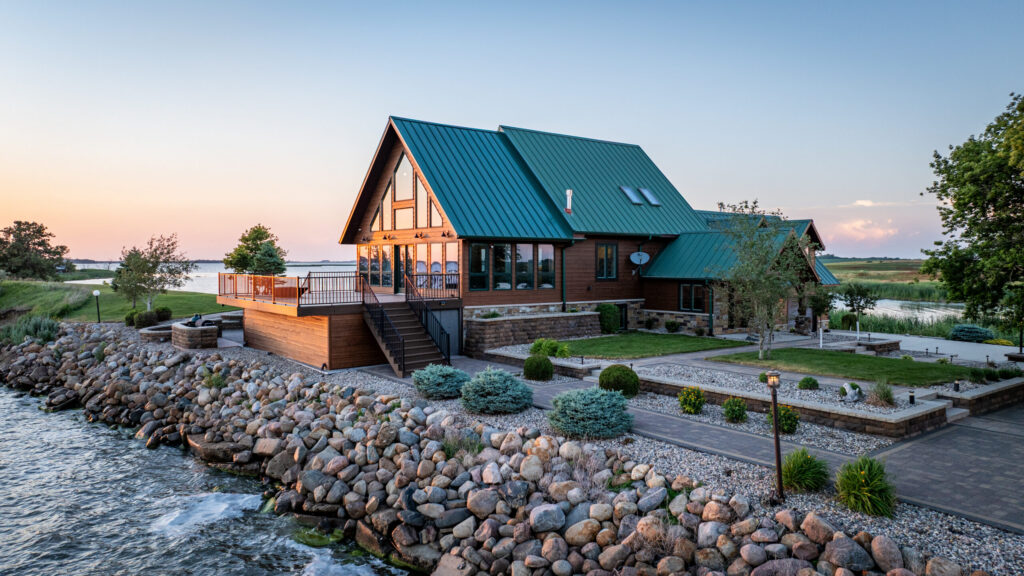
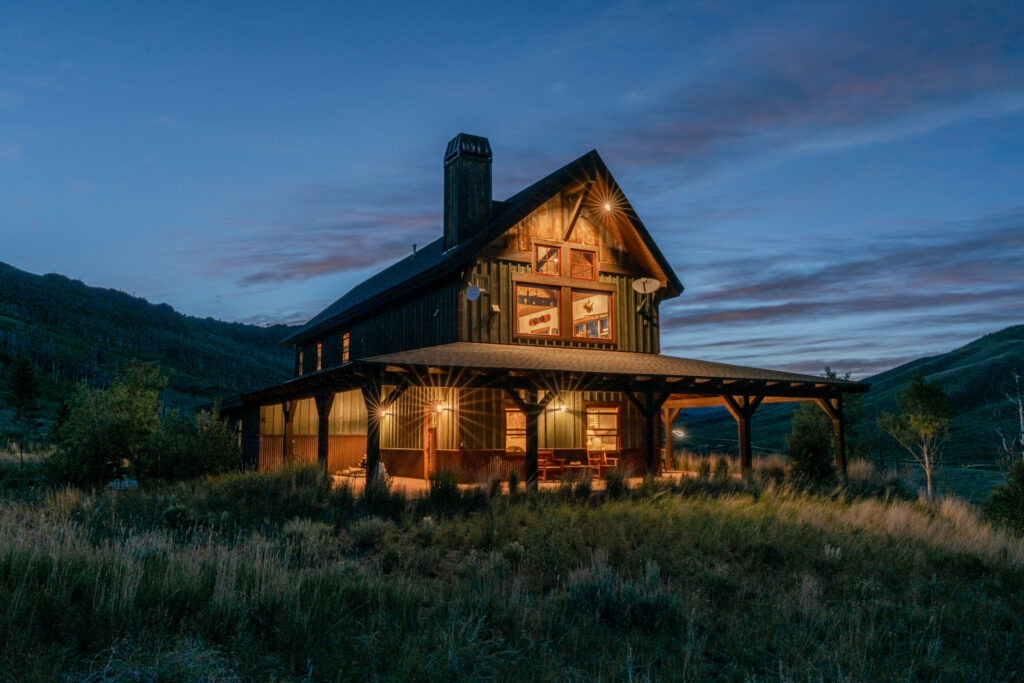
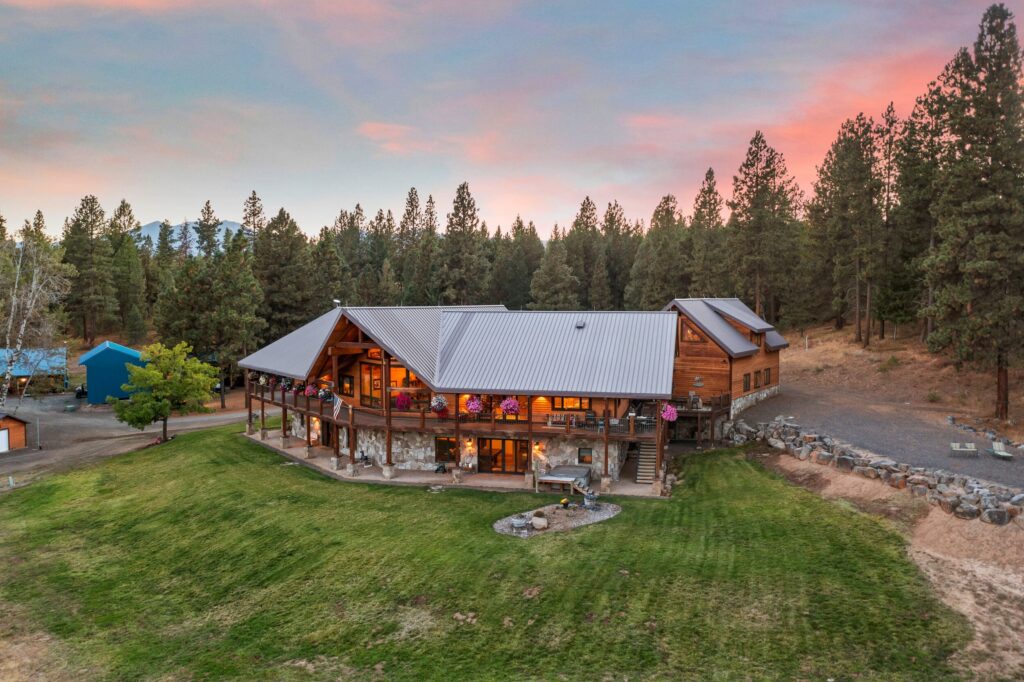
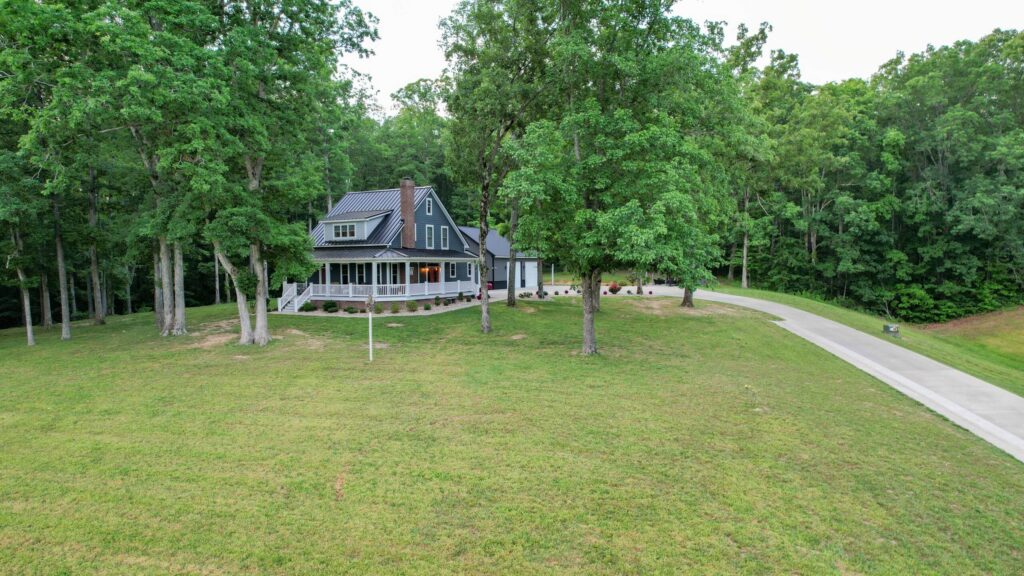
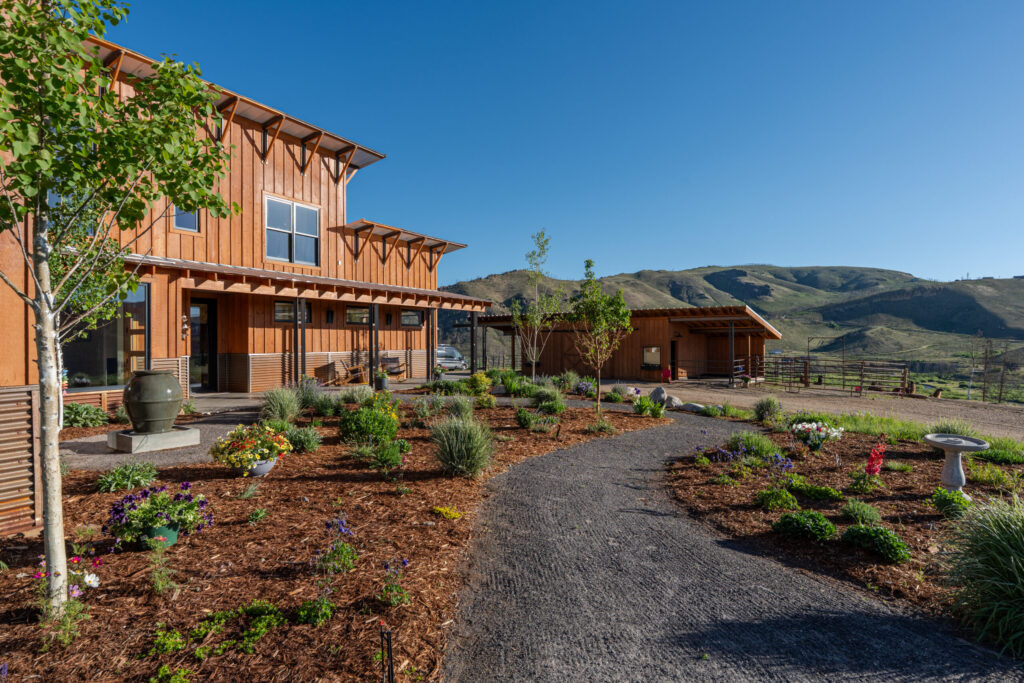
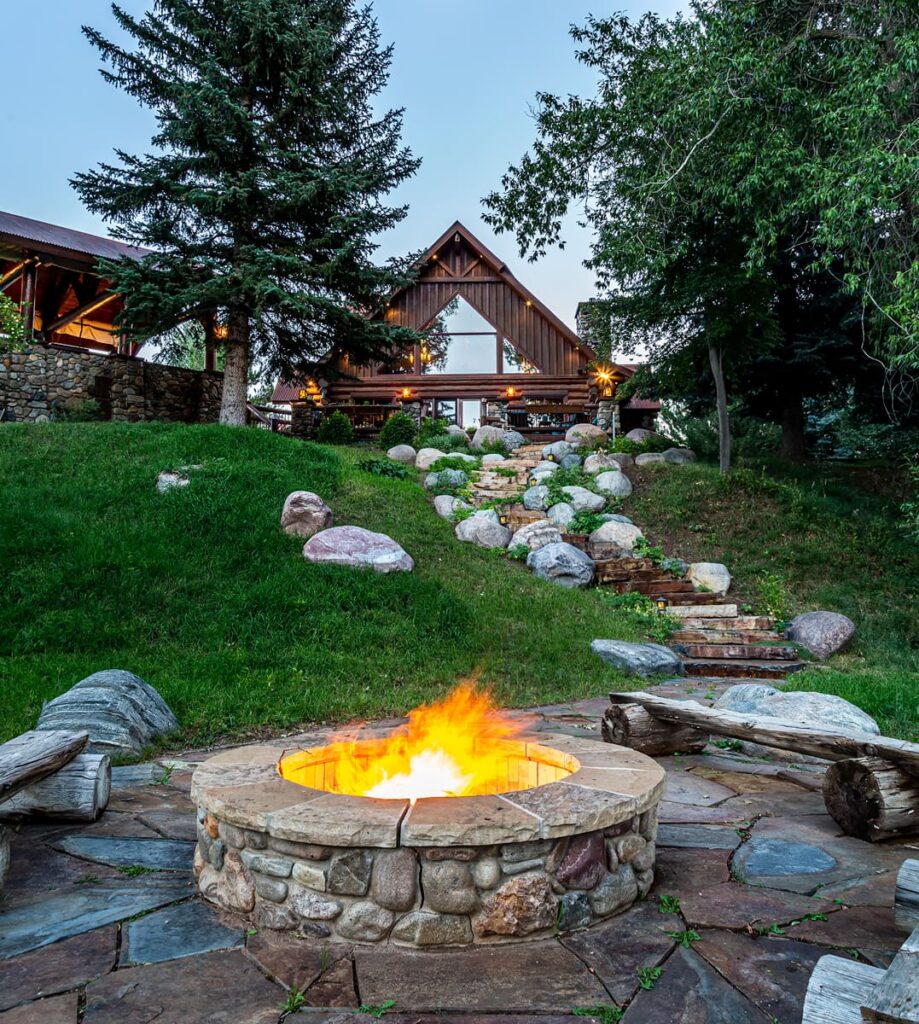
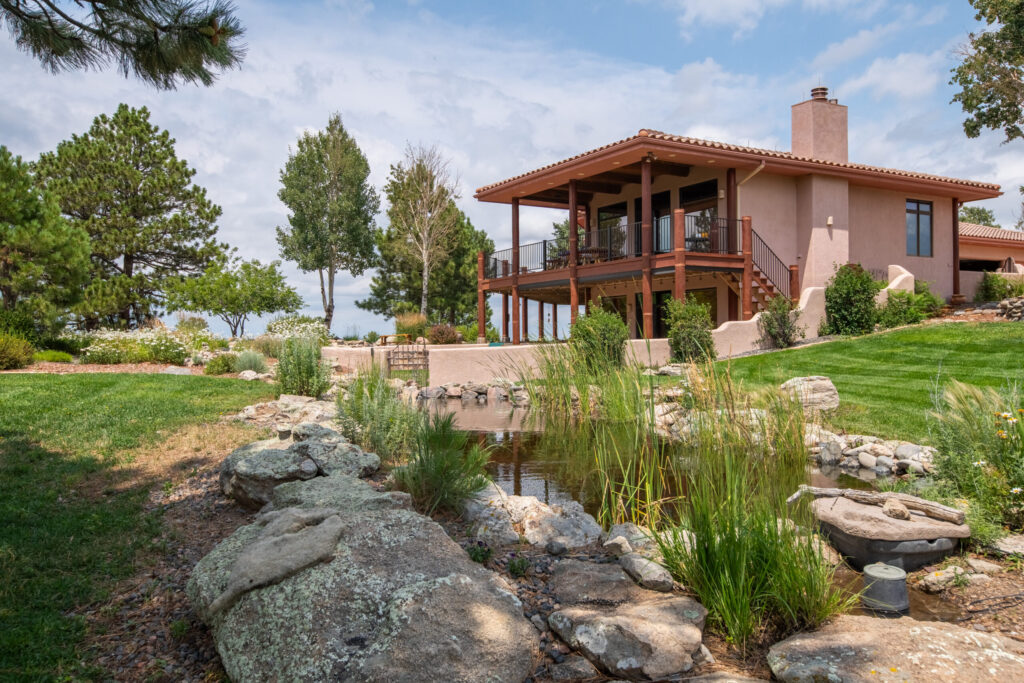
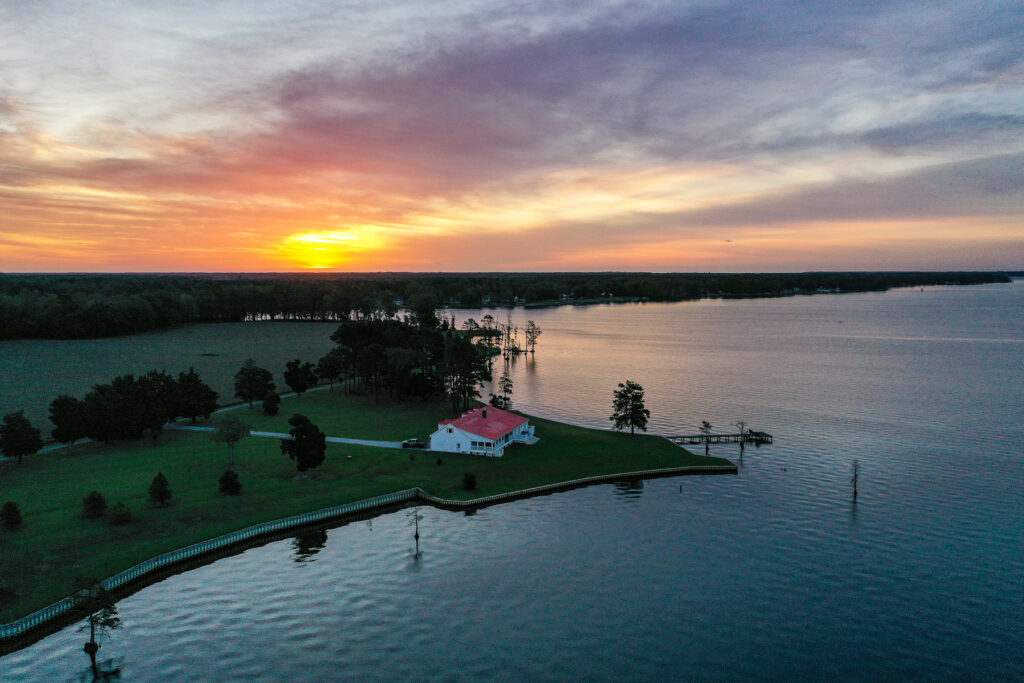
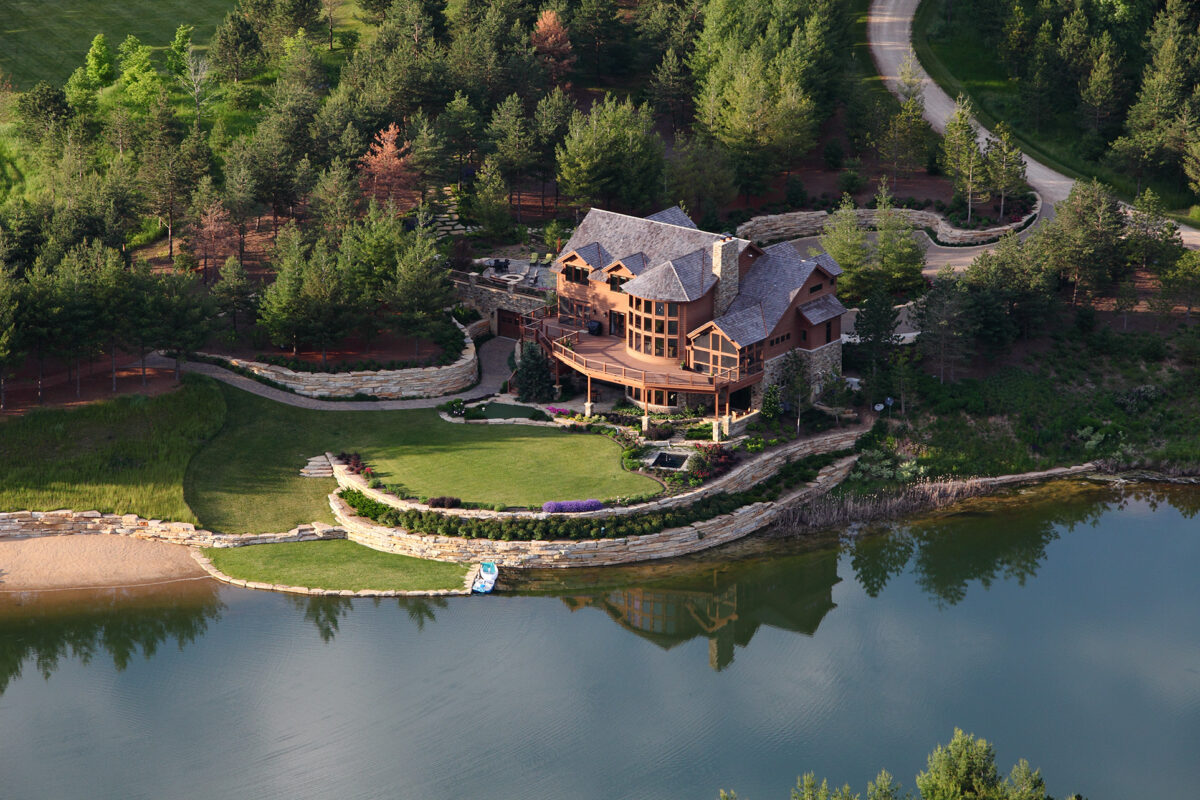
 When you work with a land brokerage, you’re not just hiring someone to list a property or send you listings. You are trusting a team with decisions that carry real weight: