
×

Sign in
Sign in to save favorite properties and equipment, save your search parameters and more
Don’t have an account yet? Sign Up Now
Sign up
Already have an account? Login Now


 866-741-8323
Sign in
Sign in to save favorite properties and equipment, save your search parameters and more
Don’t have an account yet? Sign Up Now
Sign up
Already have an account? Login Now
866-741-8323
Login
Sign in
Sign in to save favorite properties and equipment, save your search parameters and more
Don’t have an account yet? Sign Up Now
Sign up
Already have an account? Login Now
Sign in
Sign in to save favorite properties and equipment, save your search parameters and more
Don’t have an account yet? Sign Up Now
Sign up
Already have an account? Login Now
 Back to Blog
/
Land Ownership, Real Estate Market /
Back to Blog
/
Land Ownership, Real Estate Market /
Securing loans for buying land presents unique challenges that most traditional mortgage borrowers never face. Unlike financing a home with an existing structure, land loans require lenders to evaluate raw potential rather than established value. Whether you’re pursuing raw acreage for future development, unimproved land for agricultural use, or improved parcels ready for construction, understanding how to get a loan for land can mean the difference between securing your dream property and watching it slip away.
The land financing landscape offers diverse options for purchase—from conventional bank loans to USDA rural development programs. However, this variety comes with complexity. Each loan type carries distinct requirements, terms, and qualifications that directly impact your borrowing capacity and long-term costs of the purchase.
This guide breaks down everything you need to know about land loans, from understanding why these loans are harder to secure than traditional mortgages to navigating the hidden costs that catch unprepared buyers off guard. We’ve consulted with Adam Weber, VP at Outdoor Bank, to provide insider insights that go beyond surface-level advice found in typical land lending guides.
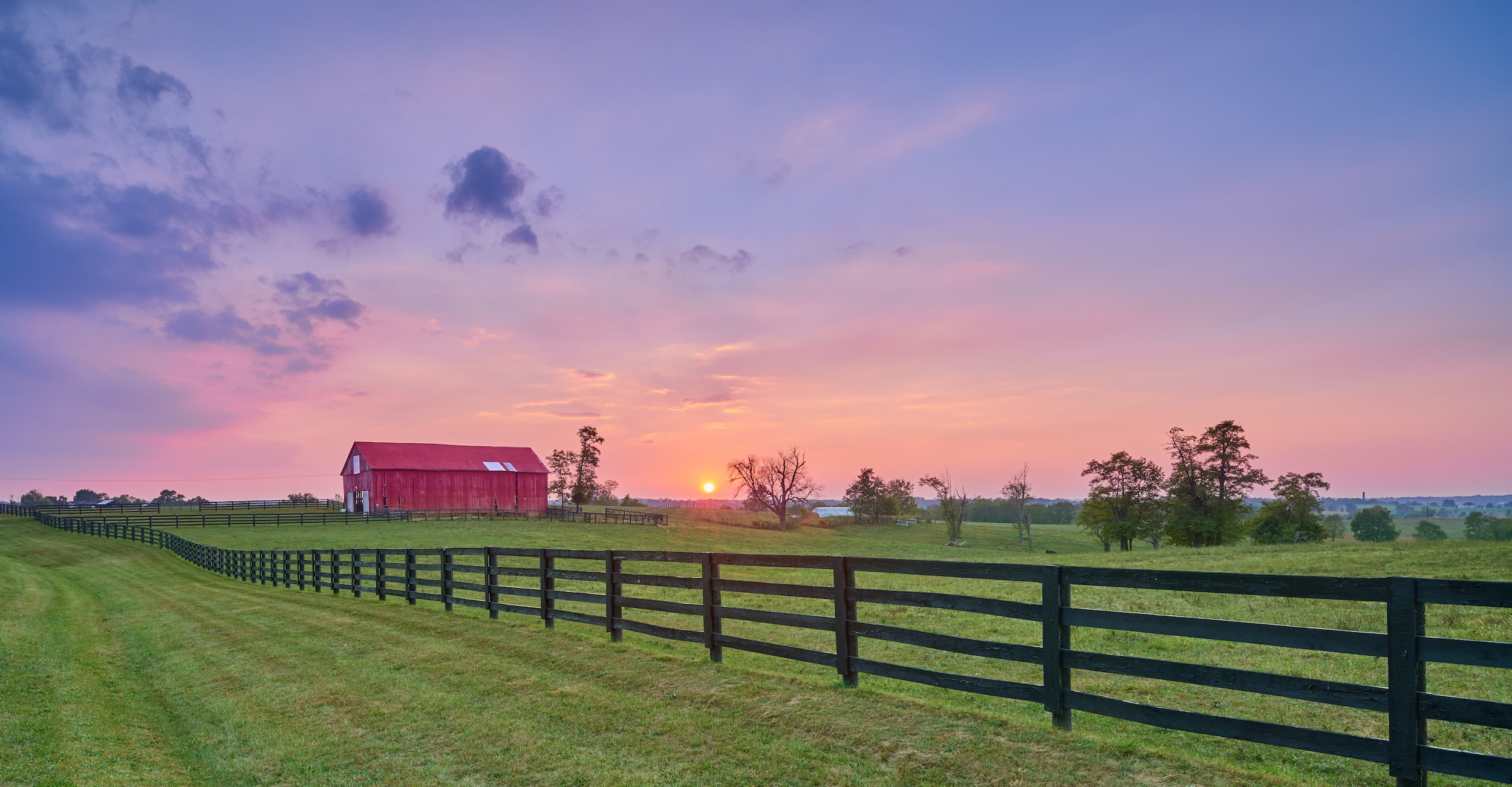
Getting a loan for land is significantly more challenging than securing a traditional home mortgage. Lenders view land loans as higher-risk investments because undeveloped property lacks the immediate collateral value of a finished home. If a borrower defaults, land resale markets are narrower, values are more volatile, and properties may sit unsold for extended periods.
Your financial background substantially impacts land loan qualifications and whether you’re approved to purchase. First-time land buyers typically face more scrutiny than experienced investors with proven track records of purchasing property. Lenders want to see that you understand development costs, zoning restrictions, and long-term holding expenses.
Self-employed borrowers encounter additional hurdles. While W-2 employees provide straightforward income verification through pay stubs, self-employed applicants must typically submit two years of tax returns, profit-and-loss statements, and additional documentation proving consistent cash flow.
Cash reserves play an equally critical role. Land loans demand larger down payments than conventional mortgages—typically 20-50% depending on land type and intended use. If you’re stretching to meet the down payment, lenders worry you’ll lack the financial cushion needed for unexpected costs.
How you plan to use the land fundamentally shapes your loan financing approval odds. Lenders view applications more favorably when borrowers present concrete, realistic development timelines. Purchasing land to build a primary residence within 12 months yields better terms than buying and taking out a loan for raw land for speculative investment with no immediate build plans.
Agricultural land loans carry their own considerations. Lenders want viable business plans demonstrating how the property will generate income. For working farmland or ranch land, you’ll need to show crop yields, livestock capacity, market conditions, and your management experience.
The physical characteristics of the land itself create approval challenges for land financing. Zoning classifications determine legal use, and lenders verify your intended use aligns with current zoning.
Accessibility matters significantly—land accessible year-round via maintained roads receives more favorable treatment than parcels reachable only by seasonal routes. Existing infrastructure dramatically impacts land loan terms as well. Improved land with utilities already extended to the property qualifies for better rates and higher loan-to-value ratios.
Unimproved land requiring significant infrastructure investment carries higher risk. Raw land with no infrastructure presents the highest risk and consequently faces the strictest lending standards.

The sticker shock of land financing extends far beyond the down payment. While many buyers mentally prepare for putting 20-50% down, the additional costs of securing and maintaining a land loan catch many off guard.
Land loan interest rates consistently run higher than traditional mortgage rates, and the gap widens based on land classification. Raw land typically carries rates 1.5-3 percentage points above conventional mortgage rates. Unimproved land falls in the middle range, usually 1-2 percentage points higher. Improved land commands the most favorable land financing terms, though still typically 0.5-1 percentage point higher than traditional mortgage rates.
Adam Weber, VP at Outdoor Bank, explains: “Every lender is a little different on closing cost. Unlike traditional consumer home loans, land lenders don’t have to legally provide a full fee disclosure prior to close on commercial and agricultural loans. It would always be advised for purchasers to ask their lender for a term sheet listing out their internal fees.
Internal lender fees are going to include an origination fee, appraisal fee, most likely a flood determination on the property if the property includes any structures that add value. All other fees would be documented on the purchaser statement provided by the title office. Those fees would include document prep fees, title fees for both the lenders policy and owner’s policy, proration of taxes if taxes are delinquent. If taxes are paid in full, then that creates a credit back to the seller.”
Origination fees typically range from 1-3% of the loan amount, meaning a $200,000 land loan could carry $2,000-$6,000 in origination costs alone.
When it comes to appraisals, Adam tells us, “I hate that I can’t give you a rough closing cost amount, but that is due to size of transaction directly impacting that. An appraisal on 10,000 acres might range anywhere from $5,000 to $25,000. Each state is different on how difficult it is to research data.
For example, the state of Wyoming is a nondisclosure state for appraisers, thus resulting in more leg work leading to substantially increased appraisal cost compared to, say, Kansas. The cost of the title insurance is also going to be dependent on the overall amount of the transaction and the loan the purchasers are taking out.”
For smaller parcels (under 50 acres), expect appraisals in the $1,500-$3,500 range. Mid-sized properties (50-500 acres) typically run $3,000-$8,000.
Before lenders approve land financing, they require extensive property evaluations that buyers must fund:
After closing, expenses continue: annual property taxes, liability insurance ($300-$1,000 annually), maintenance costs ($500-$3,000 annually), and ongoing interest payments during the holding period.
As you’re navigating the process of how to get a loan for land, build a comprehensive budget including all due diligence, closing, and first-year holding costs. Add a 15-20% contingency for unexpected expenses.
Request detailed fee breakdowns early in the lending process. Shop for third-party services—price variations can be substantial. The real cost of land financing often runs 30-50% higher than buyers initially expect.

Land loan applications fail for preventable reasons more often than borrowers realize. Learning from common mistakes helps you avoid delays, rejections, and the frustration of watching your dream property sell to a better-prepared buyer who was able to secure the necessary land financing.
1. The Down Payment Reality Check
Insufficient down payment funds represent the most common land loan rejection reason. Weber observes:
“Traditionally, on land or real estate purchases we don’t often have to come back informing the customer that they can’t afford the land purchase. On smaller asset purchases, that is a common occurrence, but with real estate purchases typically the borrower has already done the math on their budget.
I would say the biggest reason for denial on land financing deals would be down money. Again, each lender will be different on whether or not they want hard cash down or if they are ok with the borrowers pledging outside assets for additional collateral.”
Many buyers assume they can leverage low down payment strategies from residential mortgages, only to discover land loans require 20-50% down. Some lenders accept alternative collateral—pledging other real estate with substantial equity, investment accounts, or business assets—but this isn’t universal.
2. Incomplete Or Inconsistent Documentation
Land loans require extensive documentation. Common gaps include missing income verification (particularly for self-employed borrowers), undocumented down payment sources, vague land use plans, and missing property documentation like title reports and surveys.
3. Misunderstanding Lender Relationship Expectations
Weber tells us, “Approval rates will vary on the stickiness of the relationship and history. Lending institutions want to bank customers as a whole. If I am going to lend someone $5M, I would like to have more or all of their business.
We push technology hard so that you can bank anywhere across the county from your phone. A lot of loan approval is also based off location of the asset being purchased. It’s a lot easier to finance someone from 4 states away if they’re buying real estate somewhat near the lender vs. out of the area.”
Banking relationships significantly impact approval rates and terms for land loans. First-time borrowers with no other banking relationship receive less favorable consideration than established customers.
4. Agricultural Loan Special Considerations
Weber notes: “Approval rates on true AG loans are very dependent on the market and what the purchasers operation looks like.”
Agricultural lenders evaluate your farming or ranching operation as a business. First-time farmers with no agricultural background face significant skepticism when trying to secure a loan for land purchase, particularly for large operations requiring substantial financing.

Before we can dive into the different types of land loans and land financing, it’s critical that we break down the different categories of land you can get a loan for: raw vs unimproved vs improved.
For each of these types of loans for buying land, we’ll break down: requirements, terms, and qualifications.
Conventional lenders offer the most common financing path for land purchases. Most large national banks avoid raw land financing entirely. Regional banks and credit unions occasionally offer raw land loans with 40-50% down payments, shorter terms (10-15 years), and rates 2-3 percentage points above conventional mortgages.
Unimproved land finds broader acceptance, with 30-40% down payment requirements and 15-20 year terms. Improved land receives the most favorable treatment: 20-30% down, 20-30 year terms, and rates just 0.5-1.5 percentage points above residential mortgages.
USDA offers land financing through its Construction-to-Permanent loan program, allowing qualified buyers to finance both land purchase and home construction in a single loan. You must intend to build a primary residence, with construction commencing within 12 months. The property must be in an eligible rural area (communities of 35,000 people or less). Income limits apply, excluding higher-income borrowers.
The most attractive feature of this type of land loan is zero down payment financing for qualified borrowers looking to purchase land. However, you’ll face mortgage insurance costs offsetting some zero-down advantages.
VA does not offer standalone land-only loans. Any VA financing must be part of a purchase-or-construction transaction with immediate build plans. The VA requires improved land with utilities, access, and readiness for immediate construction. Raw or significantly unimproved land doesn’t qualify for this type of land purchase loan.
Agricultural land loans serve buyers looking to purchase working farmland, ranches, or properties intended for agricultural production. Farm Credit associations and the USDA Farm Service Agency (FSA) specialize in these loans. They evaluate your business plan, production capacity, market conditions, and operational experience.
Commercial land loans finance properties intended for business use. The SBA 504 program provides favorable land financing for qualified small businesses purchasing real estate for business operations. These loans require that at least 51% of the property purchase be owner-occupied for business purposes.
If you own a home with substantial equity, tapping that equity provides an alternative path to land financing. This works well for smaller land purchases and eliminates pressure to prove immediate construction plans. However, you’re pledging your home as collateral, meaning default could cost you your primary residence.
In seller financing, you negotiate purchase and loan terms directly with the seller—down payment, interest rate, payment schedule, and duration. You make monthly payments to the seller, who retains a lien until you’ve paid in full.
Pros: Faster closing, more flexible lending terms, potential for lower closing costs, and access to financing for properties that might not qualify for traditional loans.
Cons: Typically higher interest rates, shorter loan terms (often 5-10 years with balloon payments), larger down payments (30-50%), and limited consumer protections.

Balloon payments represent one of the most misunderstood elements of land financing and land purchase. Many land loans feature balloon structures where you make regular payments for a set period, then owe the entire remaining balance in one lump sum.
Weber explains: “The way most balloon payments work would be as follows: Loan payment is a monthly payment for 35 months of (X) and one final payment of (Y). The monthly payment is going to be reflective of a 20 year payment. At renewal, the lender will take the remaining principal balance of the loan and amortize that over 17 years, continuing that 20 year amortization.”
Refinancing Strategies When Balloon Comes Due
Most borrowers looking to get a loan for land purchase handle balloon payments through refinancing. Start refinancing discussions 6-12 months before balloon due dates. Maintain strong credit throughout the loan term. Improve property value through infrastructure improvements. Build banking relationships.
Weber notes: “Traditionally, unless there has been poor payment history or other derogatory events going into the balloon payment, the lender will renew the loan based on the remainder of the amortization schedule.
Borrowers can be proactive in communicating with their land lender making sure there is no surprises on renewal. Lenders will also reprice loans at this time to adjust to current market conditions.”

Zero-down payment land financing exists through specific government programs, though accessing these options requires understanding their strict requirements. Zero down payment doesn’t mean zero qualification requirements for the land purchase loan—these programs often impose stricter standards than conventional financing.
USDA Zero-Down Options – USDA provides the most accessible zero-down payment path for land financing, but you must buy land and build a home simultaneously, with construction commencing within 12 months. The property must be in USDA-eligible rural areas. Income limits apply, typically capping at $90,000-$120,000 for four-person households.
VA Zero-Down Options – VA offers qualified veterans zero-down financing, but requires improved land with immediate construction plans. The immediate construction requirement is more stringent than the USDA’s timeline, and it’s limited to military veterans and active-duty service members.
Down Payment Assistance Programs – Many states, counties, and municipalities offer down payment assistance programs, though most target residential home purchases and not land purchase. Start research at your state housing finance agency website. Each state maintains different resources.
Local vs National Lenders – Weber explains: “Local lenders are typically going to be a little more flexible with land financing. Your large national lenders or your government program lenders are going to have hundreds of checkboxes, and you either check the box or you don’t, and there’s no grey area.
Now, if you’re willing to do the paperwork and your land purchase qualifies, a lot of the government programs do offer beneficial rates and fixed longer terms.” Local lenders understand area land markets and can approve exceptions for strong borrowers who don’t fit standardized criteria. For borrowers seeking minimal-down financing when looking for a loan for land purchase, local lenders provide far better success odds.

The difference between a smooth land loan approval and a frustrating rejection often comes down to preparation on acquiring your loan for land purchase. Most land loan applications stall not because borrowers lack qualifications, but because they’re missing critical documentation or haven’t completed essential pre-application steps for financing their land.
Unlike residential mortgages with standardized checklists, land loans require property-specific documentation that varies based on land type, intended use, and development plans.
This comprehensive land financing checklist breaks the land loan process into four distinct phases, each with specific documentation requirements and expert consultations. Following this structured loan acquisition approach prevents last-minute scrambling, reduces closing delays, and strengthens your negotiating position with sellers who prioritize prepared land buyers over those still gathering basic paperwork when trying to purchase property.
A critical distinction most online checklists miss: pre-qualification documents differ significantly from full application requirements. Confusing these phases wastes time and creates false confidence when you’re not actually ready to make competitive offers. We’ve separated pre-shopping preparation from actual property-specific documentation so you know exactly what you need at each stage of land financing.
Phase 1 – Pre-Shopping (Before you even look at land):
Experts You’ll Need: Financial advisor or accountant to review tax returns and financial positioning.
Phase 2 – Pre-Qualification:
Experts You’ll Need: Real estate agent specializing in land sales, preliminary lender consultations. The land agents at Hayden are here to help with this.
Phase 3 – Full Land Loan Application (After finding property):
Experts You’ll Need: Real estate attorney, land surveyor, environmental consultant, insurance agent, builder/contractor if constructing.
Phase 4 – Closing:
Experts You’ll Need: Real estate attorney, title company representative, insurance agent.


Navigating land financing requires expertise across multiple disciplines—real estate, lending, legal, environmental, and construction. At Hayden Outdoors, we’ve built relationships with specialists who understand the unique challenges of loans for buying land and can guide you through every step of the process.
Our partnership with Outdoor Bank connects you with lenders who specialize in land financing and understand the complexities that conventional mortgage lenders often miss. Whether you’re purchasing raw acreage for future development, improved land ready for construction, or working farmland for agricultural operations, we can connect you with financing solutions tailored to your specific needs.
Ready to start your land purchase journey? Visit our current land listings to explore available properties, or contact us to discuss your financing options when it comes to loans for buying land. We’ll help you navigate the land loan process with confidence, ensuring you secure both your dream property and the financing to make it yours.