Bobby Norris Team Joins Hayden Outdoors in Fort Worth
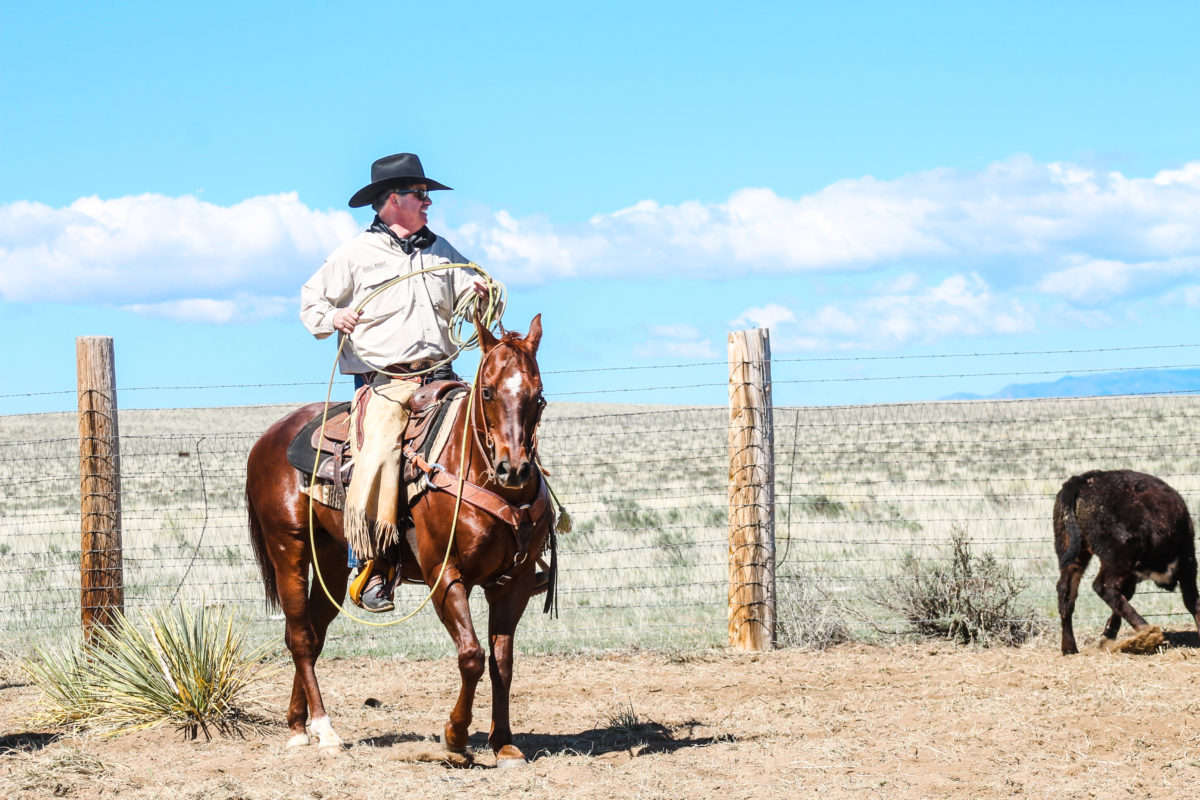
Rancher, horseman and real estate broker Bobby Norris recently made a move in the real estate industry, and the deal should send a ripple through the Texas ranch broker industry.
Bobby Norris and his team of agents in Fort Worth, Texas have partnered with the Hayden Outdoors Real Estate brokerage to help serve Texas and bring land, game ranches, livestock and working horse knowledge to accompany the firm’s already growing Lone Star team.
The move involves all of Norris’ team to switch brands to Hayden Outdoors, but the land specialists won’t miss a beat with real estate service and will increase exposure in Fort Worth, Dallas and Texas as a whole. Norris was most impressed with the marketing and advertising plan of the Colorado-based firm.
“The Hayden Outdoors marketing plan is second to none and recognizing this in past transactions made this move eminent. Their level of cutting-edge marketing is not done in Texas, and we are thrilled to join their team and serve our landowners with an incredible amount of real estate exposure. It’s light years ahead of the Texas land market.”
Dax Hayden, Managing Partner at Hayden Outdoors, knew this would supplement their footprint in Texas, the largest ranch market in the US. “Bobby and I see eye to eye on branding, knowledge and delivering landowners REAL marketing. After we agreed that this was a mutually beneficial, we were “all-in” on bringing their firm into our family. We’re just really excited to have their team join ours!”
Hayden Outdoors jumped into the niche marketing that Bobby Norris had experience with, and in a couple weeks they’ve launched multiple partnerships in the Cutting and Reining Horse industry. “The NCHA Futurity and World Finals Sponsorship made complete sense to me and with their promotion on the hit series Yellowstone, all parties are sure to benefit from the timing of this launch. Other Texas working horse and livestock events will surely fall in our marketing and event calendar. Having an experienced team of land brokers in this industry is key to serving landowners selling specialty properties,” said Dan Brunk, Director of Marketing for Hayden Outdoors.
Bobby Norris bring over a dozen qualified agents and brokers to the Hayden Outdoors team, specializing in equestrian facilities, game ranches, cattle ranches, luxury estates, rural ranchettes, and recreational properties in Texas. Ricky Gohmert will continue to hold the Managing Broker status in the State of Texas for Hayden Outdoors.
Bobby Norris Team Joining Hayden Outdoors:
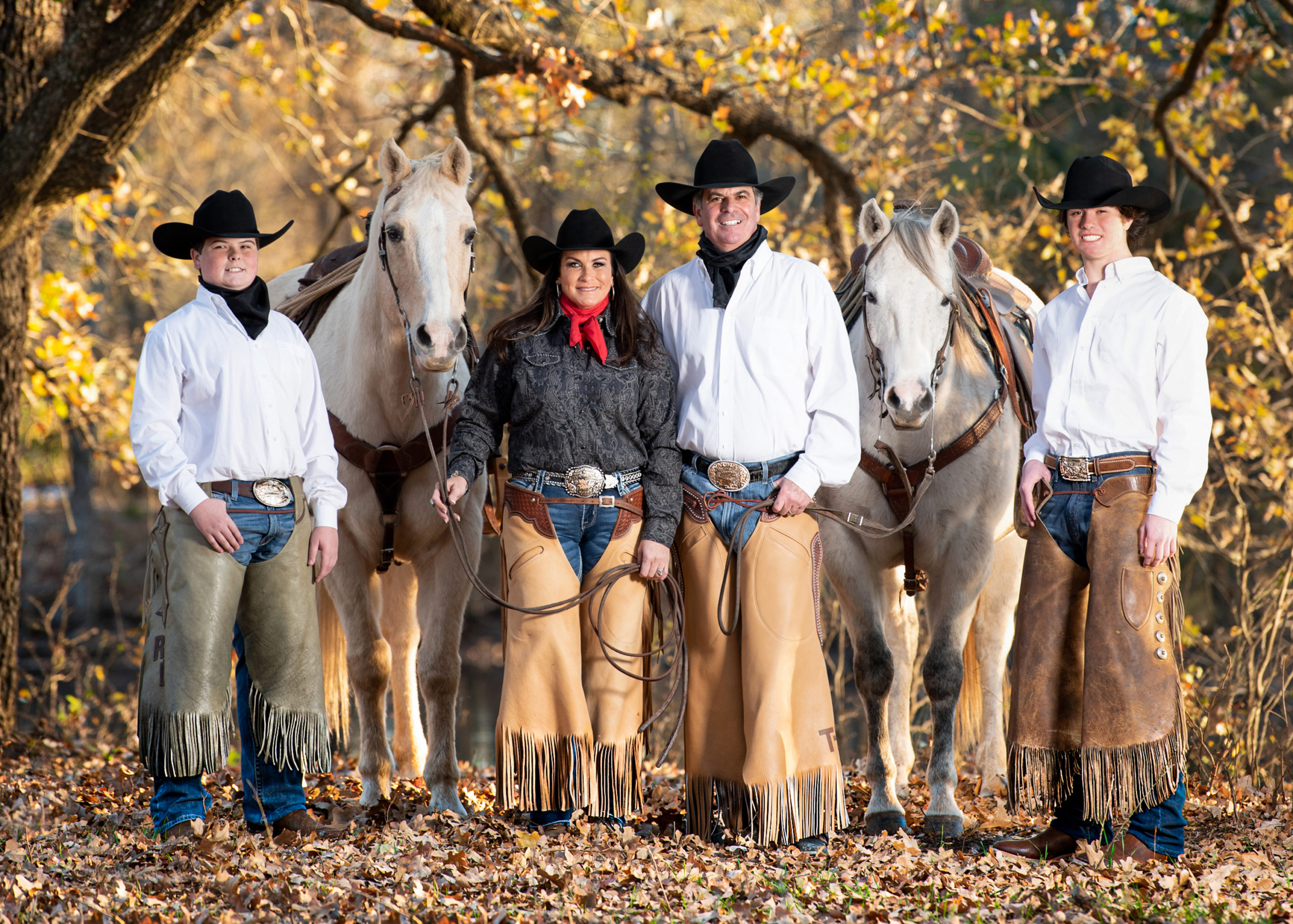
Pictured Below:
Bobby and JJ Norris with sons Rhett (14) and Gates (17)
Your Guide to 1031 Exchanges: Upgrade to a Tax-Deferred “Replacement Property”
Article by:
Steve Chacon
First American Exchange Company
(303) 876-1161
schacon@firstam.com
As a large property owner or real estate investor, you might be familiar with 1031 exchanges. As a newcomer to investing, or as someone who is preparing to sell a long-held piece of real estate, you might not be. Either way, it’s important to understand the opportunities a 1031 exchange can offer you during your next real estate transaction, and you should consider taking action quickly. President Biden’s new tax proposal dissolves the possibility of deferring taxes on property gains over $500,000.
First, what exactly is a 1031 exchange?
Simply, it’s a process that allows you to sell an investment property (the key word here being investment) and then roll the proceeds into the purchase of a new investment property, preferably of equal or greater value, to defer all capital gains taxes.
Am I eligible for a 1031 exchange?
If you plan to take advantage of a 1031 exchange, it’s important to understand which types of properties and transactions are eligible. Your property must be an investment property; 1031 exchanges do not apply to primary personal residences. Investment properties are real estate purchases used to generate profit, such as office buildings, ranches, farms or rentals. If you’re looking to fully defer the tax ramifications of the sale, you’ll need to roll the money into the sale of a property that is of equal or greater value than the one you’re selling. This isn’t a requirement, but using the money to purchase property that costs less than the original will leave some tax exposure.
How do I accomplish a 1031 exchange?
There are specific steps you must take in order to take full advantage of the 1031 exchange tax deferment and it’s important to note that timing is paramount.
- Sell your property. This obvious first step starts the snowball process of rolling the money into a new investment property.
- Identify a qualified intermediary (QI), or middleman. While you don’t have to use a QI for the sale, the IRS does require some sort of exchange facilitator. A QI will have experience in this type of transaction, and will help ensure it is done properly. QIs typically charge between $800 – $1500 for this service.
- Find up to three new properties. Again, timing is key here. Upon the sale of your property, you’ll have a 45-day window to identify up to three “like-kind” new properties.
- Close on a new property. You will have 180 calendar days from the sale of the original property until you close on the purchase of the new or replacement property. Look to your QI to help manage this timeline.
Most importantly, don’t wait! Contact your real estate professional today to learn more about possible 1031 exchange opportunities. It might be the perfect time to invest in the ranch, farm or hunting property of your dreams.
Covenants: Good or Bad for My Property’s Value?

With rural properties – restrictive covenants needn’t be a dealbreaker as covenants can help maintain a property’s value.
During the course of a property search, land buyers – particularly those looking at acreage that’s been subdivided – will almost certainly encounter the concept of restrictive covenants.
Covenants, Conditions and Restrictions
CCRs – for short, are usage requirements (and limitations) placed on a property by a subdivider or developer. Layered atop any municipal zoning regulations, these rules further govern what a property owner can and can’t do with the property. Created to protect property values and owners’ abilities to enjoy their properties, covenants might prohibit certain activities, or set standards for home construction or other improvements.
Understandably, many buyers bristle at the concept of being told how a property can or can’t be used after it’s purchased. Experiences with suburban CCRs might only add to a buyer’s hesitation. In some in-town locales, covenants can be both stringent and wide-ranging; they might require vehicles to be garaged at all times, or have strictly enforced rules regarding yard-maintenance standards, or even the color palette available to a homeowner when painting a house. For many buyers, the concept of purchasing land carries with it a sense of individualism; an overabundance of rules and regulations in the form of covenants can tend to erase a buyer’s enthusiasm.
Are Covenants Still Relevant if I Live in The Countryside?
When it comes to purchasing rural property, though, covenants needn’t be a dealbreaker. Specific provisions can vary greatly, of course, but, in general, covenants applied to rural properties don’t tend to be as restrictive as CCRs one might encounter in a suburban neighborhood. Developers subdividing rural acreage tend to write covenants with the realities of “country” life in mind; they know that rural landowners use their properties in a variety of ways – keeping horses or other livestock, growing crops, constructing various types of outbuildings – and that marketability of land will depend heavily on preserving a buyer’s rights and options.
 As a result, covenants on a rural parcel might amount to little more than a short set of regulations that could easily align with a buyer’s intentions. It’s common to find prohibitions on manufactured homes, hog farms, and commercial marijuana cultivation (in locations where it’s otherwise legal at the state level). Often, rural covenants will specify that campers can be used only for short-term recreational purposes, and not as permanent residences. There might be minimum square footage requirements for homes, and home exteriors may need to fall within a broad color category, such as “earth tone.” Properties that are genuinely in ranch country – rather than in exurban locations – will generally have horse/livestock-friendly covenants, and accommodate numerous types of outbuildings.
 Covenants will generally include language prohibiting “nuisances”, but might not specifically define what constitutes a nuisance. This leaves the premise open to interpretation, and brings common sense into play. If an activity – an afternoon of target shooting, a bonfire, fireworks – infringes on your neighbors’ enjoyment of their property, including their peace and quiet, it could be defined as a nuisance and become the subject of a complaint to an owners’ association. For many buyers, though, that open-ended “no nuisances” language is a positive, helping set expectations for community norms before property purchases are made.
Are Some Nuisance Neighbors Good for Our Ag Economy?
By contrast, properties without covenants – and bordering other properties without covenants – offer much more freedom to prospective buyers; usage limitations are largely limited to local zoning regulations. However, that freedom comes with obvious risks, particularly when it comes to neighbors’ potential behaviors and their standards for property maintenance. If a neighbor engages in “nuisance” behavior – collecting junked vehicles, erecting shoddy outbuildings, engaging in loud or even dangerous activities – even the most independently minded landowner may suddenly adopt an appreciation for the concept of covenants.
Corporate Funding To Grow Organic Farm Production
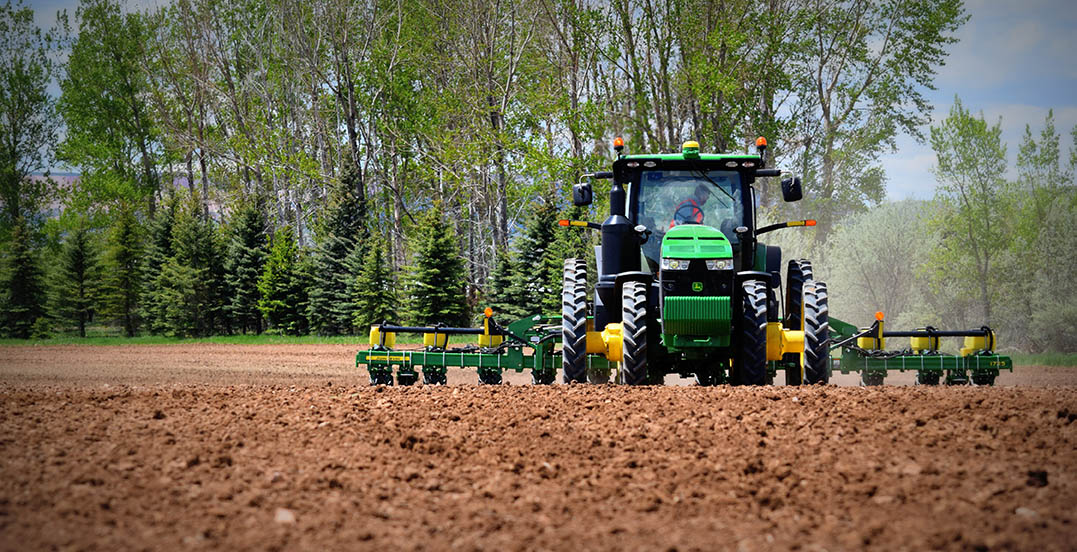
American Farmers are the most intelligent and innovative in the world. It is inspiring to me to see the advances in Agriculture in general. I look forward to the next 20 years of better production, better management and just generally producers thinking outside of the “box”.
Today’s tough commodities prices and increasing regulations has made it very tough on all farming operations. The best producers are actively looking for ways to maintain income with increased production, reduced costs and in some instances specialty crops and markets. Organic demand is very high and the ability of farmers to tap into organic profits is increasing. The certification of land and overall process to gain organic classification on ground has been a barrier to the amount of acres in organic production. New technologies with seed and operations have allowed the good organic producers to make sense of all of the “red tape” required to gain organic designation on lands. Increased yields with excellent demands for many specialty crops will allow producers to profit. With these possibilities come a good amount of risk. This is why excellent management is so critical in limiting risk and achieving better profits.
Recently an article was published on corporate funding of organic farms by well-known businesses that see a huge need for more organic farming. They go so far as to lend organic farmers funds to increase the volume and acreage of their organic farms. Read it in its entirety here.
I am confident in our producers nationwide learning the skills necessary to meet the demand of the general public with regards to organic and other specialty products. Please read the article below and see our website www.haydenoutdoors.com for organic farms for sale and land for sale in general!
Thanks!
Dax Hayden
Hayden Outdoors, LLC, Managing Partner
Landleader, LLC. National Director.
https://www.ecowatch.com/costco-lends-money-to-farmer-to-buy-more-land-to-meet-growing-demand-f-1891114277.html


 866-741-8323