
×

Sign in
Sign in to save favorite properties and equipment, save your search parameters and more
Don’t have an account yet? Sign Up Now
Sign up
Already have an account? Login Now


 866-741-8323
Sign in
Sign in to save favorite properties and equipment, save your search parameters and more
Don’t have an account yet? Sign Up Now
Sign up
Already have an account? Login Now
866-741-8323
Login
Sign in
Sign in to save favorite properties and equipment, save your search parameters and more
Don’t have an account yet? Sign Up Now
Sign up
Already have an account? Login Now
Sign in
Sign in to save favorite properties and equipment, save your search parameters and more
Don’t have an account yet? Sign Up Now
Sign up
Already have an account? Login Now
 Back to Blog
/
Equipment, Land Ownership /
Back to Blog
/
Equipment, Land Ownership /
If you searched for the average cost of fence materials and installation hoping for one clean number, you’ve probably noticed a problem. Most guides price out a 150-foot backyard, not a quarter mile of a farm property, a full section of a ranch, or a boundary line running through timber and across a creek.
This guide is built for that larger acreage property instead. At Hayden Outdoors, our expertise is the world of farm and ranchland, and one thing we see is that fencing costs are one of the harder numbers for buyers and landowners to pin down, simply because most fence cost and installation guides weren’t written with acreage in mind.
Whether you call your land a farm or a ranch, the fence cost questions are largely the same: how much fence you need, what type fits your livestock, crop, and terrain, and what you should realistically expect to pay.
There’s no single correct cost or price point for fence materials and installation, especially when it comes to the world of large acreage. There’s a range, and where you land in it depends on decisions we’ll cover section-by-section throughout this guide.

Whether we’re talking about a farm, ranch, or a recreational property, the cost of rural fence installation isn’t based on one variable. It’s several stacked together: total footage, terrain, fence type/material, livestock species, gate count, water crossings, and how far a fencing contractor has to haul materials and equipment to reach you.
Two neighboring 40-acre parcels can have different fence installation costs even with the exact same fence type. One plot of land may have a flat, cleared perimeter. The other may have a creek crossing, a stand of timber, and a steep pitch along one boundary line, which can easily increase the overall cost of fencing materials and installation.
A farm or ranch fencing quote built without those details is really a cost average, not a price for your land. Throughout the rest of this guide, we’ll walk through the factors worth getting some clarity on before you call a fencing contractor, so the cost estimate that comes back is closer to your reality than to a national average figure.
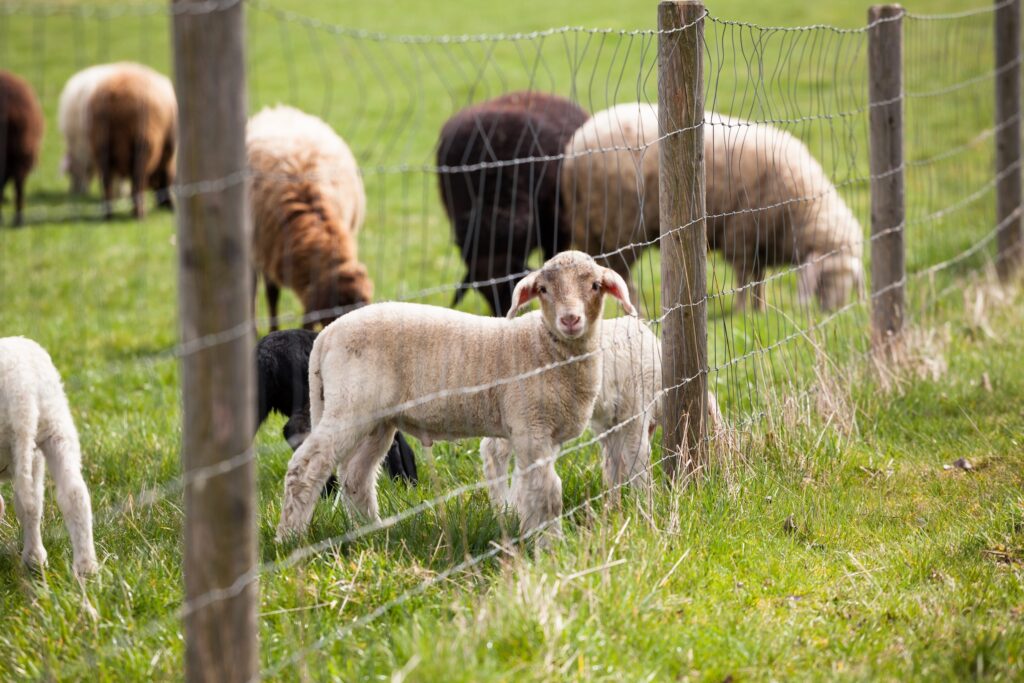
Farm and ranch properties don’t fence the same way a suburban lot does, and the layout itself changes the fence installation cost equation quite a bit. These are the factors that can impact that average price point:
The bigger the parcel your farm or ranch sits on, the more linear footage you’re fencing, which is one of the key drivers of increased average fence installation cost on any acreage project. But the relationship isn’t purely linear.
A square-shaped 40 acres has a shorter perimeter, and therefore a lower total fence installation cost, than a narrow or elongated 40 acres with the same square footage. Irregularly shaped parcels, with jogs, indentations, or boundaries that follow a creek or road rather than a straight line, also tend to run longer perimeters than a compact, evenly proportioned parcel of the same acreage, though the exact difference depends on the specific shape.
Many working properties need internal fence lines to separate pastures, support rotational grazing, or keep livestock groups apart. This can add more total linear footage than the perimeter itself, thus driving up the cost of fence installation and materials. It’s a step first-time acreage buyers sometimes underestimate when they mentally calculate fence installation cost from the perimeter number alone.
If rotational grazing or multiple livestock groups are part of your plan, your real cost of fence installation should include this interior footage from the start.
Fencing near barns, corrals, working pens, or a homestead often calls for different materials, tighter spacing, or more finish work than a remote perimeter run. This can shift the fence installation cost per foot in either direction depending on exactly what you’re building and where.
Rolling ground, exposed rock, dense tree cover, and limited road access all raise fence installation cost by adding labor time, and sometimes by requiring specialized equipment just to reach the work site.
Creeks, ponds, seasonal washes, and wooded draws don’t have to stop a fence line, but they can add complexity to it. Planning for these upfront, rather than discovering them mid-project, keeps your fence installation cost estimate closer to what you were expecting to pay.
Depending on your specific property, some of these fence pricing factors will matter far more than others, which is why a fair, accurate fencing installation cost for your farm or ranch depends on which of these elements actually apply to your land.
This is also where a generic average fence cost figure tends to fall apart for farmers and ranchers. An average calculated from thousands of residential yards doesn’t carry information about perimeter shape, cross-fencing needs, or terrain, because those variables don’t always exist in the same way in a typical suburban neighborhood. Your fence installation cost estimate needs to be built from your land’s actual layout and complexities.
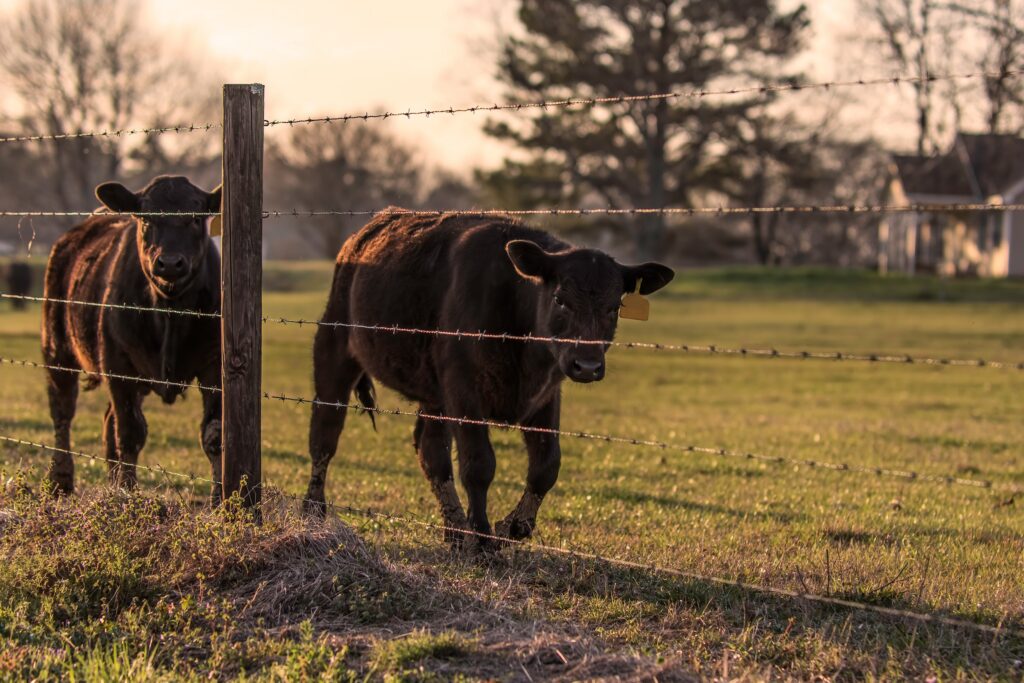
On working land, the fence type is chosen first by what it needs to hold in or keep out. That said, plenty of landowners weigh the aesthetics of their fence choices, especially near a homestead, entrance, or corral where the fence is part of the property’s overall look.
Either way, the choice of fence type has a direct effect on fence installation cost, since materials, post spacing, wire gauge, and labor requirements vary widely by type.
According to Iowa State University Extension’s Ag Decision Maker program, which compares construction costs across common permanent fence types used in livestock operations, the fence selected typically comes down to the species being contained and the terrain being crossed. That choice drives most of the differences in average fencing cost.
Cost per linear foot within each of these fencing categories can range widely based on wire gauge, post material, post spacing, and local fence installation labor rates.
Getting quotes for the specific fence type, gauge, and post spacing you need, rather than just a total dollar figure, makes it easier to compare the fence installation cost between contractors bidding on the same job.
Mixing fence types across one property is also common on working land, and it’s something to consider when looking at your overall fence installation cost picture. A property might use barbed wire along a long, remote perimeter where cattle are the only concern, then switch to wood rail or pipe fencing around a corral or homestead area where visibility and durability matter more.
Pricing each stretch separately, by the fence type it actually needs, generally produces a more accurate total cost of fence and installation than applying one material’s per-foot rate across the entire project.
A per-foot pricing number is more useful than a single fence cost average, since farm and ranch fencing is rarely one material from corner to corner. Here’s the typical fence installation cost per linear foot by fence type, including labor.
Note: None of these ranges include gates, corner bracing, or land clearing costs; those get priced separately in most quotes, so it’s worth confirming that with any contractor you talk to.
| Fence Type | Cost Per Linear Foot |
|---|---|
| Barbed wire (4–6 strand) | $1.50 – $2.25 |
| Woven or field wire (also used for net wire/sheep and goat fencing) | $1.75 – $2.10 |
| High-tensile electric | $0.90 – $1.25 |
| High-tensile electric deer/game fencing | $0.89 – $2.03 |
| High-tensile mesh deer/game fencing | $4.00 – $6.00 |
| Pipe or heavy panel fencing (corrals, working pens) | $13.50 – $40.00 |
For scale, applying the barbed wire, woven wire, and high-tensile electric fence installation cost ranges to a 40-acre parcel, which has roughly 5,280 feet of perimeter on a square lot, works out to approximately $7,900 to $11,900 for barbed wire, $9,200 to $11,100 for woven wire, and $4,800 to $6,600 for high-tensile electric, all before gates, corners, and site conditions are added.
That same perimeter in pipe or heavy panel fencing, a choice more common around corrals and working pens than full perimeters, would run roughly $71,300 to $211,200. Larger or smaller acreage scales the same way: multiply your parcel’s actual perimeter by the fence installation cost per-foot range for the fence type you’re considering.
One thing to keep in mind: this table covers perimeter fencing cost and installation. If your plans include cross-fencing for rotational grazing or separate paddocks, your real cost of fence and installation will run higher than the perimeter number alone, since interior fencing adds directly to total linear footage.
A handful of site conditions tend to show up again and again in rural fencing projects. Planning for them ahead of time makes the eventual fence installation cost estimate a lot less likely to catch you off guard partway through.
Walk your land with these considerations in mind before you request fencing quotes, so the fence cost you compare across contractors reflects your actual site conditions rather than a generic, one-size-fits-all estimate.
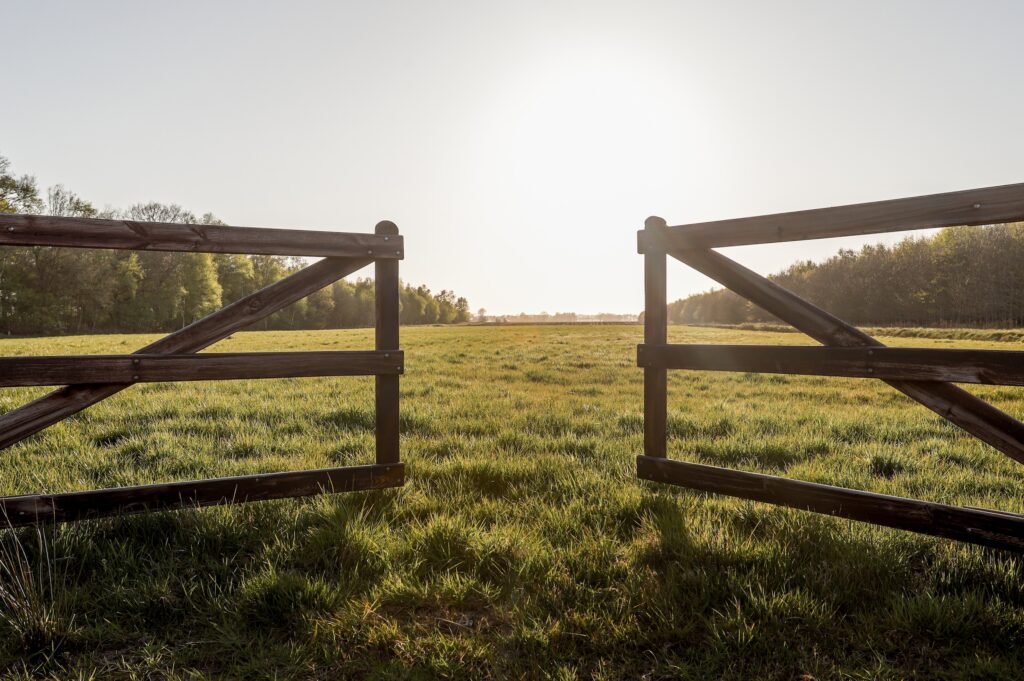
Whether building your fencing yourself makes sense often comes down to scale, terrain, and what’s actually being contained. For capable landowners, time and access to the needed equipment are going to play a big role in whether you go this route.
Taking on the do-it-yourself portion of your fence installation can make sense for straightforward perimeter runs on relatively flat, cleared ground, particularly with simpler fence types like barbed or standard wire, where the primary cost savings come from labor rather than materials.
It requires a good bit of time, the right tools, including post drivers or augers for larger jobs, and a genuine willingness to do physically demanding work across long distances.
Hiring a contractor tends to be worth the added fence installation cost for cross-fencing with multiple gates, sloped or rocky terrain, water crossings, or any fence line that needs to reliably contain valuable or high-value livestock. A contractor’s fence cost estimate should also account for local soil conditions and any easement or boundary considerations that can be easy to miss without local, on-the-ground experience.
There’s also a middle path some landowners choose, splitting the work rather than picking one approach for the entire project. Handling a long, straightforward perimeter run yourself while hiring a contractor for gates, water crossings, or corral fencing near structures can bring your total fence installation cost down without taking on the full physical workload solo.
It’s worth discussing this kind of split scope directly with a contractor, since some price a partial job differently than a full one.
If you do request quotes, a few questions tend to make the comparison genuinely useful:
Comparing quotes built around the same specifications makes it easier to see where your fence installation cost actually lands for your ranch or farm property, since per-foot ranges alone can hide differences in what’s included.

Where your ranch or farm property sits affects fence installation cost in a few fairly consistent ways, though the degree varies enough by county, and even by individual property, that these should be read as general patterns rather than fixed regional pricing.
Labor availability and rates differ by region, often tracking local demand for skilled agricultural labor more closely than general cost-of-living indexes. Material costs can also shift with distance from suppliers, since wire, post, and hardware pricing typically includes a transportation component that grows with remoteness.
Terrain itself varies by region in ways that matter more to fence installation cost than climate zone alone. Rolling or rocky ground in parts of the West and Mountain regions can add labor time relative to flatter agricultural land in parts of the Midwest, while properties with heavy timber cover elsewhere may need clearing work before fence installation can even begin.
If you’re comparing fence installation cost estimates across different states or counties as you weigh land in different markets, it’s worth asking a local contractor what’s typical in that specific area before assuming a national range applies directly.
This regional variability is another reason a single average fence cost figure, especially one built from mostly residential and suburban data, tends to undersell how much your own cost of fencing can shift based on where the property sits.
Two otherwise similar parcels in different states can have quite different fence installation cost totals, simply due to local labor markets and material transport distances (even before terrain or fence type enter the picture).
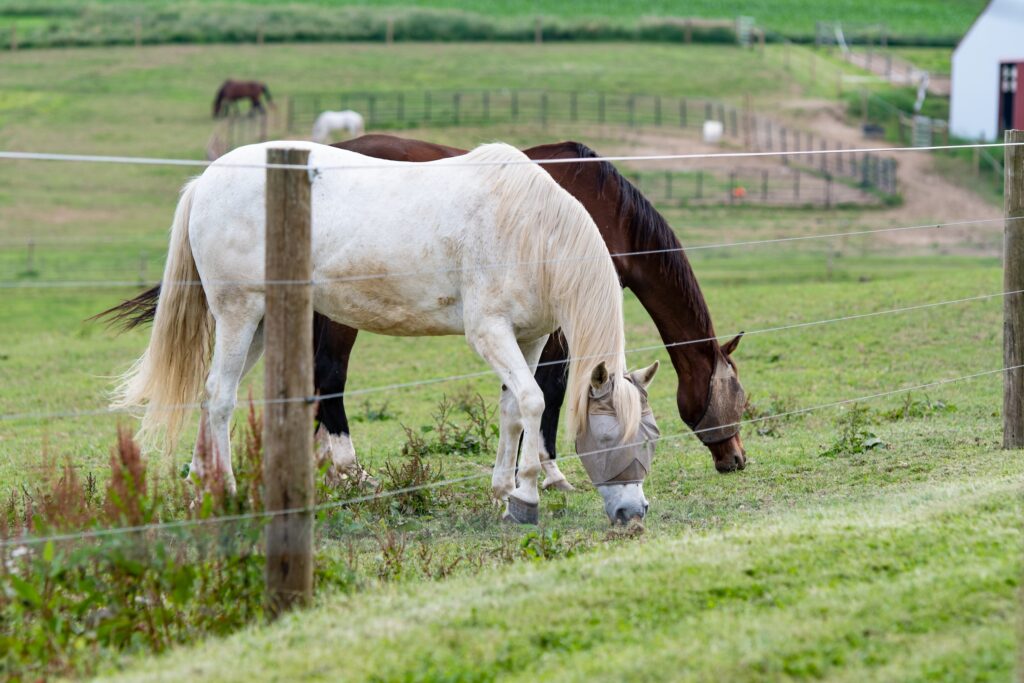
This is where the fence installation cost stops being purely a construction question and starts being a land transaction question. You’ll want to think through both angles if you’re buying, selling, or building on rural acreage.
Existing fencing can factor into how a property is appraised and negotiated, though the degree depends heavily on the market, the property’s intended use, and the fence’s condition at the time of the transaction.
Well-built, properly maintained fencing that matches the land’s actual use, whether that’s livestock containment or pasture management, is generally viewed as a functional improvement rather than a purely cosmetic one.
According to the Texas Department of Transportation’s right-of-way appraisal manual, which outlines how fencing is treated in formal property valuation, appraisers generally give allowance for a fence’s contributory value when a property’s ongoing land use depends on it.
Unfenced conditions can factor into a property’s assessed value differently depending on what that land is intended for going forward.
For a buyer, it’s worth factoring the fence installation cost of any needed cross-fencing or perimeter work into your overall budget and offer, rather than assuming existing conditions will automatically meet your plans once you close.
For a seller, documenting the type, age, and condition of existing fencing can help a buyer understand exactly what they’re getting, and what they might still need to budget for in their own cost of fence and installation planning.
None of this amounts to a guarantee of added value in any specific transaction. Land value depends on far more than fencing alone, and market conditions vary widely by region and property type. But treating fence installation cost as part of the broader land investment conversation, rather than an isolated construction line item, tends to lead to fewer surprises on either side of a deal.
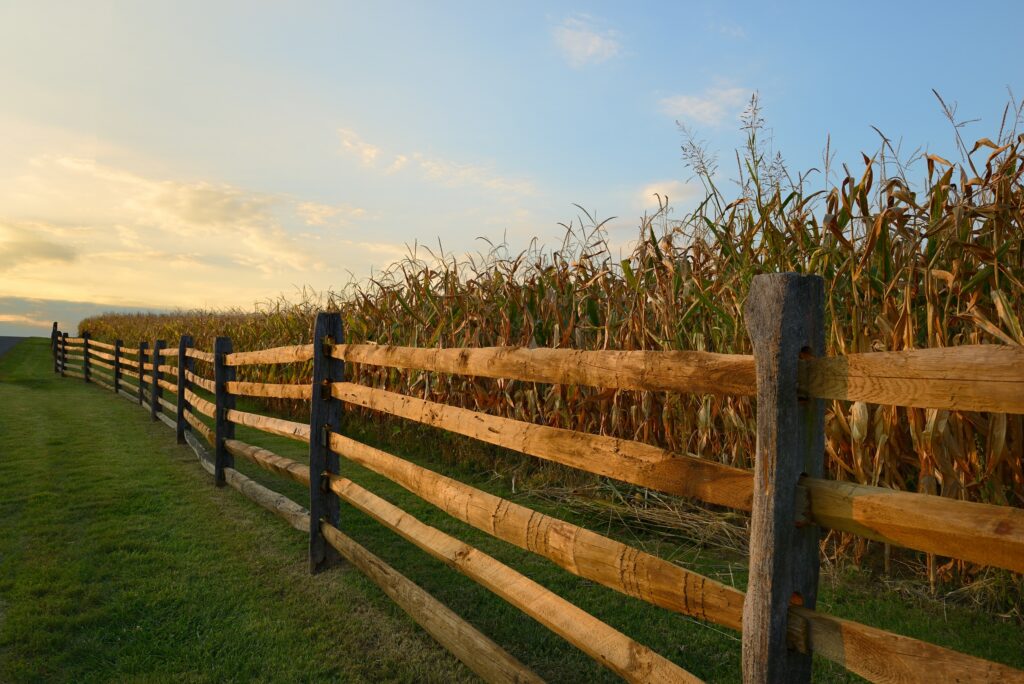
The more specific information a contractor has upfront, the more useful the fence installation cost estimate they return will actually be, and you’re less likely to see the number shift significantly once work begins.
Before reaching out, it helps to have a rough sense of the following:
Bringing this information to your first conversation with a fencing contractor tends to produce a more accurate fence installation cost estimate than a general phone inquiry, and it gives you a clearer, more consistent basis for comparing multiple quotes against each other.
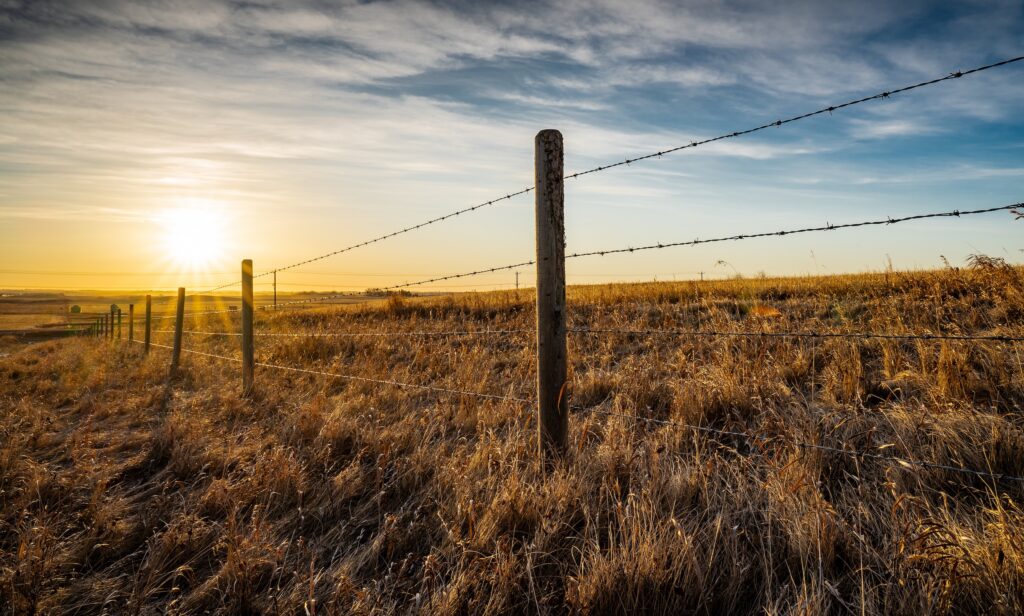
Fence installation cost on farm and ranch land isn’t a smaller or larger version of a residential number. It’s really a different calculation, shaped by acreage, terrain, fence type, livestock, and region in ways a backyard estimate was never built to capture.
The property-specific factors covered throughout this guide, from perimeter shape to terrain to fence type, are what actually determine where your fence installation cost lands. Working through them before you request fencing quotes is what turns a rough range into a workable, usable budget.
If you’re planning a fencing project as part of larger improvements on your land, whether you’re getting a new property ready for livestock or maintaining ground you’ve owned for years, it’s also worth thinking about the equipment that goes along with it.
Hayden Outdoors’ farm and ranch tools and equipment listings cover the kind of gear that makes land improvement and management projects more doable.
Browse Farm And Ranch Equipment