
Complete Farming Guide: What Equipment Is Needed For A Dairy Farm?

Dec 30, 2025 - By Hayden Outdoors

Starting or expanding a dairy farm is more than a business decision. It’s a commitment to a way of life that has sustained families and communities for generations. Understanding what equipment is needed for your dairy farm is fundamental to your success, protecting herd health, ensuring milk quality, and building the foundation for a sustainable operation that can be passed down through generations.

At Hayden Outdoors, we have deep roots in dairy farming in places like Nebraska, Kansas, and across the heartland of the US. And in our guide, we’ll walk you through the essential categories of dairy farming equipment, help you understand how different farming approaches influence your needs, and provide practical guidance for making informed purchasing decisions.
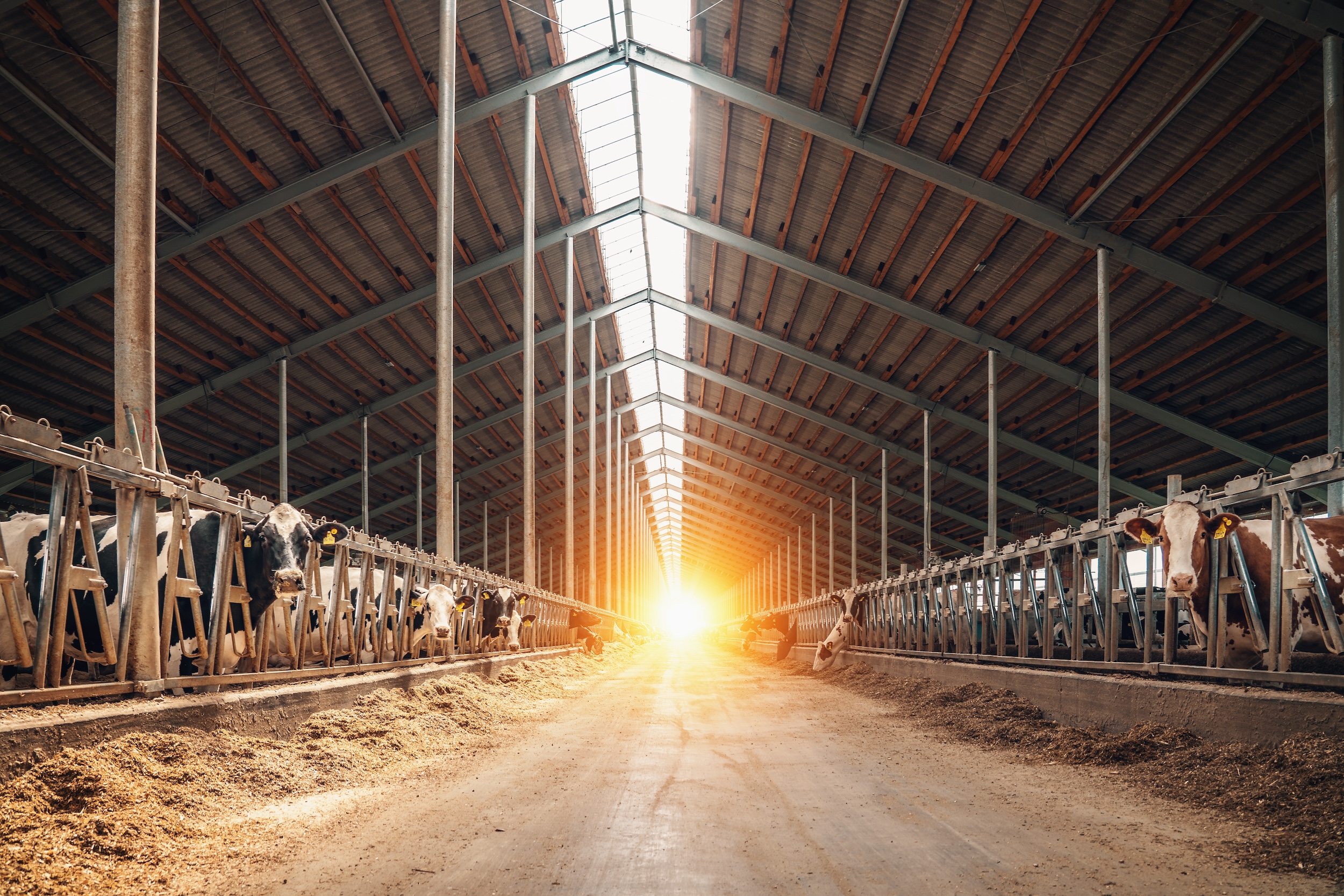
 

Table Of Contents


How The Types Of Dairy Farming You Do Impact What Equipment Is Needed

cows inside cow stall dairy farm equipment

The type of dairy farm you’re running will have a pretty big influence on both the scale and specific types of equipment and accessories you’ll need for your operation. Understanding these differences is key to helping you invest wisely in dairy farm equipment and avoid purchasing machinery that doesn’t align with your farming needs.

Conventional dairy operations typically involve housing cattle in barns or freestall facilities with mechanized feeding and milking systems. These farms require substantial investments in milking parlor equipment, automated feed systems, and climate control infrastructure. Needs typically scale with herd size, but the fundamentals remain consistent whether you’re milking 50 cows or 500.

Organic dairy farming adds another layer of complexity to the equipment needed for your dairy farm. Beyond meeting the same basic needs as conventional dairy farm operations, organic dairies must comply with specific standards regarding feed handling, pasture access, and medication administration. You may need additional dairy farm accessories for managing rotational grazing, specialized feed storage that prevents contamination, and enhanced record-keeping systems to maintain organic certification.

Grazing-based dairy systems rely heavily on pasture as the primary feed source, which can shift the priority on these types of dairy farms considerably. While you’ll still need milking equipment and basic infrastructure, these types of dairy operations typically require less investment in feed storage facilities. Instead, you’ll focus more on pasture management tools, portable water systems, and fencing that allows for rotational grazing patterns.

Intensive confinement operations represent the other end of the spectrum, with cattle housed year-round in controlled environments. These farms demand significant investment in ventilation systems, manure handling automation, and sophisticated feeding equipment, offering greater control over production conditions.

Herd size serves as another critical factor in determining what equipment and accessories are needed for a dairy farm. A small family operation milking 20 to 30 cows might thrive with a bucket milking system and basic farm equipment tools, while a mid-sized farm with 100 to 200 cows typically requires a dedicated milking parlor and more automated systems.

Understanding where your dairy farm fits within these types of farming categories can help you prioritize what equipment and accessories are needed to support your farm’s unique goals.


Questions To Ask Yourself Before Determining What Equipment Is Needed For Your Particular Dairy Farm

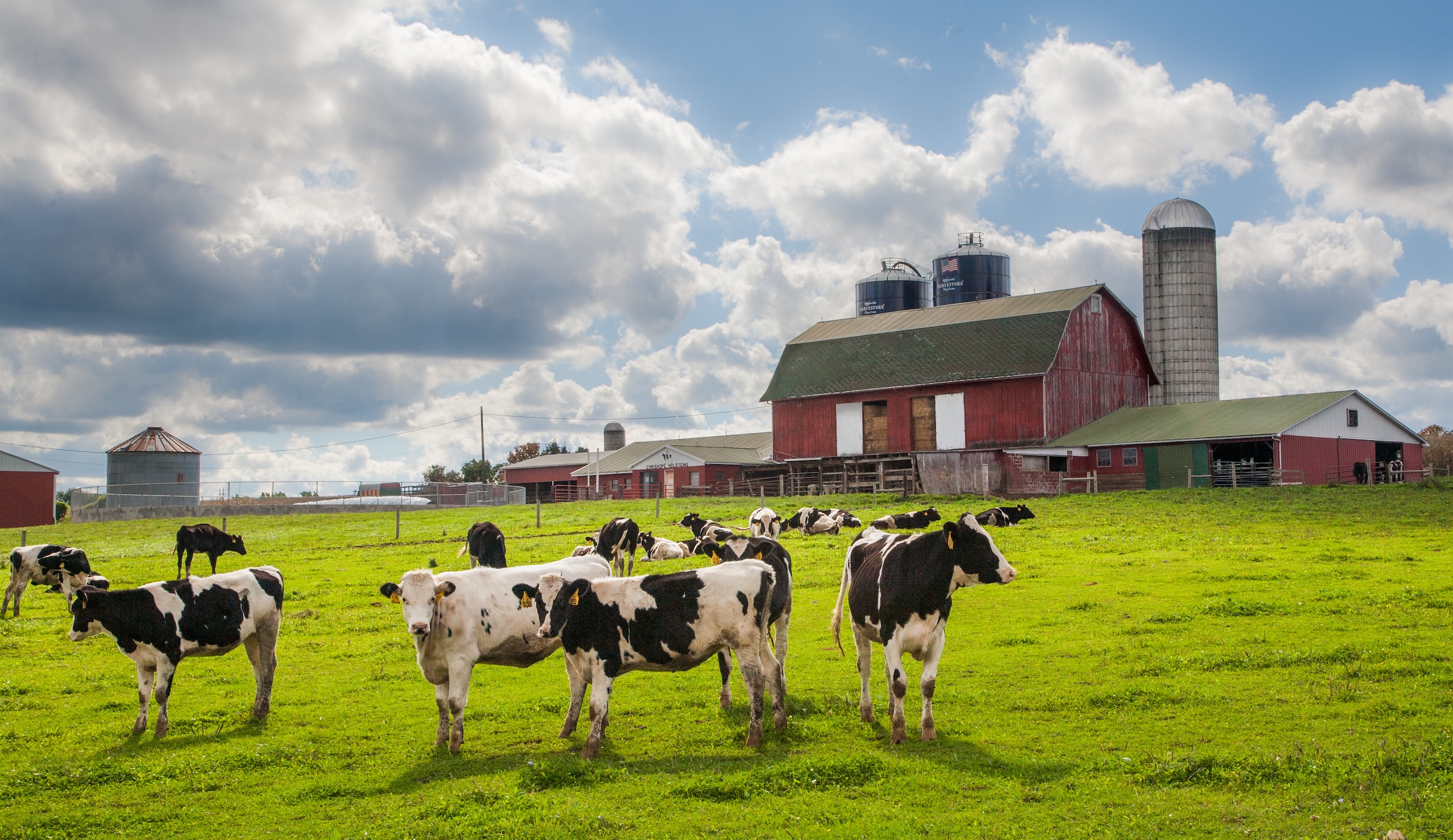
cows roaming on an open green pasture on a dairy farm with a red barn behind them

Before investing in any piece of dairy farm equipment, an honest self-assessment is key. We’ve crafted this list of questions to help you distinguish between equipment you truly need and dairy farm accessories that might be nice to have but aren’t genuinely essential:

  • What is your current and projected herd size over the next five years? This question influences nearly every equipment decision you’ll make for your operation. Dairy farming equipment and accessories that work well for 30 cows may become a bottleneck when you have 60 cows. Planning for reasonable growth helps you invest in equipment that won’t need immediate replacement as your dairy operation expands.
  • What is your daily milk production goal, and what quality standards must you meet? Understanding your target market will help you right-size your dairy farm equipment to match your anticipated output. Premiums for higher-quality milk can justify investing in more sophisticated cooling and handling equipment.
  • Do you have adequate power supply, water access, and infrastructure? Some dairy farming equipment requires three-phase electrical power or substantial water volume. Assessing the existing infrastructure on your dairy farm before purchasing equipment will help you prevent costly surprises.
  • What is your labor situation? Family operations with multiple people available daily have different equipment needs than farms relying primarily on hired labor. More automated systems reduce skilled labor requirements but can involve larger upfront investments.
  • What are your local and state regulations regarding milk handling and storage? Understanding the specific requirements in your area prevents investing in dairy farm equipment and accessories that won’t meet inspection standards. Many regions have specific requirements for bulk tank capacity, cooling times, and sanitation systems.
  • What is your maintenance capability and preference? Being honest about your mechanical skills and available time helps you select dairy farming equipment and accessories that match your skillset and what you feel comfortable handling. Simpler dairy equipment that you can maintain yourself might serve you better than more sophisticated systems that require the involvement of a specialist.
  • How does this particular piece of farming equipment support the long-term legacy of your dairy farm? Quality dairy farm equipment that’s well-maintained can serve multiple generations.

With these questions in hand, you have what you need to honestly determine whether or not a specific type of dairy farm equipment is needed and is genuinely going to contribute to your farm’s success.


The Essential Categories And Types Of Dairy Farming Equipment

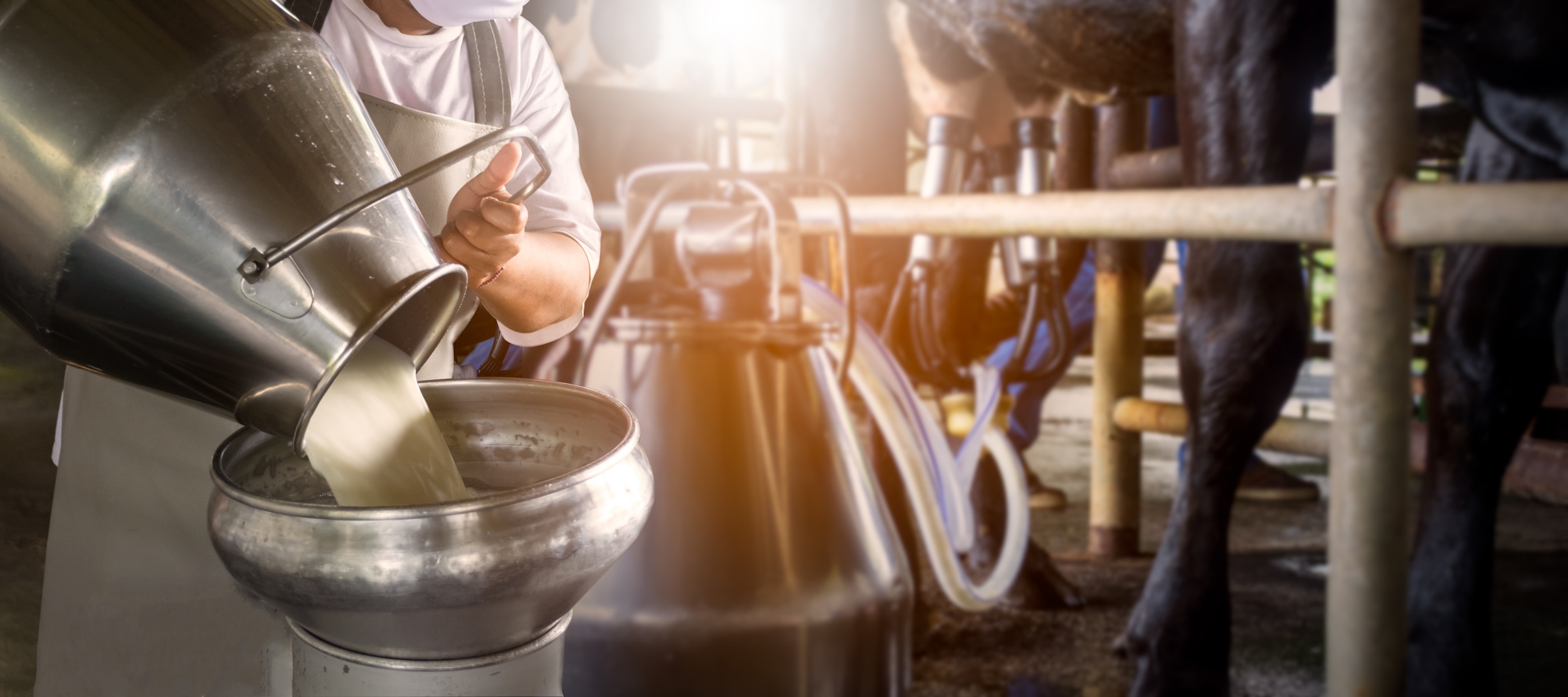
man pouring milk into a canister after he used his dairy farming equipment to milk the cows on his dairy farm

So what equipment is actually needed for a dairy farm, and which is just nice to have? These categories represent the foundation of any successful dairy farm and where we’d recommend dedicating most of your budget. Focus on these elements to build a strong foundation for your dairy operation.


Milking Equipment: The Heart Of Your Dairy Operation

Your milking system represents the most critical investment for your dairy farm. This category of dairy farming equipment directly impacts milk quality, cow health, and the efficiency of your daily operations.

  • Bucket milking systems offer the most accessible entry point for small dairy farms, working well for herds under 20 cows. While labor-intensive, they require minimal infrastructure investment and provide quite a bit of flexibility.
  • Pipeline milking systems route milk directly from the cow to a central collection point, working efficiently for herds ranging from 20 to 100 cows. This type of dairy farming machinery significantly reduces labor compared to bucket systems, making these pipeline systems ideal for many family dairy farms.
  • Parlor systems become essential as herd sizes grow beyond 100 cows. Whether you choose a herringbone, parallel, or rotary parlor design depends on your specific layout, herd size, and management preferences. Modern parlor equipment can include automated takeoffs, individual cow identification, and milk metering systems that provide valuable herd management data.
  • To support your primary milking system on your dairy farm, you’ll also need reliable vacuum pumps, pulsators, and milking clusters with quality inflation systems. These dairy farm accessories work together to ensure efficient, gentle milk removal that keeps cows healthy and productive.


Milk Storage And Cooling Equipment: The Backbone Of Dairy Quality

Proper handling after milking not only determines if you’ll meet quality standards, but it also factors into whether you can earn available premiums.

Similarly, maintaining premium milk quality requires regular testing and monitoring. While your milk buyer will conduct official testing, on farm dairy testing equipment is needed to identify potential issues before they impact your milk check.

  • Bulk milk cooling tanks maintain milk at the required temperature until pickup, with sizing determined by your daily production and pickup frequency.
  • Plate coolers provide an economical way to pre-cool milk using well water before it reaches your bulk tank. This simple piece of dairy farm machinery can significantly reduce cooling costs and extend the life of your refrigeration equipment.
  • Temperature monitoring equipment gives you peace of mind that your milk remains within acceptable ranges, protecting the milk quality and helping prevent costly losses.
  • Cleaning and sanitation systems maintain the hygiene standards essential for milk quality, whether you use manual protocols or automated CIP (clean-in-place) systems.
  • Somatic cell count testing equipment provides early warning of mastitis issues, while milk samplers and record-keeping systems help you track individual cow production and quality.


Essential Feed Handling And Storage Equipment For Your Dairy Farm

Nutrition drives milk production, and efficient feed handling equipment is needed to help you maintain consistent feed quality on your dairy farm (all while minimizing labor). The specific dairy farming equipment you may need will vary based on your feeding philosophy and whether you’re primarily pasture-based or rely on stored feeds.

  • Feed mixers and TMR wagons allow you to blend forages, grains, and supplements into a complete ration. These systems range from small, pull-behind mixers suitable for 30 to 50 cows up to self-propelled units that can efficiently feed hundreds of animals.
  • Silage storage protects the significant feed investment most dairy farms make each year through bunker silos, silage bags, or upright silos. Grain storage bins protect concentrated feeds from weather and pests while providing convenient access. For dairy farms incorporating hay, handling equipment like elevators and conveyors are needed to reduce physical labor while minimizing waste.

Pro Tip: Staying current with new ag industries technologies can help you make informed decisions about feed handling innovations on your dairy farm.


Herd Health And Comfort Equipment

Having the right dairy farm equipment on hand allows you to address health issues promptly and provide the comfortable environment that is needed for high-producing cows to thrive.

  • Cattle chutes and headgates provide safe restraint for veterinary work, hoof trimming, and breeding activities. Quality handling equipment protects both you and your animals during necessary interventions.
  • Hoof trimming equipment keeps the cows on your dairy farm mobile and comfortable, preventing lameness issues that can impact milk production.
  • For farms calving year-round, calf hutches and warming systems give newborns the best start in life.
  • Ventilation fans and cooling systems are needed pieces of equipment on dairy farms located in warmer climates, as heat stress directly impacts milk production and cow health.
  • Bedding materials and distribution equipment keep cows clean and comfortable, which directly correlates with udder health and milk quality.


Dairy Farm Manure Management Systems And Equipment

Efficient manure handling equipment is needed to keep your dairy farm facilities clean and turns waste into a valuable soil amendment for cropland. Manure scrapers, whether automatic or manual, keep alleys and freestalls clean with minimal labor.

For dairy farms using lagoon systems, pumps and agitators keep manure in proper consistency for land application. Manure spreaders distribute this fertility back onto cropland, closing the nutrient cycle and reducing purchased fertilizer needs.


Supporting Agricultural Equipment For Your Dairy Farm

Beyond specialized dairy tools, you’ll need more generalized farm machinery to maintain your operation. Tractors appropriate for dairy farm work typically range from 40 to 100 horsepower. If you’re uncertain about what size tractor you need, consider your primary tasks, terrain type, and acreage.

Skid steers and loaders prove invaluable for daily tasks around dairy facilities. Their maneuverability and ability to handle various attachments make them among the most-used and needed pieces of dairy farming equipment on many farms.

For farms producing their own hay or silage, you’ll need appropriate harvesting equipment sized to your acreage and production needs.

And lastly, quality fencing and corral systems define your dairy operation’s layout and support both daily operations and long-term management flexibility on the farm.


How To Ensure You’re Purchasing The Best Possible Equipment For Your Dairy Farm

man using milking dairy farm equipment to milk a cow

Making smart equipment purchases not only protects your investment, but it also ensures your dairy farm equipment can serve your farming operation reliably for years to come. Before you jump into any big machinery purchase for your dairy farm, we recommend incorporating these checks into your purchase workflow.

  • Verify warranty coverage for your dairy farm equipment and accessories, along with what it actually includes. Understanding what’s protected and for how long helps you anticipate potential expenses and compare true costs between different dairy equipment options.
  • Check dealer service availability in your area. Knowing that qualified technicians and replacement parts are readily accessible gives you confidence that your operation won’t face extended downtime when repairs become necessary. Note that dealers for certain brands may be more common in your area than others, and this will inevitably impact your purchase decision.
  • Compare energy efficiency ratings, especially for equipment that runs continuously. Milk cooling equipment and vacuum pumps consume quite a bit of electricity over their lifetime, and more efficient models can pay for themselves through reduced operating costs.
  • Assess ease of maintenance and parts availability. Dairy farming equipment with straightforward maintenance requirements and commonly available parts and accessories keeps your costs down and your farm running smoothly.
  • Consider compatibility with your existing systems. New dairy farm equipment should integrate smoothly with your existing infrastructure. This way, you don’t have to deal with the frustration of discovering that your new purchase requires extensive (and costly) modifications.
  • Request maintenance records for previously owned equipment. A complete service history tells you how the equipment has been cared for, and it can help you anticipate any upcoming maintenance needs.
  • Inspect for signs of excessive wear or deferred maintenance. Looking beyond cosmetic appearance to check working components gives you a realistic picture of the remaining useful life of any dairy farming equipment you’re considering purchasing.
  • Test all functions before finalizing any purchase. Seeing dairy farm machinery operate under normal working conditions reveals issues that aren’t apparent when it’s sitting idle. This is particularly important for complex systems like milking equipment.
  • Calculate remaining useful life versus purchase price. Understanding how many productive years you can expect from your new dairy farm machinery can help you determine whether the asking price is genuinely fair.
  • Ensure equipment meets current dairy industry standards and regulations. Confirming compliance prevents the need for expensive modifications or early replacement to meet dairy inspection requirements.
  • Evaluate operator training requirements. Understanding the learning curve involved in using a particular piece of dairy farming equipment helps you plan for training time and ensures your team can use new equipment safely and efficiently from the start.
  • Consider the brand reputation. Well-known brands and popular models generally hold their value better, giving you more options if your needs change as your operation evolves.

Determining what equipment is needed for a dairy farm is simply the first step. Choosing the right, high quality dairy farming machinery is essential to building a truly productive and sustainable dairy operation.


Where To Find The Equipment You Need For Your Dairy Farm

cows grazing on an pasture behind a fence on a dairy farm at sunrise

Once you understand what equipment is needed for a dairy farm, finding the right pieces at fair prices becomes the next step. There are few solid routes you can take to access quality dairy farm machinery, each with particular advantages.

  • Specialized dairy equipment dealers bring deep expertise in dairy farming operations and can guide you toward dairy farming equipment that matches your specific situation. These dealers typically offer service support, installation assistance, and ongoing maintenance, providing value beyond just the equipment itself.
  • Agricultural auctions provide opportunities to find quality dairy farm equipment at competitive prices. Auctions often feature complete dispersals from farms transitioning out of dairy, meaning you can find well-maintained equipment from operations that took excellent care of their machinery.
  • Direct purchases from other dairy farmers offer the ability to see the dairy equipment you’re considering in working conditions on an active operation. Farmers selling equipment can share firsthand knowledge about its performance, maintenance history, and any quirks you should be aware of.
  • Online marketplaces specializing in agricultural equipment expand your options beyond your immediate geographic area, giving you access to a broader selection of dairy farm equipment and allowing you to compare prices across different regions.

Hayden Outdoors serves as a trusted connection point between dairy farmers and quality equipment listings. We’ve combined the reach and convenience of online marketplaces with the expertise of agricultural specialists who understand dairy farming to help you find the dairy farm equipment that matches your specific operation’s needs.

Put simply, we help you find dairy farm machinery that matches your needs, no matter the type of operation you’re running.


Browse Available Dairy Farming Equipment



Find The Perfect Plot Of Land For Your Dairy Farm

farmer standing in a pasture and petting his cow

While we all know that high-quality dairy farm equipment forms the backbone of the operation, it all starts with the right land. Quality pasture, adequate water sources, proper drainage, and proximity to markets all impact your dairy farm’s long-term success and sustainability.

The land you choose becomes the foundation upon which you’ll build your operation and a legacy that extends across multiple generations. Whether you’re starting a new dairy operation or expanding an existing one, investing in property that supports your vision requires looking beyond just acreage numbers.

At Hayden Outdoors, we specialize in connecting farmers with exceptional agricultural properties suited for dairy operations. Our expertise in farm and ranch real estate means we understand what makes land suitable for dairy farming and can help you evaluate properties based on your specific needs and goals.

Once you know what equipment is needed for your dairy farm, pairing that knowledge with the right property creates a powerful foundation. Explore available farmland listings that could become the foundation of your dairy farming legacy.


 

View Available Farmland

Skip to content