
×

Sign in
Sign in to save favorite properties and equipment, save your search parameters and more
Don’t have an account yet? Sign Up Now
Sign up
Already have an account? Login Now


 866-741-8323
Sign in
Sign in to save favorite properties and equipment, save your search parameters and more
Don’t have an account yet? Sign Up Now
Sign up
Already have an account? Login Now
866-741-8323
Login
Sign in
Sign in to save favorite properties and equipment, save your search parameters and more
Don’t have an account yet? Sign Up Now
Sign up
Already have an account? Login Now
Sign in
Sign in to save favorite properties and equipment, save your search parameters and more
Don’t have an account yet? Sign Up Now
Sign up
Already have an account? Login Now
Choosing the right tractor size is one of the most important equipment decisions you’ll make for your land. Whether you’re managing a hobby farm, maintaining acreage, or running a working ranch, the tractor you choose will either boost your productivity or become an expensive regret. So, what size tractor do I need?
Contrary to popular advice, the answer isn’t solely about acreage. It depends on your terrain, workload, implements, and long-term goals. In this guide, we’ll walk you through how to evaluate the size you need, what the different tractor sizes mean, and how to avoid costly missteps.
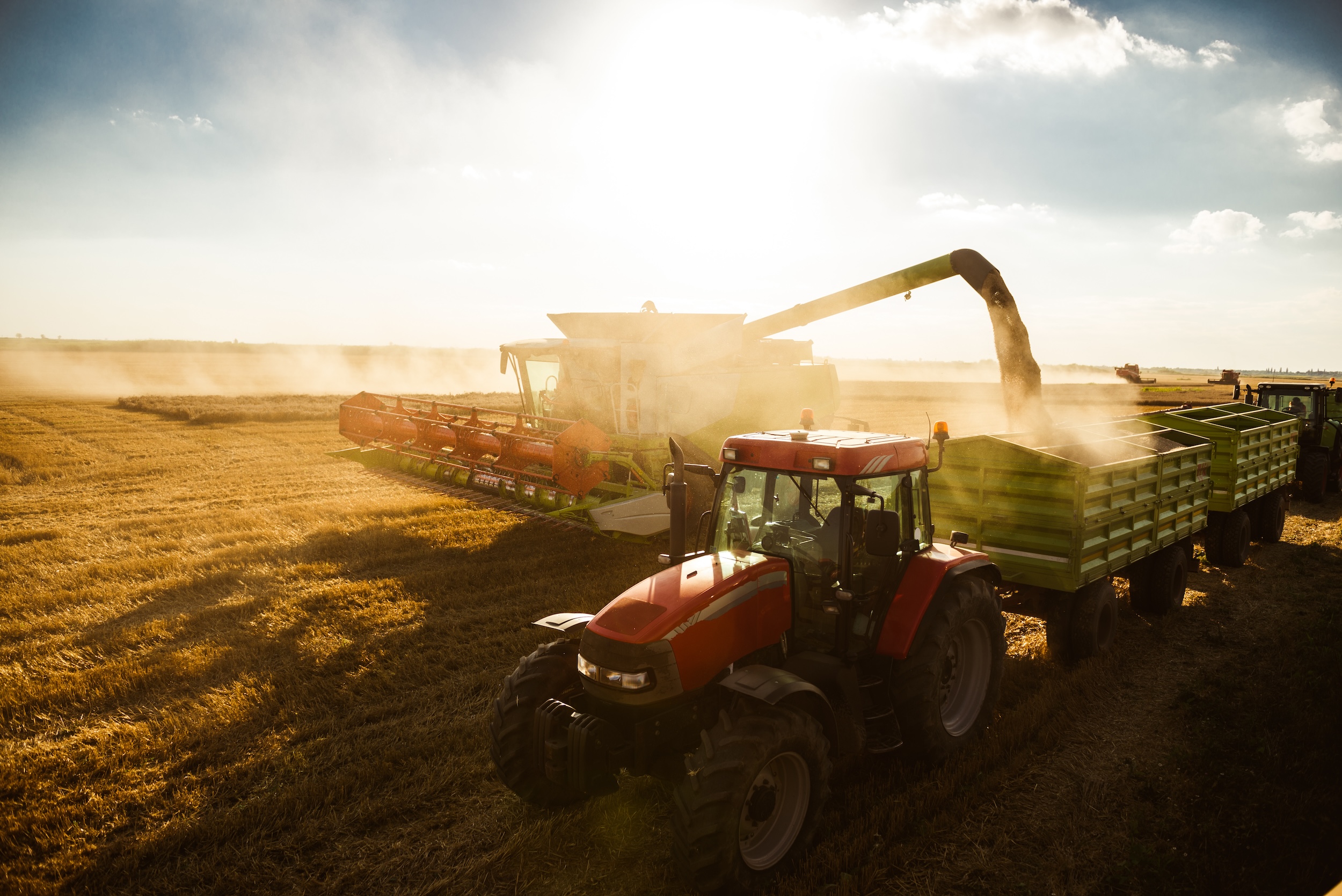
Choosing the right tractor size means balancing capability needs with practicality. Below are the key factors that influence this decision:
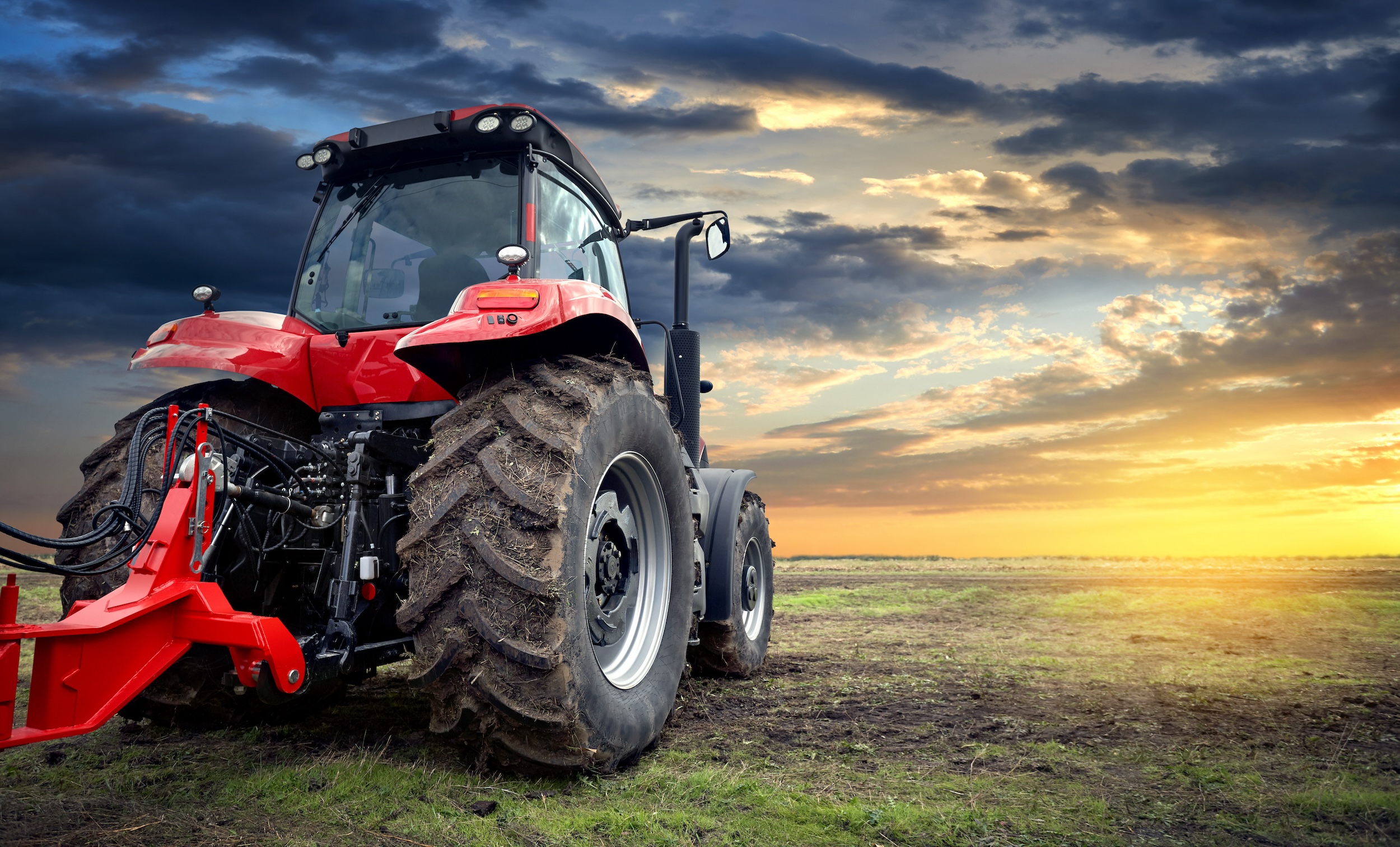
Before you can ask “what size tractor do I need?” you need to have a solid understanding of what sizes tractors come in. When it comes to tractor sizes, there are five general categories based on horsepower and use case. Here’s a simple breakdown:
What This Tractor Size Is Best For: Lawns, small gardens, light-duty chores on 1–3 acres
Common Tasks: Mowing, hauling small loads, snow removal
Limitations: Low ground clearance and lift capacity; not suitable for heavy fieldwork
What This Tractor Size Is Best For: Properties between 3 and 20 acres with varied tasks
Common Tasks: Light tillage, mowing, loader work, post hole digging
Advantages: Balance of power and maneuverability; wide range of compatible attachments
What This Tractor Size Is Best For: Mid-to-large acreage operations (20+ acres)
Common Tasks: Plowing, baling, large loader tasks, tillage
Advantages: Stronger hydraulics and greater lift capacity; good for commercial-scale work
What This Tractor Size Is Best For: Large commercial farms
Common Tasks: Planting, spraying, and harvesting row crops
Considerations: High cost, advanced features, usually overkill for hobby operations
What This Tractor Size Is Best For: Orchards, vineyards, forestry, or municipal tasks
Traits: Narrow profiles, extra shielding, or high clearance, depending on use
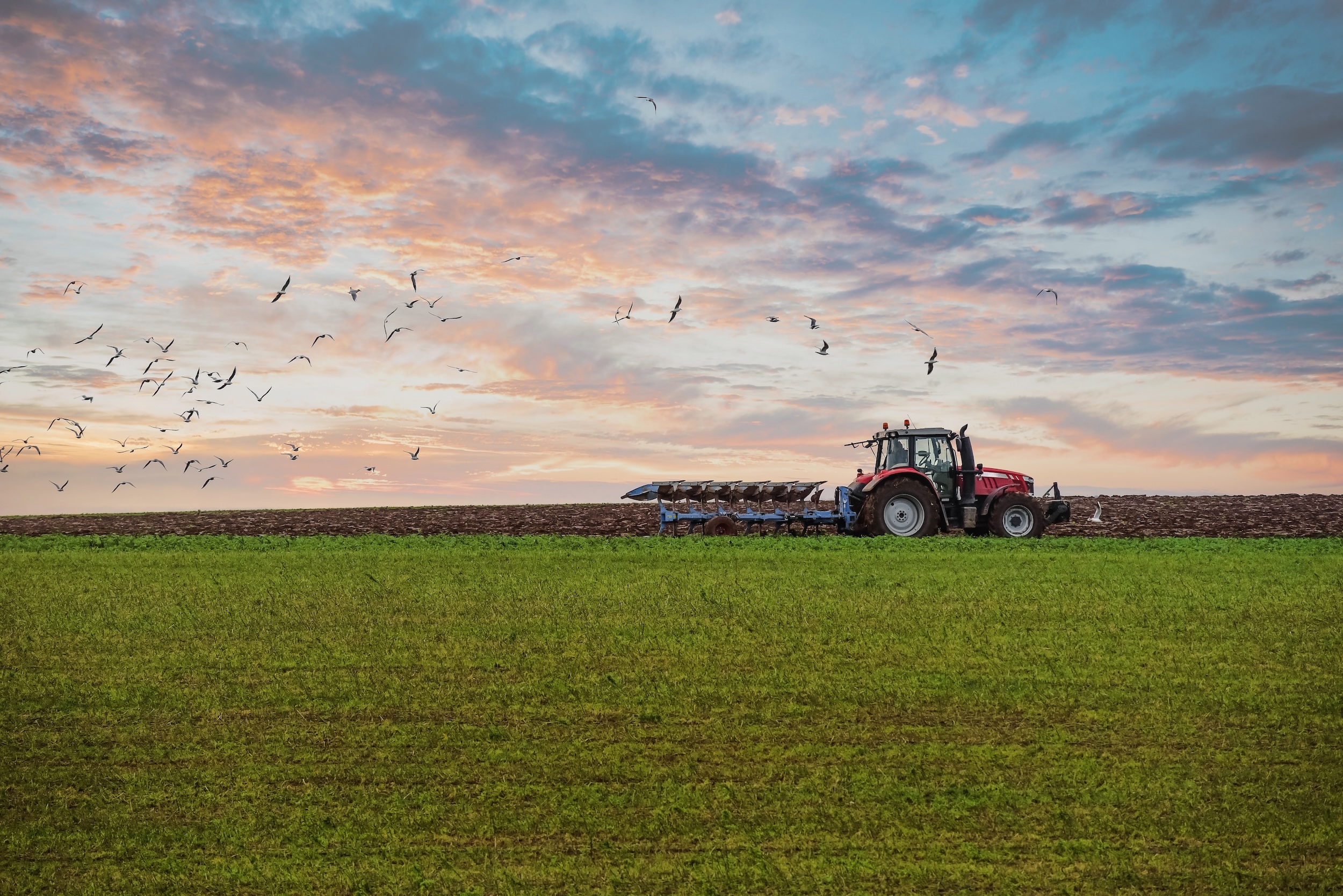
The Common “Rule”: A frequently cited rule of thumb is 1 tractor horsepower per acre. So, 5 acres = 5 HP, 10 acres = 10 HP, and so on.
Why This Tractor Sizing Rule Is Oversimplified: This idea assumes uniform land use. But 5 acres of pasture mowing is vastly different from 5 acres of intensive market gardening. Similarly, flat sandy soil versus sloped clay terrain makes a huge difference and can greatly impact what size tractor you need.
A Better Framework: When choosing tractor size, consider this multi-factor model:
Example: A 10-acre hobby property that requires mowing, compost hauling, and occasional digging might only need a 30-40 HP compact tractor. But a 10-acre hay field might demand a 60+ HP utility tractor.

Tractors are quite possibly one of the most critical investments you’ll make for your property, and if you’re in between sizes it can be a challenge to determine whether you should size up or down. If you’re unsure, we’ve crafted a helpful guide below:
Pro Tip: If you’re truly in the middle, lean slightly larger—but only if your tasks justify the upgrade.

Getting the wrong size tractor can cost more than just money and can inevitably lead to headaches down the line.
“Too Small” Regrets
“Too Large” Regrets
“Wrong Features” Regrets

Beyond size and horsepower of your tractor, smart buyers look at broader functionality:
Let’s do a quick recap. As you navigate the purchase process, these are the things you’ll want to keep top of mind when deciding what size is right for your operation.
Hayden Outdoors connects landowners and agricultural professionals with the right tools for their operation. Browse our selection of tractors for sale to find the horsepower, features, and attachments that match your needs.
If you’re looking to expand your knowledge and make the most of your rural property, Hayden Outdoors has the guides to get you started:
At Hayden Outdoors, we make it our business to help you power your operation with the necessary tools and equipment. Browse our curated selection of tools that are currently available for purchase.
Browse Available Agricultural Tools
 Back to Blog