
Complete List Of The Best Small Farm Equipment And Tools For Your Agricultural Operation

Oct 15, 2025 - By Hayden Outdoors

Every successful small acreage operation needs to start with the right foundation: farm equipment and essential tools that make the job seamless and efficient. Whether you’re raising a few animals, growing crops for local markets, or simply managing your land for wildlife and pasture productivity, the agricultural tools you choose can make or break your venture.

The challenge is that when you’re starting out in the farming world, it’s hard to know exactly which small farm equipment and agriculture tools are genuinely essential, and what you can defer until later (or not bother with at all).

Here at Hayden Outdoors we know a thing or two about running a farm and have helped countless farmers find the ideal farmland for their venture. It’s safe to say we’ve picked up a few expert tips and tricks of the trade when it comes to identifying the best small farm equipment and agriculture essentials for your unique needs, without spending your hard-earned money on the wrong tools.


Table Of Contents


Everything You Need To Know About Buying The Best Small Farm Equipment And Tools

cattle farmer feeding his cows on his small farm operation while holding a piece of raking equipment in his hand

No one walks into the farming world an expert at the get-go. In this guide, we’ll:

  • Show you key categories of small farm equipment essentials and tools you’ll actually use
  • Walk through equipment price ranges so you know what you should expect to spend
  • Offer decision-making advice to help you avoid costly mistakes when purchasing equipment for your small farm
  • Point out where to buy quality gear (including sites you already trust)
  • Tie the farming tools and gear to real usage scenarios, so you know what equipment is genuinely essential

By the time you’re done with our guide of the best small farm equipment, you should feel confident building a “must-have” essentials list that balances capability, cost, and future farm growth.


How To Ensure You’re Buying The Best Quality Equipment Essentials And Tools For Your Small Farm

When selecting the best small farm equipment for your operation, quality and longevity matter just as much as tool functionality. This is our tried-and-true advice to ensure you’re buying agricultural tools that are built to last:

  • Match horsepower and capacity to your scale — Choose equipment sized for your land and tasks, rather than selecting equipment based on what you might want to do someday on your small farm. The reality is, oversized farming tools and gear break down faster, waste fuel, and underperform for light tasks.
  • Prioritize modularity and attachment flexibility If your tractor or power unit can accept multiple attachments (mowers, tillers, sprayers, forks), you get higher utility out of a single machine. Similarly, buying small farm equipment with modular, upgradeable components will be key. For example, buying a utility tractor with future hydraulics or remote valves already plumbed can help you avoid a major (and costly) retrofit later.
  • Inspect build materials and structural strength Look for reinforced steel, heavy-gauge tubing, and quality welds. Thin sheet metal or light frames might save you money on the front end, but they will fail prematurely.
  • Check parts availability and support An excellent machine is useless if you can’t get bearings, seals, belts, or dealer support near you.
  • Ask for maintenance history (if used) For used farm equipment, get records of hours, major repairs, and component replacements. You’ll also want to ask about service intervals.
  • Verify warranties and service plans Especially for engines, transmissions, and hydros, you’ll want to ensure the warranty is meaningful and covers wear on the equipment.
  • Test operation under load Try working the equipment (if possible) to see how performance holds under real strain (e.g. mowing thick grass, pushing soil, pulling).
  • Consider resale and depreciation — Small farm equipment from reputable brands tends to hold resale value better. That can offset your initial investment loss later.
  • Account for repair and downtime costs Note that costs of parts and labor have risen sharply. In fact, repair costs have spiked ~41 % since 2020. You’ll have to be more intentional about which small farm equipment is genuinely essential and which is just a “nice to have.”
  • Always set aside a maintenance budget — No piece of farm equipment is immune to requiring repairs. Budget wisely to account for these.
  • Use peer reviews and field testing Join regional farm forums, social media groups, and reach out to area farmers. Their field experience is invaluable when choosing the best small farm equipment for your agricultural operation.
  • Ensure proper safety features ROPS (rollover protection systems), safety shields, emergency stops, and ergonomics matter and should not be overlooked when shopping for your small farm essentials.

Using these tips, you can weed out poor-quality tools and buy your small farm essentials with confidence.


Our Best Advice For Creating A Proper Budget For Small Farm Equipment Purchases

Realistic, disciplined, and phased planning is essential to putting together a budget for the small farm tools you need to acquire for your agricultural operation. As experts well-acquainted with the world of small farm operations, this is our best advice:

  • Start with a “core essentials list,” then add incrementally Identify the essential  equipment you can’t do without (tractor, sprayer, mower, etc.). Budget for those first, and reserve “nice to have” items for later.
  • Apply the 60/30/10 rule Allocate approximately 60 % of your budget to power units (tractors, ATVs), 30 % to attachments and implements, and 10 % for hand tools, consumables, and safety gear.
  • Normalize costs per acre (or per unit) Use benchmarks like machinery cost per acre to compare options. For example, average crop machinery cost in 2023 was approximately $185.61 per acre for corn. If your farm is 10 acres, that suggests a rough expectation of $1,800–$2,500 in equipment cost scaled to your tasks.
  • Factor in repair, maintenance, and downtime reserve Plan to spend 8–15 % of your farm capital cost annually on parts, labor, equipment replacement components, and emergency repairs.
  • Budget for fuel, insurance, and consumables These “hidden” recurring costs can add up. Include fuel, tires, lubricants, belts, filters, and insurance in your first-year estimates.
  • Use financing or leasing strategically Leasing or renting for seldom-used small farm equipment may make sense. Compare the total cost over time to determine if ownership of your farming tools is the best route for your agricultural operation.
  • Include delivery, setup, and training costs New machines might require transport, calibration, or operator training. Don’t assume sticker price includes everything.
  • Stagger large purchases over years Avoid buying everything at once. Over years 1–3, you can phase in additions as your operation grows and income stabilizes.
  • Use salvage or used gear wisely Good used attachments or machines can shave 20–50 % off cost—but only if they’re in good condition with parts available.
  • Leave a “contingency buffer” (10–20 %) Unexpected needs or opportunities will arise; having flexibility helps avoid underinvestment in the best equipment for your small farm.
  • Review and adjust annually Reassess your equipment needs and budget each season, particularly as you scale your small farm. Use actual usage data to guide future purchases.

With methodical budgeting, you won’t be overwhelmed by sticker shock, and you’ll avoid overextending yourself financially.


Where To Find The Best Small Farm Equipment Essentials

When sourcing the best small farm equipment, you’re looking for the sweet spot of reliability, good pricing, and dependable service. These are our recommended channels for sourcing high quality farming tools:

  • Hayden Outdoors equipment Here at Hayden Outdoors, we make it our business to connect sellers to buyers, so they can find the best small farm equipment for their agricultural operations. You can browse all equipment currently available, and if you’re a seller, this is a great way to get in front of interested buyers.
  • Authorized dealers of major brands Brands like John Deere often have local dealerships with service, parts, and demos.
  • Farm equipment co-ops or cooperatives In some areas, co-ops allow small farmers to pool buying power or rent machinery at lower cost than if they had to purchase the equipment outright.
  • Local repair shops and fabricators Some rural machine shops or welders may build or customize farming equipment that larger manufacturers don’t carry.

When buying essential tools for your small farm, always inspect in person (if possible), evaluate wear, ask for maintenance logs, and ensure transport is feasible. It’s better to buy a bit more slowly and carefully than to end up with equipment that doesn’t meet your performance and quality needs.

Browse Equipment For Your Small Farm


Our Expert List Of The Best Small Farm Equipment And Tools For Every Scenario

At Hayden Outdoors, we know no two small farms are the same, and neither are your equipment needs. We’ve broken out our list of the best small farm equipment by use and function, so you can browse based on your specific agricultural necessities. Jump down to whichever section matches what you’re looking for.

Below we break down each small farm and agricultural tool by function. Under each tool heading, you’ll find:

  • What it does
  • Why you might need it
  • What to look for
  • Price ranges (low-to-high)
  • Tips, trade-offs, and scenario-based advice

Because your agricultural operation likely will evolve over time, you won’t need everything on day one, but you can use this equipment essentials list as a guide for your growing small farm.


Farming Tools For Ground Preparation And Soil Work

red tractor farm equipment driving through a small farm

1. Compact / Utility Tractor (25–60 HP scale)

Why this small farm equipment made the list: A tractor is the workhorse of any small farm and by far one of the most important and essential pieces of equipment. It moves attachments, hauls loads, powers implements, and gives you leverage for heavy tasks. It’s the backbone of your farm essentials lineup.

What to look for:

  • 4WD or at least strong front-end capability
  • Rear 3‑point hitch (Category 1 or 2 depending on size)
  • PTO (540 rpm standard)
  • Hydraulic remotes
  • Comfortable operator station (ROPS, seat, ergonomics)
  • Serviceability and parts availability

Equipment Price range:

  • Entry-level new (around 25–35 HP): $18,000 – $35,000
  • Mid-tier utility (35–60 HP): $30,000 – $55,000
  • Used or older models: $10,000 – $25,000 (but condition matters)

Tractor cost can take up a large part of your small farm equipment budget, so be sure you pick one you won’t outgrow too quickly.

Browse Tractors


2. Rotary Tillers, Cultivators, And Disk Harrows

Why this small farm equipment made the list: After primary tillage, you’ll need to break clumps, mix soil, level seedbeds, or stir in compost and amendments. Implements like rotary tillers or disk harrows attach to your tractor for this work.

What to look for:

  • Matching width to tractor HP
  • Sturdy gearboxes and blades
  • Adjustable depth
  • Quick-attach hitch compatibility

Equipment Price range:

  • Smaller 4–5 ft tillers: $1,500 – $4,000
  • Mid-size disk harrows (6–8 ft): $3,000 – $8,000
  • Larger heavy-duty versions: $8,000+

These farming tools are essential for getting your soil ready and maintaining tilled areas.


3. Plow, Chisel Plow, And Subsoiler

Why this small farm equipment made the list: For breaking deep compaction, turning under crop residue, or opening subsoils, a plow or chisel plow is an ideal piece of small farm equipment. It’s often used in rotation or weed control. Many small regenerative farms may skip a full moldboard plow in favor of shallower, lighter tools, but it remains a utility option.

What to look for:

  • Appropriate depth capability
  • Robust shank and frame design
  • Replaceable points/shields

Equipment Price range:

  • Simple single-shank subsoilers: $1,500 – $4,000
  • Multi-shank chisel plows: $5,000 – $12,000
  • Use this only when compaction or residue demands it. It’s a heavy-duty tool, not a daily driver.


Farming Tools For Planting And Seeding

seed planter small farm equipment at golden hour, roaming though a field

4. Seeder, Planter, And Grain Drill

Why this small farm equipment made the list: Precision planting ensures good germination, seed spacing, and reduces waste. Seeders and drills help you plant grains, cover crops, grass seed, or cash crops efficiently.

What to look for:

  • Metering accuracy
  • Row or broadcast compatibility
  • Seed depth control
  • Ease of calibration
  • Compatibility with your tractor’s drive

Equipment Price range:

  • Small garden-style drop seeders: $500 – $2,000
  • Pneumatic or row crop planters: $5,000 – $15,000
  • Larger drills for cover crops: $15,000+

A good seeder will pay for itself over repeated seasons, which is why it has made our list of the best small farm equipment.


5. Fertilizer And Lime Spreader

Why this small farm equipment made the list: Applying fertilizer or lime evenly and accurately is crucial for healthy soil and yield. Hand broadcasting is tedious and inconsistent on anything beyond very small plots.

What to look for:

  • Even spread width
  • Adjustable rate settings
  • Durable metering plates
  • Hopper capacity

Equipment Price range:

  • ATV or small pull-behind spreader: $400 – $1,500
  • Tractor-mounted models (100–500 gal): $2,000 – $8,000+
  • Apply only when soil tests indicate need; you don’t over-fertilize.


Farming Tools For Mowing, Clearing, And Pasture Maintenance

6. Finish Mower/Rotary Cutter

Why this small farm equipment made the list: To maintain pastures, fence lines, and buffer zones, a rotary cutter or finish mower is an indispensable farm essential. It keeps grass and brush under control.

What to look for:

  • Cut width matching tractor HP
  • Gearbox durability
  • Anti-scalp wheels
  • Replaceable blades

Equipment Price range:

  • 5 ft “bush hog” style: $2,000 – $5,000
  • 7–10 ft heavy duty: $5,000 – $12,000

If your acreage has rough fields or brushy zones, this will be one of your most-used implements.


7. Flail Mower Or Brush Mower

Why this small farm equipment made the list: For heavier vegetation, small trees, or woody brush, a more robust mower option (flail or brush model) may be justified. These are ideal in clearing abandonment zones or reclaiming fields.

What to look for:

  • Hefty frame
  • Robust rotor design
  • Safety shielding
  • Hydraulic assist (if available)

Equipment Price range: $8,000 – $20,000 depending on width and power rating.
 

Farming Tools For Hay And Feed Handling

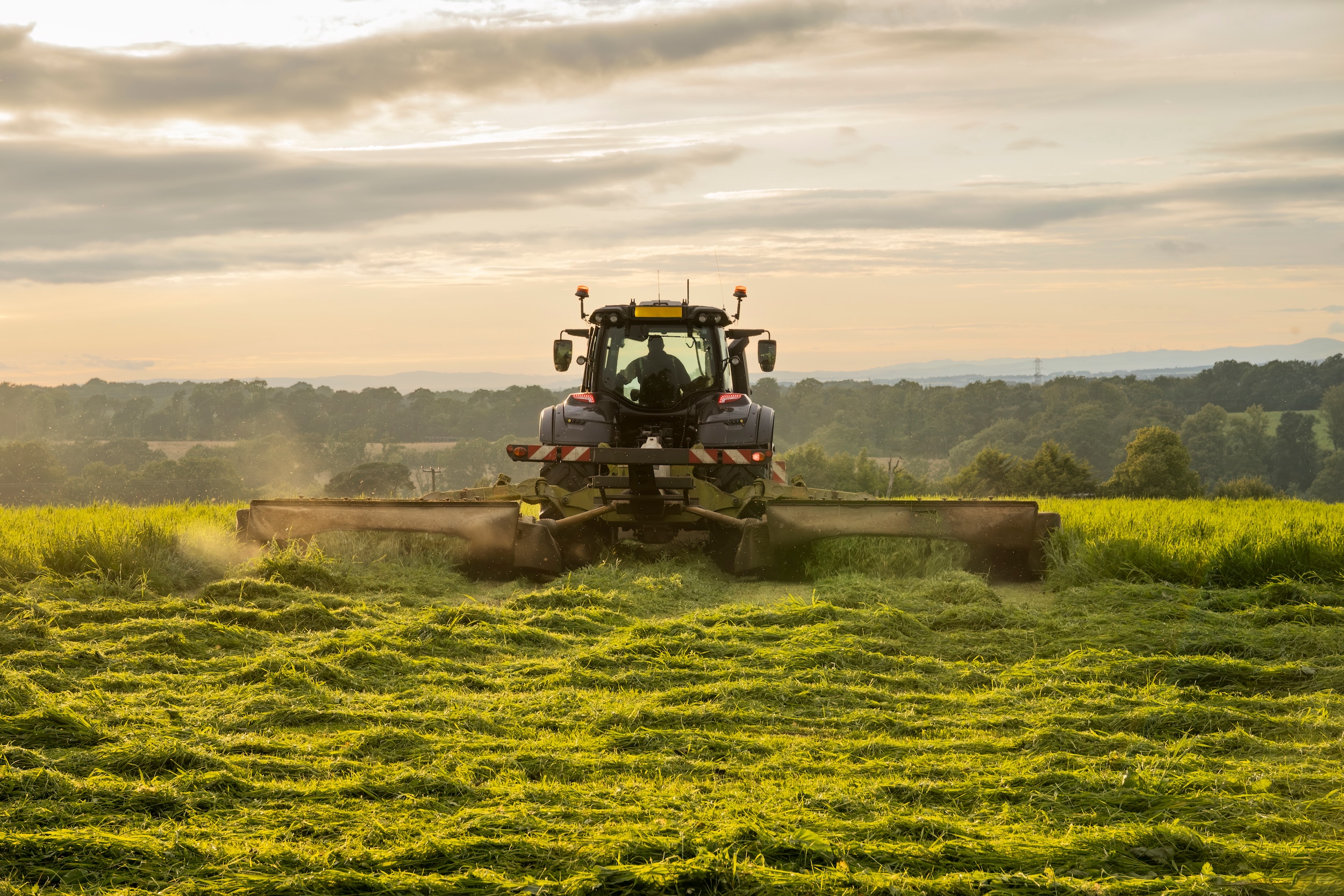
mower equipment mowing hay in a field on a small farm

8. Hay Mower, Disc Mower, And Sickle Bar Mower

Why this small farm equipment made the list: If you plan to harvest hay or forage, mowing is the first step. The type of mower (disc, sickle, drum) depends on your terrain, acres, and desired speed.

What to look for:

  • Cut width vs throughput
  • Durability in rough terrain
  • Maintenance of blades
  • Compatibility with tractor PTO

Equipment Price range:

  • Small disc/sickle bar (5–7 ft): $4,000 – $10,000
  • Mid-sized (>8 ft): $10,000 – $25,000+

A quality hay mower extends the life of your stand and reduces losses.


9. Rake, Tedder, And Conditioner

Why this small farm equipment made the list: After mowing, you’ll need to windrow, fluff, or cure the forage. Rakes and tedders speed drying and reduce spoilage.

What to look for:

  • Gentle handling of forage
  • Adjustability
  • Reliable linkages

Equipment Price range:

  • Small side-delivery rakes: $2,000 – $6,000
  • Rotary tedders or larger wheel rakes: $5,000 – $15,000+

This farm equipment is optional when you’re first starting out your small farm, especially if you bale only a few acres.


10. Bale Wagon, Round Baler, And Square Baler

Why this small farm equipment made the list: To compress hay into transportable and storable forms, balers are essential. The shape (round or square) matters for your handling preference and storage setup.

What to look for:

  • Bale density and tie system (twine, net wrap)
  • Windrow pickup width
  • Conditioners (for forage crops)
  • Mechanism reliability

Equipment Price range:

  • Small square balers (e.g. 30×30): $4,000 – $12,000 used
  • Round balers: $10,000 – $35,000+ depending on features
  • Large chamber square balers: $30,000+

If hay volume on your small farm is low, you might rent baling services initially, rather than buying this equipment at the get-go.

Browse Hay Equipment & Bailers
 

Farming Tools For Livestock And Animal Handling

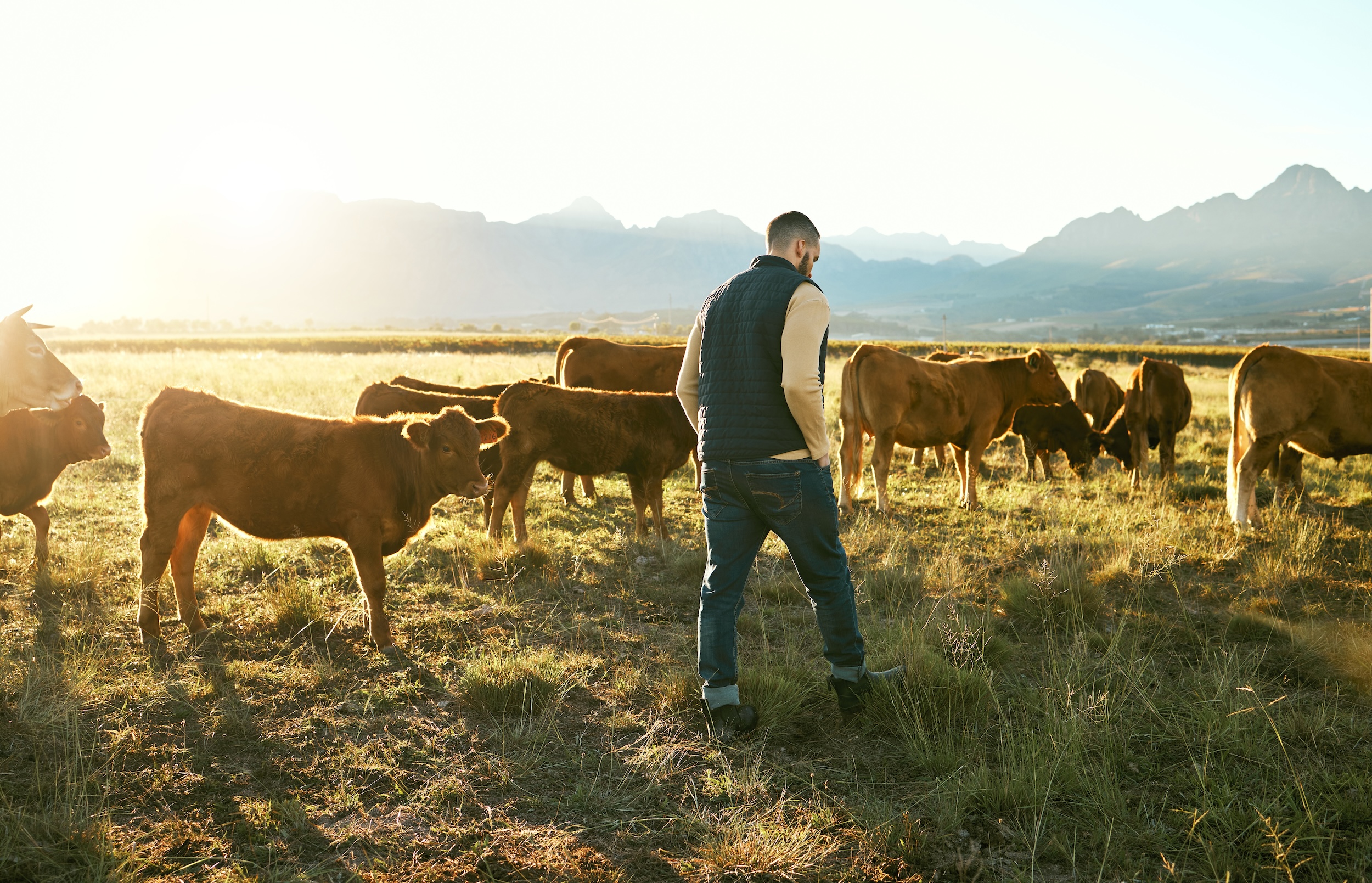
man walking with cows through a pasture at sunset

11. Post Driver And Post Hole Auger

Why this small farm equipment made the list: Strong, lasting fence lines are crucial for boundary control, rotational grazing, and predator control. Post drivers or augers allow you to install fence posts efficiently.

What to look for:

  • Compatibility with your power unit
  • Depth capability
  • Quick-change bits

Equipment Price range:

  • ATV-mounted/3-point augers: $1,000 – $4,000
  • Hydraulic post drivers (heavy-duty): $5,000 – $15,000

Good fencing pays long-term in pasture integrity and animal control.

12. Livestock Handling And Corral Systems

Why this small farm equipment made the list: Efficient livestock operations require safe, functional corral systems for sorting, weighing, vaccinating, and loading/unloading animals.

What to look for:

  • Modular and expandable panels
  • Solid gates, latches, and walkways
  • Integrated alley systems (if possible)
  • Portability (if rotational grazing)

Equipment Price range: $3,000 – $20,000+ depending on scale

Often best built over time—start with basic panels and gradually upgrade.


Farming Tools For Transport And Hauling

13. Ranch Truck Or Utility Pickup

atv small farm equipment in a field at sunset

Why this small farm equipment made the list: For hauling feed, equipment, materials, and towing trailers, a pickup truck is invaluable. Choose a truck suited to rough roads and heavy loads.

What to look for:

  • Payload and towing capacity
  • Off-road suspension
  • Bed length and durability
  • Reliable drivetrain

Equipment Price range:

  • Used ¾‑ton trucks: $20,000 – $50,000
  • New mid-level pickups: $35,000 – $70,000+
  • A truck is often your mobile base—don’t skimp too much here.

Browse Work Trucks & Commercial Vehicles


14. Utility ATV Or UTV (Side-by-Side)

Why this small farm equipment made the list: For quick access, farm chores, moving small loads, or reaching remote fence lines, a UTV is extremely handy. It bridges the gap between power machinery and foot traffic.

What to look for:

  • Load bed capacity
  • Four-wheel drive and clearance
  • Durability and suspension
  • Accessories (winch, racks, plow mounts)

Equipment Price range:

  • Entry-level models: $8,000 – $15,000
  • Mid-tier: $15,000 – $25,000
  • Premium: $25,000+

ATVs often more cost-effective than a second “tractor” for lighter farm tasks.


Farming Tools For Irrigation, Spraying, And Soil Care

15. Boom Sprayer Or Field Sprayer

crop sprayer small farm equipment

Why this small farm equipment made the list: To apply herbicides, pesticides, foliar fertilizers, or cover-crop suppression, a reliable sprayer is critical. It must deliver uniform coverage safely.

What to look for:

  • Boom width and nozzle spacing
  • Pressure control and pump type
  • Tank capacity
  • Agitation and plumbing quality

Equipment Price range:

  • ATV or pull-behind sprayers: $800 – $5,000
  • Tractor-mounted booms (30–60 ft): $5,000 – $20,000+

Start with a modest sprayer and scale boom width as acreage demands increase on your small farm.


16. Irrigation Equipment (Pivots, Basic Drip, Sprinkler Systems)

Why this small farm equipment made the list: If your small farm is in a more arid region, irrigation equipment may be necessary. A simple drip or sprinkler system can dramatically increase yield stability.

What to look for:

  • Durability
  • Ease of maintenance
  • Water flow and coverage
  • Pumps, filtration, control systems

Equipment Price range: There’s a wide variation in price for this specific type of small farm equipment, from a few thousand for drip kits to tens of thousands for pivot systems.

Don’t overbuild; start with the minimal “essential” system that meets your needs and expand as you scale your small farm operation.
 

Essential Workshop And Hand Tools

17. Welding And Fabrication Setup

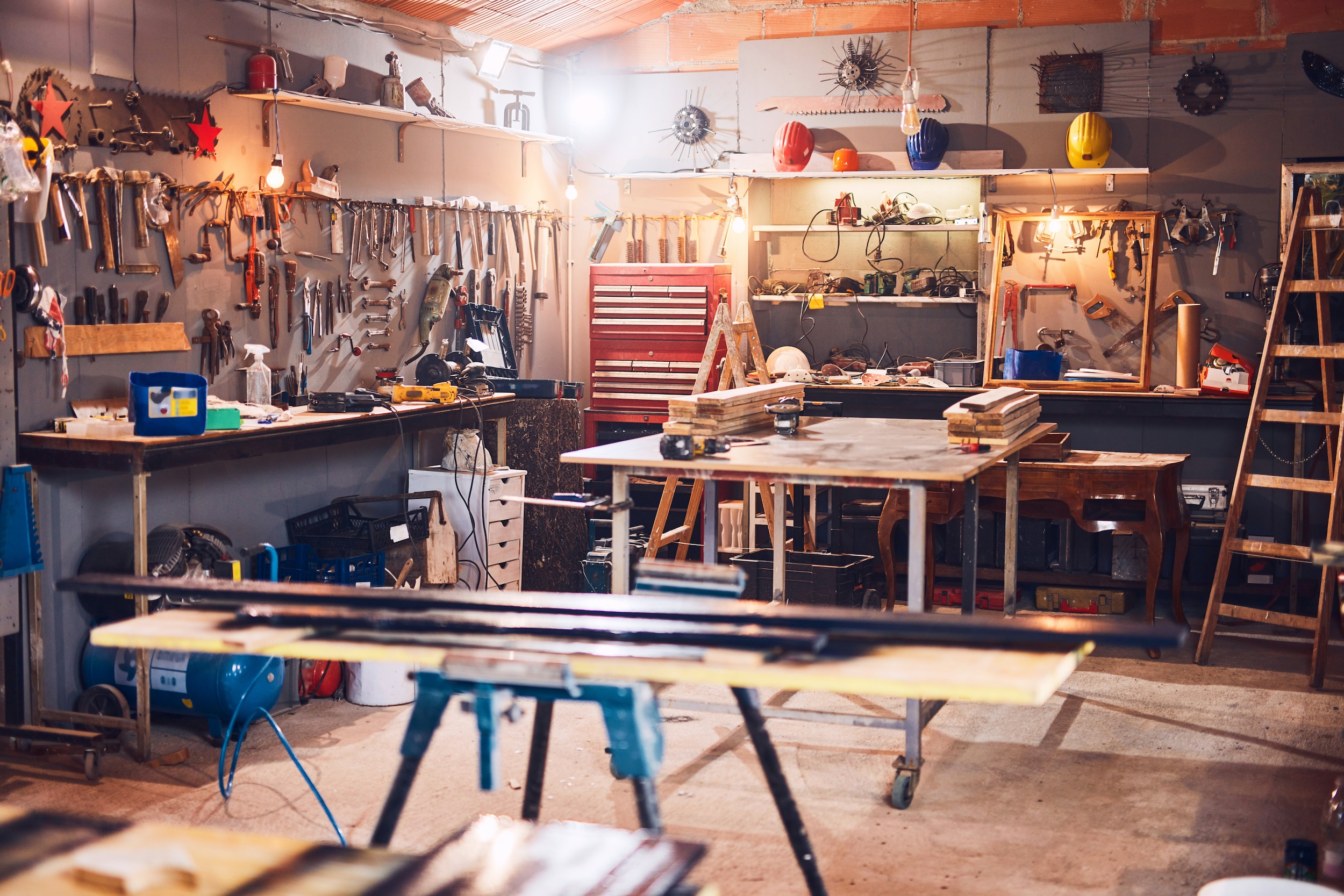
small farm workshop full of tools

Why this small farm equipment made the list: On-farm repairs, custom brackets, or adapting implements requires a solid welding and fabrication setup.

What to look for:

  • MIG or TIG machine
  • Plasma/oxy set
  • Grinder, drill press, bandsaw
  • Vise, workbench

Equipment Price range: $2,000 – $8,000+ depending on quality and capability

This is your small farm’s “insurance policy” for downtime; much of it will pay for itself.


18. Tool Kits And Hand Tool Assortments

Why this small farm equipment made the list: Wrenches, sockets, hammers, screwdrivers, torque wrenches, pliers, files, pry bars—this equipment forms the backbone of daily repairs for any small farm operation.

What to look for:

  • Durable tool sets (brand-backed)
  • Metric + SAE mix
  • Organized storage (rolling cabinets)

Equipment Price range: $300 – $2,000 depending on quality and coverage

Don’t skimp here. Cheap farming tools break, cost you time, and carry hidden frustrations.


19. Lifting And Hoisting Equipment (Hoists, Jacks, Chain Falls)

Why this small farm equipment made the list: To service tractors, remove engines, lift implements or heavy parts.

What to look for:

  • Rated capacities
  • Safety features
  • Portability

Price range: $200 – $2,000+

Essential for confident maintenance work.


We’re Sharing The Secrets To Making Your Small Acreage Farm A Success


cows roaming through a fog laced pasture during golden hour

Building a well-functioning small farm doesn’t have to be complicated, and our experts at Hayden Outdoors are here to make sure it isn’t. If you’re still looking for that perfect plot of land to bring to life your small farm dream, we’ve curated a collection of some of the best. We’ve also shared our tried-and-true advice on financing your first farm.

As you continue your research to find the best small farm equipment for your agricultural endeavors, you’ll want to make sure you bookmark our guide to finding hidden gems at farming tool auctions. Who knows? You may just find your diamond in the rough for sale on Hayden Outdoors.

Find The Best Equipment For Your Small Farm


Skip to content