Sign in to save favorite properties and equipment, save your search parameters and more
Don’t have an account yet? Sign Up Now
Sign up
Already have an account? Login Now
Login
×
Sign in
Sign in to save favorite properties and equipment, save your search parameters and more
Don’t have an account yet? Sign Up Now
Sign up
Already have an account? Login Now
Join The Club
Create Your Account
Property Search Tools
Join the Hayden Outdoors real estate concierge and receive info on market trends, new properties, free copies of our property catalog, blog articles, helpful tips for buying real estate and more!
The Best Turkey Hunting States: Top Places In 2026
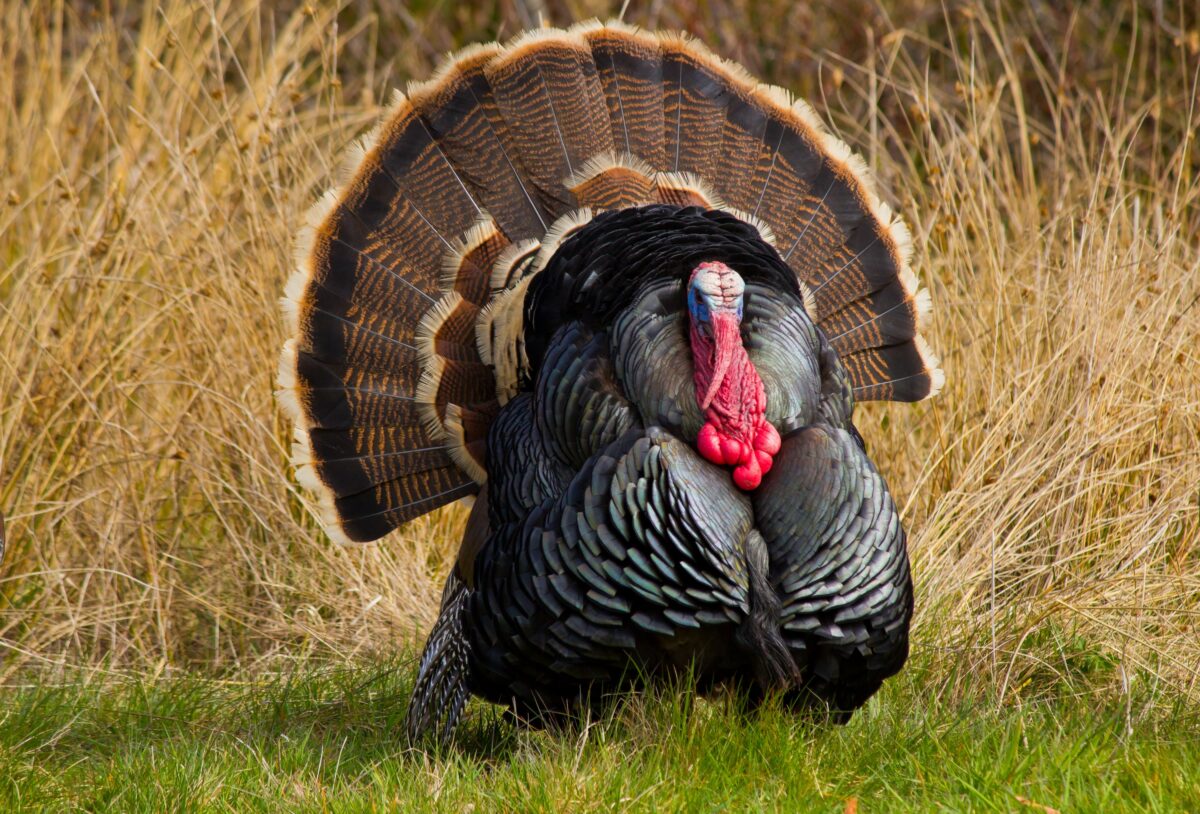
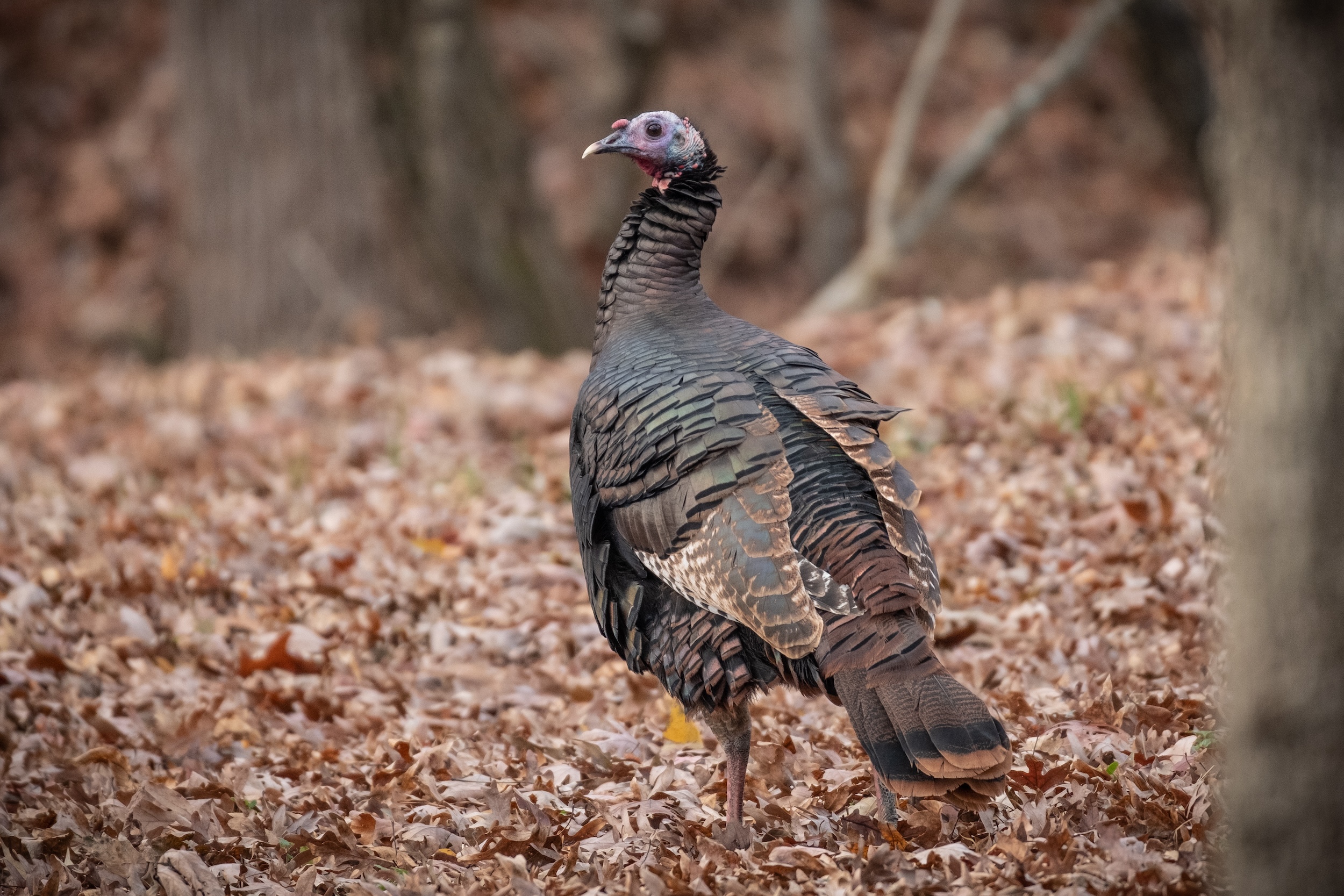
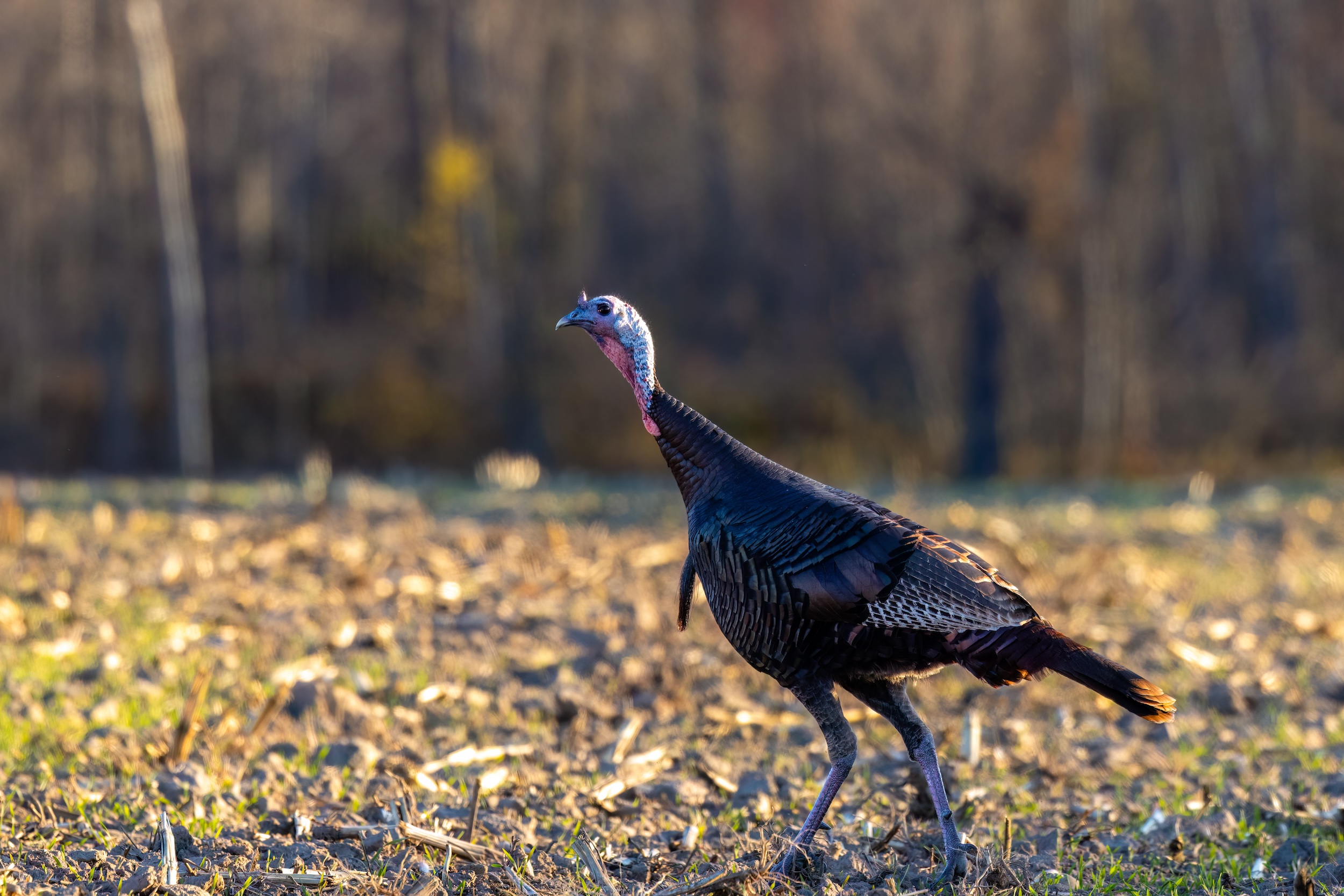
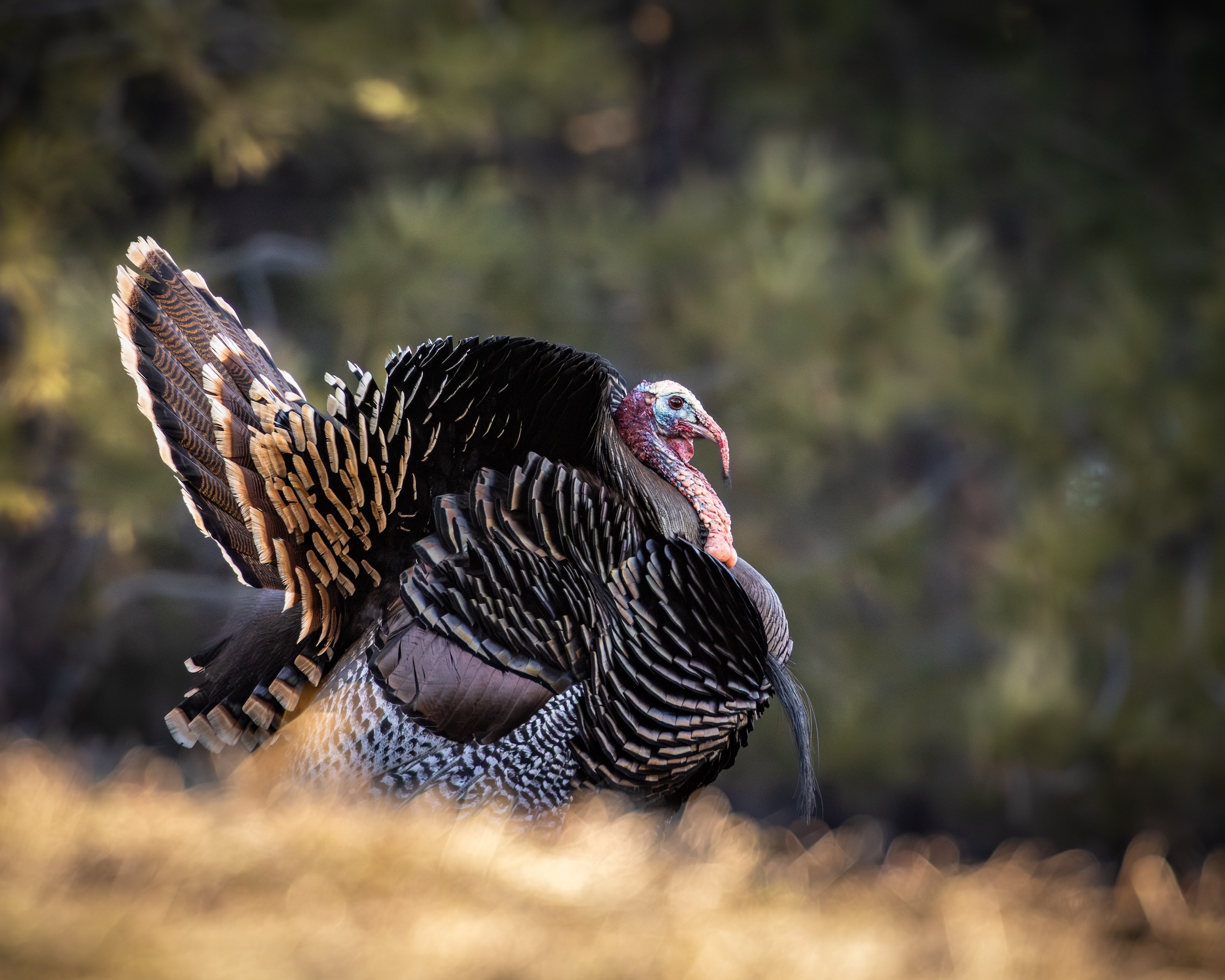
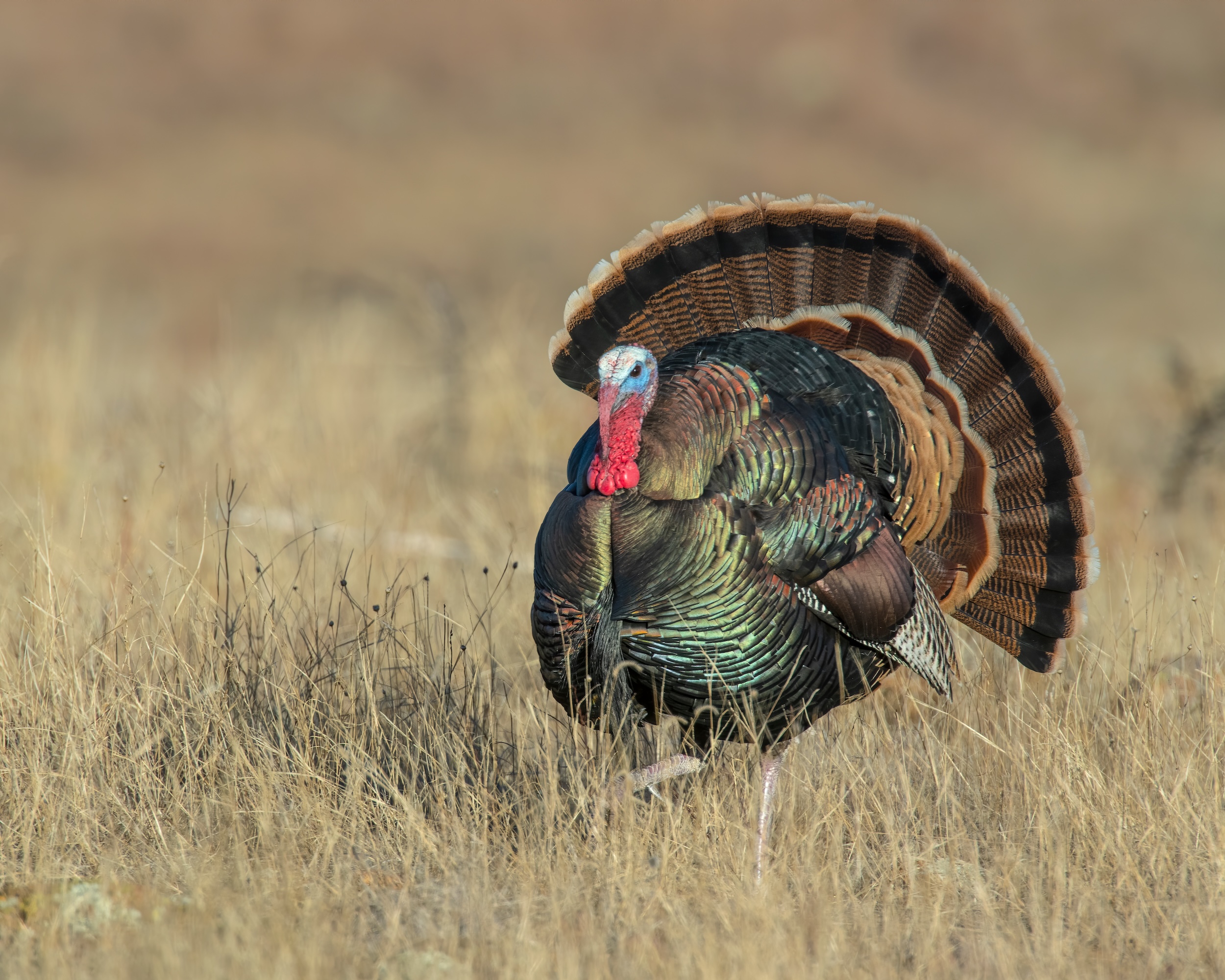
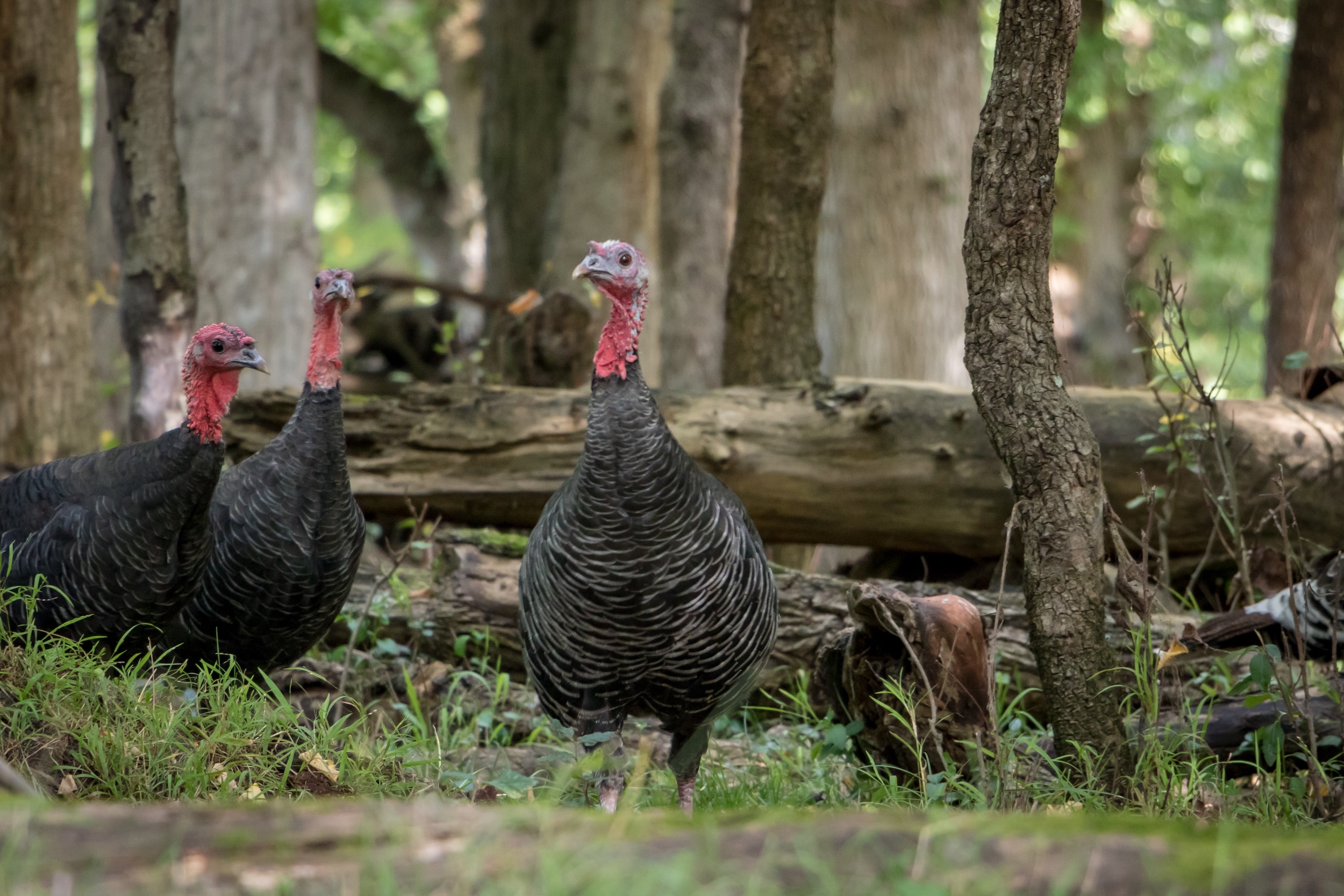
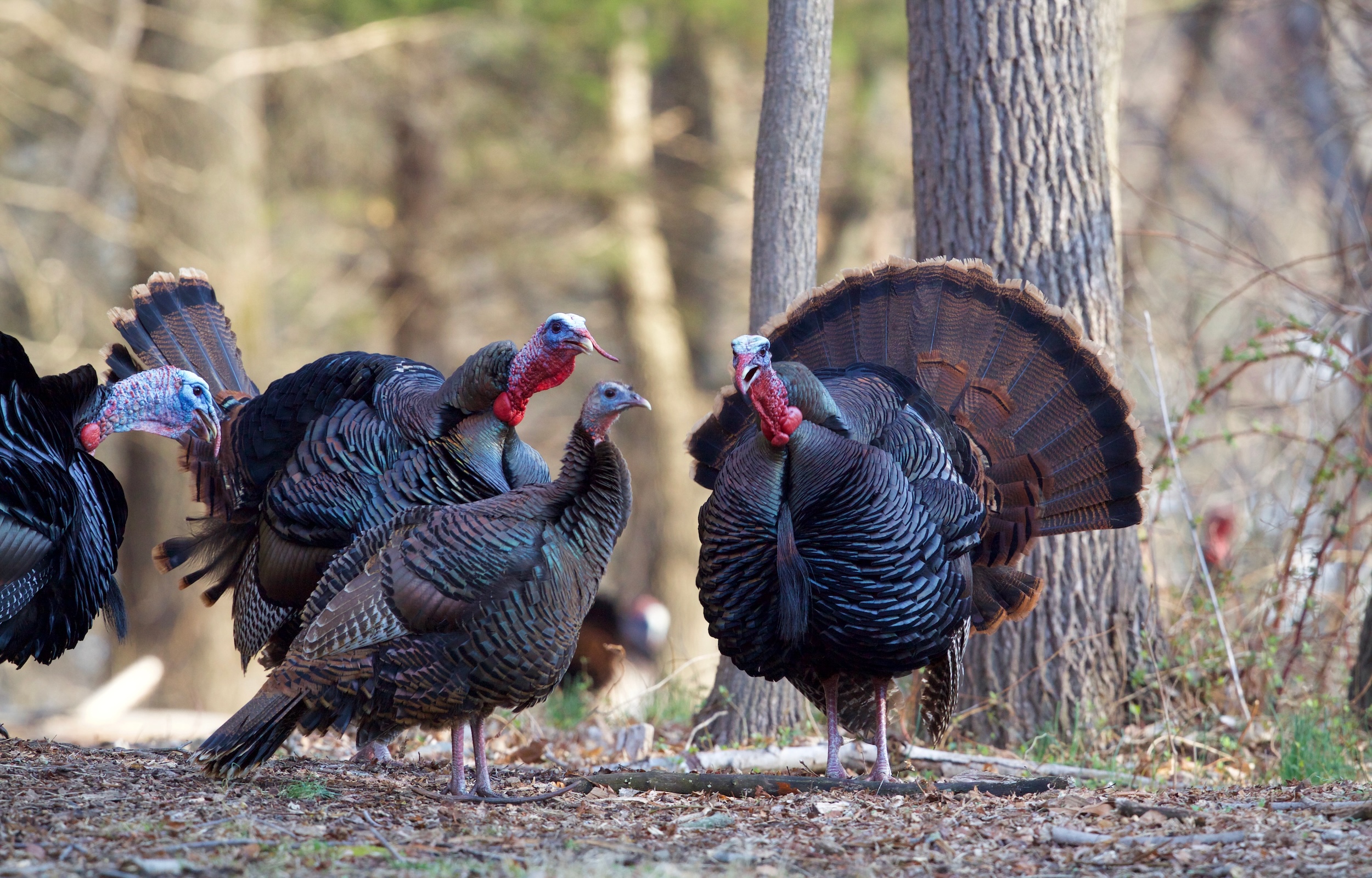
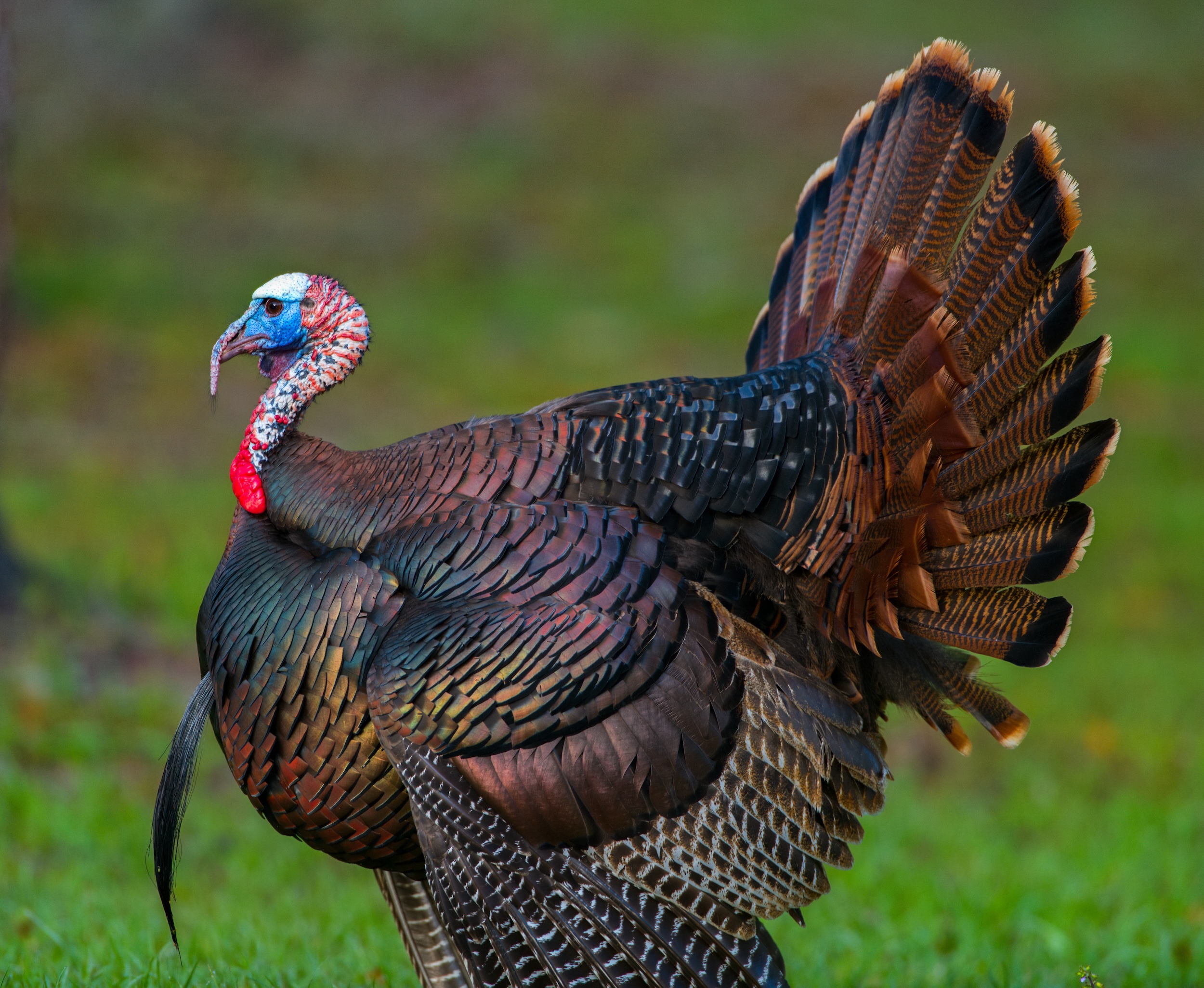
Turkey hunting represents one of America’s most treasured outdoor traditions, connecting modern hunters with a heritage stretching back generations. And there’s no denying that finding the best turkey hunting states can easily transform your season from ordinary to extraordinary.
From the hardwood bottoms of Alabama to the ponderosa pines of Montana, hunting wild turkeys on quality ground creates memories that last a lifetime. Whether you’re chasing your first gobbler or working toward completing a Royal Slam, location makes all the difference in your success and enjoyment.
What separates the best states for turkey hunting from every other place? It’s more than just bird numbers. The most exceptional turkey hunting states offer diverse habitat, reasonable access to quality ground, and regulations that support both conservation and hunter opportunity.
Here at Hayden Outdoors, our team knows a thing or two about hunting turkeys, and our guide breaks down the best turkey hunting states by region. We’ll help you identify prime turkey hunting destinations, whether you’re planning a weekend trip close to home or considering a property investment in prime turkey country.
What Qualities Make A Place Good For Turkey Hunting?
Yes, understanding what makes a state exceptional for turkey hunting can help you evaluate potential hunting places. But if you’re a landowner, this knowledge can also help you manage your property to its full potential.
Turkey Subspecies Across The Best Turkey Hunting States
North America hosts five distinct wild turkey subspecies, each perfectly adapted to its home range.
The Eastern Wild Turkey dominates from Maine to Florida and west to the Mississippi River. These birds have evolved in mature hardwood forests, thriving where rolling hills meet agricultural edges and creek bottoms offer the diversity they need.
Rio Grande Turkeys have historically called the south-central plains home, including states like Texas, Oklahoma, Kansas, and Nebraska. That said, Rio Grande turkeys exist in about 12 states total (including several western states like Colorado, New Mexico, Nevada, and California). They’ve adapted to more open landscapes where scattered trees line creek corridors and mesquite thickets provide cover. These birds handle drier conditions better than their eastern cousins and will travel greater distances between roosting and feeding areas.
Merriam’s Turkeys inhabit the mountainous terrain of the West. You’ll find them in Montana, Wyoming, Colorado, New Mexico, and scattered populations across other western states. They favor ponderosa pine forests and mountain meadows at elevations typically between 6,000 and 9,000 feet, displaying unique adaptations that let them thrive in the high country.
The Osceola (or Florida Wild Turkey) exists only in peninsular Florida. This subspecies has the most limited geographic range of any turkey, meaning completing a Grand Slam requires making the trip to the Sunshine State.
Gould’s Turkeys find their home exclusively in the states of New Mexico and Arizona. They’re known for their white-tipped tail feathers and long legs.
Why does subspecies matter beyond collecting slams? Each turkey subspecies displays different behaviors, vocalizations, and daily patterns that will influence your hunting strategy. For property owners, knowing which turkey subspecies lives on your land shapes every habitat management decision you’ll make.
Turkey Habitat Requirements
When it comes to the best turkey hunting states, it’s worth noting that the best turkey habitats strike a balance between several critical elements. Mature roost trees provide nighttime safety from predators. Turkeys prefer large trees near water sources, selecting oaks, sycamores, cottonwoods, or pines, depending on what grows in their region.
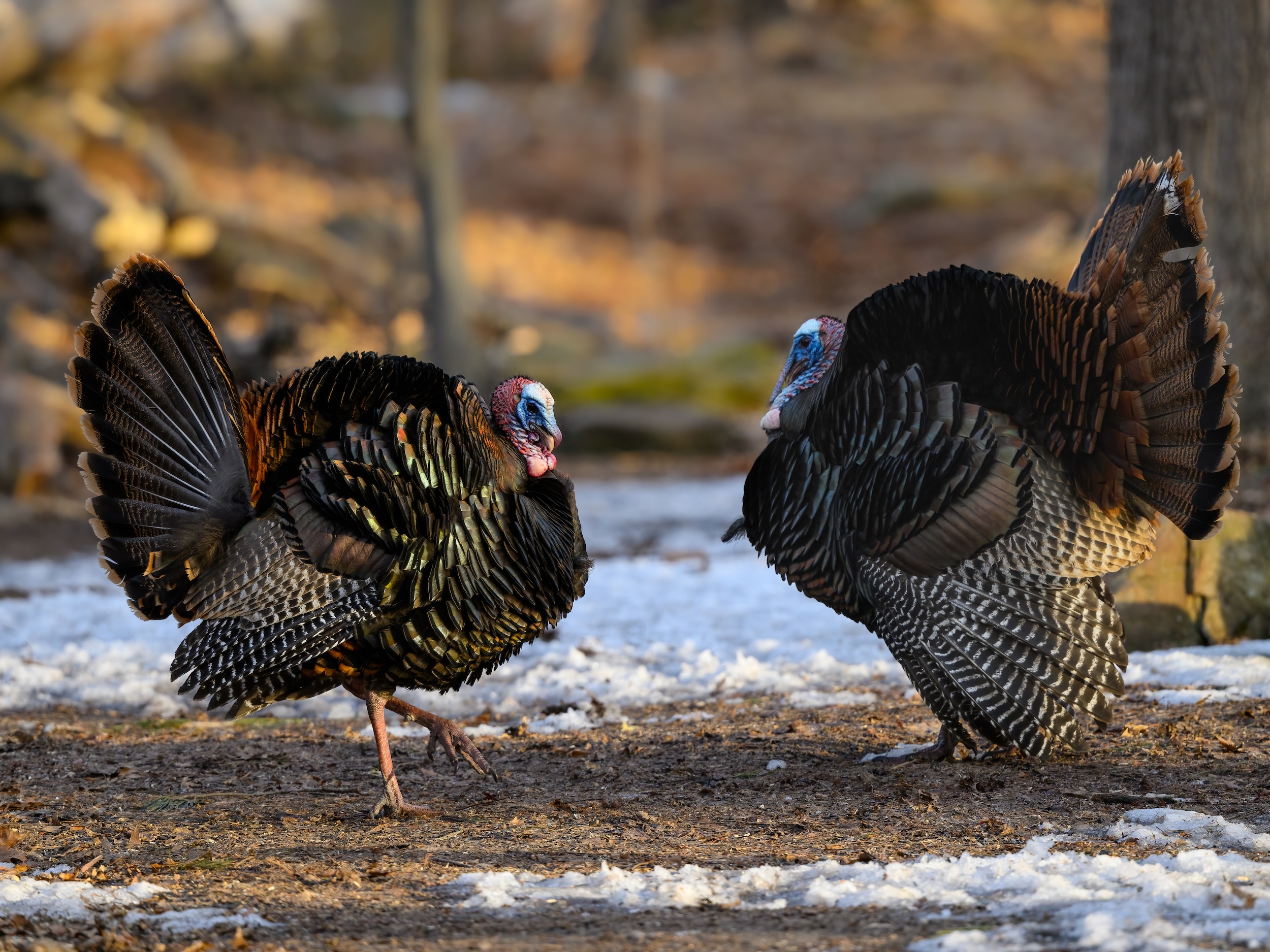
Strut zones need relatively open ground where gobblers can display for hens. Old logging roads, field edges, ridgetops, and pastures all serve this purpose well. These types of places give turkeys the visibility they need while keeping escape cover close at hand. Nesting habitat requires dense understory vegetation that provides overhead cover while still allowing hens good visibility at ground level to detect predators.
Food sources shift with the seasons. Spring brings fresh green vegetation and insects that turkeys crave. Summer emphasizes insect-rich areas that growing poults depend on for survival. Fall features mast crops like acorns and beechnuts. Winter demands accessible food when snow blankets the ground, making agricultural grain fields particularly valuable. If you’re trying to make your land a great place for turkey hunting, these are all factors you’ll want to keep in mind.
Water availability matters more than many turkey hunters realize. Turkeys need daily water access and will concentrate near reliable sources during dry periods. Creeks, ponds, stock tanks, and springs all attract and keep birds on the land.
Turkey Hunting Land Access Considerations
The best turkey hunting states come with a balance of public and private land hunting opportunities. Extensive public holdings through national forests, BLM parcels, and state Wildlife Management Areas give turkey hunters without property of their own solid options for places to hunt. Walk-in programs have expanded hunting opportunities in several plains states, creating win-win situations where private landowners allow public turkey hunting access.
For those considering land ownership, investing in a property in a top-notch turkey hunting state offers something special. Managing your own habitat and building family traditions on private ground provides rewards that turkey hunting on public lands simply can’t match.
Turkey Hunting Regulatory Environment
State hunting regulations shape the quality of your turkey hunting experience in some pretty significant ways. Over-the-counter tag systems provide flexibility and ease of access. Draw systems can maintain quality by limiting hunter numbers, though they require advance planning and sometimes a bit of luck.
Bag limits are key to understanding if a state is one of the best places for turkey hunting. States with robust turkey numbers often allow two or more birds per season. However, recent turkey population declines in some regions have prompted more conservative limits to protect breeding populations, a necessary step to ensure future turkey hunting opportunities in these states.
Season timing plays a big role in the optimal time window for turkey hunting in different states across the US. Southern states often open in March when birds begin gobbling in earnest, while northern states may not start until mid-April or early May. Understanding these state based turkey hunting patterns helps you plan trips to these places when gobbling activity peaks.
Nonresident opportunities and associated costs vary widely between states. Some states welcome out-of-state turkey hunters with reasonable fees and unlimited tags. Other states limit nonresident turkey hunting participation through quotas, higher costs, or both. These state policies shape where traveling turkey hunters focus their efforts and their budgets.
Turkey Hunting Season Tip: Typically the Fall is not peak season for turkey hunting , but most states (41) also offer a fall season for turkey tags. In the Fall calling for birds is not a viable hunting method since they mate in the Spring. However, the Fall season allows turkey hunters to be able to bag a another bird in a year. The fall seasons are usually the only season allowing the harvest of either-sex birds (hens or gobblers).
Are There Certain Regions In The US That Are Best For Turkey Hunting?
Regional characteristics play a huge role in determining turkey hunting quality and the overall experience in different states. Each major US region brings its own distinct advantages to the table.
Regional Turkey Habitat Differences: How Place Impacts Hunting Opportunities
The Southern region of the US features hardwood bottomlands and extensive pine forests that benefit from early vegetation green-up. Spring arrives weeks earlier here than up north, triggering turkey breeding activity as early as March. The longer growing season in the South supports robust insect populations that prove critical for turkey survival (one of the many reasons that southern states are some of the best for turkey hunting). Mixed pine and hardwood forests create the ideal habitat mix, with oaks producing the mast crops turkeys need and pines offering valuable winter cover.
Midwest states present agricultural landscapes beautifully interspersed with timber. River corridors and creek bottoms hold concentrations of birds, while crop fields provide abundant food sources throughout the year. The region’s oak ridges and diverse hardwood forests create exceptional turkey habitat, making the region great for turkey hunting. This agricultural-forest combination supports impressive turkey densities in many areas.
Western states offer dramatically different terrain that creates a unique turkey hunting experience. Ponderosa pine forests on mountain slopes, aspen groves, and scattered juniper woodlands create some of the best turkey hunting country out West. Elevation changes create distinct habitat zones, with birds often moving between areas as the seasons shift.
The Northeast states combine mixed hardwood forests with steep, often challenging terrain that tests your turkey hunting skills. Maple, beech, birch, and oak dominate these forests, creating diverse mast opportunities throughout the year. The later spring timing means turkey breeding activity peaks in May, offering hunters in these states prime hunting conditions when other areas have already closed their seasons.
Climate And Timing Advantages In The Best Turkey Hunting States
Southern states benefit tremendously from early green-up, with vegetation emerging in late February and March. That means turkey breeding activity begins earlier in these states than anywhere else in the country. You can pursue gobblers in Alabama or Georgia in late March, then travel north to catch peak activity in Midwest states like Kansas or Nebraska several weeks later, extending your season considerably.
Peak gobbling periods align closely with breeding activity across the country. Southern states see their most vocal birds from late March through mid-April. Midwest states typically peak in mid to late April. Western states often see their best turkey hunting days in late April and early May due to elevation and latitude. Northeastern states typically peak in early to mid-May, giving hunters there the final opportunities of the spring season.
The Best Turkey Hunting States In The Southern US
The Southern states rightfully claim their title as the heartland of turkey hunting. With extensive forests, mild spring weather, and robust populations of Eastern and Rio Grande subspecies, the South delivers exceptional opportunities from late March through May. When it comes to the best turkey hunting states in the South, these are our top picks.
1. Alabama
Alabama consistently ranks among the best turkey hunting states in America, and the reasons become clear the moment you step into Alabama turkey woods. Alabama’s diverse landscape, from the Appalachian foothills in the north to the coastal plain in the south, provides the kind of habitat Eastern Wild Turkeys thrive in.
Turkey License Cost: Resident hunters in the state of Alabama pay $34.35 for an All Game License, and this includes turkey hunting privileges. Nonresident hunters need a $246.60 All Game 10-Day Trip License. Youth hunters under 16 hunt free. Public land hunters also need a $22.75 WMA License.
Turkey Hunting Seasons: Alabama divides into three zones with staggered spring turkey seasons. Zone 3 (south) typically opens mid-March, Zone 2 (central) late March, and Zone 1 (north) early April, all running into early May. This zoned approach allows hunters to follow progression northward.
Best Places in Alabama to Turkey Hunt: Bankhead National Forest in northwest Alabama offers over 180,000 acres of prime habitat. Talladega National Forest’s 392,000 acres across central Alabama provide diverse terrain and strong populations. Forever Wild properties, including Perdido River, Cahaba River, and Skyline WMA offer quality hunting with fewer crowds.
Landowner Opportunities: The state of Alabama’s combination of relatively affordable land prices and excellent habitat makes it particularly attractive for those considering turkey hunting land ownership. The state’s long season and generous two-bird limit reward landowners who invest thoughtfully in habitat improvements.
Missouri stands tall among the best turkey hunting states, bridging the southern and central regions. The Show Me State’s diverse landscapes support robust turkey populations across both public and private lands, giving hunters at every level solid opportunities.
Turkey License Cost: Missouri resident spring turkey permits cost $19.50, while nonresident permits ($304.50 for nonresidents and $190.50 for nonresident landowners) run significantly higher. Resident hunters can purchase up to two spring permits.
Turkey Hunting Seasons: The spring season typically opens mid-April and runs through early May. The state operates a two-bird limit for residents, though regulations restrict taking more than one during the first week, protecting breeding-age gobblers in the state, while providing excellent turkey hunting opportunities.
Best Places in Missouri to Turkey Hunt: Mark Twain National Forest’s nearly 1.5 million acres across the southern portion of the state of Missouri offers exceptional turkey hunting. The Ozark region’s rugged hills and oak forests hold some of the state’s highest densities. Conservation Areas like Poosey, Schell-Osage, and Swan Lake National Wildlife Refuge provide consistent success.
Landowner Opportunities: Missouri’s rich agricultural landscape, mixed with extensive timber, makes it an ideal place for turkey hunting property ownership. The Conservation Department offers valuable technical assistance to landowners interested in habitat improvement. Food plots, timber stand improvement, and prescribed burning all enhance turkey habitat in meaningful ways.
Missouri’s central location also makes it accessible to hunters throughout the Midwest, and properties with good turkey habitat and solid access command strong interest in the real estate market.
The state of Georgia delivers outstanding turkey hunting opportunities across diverse habitats, from the mountains to the coastal plain, securing its place among the best turkey hunting states in the Southeast. The Peach State is a place that offers something for every style of turkey hunter.
Turkey License Cost: Georgia residents pay $25 annually for a Big Game License (that includes turkey hunting), along with a Hunting License ($15 annually for non-seniors and $7 annually for seniors). Nonresidents need both a hunting license ($100) and Big Game License ($130) for a combined $230 annual cost.
Turkey Hunting Seasons: The 2026 spring season opens March 28 on private land and April 4 on public land, running through May 15 statewide. Hunters may harvest two gobblers per season, but only one per WMA on public land.
Best Places in Georgia to Turkey Hunt: Chattahoochee National Forest in north Georgia provides extensive public access with good turkey populations. Piedmont National Wildlife Refuge in central Georgia offers quality hunting. Oconee National Forest and numerous Wildlife Management Areas across the state also provide accessible turkey hunting options.
Landowner Opportunities: Georgia’s varied terrain, from mountains to piedmont to coastal plain, creates a wonderfully diverse place for turkey hunting. The state’s early season and strong Eastern turkey populations make Georgia attractive for property ownership focused on heritage and building family traditions that last for generations.
The Midwest is home to some of the best turkey hunting states in America, where diverse landscapes ranging from agricultural plains to hardwood river bottoms support healthy populations across multiple states.
4. Nebraska
Nebraska has earned its reputation as one of the best turkey hunting states in the Great Plains, offering something you won’t find many other places: unique hybrid turkeys displaying characteristics of both Merriam’s and Eastern subspecies. The state’s million-plus acres of public hunting ground and liberal regulations make it attractive to both resident and traveling hunters.
Turkey License Cost: State resident turkey hunting permits cost $34, while nonresident permits run $158. All hunters also need a $25 Habitat Stamp. Youth permits are just $8.50.
Turkey Hunting Seasons: The 2026 spring turkey season opens March 25 for archery, with youth shotgun starting April 11 and regular shotgun beginning April 18, closing May 31. Hunters may harvest two turkeys in spring, though nonresident permits are limited to 10,000 and typically sell out quickly.
Best Places in Nebraska to Turkey Hunt: The Pine Ridge region in northwest Nebraska offers exceptional Merriam’s turkey hunting in ponderosa pine forests. The Niobrara River valley holds good populations in mixed habitat. Ponca State Park and Indian Cave State Park provide accessible turkey hunting. And the Republican River valley attracts birds to WMAs like Red Willow and Harlan County Reservoir.
Landowner Opportunities: Nebraska presents exceptional value for turkey hunters considering land ownership. Properties featuring creek bottoms, pine draws, and adjacent crop fields create the ideal habitat mix turkeys need.
Kansas is a state that represents the fascinating transition zone where eastern hardwood forests meet the Great Plains, creating unique turkey hunting opportunities. The state supports both Eastern Wild Turkeys in the eastern third and Rio Grande Turkeys across central and western Kansas, with some impressive hybrid birds in the transition zone.
Turkey License Cost: Kansas residents pay $40 ($32.50 for the permit and $7.50 for a nonrefundable application fee) for a spring turkey permit. Nonresident spring turkey permits cost $85 ($75 for the permit and $10 for a nonrefundable application fee), making Kansas one of the more affordable turkey hunting states for out-of-staters. Youth permits (for Kansas residents) are available at $7.50.
Turkey Hunting Seasons: The 2026 spring season runs mid-April through late May across most units. Kansas divides into hunting units, with Unit 4 requiring lottery draw for all hunters. Nonresident hunters must enter a draw for Units 1, 2, 3, 5, and 6.
Best Places in Kansas to Turkey Hunt: The Flint Hills region of east-central Kansas offers outstanding hunting with tallgrass prairie and oak woodlands. Public areas like Clinton State Park, Perry State Park, and Fall River State Park provide access. Cimarron National Grassland in southwest Kansas is a great place for hunting Rio Grande turkeys.
Landowner Opportunities: Kansas offers excellent land ownership possibilities for turkey hunters. Properties featuring creek bottoms, scattered timber, and agricultural fields create the ideal habitat combination. The presence of both Rio Grande and Eastern subspecies makes Kansas a particularly attractive state for turkey hunters working on various slam achievements, adding another dimension to the property’s recreational value.
Iowa consistently ranks among the best turkey hunting states in the Midwest, with excellent populations supported by the state’s rich agricultural landscape beautifully interspersed with quality timber. This combination creates ideal conditions for both turkeys and the hunters who pursue them.
Turkey Hunting Seasons: Spring seasons typically run early April through mid-May, with exact dates varying by season and zone. Iowa allows archery hunting earlier than shotgun seasons, dividing into multiple seasons to distribute pressure.
Best Places in Iowa to Turkey Hunt: The southern tier counties including Decatur, Wayne, and Davis hold excellent numbers. The Loess Hills region along the Missouri River offers unique topography and good turkey populations. Timber along the Des Moines, Iowa, and Cedar rivers provides prime turkey habitat. Public areas like Stephens State Forest, Yellow River State Forest, and Shimek State Forest offer quality turkey hunting opportunities in the state.
Landowner Opportunities: Iowa state’s combination of productive farmland and quality turkey hunting potential makes it attractive for recreational property ownership at every level. Creek bottoms featuring mature oaks, adjacent cropland, and well-managed food plots create exceptional habitat that also benefits whitetail deer, making these properties valuable for multiple species management and extending your hunting opportunities throughout the year.
The states in the western US offer a distinctly different turkey hunting experience from any other region. Merriam’s turkeys inhabiting mountain ranges and ponderosa pine forests provide hunters with spectacular scenery alongside their pursuit of spring gobblers.
7. Montana
Montana ranks among the best turkey hunting states in the West, offering expansive public lands and healthy Merriam’s turkey populations set against some of the most dramatic landscapes you’ll find anywhere in the country. Big Sky Country delivers the quintessential western turkey hunting experience.
Turkey Hunting Seasons:Spring season runs April 15 through May 31, with shotgun and archery allowed. Fall season runs September 1 through January 1 in most regions, with either-sex harvest permitted.
Best Places in Montana to Turkey Hunt: The Long Pines and Ashland areas of Custer National Forest in southeast Montana have excellent populations and extensive public access. The breaks country along the Missouri River, particularly in Charles M. Russell National Wildlife Refuge area, offers unique turkey hunting. Fergus County in central Montana supports good numbers.
Landowner Opportunities: The state of Montana’s turkey hunting lands offer spectacular settings for those considering property ownership with a long-term vision. The combination of Merriam’s turkeys, mule deer, elk, and other big game species makes Montana properties attractive for comprehensive wildlife management that serves multiple generations. Properties featuring southern exposures, established ponderosa pine stands, and reliable water sources hold the most appeal for serious turkey hunters and their families.
The state of Colorado provides diverse Merriam’s turkey hunting opportunities across spectacular Rocky Mountain landscapes, earning its rightful place among the best turkey hunting states in the West. The Centennial State combines challenging terrain with rewarding hunts.
Turkey License Cost: Colorado state resident turkey hunting licenses cost $38.48 for spring and $32.11 for fall (with an $8 nonrefundable application fee). Nonresident licenses cost $194.21 (with an $11 nonrefundable application fee). Youth licenses under 18 are available for reduced rates of $20.62 for residents and $130.39 for nonresidents.
Turkey Hunting Seasons: Spring licenses are limited and awarded through a draw system. Both over-the-counter licenses and draw licenses are available depending on the hunting unit. Fall licenses provide additional opportunities through a separate draw.
Best Places in Colorado to Turkey Hunt: The Front Range foothills from Fort Collins south to Colorado Springs hold good Merriam’s populations. The South Platte River is one of the best turkey hunting places, along with the Arkansas River basin, and the Western slope areas, including around Grand Junction, offer quality hunting.
Landowner Opportunities: Colorado properties with quality turkey habitat typically also support elk, mule deer, and other big game species, creating comprehensive recreational value that extends across multiple seasons. Elevation, aspect, and water sources all play crucial roles in turkey distribution, making local knowledge invaluable when evaluating properties in the state for their turkey hunting potential.
Pro Hunting TIp: Acquiring turkey hunting licenses in the state of Colorado is quite accessible and straightforward, which is one of the big reasons it makes it on our list. That said, we’d be remiss if we didn’t also mention that Wyoming is also one of the best turkey hunting states in the Mountain West, especially if you’re looking for less crowded public land access.
The Best Turkey Hunting States In The Northeast US
The Northeast offers excellent turkey hunting across states where dedicated conservation efforts have created thriving populations in challenging terrain. Late spring timing and mature hardwood forests characterize this region’s unique hunting experience.
9. Pennsylvania
Pennsylvania stands proudly as one of the best turkey hunting states in the US. With robust populations distributed across diverse landscapes from the Pocono Mountains to the Allegheny National Forest, the Keystone State’s successful turkey restoration represents one of wildlife management’s greatest achievements.
Turkey License Cost: Pennsylvania residents pay $20.97 for an adult hunting license, including one spring turkey tag. Hunters wanting a second spring gobbler can purchase a special spring turkey license for $21.97. Nonresidents can pay $101.97 for the adult hunting license, which includes one spring turkey tag and one fall turkey tag.
Turkey Hunting Seasons: The typical turkey hunting season in the state of Pennsylvania is from late April through late May.
Best Places in Pennsylvania to Turkey Hunt: Allegheny National Forest in northwest Pennsylvania offers over 500,000 acres with excellent turkey populations. State Game Lands across the state provide accessible hunting, with units in south-central and north-central regions known for consistent success. The ridge and valley region of central Pennsylvania holds high turkey densities in oak-dominated forests.
Landowner Opportunities: Pennsylvania’s extensive forests and relatively affordable rural land make it attractive for turkey hunting property ownership with real staying power. The state’s central location makes properties here accessible to hunters throughout the Northeast and Mid-Atlantic, and land with good turkey habitat and established populations commands strong interest when it comes to market.
12. Maine
Maine’s turkey population has grown steadily since reintroduction efforts began, with the Pine Tree State now supporting hunting across most of the state. Populations run strongest in the southern and western regions, where habitat conditions favor turkey success.
Turkey License Cost: Turkey hunters can get a small game hunting license ($15 for residents and $75 for nonresidents), along with a turkey permit ($20).
Turkey Hunting Seasons:Spring turkey season runs May 4 through June 6, 2026, with most Wildlife Management Districts allowing harvest of bearded birds. Youth spring turkey day occurs May 2, 2026.
Best Places in Maine to Turkey Hunt: Southern Maine counties hold the highest turkey densities. Areas around Portland, Augusta, and Bangor regions offer quality hunting. Public lands including state forests and WMAs provide access, though much of Maine’s prime turkey habitat exists on private land.
Landowner Opportunities: The state of Maine’s rural character and strong conservation ethic create excellent opportunities for habitat management and building sustainable turkey hunting traditions that last. Maine’s later spring timing means breeding activity continues well into late May and early June, extending your opportunities compared to southern states and giving you more time to work birds.
11. New York
New York rounds out the best turkey hunting states in the Northeast with strong populations distributed across varied terrain from the Adirondacks to the Catskills and beyond.
Turkey License Cost: New York state resident hunting licenses cost $22 for adults, with turkey hunting permits available for $10. Nonresident turkey hunting permits are $20, and the hunting license is $100. Both are necessary in order to hunt.
Turkey Hunting Seasons: Spring seasons typically open early May and run through the end of the month. New York divides the state into zones with slightly different season dates to account for regional variations in habitat and bird behavior.
Best Places in New York to Turkey Hunt: The Southern Tier counties including Allegany, Steuben, and Chemung hold excellent turkey populations in mixed forest-agriculture landscapes. The Finger Lakes region offers quality hunting with good public access on state forests and WMAs. Central New York’s agricultural regions, particularly around Cayuga Lake and Madison County, provide productive turkey hunting.
Landowner Opportunities: New York offers diverse landownership opportunities, ranging from agricultural lands in central regions to forested mountain terrain in the Adirondacks and Catskills. Managing turkey habitat means maintaining oak forests for reliable mast production, creating strategic openings for nesting and brood rearing, and establishing food plots that provide critical nutrition during key periods. The state of New York’s turkey hunting heritage runs deep, and well-managed properties create legacies that families treasure for generations.
Managing Your Turkey Hunting Property
There’s nothing quite like having your own turkey hunting land. Whether you’re managing a small tract or substantial acreage, thoughtful habitat work can dramatically improve your turkey hunting experience and your property’s long-term value.
Habitat Improvements For Turkey Hunting Landowners
Creating a quality roosting habitat starts with protecting and enhancing mature trees on your property. Turkeys prefer large trees with trunk diameters exceeding 14 inches, typically located near reliable water sources. A selective timber harvest improves roost sites by thinning surrounding competition and allowing your preferred species to grow larger and stronger.
Food plot strategies for turkeys differ significantly from those focused solely on deer. Turkeys benefit from diverse plantings that provide nutrition across multiple seasons. Spring plots featuring clover, chicory, and annual ryegrass attract hens during the critical breeding season. Fall plots incorporating grain sorghum, corn, and winter wheat provide valuable food sources when natural mast crops run thin.
Managing nesting and brood-rearing cover requires maintaining areas with dense understory vegetation that provides the security hens need. Prescribed burning in late winter creates the patchy, diverse vegetation structure ideal for nesting success. And the fresh growth following a burn attracts the insects that young poults depend on for survival.
Water source development can also enhance your property’s value for turkeys and other wildlife species you’re managing for. Small ponds, seasonal wetlands, and reliable springs all attract turkeys, particularly during dry periods.
Turkey Hunting Habitat Pro Tip: Leverage land clearing to create strutting zones, along access lanes that help with bird movement and shooting lanes.
Scouting And Monitoring Your Turkey Hunting Land
Using trail cameras effectively helps you pattern turkey movements and identify the key areas on your property that matter most. Unlike deer hunting where cameras aim to capture specific individuals, turkey scouting focuses on identifying travel corridors, preferred feeding areas, and roost locations that the birds use consistently. Place cameras strategically along field edges, near food plots, and at potential strutting areas where gobblers like to show off.
Identifying your property’s key turkey hunting areas comes from combining trail camera data with direct observation in the field. Spring scouting several weeks before season opens can help you identify where gobblers are roosting and where they fly down to strut each morning. Morning listening sessions from strategic points can help you map gobbler locations and understand their daily patterns.
Turkey Hunting As Part Of Your Recreational Property
Building family traditions around turkey hunting can create lasting value that extends far beyond any economic measure. Spring turkey season provides the perfect opportunity to introduce young hunters to the outdoors during mild weather and comfortable conditions. The interactive nature of calling turkeys engages new hunters in ways that passive stand hunting simply cannot match, creating memories and skills that last a lifetime.
Recreational properties in the best turkey hunting states, with documented turkey populations, command premium prices in today’s market. Buyers seeking turnkey hunting operations willingly pay more for properties with established food plots, known roost areas, and a proven track record of success.
Multi-species management opportunities make turkey hunting properties particularly attractive investments. Habitat improvements that benefit turkeys simultaneously enhance conditions for deer, creating opportunities for both spring turkey hunting and fall deer seasons.
Upland bird habitat, particularly for pheasant hunting, shares many characteristics with turkey brood-rearing cover. Properties supporting healthy turkey populations often provide excellent dove hunting in late summer and early fall, extending your hunting calendar across multiple seasons and giving you more reasons to enjoy your land.
Key Takeaways For Turkey Hunters
The best turkey hunting states span America from coast to coast, each offering unique opportunities and experiences worth pursuing.
Southern states like Alabama, Missouri, and Georgia provide extensive public access, robust populations, and early season turkey hunting when birds are fired up.
Midwest states including Nebraska, Kansas, and Iowa combine agricultural abundance with quality timber to support excellent turkey numbers and accessible hunting.
Western states like Montana and Colorado deliver the quintessential Merriam’s turkey hunting experience set against spectacular mountain landscapes.
And northeastern states such as Pennsylvania, New York, and Maine offer challenging terrain and late spring hunting when birds remain vocal into May.
Choosing the best places to turkey hunt will depend on your specific goals, the time windows you have available, and how far you’re willing to travel. And if you’re feeling particularly ambitious, traveling turkey hunters can experience different subspecies and landscapes by targeting multiple states and regions throughout the spring.
The heritage and legacy of turkey hunting continue growing stronger as new generations discover this challenging and rewarding pursuit. Whether you hunt public lands close to home or own a place in one of the best turkey hunting states, pursuing wild turkeys connects you with a tradition stretching deep into American history.
Find Your Perfect Plot Of Turkey Hunting Land
Owning turkey hunting land is so much more than acquiring real estate or making an investment. It’s about building something lasting: tradition, family heritage, and a lifestyle deeply connected to the land and its wildlife. Whether you’re searching for a small parcel near home or a larger tract in one of the best turkey hunting states, finding the right property can provide decades of enjoyment and memories.
Hayden Outdoors specializes in connecting hunters with properties across the best turkey hunting states in the US. Our agents understand the unique characteristics that make turkey hunting lands valuable and productive, from southern hardwood bottoms to western ponderosa pine forests and everything in between.
Whether you’re seeking a weekend retreat in one of the best turkey hunting states or a substantial property for comprehensive wildlife management and family gatherings, our Hayden agents can help you find your perfect piece of ground where turkey hunting traditions take root and memories are made.
Connect with a Hayden Outdoors agent today to discuss your turkey hunting land goals and start turning your vision into reality, no matter which state you’re looking to establish your hunting legacy in.
Enhancing Pheasant Hunting with Effective Habitat Management
Drew Larsen knows a thing or two about pheasant hunting – the calls and cackles, the flush, the sweeping prairie lands that beckon hunters and their dogs to walk this way. He knows it all like it’s his backyard. Maybe that’s because, at least for most of his life, prime pheasant hunting has been Drew’s backyard. “I grew up in South Central Nebraska, a town called Minden, a small town of about 2,000 people, in what they call the rainwater basin of the state. I cut my teeth pheasant hunting in those areas.” Enhancing Pheasant Hunting Through Effective Habitat Management
Drew’s early days chasing birds through the Nebraska wetlands was the beginning of a life-long love story with pheasant hunting. Today, he’s Vice President of Conservation Delivery at Pheasants Forever, a non-profit organization dedicated to conserving pheasants, quail, and other wildlife through habitat improvements, public access, education, and conservation advocacy. He’s been with the organization for nearly 20 years working his way from regional biologist to the person who now oversees 400 wildlife biologists in 41 states across the country. It’s fair to say Drew understands the importance of habitat management for sustainable pheasant populations.
Drew recently sat down to talk all things pheasant hunting and habitat. Here, Drew provides some insight into the optimization of land for pheasant hunting and habitat.
The Pheasant’s Habitat Requirements
Drew points out that pheasants thrive in a mix of habitats including grasslands, croplands, wetlands, and shrub areas. This provides pheasants with food sources, nesting sites, and cover. “Pheasants spend a vast majority of their time on the ground foraging for seeds, so they like weedy types of cover, like sunflowers and things that provide really good aerial protection from predators above.” Here are four key factors that affect a pheasant’s survival and reproduction:
Nesting Cover: Undisturbed low- to medium-high grasses and legumes for nesting and brood rearing.
Brood Cover: Undisturbed native forbs and annual weeds that provide bare ground and aerial protection.
Winter Cover: Tree windbreaks and dense covers of cattails or switchgrass to protect the birds from heavy snow and cold winds.
Food sources: Pheasants enjoy a dietary mix of insects, grains, berries, seeds, and flora with nutrient-dense grains making up the bulk of the adult diet in the winter.
Creating a Favorable Pheasant Habitat
Habitat Diversity
When it comes to creating the ideal bird hunting habitat, Drew boils it down to one key concept: diversity. “Pheasants are really an agricultural bird,” he says. “So what you’re looking for is a good mix of ag lands and perennial grass and wildflower cover.” This serves multiple purposes. “A weedy-type habitat attracts the insects chicks and adult birds are feeding on in the spring and summertime of the year. In the fall, those crops are harvested and the birds have an opportunity to switch to a more crop-based diet.” A varied habitat also affords the birds plenty of places to nest and find cover. Successful pheasant habitat includes grasslands, croplands, wetlands, and shrub areas.
Native Vegetation
When optimizing pheasant habitat, native vegetation provides natural food sources and cover. These plants are adapted to the local climate and soil conditions, and won’t disrupt the birds’ ability to attain proper nutrition and shelter and nest.
Food Plots
When it comes to food, Drew reiterates the importance of a weedy habitat for pheasants. “Pheasants will key in on grains in the winter, such as corn, soy beans, and winter wheat, but you’ve gotta remember, in the spring and summer months, they’re primarily feeding on insects and weed seeds. That’s why a weedy habitat is so important.” Maximize your property’s pheasant food opportunities by creating food plots with crops like corn, sorghum, millet, sunflowers, and wheat, which rotate through seasons to provide a consistent diet.
Cover, Shelter, and Nesting Habitat
Pheasants need quality cover and shelter year-round. Colder temperatures will push birds into more thermal cover and winter cover while warmer climes allow them to spread out and thermoregulate in lighter cover. You can improve pheasant cover by planting a mixture of native grasses and shrubs that can withstand a warmer and colder season. Grasses should be at least 15 inches tall – the magical number for nesting habitat. Winter wheat can provide excellent nesting habitat while forbes and annual weeds make for good brood cover, which should allow for bare ground so chicks can move around and still remain unseen by aerial predators.
Cattail wetland sleuths offer good thermal cover in the winter and can hold up to snow storms and then there’s the shelter belt. A proper pheasant shelter belt combines tree rows, thickets, and woody vegetation, reducing predation.
Pheasant Habitat Management Practices
Water Sources
Pheasants require easy access to clean water for drinking and bathing. If your property doesn’t have a water source, consider installing small ponds or water troughs.
Preserving Riparian Zones
To help maintain a viable pheasant habitat, it’s important to protect and enhance riparian zones – lands that abut streams, rivers, and wetlands. This unique environment interface provides a variety of elements, including clean water, vegetation, ground cover, and food.
Landowners can enhance riparian areas on pheasant hunting property by limiting stock access, mitigating development, removing any levees or small dams, and controlling invasive plants and animals.
Minimizing Chemical Use
Pesticides and herbicides can be very harmful to pheasant populations and their food sources. When it comes to effective pheasant habitat management, strictly limit the use of these chemicals near pheasant habitat.
Predator Management
Maintaining a balanced ecosystem is essential to all healthy habitats, however, excessive predator populations can impact pheasant survival. Bird hunting landowners should consider responsible predator management as necessary.
Sustainable Hunting Practices
Selective Hunting
As a devout pheasant hunter, Drew has chased his passion for upland birds all over the country. “Since I started working for Pheasants Forever, I’ve broadened my hunting horizons quite a bit. Now I get to take advantage of some other upland bird hunting opportunities beyond Nebraska. Last year, I got to hunt out West in Arizona. I’ve also hunted sage grouse and ruffed grouse out that way. And then I’ve had the opportunity to do quite a bit of sharp tailed grouse and prairie chicken hunting in Nebraska, South Dakota, and North Dakota.”
Which is all to say he understands the importance of sustainable hunting practices that ensure population longevity and hunting success into the future. Avoid excessive hunting pressure that could negatively affect pheasant populations and practice selective harvesting of birds. This can mean harvesting only males to allow hens to breed the following year.
Hunting Ethics and Regulations
Even on private hunting property, hunters need to adhere to regional hunting laws and guidelines. Talk with your guides and visiting hunters about hunting ethics and rules for your property.
Collaborative Conservation Efforts
You might say Drew is a wildlife biologist first and a hunter second, acknowledging that he understands a successful pheasant hunt starts with healthy habitat and habitat management. “A lot of the country that’s producing pheasant and quail is part of the CRP – Conservation Reserve Program. This is a USDA program that pays landowners to take crops out of production and plant perennial cover instead. So the areas where we have our best feathered populations in the country are areas where there’s a really good mix of row crop, CRP, and native grasslands. That’s where we have the highest bird numbers.”
It can be daunting to create such a successful bird hunting habitat alone, which is why it’s important to work with local conservation groups, like Pheasants Forever, and wildlife agencies to define specific improvements you can make to your property. Talk with local wildlife experts and professionals about tailoring habitat modifications to the local ecosystems.
Conclusion
Owning your dream hunting property can be a generationally rewarding endeavor. Working with local wildlife management entities and conservation groups to ensure long-term habitat wellness is key to providing pheasants and sportsmen sanctuary for years to come.
It’s important to keep in mind that producing proper pheasant habitat doesn’t happen overnight; it takes time, possibly several seasons until you realize the full benefits. Creating a diverse and suitable habitat enhances land for pheasant hunting while also contributing to the health of overall wildlife populations.
“Any passionate hunter knows the importance of land conservation and improvement,” says Hayden Outdoors Managing Partner Dax Hayden. “As someone who spends the majority of my time walking some of the country’s last great swaths of ranching, farming, recreational, and hunting land, I can tell you first-hand – conservation matters. At Hayden, we’re proud to partner with Drew and the dedicated folks at Pheasants Forever; they understand what it takes to keep these great places of ours healthy for wildlife and productive for those of us who live, work, and play on them.”
Pheasants Forever: An Amazing Resource
Becoming a member of Pheasants Forever is a great way to stay in the know about bird hunting and managing of your property for pheasant hunting. Visit the website and simply enter your ZIP code to find the chapter nearest you. Landowners can find their nearest farm bill wildlife biologist for a one-on-one consultation about habitat management. Volunteers can help with local habitat projects and participate in youth or adult hunts.
Pheasants Forever is vital to the health of the country’s pheasant hunting. Drew drives the point home. “If you’ve hunted pheasants, you’ve most likely hunted in an area that we’ve either helped put on the ground, or advocated for in Washington, D.C., like CRP. If you hunt pheasants, we’ve absolutely had an impact in helping provide areas for people to hunt.”
Pheasant in flight
Secure Exclusive Private Land Access For Pheasant Hunting
Hayden Outdoors Hunt For Habitat 2025 kicks off on November 7th in Goodland, KS. Hunter tickets include two days of exclusive private land access for pheasant hunting, along with live music performances featuring Aiden Logsdon and Grand Ole Opry artist Chancey Williams.
How to Set Up a Trail Cam for Success: Regional Strategies Across the United States
Trail cameras have transformed wildlife observation, hunting preparation, and property monitoring. Success requires understanding both fundamental principles and regional variations across diverse US landscapes. From Pacific Northwest forests to Southwest deserts, each region presents unique challenges and opportunities. The key to success is understanding how to set up a trail cam in each unique region to achieve the maximum benefits of having a trail camera on your property.
Understanding Your Environment
Trail cam set up success depends on wildlife patterns, weather conditions, terrain features, and human activity. Each US region presents distinct combinations requiring tailored approaches. The key lies in adapting strategy to match specific area conditions while maintaining core principles.
Weather patterns, vegetation density, wildlife migration routes, and seasonal behaviors vary dramatically nationwide. Regional knowledge becomes essential for optimal results. Understanding local conditions separates successful deployments from disappointing outcomes.
The Northeast: Navigating Dense Forests and Seasonal Extremes
The Northeast’s dense deciduous and mixed forests create both opportunities and challenges. Dramatic seasonal changes require cameras withstanding temperature extremes and moisture. Harsh winters and humid summers demand robust equipment selection.
Focus on natural funnels created by dense forest structure. Deer trails, creek crossings, and ridge lines become wildlife highways. Position cameras along these corridors, particularly where multiple trails converge for maximum activity.
Thick canopy creates darker conditions even during daylight hours. Ensure cameras have strong infrared capabilities for nighttime photography. Winter snow loads can shift camera positions, so secure mounting proves crucial.
Use heavy-duty straps and consider mounting slightly higher than normal. Account for snowfall when positioning equipment. The region’s hunting pressure makes wildlife more nocturnal during hunting seasons.
Consider the Northeast’s abundant water sources when positioning cameras. Stream crossings, pond edges, and seasonal wetlands attract diverse wildlife. Be mindful of spring flooding that can damage or relocate equipment.
The Southeast: Dealing with Heat, Humidity, and Dense Vegetation
The Southeast’s hot, humid climate and dense vegetation create unique challenges. High humidity can fog lenses and damage electronics. Lush growth can quickly obscure camera views, requiring frequent maintenance. Check cameras frequently for moisture damage and clear vegetation growth.
The Southeast’s abundant food sources and water create more dispersed wildlife patterns. Focus on travel corridors between bedding areas and food sources. Target early morning and late evening hours when animals are most active.
Swamp edges, hardwood bottoms, and pine plantation borders create excellent edge habitat. These transition zones often funnel animals along predictable routes. Be prepared for seasonal flooding in low-lying areas. Elevated positions near water sources provide excellent vantage points while protecting equipment.
The Midwest: Mastering Agricultural Landscapes
The Midwest’s agricultural landscape offers unique opportunities for trail camera success. The region’s mix of farmland, woodlots, and waterways creates distinct wildlife movement patterns. These patterns change with farming cycles and seasons.
Position cameras along fence lines, creek bottoms, and woodland edges bordering agricultural fields. These areas serve as natural highways for wildlife moving between cover and food.
The Midwest’s relatively flat terrain means wind can significantly impact camera stability. Use robust mounting systems and consider prevailing wind direction when positioning cameras.
Seasonal agricultural activities dramatically influence wildlife patterns. Corn and soybean harvest times create temporary food source abundance. Tillage operations can disrupt normal movement patterns throughout the region.
The Mountain West: Altitude, Weather, and Terrain Challenges
The Mountain West’s extreme elevation changes and harsh weather conditions present unique challenges. The temperature can swing dramatically between day and night. Equipment must withstand summer heat and winter blizzards.
At higher elevations, focus on natural travel corridors. Saddles, ridge lines, and valley bottoms become animal highways. Animals follow these routes to conserve energy while moving through mountainous terrain.
Water sources become even more critical in this environment. Springs, streams, and seasonal water holes are prime camera locations. Battery performance decreases significantly in cold conditions, so consider lithium batteries.
Animals move to higher elevations in summer and lower elevations in winter. Position cameras along these migration routes for seasonal success. Be prepared to relocate equipment as animals move between zones.
The Southwest: Water Sources and Extreme Conditions
The Southwest’s arid climate makes water sources the key to success. Unlike other regions, water becomes the critical factor for wildlife activity. Food sources take secondary importance in desert environments.
Focus camera placement around springs, seasonal water holes, stock tanks, and permanent water sources. These locations concentrate wildlife activity and provide predictable patterns for successful photography. Water sources attract both wildlife and livestock.
The region’s extreme temperature variations between day and night can stress electronics. Choose cameras rated for these conditions and consider positioning away from direct sunlight. Natural shade from rocks or vegetation can extend equipment life.
The Pacific Northwest: Rain, Dense Forests, and Unique Wildlife
The Pacific Northwest’s heavy rainfall, dense forest cover, and diverse wildlife create distinct requirements. The region’s wet climate demands cameras with superior weather sealing and moisture resistance.
Position cameras along ancient game trails winding through dense forest understory. You can easily identify these well-established routes by their worn paths. The region’s thick canopy creates darker conditions requiring superior low-light performance.
The Pacific Northwest’s abundant water sources mean wildlife is less concentrated around specific holes. Instead, focus on travel corridors, feeding areas, and seasonal gathering spots. Berry patches and salmon streams during spawning seasons provide excellent opportunities.
Consider the region’s diverse wildlife when selecting camera settings. Everything from black bears and elk to smaller species like martens and lynx abound. Varied fauna may require different trigger sensitivities and camera heights.
Universal Best Practices for All Regions
Certain principles apply to successful trail camera deployment across the United States. Understanding these fundamentals provides the foundation for regional adaptations and consistent results.
Camera height and angle significantly impact success rates. Generally, position cameras 3-4 feet high and angle them slightly downward to capture movement. However, adjust this based on target species and local terrain features.
Use gloves when handling cameras and consider scent-eliminating sprays to minimize human odor. This is especially crucial during hunting seasons when animals are more alert.
Above all, ensure you perform regular maintenance on your cameras. Check cameras monthly at minimum, more frequently in harsh conditions. Clear vegetation, check battery levels, ensure secure mounting, and verify appropriate camera settings.
Seasonal Adjustments and Strategies
Each season brings unique opportunities and challenges for trail camera deployment across all regions. Spring offers opportunities to capture animals with young, but changing weather patterns require adjustments.
Summer’s longer daylight hours and predictable weather patterns often provide the most consistent results nationwide. However, heat can stress equipment and batteries in many regions.
Fall hunting seasons can disrupt normal wildlife patterns, but they also concentrate animals in security cover. Adjust camera positions to focus on heavy cover areas and nighttime activity patterns.
Winter presents equipment challenges but can provide unique photography opportunities across most regions. Snow cover can reveal animal tracks and travel patterns while creating stunning backgrounds. However, cold temperatures and snow require more frequent maintenance visits.
Finding the Best Trail Cams
When it comes to reliable trail camera equipment that can handle the diverse challenges across America’s landscapes, Hayden Outdoors partners with Moultrie to bring you proven performance in the field.
From the humid Southeast to the harsh Mountain West winters, Moultrie’s trail cameras are engineered to deliver consistent results in every region we’ve covered. Their cameras feature:
Weather-resistant construction – Built to withstand endure Pacific Northwest rainfall to Southwest desert heat
Superior battery life – Critical for remote monitoring across vast properties
Advanced trigger technology – Ensuring you capture the wildlife activity that matters most
Easy setup and maintenance – Perfect for landowners managing multiple camera sites
Whether you’re monitoring wildlife on your hunting property, conducting habitat management, or keeping an eye on remote areas of your land, Moultrie’s reliable technology helps you make informed decisions about your property.
Ready to upgrade your trail camera setup? Visit our partner Moultrie to explore their full range of trail cameras designed for serious land management and wildlife observation.
Conclusion
Successful trail camera deployment requires understanding both universal principles and regional variations across the United States. Each region presents unique challenges and opportunities that demand tailored approaches to camera placement and maintenance.
The key to success lies in adapting these strategies to your specific location. Maintain consistent monitoring and adjustment practices regardless of your region. Whether dealing with Northeast forests, Midwest agricultural landscapes, or Southwest arid conditions, understanding regional patterns improves success.
With proper planning, appropriate equipment selection, and regional awareness, you can glean many benefits of setting up trail cams. The investment in time and effort to understand your specific region’s requirements pays dividends. Success comes through understanding diverse landscapes of the United States and adapting accordingly.
What You Need to Know When Applying for a Private Landowner Tags & Private Land Licenses
Owning recreational or ranch property comes with many perks, but it’s also a job in and of itself to manage the land, and for some, turn a profit on it. As cattle revenues continue to fluctuate, many large landowners have turned to private hunting leases in recent years as a predictable source of income, not to mention the added benefit of cultivating trophy big game and offering premium hunting opportunities to family, friends, and clients. In many states, private landowners can apply with the Game and Fish offices to receive landowner hunting tags for big game species to use for themselves, family, friends or to sell (depending on the state laws). Before you go down the road of applying for a private landowner hunting tags, here are a few things to know.
Eligibility Requirements for Landowners
There are a variety of things to consider regarding landowner hunting tags. The first, and perhaps most obvious, is the land. How many acres qualifies for a private landowner hunting licenses? The specific number varies from state to state, but generally falls within the range of 160 to 640 contiguous acres or more.
Additionally, you will need proof of land ownership such as property deed, tax bill, or contract to purchase and any lease agreements or easements associated with the property. Land owners might also need to show residency within the state in which they wish to offer their private land for hunting. Confirm your state’s regulations, but this typically requires a property owner to live in the state for at least 180 consecutive days before applying for a license. In all cases, make sure to check with your local and state agencies to ensure you meet all requirements. If you’re a non-resident landowner who can not apply for landowner hunting rights, you might still be able to sponsor hunters who live in the state to hunt on your land. Again, review this request with your wildlife management agencies.
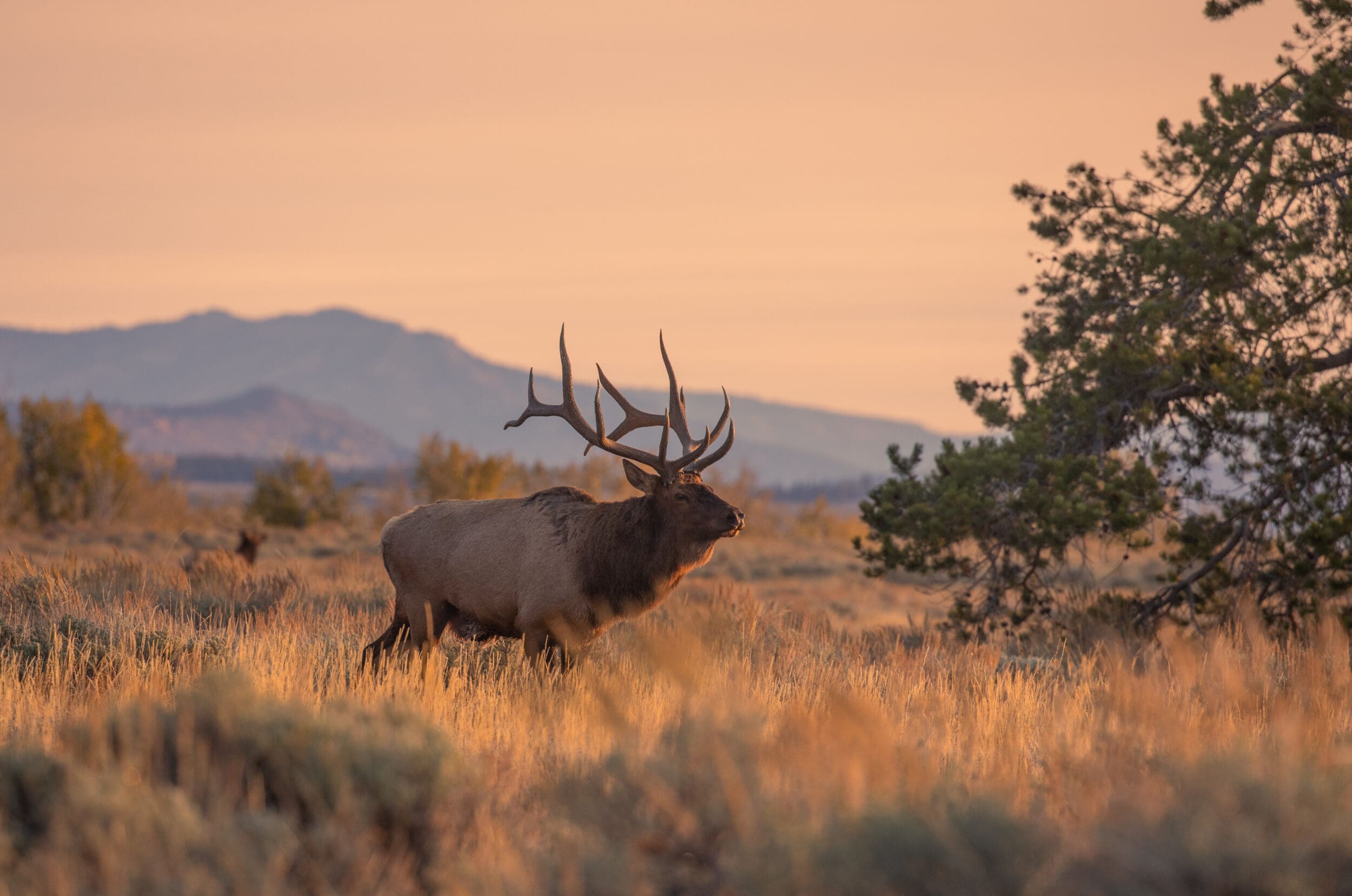
Bull Elk at Sunrise During the Fall Rut in Wyoming
Understanding State and Local Hunting Laws
Each state has a different set of rules and regulations for hunting private land. If you plan on applying for landowner hunting tags to hunt your own land, you’ll need to understand these rules as they relate to your property. In some states, deer require a certain number of contiguous acres whereas larger game, like elk, might require more. And these rules can change from year to year.
Most public land hunting restrictions also apply to private landowners. This can include protected species and seasonal restrictions. If you allow others to hunt your property, make sure all those hunting your land understand these rules and regulations, and know how to identify any protected species and their habitat.
You can stay informed about local hunting laws by visiting agencies and organizations in your region such as Game and Fish associations, DNR offices and Wildlife & Parks.
The Application Process: Step-by-Step Guide
Private landowners should collect all necessary information before applying for their permit. This information will vary by state, but can include the following:
Name
Date of birth
Address
Email
Which type of permit you’re applying for
Name in which the land is deeded
Contact name (if someone other than the landowner, such as a property manager or outfitter, is the primary point of contact)
County
Hunting district (township, range, section)
Tax bill information
Some states provide an online licensing system that allows landowners to submit all materials through the wildlife management website. Others might require hard copy materials and an in-person application.
If you plan to apply for a landowner hunting tags, make sure you know the deadline for the upcoming season. In many cases, the deadline for the next season is the last day of the current year, e.g. December 31, 2024 for the 2025 hunting season. Timeline for approval varies, but most states provide a contact phone number, tracking website, or other form of knowing when you can expect to know the status of your application.
UPCOMING DEADLINES FOR LANDOWNER TAG APPLICATIONS:
No set deadline, recommend applying before January 1st, 2025.
New Mexico:
Register by January 5th, 2025 (Primary Zone), June 30th, 2025 (Secondary Zone)
Montana:
Register by April 1st, 2025 at 5:00pm MST
Private Land Tag Costs and Fees
Fees for private landowner hunting vary widely depending on a variety of factors, including the state, type of game, hunting district regulations, and total acreage. For landowners the cost for landowner tags can be minimal, but if legal in your state, the landowner may sell these landowner tags to the general public for market rate.
Keep the following in mind:
State in which you’re applying
How much land you own, the more land usually means you can apply for more licenses
Which type of game you plan to hunt
Whether or not your application will require a property survey
Recent property tax bills
Some states like New Mexico offer a bonus or incentive tag for responsible and sustainable land ownership, rewarding those who steward the land, do not overgraze, and oversee good water disbursement.
Responsibilities of the Private Landowner
As a private landowner with hunting permits for your property, it’s important to be mindful of the responsibility that comes with it. To help ensure the safety of you, hunters on your land, and those hunting bordering properties, make sure you:
Maintain property boundaries and safety standards
Set clear rules for hunters on your land
Establish clear property boundaries and no-trespass points
Consider legal liability and insurance measures
Hayden Outdoors Agent & Partner Greg Liddle
Hayden Outdoors recreational real estate professional Greg Liddle sums up the benefits of hunting on private land. “In 1985, you could walk into your nearest hardware store and get your deer or elk tag right over the counter. It was good for the entire season. Nowadays, there are units in Colorado that could easily take 25 – 30 years to draw.” He notes that in 2021, an additional 60,000 applicants applied for big game deer and elk tags in the state of Colorado alone as compared to the previous year.
“This makes hunting on private land pretty appealing to those who have access to it.” Private hunting land is certainly a luxury, but it’s much more than that in today’s world. It’s a legacy for future generations of hunters. It’s added financial value in your recreational real estate investment. And it’s a way to preserve the land for all those who value the art of big game hunting. To learn more about securing a private land hunting application for your recreational property, or if you’re interested in purchasing private hunting land, contact Hayden Outdoors.”
*Don’t forget to visit us at a trade show to discuss Landowner Tags!*
Hayden Outdoors will attend a number of hunting and sporting trade shows every year. Stop by one of these shows to discuss how we can help you with your private landowner tag application, property and wildlife management and learn about some amazing sporting properties we have for sale from coast to coast.
Keys to a Successful Whitetail Deer Hunting Season
With whitetail deer hunting season just around the corner, we turned to Hayden Outdoors’ resident whitetail expert, John Tate. John is a lifelong hunter and avid outdoorsman, cutting his teeth in the Piedmont of North Carolina. He’s spent countless hours honing his hunting craft throughout some of the most desirable whitetail deer hunting regions in the country. It’s a passion, and one he’s happy to impart on up-and-comers. Here are some key takeaways from our talk with John in which he walked us through the key steps for a successful whitetail hunting season.
John with a Whitetail Buck. Photo Courtesy of John Tate.
The Importance of Preparation for a Successful Hunt
Whitetail deer hunting is one of the most popular hunting tags, mainly because the animals are so prolific across the country. Nearly all U.S. states have a whitetail deer hunting season, with some opening as early as August. The animals gravitate toward food plots, cropland, pasture, wooded areas, and brush. But don’t be fooled into thinking the abundance of whitetail deer makes them easy to hunt. John advises treating your whitetail deer hunting as a year-round game. “In the off-season, you need to be practicing with whichever weapon you plan to hunt with. Study onX maps, read hunting articles, watch video clips, and call your local or regional hunting division to see what the local tag regulations are.”
Preparation is essential for successful whitetail deer hunting. John recommends taking these steps to help ensure you’re prepared when opening day rolls around:
Set a hunting goal. If this is your first season, it could be as simple as getting out and testing your equipment. Newer hunters might care less about rack size and more about securing some meat for the upcoming year. Whatever your aim, vocalizing it can help frame your approach to the season.
Find a friend and then practice with that person – make it a team effort.
Pick a spot and plan the trip.
By doing these things, John points out that you become the guide and the outfitter. You get to do it all. “For me, I truly appreciate when it all comes together and I do shoot a deer, knowing I’ve done the work from start to finish.”
Understanding Whitetail Behavior: Patterns and Habits
For the most part, food sources dictate whitetail deer movement, which typically is most active in the morning and evening. “Whitetails don’t move a whole lot mid-day,” John says. “They’re going from their bedding to their food source. When it starts to get warm during the day, they’re not going to expend a lot of energy.”
This movement pattern extends as fall begins to turn to winter and the weather gets colder. “When temperatures start to drop, the deer are starting to roam around, making scrapes, rubbing trees. Bucks will be on the move, especially in the October timeframe, looking for does. That’s when you’ll see the bucks moving around pretty aggressively.”
By late October, whitetail bucks will begin aggravating the does at the onset of the rut (mating season). In addition to mating season, food, weather, and shelter also affect whitetail behavior as they prepare for winter.
Food plots, areas of well-tended crops near tree cover, help to sustain a local whitetail population. Photo courtesy of John Tate.
Preparing Your Land: Ensuring a Whitetail-Friendly Habitat
One of the best ways you can make your property appealing to whitetail deer is by creating food plots. According to John, there are typically two different kinds – spring/summer food plots and fall food plots. Learn more about which plants and minerals appeal to the deer in your area, then create a food plot with John’s guidelines in mind:
Establish your food plots within close proximity to a bedding area or corridor.
Provide enough buffer that you’re not getting too close to the bedding area and running the deer off.
The more food you have, the more deer you’ll pull from other properties and nearby hunting zones.
If you have to create a food plot in a newly-established area, use the modification to the habitat in a way that benefits the deer. “We don’t have as much agriculture here in the South as in the Midwest, so we have to create our food plots for whitetails. We’ll take a barren field or even some section along a creek that doesn’t have a lot of trees and clear the area where there’s good, fertile soil.”
Downed trees can provide excellent cover for deer. These trees also allow you to create access corridors in the food plot, helping to predict movement. “You can structure your food plot based on the predominant wind and better soil.” The bottom line: Plant the food and give the deer a natural source of nutrients that is protected and close to water.
Proper Gear: Must-Have Equipment for Whitetail Hunting
“When I first started hunting, it was good enough to just have enough clothes on to stay warm. And it was all cotton! No hand warmers or battery-operated gloves and socks. I was just happy to be out there, hunting with my dad.”
While we sometimes yearn for a more minimalistic approach to our favorite activities, the truth is that modern equipment keeps us more comfortable and allows us to get closer to the animals without being noticed. These days, the gear checklist is a little longer, but you’ll be that much happier when your hands are warm and the deer can’t smell or see you.
John’s essential gear checklist includes:
Rifle and ammunition or bow and quiver – If you’re bow hunting, pack an extra release
Camo
Well-fitted boots
A good backpack – John recommends a 2,000 – 3,000-cubic-inch pack to accommodate packing out meat
Range finder
Deer call
Flashlight or headlamp
Binoculars
Plenty of food and water – you might be out all day
“That’s the minimalist list I would put together and say, ‘Go to the woods.’”
A layout of gear needed for bowhunting whitetail. Photo courtesy of John Tate.
Additionally and conditions-dependent, it’s worth adding the following to your hunting kit:
Bug repellant
Binocular harness
Safety vest
Two pull-up ropes
Small set of allen wrenches
Extra hat
Gloves
Face net
Camo face paint
Ozone machines that kill scent
Extra batteries for any battery-powered items
Pay special attention to scent control and camouflage. Consider washing hunting clothes with scent-free detergent and using a scent-killer treatment. Avoid body products (shampoos, soaps, and deodorants) that have perfumes or scents. Talk with your local outfitter or sporting good store about the best camo for your hunting region.
The preparation is no joke. “It’s honestly like packing for a two-month long trip every time you go in and come out,” John says. “It might seem like overkill, but I’ve been on so many trips when I wasn’t prepared or forgot my flashlight, and it was really frustrating. I decided I’d rather be over prepared than not.”
The Role of Timing: Best Times of Day and Season to Hunt
If you’re hoping to get into whitetail deer, early morning and twilight when they’re browsing food are your best bets. If you’ll have to pack any meat out, err on the earlier side to give yourself plenty of time. As far as what time of year you should go, John recommends this well-known prime time, but with some parameters: “During the fall rut is the most entertaining time to whitetail deer hunt. But it’s also the most frustrating because deer are as unpatternable as they will ever be during this time. Every successful bowhunter will tell you the best time to go is the first three to five days of the season, or during a good cold snap. Late season when the rut has phased out and the deer are having to focus on food again is another prime time.”
Ultimately, it comes back to John’s hunting credo: Do your homework. Study trail cams and work hard to understand how the deer are traveling and behaving.
John with a buck he shot with a rifle at night. Photo courtesy of John Tate.
Mastering the Art of Stealth: Staying Hidden and Undetected
When you’re on the move during hunting season, strive to do so as quietly as possible. It can be hard to contain the excitement and enthusiasm to get out to your stand or hunting spot, but slowing down a little bit is a great way to stay out of the deer’s earshot.
Watch where you’re walking and avoid anything that might snap, crunch, or crumble as you step.
Wear quiet materials that don’t swish or rub as you walk.
Same goes for boots – opt for footwear that doesn’t have any obvious squeaks or other noises.
Make sure pieces of gear are protected and not clanging against each other. Harnesses work well for gear placement on your body.
Before the season starts, make sure your stand is primed for hunting. Replace any ripped materials and other structural apparatus.
Common Mistakes for New Hunters
Going back to his initial points, John notes again the importance of having a goal in mind for this season’s whitetail deer hunt. Keep it realistic (although we can all dream of that Boone and Crocket buck), and make sure you have the proper equipment to make it happen.
Then, don’t be afraid to take small chances and follow your instincts. “I think one mistake hunters make is giving the deer a little too much credit – not that they don’t deserve it. But there are times when we’re too cautious; I know I have been. You’re walking a fine line between alerting a deer and not wanting to blow your chances. But if you’ve done your homework and you know the wind and the range – and you’ve got the wind in your favor – that right there is a huge bonus and a big jump on staying ahead of the animal.”
Of course, the opposite can be true, too. “On the flip side, some hunters push it too much. They get impatient. I’m also guilty of that. If I have limited time, I push it, when in retrospect, I could have waited. Honestly, it’s just a gut feeling. If you’ve done your homework and studied it 17 different ways, your gut’s going to tell you what to do.”
John with a buck he took down with a bow. Photo courtesy of John Tate.
Conclusion
In the end, the art of whitetail deer hunting boils down to a simple truth – and a simple pleasure – for John. “I’ve been blessed to have hunted and seen a lot of really beautiful places and met a lot of great people along the way. And I hope that’s what others get out of it. At the end of the day, if you go out and give it your all, whether you tagged out on an animal or not, you got to reconnect with nature and enjoy being outdoors.”
Buying Your Own Hunting or Fishing Lodge in Alaska
John Herrity fell in love with Alaska back in the summer of ‘91 when he convinced his college roommate to spend a season on a fishing boat. He fell in love with the place. Four years later, he ended up buying the same fishing operation where his Alaskan adventure began. We asked him to share valuable tips with us for those interested in buying a lodge in Alaska. John is now spending his 34th summer in a row up in the Land of the Midnight Sun. On a recent summer afternoon, that’s exactly where we found him.
“I’m sitting on my boat up the Naknek River in the Bristol Bay region of Western Alaska – the northern part of the Bering Sea.” He’s up there to fish, first. But he also represents HaydenOutdoors in the northernmost part of the U.S., helping clients buy and sell lodges in Alaska. “Last year, I listed King Salmon Lodge, about five miles up river from where I’m sitting right now.”
The Alaska recreational real estate specialist, who calls the great state his second home, can be found in Colorado and South Dakota the rest of the year selling lodges, ranches and farms. He provided some insight into the unique research and acquisition process of buying and selling some of the best fishing and hunting lodges in the last frontier.
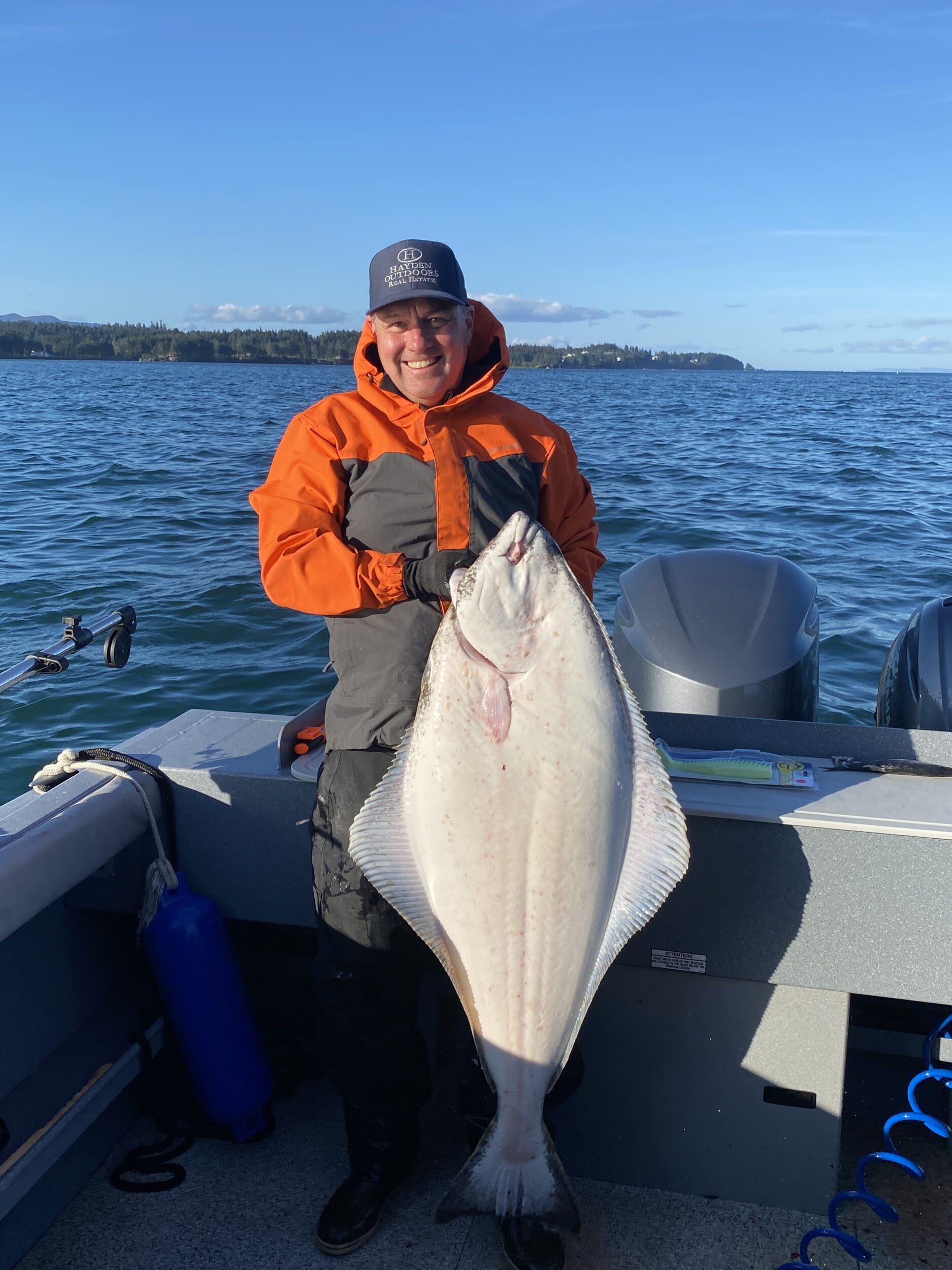
John Herrity with a successful catch in Alaska. Photo courtesy of John Herrity.
Benefits of Owning a Lodge in Alaska
To John and others who have spent time hunting and fishing the Alaskan wilderness, the benefits of owning a small part of the magic are clear, but to clarify, it’s really about accessing places very few others do. “I really like being off the road system.” Not off the grid, but off the road system. John clarified, “Kodiak is off the road system, meaning you have to fly in there, but there’s still a Walmart, Safeway, and other amenities. I’ve found that in Alaska in general, the roads are jam packed on the weekend, so it’s special to get off of it. You get to see places few others have seen if those places are harder to get to.”
The access to pristine wilderness and abundant wildlife is certainly one of the major benefits of owning an Alaskan lodge. But there’s also the potential for a personalized outdoor experience. From rustic to five-star you can cater the lodge experience to the needs and wants of your clientele, offering visitors a trip of a lifetime they simply can’t get anywhere else.
Financially, lodges present unique investment opportunities in eco-tourism and hospitality. According to John, guests typically expect good housekeeping, good food, and good guide service, with emphasis on the latter two. Having ownership in such a premier investment, which can double as a corporate retreat, lets you direct the escape you and your visitors enjoy while living off the road system.
Factors to Consider Before Buying
The biggest factor to consider before buying your Alaskan hunting or fishing lodge is its location. Obviously, it needs to be in the midst of world-class fishing and/or hunting grounds. Accessibility to the experience you’re offering is essential. “I know of lodges on the shore that do both ocean and river fishing. They fish salmon in the rivers in the morning. The other part of the day, they’re out in the ocean trying to catch halibut, lingcod, things like that.”
Legal considerations also play a major role. There are, of course, hunting and fishing permits. In Alaska, John notes that these have become a buying-and-selling game all their own, requiring specialists and brokers. A “six-pack” fishing license is currently going for about $110,000. John provides some additional guidelines to consider, including:
Adhering to local municipal codes for cooking
Fishing boat captains must be licensed per Coast Guard regulations
National or state park access permits
In the course of a potential sale, don’t overlook infrastructure. This includes utilities, maintenance, and amenities. “The more remote lodges will have aircraft and float planes to get guests and supplies in and out – or at least have a good relationship with a float plane service.” Cabins, boats, storage structures, and the main lodge all require consistent maintenance.
Costs Involved
John has managed enough lodge sales to know they require a specific approach and come with many potential built-in costs. “Lodges are intricate sales; there are a lot of components. The first thing I do from a broker standpoint is assess if it’s an asset sale or a real estate sale.” By this, he means it’s not just a beautiful shore-line lodge you’re buying. It’s also the client list, website, intellectual collateral, aircraft, cabins, boats, access permits, fishing permits, and captain licenses.
There’s the initial purchase price versus the ongoing operational expenses, including the maintenance and upkeep costs for remote properties. Buyers and sellers also need to consider the tax implications of such a major transaction. John helps clients with 1031 exchanges. An IRS exception 1031 exchange allows real estate investors to sell one investment property and buy another without paying capital gains taxes. John notes that he works with the premier 1031 agency in the country, located in Denver.
Finding the Right Property
Owning a fishing or hunting lodge is a special way of life, so it’s important to find the right fit if you’re in the market – or to work with an experienced recreational real estate agent if you want to sell.
You can start by researching online listings or auctions, but the best way to find the right fit is to develop a relationship with an agent who specializes in Alaska lodge real estate sales. John has even known potential buyers who have gone incognito, spending their vacation at a lodge in which they’re interested as a client to size up the experience.
If you’re in the market, talk with your agent about leasehold versus freehold options. Leases allow owners to own the lodge but not the land on which it’s built, which is leased for a set period of time, while freehold means the owner owns both the land and the lodge.
Operating Your Lodge
As John mentioned, good housekeeping, good food, and a good guide are what typically make the lodge experience. If you’re looking to buy a lodge, it’s important to understand the local employment market and current lodge staff.
“Staff are a hidden asset in a lodge sale. Most lodge sellers are very concerned about their clientele and staff when they list a property, and most lodges don’t miss a beat if this aspect of the sale is handled properly.” Transitioning a long-time manager from one owner to the next can help with a seamless guest experience and ensure the new owner does not lose talent.
You will also need to consider seasonal versus year-round operation challenges. Some lodges stay open all four seasons. Others maximize the summer months and then close up for the winter. Potential buyers need to account for this ebb and flow of income and expenses.
Another possibly overlooked expense of running an Alskan lodge is marketing and attracting clientele. In the winter, many lodge owners or managers will spend time at tradeshows trying to solicit summer business.
To get a better handle on the costs of running a lodge, John recommends looking at the history of the lodge. “Most importantly, review bookings, including future bookings, and financials. This can require a forensic accountant. Lodges – especially ones with aircraft and boats – can have a lot of depreciation, which can skew the financial overview of the property.”
Legal and Regulatory Challenges
Given Alaskan lodges’ proximity to vast wild spaces, it’s key to understand local, regional, and statewide zoning laws and land use regulations. Make sure you hire guides who have a firm grasp on hunting and fishing quotas, and consider incorporating wildlife conservation into your business philosophy. Navigating federal versus state regulations is also an essential part of running a successful, above-board hunting or fishing lodge.
Community and Cultural Integration
New lodge owners also need to be mindful of the surrounding communities. This is particularly important for lodges that rely on local populations for their workforce and guide services. Building relationships with these communities helps support local businesses and economies and respect indigenous cultures and traditions.
Conclusion
Owning an Alaskan hunting or fishing lodge is a special way of life. Many have been a part of the local history for decades or longer. They have a storied history that is often a part of the larger fabric of the Alaskan lifestyle. “I want to list properties that I want to own myself and work with people I can be friends with for a long time.” John has become an established part of both life in Kodiak and buying and selling lodge properties in Alaska. He knows the fish, river systems, moose, caribou, and bear just as well as he knows CPAs, attorneys, and lenders who specialize in lodge sales. “When you’re buying a lodge, in most cases, you’re buying yourself a job. There’s a great return, but there’s also a lot to it. It’s not a hands-off investment.”
Such was the case of the King Salmon Lodge John brokered. “We had multiple offers so we asked for the highest and the best offer because ultimately, the highest offer might not be the one the seller takes.” And that was the case with the King Salmon. The seller opted for an offer that didn’t bring in the most money, but it did provide the most value for the property going forward. “He went with the offer he felt would be the best fit for the lodge and the community.”
It’s why it’s so important to work with someone who knows the ins and outs of it. Someone who understands the Alaskan way of life and what it means to people who visit the lodge and who live in the area. Someone who’s most likely on his boat right about now. When we ask if we can reach out with follow-up questions, John says sure. “I might not get back to you right away though; gonna start fishing in the next day or two.”
Hayden Outdoors Broker John Herrity
Dove Hunting Season Hot Spots
There are two types of people in this country – those who have been dove hunting and those who haven’t. If you fall into the latter category, you’re definitely missing out, at least according to Hayden Outdoors Director of Marketing Dan Brunk and broker Heath Thompson. These boys – or men, really, but to listen to them talk about dove hunting season evokes a fever pitch-level of enthusiasm typically reserved for our youth – know their birds and how to hunt them on both public and private hunting property. And they love to share their knowledge of the sport. In fact, Heath believes it’s one of the most social field activities out there. “Dove hunting is one of those sports where you can holler at each other, jab each other. It’s vocal. It’s loud. There’s no other sport where you can take 30 to 50 people and put them in a field and watch every one of them have a good time.”
Dove hunting is great for beginners and families, too – both Dan and Heath say some of their earliest memories are shooting birds with their dads, siblings, and cousins. Days in the field or rolling foothills are followed by cleaning and cooking the birds, drinking some refreshments, hanging out with everyone. Says Dan, “It’s a great tradition and just a great time. There are family traditions, but dove hunting is the one event everyone comes to. Anyone can do it so everyone comes together. Seeing people you don’t see but a couple times a year – that’s the most memorable part.”
Dan and Heath imparted their extensive knowledge and wisdom of the sport. Here are some of their dove hunting tips, tricks, and hot spots.
Heath Thompson relaxing during a successful dove hunt. Photo courtesy of Heath Thompson.
Essential Gear for Dove Hunting
Before you step into the field, make sure you have the proper hunting license for doves if one is required. Additionally, you’ll need the following for a successful dove hunt:
Ammunition – You can go through a lot of shells when you’re dove hunting, so make sure to bring plenty. “You need to carry as many shells as possible if you’re going for a walk or sitting on a bucket,” Dan says. “The last thing you want to do is run out of ammo., after all these birds are tough to shoot!”
Clothing – Camo is great, but if required in your state, make sure you’re wearing the right amount of orange to make yourself visible to other hunters. Also prepare for the day’s weather. If you’re going to be spending hours in a blind or out in the field, wear light, breathable clothing that can double as sun protection. Dove have incredible eyesight, so everything beyond your orange should blend well with the surroundings.
Eyewear – Eye protection is an essential part of hunting. Choose a pair of glasses that provide adequate coverage.
Footwear – If you’re going for a walk, choose the right shoes or boots for the job. Look for sturdy soles and ample ankle support that will fare well over uneven ground.
Water, Drinks and Snacks – Hot September days means you’ll need to pack water and some jerky or snacks to hold you over until lunch.
A Note on Guns
Both Dan and Heath remember their first dove hunting firearms fondly. “I had a .410 hammer cock single shot shotgun,” says Dan. Heath switched over to an over-under Winchester 20 gauge when he was about seven- or eight-years old. “It was like a safari every day out there. You’d go out and shoot a bunch of stuff and come back with a sack full.” A scattergun is the best option for dove hunting. Says Heath, “I always recommend a 12 gauge – you’ll shoot a squarer pattern. There have been studies that show anything a 20 gauge can do, a 12 gauge can do better. You want a bigger, more square pattern.” Dan chimes in, “I would recommend women and younger hunters shoot a softer-kicking 12 gauge instead of a pump gun if they can afford it, something that’s a semi-automatic. After the single shot, I moved to a pump 20, then to a 12 gauge.”
Understanding Dove Behavior
Migratory habits
Dan notes doves are a migratory bird, “You can hunt them coast to coast.” This also means your time to harvest doves can be very limited. Heath continues, “A dove is the worst roosting animal God ever created, so during a really wet summer, your young and native birds won’t be as plentiful. You’re waiting on the migratory birds, which means you have to wait until the first cold snap up north when the birds start to head south.” In northern parts of the country, doves will migrate after the first freeze and they’ll continue south at a pretty quick clip. Heath and Dan put forth this rule of thumb: if you see doves that day, you shoot them that day (within season) because you don’t know how long they’ll stick around.
Feeding habits and preferred habitats
Sunflower seeds are a favorite food source for doves, especially after harvest (right). Photos courtesy of Heath Thompson.
Doves subsist almost entirely on a variety of seeds and grains. Favorites include sunflowers, peanuts, sesame, corn, pigweed, ragweed, hemp, wheat, foxtail, and millet. Heath chimes in “Dove hunting is best in ag fields that have been harvested or prepared for doves.” Occasionally they will feast on berries, fruits, or some greens. Doves also like grit. In order to survive, they need to have grit in their craw to digest their food, hence sandy rings, open fields, and rolling foothills with sandy soil. In the West, Dan has hunted dove near almond orchards or pasture ground where plenty of dove weed grows.
Fields full of Dove Weed on the West coast provide excellent attractants for dove.
Selecting a Perfect Hunting Location
Where you choose to hunt depends on what kind of land you have access to. Heath notes doves like to see their feet, which means they favor more open, recently harvested land, watering holes, canals, or orchards. “If I’m dove hunting on private land, I want to be on top of a sandy hill where I can see the ground with plenty of seeds. On public land, I’m looking for Texas millet or a water hole with a sandy ring around it.” When scouting dove hunting locations, keep an eye out for popular perching spots – the place where doves sit just before they land. In hunting areas with trees, doves will opt for tall stands with sparse coverage. As well as you can, monitor the birds’ flight patterns and behavior. Watch for early birds – the birds that fly over a spot before the rest of the flock arrives. These can be key indicators for when it’s time to shoot.
As both Dan and Heath mention, finding higher ground, even if it’s just slight elevation, can be to your benefit. Dirt and freshly plowed land are also enticing to doves – any habitat that provides seeds and a relatively clear line of sight for the birds. “I’ve walked dirt roads, railroad tracks and canals and filled my limit…the sandy soils and nearby water make these for hot spots if you’re looking for a walking hunt,” says Brunk.
Hunting Seasons and Regulations
Dove hunting is a federal season, and September 1st kicks it off. Make sure to check your state regulations – some states offer early and late dove hunting seasons as well. In addition to a regular hunting license, dove hunters also need to participate in the Harvest Information Program (HIP), which might require buying an additional permit or stamp for hunting migratory birds. Make sure you’re hunting doves in a designated and safe area. Don’t ever shoot the birds off power lines or other common use infrastructure.
These wily migratory birds are small and can be hard to hit but easy to injure. Heath says, “Don’t shoot a dove until you can see its eyes. If you can look up and see its eyes, then you can shoot. If not, it’s too far away.”
Dove Hunting is a great activity to share with young hunters.
Preparing for the Hunt
Getting ready for your dove hunt requires gathering your gear, gun, and ammunition. You’ll also want to come up with a plan with your hunting party, deciding how early in the morning you’ll head into the field, foothills, or orchard. If you can, consider setting up your hunting area the day before. Some people even build shooting blinds above the treeline. Pack plenty of food and water for a day in the field.
Safety precautions and first aid:
Heath and Dan both stress the importance of hunter safety, especially when participating in a sport as social as dove hunting. Here are a few of their tips:
Give everyone plenty of space. Heath relies on this rule when planting his dove hunting fields: “I want everyone at least 70 yards apart, so I place a flag at 70-yard intervals. As the rule goes, if you get shot by a shotgun at 40 yards, you’re going to the doctor. At 15 yards, you’re going to the hospital. At 70 yards, you’re just gonna cuss.”
Children shooting doves should have an improved cylinder, and hunters should always be mindful to never let the end of their barrel get below their head.
Again, wear adequate eye protection and hunter’s orange if regquired.
Have a first aid kit handy, and make sure everyone in the group is familiar with the nearest medical facility.
Techniques for a Successful Hunt
There are a variety of tactics you can use to up your dove hunting game and increase your odds. Some people use decoys, although this technique wasn’t available to the boys back in the day, as Dan says. “We didn’t have any decoys growing up. Now, you can put a couple of MOJO decoys in a grave pasture and the doves are attracted to it.” Try elevating your decoy slightly for better visibility and attractiveness. Game bird calls are another way to draw doves in, but consider using these more sparingly in heavily birded areas as they can also attract other birds, some of which might be threatened or endangered.
A row of doves after a successful hunt. Photo courtesy of Heath Thompson.
Other tips for improving your odds include:
Use an improved cylinder choke tube to hone your pattern.
Look for corner spots in a field, a point at which the field abuts another parcel of land or water, or a fence line. This will often be a place where birds enter the property.
Position yourself to the left or right of their flight pattern to allow for crossing shots.
Mark your birds with a visual cue that will help guide you to where the bird fell. This helps ensure you are able to recover your doves.
If this is your first time out this season, clean your gun before you go.
Go for one bird at a time. Finding multiple birds once they’ve fallen can be tricky and time consuming.
Shoot high. Going low in a crowded field can be dangerous for bird dogs and other hunters.
Conclusion
One conversation with two avid dove hunters and it’s clear this isn’t just a sport; it’s a lifelong love. It’s a fellowship. For many, it’s their first experience hunting. After that, it’s some of the best times they’ve ever had in the field. Heath thinks back. “I remember the first dove hunt I ever went on. My daddy took me and it was foggy early in the morning. I wasn’t big enough to shoot a gun yet, but I could tell what was going on.” Over on the West coast, Dan remembers early mornings with his dad and brothers. The tradition still stands, decades later. “I’m in Colorado now, but every September 1st, family and friends post up on my brother’s 40 acres and wait for the birds to come in. Every hunter has that picture somewhere in their house – family, friends, a dog and some birds.”
Dan Brunk and his son Salem after a quick morning shoot. Photo courtesy of Dan Brunk.
Spring Habitat Management for Better Deer Hunting in the Fall
When it comes to buying hunting property, Jake Hyland of Hayden Outdoors knows plenty about both. As a broker associate specializing in farm, ranch, dairy stockyards, timberland, and hunting properties, he’s walked thousands of acres on hundreds of farms and ranches throughout the U.S. He’s your go-to guy if you have questions about water and mineral rights, especially in his territories of Colorado, Wyoming, and South Dakota. And when it comes to hunting, his knowledge runs just as deep. Jake has guided trophy elk and deer hunts, pheasants hunts, and waterfowl hunts on some of the most coveted private hunting land in the country. Recently, Jake took a minute to venn diagram his extensive understanding of recreational real estate and spring deer habitat management to talk about spring habitat management for deer hunting to ensure you have a successful hunting season in the fall.
Photo courtesy of Jake Hyland.
Understanding Deer Behavior in Spring
Jake notes that deer behavior in the spring is very regionalized. “If you’re in Colorado, Montana, or Wyoming, those big game animals – it doesn’t matter if it’s mule deer, elk, whitetail, or pronghorn – they’re going to be migrating. In the spring, these animals are still in their winter range and they’re getting ready to start the reverse migration back up to where they’re going to spend most of their summer.” Jake contributes this nomadic behavior to weather patterns. The more snow in the mountains, the more likely deer are to move to areas with less snow and more exposed food.
Conversely, when you get to Eastern Colorado, Nebraska, and South Dakota, deer tend to be less nomadic. “They have a more regionalized home base, which still may be a few miles, but you’re not talking about hundred-mile migrations. So on properties in this region, the deer have just been hunkered down for the winter. Generally, you’ll find them congregating around large agricultural fields and places with a lot of good thermal cover.”
Other things to consider are that does can be pregnant during this time, trying to consume and conserve calories, so they will need to be near ample food and water sources. As spring progresses, big agricultural fields where many deer find safe haven will be plowed up, which will influence the animals’ patterns. “At that point the deer will switch to their summer patterns, browsing newly budded tree limbs and wild plants before transitioning back to row crops.”
Assessing Your Hunting Property
It’s a well known sales tactic to show property mid-summer. Trees are full, flowers are blooming, prairie grasses sway in the breeze. But Jake takes a different approach. “March 1st until mid-May is my favorite time to look at hunting property with potential buyers. From a hunting perspective, that’s the time of year I want to see it.” He feels spring is the best time to look at potential hunting properties for a number of reasons, including:
You’re not intruding into special bedding areas.
You’re not impairing any fall hunting conditions or habitats.
Spring conditions most closely mirror those of the fall, when branches are bare and wildlife travel corridors are most visible.
When assessing a hunting property:
Make note of how the animals move through the land.
See which food sources they’re accessing.
Learn where they’re bedding and how they’re traveling.
Look for scrapes, rubs, and other rut indicators.
Keep an eye out for antler sheds.
When he’s scoping the land, Jake works with his clients to walk it corner to corner, and then begins coming up with a plan for how to make the property better, which leads us to ways to improve the land.
Habitat Improvement Techniques
Like all animals, a deer’s survival depends on three key fundamentals. “Food, cover, and water are the three ingredients animals need. They want food. They need cover and water.” These three necessities provide an excellent framework for your deer hunting land improvement plan.
One of the main ways you can improve your deer hunting property in the spring is by planting and maintaining food plots. Jake notes that food and mineral plots for wildlife are very specific region by region, so make sure to check the regulations in your area. The regional characteristics also determine what kind of food your deer will be looking for. For example, in plains areas like Nebraska, your hunting property might border a large corn field where the deer get plenty to eat. In the West, the food plot you plant can entice the animals onto your property. Jake’s rule of thumb is, “Offer your deer something they’re not getting on the neighbor’s property. If you can’t compete with your neighbor’s bedding, then offer the deer a better food plot or water source, such as a pond, spring, or installing an artificial tank.”
If the deer can find a belly full of corn and grain not far away in an open field, consider providing better cover and water sources that draw them onto your land. Alternatively, if the nearby state forest has an abundance of places to hide, think about putting in a small pond or food plot.
Creating Edge Habitat
You can also improve edge habitat for the deer. Edge habitat is where two different habitat types come together, and deer spend a lot of their time in this type of area. Some things you can do in the spring to improve edge habitat for the deer are:
Hinge cut trees
Prescribed burns
Thin dense forest
These methods allow new foliage to grow, providing fresh cover and food for the animals. If you’re weighing the time, money, and energy costs of both methods, Jake recommends the latter. “Strategies like clearing out trees and prescribed burns require a lot less equipment than food plots. Food plots are invaluable, but there are other more cost- and time-effective methods for improving your deer hunting land.”
Ensure Water Access
Water sources are another key feature of any successful deer hunting property. “Water is something that is overlooked in most regions. Deer will need to hit a water source every day at a minimum.” If you don’t have natural water sources on your property, you’ll want to create or install one. Deer-friendly, man-made water sources can include:
Small ponds
Springs
Artificial tanks
Rainwater capture systems
Finally, make sure the deer can move freely and easily throughout your property. Clear barriers to entry onto your land, such as old fencing and large downed trees and roots. Providing animals logical and accessible ways to move through your land will help ensure they return year after year.
Creating a Hunting Oasis
The trail cam industry has come a long way in recent decades. What used to require a trip wire and a visit to your local photo developer now relies on real-time technology and movement-triggered images. “I leave my trail cams out on my farms year-round. If you can help build the full story of the deers’ existence on your property, starting in the spring, you can put the pieces of the puzzle together and learn how you can make your property better.”
Spring is also a great time to assess the conditions of your hunting blinds. Most branches are still free of leaves and other obstructions, similar to how they will be in the fall during hunting season. “Your chances of disturbing deer go way down if you move big blinds around in April or May versus later in the year.”
Managing Risks
One of the biggest factors when it comes to ensuring a healthy deer population on your property is predator control. Jake emphasizes the importance of checking with your local regulators on what is allowed. “Coyotes can have a very big impact on doe retention rates and fawning. If coyote numbers are really high and deer have had a tough winter, predation can make a really big swing in the pendulum in just one year.” He recommends reaching out to your local NRCS to find information on local trappers. Most organizations will offer a cooperative agreement with state and local government agencies, sharing the costs of the effort with the land owner.
You’ll also want to patrol your property for invasive plants. While deer typically avoid eating invasive plants in favor of more flavorful, nutrient-rich naturally occurring plants, a deer population can alter the biodiversity of your land. Work with local organizations and ecologists to ensure your property is free of harmful invasive species.
Additionally, be mindful of diseases in your area that can impact deer herds. Jake makes the point to rely on trail cams to help monitor deer populations. “If you’re in an area that has suffered a disease and you feel your herd numbers are going down, you can mitigate how many animals you harvest in the fall.”
Deer Population Monitoring
Tracking deer populations on your hunting property is a good way to help maintain healthy herd sizes. Make sure to be diligent about collecting annual data. Jake encourages hunters and property owners to be mindful of herd numbers and demographics and adjust their hunting limits accordingly. “If you’ve historically taken two mature bucks and five does, maybe switch that up and not take any does in years when herd numbers are down. Or maybe you leave one management buck but still go after two trophy-class deer. In other years, it might be the opposite and you need to up your management plan and harvest more does because they’re hounding the resources on the land.”
Jake once again relies on trail cams and property data to create a complete 12-month synopsis. As your deer hunting property grows and matures, it’s important to make continual improvements to the land, helping to cultivate healthy deer habitat and populations.
Photo courtesy of Jake Hyland.
Conclusion
Deer hunting property is a specific kind of real estate. But to Jake, it’s much more than that. “This is probably one of the biggest investments of your life, but it doesn’t do any good if you go buy 100 acres and it doesn’t have any animals on it.” He’s a big believer in working with a recreational real estate agent who not only knows the area, but hunts in the area. “Someone who’s familiar with the area. Someone who maybe even owns land in the area. That means they’re personally invested in it.”
If you’re in the market for a viable, successful deer hunting property – one that can become a legacy property, passing from this generation to the next – make sure you look to the experts; people who know a thing or two aboeut ranch and recreational properties because that’s where they grew up, and that’s where they live and hunt today.
Jake Hyland of Hayden Outdoors with his Archery Whitetail
How to Increase the Value of Your Whitetail Hunting Land
Whether you’ve been hunting most of your life or you’re just out for a walk in the late-fall woods, there’s something magical about spotting those towering whitetail tines. Elegant, quick, and agile, whitetail deer provide plenty of hunters with an exciting challenge. Many hunters prize these beautiful animals, with a specific goal in mind: to increase the value of their whitetail hunting land.
Two of those hunters, John Tate and Shad Sheldon, have hunted whitetail throughout much of the country. John watched his dad bag a buck in the woods of South Carolina when he was just 6 years old and the love of the hunt grew from there. “I was hooked after that and grew up hunting and fishing – doves and trout and bass and deer.” It was a passion that led to a job as a cameraman, editor, and producer for Realtree Outdoors on the Outdoor Channel and ESPN2 for many years before John traded in the camera for his real estate license and a position with Hayden Outdoors.
Shad’s story follows a similar passion-turned-profession trajectory. A hunter since he was just seven-years old, he killed his first deer when he was 10 or 11. Later in life, he bought a tract of land in northwest Kansas that he and his wife developed into a hunting lodge. When they went to sell the property, they turned to Hayden Outdoors for the company’s expertise in selling large acreage hunting, ranching, and recreational properties from coast to coast.
Today, both men combine their extensive hunting expertise with their work for Hayden Outdoors as recreational real estate agents. They understand the importance of optimizing your property for whitetail deer hunting, and, more importantly, how best to do it. In a recent sit-down – the wall behind Shad clad in impressive whitetail and mule deer mounts – John and Shad shared their thoughts on how best to increase the value of whitetail deer hunting property.
Understanding Whitetail Deer
Before you optimize your hunting property for whitetail deer habitat, it’s important to understand the animals. The most notable characteristic of whitetail (or white-tailed) deer – and where they get their common name – is their “white flag” tail that stands alert anytime a deer senses trouble. They are herbivores and munch on a variety of tall grasses and plants (and your garden if you’re not careful about putting up proper fencing).
Female deer, or does, typically give birth to between one and three young (fawns) in early spring. Only male whitetail deer grow antlers, and they shed them every winter. Growth typically begins in late spring and throughout spring and summer, the antlers are covered in a fine-hair membrane that has the appearance of velvet. Antlers will grow through late summer and early fall before hardening on the animal’s head, just in time for bucks to defend their territory during the rut. Whitetail deer tend to graze mostly at dawn or dusk, and they have very good eyesight and hearing. Most live between two to three years, although whitetail deer can live up to 10 years in the wild and longer in captivity.
Whitetail Deer Behavior and Habits
Whitetail deer are pretty solitary animals. Unlike elk, which migrate in herds, whitetail deer typically move in small family units of a doe and her fawns with the bucks living alone most of their lives. Does and fawns tend to bed close to food and water sources while bucks can be very strategic about where they bed down, especially during hunting season.
During the spring and summer, bucks will bed down at their convenience, near food and water. However, once hunting season kicks off and they become aware of hunters in the area, bucks will look for safer haven resting with their backs against a solid surface such as downed timber and large rocks, at least before the rut starts. They watch for downwind predators, listen for any nearby threats, and smell for oncoming hunters.
Does, fawns, and young bucks feel comfortable wandering into open terrain to eat. However, this is not typically the case for mature bucks. They practice safety measures to help lessen threats during hunting season, such as taking indirect routes to food sources and bedding down for large portions of the day, eating and drinking at dawn and dusk. This doesn’t mean it’s impossible to spot a buck during the day, but look for smaller food plots and water sources as opposed to the great wide open. And if you’re tracking the animals, don’t forget about water. Bucks will typically drink between three and five quarts of water a day, so if you can find their water source (keeping in mind it can be as small as a puddle or meager spring), you increase your odds of bagging the prize.
Rutting Season: A Whitetail Hunter’s Dream
The deer rutting season – when deer mate – takes place between October and early December. Bucks become much more active during this time, venturing out more, and sometimes into more wide open terrain, in an effort to mate with a doe. It’s also a good time of year to spot a big buck during the day as they wander from more well-hidden sanctuaries.
Because of this additional daylight activity, the rut offers the best odds of a hunter bagging a buck. The male deer will go where the does go, so set up your stands and blinds within sight of bedding spots. It’s also this time of the rutting season bucks will abandon meandering trails for more direct routes to food plots and water sources.
There are phases of the rutting season, including:
Pre-rut: mid to late October
Seeking: late October to the first days of November
Chasing (also known as peak rutting): early to mid November
Tending (or lockdown): mid to late November
Post-rut: late November
Second rut: first two weeks of December
If you’re looking to manage whitetail deer behavior on your own hunting property during the rut, John offers some advice. “It all correlates back to food. If you’ve got the food, you’ve got the does. If you’ve got the does, you’ve got the bucks.”
Whitetail Deer Habitats
Food and Water Needs
To that point, what kind of food is best for whitetail deer? John continues, “It’s all situational. In the Midwest, you’ve got the crops. In Wyoming, you’ve got alfalfa. Do soil tests to make sure you’re getting the soil right and plan around crop rotations.”
Shad adds that pH levels are critical. “You want your soil to have plenty of nitrogen and phosphorus in it. Generally, you need to have both protein and minerals. Alfalfa, wheat, clover, and oats is a good mix.” Both men point out that owning whitetail deer hunting property is a 365-day endeavor. “Having a successful whitetail hunting property is a year-round job. You can’t just show up on opening day. To be successful, year-in and year-out, you need to be thinking about the land,” says John.
Shad agrees, “I want to make sure I’ve got enough mineral holes in summer and again in January. The minerals have to be in the deers’ bodies by hunting season to help grow their antlers. We make sure, no matter what time of year, they have access to plenty of minerals.”
Test your soil and establish the best mix of food for whitetail deer in your area. Common whitetail deer foods include:
Seeds and nuts: acorns, chestnuts, and pecans
Row Crops: oats, clover, alfalfa, wheat, soybeans, and corn
Other wild or cultivated plants like: apples, forb, berries, and native grasses
Like all other animals, deer also need plenty of pure, clean water. Sources will vary from state to state. If there is not an obvious natural water source on your land, such as a lake, pond, stream, creek, or spring, look for alternatives. These can include old wells, troughs, and other rain capture devices.
Cover and Shelter
Deer need to bed down and feel safe doing it. They require proper ground cover and sanctuary, but this doesn’t mean you need large amounts of established forest on your property. John offers this rule, “33/33/33 is a good balance – roughly one-third full timber, one-third edge property, and one-third open space.”
Successful whitetail deer hunting land also features tall grass. “One thing I’ve learned,” says John, “Is that you don’t have to have a lot of trees to be successful. Features like fence row and creek beds provide great cover and shelter.” During the offseason, assess your property and learn where the deer trails are and where the main corridor is.
One point of note is cattle. If you run cattle on your land or lease it to someone who does, it’s important to be mindful of when you pull the cattle off. Shad makes his rancher pull off the first of September. “This allows for a good 30 – 45 days with no cattle on the property to allow deer to get back into the land.” According to the seasoned hunters, a cow can ruin a deer hunt faster than just about anything.
Managing a Whitetail-Friendly Property
Spending plenty of time walking your whitetail hunting property is the best way to learn where the deer travel, how they navigate the land, and what they’re eating and when they’re eating it. Keep these practices in mind for maintaining a successful whitetail deer-friendly property:
Maintain built infrastructure such as stands and blinds.
Plant food deer like to eat to help keep them coming back to the property versus wandering farther afield in search of food and water.
Trim trees and hinge cut trees as necessary, but don’t overdo it. Make sure your efforts contribute to, not take away from, the whitetail deer habitat on your land.
Improving Your Property Value
Building a good environment for whitetail to thrive benefits not only the deer population on your land, but also has a positive impact on your property value. Well-maintained trails and roads, properly fertilized and cleared row crops, and good sources of water will attract deer – and help maintain your bottom line.
As always in real estate, a well-maintained, turnkey property goes a long way towards building value – and that includes all of your hunting infrastructure. In addition to any homes on a property, make sure all blinds and stands, storage buildings, and barns are clean and sound.
The most important thing to remember when you’re trying to sell or appraise a whitetail hunting property? “Pictures!” says Shad. “If we’re gonna sell it, we’ve got to have proof.” You can talk about those eight-point bucks all day long, but unless there’s actual proof they exist on your property, you might as well be convincing buyers BigFoot hangs out there, too.
Strategies for Scent Control
Whitetail bucks have a very keen sense of smell, so managing your own odors and scents is important to getting in close enough for the kill. Enlist these tips before hunting season starts or you head into the field to help yourself remain as undetected as possible:
Store blinds and stands in a controlled environment, such as a clean storage shed. Simply putting things away in the garage or stashing them behind the shed can result in unwanted contamination from other fumes and odors.
Use scent eliminator sprays on clothing and equipment. Wipe down your gear at the end of the hunt or the end of the season and then store in an air-tight tote.
Wipe down boots, including the soles, with scent eliminating products.
Make sure your truck or ATV is clean and clear of other animal and human scents.
Use unscented laundry detergents and fabric softeners during hunting season.
Avoid scented soaps, shampoos, or deodorants before you head into the field.
For the best scent control, however, Shad simply says, “Stay down wind.” And he’s not wrong. Paying close attention to wind direction while you’re hunting offers one of your biggest advantages to being on the right side of that big buck when the time comes.
John agrees, “You can use scent-free soaps and sprays, but at the end of the day, you’ve gotta hunt the wind. It’s your biggest adversary and your biggest helper. My experience is, those scent reducing techniques only help on the borderline. The only way to fool whitetail deers’ noses is to be downwind of them.”
Hunting Ethics and Conservation
When it comes to managing your whitetail deer hunting land year after year, hunting ethics and resource conservation lead the way. Make sure your visitors and guides have taken proper hunting safety courses, and understand the importance of ethical shot placement and how best to achieve it.
Working to conserve your resources prevents disease and overpopulation. It also benefits all of the species that wander your property. “The deer aren’t the only ones that benefit from these food plots and land improvements,” says Shad. “Quail do; mule deer do; turkeys do. I’ve seen disease and drought ravage deer populations, but we can, to a point, improve the land deer are living on with food plots, trimming vegetation, and hinge tree cutting so the deer aren’t stressed. It can give the herd a healthy existence for years and years to come.”
Conclusion
Whitetail deer hunting is about more than meat. It’s about more than the trophy. It’s about spending time outside with friends and family and connecting with the land. For John and Shad and so many other passionate hunters like them, it’s a lifelong journey.
“It’s a good way to get outdoors. To connect with your family. A good way to spend time not on the phone or in front of a TV,” says John. “We all want to shoot a deer like the ones on Shad’s wall, but those animals represent a story and a journey and where he came from. The five-pointer my dad shot in South Carolina when I was a kid means just as much or more to me than anything I’ve shot because I was with him. Now I’m hunting with my nephew. I’ve hunted with a lot of people over the years. Some hunts were successful; some weren’t. It’s funny how friendships are born being out in the woods together, around a whitetail deer camp.”
John continues to point out that not as many people hunt any more, and yet, it remains an important tradition and inextricable way to connect with the land, with conservation, and with whitetail. Learn more about owning your own whitetail deer hunting land in Kansas, North Carolina, Missouri, or Nebraska, and all of the magic and reward that comes with it.
The Benefits of Setting Up Trail Cams on Your Property
Trail cameras, or more commonly, trail cams, are a helpful tool when it comes to monitoring your property.
Scouting and glassing for this year’s hunt can be thrilling – catching a glimpse of the trophies that might be waiting there as the season nears. Adding some additional eyes to the effort, including late in the evening and at night when some animals become particularly active, can help your odds even more. Trail cams are providing this kind of visibility, and gaining popularity because of it. Those are only a few of the benefits of setting up trail cams.
Trail cams are discreet cameras people position throughout property – and sometimes on public lands – to get a complete picture of animal activity. These types of cameras are triggered by a motion sensor, capturing pictures as the animal moves through the field of vision. They range from relatively basic, taking pictures that are stored on a secure digital card and retrieved later, to much more high tech. Cellular Cameras fall into the latter category, offering a mobile app that sends trail cam images to your device in real-time.
While the technology continues to get better and better, the strategy behind mounting and positioning trail cams is also important to consider. Three Hayden Outdoors recreational real estate experts recently chimed in on how they use trail cams for hunting, safety, and general wildlife management. As lifelong hunting guides and outdoor enthusiasts, Shad Sheldon, Heath Thompson, and Lonnie Gustin provided a brief master class in proper trail cam management. Hailing from the Plains, the South, and the Rocky Mountain West respectively, their insight spans a variety of purposes and touches nearly every corner of the country.
Trail Camera Basics
Quality and capabilities vary, but most cameras feature:
Power source
Make sure to see how long a camera’s battery lasts.
Detection circuit or PIR sensor
This piece detects both heat and motion, then triggers the camera.
Infrared LEDs
The small lights allows for night-vision pictures.
Protective casing
Make sure yours can stand up to the elements in your area.
Mounting apparatus
Choose a camera you can easily install
Types of Trail Cams
Modern trail cameras fall into two categories: cellular and non-cellular. Each has their benefits. Non-cellular cameras don’t allow for real-time viewing, but they are typically less expensive. Alternatively, cellular cameras allow you to keep an eye on animals without having to retrieve camera chips or disturb the area.
Shad Sheldon has been hunting since he was 7, and bagged his first deer at 10. He started bow hunting in his late teens, a passion ever since. He and his wife ran a hunting lodge in Goodland, KS until about 10 years ago, when they turned to Hayden Outdoors to help them sell it. Not long after he joined Hayden as an agent, specializing inhunting properties andfarmland.
These days, Shad and his wife spend their time in eastern Kansas, as close to the land and its rhythms as possible. He relies on trail cams for a variety of reasons, both personally and professionally when he’s helping clients list their land. We asked what he looks for in a good trail camera.
“I like good resolution and good pictures with true color. Most cameras will fire right away; you won’t get a lot of blurry moments. I like to put great pictures on our website to help clients sell property. And of course, it needs to be easy-to-use.”
Choosing a Trail Cam
Before you throw down a good chunk of change – trail cams can range from $50 – $600 – it’s good to know what you want to accomplish with your equipment. Talk with your local dealer about the features of the camera. Some important things to think about are:
Do you want a wireless camera, or will traditional work?
Do you need video capabilities as well as still shots?
What kind of image quality do you want?
What is the trigger time – the time between the animal moving across the field of vision and the picture being taken? Slower trigger times result in blurrier images.
What is the power supply and/or battery life?
Does the camera offer security features to help prevent theft?
Setting Up Trail Cams
Heath Thompson grew up on a farm in Georgia, and has a degree in Forestry. He’s been in the business a long time, hunting, guiding, and managing land. These days, Heath’s family owns 1,500 acres, row crops, and grows hay. He has a history in agricultural, hunting, timber, recreational, and farmland with Hayden Outdoors in the Southeast. He understands the importance ofthe perfect hunting property like no one else.
When it comes to trail cams, Heath doesn’t mess around. “I worry about additional scents on my cameras, so I’ll hang them outside at my house in the yard for a while to get the correct smell. When I go to place them on the property, I’ll wear rubber boots and gloves.”
Placing trail cams in the right spot is key. Our agents have some tips:
Set up near scrapes so you can see which bucks are scraping when.
Set up feeders year-round to see seasonal and yearly patterns.
If allowed, consider bait such as a mineral lick, soy, alfalfa, or scent.
Look for game trails. Mount your camera alongside them to track animal movement.
Look for water sources, and mount a camera nearby.
How many cameras you hang depends on the size of the land, your objective, and your budget. Heath offers these tips on trail cam height. “I hang mine three feet from the ground to the bottom of the camera to get a full view of the animal. I also keep the sun’s direction in mind, pointing cameras northeast or northwest to avoid over exposure.”
Look closely for nearby plants that might trigger the camera. There’s nothing worse than hoping for a great shot of that Boone-and-Crockett buck only to get hundreds of pictures of grain or a branch.
Using Trail Cams to Enhance Wildlife Observation
You might be using trail cams for hunting, or just to get an inside view of the wildlife. Lonnie Gustin is familiar with both. He’s been hunting and wandering the mountains of the West his whole life, but is quick to tell you he’s never been an outfitter. “I always said I liked hunting too much to be a guide.” Nowadays, he hunts with his boys along the Rocky Mountain Front throughout Wyoming and Colorado. He calls 4,000 acres along the Western Slope of Colorado and Wyoming home, and joined Hayden Outdoors “back in the day,” about 13 years ago. If you’re looking to buy or sell a farm, hunting property, or ranch land in the area, Lonnie is your guy.
He uses trail cams all the time, most commonly placing them near water sources where he might catch a glimpse of big game – typically elk or mule deer in his neck of the woods. And sometimes, a camera will capture something else – another big Western predator making its way across the land. Trail cams are an excellent way to learn more about the wildlife in the area. Bears, wolves, lynx, mountain lions, coyotes, fowl, and varmints – trail cams paint broad strokes of the wildlife living on your land. For Lonnie and others, trail cams also offer a unique way to understand the local wildlife population – how and where animals are moving; which water sources they rely on; and how land use shifts from one season to the next.
Using Trail Cams for a Better Hunting Experience
While trail cams can certainly enhance the hunting experience, Heath gives fair warning, “The worst thing you can do is look at trail cams. It’ll make you sick; big buck after big buck you might never see again.” And while he’s right – some of the biggest racks don’t make it onto the wall – having trail cams on the property can help you prepare.
He adds, “We use trail cams for animal counts. We count every deer we see. It lets us know what’s on the property.” Lonnie counts on trail cams for knowing the time of day animals are coming in. And Shad likes to use them to learn more about what comes after hunting season. “After last rifle season was over, we had about three to four 150-class bucks show up. We saw new deer move in.” Heath notes trail cams aren’t just for big game. “They’re great for turkey hunting, too. Trail cams let me see where the turkeys are, because down here, turkeys don’t gobble a lot. So we’re using trail cams to see where they’re traveling in and out.”
Using Trail Cams to Increase Property Value
Hayden Outdoors real estate agents are known for showcasing every aspect of a property when it comes to selling it, and cutting-edge cellular trail cams are a big part of the strategy. Shad sums it up this way: “The bigger bucks I pull off the property, the more it’s going to go for. The more good pictures I have of those bucks, the more money we can bring in.”
Lonnie agrees, “Trail cams are pretty damn important when I’m selling land. They let me prove the wildlife moving on the property. If I can actually show people some background and some shots and they can see where that huge elk was, it’s an important selling point.”
Heath goes so far as to compile entire albums for the properties he represents. “You need to have proof, and you can’t get it in just a week. Property trail cam capture takes a long time. Having historical timestamps on a lot of photos adds a lot more value than just having one good buck on a single trail cam shot.”
In addition to buying and selling, trail cams add additional value to the property by aiding in pest control and property security. Placing trail cams at a property entrance or lesser known access point is a great way to see if people are wandering in when they shouldn’t be.
Conclusion
Setting up trail cams on your property offers a variety of benefits, including:
Hunting preparation
Wildlife observation
Property security
Habitat conservation
Adding a trail cam system to your land can help bolster its value over time. It’s also an excellent way to learn the ins, outs, and animals who call your acres theirs, too. Chat with your local sporting goods dealer about the best setup for your land, or upgrade to trail cams that let you know which four-legged creatures are cruising though as soon as they’ve crossed the camera’s lens.


 866-741-8323