Winter’s Here: Preparing Your Land for Winter
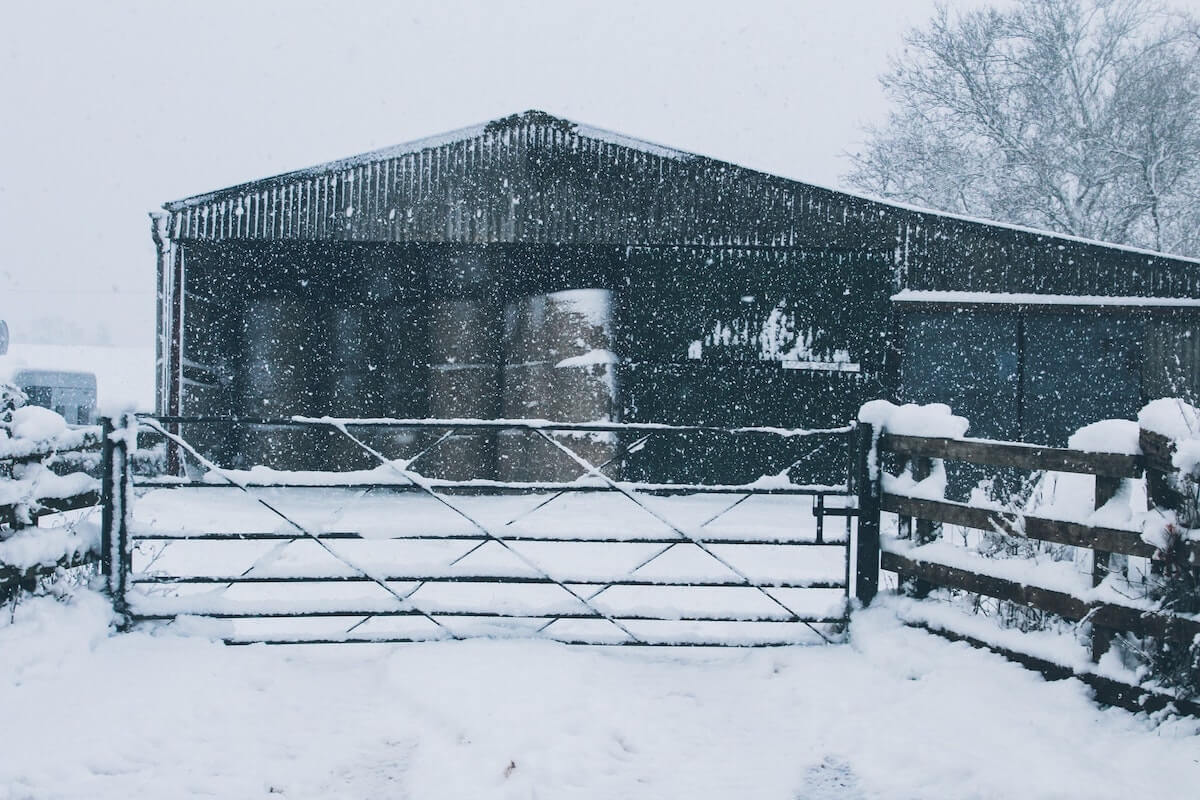
Early frosts, chilled air, the occasional freeze – these are just a few signs it’s time to start winterizing your farm or ranch property.
Preparing your property for the winter months is necessary to protect your land, livestock, facilities, and structures. Here are important steps to take for winter on your land.
Recognize the first frost and know the difference between a frost and a freeze.
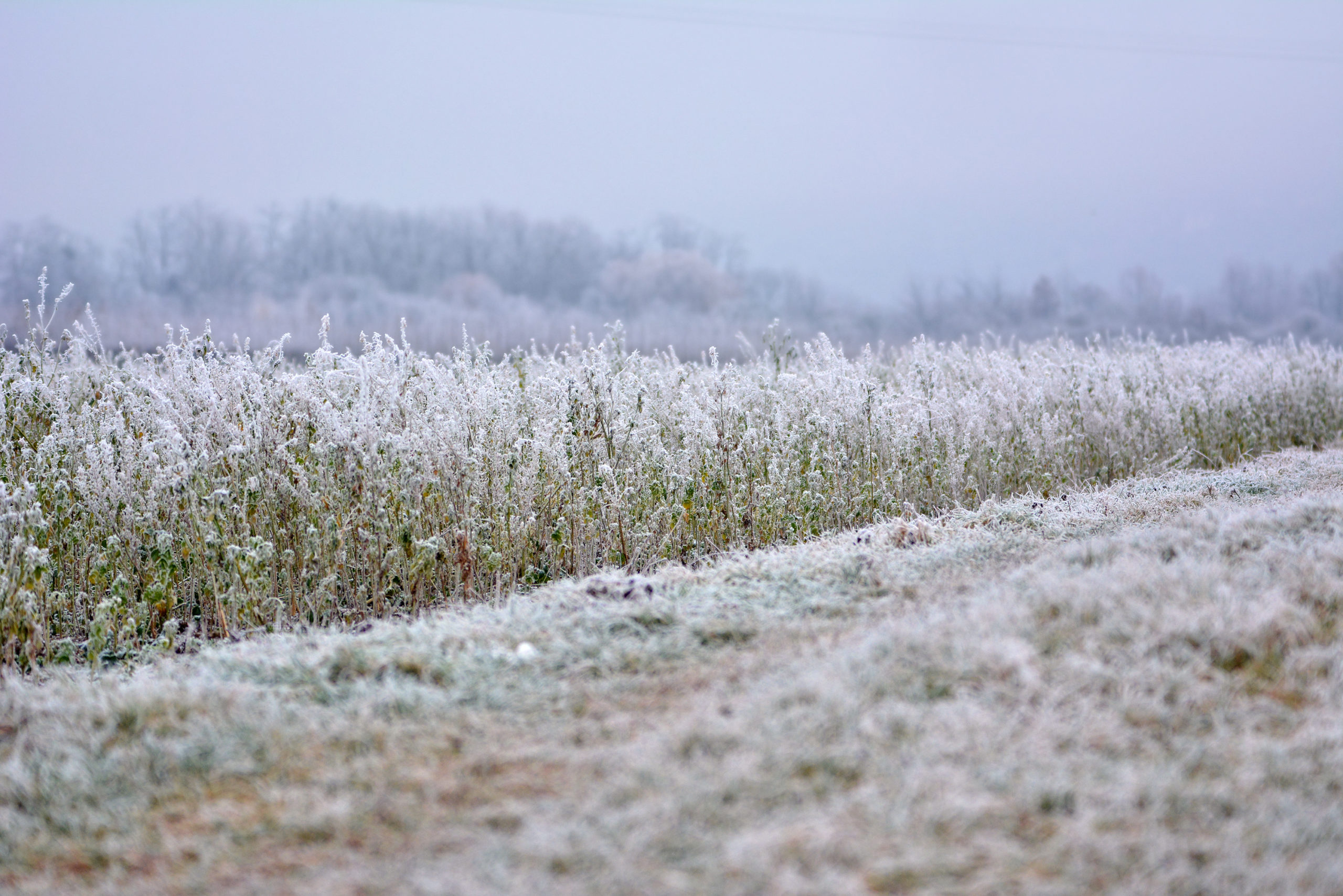
It’s always exciting to see the first frost, when light moisture in the air gives way to crystalized grasses, leaves, and branches. The picturesque weather event is also an important seasonal tell – colder weather is not far off, and the first actual hard freeze is probably right around the corner. A frost happens when the temperatures drop to between 36 and 32 degrees Fahrenheit. The significance of the frost on crops depends on how cold the weather gets and how long the cold weather lasts. A freeze is the result of temperatures dropping to 28 to 25 degrees.

Frosted crops can generate dust and build up residue within your machinery when it’s ready to harvest, increasing the risk of fire issues. Freezes can potentially kill crops, so timing your harvest is important. A corn killing freeze occurs when temperatures dip to 32F degrees for four hours or 28F degrees much quicker. If waiting for dry-out, this isn’t an issue, but for silage, watch the frost and get it cut when the corn is dry from frost. A killing freeze can still happen with temperatures above 32, especially in low and unprotected areas when there’s no wind. Utilizing a frost calculator, almanac or weather forecast apps can help you find you the right time to harvest your crops before that first freeze.
Inspect machines and farm equipment, and get it ready to be stored – or used – this winter.
Fall is an ideal time to do some maintenance and fix any mechanical issues. If it’s time to put the tractor away for the season, detach your hoses so they don’t freeze and become brittle. If the tractor doubles as a plow or snowblower in the winter, this is the time to switch implements, put on chains and reference the lubrication schedule for your machine.
Maintain your structures and prepare them for heavy snowfall.
Winter is a great time to work on barns and other structures throughout the property. Spend some time cleaning the barn and livestock shelter and stalls. Ensure proper heating, ventilation and humidity in your greenhouse if you have one. Your chickens will appreciate your deep cleaning and sanitizing their coop and making sure it’s ready for winter. Also winterize any farmhouses, bathhouses, or cabins, including clearing all pipes of water and turning off any main water lines that won’t be used.
Take care of your livestock.
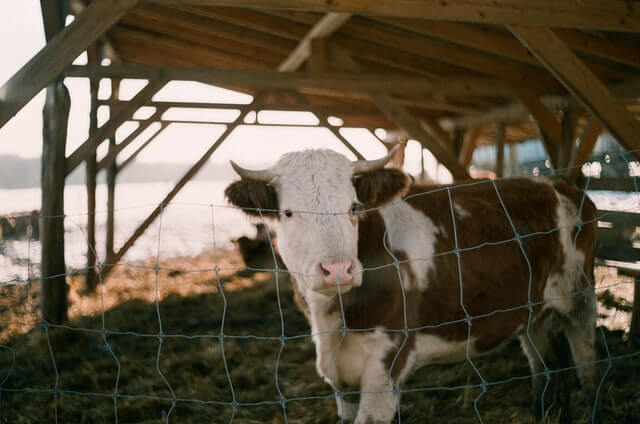
While these animals are suited to sustain harsh weather elements, it’s best for the health of your herds to ensure they have enough food and live-able conditions. Stock up on hay for bedding and any supplies you’ll need to take care of them. Animals need access to dry conditions – a combination of wet and cold can be deadly. Also, make sure they have plenty of food to carry them through the winter and water sources are prepared for freezing temperatures. Water tanks and electric waterers should be in good condition.
Winter brings a peaceful time to the farm, but before you settle in and watch the snowfall, quality work to prepare your farm for winter will pay off in the spring. Performing these farm duties now will set you up for success and fewer headaches when the spring planting begins. Additionally, see our other resources on how to create a successful ranch management plan or supplementing power on your property with a small-scale wind turbine.
Farmland for Cash: Turn Your Unused Land into an Income Stream
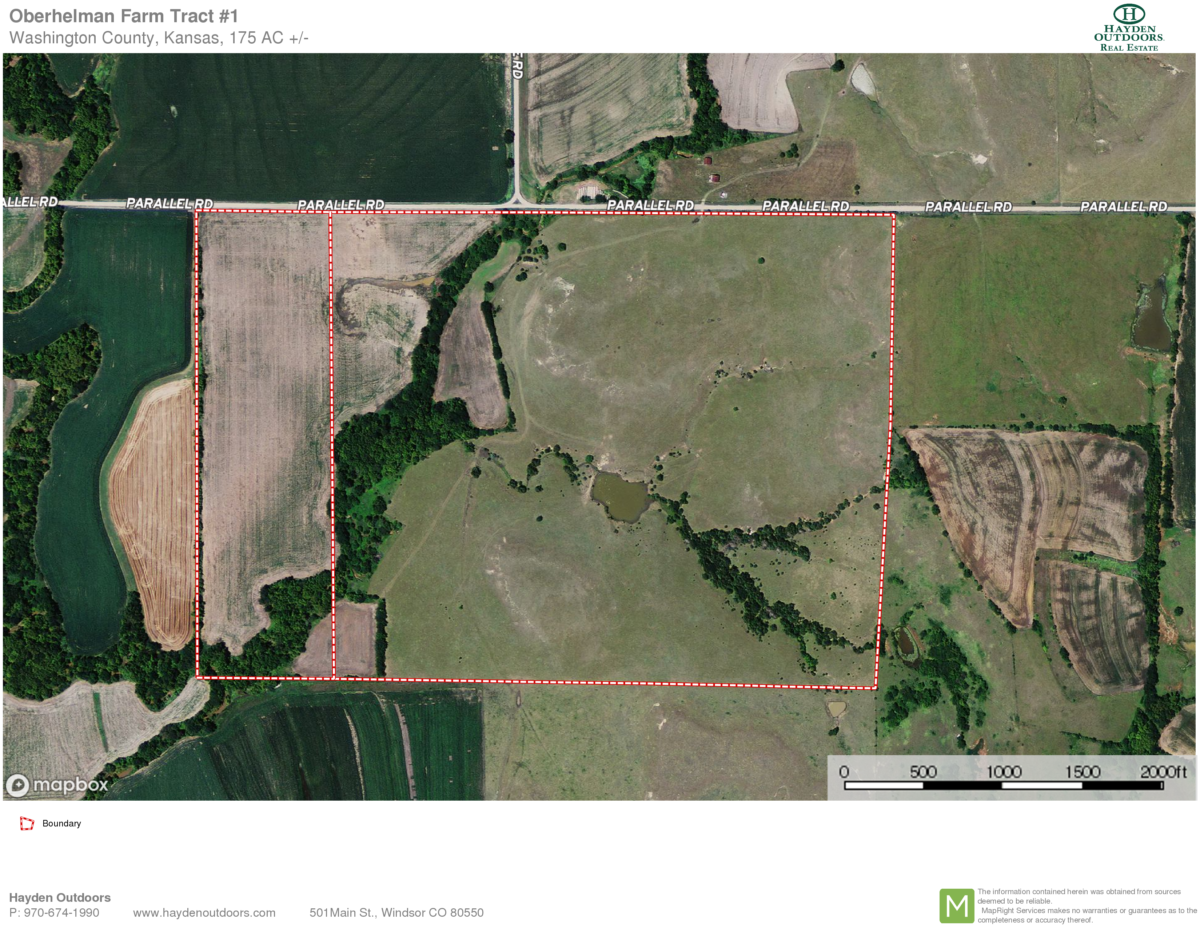
Whether you’re a potential or existing landowner and assuming you don’t farm yourself, learning how to earn capital from your farmland by renting a portion or all of it can be valuable in the viability of your property. It’s important to understand some key steps, leasing rates for your local area, and how to protect yourself with a valid property or lease contract.
Establish an Arrangement that Works for You
While the details will vary and are specific to state rates and regulations, there are generally two ways to rent or lease your land: cash per acre (or cash upfront) or share in cost of profits and harvest. The choice should be based on how involved or uninvolved you want to be in the maintenance and harvesting of the land. Cash upfront typically requires less collaboration between you and the person leasing your land, while sharing in profits and harvests might mean you need to be more involved in work and decision making.
Determine the Right Rental Rate for Your Area
Given the fluctuating prices of crops, federal subsidies, and local and regional factors, this is an important step that requires some research. Consider multiple factors, not just the USDA’s National Agricultural Statistics Service, which is an average that can skew specific characteristics of your land.
There is the easy first step of simply talking with other farmers, ranchers and producers in the community who are doing the same thing. Also reach out to ag lenders, real estate agents who specialize in farmland leasing and sales, and the USDA’s Farm Service Agency.
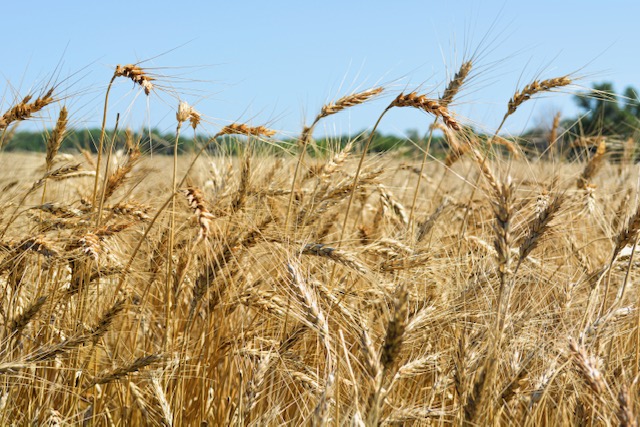
Additional Considerations include:
- Any existing business plan for your land that maps rental income
- Current land values
- Your carrying costs
- The previous harvest
The USDA provides a variety of tools to help determine baseline land rental rates, including the Cash Rents Survey, current agricultural land values, the National Agricultural Statistics Service, and current USDA assistance programs.
Follow Insurance and Tax Rates and Regulations
Talk with your accountant and insurance agent about the implications of renting your land. Doing so might require additional or higher tax payments and added insurance coverage. Protect yourself and your property against liabilities.
Choose the Right Farmer
Just like renting an apartment or home, it’s important to vet potential farmers who want to rent or lease your land. Due to our pulse on the local Ag market, advertise your land through our team of agents, and interview multiple people. Make sure the person you choose shares your vision for the property, and check references if available to ensure you’re entrusting your property with someone who is knowledgeable, committed, and passionate.
Draw Up a Lease and Then Stick to It
Even if you’re leasing your land to your most trusted friend or family member, it’s extremely important to draw up a lease that outlines the rental or lease agreement, profit sharing, timeline, and any additional considerations, restrictions or qualifications. Then check in as needed to ensure both parties feel the partnership is valuable and beneficial.
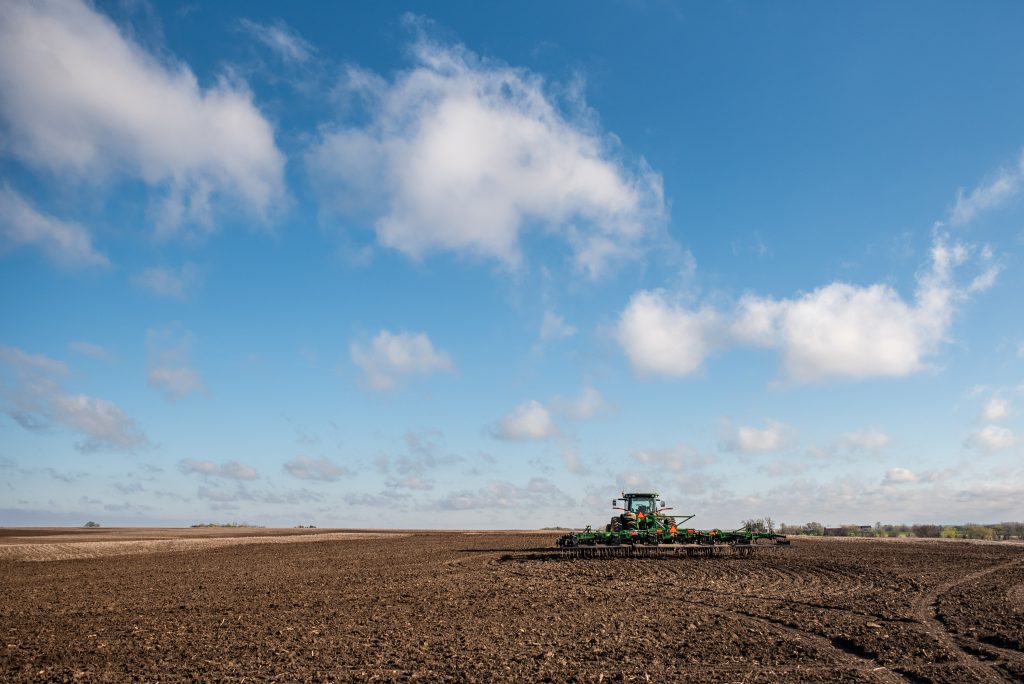
How the Living Timber on Your “Cabin in the Woods” Property Can be a Money Maker
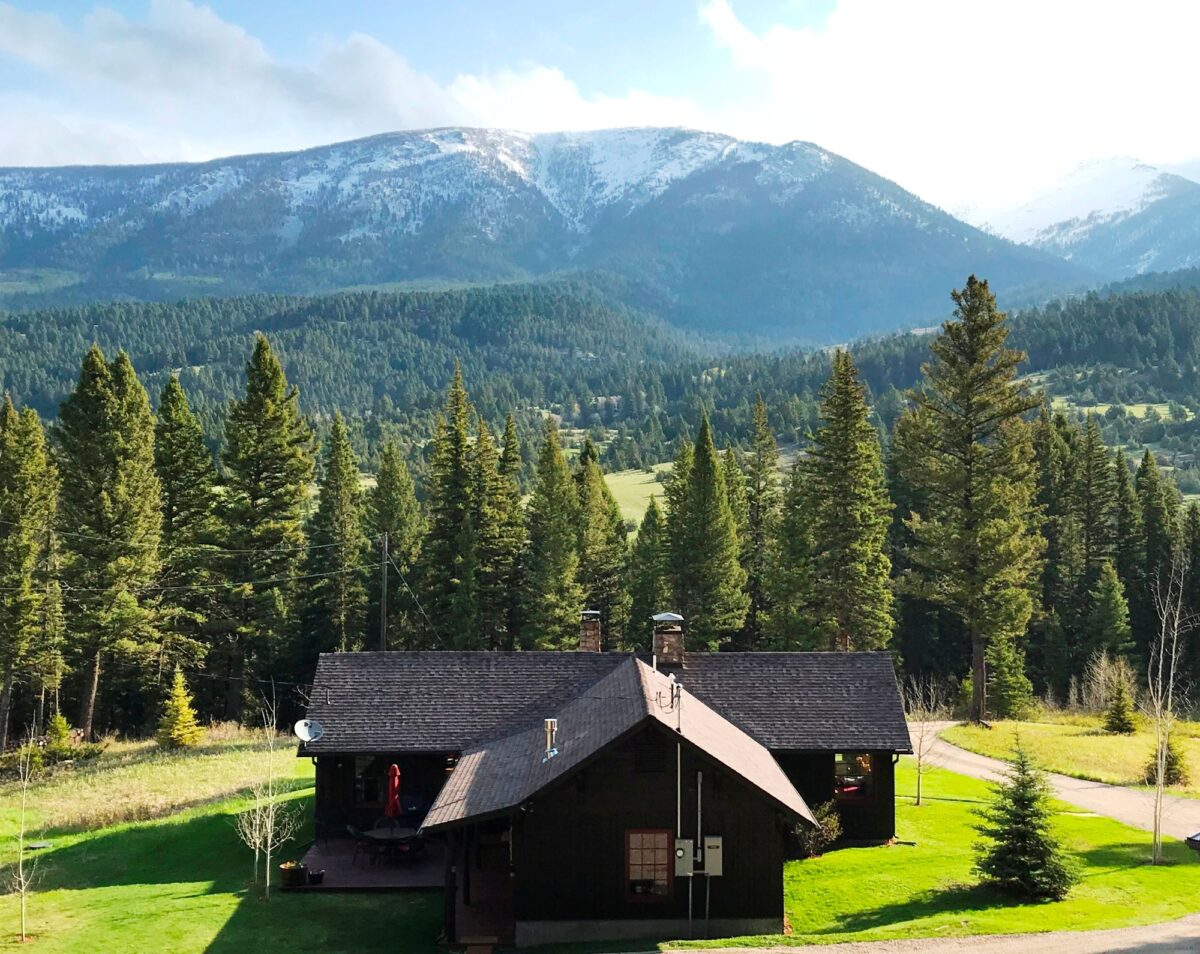
Peaceful cabin, fresh air, trees that go on for acres or miles. It’s easy to gaze out from your cabin in the woods at your forested land and see just that – a forest. But have you ever considered those trees as an investment?
Given the current skyrocketing demand for lumber, it might be time to. Lumber offers a unique way to diversify investment portfolios given that it is a sustainable, renewable resource, one we all need and use every day. The suggestion here is not to clear cut your land by any means.
Healthy forest harvesting can produce some additional income for your land, but only if it’s done sustainably. With local timber mills clambering for mature, healthy logs, there is a way to responsibly harvest trees that generates profit.
Talk to your local mill.
Pay a visit to your local lumber mills to see which woods are in the highest demand, and whether or not your timber fits the bill. Ask about what buyers are looking for and if there are any restrictions or standards your timber needs to meet in order to be profitable.
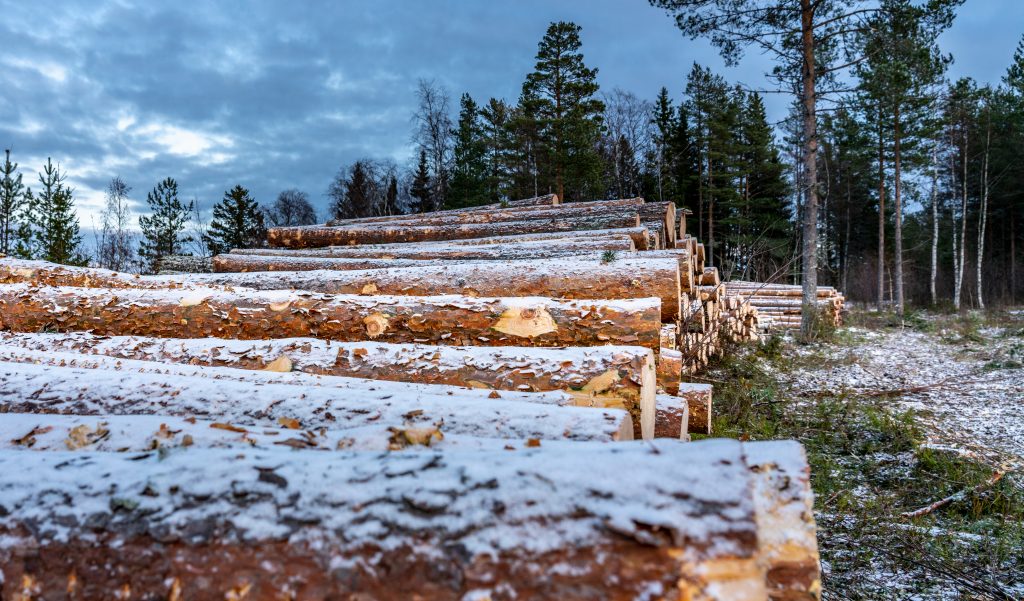
Choose wisely.
Proper forest management and wildfire mitigation are important whether you plan to sell your logs or not. A big part of this is thinning the trees, which means selectively going in and cutting down trees of varying sizes to allow for future growth.
Pro Tip: Reach out to the United States Forest Service in your area to see if they offer grants for thinning. Sometimes they do, providing incentive and income to keep your land healthy. For undergrowth, fell trees that simply aren’t thriving and allow enough space between each tree for new saplings to take root. Additionally, as you look for larger timber, select trees that might interfere with your views in coming years, but again, ensure you don’t harvest too many. Healthy trees grow most effectively in concert with each other, with the larger stands offering shelter and seeds for smaller growth.
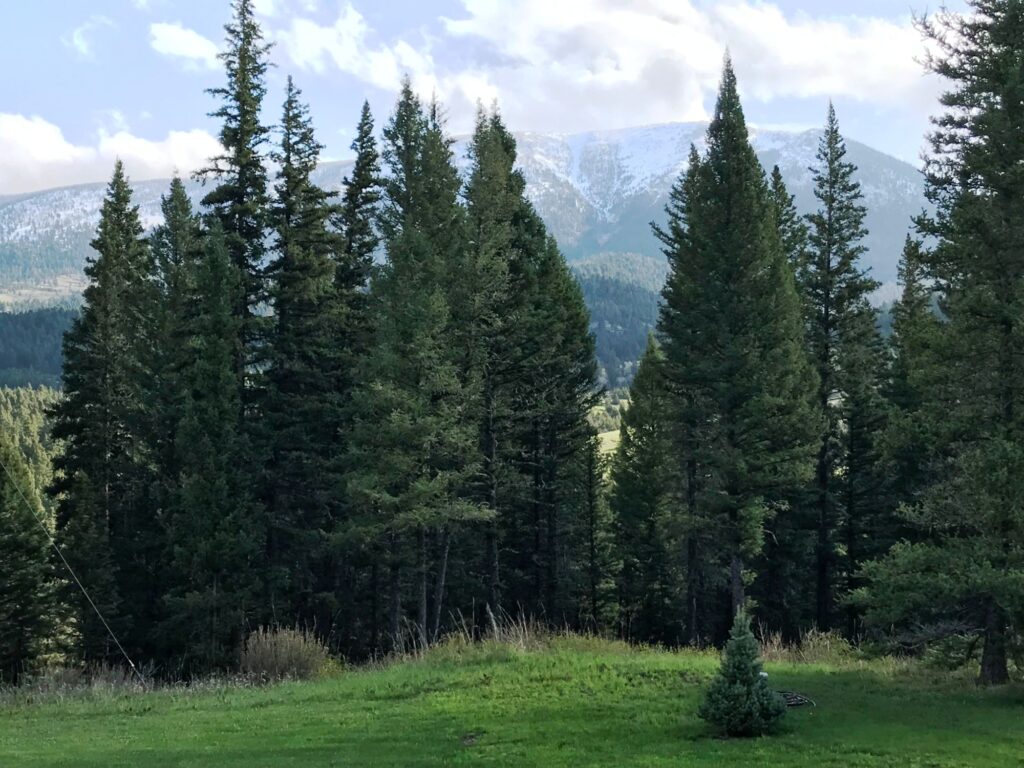
Be patient.
If your land is home to stands of younger trees, it’s best to wait until you have enough mature trees to harvest, creating a balance between larger and smaller stands. This will most likely result in an ebb-and-flow revenue stream – something to keep in mind to help manage finances and expectations. Depending on the current size of your timberlands, it’s wise to plan for at least a few years between mature tree harvests.
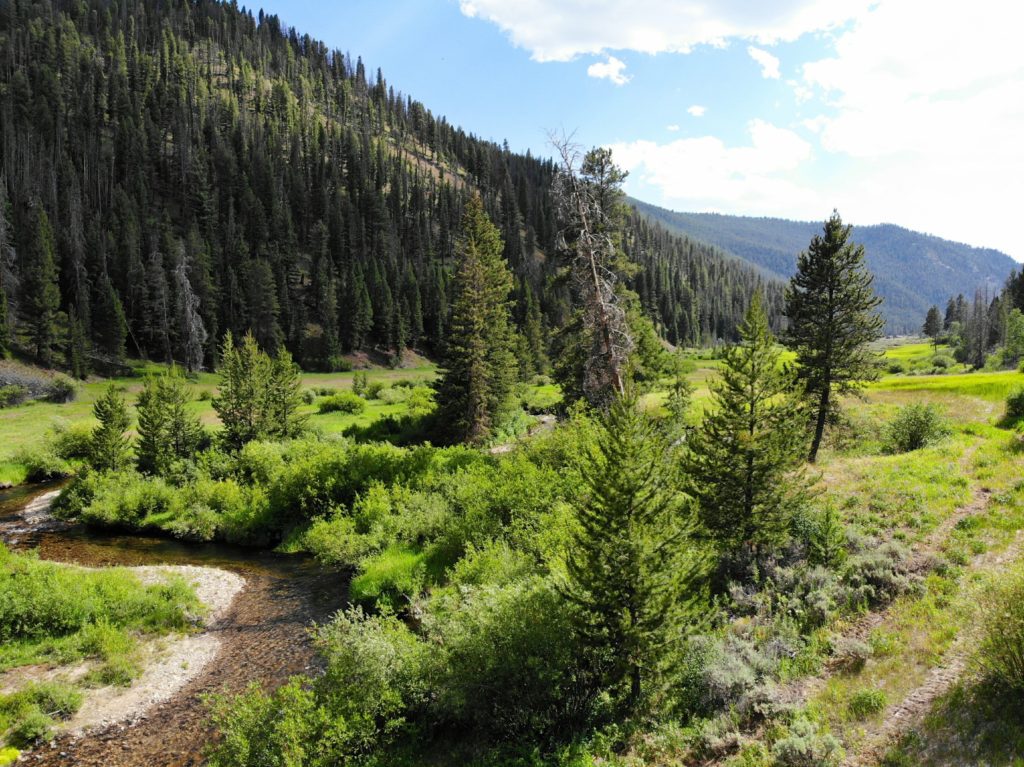
Living in forested land comes with the inherent value of being so closely intertwined with nature. It also offers opportunities to make your timberland profitable while simultaneously keeping it healthy and thriving.
If you want to learn more about owning large-acre timberland, including what you’ll need to do to properly maintain and monetize it (if that is your goal), the expert team at Hayden Outdoors has you covered. Connect with industry-leading expertise on the best way to find the best land for you.
Turning Your Old-Growth Property into a Deer Sanctuary
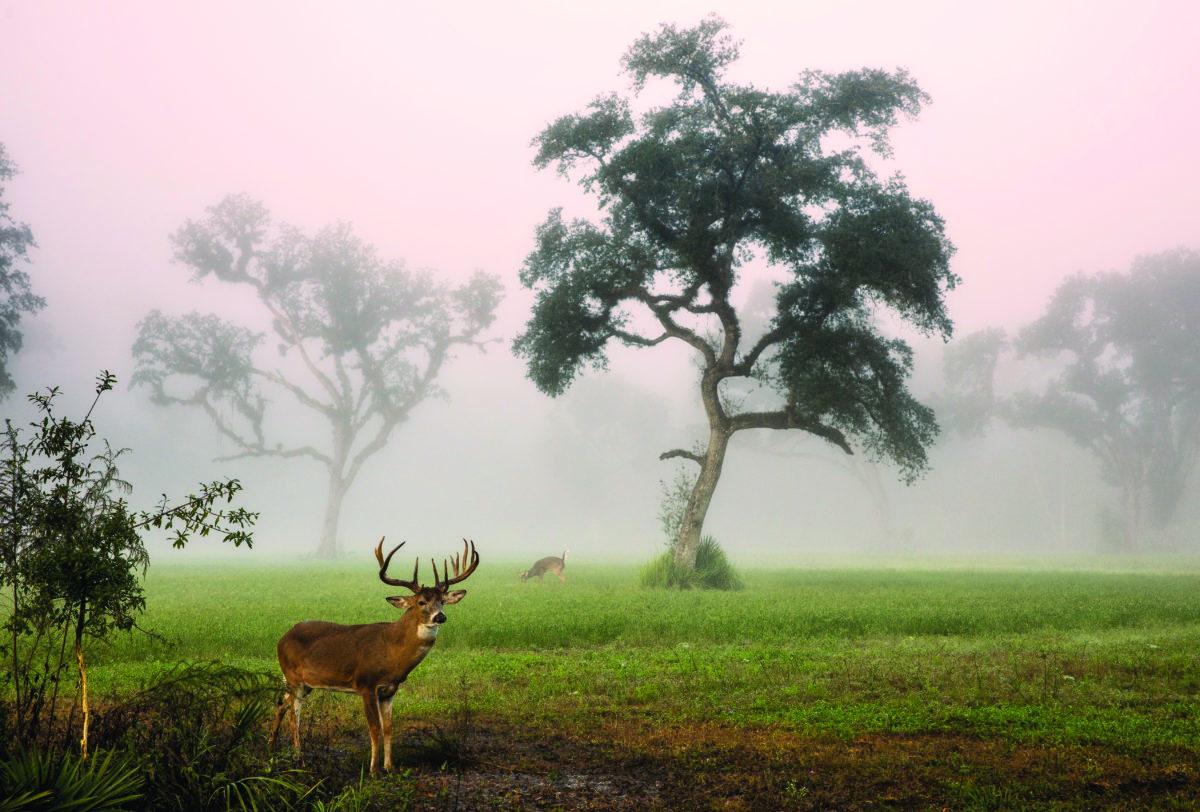
One of the biggest rewards of owning Hunting land is the coexistence of owner, wildlife and natural resources.
Learning how to mature your property to improve opportunities for deer hunting and migration is an important part of hunting land management – and enjoyment! With fall comes the promise of big bucks and a year of deer meat, so long as the deer have good reason to move through your property.
Here are some things to consider when priming your land for long-term success and an improved environment that allows big game to thrive on your hunting property. Before you begin making ad hoc changes to your land, draw up a strategic plan that establishes the locations and co-existence of each of the elements below:
Food
While deer feeders and salt licks seem like an easy and enticing way to encourage deer onto your property, they’re not a long-term solution and add no value to your land’s ecology or forest health. It’s much better to integrate natural forage into your forest for a consistent nutrient source. A great initial step is to thin your trees, removing sick, weak or otherwise undesirable ones. This benefits in two ways – it opens up small corridors through stands of trees that allow deer to wander through with more ease and it lets sun rays reach the forest floor, contributing to the growth of deer favorites such as grape, honeysuckle, blackberry and others.
You can also add food plots throughout, making sure to locate them in or near cover such as wooded areas and swamps. It’s also important to adhere to the 60:20:20 rule – 60% cool-season perennials; 20% cool-season annuals; and 20% warm-season annuals and grasses. Seed mixes are available; you’ll just want to be consistent with weed management, mowing and fertilization as necessary.
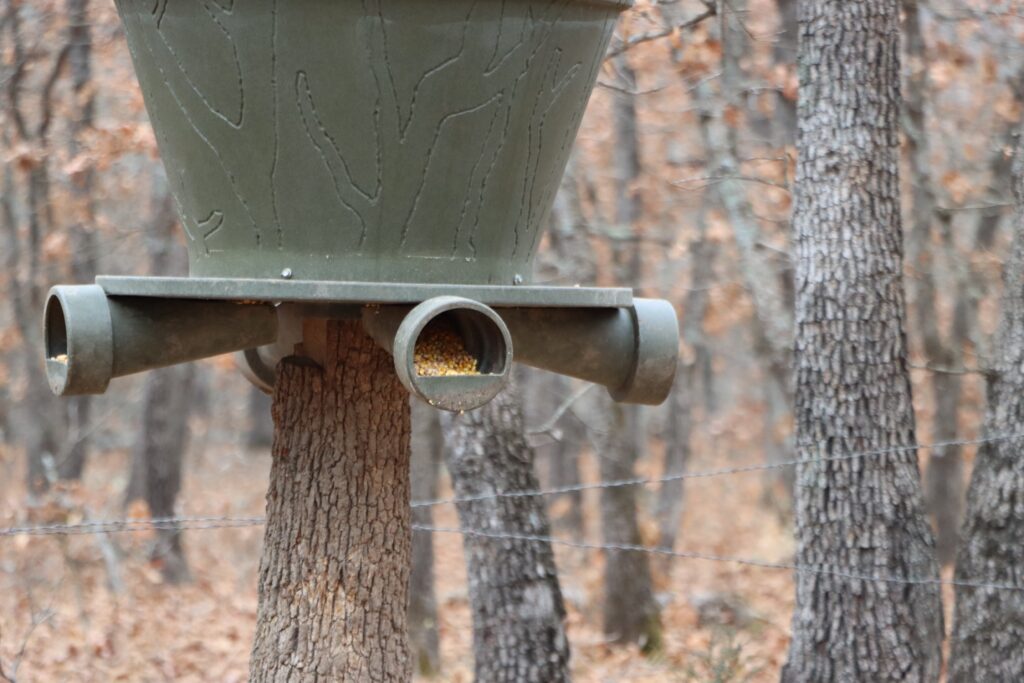
Water
Of course, water is as important as plenty of food. If you need to establish a water source or sources on your property, you can build a small water hole, add a stock tank, kids pool or other rain collection vessel, or create a small dam or watering hole in a river or stream. Again, make sure these water sources are maintained and near a place that offers cover.
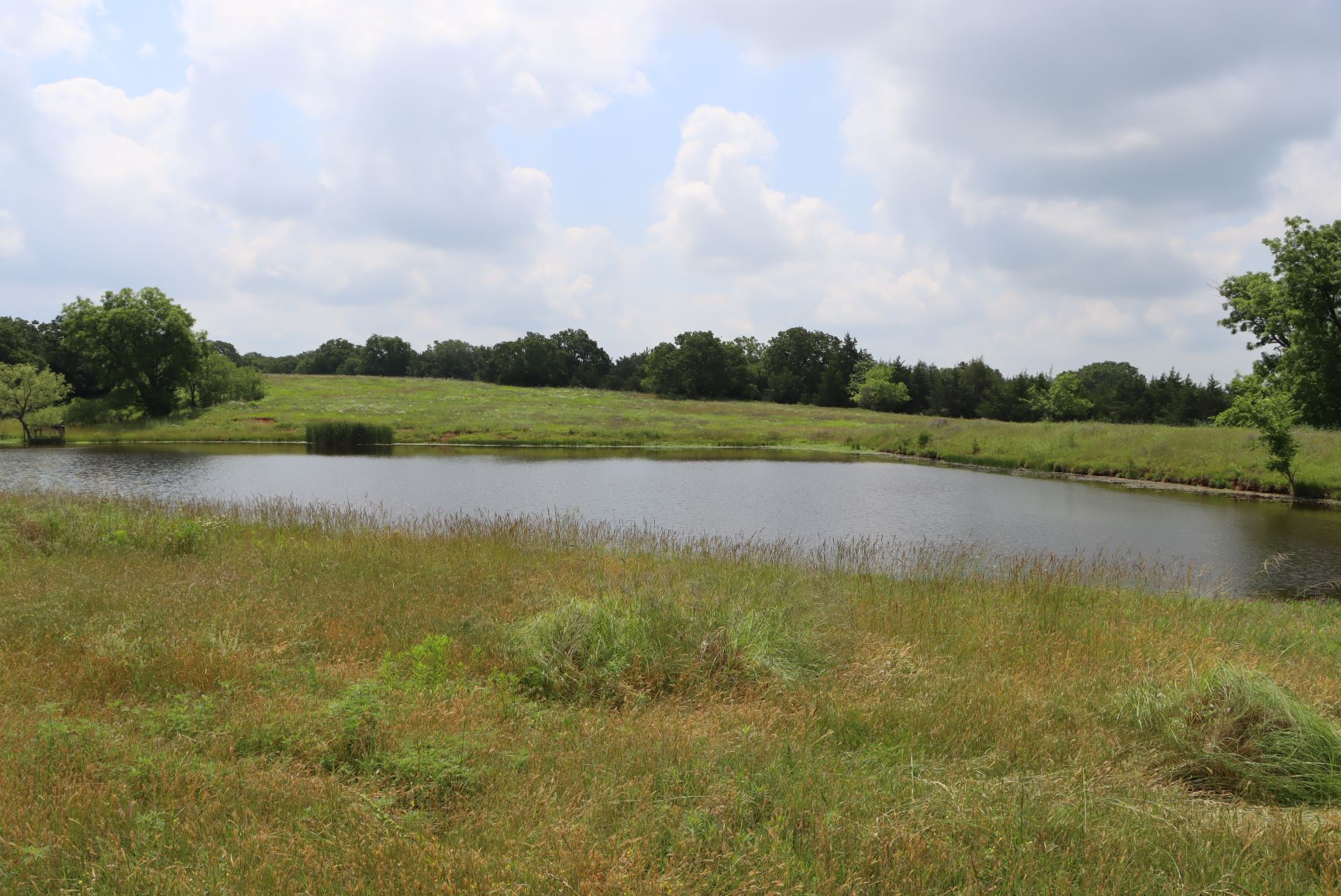
Cover
While good food and water might invite bucks through your land, keeping them there requires efficient cover. A good rule of thumb is “bed high, move low” meaning bucks like to bed higher on the property and then move through lower trees to feed and chase does. Forest management practices, like the ones mentioned above, will largely contribute to creating safe, healthy areas of cover for bucks. If you want to establish additional coverage on the property, find a spot away from any human activity – then cut down select small trees and limbs, hinge-cutting some, to help manage the overgrowth. You can also use these trimmings to create a fort-like area for additional ground coverage.
Corridors
Natural pathways such as brushy hollows, open strips and ditches offer bucks a “safe zone” to move between their bedding areas and feed fields. If these don’t occur naturally on your land, it’s easy to create them. They don’t have to be highways – 25 to 50 feet is more than sufficient. Apply the same thinning and bed-making rules to establish linear paths and trails throughout the property, naturally winding them between bedding, doe and feeding zones. Additionally, be considerate of the wind patterns that are consistent on your property before designating your planned corridors.
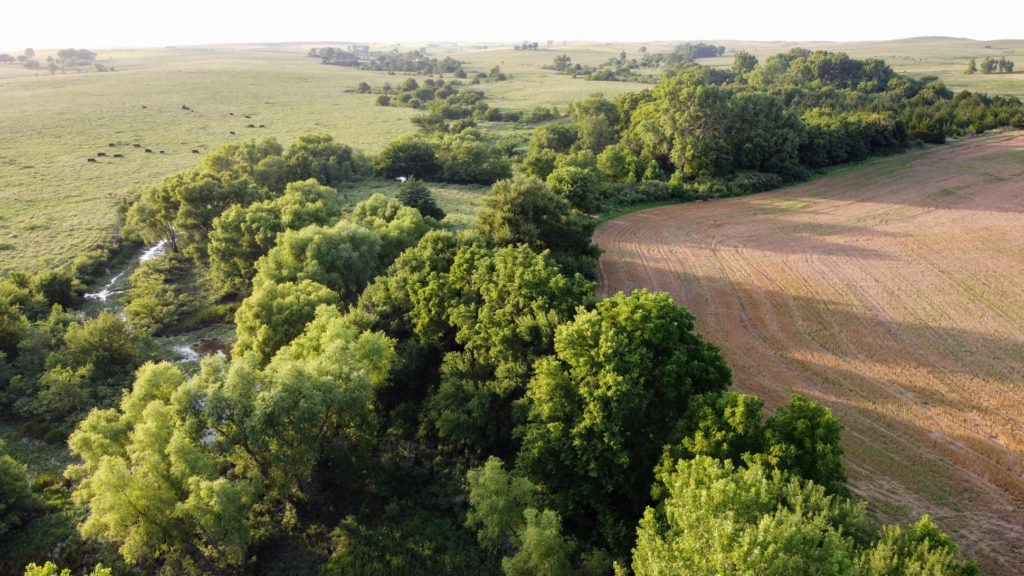
Weather Havens
If your property is subject to early-season freezes and large snowfalls, it’s important to plan for winter deer habitat. Diversifying your forest with endemic trees that shield from harsh winter weather, such as cedar, pine, spruce and hemlock, is important. Since deer change their behavior to survive the winter – they are typically less active to save energy, so you should account for this by including more shelter on the property.
Staging
Consider staging friendly transition zones between travel corridors, fields and food plots. A brushy edge along a field or food plot is ideal. If this doesn’t occur naturally on your land, plant shrubs in these areas and combine with felled trees from other forest thinning activity. Create a 15- to 20-foot buffer zone of bushes along the field’s edge.
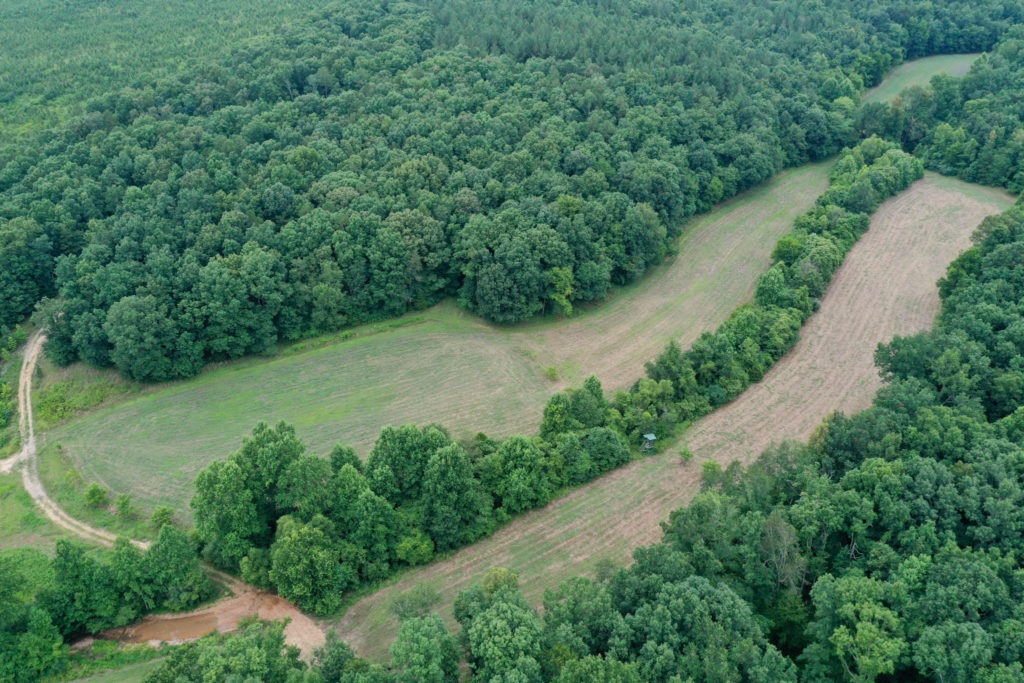
Deer Stands and Blinds
It’s important to keep stand approach trails unobstructed. Remove sticks, logs and other noise-making elements and trim back brush that might absorb smell so you can reach your stand silently without detection. Also trim back branches that might get in the way of shooting lanes to increase your shot opportunities. Additionally, you can create small piles of cut trees and branches that prevent the deer from seeing you as you near your stand.
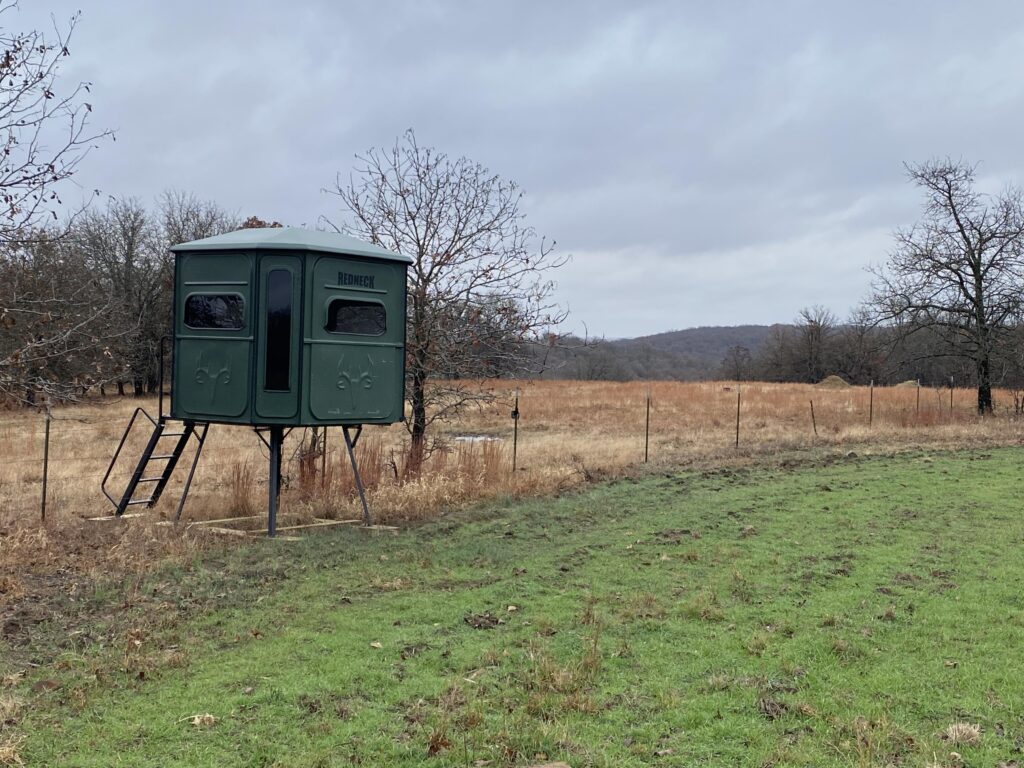
For additional insight into finding and maintaining the perfect deer hunting paradise, reach out to the agents at Hayden Outdoors. Our expert team offers extensive experience in ranch management and large-acre hunting real estate sales, connecting you with a hunting property that will serve generations to come.
Steps for Creating a Successful Ranch Management Plan
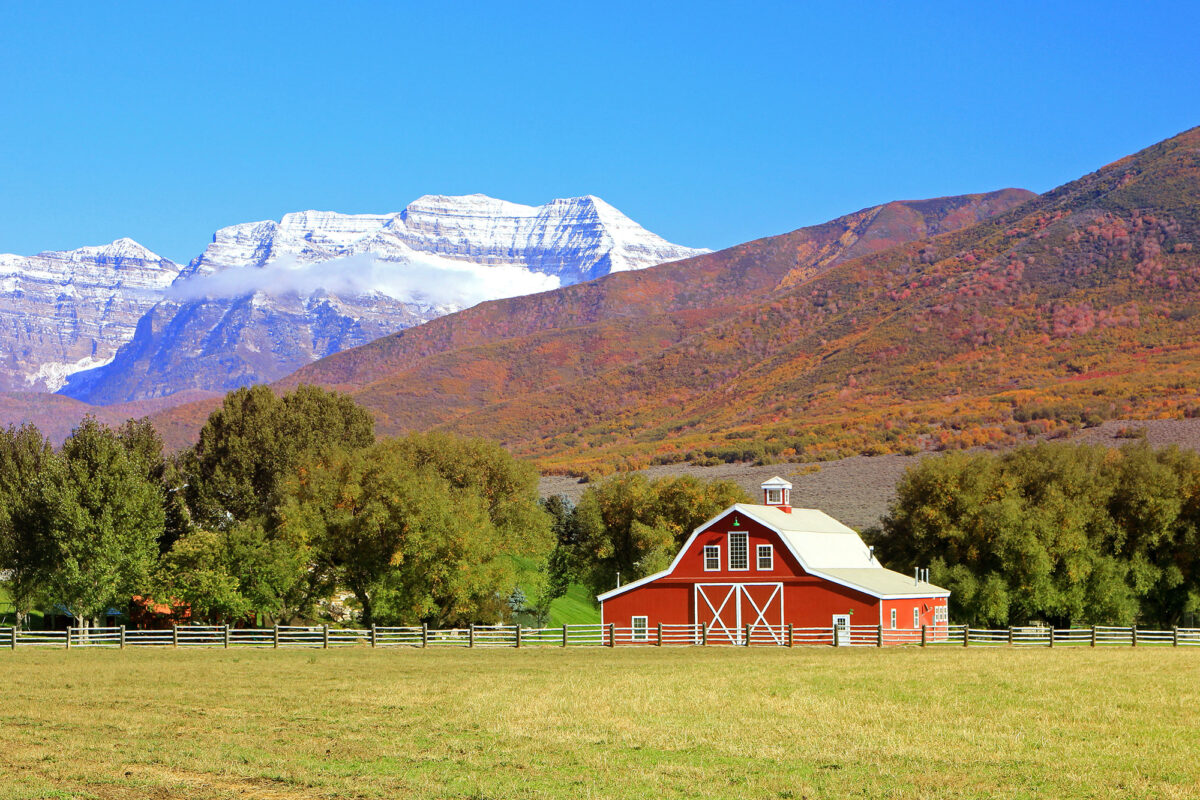
The relationship between ranchland and its landowner is one of America’s oldest love stories, complete with romance, reward, heartache, hard work and unending commitment to living a life on the land. Ranch ownership offers plenty of allure, but before you purchase your own ranch property, it’s imperative to create a comprehensive ranch management plan to ensure healthy land, profitable seasons and longevity.
Follow these Ten Steps for a Holistic Approach to Properly Managing Your Ranch.
1. Establish the “Big Picture” or Mission Statement for Your Ranch
Start by specifically defining the Ranch’s land use and general purpose. Do you dream of raising commercial cattle? Or is your ranch intended for your family’s sustainable living only, offering a collective means of living off the land?
Before you purchase your dream ranch property, it’s important to clarify what you want to do with it. This guiding philosophy provides a road (or trail) map for ranch operations, management, marketing, upkeep and profitability.
2. Qualify Your Key Resources
These can be the land itself. From pastures to quality soil and natural water sources – your livestock and other animals, and the people who manage the property.
It’s important to understand the unique aspects of your ranch and enhance them over time with special attention paid to natural resource management, proper equipment maintenance and providing a fun, engaging work environment for ranch managers.
3. Create a Management and Business Plan
Treating your ranch like a business is important to its long-term viability & sustainability.
Determine your goals and objectives. Establish key performance indicators you can track from season to season. Then revisit the plan frequently throughout the year.
4. Develop a Pasture Management Plan
Understand your soils, water sources, forages and potential for erosion to ensure your pastures remain productive and your cattle are happy.
5. And a Cattle Management Plan
Ranches are most productive when every element of them work in harmony – and this is certainly the case with cattle and the land.
Things to consider are which types of cows are best for your land, how you will keep them healthy and well nourished, and how they’ve been bred or if you will breed them.
6. Make Sure Your Bookkeeping is Organized and Up-to-date
Toss the shoebox full of old receipts and invest in proper bookkeeping software. You’ll want to keep track of revenue streams, spending, employee wages, invoicing and profits and losses. Being diligent about your bookkeeping throughout the year is an important way to ensure you’re working toward your ranch’s mission statement and it will save you time, energy and headaches come tax season. It’s also worth noting that profitable ranches are much more likely to be passed down from one generation to the next, ensuring their legacy in your family’s history.
7. Consider If and How You Want to Market Your Ranch
Is it family-owned and operated? Do you focus on raising organic cattle or does your ranch support speciality breeds? Establishing your ranch’s unique aspects and competitive advantages is elemental to a successful marketing plan. From there, consider how you want to communicate that message. These days, effective marketing can range from sponsorship opportunities at your local livestock auction to highly targeted social media advertising.
8. Keep Personnel Management in Mind
Happy employees stick around. It’s important to create a fun and inviting work environment for your ranch management team.
9. Continue to Observe and Adjust Accordingly
Ultimately, ranches are complex living entities at the cross-section of humans, animals and nature. It’s important to learn your ranch inside and out. Continually look for ways to improve soil and water sources. Stay up-to-date on emerging ranch and farm technologies and equipment. Tap into local scientists and land managers to better understand the environment around you. Then apply your learnings to your ranch management plan.
10. Enjoy the Process!
Owning your own ranch can be a dream realized. It offers an incredible amount of freedom and responsibility, independence and teamwork and an undeniable connection to the land.
The ranch property experts at Hayden Outdoors are an excellent resource in helping you find a ranch that meets your needs and aligns with your ranch management goals.
Land Stewardship on Multifaceted Western Riparian Properties
Authors: Duncan Clark & Brent Hedrick
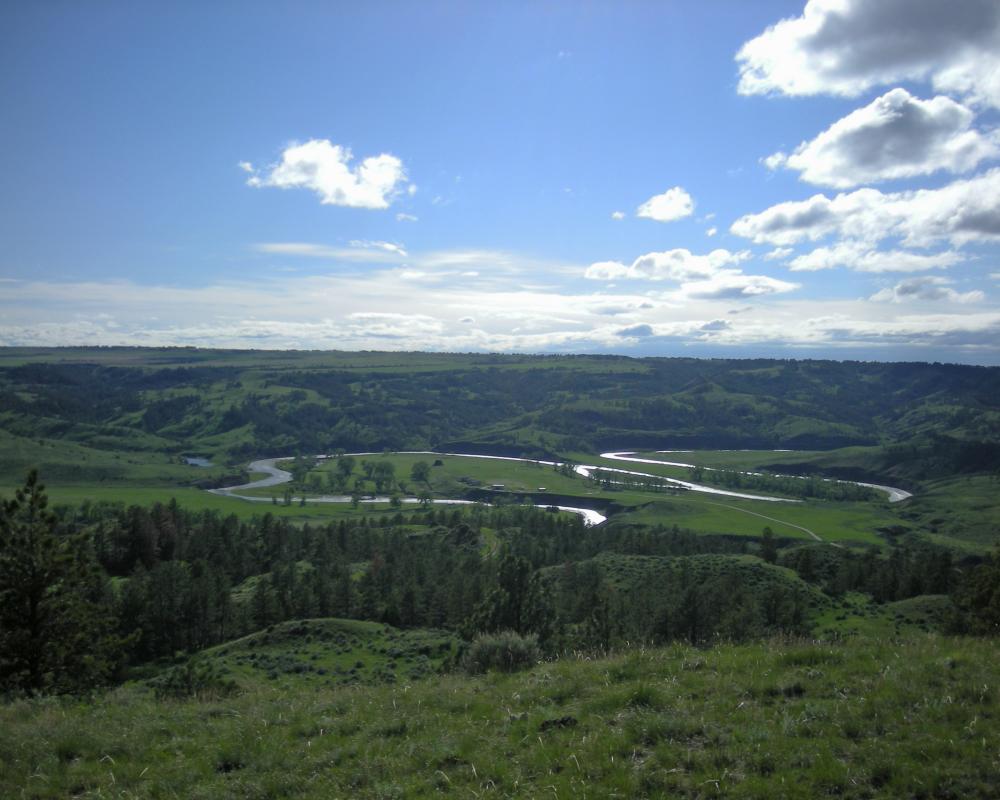
An interesting trend that has grown in relevance and popularity in the present age of ranch ownership is the relationship between agricultural land use and recreational sporting opportunities and how to successfully maximize both attributes. A good example of this relationship are ranches characterized as riparian zones with a combination of quality operating features and live water capable of supporting a viable sport fishery. Many ranchers across the country have begun to realize the lucrative nature of balancing agricultural operations while also concentrating on improving wildlife habitat to maximize hunting resources and create a quality recreational fishery. While every riverine property is different there are a few simple practices that we have helped landowners with to maximize the overall value and utility of these multifaceted ranches.
Managing Riparian Habitat
Historical agricultural practices on many live-water alpine valley ranches have been a detriment to riparian habitats degrading the natural balance of native plant and animal species along these important ecological zones. Most agricultural practices on these properties have been to maximize space for haying and grazing operations which more often than not degrades streambanks and prohibits growth of native woody vegetation important to wildlife which both can severely degrade crucial riverine habitat. To protect these fragile ecological zones, we believe it is extremely important to restore buffer strips along the water’s edge which can be anywhere from 25-100 yards in width on both sides of the water’s edge. One good practice of this would be fencing off the river corridor with barbed/ and or hotwire from livestock with strategic placement of river access gates extending into natural riffles in the river/stream for stock water. The riparian corridor benefits immensely from using this practice and results like new vegetation growth and better bank stabilization can be seen quickly perhaps in as little as a year or two. Every property and streambed are different and could use a strategic plan to restore its productivity but with the right management approach and practice a ranch becomes multifaceted and therefore more valuable.
Land Specialist specializing in Land Stewardship
Having a strong base of knowledge and experience regarding wildlife, fisheries, and agricultural management; Hayden Outdoors Land Specialists Duncan Clark and Brent Hedrick are uniquely qualified to valuate and market western ranching operations. We believe that each property with balanced management of agricultural and recreational attributes maximizes the financial viability of the property and is thus more marketable. We have years of experience in brokering multiproductive ranches across the state of Colorado while collaboratively helping landowners maximize the agricultural and recreational potential of their property. If you have any questions regarding improvement of riparian habitat on your ranch feel free to reach out to Duncan Clark or Brent Hedrick, they would be glad to speak with you.


Duncan Clark & Brent Hedrick
Summer Time Land Management
By Allen Treadwell
Land Management Tactics for a Successful Hunting Season Come Fall
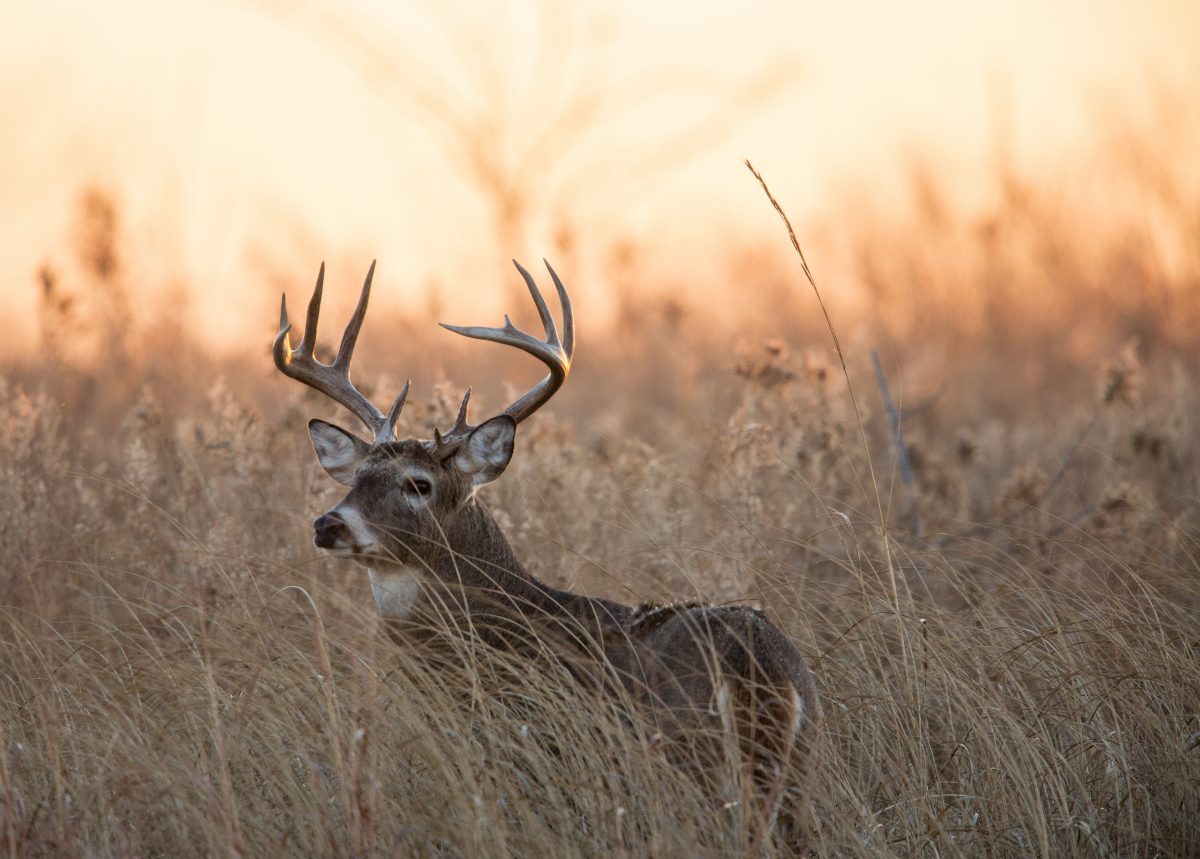
With Turkey season ending, summer time heat and humidity just around the corner in much of the Midwest. Many of us are already looking forward to those cool crisp mornings of early fall, watching the sun appear over the horizon while our breath is visible as we exhale, and waiting on a whitetail deer to appear from behind the thicket.
With our thoughts of those priceless fall mornings on our mind, often times is easy to get busy with summer time activities and put off improving our land for hunting until the last minute. When in all reality, now is some of the best times to put a bit of sweat equity into our properties to greatly improve our experiences this fall. It’s the perfect time to put in some work on our food plots. Whether we are turning over the soil, expanding an already existing one, or clearing off and area for that hidey-hole food plot that you know will produce.

Timing is Everything for Proper Land Management
Summer is the perfect time to complete these projects. The days are longer, and it becomes easier to spend a few hours on an evening working in the field. Those wise ‘ol bucks are far less spooky when they have so much vegetation to hide behind and help cover up the noise from any equipment.
The farther removed from hunting season, the longer the animals have to find, and get use to the new improvements. It is also a great time to think about stand locations. When it comes to hanging a new set, there is no better time, you are far enough removed from hunting season that any noise and scent left behind will not affect the way deer behave come fall.

Routine Hygiene for Hunting Blinds & Stands
It also makes sense to check those existing stands for safety and stability. You can replace ratchet straps from the previous year, make adjustments if the stand needs to be tweaked and trim shooting lanes, especially if it’s a place you know you will hunt early season with leaves and vegetation still on the trees.
So, before those summer no hunting season blues set in, use these days to promote success, habitat management and comfort for long days in the field when the sun starts sitting earlier and the buck of your dreams could step out any minute.


 866-741-8323