
×
Sign in
Sign in to save favorite properties and equipment, save your search parameters and more
Don’t have an account yet? Sign Up Now
Sign up
Already have an account? Login Now


 866-741-8323
Sign in
Sign in to save favorite properties and equipment, save your search parameters and more
Don’t have an account yet? Sign Up Now
Sign up
Already have an account? Login Now
866-741-8323
Login
Sign in
Sign in to save favorite properties and equipment, save your search parameters and more
Don’t have an account yet? Sign Up Now
Sign up
Already have an account? Login Now
Sign in
Sign in to save favorite properties and equipment, save your search parameters and more
Don’t have an account yet? Sign Up Now
Sign up
Already have an account? Login Now
 Back to Blog
/
Land Ownership, Real Estate Market /
Back to Blog
/
Land Ownership, Real Estate Market /
There’s something beautiful about buying land that outlasts you. Something that builds a legacy for generations to come. At its core, narrowing down the best states to buy land throughout the US means understanding that this decision transcends mere real estate transactions.
In 2026, the American land ownership landscape continues evolving. Remote work has untethered families from urban centers, driving unprecedented interest in rural acreage. While coastal properties command high prices, savvy buyers are discovering that the best place to buy land often lies in regions and states overlooked by those chasing trendy markets.
This isn’t about finding cheap dirt. Finding the best state to buy land in the US is often a balance of price with opportunity. You want to match your family’s vision with a place that can truly support it for generations.
Whether you’re establishing a cattle operation your grandchildren will expand, building a homestead that teaches self-reliance, or preserving hunting land that becomes your family’s sacred gathering place, choosing to buy land in the right state matters profoundly.
We’ve identified the best places to buy land across twelve key use cases. Each recommendation reflects not just current conditions but the long-term potential of the property, because land ownership requires thinking in decades, not quarters.
Here at Hayden Outdoors, our agents live this reality daily. We don’t just help you buy land; we’re helping families like yours find their place in the American landscape, ensuring you’re choosing the best state to buy land for your specific needs and what you value in the place you call yours.
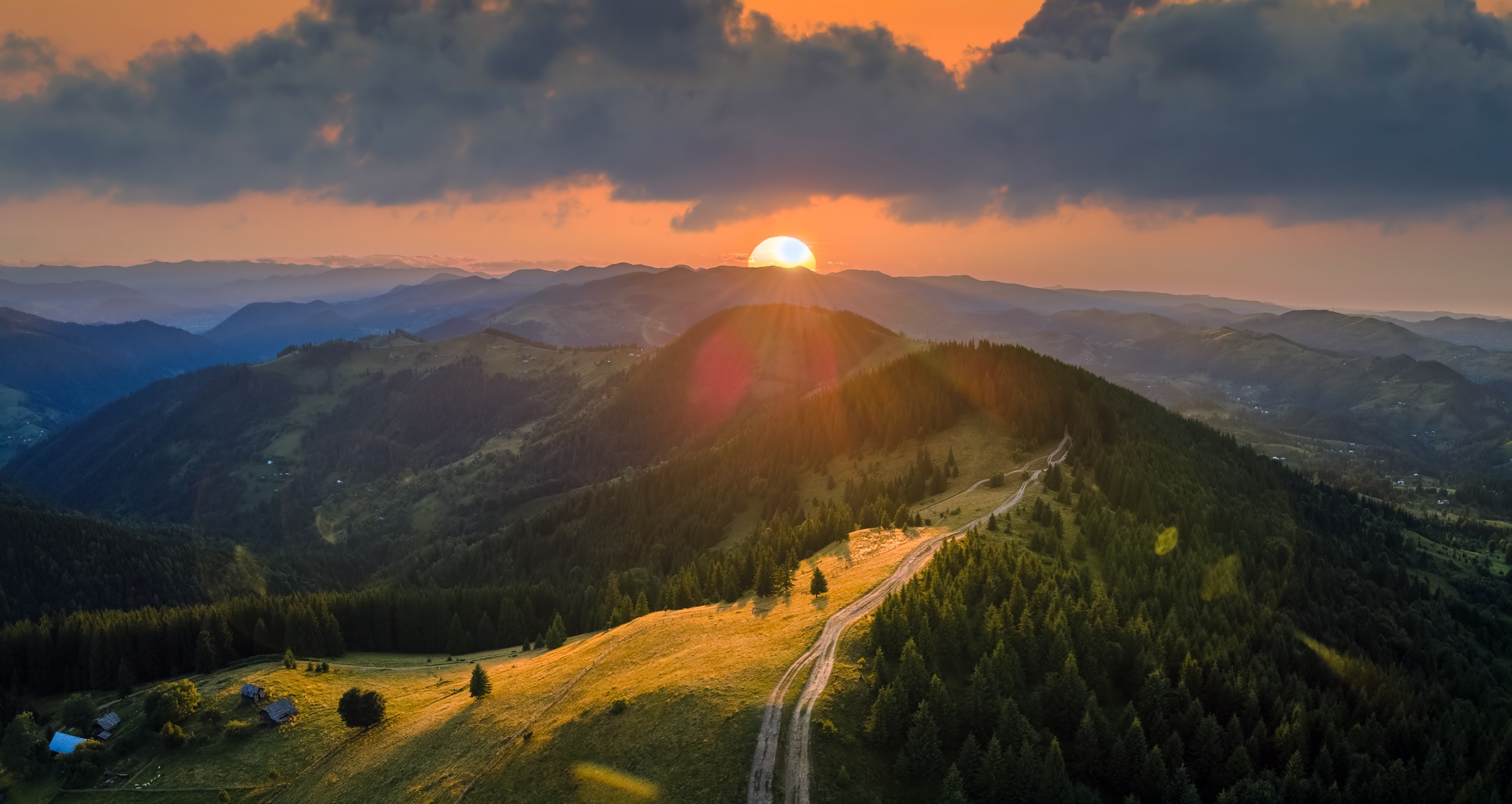
Before we break down the best states to buy land for your particular situation, it’s important to understand that certain fundamentals and “truths” of land quality apply across the board.
Great land purchases share common characteristics, regardless of whether you’re building a homestead or a commercial timber operation.
The best place to buy land is where your family’s needs intersect with the particular strengths of the state or region. Some families need proximity to hospitals and schools. Others prioritize privacy measured in miles from the nearest neighbor.
It’s helpful to look into stats on population growth and decline for any state you’re considering buying land in, so you can gather insights into which areas are more likely to appreciate steadily versus those facing stagnation. Infrastructure development trajectories can also tell a story that price per acre of land may not completely explain.
For example, if you’re considering a remote parcel of land strictly because of its affordability, but the county plans no road improvements and internet access remains unavailable, you may not get the return on the land you’re hoping for. A more expensive, yet better-positioned parcel (perhaps even in a different state) may be the better long-term choice, and should be a factor when determining the best place to buy land.
Property tax structures are what separate smart land purchases from those that can become financially burdensome. Agricultural exemptions can substantially reduce your annual tax bill when you buy land in states that truly support working landscapes. The calculation of determining the best state to buy land considers these ongoing costs as seriously as the purchase price.
For example, Tennessee’s cost of living sits 10% below the national average, yet the combined state and local sales tax averages 9.61%. There are always trade-offs to consider when choosing the best place to buy land, and this illustrates why surface-level comparisons of states can be misleading.
Road maintenance on private roads, association fees where they exist, and special assessments for infrastructure improvements all add costs and value over decades of ownership.
Water rights are one of the most critical considerations when determining the best states to buy land in the US. Western states operate under prior appropriation, where water rights exist separately from land ownership. Eastern states generally follow riparian doctrines, attaching water rights to the land itself.
The best places to buy land provide clear water rights documentation and reliable access. Some land parcels in western US states command high prices precisely because senior water rights convey with the land, while neighboring properties without such rights sell for less.
County-level regulations create dramatically different land buying experiences within the same state. One county might allow agricultural buildings without permits while the neighboring county requires engineered plans and inspections for simple barns.
Finding the best state (and place within that state) to buy land means finding counties where regulations align with your vision, rather than getting stuck in bureaucratic red tape.
Your land should work with you, not against you. Growing seasons are key to agricultural viability, so if you’re planning on using your land for farming, this is an important consideration when determining which states are your best options to buy land in.
The best place for you to buy land will need to match the climate patterns of the area with your family’s weather preferences and intended land use. Texans joke that if you don’t like the weather, wait five minutes. Montanans embrace the fact that winter defines half the year. There’s beauty to both.
Severed mineral rights create situations where you own the surface but someone else owns what lies beneath. This matters quite a bit in states like Texas, Oklahoma, and Pennsylvania, where oil and gas development can disrupt surface use entirely.
Understanding what conveys with your land purchase protects your family from unwelcome surprises. The discussion of surface rights vs mineral rights represents one of the most misunderstood aspects of land ownership, yet it fundamentally affects property value and your family’s control over the land’s future.
Legal access to land differs from physical access to land. For example, some plots of land that on their face may appear more affordable could be priced that way simply because they’re inaccessible during winter months (often due to heavy snowfall restricting access).
The best states to buy land typically have clear access laws, but verifying actual, year-round access for your specific parcel remains essential. Road maintenance responsibilities, utility extension costs, and internet availability are all important to keep in mind as you choose the best place to buy land for you and your family.
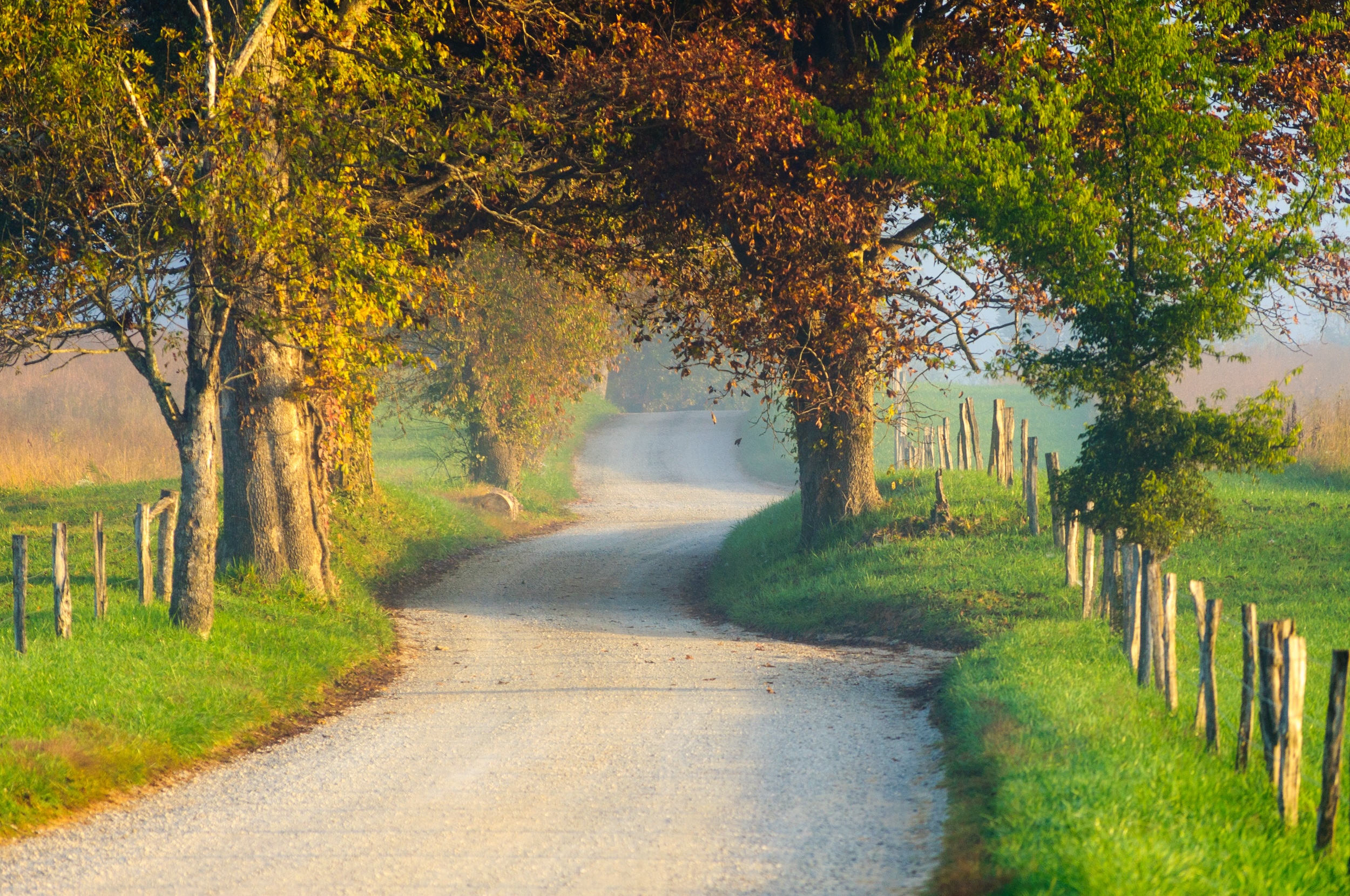
When it comes to the best state to buy land for homesteading, Tennessee is a place that truly stands out. The state has all four seasons, but without the immensely harsh winters in other regions throughout the US and the extremely dry heat in others. This reliability is key to the homesteading process and why Tennessee has scored the spot of best state to buy land for homesteading.
As we mentioned earlier, the cost of living in Tennessee runs 10% below the national average, meaning your homesteading dollar stretches further. On top of that, no state income tax creates an enticing environment to begin a homesteading venture, without a heavy tax burden getting in the way of the dream.
A nine-month growing season provides ample time for gardens and orchards to produce without the killing frosts that challenge northern homesteaders prematurely each fall.
As the sixth rainiest state, buying land in Tennessee also means less irrigation anxiety. Your ponds fill naturally, livestock have water, and gardens thrive without elaborate water management systems, making Tennessee one of the best states in terms of reliability for newer homesteaders.
Feed stores, farm co-ops, and agricultural suppliers dot the Tennessee landscape. When your tractor breaks at harvest, you’re not waiting weeks for parts. When livestock need veterinary care, large animal vets operate within a reasonable distance. This infrastructure, built over generations of agricultural heritage, supports homesteaders who are aiming to truly live off the land.
The hilly terrain throughout Tennessee is perfect for pastured livestock and terraced gardens, and small operations like hobby farms and homesteads are quite common in this state.
Tennessee proves itself the best place to buy land for homesteading because it’s a state that balances every factor families need: affordable entry, agricultural infrastructure, supportive communities, and a climate that cooperates.
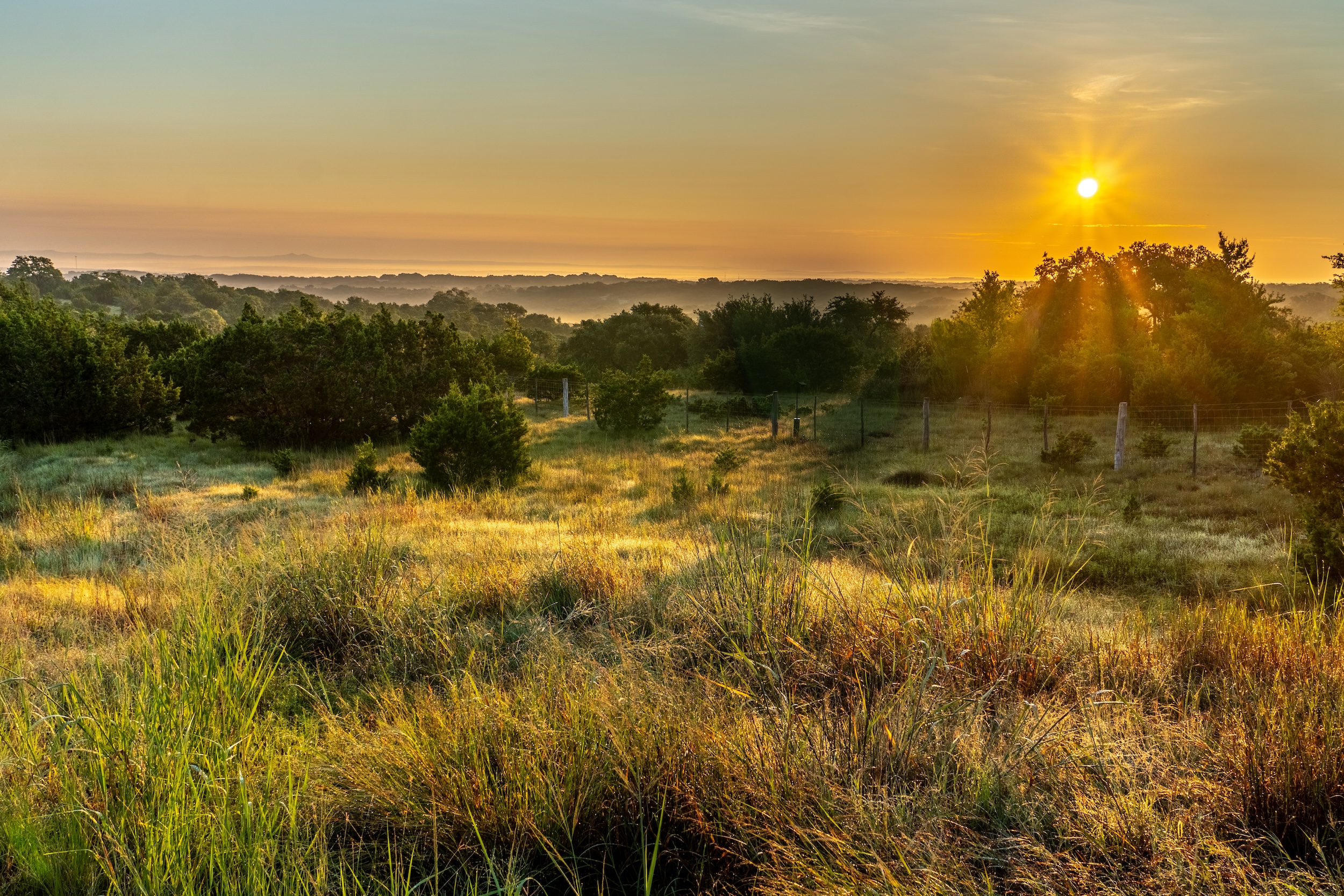
Texas has several things going for it that makes it the best state to buy land for investment purposes. We’re talking about everything from overall growth trajectories in property value to tax advantages to exit flexibility that pure investors demand. Land investing requires patient capital and a clear strategy. Texas provides both the holding economics and appreciation potential that make patience profitable.
No Texas state income tax immediately improves investment returns, and is a big reason we rank the state as one of the best places to buy land for investment purposes. Agricultural exemptions reduce property tax burdens dramatically, making land carrying costs manageable during multi-year or multi-decade holds. These tax structures easily make the state of Texas one of the best places to buy land for wealth preservation and growth.
The Dallas-Fort Worth region earned top “Market to Watch” status in Emerging Trends in Real Estate 2026, driven by continued business migration from high-tax states. Companies relocating from California bring jobs and population, driving land values in suburban and exurban submarkets. Austin, San Antonio, and Houston have been following similar trajectories, further boosting the value of Texas land and making it one of the best states to buy investment land.
Texas delivers multiple exit strategies beyond simple appreciation. Hunting leases generate annual income while you hold for development. Timber operations in East Texas provide cash flow plus appreciation. Agricultural land near expanding metros transitions to residential development when timing and zoning align. The unlimited homestead exemption protects your primary residence value completely, offering asset protection alongside investment returns.
Texas combines population growth fundamentals, business-friendly policies that continue attracting corporate relocations, diverse geography enabling multiple use cases, and tax structures favoring land investors over most other investment vehicles.
The scale of opportunity accommodates investors at every level, from first-time land buyers acquiring 10-acre recreational tracts to institutional investors assembling ranch empires. It’s all of these elements at play that makes Texas one of the best states to buy land in the US.
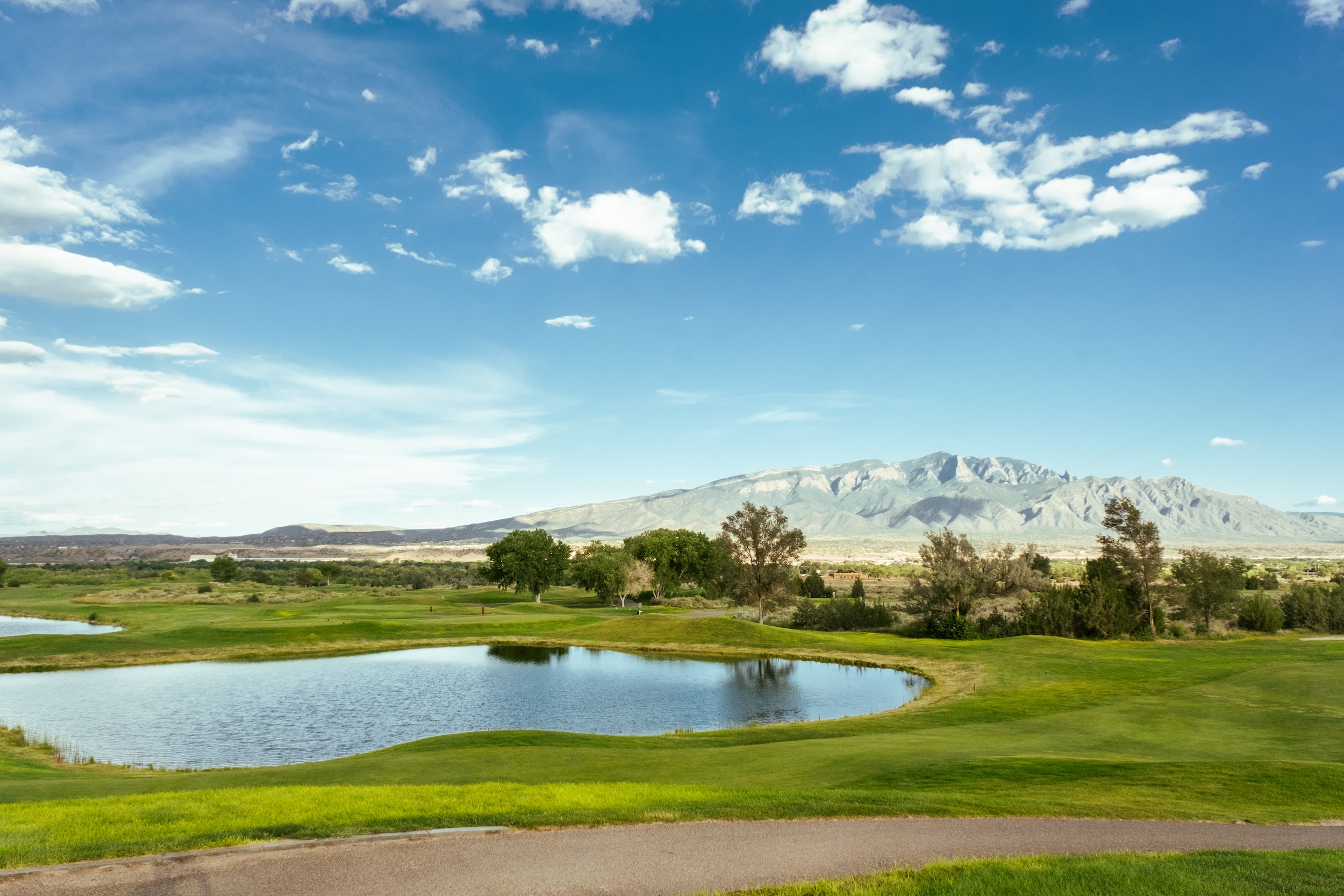
Affordable land shouldn’t mean buying future regrets, and New Mexico delivers actual affordability with room to grow rather than dirt that never appreciates. That’s the reason why New Mexico snags the spot of the best state to buy affordable land.
Desert land in areas like Luna County trades as low as around $200 per acre. Productive farmland with water access averages around $700 per acre. These aren’t misprint prices but reflect genuine opportunity in a state where over 48% of land remains federally owned, making private parcels genuinely scarce relative to total land area.
Over 300 sunny days annually make New Mexico ideal for off-grid living powered by solar. The sun represents New Mexico’s most reliable resource, delivering energy independence that reduces operating costs significantly, which is hands-down one of the biggest benefits when you buy land in the state.
On top of that, low population density translates to minimal regulations in rural counties, giving landowners freedom to develop and use property according to their vision rather than bureaucratic mandates.
Property taxes remain low compared to national averages, keeping carrying costs manageable for buyers stretching budgets to acquire maximum acreage. This combination of low acquisition cost and low ongoing costs is one of the big reasons we consider New Mexico to be one of the best states to buy affordable land.
Things To Consider: Water scarcity is something to keep in mind. If you’re trying to determine if buying land in a place like New Mexico is right for you and your family, you’ll want to look into drilling wells or looking into hauled water solutions. These will be critical both for living off the land and running any sort of operation on it.
For buyers prioritizing maximum acreage (and who have thought through their plan for getting water on their land), New Mexico provides unmatched affordability among the best states to buy land. The state’s natural beauty, outdoor recreation access, and growing remote work population suggest land values will continue appreciating from current low baselines, rewarding patient buyers who secure property early.
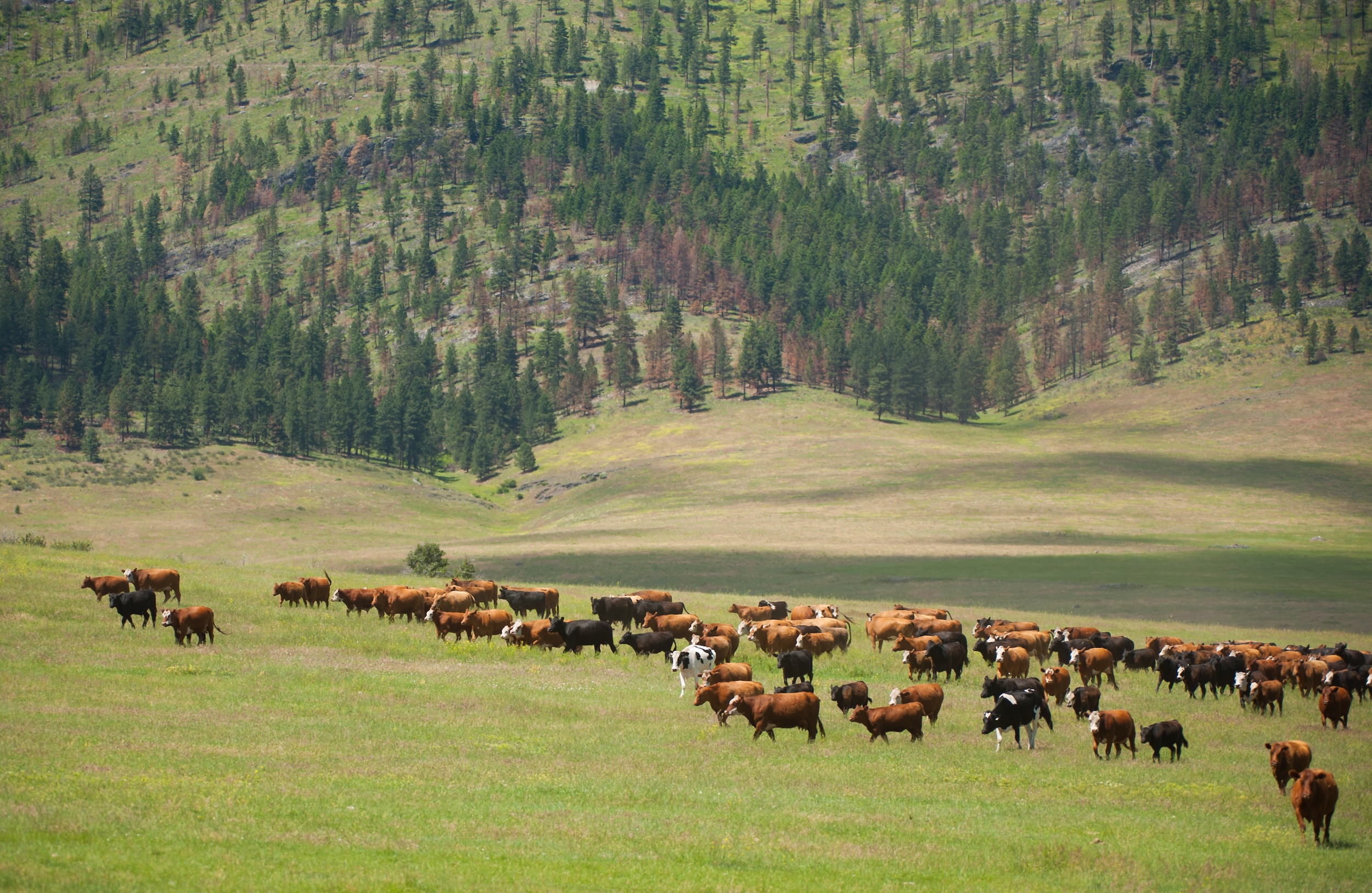
Montana has earned its reputation as the best state to buy land for cattle ranching through generations of producing the country’s top beef. This isn’t marketing; it’s an operational reality confirmed by cattle sold through sale barns, feedlots, and direct-to-consumer operations across the state.
Available plots commonly exceed 2,000 acres, providing the scale necessary for viable commercial cattle operations. Montana offers genuine ranch-scale properties, allowing operations to achieve efficiency and profitability impossible on fragmented acreage.
The state’s economy grows faster than national averages, driven partly by cattle and calves as top exports. This economic vitality creates robust markets where ranchers sell cattle at fair prices rather than accepting whatever buyers offer due to limited competition. This alone is enough to boost Montana near the top of the list of best states to buy land for cattle ranching.
Cultural support for ranching runs generations deep in Montana, with traditions dating to the 1860s. This ranching heritage created infrastructure from veterinary services to sale barns operating at levels that support professional ranchers rather than hobbyists. Fellow ranchers share knowledge and assist during challenges, creating community bonds that prove invaluable when drought hits or markets fluctuate.
The state of Montana’s vast grasslands are another core reason the state tops out list of best places to buy land for cattle ranching. The state offers quality forage, though stocking rates vary by rainfall and pasture management. In addition to grasslands, water access from rivers, streams, and reservoirs provides reliable livestock water year-round.
Montana combines established ranching infrastructure, cultural support spanning generations, and available acreage at genuine ranch scale. While land prices remain higher than some other states, operational advantages and long-term appreciation potential justify investment for serious cattlemen seeking the best place to buy land for ranching operations that will support their families for generations.
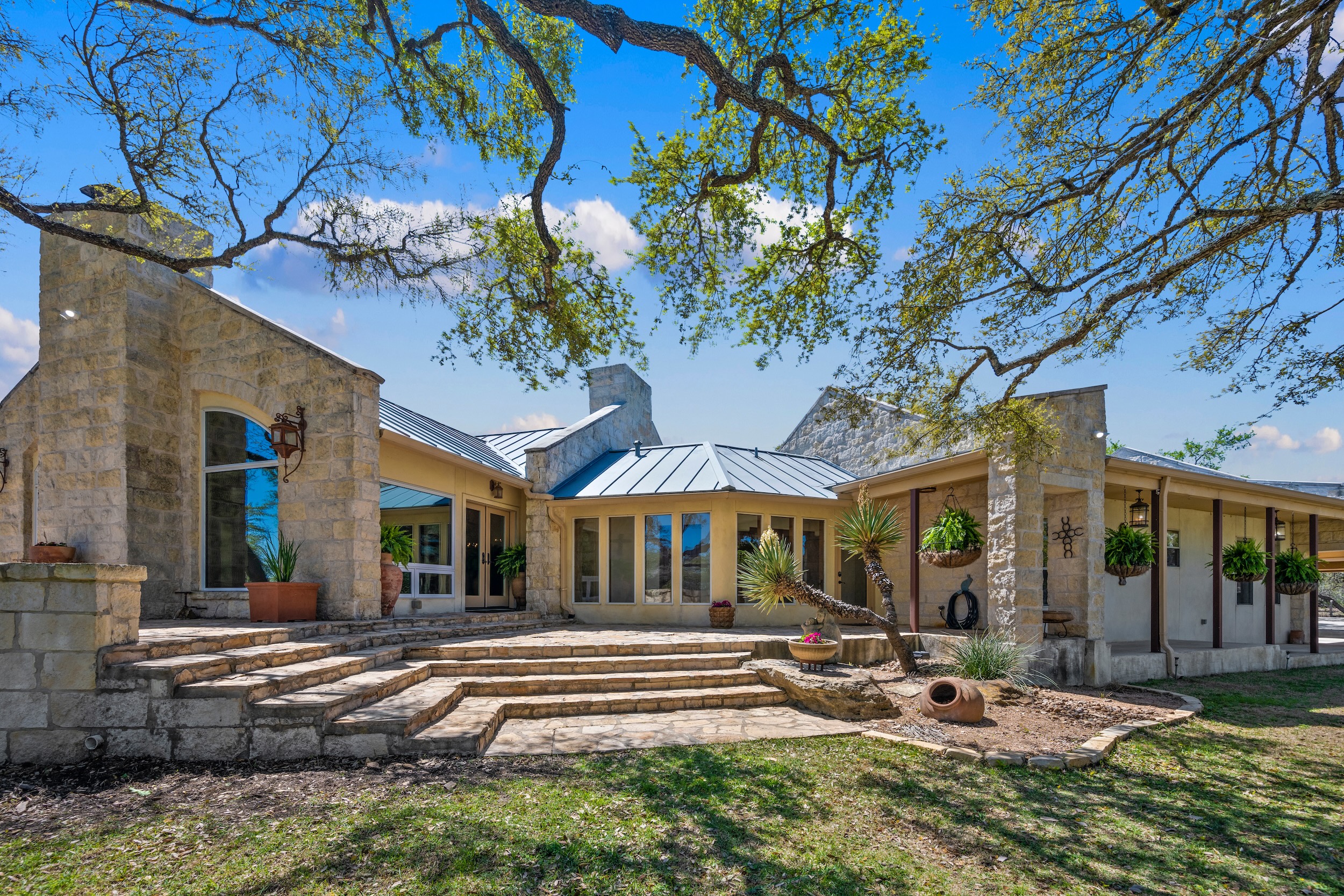
Yes, Texas has made our list more than once, but it also stands out as the best state to buy land and build a house. Purchasing land in Texas offers regulatory freedom and construction economics that can transform building your dream home on your dream property into a reality.
Rural counties in Texas embrace minimal zoning, and the absence of a state building code (regulations remain county-dependent) provides flexibility that’s difficult in heavily regulated states.
Large contractor networks across Texas mean competitive pricing and available skilled labor, both core factors in making the state one of the best places to buy land and build a house. Whether you’re building a traditional ranch home, a barndominium, or a completely custom design, you’ll find experienced builders who’ve executed similar projects on land like yours.
Diverse climate options from humid east to arid west let you choose weather patterns matching your preferences. No state income tax benefits those living on property during construction and after completion, keeping more money available for building your home.
Texas combines regulatory flexibility allowing architectural freedom, contractor availability preventing construction delays, year-round building seasons avoiding winter shutdowns, and tax advantages reducing both construction and long-term ownership costs.
The ability to build without excessive permit delays or design restrictions makes Texas the best place to buy land and build a house for families unwilling to compromise their vision.
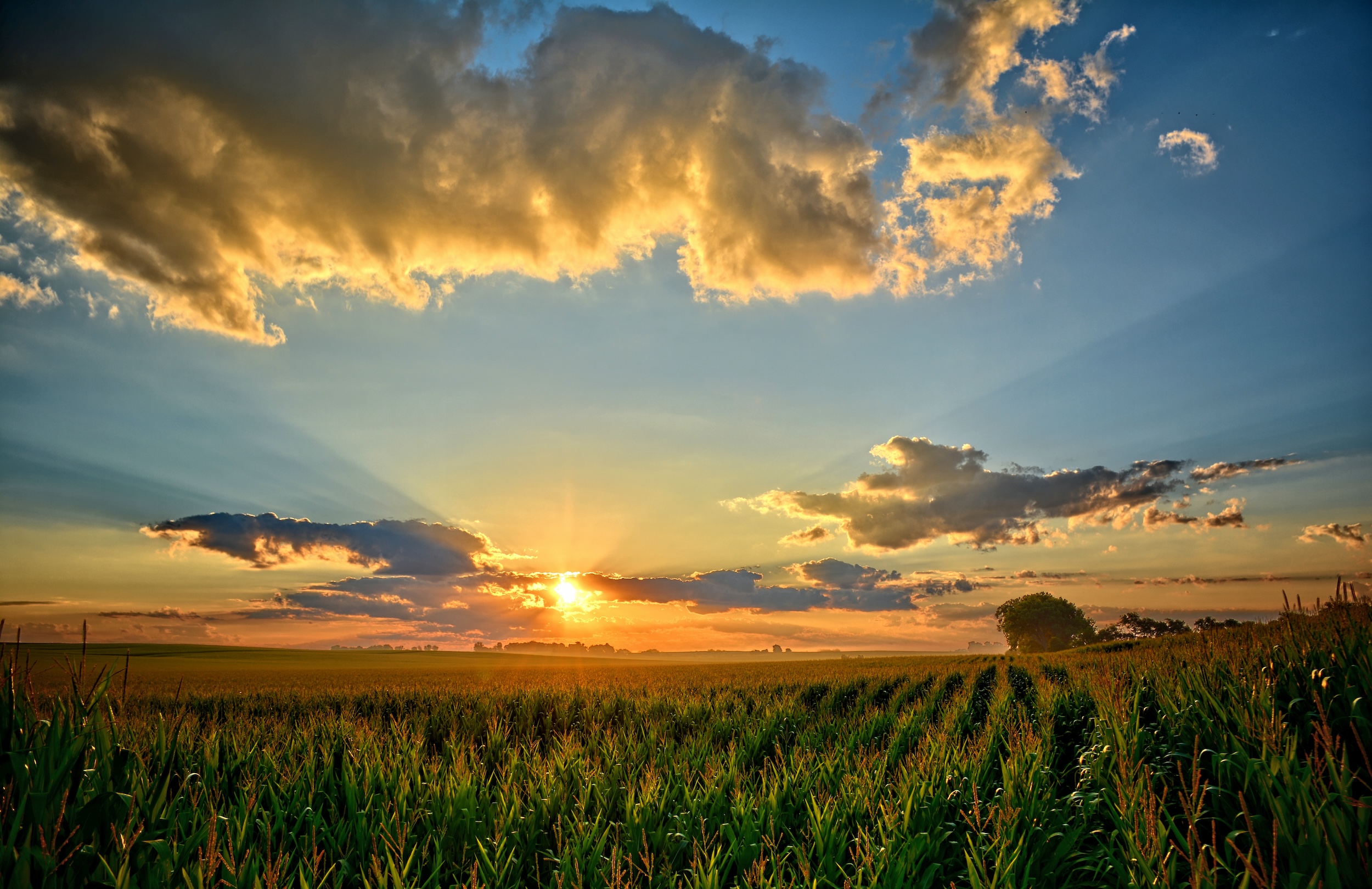
Iowa stands as the best state to buy land for row crop farming, possessing some of the most arable land in the United States. Deep, fertile topsoil built over millennia makes Iowa the best place to buy land for farmers focused on the corn, soybeans, and grain crops that feed much of the US.
Strong agricultural communities provide access to equipment dealers, grain elevators, commodity markets, and agronomic expertise operating at sophisticated levels. Crop insurance programs, university extension services, and farming cooperatives support farmers through challenges, with knowledge accumulated over generations of Iowa agriculture.
For commercial row crop farmers, Iowa’s productivity advantages and established infrastructure outweigh some of the higher cost of farmland in the state. Iowa’s specialization in grain agriculture means every input, from seed dealers to equipment mechanics, operates at peak efficiency. This is what makes Iowa the best state to buy land for serious grain farmers building long-term operations.
Farming Note: Farming encompasses a wide variety of crops and operations, making it a bit of a challenge to narrow down just one state as the best place to buy land for farming. Iowa is excellent for row crops. Wine grapes and tree fruit thrive in Washington and Oregon’s ideal microclimates. Citrus and tropical crops require Florida’s year-round growing seasons. Vegetables for fresh markets benefit from Georgia and North Carolina’s long growing seasons. The best state to buy land for farming will be highly variable based on what you plan to grow.
That said, soil testing for pH, nutrient levels, drainage, and depth remains essential regardless of which state becomes your best place to buy land for farming. Verify growing degree days for target crops, first and last frost dates, irrigation requirements, and water availability. Distance to processing facilities or markets affects profitability significantly, turning marginal operations profitable or profitable operations marginal.
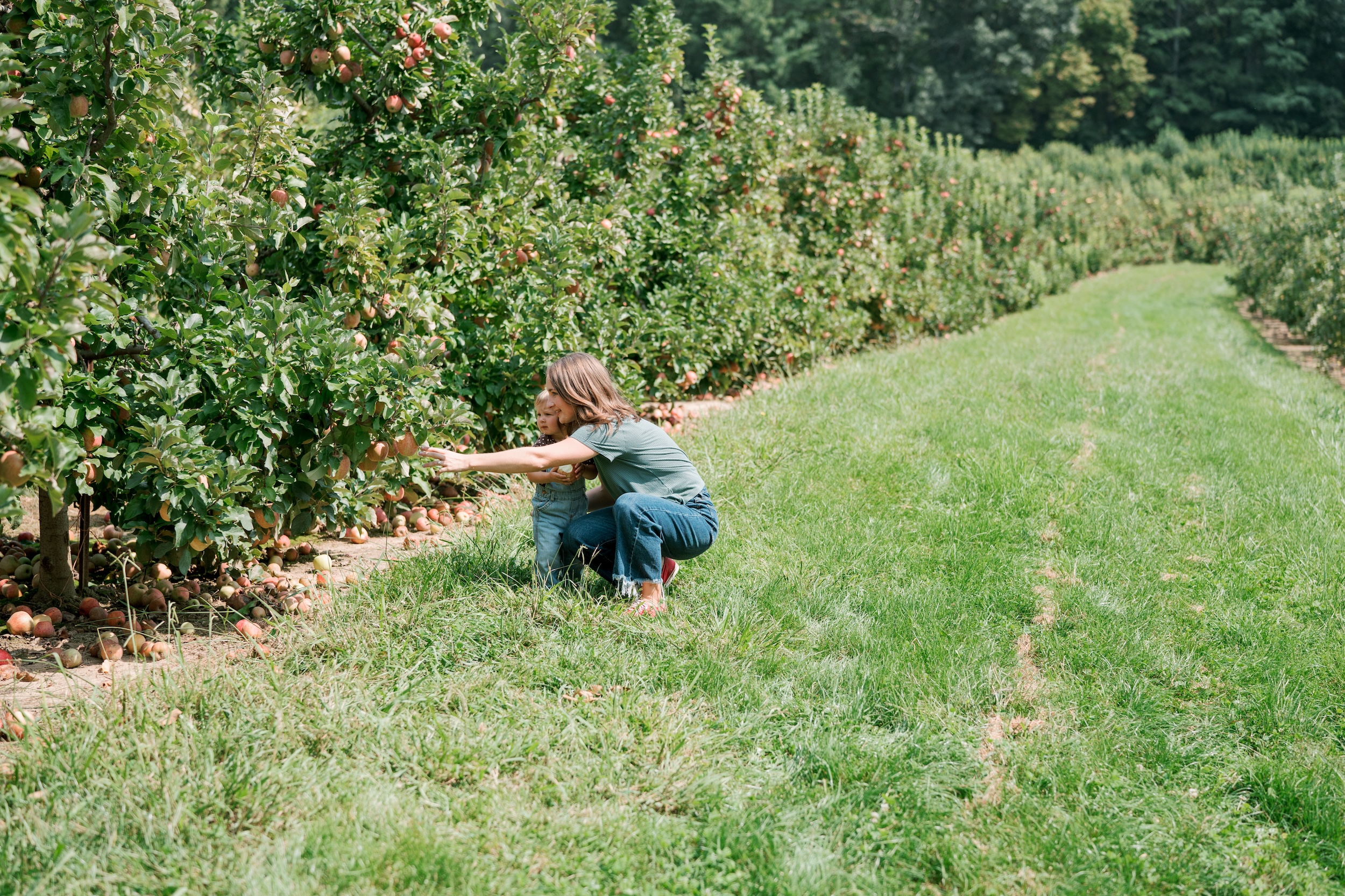
North Carolina snags the spot as the best state to buy land for agritourism because of its proven tourism infrastructure and supportive liability protections for farm operators. The state provides statutory limitations on liability for agritourism professionals who post proper warning signs, making North Carolina one of the best places to buy land for income diversification through farm-based tourism.
The Blue Ridge Mountain tourism corridor drives consistent visitor traffic year-round. Four-season appeal means your farm’s revenue doesn’t depend solely on fall harvest seasons. Strong local food movements (particularly in and around Asheville) create demand for farm-to-table experiences, u-pick operations, and agricultural education.
Farms that engage in agritourism average $44,000 in annual receipts for those initiatives, with median county agritourism income reaching $161,000. For landowners seeking revenue diversification of their land while maintaining their traditional agricultural operations, agritourism in a state like North Carolina is definitely a compelling opportunity.
So what exactly qualifies as agritourism? Some examples include u-pick experiences, farm stays and glamping, educational tours, wedding venues, seasonal festivals, farm-to-table dining, and agricultural workshops.
Liability insurance, health department permits for food sales, and parking logistics are all things you’ll need to think about, but North Carolina’s regulatory clarity makes compliance more straightforward and is one of the core reasons we consider it to be the best state to buy land for agritourism ventures.
North Carolina combines a well-established agricultural culture and legacy with established tourism markets and moderate climate, allowing diverse operations year-round, making it one of the best places to buy land when you want to diversify you farming income.
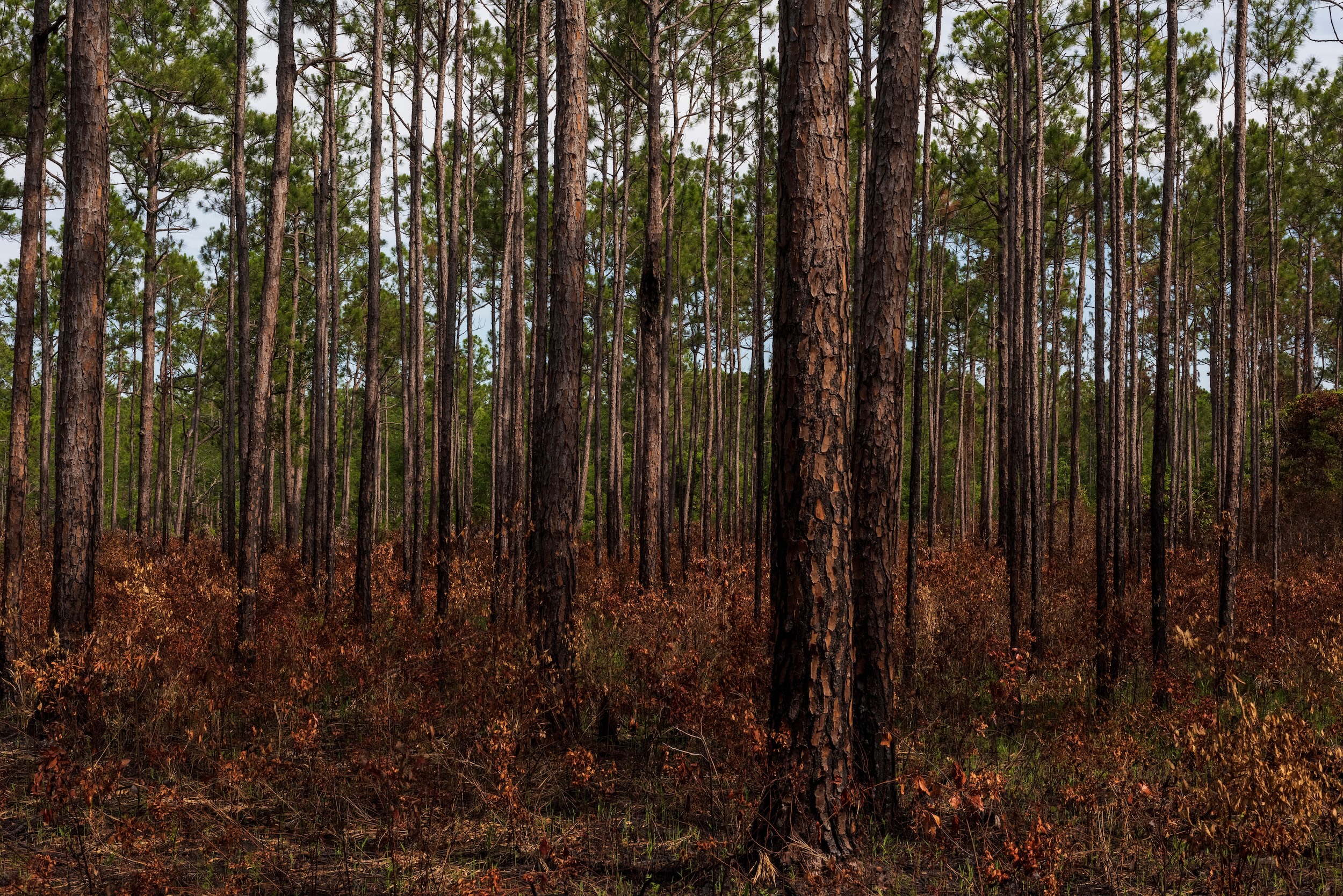
Alabama secures the spot as the best state to buy land for timber harvesting, combining fast growth rates, established mill infrastructure, and attractive entry costs. Southern pine grows faster than northern species, producing commercial timber on manageable timelines.
Average timerland in the state costs around $2,700 per acre, providing an accessible entry point for those looking to buy land. Proximity to numerous sawmills keeps hauling costs reasonable, critical since transportation beyond 50 to 75 miles significantly affects profitability.
Final harvest could yield 70 to 140 tons per acre depending on genetics and location. First thinning at 12 to 15 years generates initial revenue. Second thinning at 18 to 22 years provides additional cash flow. Final harvest at 25 to 35 years completes the cycle, allowing reforestation for the next generation.
Alabama’s specialization means expertise from foresters to loggers operates at high levels, making it the best place to buy land for multi-generational timber operations.
Timberland Tip: Timber serves as an inflation hedge since biological growth continues regardless of economic conditions. Additionally, conservation easements can reduce taxes while maintaining operations, providing estate planning benefits alongside timber income.
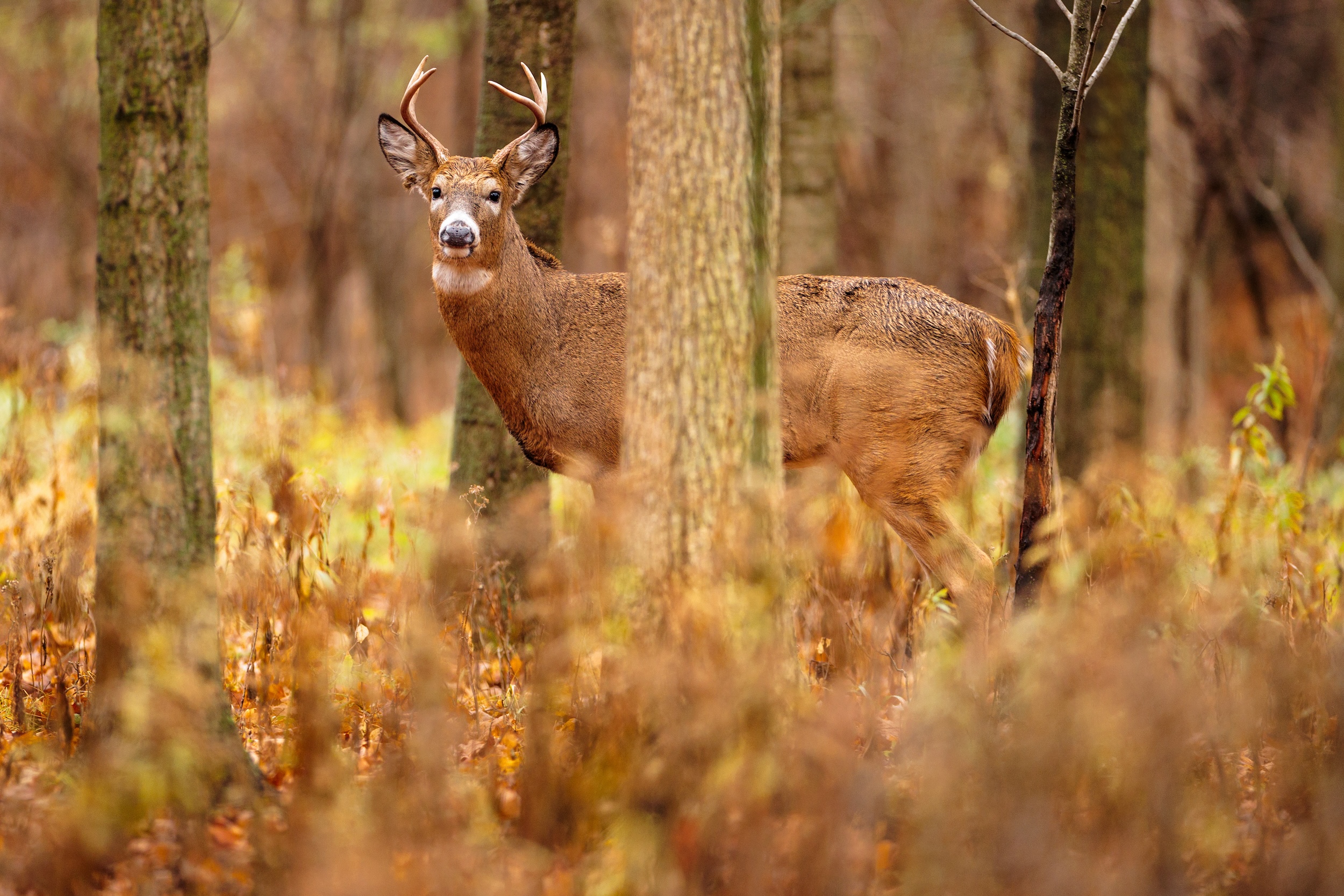
Wisconsin ranks #1 nationally for trophy whitetail with 1,822 total Boone and Crockett record book entries, more than any other state in America. Buffalo County alone claims 160 record-book entries, making it the #1 county in the entire nation for producing trophy bucks.
Wisconsin holding the top ranking as the best state to buy deer hunting land isn’t a coincidence. It’s the result of exceptional deer management, quality habitat, and a hunting culture that values mature bucks.
The agricultural landscape throughout Wisconsin provides excellent nutrition, with corn and soybean fields creating ideal conditions for antler development and body size. The Driftless Area in western Wisconsin features unique topography that was never glaciated, creating diverse terrain with wooded bluffs and fertile valleys where trophy bucks thrive.
Counties like Crawford, Trempealeau, Vernon, Richland, and Sauk all rank in the nation’s top 20 for record book entries, demonstrating that trophy potential extends across the state rather than concentrating in a single area.
Wisconsin’s proven genetics, deep hunting heritage, and consistent trophy production make it the best state to buy land for serious whitetail hunters building legacy properties. Land prices reflect this quality, but the investment rewards patient landowners committed to proper deer management.
Deer Hunting Land Tip: Evaluate neighboring land use carefully. Water sources on your property benefit wildlife year-round. Food plot potential and soil quality determine whether you can enhance habitat meaningfully. Access during all seasons matters, particularly during winter when properties become difficult to reach.
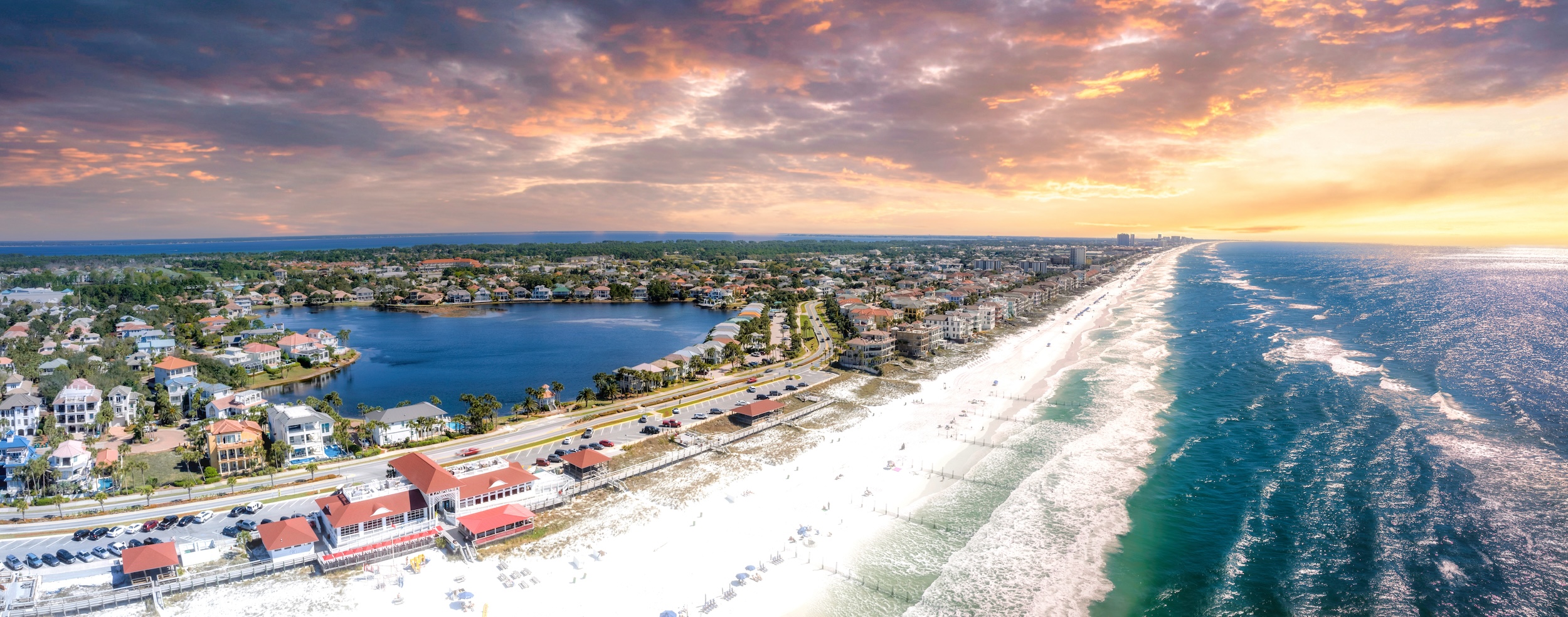
Florida takes the spot as the best state to buy land for commercial properties due to its population growth, favorable tax structure, and extraordinary economic diversification. While development opportunities exist nationwide, Florida’s structural advantages have created sustained demand across multiple commercial sectors.
No state income tax attracts corporate relocations and high-net-worth individuals, particularly those leaving high-tax states in the Northeast. This migration drives commercial real estate demand from retail to office to industrial, creating opportunities across property types. Florida’s population growth ranks among the highest nationally, with projections showing continued expansion through 2030.
The economy extends far beyond tourism. Miami functions as a global financial hub, attracting international capital. Technology sectors expand rapidly. Trade and logistics benefit from expanding ports handling international commerce. Mixed-use developments thrive in growing metros like Tampa, Orlando, Jacksonville, and Fort Myers, meeting demand from population influx.
If you’re looking to buy commercial agricultural land in the state, Florida’s year-round growing season supports citrus, vegetables, and specialty crops that command premium prices. Proximity to major population centers and port access for export markets benefits agricultural operations shipping domestically and internationally.
Florida’s combination of population growth, business-friendly environment, economic diversity, and year-round appeal creates opportunities across commercial uses. The state’s specialization in tourism, finance, and international trade means commercial infrastructure and expertise operate at sophisticated levels, making Florida the best place to buy land for commercial properties serving markets that continue expanding.
When it comes to oceanfront property, South Carolina holds the spot as the best state to buy land, providing more affordable access than Florida or North Carolina while maintaining strong vacation rental markets. Four-season mild climate extends rental seasons beyond summer peaks, and the hurricane risk is lower than in other coastal states.
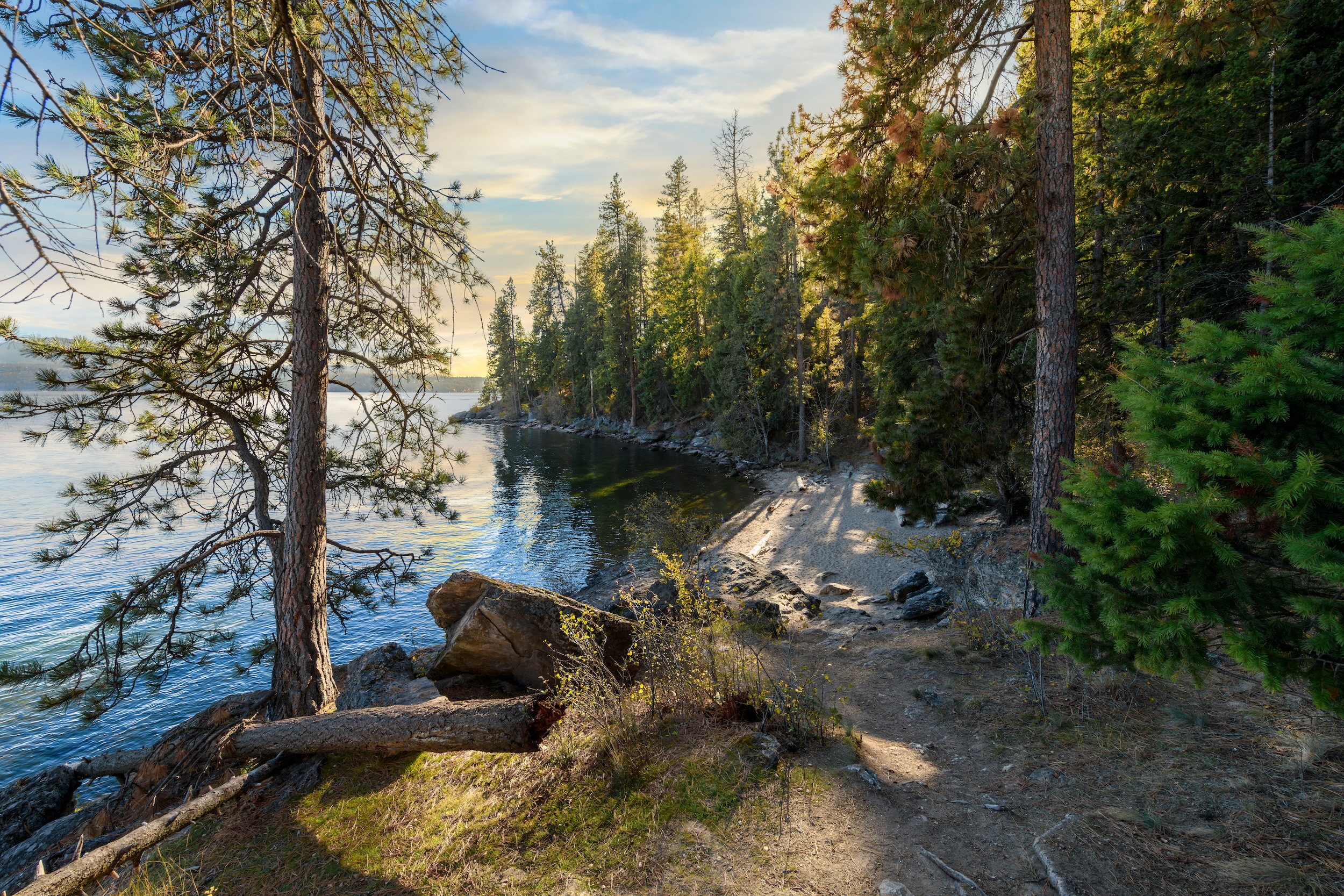
In the world of lakefront property, the state of Idaho takes the spot as the best place to buy land for mountain lakefront views. There’s no denying the exceptional beauty and wilderness character of Idaho. Lakes like Payette and Priest offer premium settings with lower population density than Midwest states, and more affordable land prices than other mountainous states.
Additionally, four-season recreation from boating to nearby skiing add year-round appeal to investing in lakefront property in Idaho.
Waterfront Land Pro Tip: Waterfront due diligence includes understanding riparian rights, evaluating erosion patterns, verifying flood insurance requirements, researching dock permits, testing water quality, and confirming seasonal access.
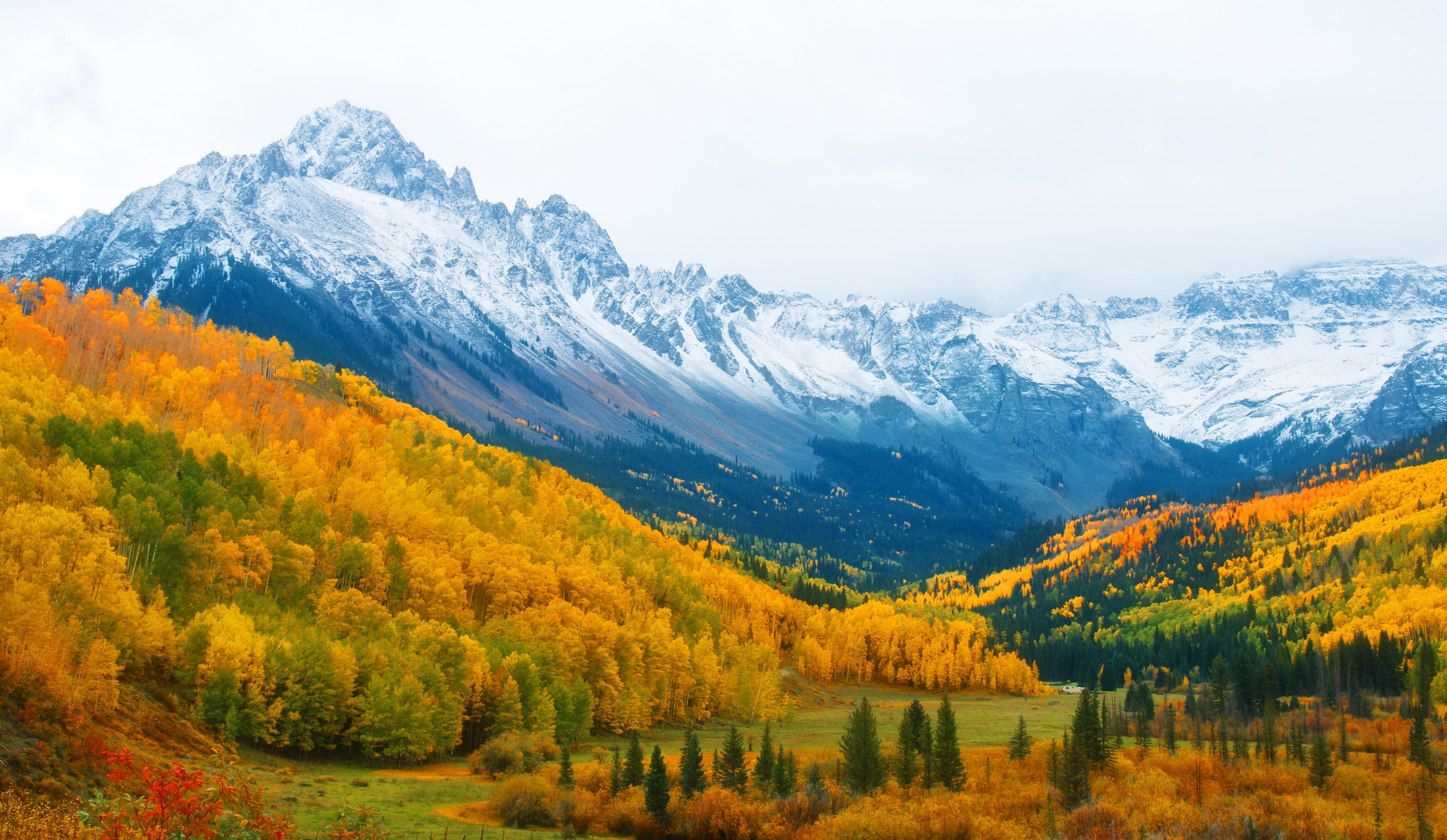
It’s hard to beat a place like Colorado when it comes to choosing the best state to buy land for outdoor recreation. World-class skiing, 14,000-foot peaks, beautiful national forests, blue-ribbon trout streams, and exceptional big game hunting create comprehensive recreational opportunities.
Proximity to public lands exponentially enhances private land experiences. Established tourism infrastructure means guides, outfitters, and equipment rentals support recreational land uses comprehensively, without requiring extensive development before you can generate revenue from your land.
Colorado combines spectacular scenery, diverse recreation opportunities year-round, established infrastructure, and strong appreciation potential. For families prioritizing outdoor recreation access, Colorado justifies premium prices through unmatched amenity access and quality of life. This is at the core of why we’ve ranked the state as the best place to buy land if your focus is on outdoor recreation potential.
There are so many factors at play to determine the best states to buy land. Montana cattle ranches require different considerations than North Carolina agritourism acreage or Wisconsin hunting land. What remains constant is that a well thought out land purchase combine thorough research, clear goals, and expert guidance from those who know the land intimately.
Land ownership has the ability to connect us to our heritage, provide for our families, and build legacies that outlast us. Whether you’re drawn to agricultural landscapes, expansive Western ranches, or diverse Southern opportunities, the right property exists for those who approach the land buying process with patience and knowledge.
Rather than chasing lowest per-acre prices, focus on total value: carrying costs, water access, infrastructure, community support, and long-term appreciation. And most importantly, partner with professionals who view the land as a way of life worth preserving.
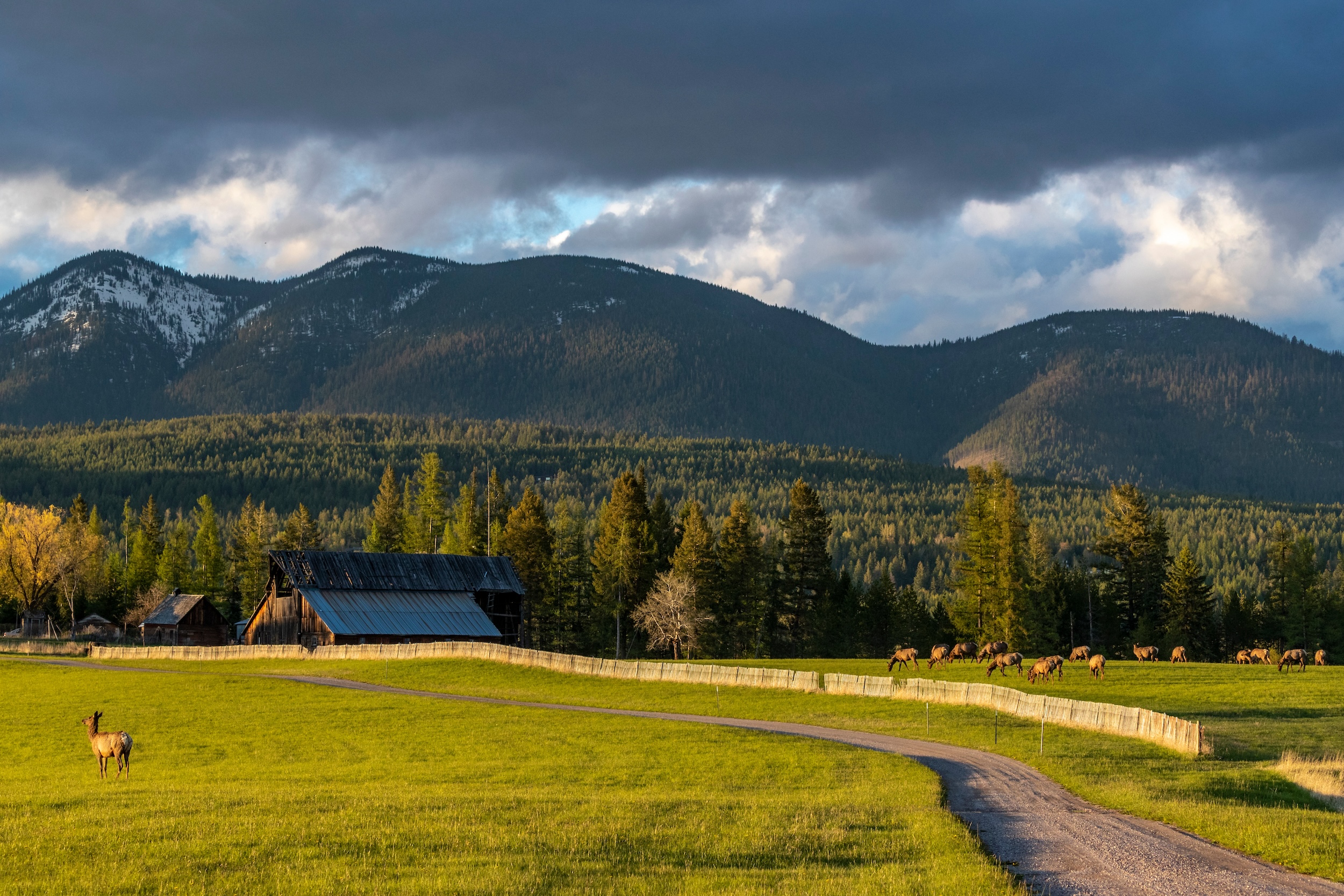
Your land purchase represents your generational legacy, and it warrants specialized knowledge. Agents who specialize in your region should understand the complexities of everything from zoning to water rights, and be able to help you navigate the process.
It’s important to note that the best land often sells before it’s publicly listed. Local agents, like those at Hayden Outdoors, maintain relationships with existing landowners, giving you first access to premium properties in the best states to buy land.
Our local experts evaluate not just current use but future flexibility, helping determine whether properties accommodate children building homes, transitioning from ranching to agritourism, or maintaining timber value as backup assets.
Our Hayden Outdoors agents live in the communities where they sell land. They hunt the same mountains and fish the same streams. They understand you’re buying into community, lifestyle, and family vision, not just acres.
And they’re here to help you not only determine whether a particular piece of land is a good value, but also whether the property can really live up to the potential for how you want to use it, whether that’s developing a ranching operation, expanding into agritourism, or looking to get into homesteading.
Ready to find your perfect piece of land?