
×

Sign in
Sign in to save favorite properties and equipment, save your search parameters and more
Don’t have an account yet? Sign Up Now
Sign up
Already have an account? Login Now


 866-741-8323
Sign in
Sign in to save favorite properties and equipment, save your search parameters and more
Don’t have an account yet? Sign Up Now
Sign up
Already have an account? Login Now
866-741-8323
Login
Sign in
Sign in to save favorite properties and equipment, save your search parameters and more
Don’t have an account yet? Sign Up Now
Sign up
Already have an account? Login Now
Sign in
Sign in to save favorite properties and equipment, save your search parameters and more
Don’t have an account yet? Sign Up Now
Sign up
Already have an account? Login Now
 Back to Blog
/
Land and Habitat Management, Land Ownership /
Back to Blog
/
Land and Habitat Management, Land Ownership /
If you own land in the American West, including a ranch, a farm, or an acreage with a home and outbuildings, wildfire is not a distant threat; it’s a neighbor. The question is not whether fire will test your property, but whether your property will be ready when it does, which is why fire preparedness through a wildfire mitigation plan is a critical part of living on the land.
The good news: according to the International Association of Fire Chiefs, as many as 80 percent of homes destroyed by wildfires could have been saved through basic risk-reduction and preparedness measures. That means most losses are not inevitable. They are the product of intentional wildfire mitigation and preparation (or the lack of it).
This wildfire mitigation guide is written specifically for landowners managing rural properties with multiple structures. If you run cattle, store hay, keep horses, or operate any kind of agricultural business from your land, your situation is fundamentally different from that of a subdivision homeowner. You have more to protect, more ground to cover, and in many cases, less time to act when fire moves.
What follows is a practical wildfire mitigation plan built around three layers: prevention, fire mitigation strategies, and preparedness. Let’s get into it.
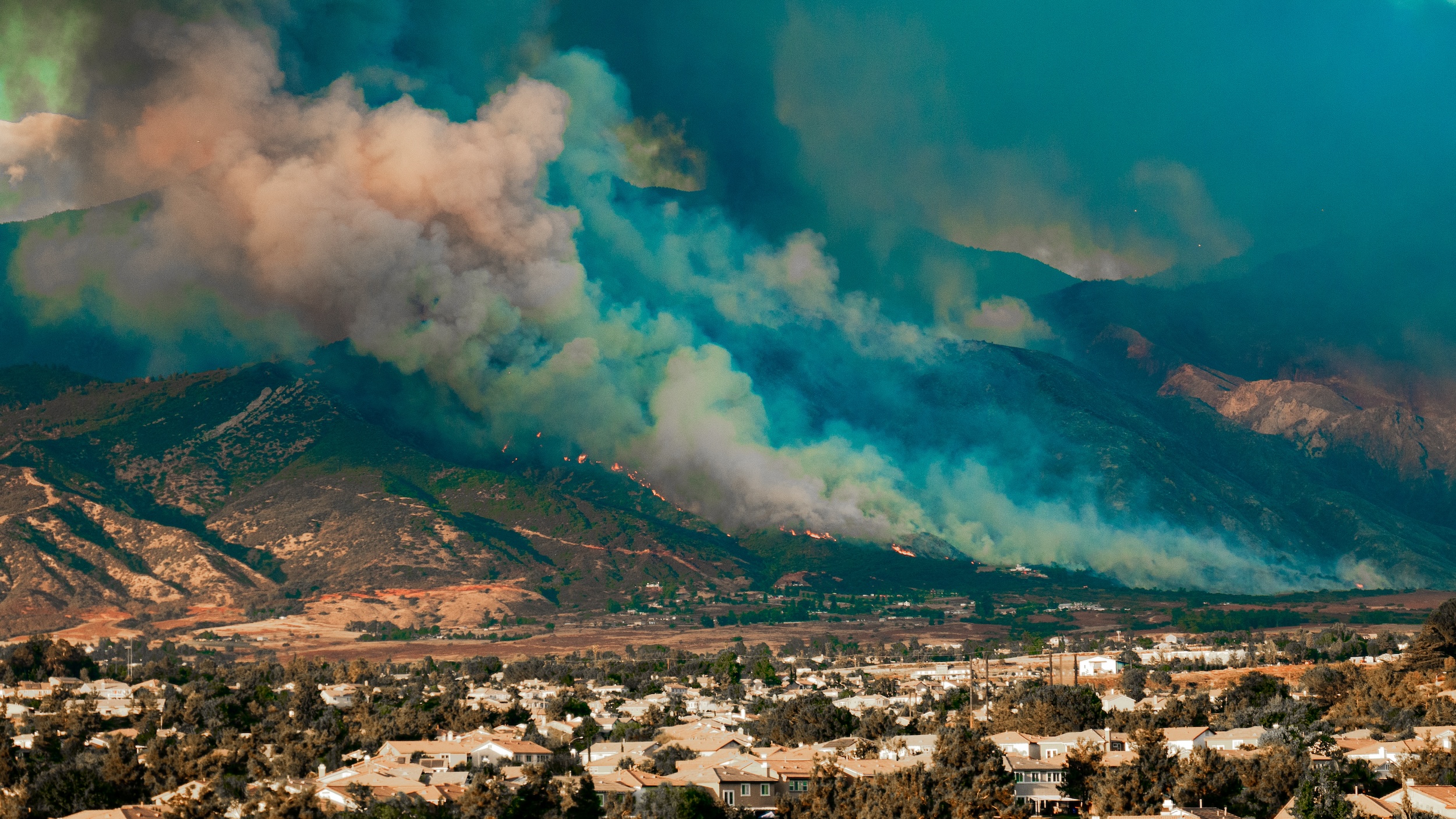
Before diving into any wildfire mitigation strategies and plans, it’s worth noting the specific challenges that make ranch and farm properties harder to protect from fire than residential lots.
The first challenge is scale. A ranch or acreage property may have a main residence, a barn, hay storage, equipment sheds, corrals, and propane infrastructure spread across dozens or hundreds of acres. Each structure is its own fire ignition point and needs its own wildfire mitigation and protection plan.
The second challenge is fuel type. Grass and rangeland ignite fast and carry fire across open ground faster than most people expect. Ranch and farm properties face compounded exposure: more remote settings mean longer emergency response times, and the dry, continuous grass fuels common to grazing land can push a fire front across a property in minutes. A grass fire in dry, windy conditions can outrun a person on foot.
The third challenge is time. Evacuating a family takes minutes. Evacuating horses, cattle, and livestock can take hours and requires trailers, open gates, and a plan that has been rehearsed before the smoke appears on the horizon.
None of this is meant to alarm you. It’s meant to be honest with you. The honest truth is that landowners who understand the risks of wildfires and create a mitigation plan accordingly have an enormous advantage over those who don’t.
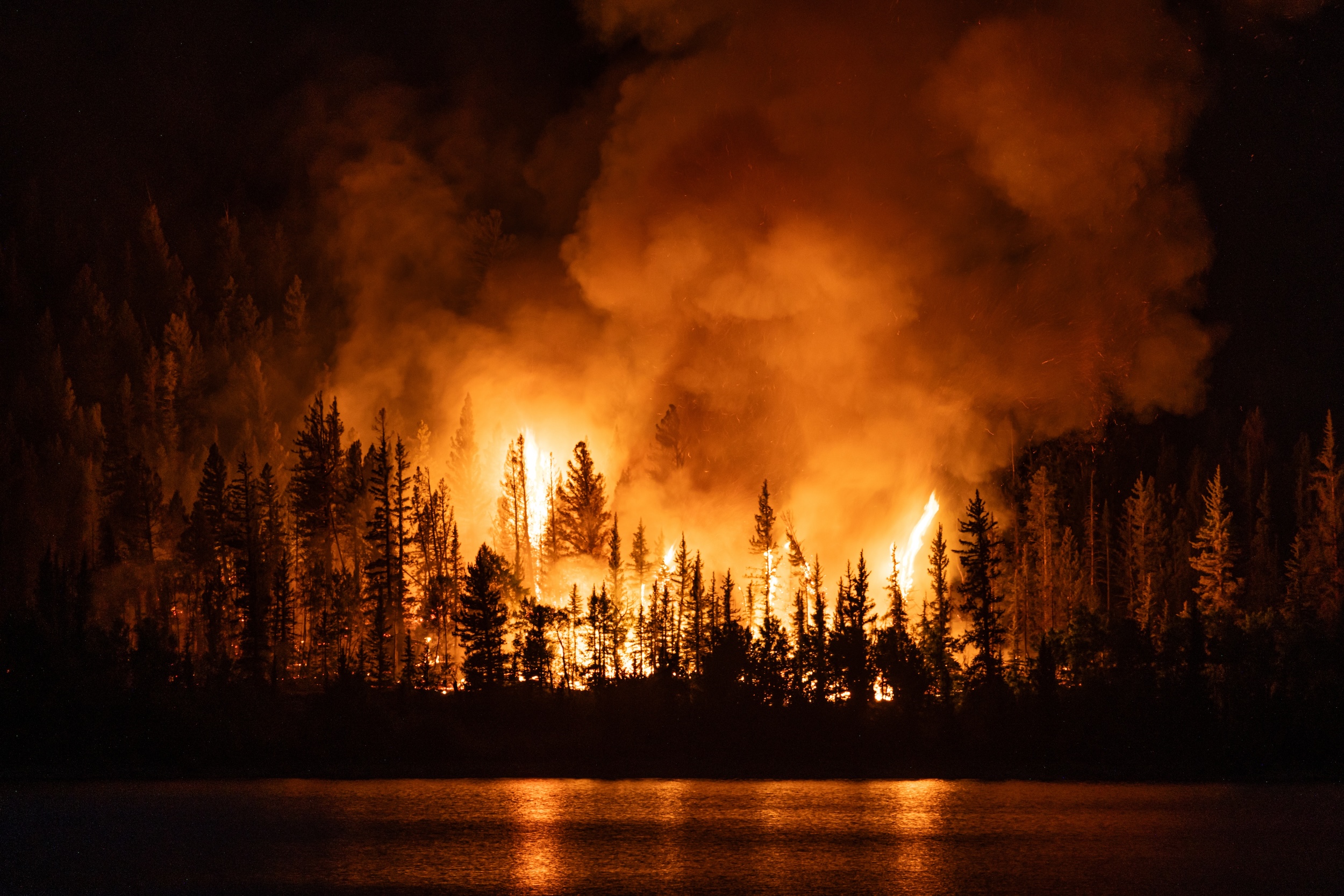
Take these preparedness measures at the start of each wildfire season, well before any threat develops. If a wildfire damages your property, a thorough record made in advance is one of the most valuable things you can give your insurance adjuster.
Document your property:
Document your equipment and livestock:
Store everything offsite:
The wildfire insurance market has shifted dramatically in recent years. Across fire-prone states, insurers have pulled back from high-risk properties, raised premiums, or added wildfire-specific exclusions to existing policies. Before fire season, pull out your current policy and confirm what is covered, what is excluded, and whether your replacement cost limits reflect current rebuild costs for every structure on your property.
If your carrier has non-renewed your coverage, contact your state’s insurance commissioner’s office or look into your state’s FAIR Plan, which exists as a last-resort option for property owners who cannot secure standard market coverage. This is a crucial, yet often overlooked, part of any effective wildfire mitigation plan.
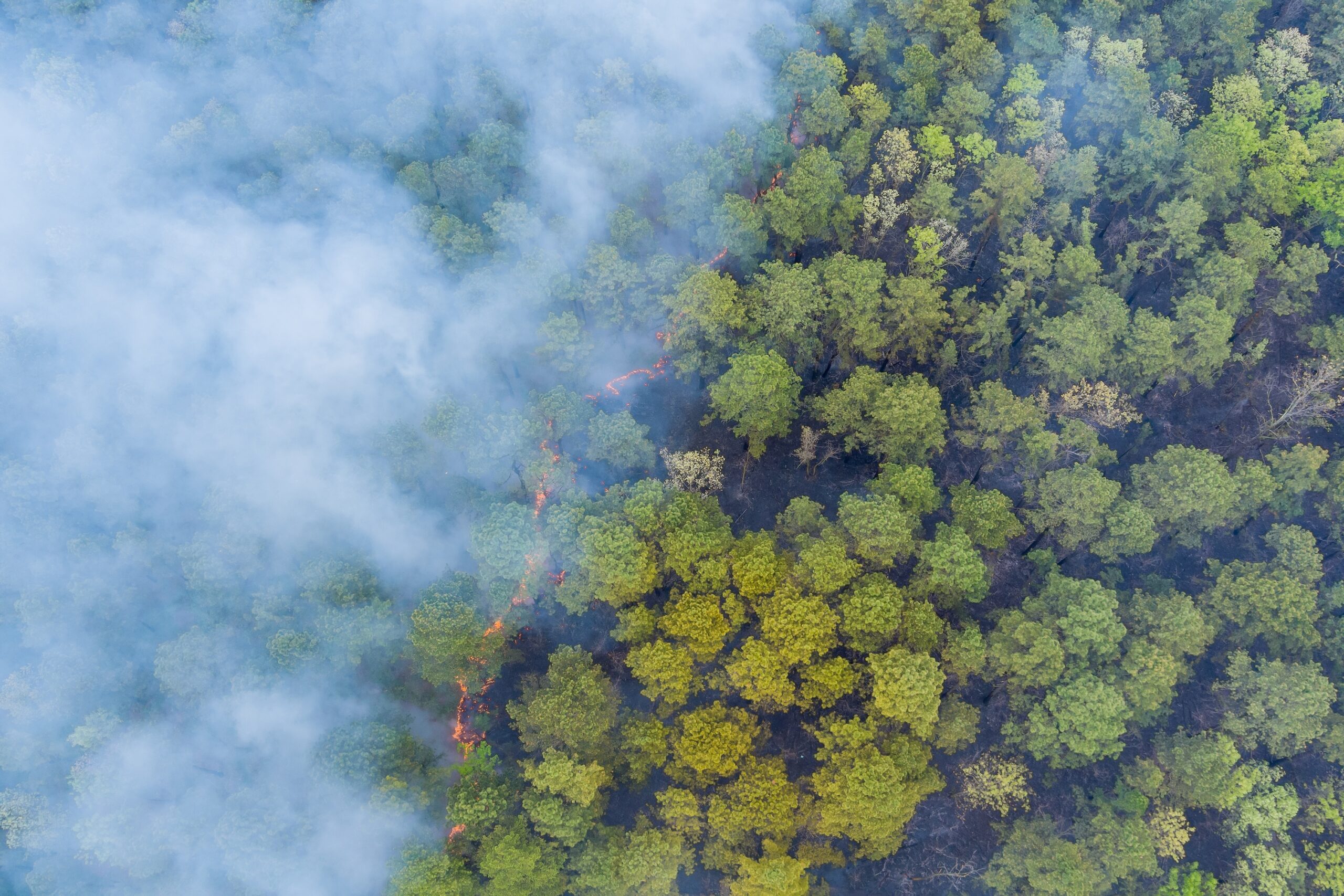
A wildfire mitigation plan is not a single checklist. It is a layered strategy that works at three levels simultaneously.
The sections below cover each part of this wildfire mitigation plan in depth.
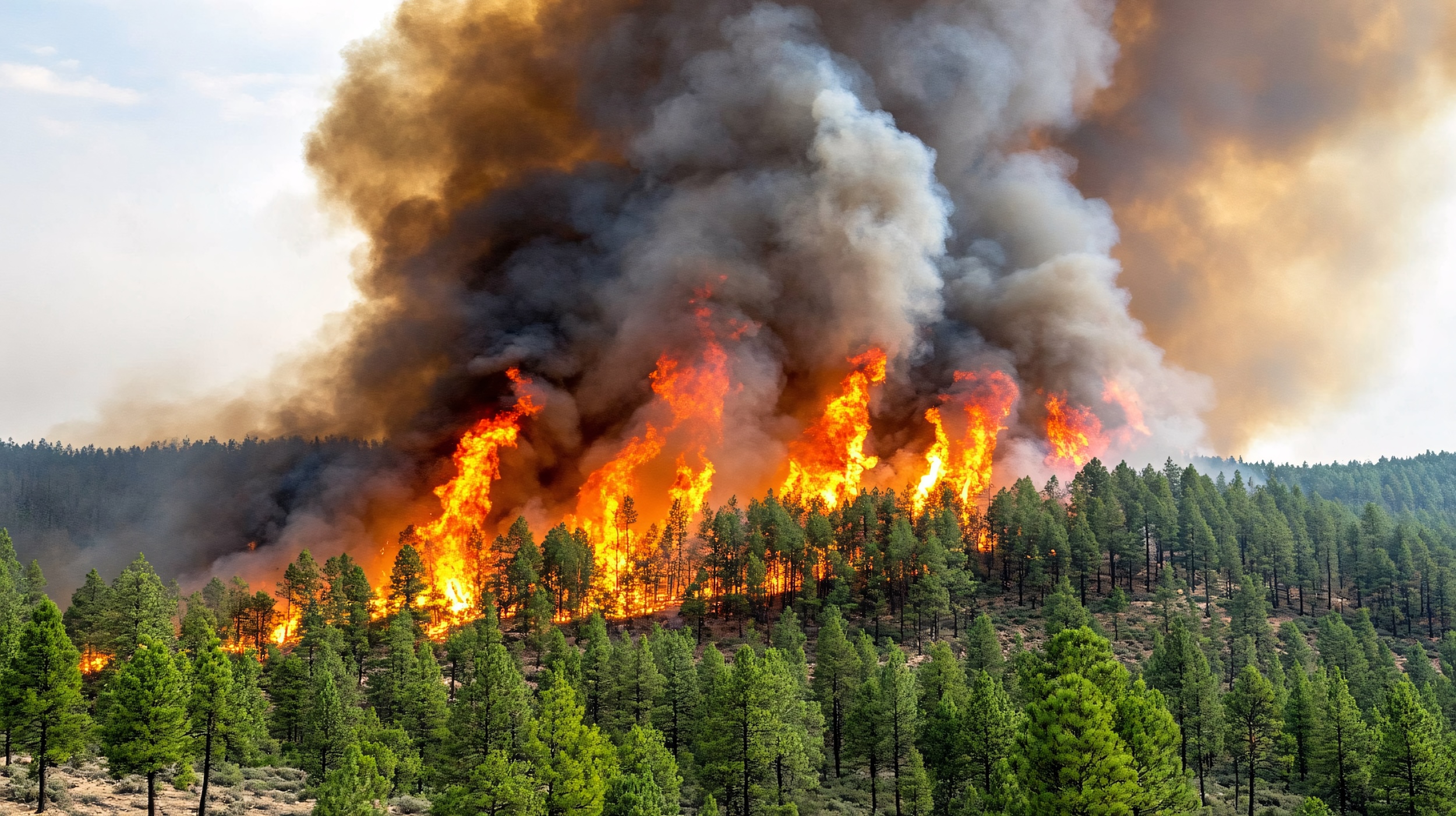
One of the most underappreciated facts about wildfire is how frequently people are the source of it. The National Interagency Fire Center reports that human activity accounts for the vast majority of wildfire ignitions across the country every year. That means wildfire prevention and preparedness start with the people on the land: their practices, their equipment, and their day-to-day decisions during fire season.
Start crafting your wildfire mitigation plan by first understanding your specific fire risk profile. The Wildfire Risk to Communities tool is a free resource from the USDA Forest Service that provides interactive maps, fire history data, and community-level risk assessments.
Enter your address, and you can see how your land ranks in terms of wildfire risk, including where fire has historically moved in your area. Concentrate your preparations on the approaches where fire is most likely to arrive, factoring in prevailing winds and slope orientation.
Everything dry and burnable on your property is fuel. Managing that fuel strategically and consistently is the foundation of wildfire prevention and functions as an integral part of any wildfire mitigation plan.
For ranchers specifically, there’s a dual-purpose tool that most wildfire guides never mention: targeted grazing. USDA Agricultural Research Service scientists have documented that moving cattle through strategic strips of rangeland in early spring grazes flammable vegetation down to short stubble before it dries out and becomes a fire risk. When a fire does encounter one of these grazed corridors, its intensity drops and its spread slows, which gives firefighters time and space to respond. As a part of your wildfire mitigation plan, rotating cattle through pastures adjacent to your home site and barns gives you the same benefit on a ranch scale: a natural, low-cost fuel break that also serves as productive grazing management.
Beyond grazing, consider these fuel management practices as part of your mitigation for wildfires strategy:
Some of the best wildfire mitigation strategies start from routine ranch work. Build these disciplines into your operation before fire season begins.
Open burning and agricultural burns. Know your state’s agricultural burn exemptions, the current fire restriction level for your area, and your county’s permitting requirements before striking a match. Always notify your local fire district and neighboring landowners before performing a prescribed burn. Even a legal, well-managed ditch burn can become an uncontrollable grass fire in minutes when conditions are dry. Check current fire restrictions at NIFC’s fire information page before any open burning.
Equipment maintenance. The NIFC notes that poorly maintained vehicles and equipment are a genuine ignition risk on ranch properties. A solid wildfire mitigation plan involves keeping all vehicles and tow equipment in good working order throughout fire season, particularly chains, undercarriage components, tires, and braking systems. Use spark arrestors on all power equipment, including chainsaws, tractors, and mowers, and avoid operating machinery in cured grass during red-flag conditions (high heat, low humidity, high winds).
Hay storage. Always dry hay thoroughly before storing it. Wet hay generates heat internally and can spontaneously combust. It’s also worth storing hay in a separate location on your property as a preventative measure.
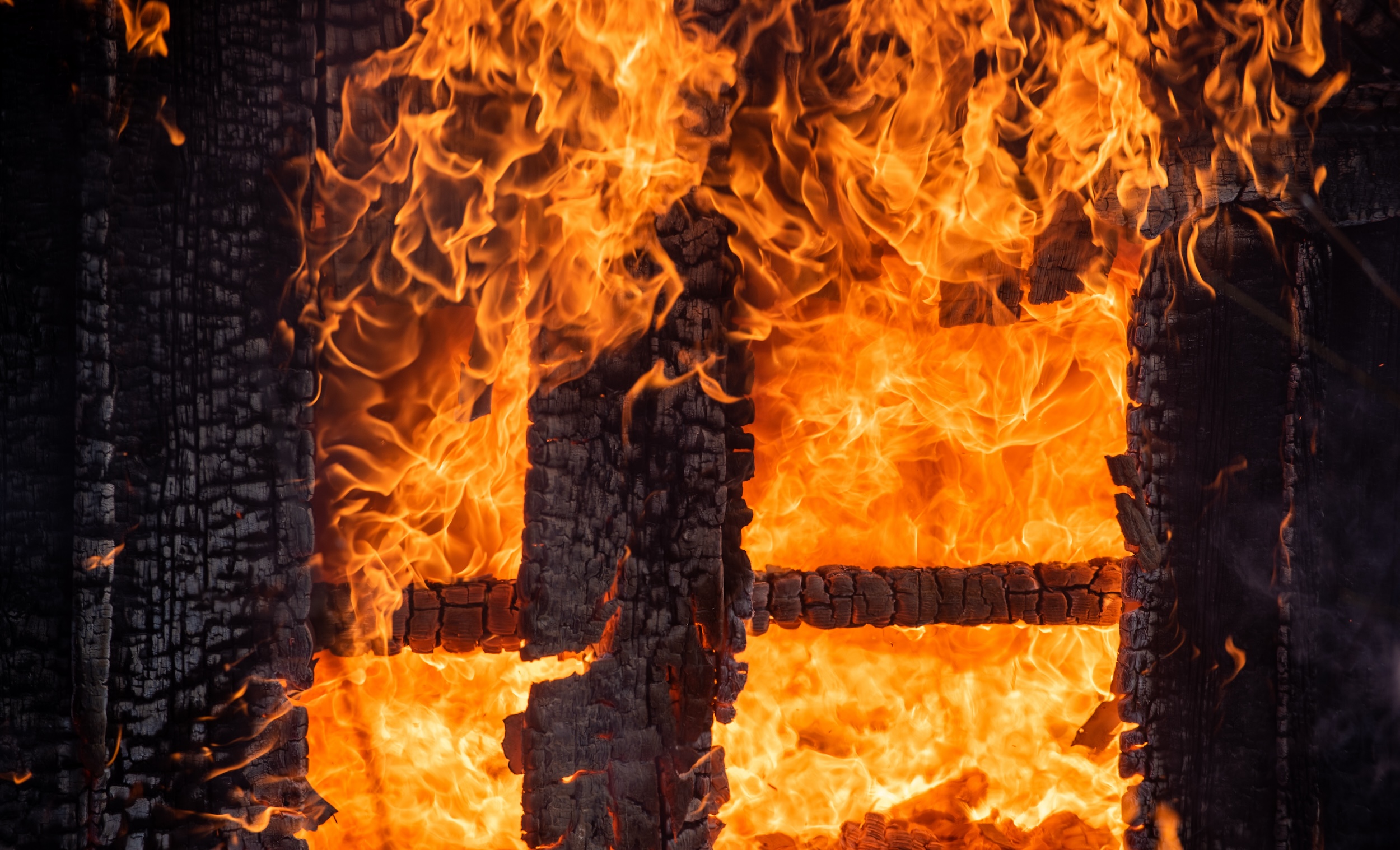
If wildfire prevention is about keeping fire off your property, fire mitigation is about making a plan to be sure your property can survive contact with a wildfire if it arrives. This is where defensible space, home hardening, and smart construction decisions make the difference between a structure that survives and one that doesn’t.
Defensible space is the managed buffer of vegetation and materials between your structures and the surrounding wildland. When it comes to wildfire mitigation, it serves two functions: it slows or interrupts fire before it reaches your buildings, and it gives firefighters a safer working position when defending your property.
Defensible space applies to every structure on your property independently, including the house, the barn, the hay shed, and equipment storage.
CAL FIRE emphasizes that the zone immediately surrounding any structure is the most critical place to start, because embers landing near walls, decks, and vents are the leading cause of structure ignition during a wildfire. Managing what sits in that perimeter area is one of the highest-impact steps a landowner can take in their wildfire mitigation plan.
The zone framework works as follows.
Zone 0: 0 to 5 Feet (The Ember-Resistant Zone)
This is the immediate perimeter of every structure. In this zone, the goal is ember resistance, because embers carried on wind ahead of a fire front are the primary cause of home ignition. Eliminate anything combustible here:
Zone 1: 5 to 30 Feet (Fuel Reduction Zone)
This zone is designed to reduce the density and combustibility of vegetation around your structures so that any approaching fire has less fuel to carry it forward.
Zone 2: 30 to 100 Feet (Fire-Slowing Buffer)
The outermost required zone reduces fire intensity before a wildfire actually reaches your structures.
A ranch-specific note on outbuildings: defensible space applies to every structure on your property, not just the house. Apply the same zone framework to your barn, hay shed, and equipment storage independently. If a hay barn ignites, it can take your house with it, so it is essential to consider all structures when crafting your wildfire mitigation plan.
Wildfire Mitigation Plan Example: A rancher in the intermountain West maintains a 30-foot gravel and bare-soil perimeter around a hay barn, keeps the adjacent corral grazed short through early summer, and stores no combustible materials on the barn’s south and west walls (the directions from which prevailing fire weather typically arrives). The barn has survived two nearby fires in the past decade.
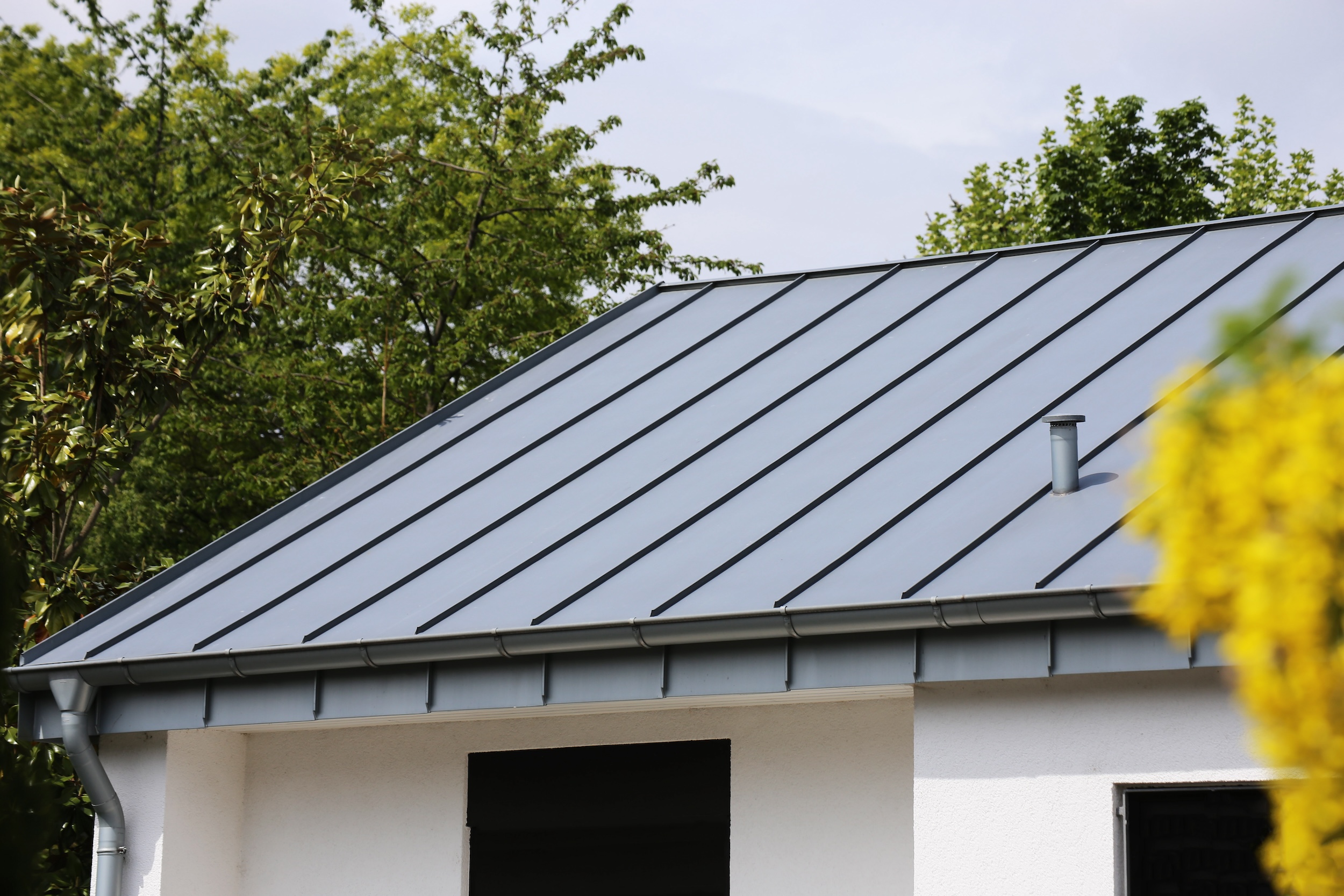
Defensible space buys your structures time when a wildfire shows up. Home hardening gives them the best chance of surviving the ember attack that accompanies any significant wildfire, making this step a critical part of any fire mitigation plan. The NIFC notes that structure loss in wildfires is driven primarily by ember intrusion rather than direct flame contact, making it critical to identify and eliminate the small gaps and vulnerable materials that give embers a foothold. Here is where to focus when crafting your wildfire mitigation plan, in order of vulnerability.
Roof. Because it covers the most surface area on any structure, the roof is also the most common place a wildfire claims a building. Choose materials that resist ignition: metal, slate, tile, and fire-rated asphalt composite are all solid options. Avoid cedar shake, which carries fire readily.
Vents. Attic, soffit, and foundation vents are ember entry points. Screen all vents with 1/8-inch metal mesh. It is one of the lowest-cost hardening improvements you can make and one of the highest-impact wildfire preparedness actions. Soffited and enclosed eave construction is strongly preferred over open-eave construction.
Windows. Single-pane glass is a liability. During the 2017 Tubbs Fire, homes with multi-pane tempered glass windows and solid-core or metal doors fared significantly better. If you’re replacing windows on a structure in fire country, specify dual-pane tempered glass. For exterior doors, specify solid-core or metal construction to reduce the impact of fire.
Siding and exterior walls. Fiber cement, stucco, brick, and stone are your allies. Wood siding and vinyl siding are not. Enclosed soffits using non-combustible material are preferable to open eaves.
Decks. Decks are both an ignition point and a pathway for fire to reach the structure. Remove all stored combustibles from beneath decks. If replacing decking material, non-combustible or ignition-resistant options are available at comparable cost.
Gutters. Metal gutters are more fire-resistant than plastic equivalents. Clean them before fire season and consider installing metal gutter guards to reduce debris accumulation.
If you are planning to build a new home, barn, or outbuilding on your property, you have an opportunity that existing structure owners do not: you can build fire resistance in from the start, and it may cost less than you expect.
Research cited by Headwaters Economics found that building to wildfire-resistant standards actually ran slightly cheaper overall than conventional construction in one analysis, largely because fire-resistant fiber cement siding undercut the cost of cedar plank. Roof assemblies did cost more, but that premium looks modest against the potential cost of rebuilding after a loss.
Key decisions to make at the design stage:
Rural landowners are often better positioned to address emergency access than most, and it matters for both your own evacuation and a fire crew’s ability to defend your property.
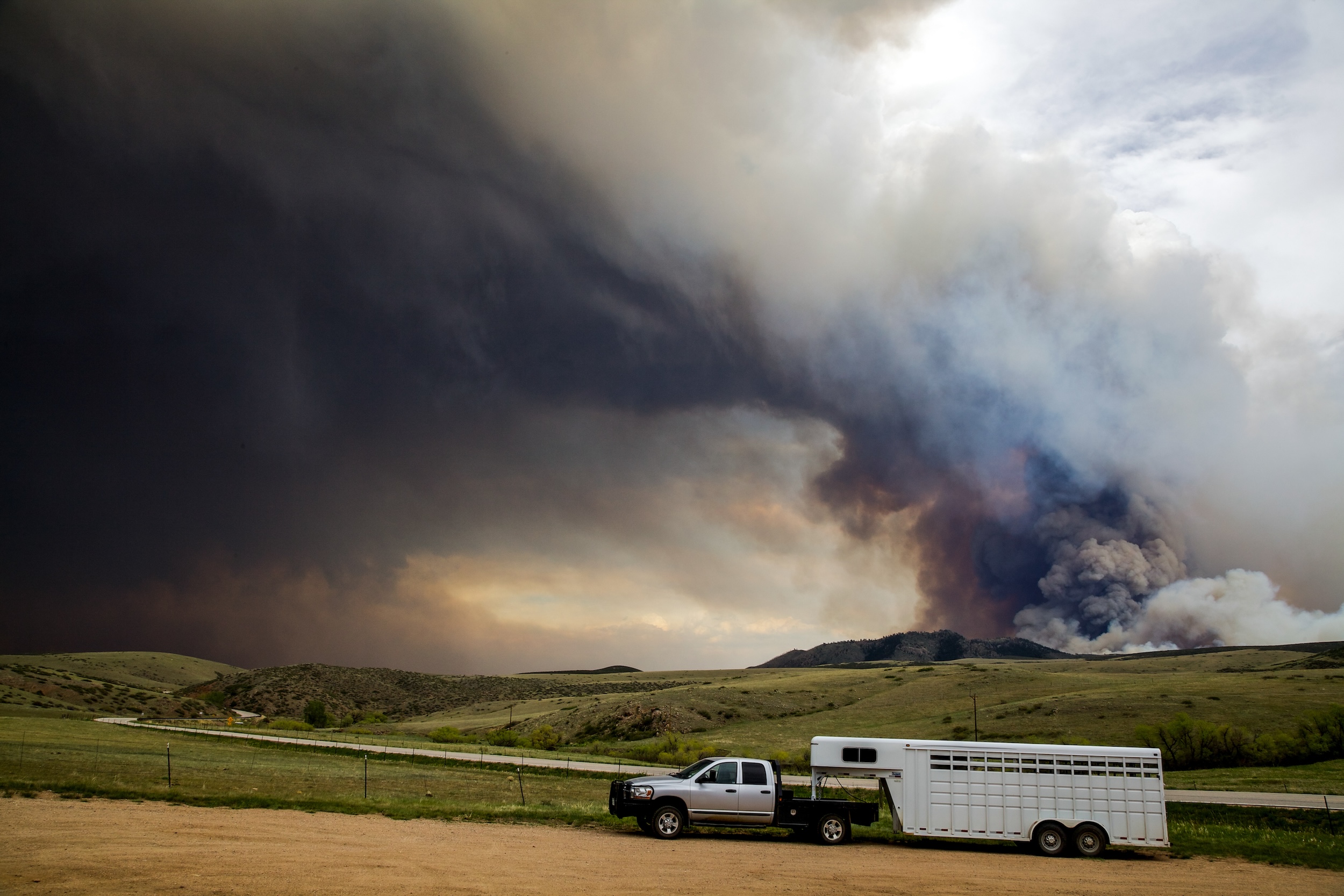
Wildfire preparedness is what happens when prevention and your wildfire mitigation plan have done all they can, and fire is now a real and immediate threat. This is where the plan you built in the quiet months pays off in the urgent ones.
All members of your household should understand the fire evacuation plan before they need it. Designate a family meeting point and an out-of-area contact who can serve as a communications hub if local cell networks are overloaded.
Plan at least two evacuation routes from your property and drive both of them. Routes can be cut off by fire, and discovering a road is blocked when you have livestock in a trailer is not a situation you want to navigate under pressure.
Sign up for your county’s emergency alert system. Most counties provide one through the county sheriff or emergency management office. Pay attention to Red Flag Warnings issued by the National Weather Service, which signal the specific combination of heat, low humidity, and wind that makes fire behavior most extreme and most unpredictable.

This is where most wildfire preparedness and wildfire mitigation plan guides fall short for ranch and farm landowners. The time required to move large animals is a hard logistical constraint that must be planned for before fire season, not improvised during it.
Before fire season:
At the first sign of threat (the “Ready” stage):
If full evacuation is not possible:
If a wildfire enters your property or is approaching rapidly, every action you take should move you toward either protecting the structure or evacuating. Work through this list in order, and leave the moment conditions make staying unsafe.
Wildfire Preparedness and Mitigation Plan Example: A family running a cow-calf operation in fire-prone rangeland keeps a laminated card in the barn listing every gate combination on the property, all water source locations, and emergency contact numbers. A copy goes to the local fire district at the start of each fire season. During a 2022 fire event, incoming crews used that card to locate a stock pond and establish a water supply that helped protect the main structures.
For ranch and farm landowners, your wildfire preparedness go-bag is more complex than the standard household version and needs to be woven into your mitigation plan. Build yours now and store it where you can grab it in under two minutes.
For your family:
For your animals:
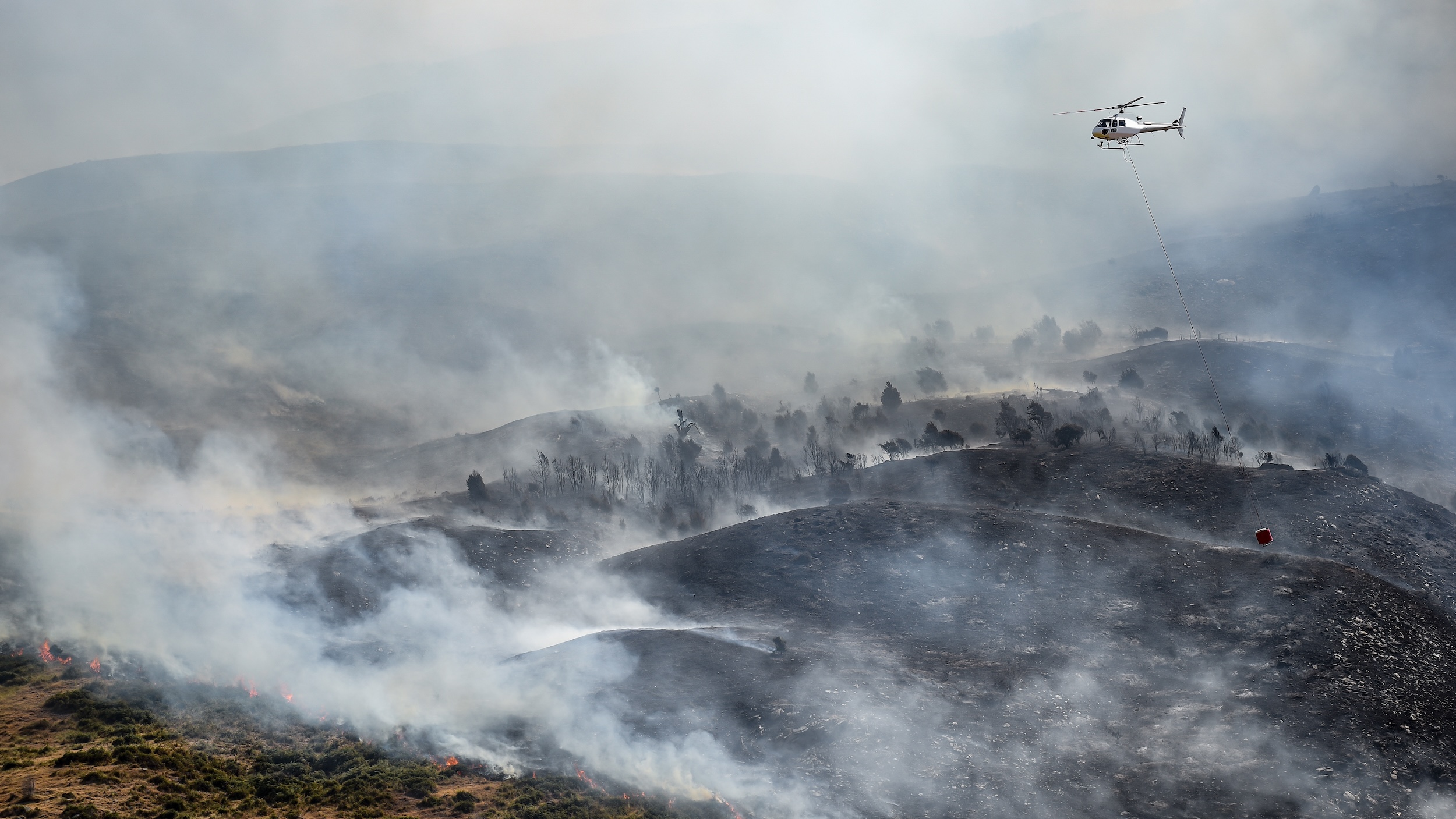
If fire does impact your property, document everything before you touch it. Photograph all property damage thoroughly before beginning any cleanup. Your insurance company and any federal assistance programs will need that documentation.
The USDA administers several programs that agricultural landowners can draw on after a wildfire. These are worth understanding before you need them, not after:
Before returning animals to the property after a fire, perform a careful inspection. Identify any unstable trees, downed power lines, smoldering ash pits, and structurally compromised outbuildings before bringing livestock back. Animals returning to a burned property are already stressed, so getting clean water and quality forage in front of them quickly, along with appropriate protein and mineral supplementation, supports recovery.
Contact your local county extension office as well. Most state land-grant universities have extension specialists in fire recovery who can advise on pasture rehabilitation, soil stabilization, and fencing restoration.

Every point in this wildfire mitigation guide applies whether you’ve owned your land for thirty years or you’re in the process of buying it. For buyers, wildfire risk is a land characteristic that deserves the same scrutiny as water rights, access, and soil quality. It directly affects what the property will cost to insure, maintain, and protect over time.
At Hayden Outdoors, our team works with landowners and land buyers across 31 states, many of them in fire-prone ranch country. Our agents understand the fire history and landscape dynamics of the markets they serve, and they can help you evaluate a property’s wildfire risk profile before you close, not after.
Whether you’re looking for your next ranch or assessing the defensibility of land you already own, the right agent makes wildfire risk and preparedness part of the conversation from day one.
Browse Hayden Outdoors ranch and land listings across the West and beyond. When you’re ready to talk about a specific property, connect with a Hayden land specialist who knows the ground and can help you think through what it means to own, protect, and steward land in fire country.
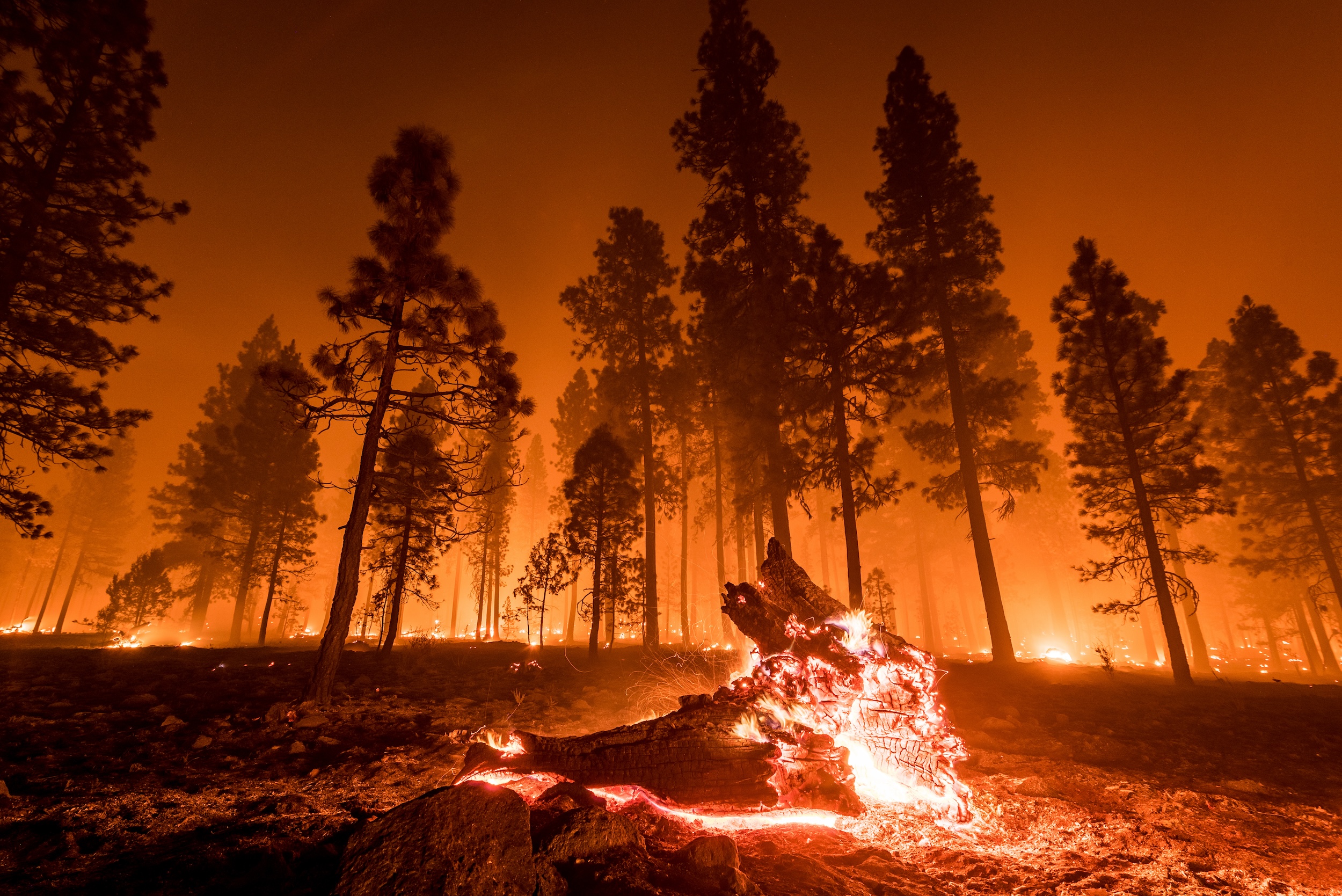
The landowner who comes through wildfire season well is rarely the one who got lucky; it’s the one who had a proper fire mitigation plan in place. They’re the one who mowed the pastures in May, cleared the gutters in June, rehearsed the trailer-loading in March, and had their documents in the cloud before any smoke appeared on the horizon.
Wildfire mitigation is not a single project; it’s a strategy and action-oriented plan. It’s a practice, seasonal, habitual, and built into how you manage your land. The stakes are high: your home, your operation, your animals, and your family. But so is your capacity to protect them.
Start with one zone. Start with one structure. Start today.
Hayden Outdoors is a real estate brokerage and does not provide emergency management or fire prevention services. Always follow the direction of your local fire department and county emergency management office.