
×

Sign in
Sign in to save favorite properties and equipment, save your search parameters and more
Don’t have an account yet? Sign Up Now
Sign up
Already have an account? Login Now


 866-741-8323
Sign in
Sign in to save favorite properties and equipment, save your search parameters and more
Don’t have an account yet? Sign Up Now
Sign up
Already have an account? Login Now
866-741-8323
Login
Sign in
Sign in to save favorite properties and equipment, save your search parameters and more
Don’t have an account yet? Sign Up Now
Sign up
Already have an account? Login Now
Sign in
Sign in to save favorite properties and equipment, save your search parameters and more
Don’t have an account yet? Sign Up Now
Sign up
Already have an account? Login Now
 Back to Blog
/
General /
Back to Blog
/
General /
If you’re looking into buying a horse, there are definitely some things you should know, and it’s best to talk to an expert before you do. An expert who has spent nearly her entire life on the back of the big animals, cruising through the ranches and wilds of rural northern Colorado. An expert who knows her horses, and, even more importantly, knows how to buy a horse without having buyer’s remorse.
Casey Stayman is that expert. A lifelong Coloradan, she has what she describes as “an incurable love” for all animals, and can frequently be found outside, on a horse. In addition to her experience as a recreational real estate professional for Hayden Outdoors, Casey is also a ranch manager.
She’s connected to the farming and ranching communities of the Rocky Mountain West, sharing their deeply rooted love of the land and the culture born from wandering the wilds of the West on horseback.
We turned to Casey to get her expert take on how to buy a horse—specifically for beginners buying their first horse—including what to look for and questions to ask before diving into horse ownership.

Pasture, feed, equipment for your tack room (saddle, bridle, reins, girth or cinch, stirrups, bits, halters and lead ropes and other accessories), access to an equine vet, a horse trailer—buying and owning a horse, especially for the first time, is not for the faint of heart or for someone who isn’t willing to fully commit themselves to maintaining a working relationship and the health of the animal.
But first time horse ownership can be an incredibly rewarding partnership if you put the care and work into it. Before you begin your search—particularly as a first time horse owner—it’s important to ask yourself some key questions that can help determine if horse ownership is right for you.
If you’re a beginner owner purchasing a horse for the first time, it’s important to start with a personal, fundamental checklist of questions, including:

When you’re looking for and buying your first horse, Casey notes quarter horses are the most common. “American paint horses, thoroughbreds, Appaloosas, miniatures and Arabians are also good horse breeds to consider for your first horse. Talk to other owners and experienced riders about the best horse breed for you.”
Before you start your search, it’s key to match your riding style to the appropriate horse. Avoid common mistakes such as choosing a breed of horse based on its look rather than how suitable it is to your situation. For example, while the idea of a Clydesdale or large, hefty draft horse might appeal, the reality is more grooming and more feed for such a big breed.
Here’s a general guide to common breeds and what they’re most known for, so you can make sure you’re asking the right questions and diving into first time horse ownership with confidence.
Quarter Horse
Arabian Horse
Thoroughbred Horses
Morgan
American Paint Horse
Hanoverian Horse
Dutch Warmblood (KWPN) Horse
Oldenburg Horse
Clydesdale Horse
Shire Horse
Percheron Horse
Belgian Horse
Tennessee Walking Horses
Missouri Fox Trotter
Paso Fino
Icelandic Horse
Shetland Pony
Welsh Pony/Cob
Connemara Pony
Fjord Horse
While there are a variety of breeds that might work well for what you’re looking for, Casey offers this general rule for first time owners buying a horse: “Depending on the rider, look for a calm, well mannered and easy-to-handle horse. Make sure they stand quiet when tied, when they’re getting saddled and when you’re handling their hooves.”

Casey notes that horses are special animals that require daily care and attention, and this means budgeting for both. “Budgeting for a horse depends on the location of the horse, specifically if you’re going to keep it on your personal property or pay for board and feed somewhere else.
Also, if you as a first time horse owner plan on keeping your horse on your personal property, ensure you have enough grass or supplemental feed, including hay and grain.” This latter point is important to note. You can’t run down to your local pet supply store for hay; you’ll need a good relationship with a local supplier.
One of the core questions to ask when buying a horse? Casey tells us: “Do you or the horse need additional training? If so, make sure to account for those costs.” Other factors to consider when purchasing a horse include equipment, horse trailer, saddle, shoes, etc.
According to Casey, in her area, pasture boarding can run between $150 – $200 per month. Board and feed with a stall can cost upwards of $400 – $500 per month, really adding to the costs of first time horse ownership. Tack on the cost of a 60-pound bale of grass or alfalfa hay (approximately $10 – $12 each), and the price of owning a horse can increase quickly, especially if you have to rely on others for boarding and feed.
Part of what to look for when buying a horse is ensuring the horse you’re considering is in good health. Just like any major purchase, it’s important to do your research before buying, especially if this is your first horse purchase.
Casey emphasizes the importance of the medical side of things. “You should always request a vet check when purchasing a horse, along with vaccination records, medical history and registration documents if the horse is registered.”
Here’s a good checklist to follow when purchasing a horse:
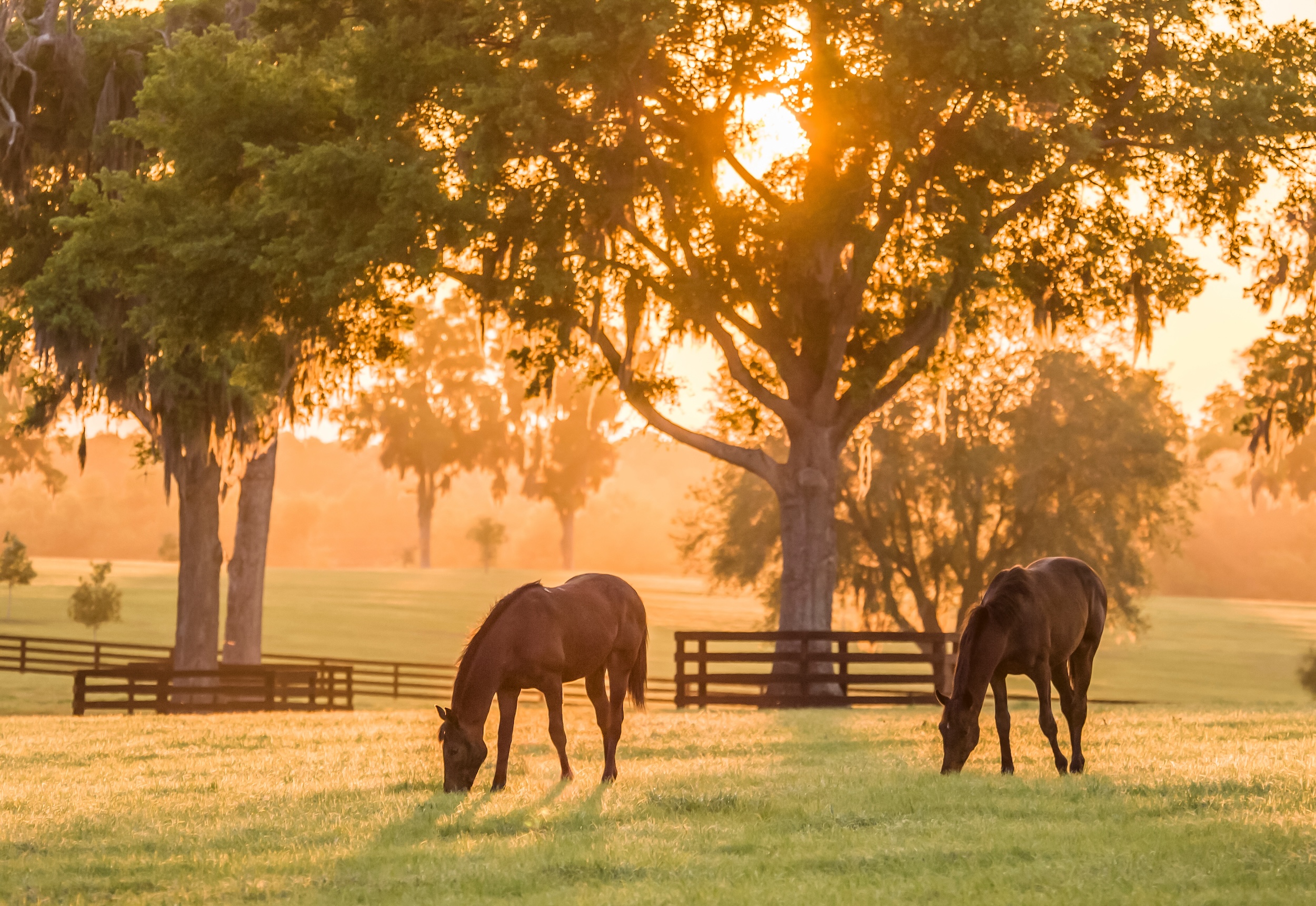
It’s important to approach the sale of a horse with a comprehensive list of questions that can help you determine if it’s the right fit for you. Here are some important questions to ask when buying your first horse:
When it comes to saddling up and buying a horse for the first time, Casey provides thoughtful caution and red flags for soon-to-be owners. “There is no such thing as a bomb-proof horse. If the owner is not willing to handle or ride the horse, you should be very cautious.
If you arrive and the horse is already saddled and sweating, that could be a sign the current owner tried to tire the horse before you showed up in an effort to make it more docile and better behaved. Additionally, if the seller is not willing to let you ride the horse—assuming the horse is broke and rideable—or if the seller is not willing to share medical information, it’s probably not an ideal choice.”
In addition to all of the essential horse buying questions mentioned above, knowing how to spot key signs the seller is trying to hide a medical condition, untrainable behavior or otherwise incompatible horse, will help ensure you, and your new horse, ride away happy.

Ready to become a first time horse owner? Here are some places you can buy a horse:
While there are a variety of ways you can buy your first horse, Casey recommends keeping it close to home, or at least within the equine community, if possible. “There are horse sales across the nation that are a great way to purchase a horse.
If you are new to purchasing a horse, I would recommend working with a reputable rancher, trainer or friend so you can go look at the animal in person before buying.”
If you’ve considered all the factors of what to look for when buying a horse, done your homework, talked to the local equine community and envisioned what life will be like spending your days riding, you’re ready for first time horse ownership.
Here is a quick beginner’s checklist to help ensure you don’t miss important considerations.

If you own a horse, chances are pretty good you would prefer to spend your days riding more than anything else. It’s an incredible life—connecting with your animal on the trail, in the ring or out on the range. As Casey puts it, “You know you’re ready to buy a horse when that’s the lifestyle you want every day.”
The recreational real estate experts at Hayden Outdoors get it. Like Casey, they’re ranchers and farmers, cowgirls and land lovers who understand the importance of time in the saddle, and time with your horse. They can help connect you with the perfect horse property—one where riding into the sunset is the lifestyle you get to live—every day.