
×

Sign in
Sign in to save favorite properties and equipment, save your search parameters and more
Don’t have an account yet? Sign Up Now
Sign up
Already have an account? Login Now


 866-741-8323
Sign in
Sign in to save favorite properties and equipment, save your search parameters and more
Don’t have an account yet? Sign Up Now
Sign up
Already have an account? Login Now
866-741-8323
Login
Sign in
Sign in to save favorite properties and equipment, save your search parameters and more
Don’t have an account yet? Sign Up Now
Sign up
Already have an account? Login Now
Sign in
Sign in to save favorite properties and equipment, save your search parameters and more
Don’t have an account yet? Sign Up Now
Sign up
Already have an account? Login Now
 Back to Blog
/
Conservation, Hunting and Fishing /
Back to Blog
/
Conservation, Hunting and Fishing /
Picture it: early morning, a cold clear river, a dry fly drifting along a current seam, and a trout breaking the surface. That image is what draws people to fly fishing, and the fly fishing techniques that make it happen are closer within reach than most beginners expect.
Fly fishing is built around a unique set of fly fishing methods where the line itself carries the weight of the cast, delivering a nearly weightless fly with precision that no other fishing approach can quite replicate. It is a fly fishing basic worth understanding from the start, and it shapes every technique in this guide.
Whether you are picking up a fly rod for the first time or working to sharpen your foundation, we’ll cover the fly fishing basics, fly fishing tips and techniques for beginners, and the methods that produce consistent results across all types of water. Everything you need for learning to fly fish the right way starts here.
We teamed up with Ben Boehmig to craft this article, and he’s provided his own fly fishing pro tips, tricks, methods, and techniques. Ben’s passion for fishing began at just three years old and has grown into a lifelong pursuit that shapes his perspective and expertise today.
Raised bass fishing outside of Atlanta and later immersed in fly fishing after moving to Colorado, he has developed a deep appreciation for a wide range of fisheries—from saltwater species around the world to trout streams across the western United States.
Before transitioning into real estate, Ben spent several years as a professional fly fishing guide, teaching these techniques and methods, including in Estes Park on Rocky Mountain National Park waters and multiple seasons in the remote wilderness of Bristol Bay, Alaska. These experiences refined his technical skills, adaptability, and ability to connect with people—qualities he brings into every aspect of his work.
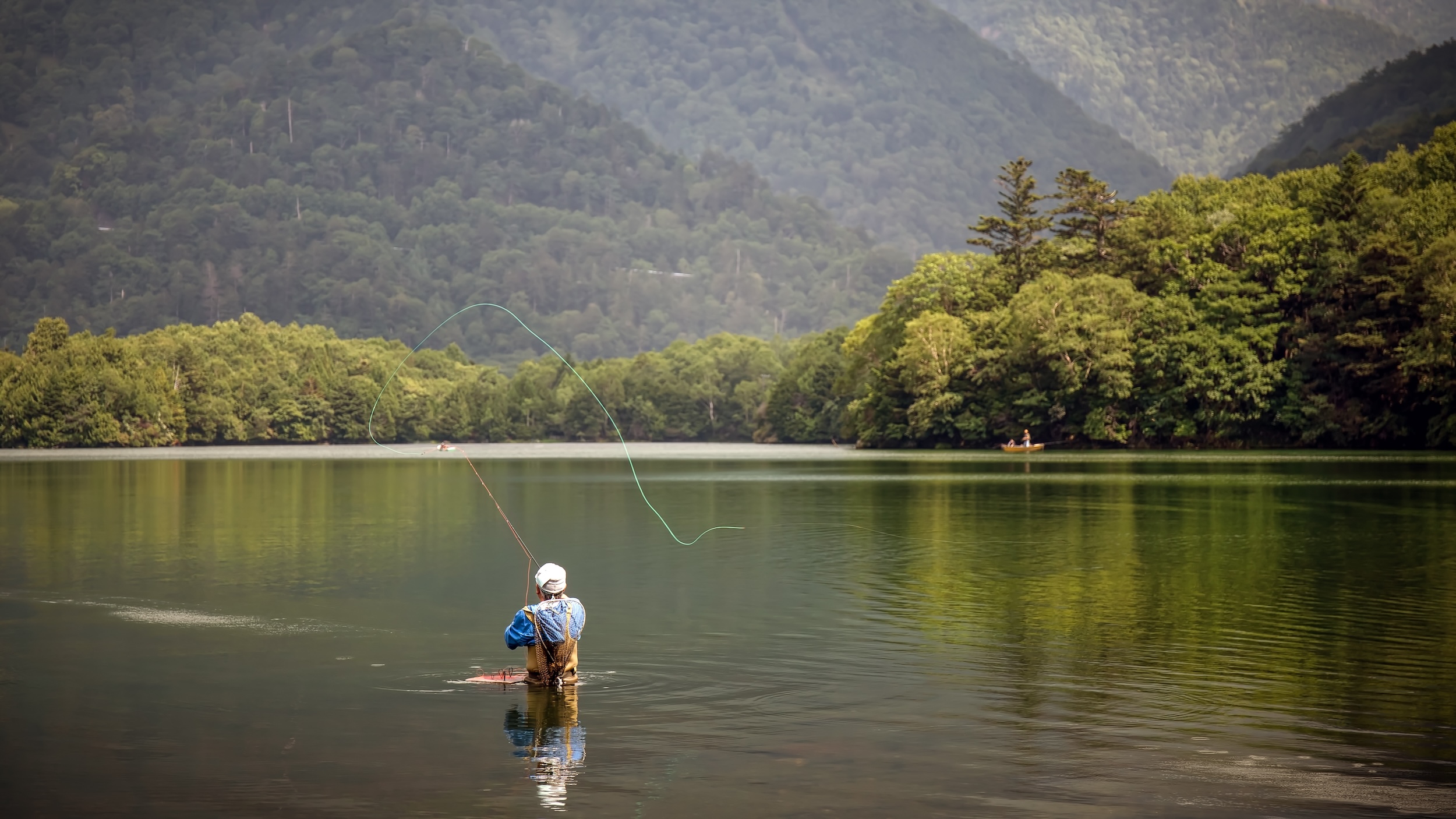
The fly fishing techniques you master as a beginner will shape every experience you have on the water for years to come. A strong collection of fly fishing basics will give you a repeatable foundation to build on, and each technique introduced in this section connects to the next.
The most essential fly fishing basic to understand before learning anything else is how fly fishing techniques work mechanically. In other styles of fishing, the weight of the lure or sinker carries the line.
Fly fishing works differently: many flies are nearly weightless (excluding streamers, which may warrant upsizing your rod choice), so the fly line carries the weight and delivers the fly to its target. Every fly fishing method you learn from this point forward is built on that concept.
This particular fly fishing basic changes how you hold the rod, how you think about the cast, and how you approach every piece of water you step into.
The overhead cast is the fly fishing technique that underpins all others. Every advanced fly fishing technique and method you add over time builds on the muscle memory you develop here.
The goal of this particular fly fishing technique is a tight, efficient loop of fly line moving back and then forward, with the rod loading and releasing energy at each stop.
Stand with feet shoulder-width apart and your rod-side foot slightly back. Hold the cork grip firmly but without excess tension. Begin the back cast by lifting the rod smoothly and accelerating to a crisp stop at roughly the two o’clock position. That sharp stop is what loads the rod and is the core action behind this fly fishing technique.
Pause a beat for the line to straighten behind you, then drive the rod forward and stop at ten o’clock. The line unfurls in front of you, and the fly settles onto the water.
The most common fly fishing mistakes beginners make with this technique include breaking the wrist too early, rushing the forward stroke before the back cast has fully extended, and gripping the handle too tightly.
Before you ever stand in a river, practice this fly fishing method on a lawn. The mechanics of the fly fishing technique are identical to on-water casting, and dry-land practice builds the timing and muscle memory that makes learning to fly fish much faster.
Pro Tip: Stay aware of your back cast to be mindful of trees, river banks, and other people that might be behind you to avoid snagging something you don’t want and to reduce unwanted line breaking of the leader.
Real fishing water rarely offers open space behind you. Trees, brush, cutbanks, and other anglers all limit your back cast. The roll cast solves this problem and one of the most important fly fishing techniques for beginners to prioritize.
There is no back cast involved. You draw the line back slowly across the water surface until a small curve called a D-loop forms alongside the rod, then drive the rod forward and down. The line rolls out in front of you in a smooth arc.
This fly fishing method requires some repetition before it feels natural, but it quickly becomes one of your most-used techniques.
The roll cast fly fishing technique is required at the majority of productive holds on any trout stream. Learning this method early means you will rarely encounter a situation where your fly fishing techniques fail you because of space.
Once the fly is on the water, drag is the main obstacle to productive fly fishing. Drag happens when the current catches the fly line and pulls the fly at a different speed than the natural food drifting around it.
Fish recognize this instantly and will typically pass on a dragging fly. Mending is the fly fishing technique used to solve this problem. After the fly lands, use a rolling flick of the rod tip to reposition the fly line upstream or downstream, creating slack that allows the fly to drift at the speed of the current.
When faster current between you and the fly is dragging the line downstream ahead of the fly, an upstream mend is the fly fishing method that corrects it. This fly fishing technique may deliver more results per unit of practice time than any other fly fishing method in this guide.
More natural drifts produced by sound mending techniques mean more strikes, a fly fishing basic that pays off on every cast.
Ben tells us, “Mending is the cornerstone of a good drift and accurate presentation. This is probably the first thing a new angler should focus on. I would constantly tell clients that fish don’t care about the cast, they care about the drift.”
The false cast is a fly fishing technique for extending line, drying a waterlogged fly, or repositioning before the presentation. To use this fly fishing method, continue the back-and-forward casting stroke without letting the fly touch the water. Each pass allows you to work more line out through the guides.
A key fly fishing tip here: beginners tend to false cast far more than is productive. Extra repetitions of this fly fishing technique give fish additional chances to detect movement overhead and give slack more chances to form in the line.
Experienced anglers applying clean fly fishing techniques limit themselves to two or three false casts before presenting the fly. Efficiency with this method is the mark of a developing angler.
Casting is only half of learning to fly fish. Presentation, where and how you place the fly, is a fly fishing technique in its own right and just as important as the cast.
The most productive fly fishing method for presentation is to cast slightly upstream of the water you want to cover, then let the fly drift naturally with the current past the location where you expect fish to be holding. The fly should move at the same speed as the surrounding water with no drag.
Watch the leader and the tip of the fly line for any twitch or hesitation that signals a strike. In rivers, fish position themselves in predictable spots: the seams between fast and slow current, the tail of pools, behind boulders and submerged logs, and anywhere the current delivers a steady supply of food.
Reading these features and knowing which fly fishing technique to apply at each location is one of the most satisfying basics to develop over time.
Pro Tip: Fishing downstream is generally discouraged because it causes you to spook fish, which face upstream, by alerting them with your silhouette, casting line, or stirred-up sediment. It also makes achieving a natural, drag-free drift difficult, ultimately ruining your presentation.
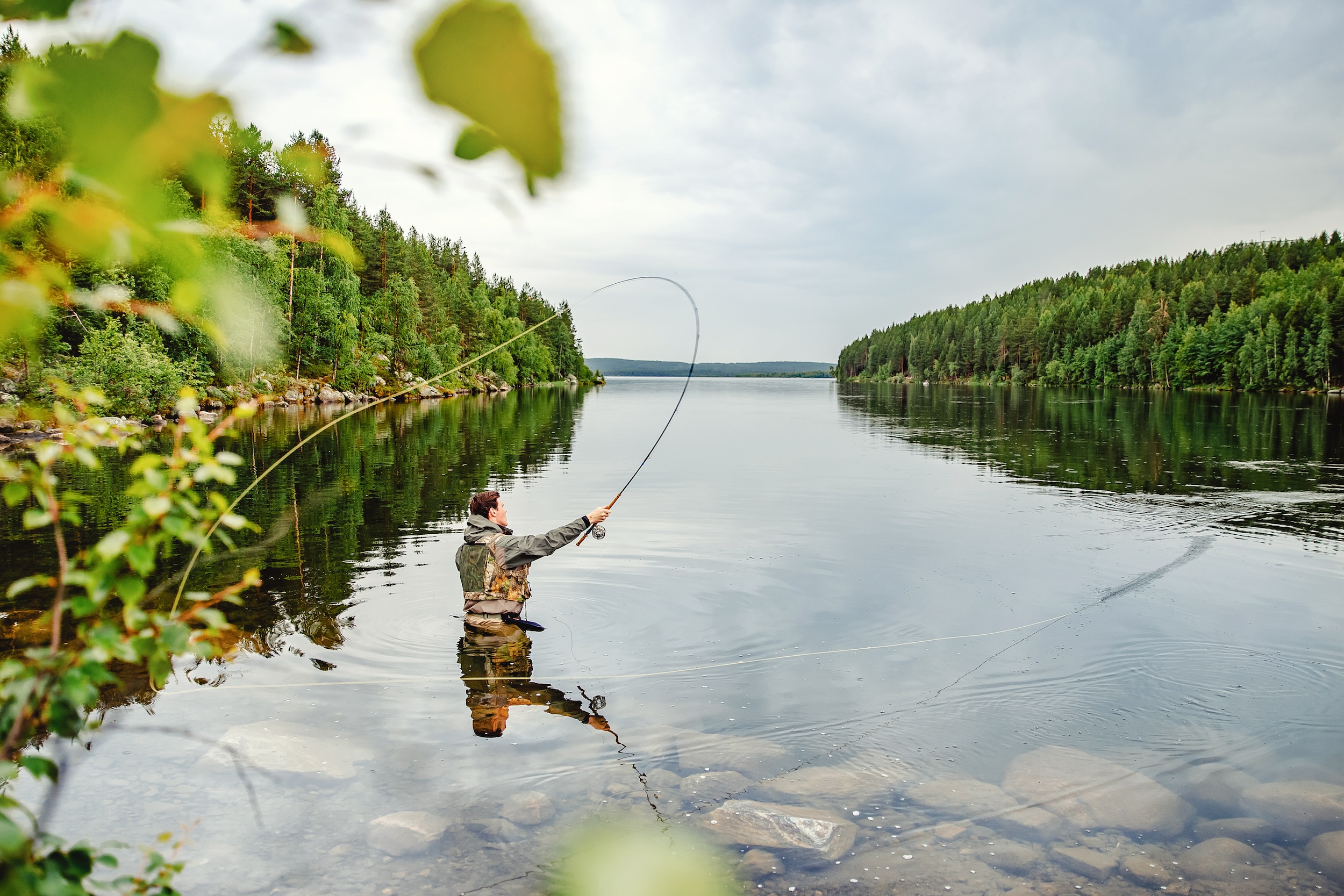
Choosing the right water is just as important as applying the right fly fishing techniques. Certain environments are far more forgiving for beginners, and matching your skill level to appropriate water makes learning to fly fish faster and more enjoyable.
These are the tried-and-true, best options for putting your beginner fly fishing basics into practice.
Tailwaters are rivers fed by regulated dam releases, and they rank among the best environments in the country to develop fly fishing techniques for beginners. They often contain a unique set of bugs (flies) that other river sections won’t, including scuds, sowbugs, midges, and leeches. Other important tailwater staples are Caddis larvae/pupae, Annelids (worms), and Mysis shrimp.
Stable water temperatures and high nutrient levels support dense, year-round fish populations, which means more opportunities to practice the different fly fishing methods and receive real feedback on your presentation techniques.
Many tailwaters include designated catch-and-release sections, which protect fish populations and keep the fly fishing productive through every season. For beginners working through the fly fishing basics, tailwaters provide a patient and consistent classroom.
Spring creeks are fed by consistent groundwater and stay clear, cold, and steady regardless of rainfall or season. Their clarity makes them excellent environments for sight fishing, where you identify individual fish and present your fly to a specific target.
The feedback is immediate: you can watch the fish respond to your fly fishing technique in real time. Small streams reward short, accurate casts over distance, making them ideal for drilling the fly fishing casting techniques we introduced earlier. These are some of the best waters for developing core fly fishing methods from the ground up.
Pro Tip: Due to size, less casting is often needed to reach your targets, making for easy introductions. These types of waters are often best for dry fly fishing. Not sure about rods? 3wts are often the rod of choice for this type of water.
Fly fishing techniques on stillwater work differently than on moving water. Without current, stillwater fly fishing methods rely on retrieving the fly in a way that imitates the natural movement of baitfish, leeches, or hatching insects.
Stripping streamers along weed edges, fishing chironomid patterns under an indicator, and swinging wet flies are all effective stillwater fly fishing techniques.
Lakes and ponds are also great environments for practicing casting, given that open, flat water removes many of the obstacles that challenge beginners on rivers.
One of the most transferable fly fishing basics a beginner can develop is the ability to read water and anticipate where fish are holding.
Fish in rivers are always balancing food availability against energy expenditure. That balance consistently draws them to the same types of locations, and knowing those locations tells you where to go to use those hard-earned fly fishing techniques.
Each of these features calls for specific fly fishing techniques and methods, and developing the habit of reading water before you fish it is a fundamental basic that improves every outing.
It’s important to be observant when you get on any water source. Watch what the fish are doing. Are they rising to eat dry flies? Can you see them feeding in the channel (indicating sub-surface feeding)?
Keep an eye out for any bug “hatches” (which are most common at dusk and dawn) that might be going off, where bugs can be seen hatching, and fish will be keen on that food source. Even try to catch a few and compare them to flies you may have in your box.
Pro Tip: Look for boulders in the river where fish will be behind or in front of. Shelves under river banks are also good spots to look for those deep pools. And it’s also always a great idea to flip some rocks over to see what bug life is currently present that time of year in the water, so you can get a direct idea of how to “match the hatch.”
Ben’s rule of thumb: Water temperature is going to determine where the fish are in the run. Simply put, warmer water holds less oxygen. Therefore, during summer months, fish need to acquire more oxygen, and can be found in more turbulent water. Vice versa, in cooler months, they may all be laying at the bottom of the deepest pool.
Most beginners start on publicly accessible water, which is a solid way to build your experience in the fly fishing basics and develop techniques across a range of conditions.
State fish and wildlife agencies are a great source for finding out about fishing areas, access points, and any boat ramps available to use. Public water provides variety and accessibility, two things that matter greatly when you are learning to fly fish.
Private water provides a different fly fishing experience. Lightly fished water holds fish that respond more freely to fly fishing techniques, and the absence of competing anglers means you can work a piece of water at your own pace and apply each fly fishing method without interruption.
Many anglers who develop a serious investment in fly fishing eventually pursue private access through guided outings, fishing clubs, or land ownership.
Pro Tip: “Blue Ribbon” represents one of the highest tiers of fisheries, often containing 600+ pounds of fish per mile (e.g., in Wyoming). Other classifications include Gold Medal (Colorado), Class I (Wisconsin/Michigan), and Class A Wild Trout Waters (Pennsylvania). Keep this in mind when choosing the best locations to go fly fishing.
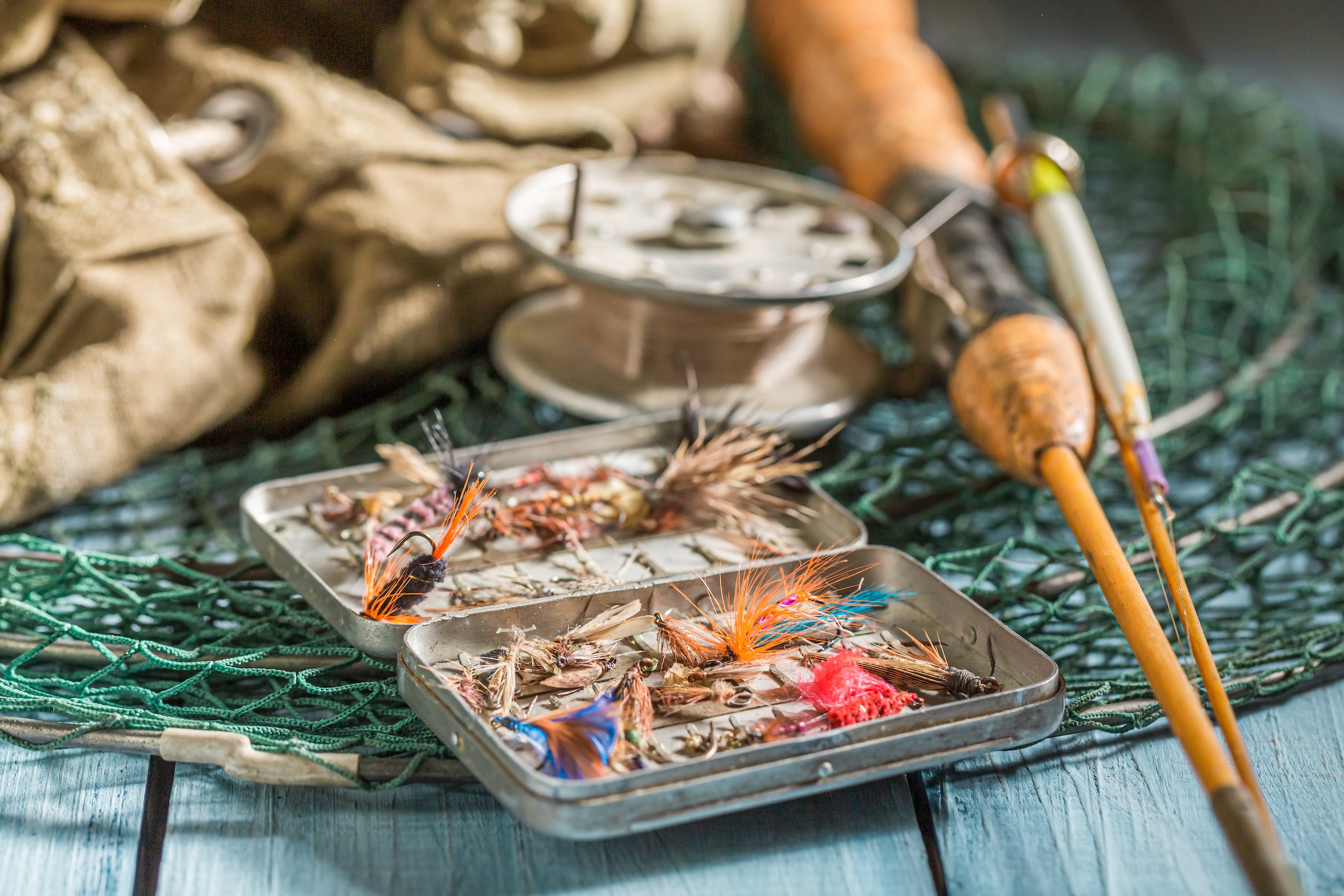
The fly fishing basics extend well beyond casting and presentation techniques. Understanding your gear is also a core part of learning to fly fish effectively, and fly fishing equipment is purpose-built around the techniques it needs to support.
Here is what every beginner should understand about fly fishing gear before making any purchases.
A fly rod is engineered to flex in a specific way that loads and releases energy during casting. Fly rods are rated by line weight, from 1-weight for small streams up to 12-weight for saltwater species.
For beginners developing their understanding of the freshwater fly fishing basics, a 5-weight rod is the most versatile starting point. It handles trout, bass, and panfish across a range of conditions and is forgiving enough to develop sound fly fishing techniques without fighting the gear.
A 9-foot rod length is standard for most river fly fishing and provides enough reach to execute the mending fly fishing technique and keep back casts elevated.
Medium-fast action is the most beginner-friendly rod because it offers enough flex to feel the rod loading during casting, without the stiffness of fast-action rods designed for experienced casters applying more advanced fly fishing techniques.
Ben’s Pro Tip: You don’t need to spend a fortune on your first fly fishing setup. All big box outdoor retailers (Cabelas, Bass Pro, Scheels etc.) will have a full setup in the $100-200 range. Start with that, and learn what you want when it comes time to upgrade!
In freshwater fly fishing, the reel plays a more straightforward role than in conventional fishing. Its primary purpose is storing fly line and backing, the braided reserve line that gives you capacity when a large fish runs.
When fly fishing, you will often fight fish by managing the line by hand rather than with the reel. A simple click-and-pawl drag is adequate for most beginner fly fishing situations.
Match the reel size to your rod weight and keep your focus on developing your fly fishing techniques and mastering the basics, rather than chasing expensive equipment.
The fly line is the engine behind every fly fishing technique. A weight-forward floating line is the standard for beginners because it is the most castable configuration and works across the widest range of fly fishing methods. The thick front taper of the line carries energy from the rod tip through the cast and is what makes fly fishing techniques mechanically possible.
Attached to the end of the fly line is the leader, a tapered length of monofilament that transfers energy from the thick fly line to the thin tippet. Tippet is the final section that connects directly to the fly. Matching tippet diameter to fly size is a fly fishing basic that affects fly presentation and how naturally the fly behaves in the water.
Knots hold the entire system together, and learning a core set of reliable knots is one of the most actionable fly fishing tips for beginners.
The category of fly you are using determines which fly fishing techniques and fly fishing methods apply on the water.
Dry flies float on the surface and imitate adult insects, calling for surface presentation.
Nymphs sink below the surface to imitate larvae or pupae and are fished with dead-drift fly fishing methods.
Streamers imitate baitfish or leeches and are fished with active stripping.
For beginners working through the basics of fly fishing, a short list of versatile patterns covers most freshwater situations: a Parachute Adams and Elk Hair Caddis for dry fly fishing, a Pheasant Tail Nymph and Hare’s Ear for subsurface fly fishing methods, and a Woolly Bugger as a productive all-around streamer fly fishing technique for nearly any freshwater species.
Waders and wading boots expand access to water that cannot be fished from the bank and keep you comfortable during long days applying newly learned fly fishing techniques on the river. That said, in peak summer, you can opt for “wet wading” and bypass the waders. Just use wading socks or Tevas, especially when fishing smaller streams and alpine lakes.
Polarized sunglasses are one of the most important gear basics to keep in your fly fishing kit, cutting surface glare so you can see fish, read current structure, and navigate underwater hazards safely while wading.
A chest pack or vest keeps fly boxes, tippet spools, forceps, and floatant within reach so you can keep fishing without stopping to dig through a bag.
And lastly, forceps remove hooks quickly and safely, which is especially important when practicing catch-and-release fly fishing methods.
Sage Advice From Ben: A wise man once said “It’s not the rod, reel, or waders that catch the fish, It’s the hook that your fly is tied on.” In so many words, your gear doesn’t matter if your hook breaks.
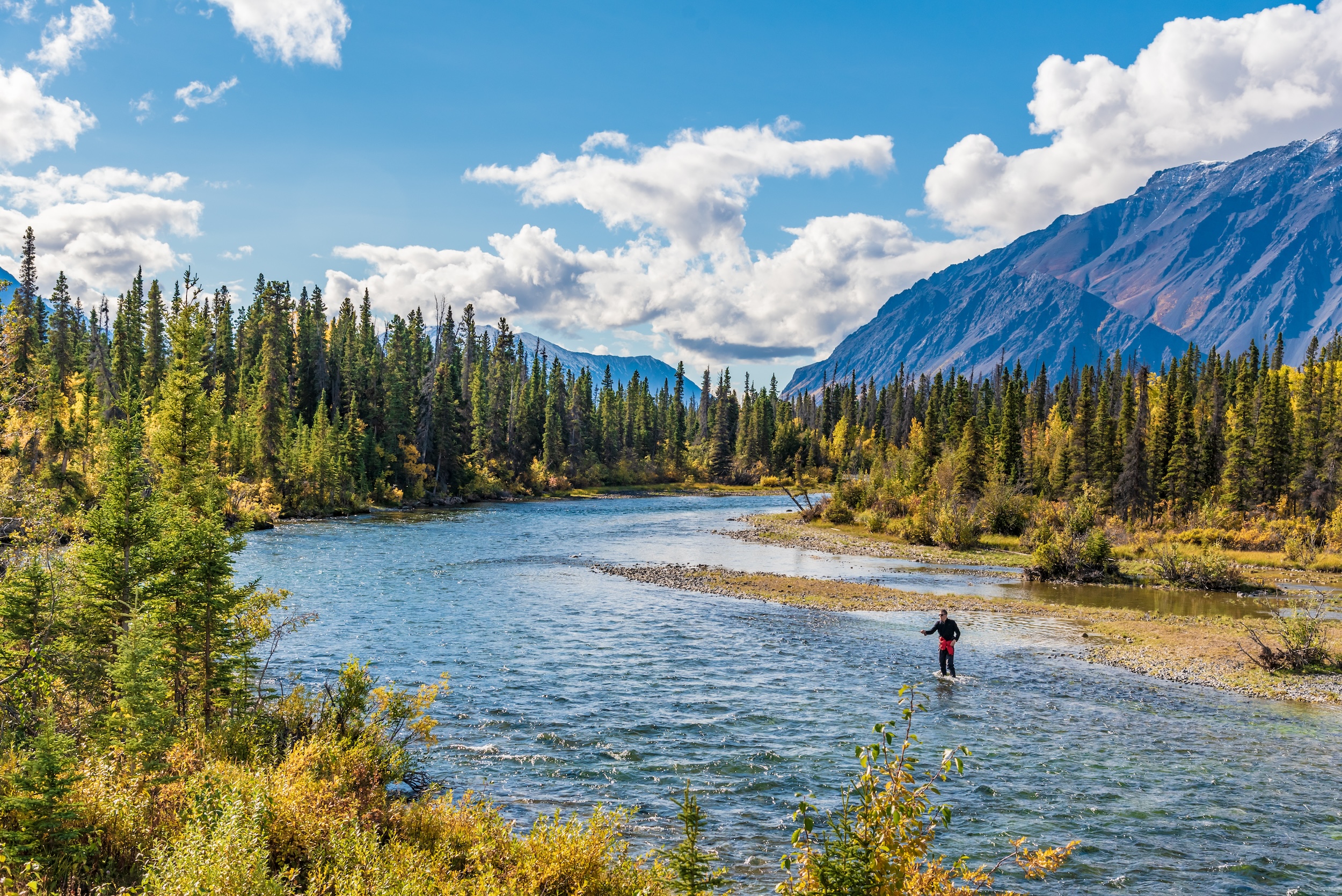
Knowing the best fly fishing techniques on paper is a productive start. But knowing how to apply these fly fishing tips and techniques in real situations is what produces actual results on the water.
Our beginner tips are drawn from the kind of practical, hands-on experience that most people only accumulate after seasons of trial and error. Apply these fly fishing tips and fly fishing basics alongside the techniques we covered earlier and you’ll accelerate your development significantly.
The highest-impact single fly fishing tip we could give to beginners is to invest in a lesson or a guided day on the water before any self-taught habits set in.
Fly fishing techniques like the overhead cast are learned most efficiently with direct feedback from someone watching your stroke. An instructor can identify the timing flaw or loop problem in your approach in a few minutes and correct it before it becomes a habit.
Most fly shops offer casting clinics, and guided fishing trips almost always include instruction in fly fishing techniques specific to the water you are fishing.
The overhead cast is a fundamental cast when learning how to fly fish. Until this fly fishing technique is automatic, adding any new fly fishing methods can slow down your development. This is why we recommend spending your first sessions focused entirely on this one fly fishing method before introducing the roll cast, reach cast, or any other method.
Fly fishing basics built on a solid foundation develop much faster than techniques layered on shaky fundamentals. Mastery of one fly fishing technique at a time is the most efficient path through the fly fishing basics as a whole.
One of the most consistently overlooked fly fishing tips for beginners is that distance is not the measure of effective fly fishing. The majority of fish are hooked well within 30 feet, even by experienced anglers.
Casting beyond your ability to control introduces slack, poor fly fishing technique execution, and missed hooksets. A crisp 20-foot presentation using clean fly fishing techniques will consistently outperform a sloppy long cast.
Learning to work the water close to you before extending your range is a basic fly fishing tip that pays off on every outing and in every fly fishing method you apply. Fish the water before you walk through it.
Fish respond to vibration, movement, and shadow well before they see a fly. Wading carelessly, casting a shadow over holding water, or approaching from the wrong angle will scatter fish before you even have the chance to catch one.
Move slowly, crouch as you approach fish, and position yourself downstream whenever the water allows. Wearing muted, earth-tone clothing is a fly fishing basic that beginners often overlook but experienced anglers consider as important as any fly fishing casting technique.
Your approach to the water is a fly fishing technique in itself, and it sets up every other method you will use once you are in position.
Keeping a simple log is one of the best fly fishing tips for beginners. Record date, location, water temperature, weather, fly selection, and results for every outing.
Over time, the data reveals which fly fishing techniques produce on which water types, which hatches trigger active surface feeding, and how conditions affect the fly fishing methods that draw strikes.
A log transforms random experience into organized knowledge and is one of the most effective fly fishing basics for accelerating the learning process.
The fly fishing techniques you implement on the water are only as reliable as the knots connecting your system.
Three knots cover the majority of fly fishing situations: the improved clinch knot for attaching a fly to the tippet, the surgeon’s knot for joining tippet sections or extending a leader, and a loop-to-loop or nail knot for attaching the leader to the fly line.
Practice these at home until you can tie them quickly in low light or cold conditions. Solid knot work is a fly fishing basic that’s key to every fly fishing technique you apply once you are on the water.
Methods that protect fish populations (like catch-and-release) are just as important as any of the other fly fishing techniques.
Wet your hands before handling fish to preserve their slime coat. Minimize air exposure, use barbless hooks when possible, and revive fish fully in moving water before release.
These fly fishing tips are not only about conservation. They directly protect the fisheries you will return to season after season and the quality of fly fishing available to every angler who follows you onto that water.
Local fly shops are among the most underused resources for fly fishing beginners. Staff members know current conditions, active hatches, and which fly fishing methods have been producing in the past week.
Building a genuine relationship with a local fly shop is a fly fishing basic that rewards you at every stage of learning and sharpens your technique as you build a strong foundation.
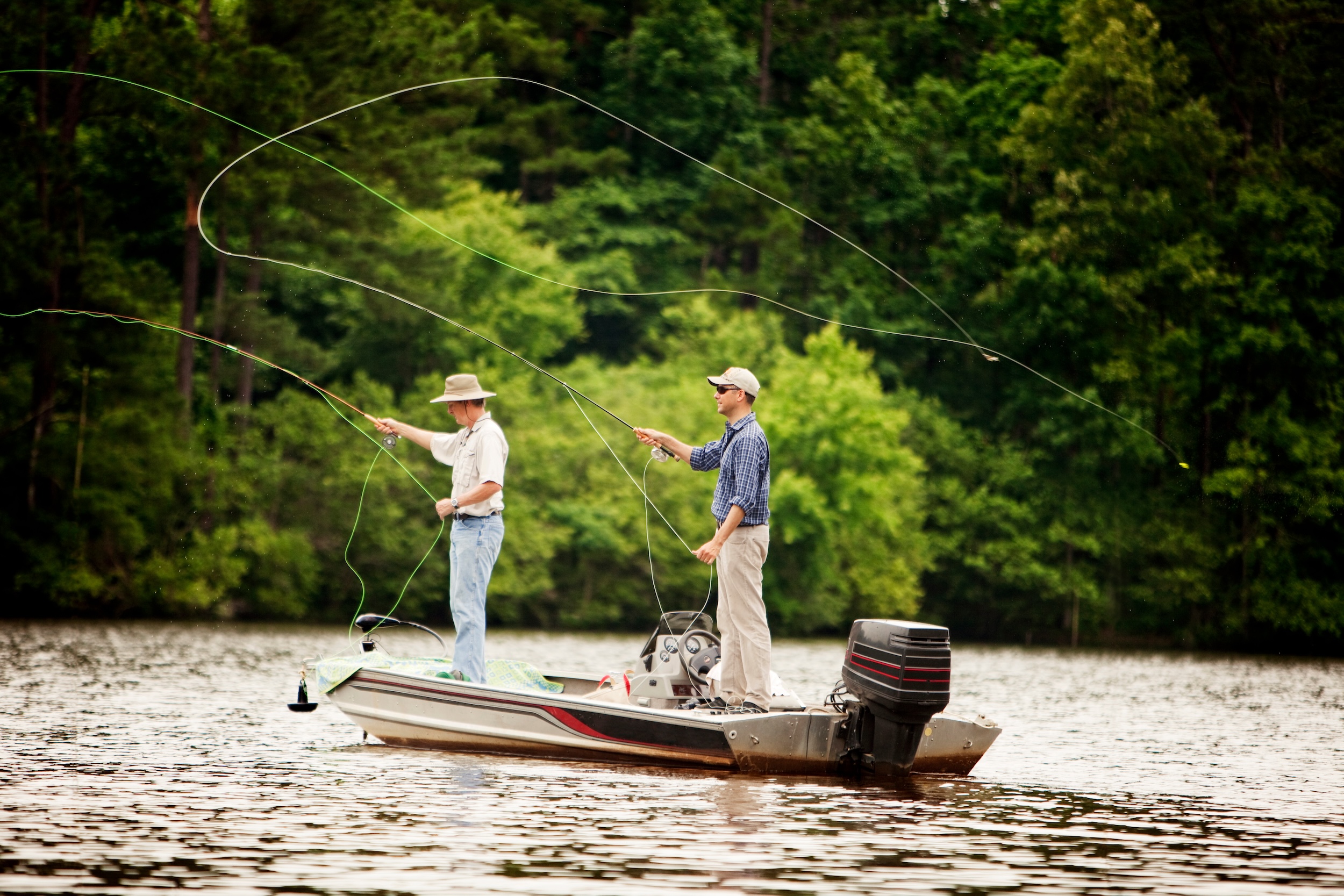
There is a version of fly fishing that exists beyond crowded public access points and busy tailwaters. It happens in the early morning hours before anyone else is on the water, on private water that holds fish no one else has been working, steps from the door of a property you own.
For anglers who have developed a genuine passion for fly fishing and all the techniques it involves, private waterfront ownership is the natural next step.
At Hayden Outdoors, we’ve spent decades specializing in rural, recreational, and waterfront land across the West and beyond. Our agents are not generalist brokers who occasionally handle land transactions.
They are outdoors people themselves, many of them lifelong hunters and anglers with genuine working knowledge of what makes waterfront property valuable from a fly fishing standpoint. They understand which features produce lasting fly fishing quality and which are seasonal or superficial.
When you work with a Hayden Outdoors agent, you work with someone who understands the difference between senior and junior water rights, who can evaluate stream health and fish habitat, and who has a regional network capable of surfacing off-market listings that never reach public real estate platforms.
Waterfront properties with genuine fly fishing value move quickly. Having an experienced Hayden Outdoors agent means you hear about those opportunities first. The right water is out there, and the right team knows how to find it.
View Available Waterfront Properties