The Expert’s Guide To Tractor Size – What Size Tractor Do I Need?
Choosing the right tractor size is one of the most important equipment decisions you’ll make for your land. Whether you’re managing a hobby farm, maintaining acreage, or running a working ranch, the tractor you choose will either boost your productivity or become an expensive regret. So, what size tractor do I need?
Contrary to popular advice, the answer isn’t solely about acreage. It depends on your terrain, workload, implements, and long-term goals. In this guide, we’ll walk you through how to evaluate the size you need, what the different tractor sizes mean, and how to avoid costly missteps.
Table Of Contents
Factors That Determine What Size Tractor You’ll Need For Your Operation
Choosing the right tractor size means balancing capability needs with practicality. Below are the key factors that influence this decision:
- Acreage: Generally, larger acreages require more horsepower. However, 5 acres of hay production is vastly different from 5 acres of pasture maintenance, which is why acreage cannot be the only factor in determining what size tractor you need to purchase.
- Task Type and Intensity: Plowing, discing, or baling hay requires more power and stability than light mowing or fence line maintenance, which will inevitably play a role in tractor size decisions.
- Frequency of Use: If you use your tractor daily, you’ll want a machine with extra durability and comfort. For seasonal or occasional work, a mid-range tractor might be sufficient.
- Lift Capacity Requirements: Need to move heavy pallets, hay bales, or logs? Make sure your tractor’s front-end loader and 3-point hitch can handle the load.
- Terrain and Slope: Hilly terrain may require a heavier tractor for better traction and safety. Consider slope thresholds above 15% as a tipping point where power and weight become critical.
- Soil Type: Heavy clay soils demand more horsepower and traction than sandy or loamy ground.
- Available Storage: Necessary tractor size cannot be determined in a vacuum. Make sure your tractor fits into the barn or shed you have on your property. Larger tractors also need wider access roads or gates.
- Future Growth: If you plan to expand operations, consider buying a tractor whose size will scale with you.
- Attachments Needed: Tractors must be compatible with your intended implements. Ensure they have the right hitch category, PTO horsepower, and hydraulic systems.
The Different Sizes of Tractors – A Breakdown
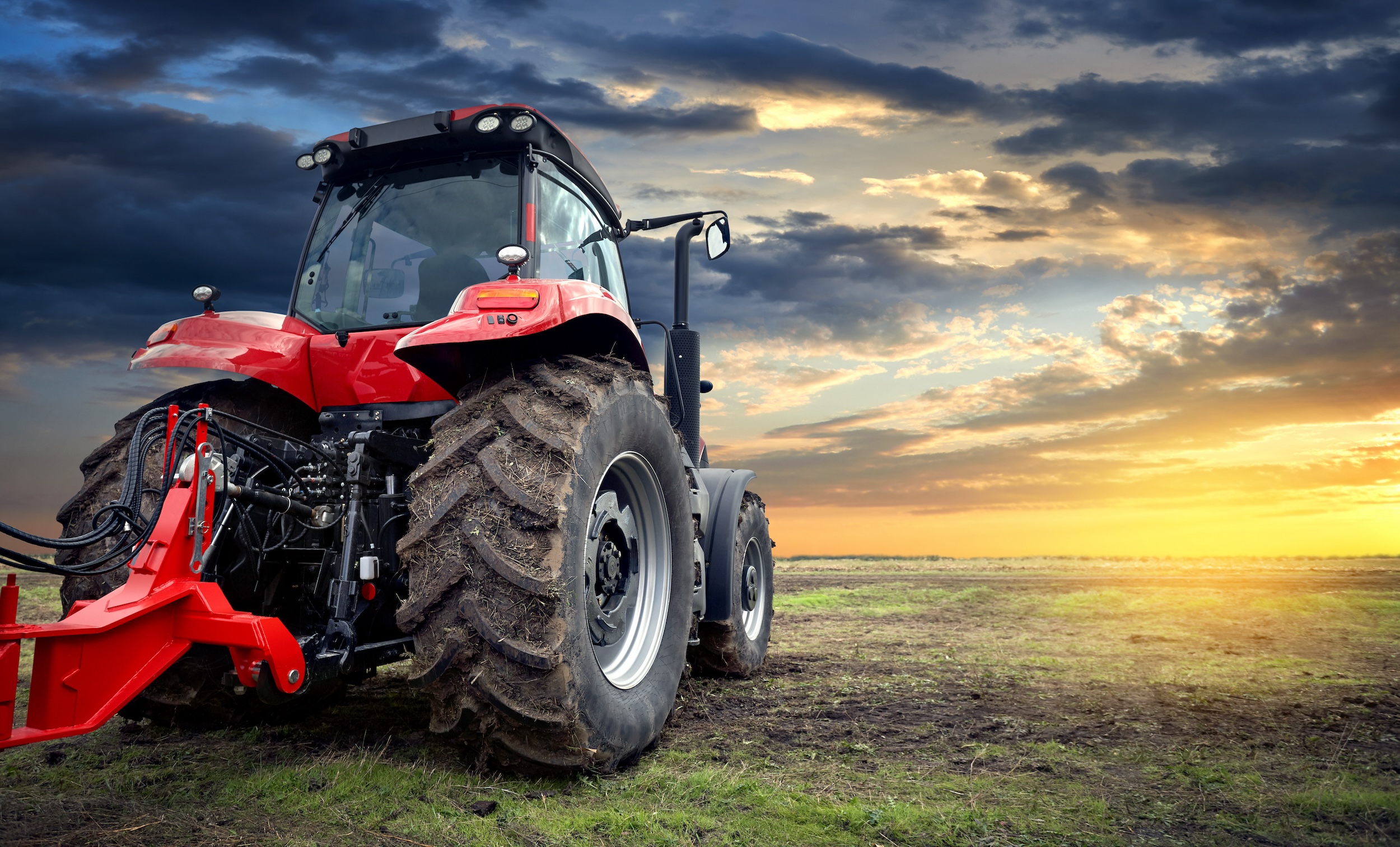
Before you can ask “what size tractor do I need?” you need to have a solid understanding of what sizes tractors come in. When it comes to tractor sizes, there are five general categories based on horsepower and use case. Here’s a simple breakdown:
Sub-Compact Tractors (Under 25 HP)
What This Tractor Size Is Best For: Lawns, small gardens, light-duty chores on 1–3 acres
Common Tasks: Mowing, hauling small loads, snow removal
Limitations: Low ground clearance and lift capacity; not suitable for heavy fieldwork
Compact Tractors (25–60 HP)
What This Tractor Size Is Best For: Properties between 3 and 20 acres with varied tasks
Common Tasks: Light tillage, mowing, loader work, post hole digging
Advantages: Balance of power and maneuverability; wide range of compatible attachments
Utility Tractors (60–125 HP)
What This Tractor Size Is Best For: Mid-to-large acreage operations (20+ acres)
Common Tasks: Plowing, baling, large loader tasks, tillage
Advantages: Stronger hydraulics and greater lift capacity; good for commercial-scale work
Row-Crop Tractors (125+ HP)
What This Tractor Size Is Best For: Large commercial farms
Common Tasks: Planting, spraying, and harvesting row crops
Considerations: High cost, advanced features, usually overkill for hobby operations
Specialty And Industrial Tractors
What This Tractor Size Is Best For: Orchards, vineyards, forestry, or municipal tasks
Traits: Narrow profiles, extra shielding, or high clearance, depending on use
Is There A Rule For What Size Of Tractor You Need Based On Acreage?
The Common “Rule”: A frequently cited rule of thumb is 1 tractor horsepower per acre. So, 5 acres = 5 HP, 10 acres = 10 HP, and so on.
Why This Tractor Sizing Rule Is Oversimplified: This idea assumes uniform land use. But 5 acres of pasture mowing is vastly different from 5 acres of intensive market gardening. Similarly, flat sandy soil versus sloped clay terrain makes a huge difference and can greatly impact what size tractor you need.
A Better Framework: When choosing tractor size, consider this multi-factor model:
- Acreage: Size still matters but isn’t everything
- Task Intensity: Light (mowing), Medium (loader/fencing), Heavy (tillage/hay)
- Frequency: Weekly chores vs. seasonal use vs. daily operation
- Terrain: Flat vs. sloped, rocky vs. smooth
Example: A 10-acre hobby property that requires mowing, compost hauling, and occasional digging might only need a 30-40 HP compact tractor. But a 10-acre hay field might demand a 60+ HP utility tractor.
What Happens If You’re Between Two Tractor Sizes And Aren’t Sure?

Tractors are quite possibly one of the most critical investments you’ll make for your property, and if you’re in between sizes it can be a challenge to determine whether you should size up or down. If you’re unsure, we’ve crafted a helpful guide below:
When to Size Up Your Tractor Purchase
- You plan to scale operations
- You need a stronger lift capacity for attachments
- Your terrain is hilly or rugged
- You want to run more demanding implements (like a backhoe or rotary tiller)
When to Size Down Your Tractor Purchase
- You have tight storage space or narrow gates
- Your chores are light-duty and infrequent
- You need better maneuverability in wooded or garden areas
Pro Tip: If you’re truly in the middle, lean slightly larger—but only if your tasks justify the upgrade.
Buyer Regrets – The Cost If You Don’t Select The Right Tractor Size

Getting the wrong size tractor can cost more than just money and can inevitably lead to headaches down the line.
“Too Small” Regrets
- Scenario 1: You buy a 25 HP sub-compact, but it can’t lift round bales or pull your box blade.
- Scenario 2: You underestimated the horsepower needed to run a rotary tiller through tough sod.
- Scenario 3: The tractor size you’ve chosen works too hard for its frame, leading to faster wear and breakdowns.
“Too Large” Regrets
- Scenario 1: You purchase a 100+ HP tractor for 10 acres of mowing and end up burning fuel for no benefit.
- Scenario 2: Your tractor doesn’t fit through your barn doors or woodland paths.
- Scenario 3: You invest in features and attachments you never use.
“Wrong Features” Regrets
- Scenario: You chose a tractor solely on horsepower but didn’t check if it had rear hydraulics or a front-end loader. Now you’re stuck without the tools you need.
Why Tractor Size Is Only One Piece Of The Puzzle – Other Factors To Consider When Buying A Tractor

Beyond size and horsepower of your tractor, smart buyers look at broader functionality:
- Climate and Weather: Cold climates may need enclosed cabs, block heaters, or 4WD for snow and mud.
- Attachment Compatibility: Different attachments and implement types can allow for alternative capabilities. Ensure the tractor can handle implements you need, such as a front-end loader or backhoe, and that it has the correct hitch and hydraulic connections. This will allow you to maximize the range of tasks your tractor can help you accomplish.
- Newer Engine Efficiency: Tier 4 Final diesel engines are cleaner and more fuel-efficient. While more expensive upfront, they save in fuel and maintenance long-term.
- Future Use Cases: Buy with 3 to 5 years of growth in mind. Will you be fencing new pasture? Growing crops? Adding livestock?
- Resale Value: Some tractor brands and models hold value better, especially if you plan to size up later and resell your current unit.
Key Tractor Sizing Takeaways
Let’s do a quick recap. As you navigate the purchase process, these are the things you’ll want to keep top of mind when deciding what size is right for your operation.
- Tractor size depends on more than acreage; consider tasks, terrain, and frequency.
- Choose from five main categories: sub-compact, compact, utility, row-crop, and specialty.
- When in doubt between two sizes, lean larger (if justified by task or terrain).
- Avoid regrets by matching size with function, storage, and implement needs.
Find The Right Size Tractor For Your Operation
Hayden Outdoors connects landowners and agricultural professionals with the right tools for their operation. Browse our selection of tractors for sale to find the horsepower, features, and attachments that match your needs.
If you’re looking to expand your knowledge and make the most of your rural property, Hayden Outdoors has the guides to get you started:
At Hayden Outdoors, we make it our business to help you power your operation with the necessary tools and equipment. Browse our curated selection of tools that are currently available for purchase.
Browse Available Agricultural Tools
Used Agricultural Equipment Values – How To Determine What Your Farm Machinery Is Worth

Estimating used farm equipment values is both an art and a science. Whether you intend to sell your farm machinery or you’re simply evaluating a purchase, you need to understand what drives ag equipment prices and values in today’s market.
As the experts on all things farmland, our team at Hayden Outdoors will walk you through the core factors, special use cases (e.g. antique agricultural machinery), appraisal considerations, and demand trends.
If you’re a seller, you’ll walk away understanding just what your used farm equipment is valued at, and if you’re a buyer, we’ll make sure you know how much you can negotiate.
Table Of Contents
What Factors Are Considered When Determining Used Farm Equipment Values?

When determining used farm equipment values and prices, there are a few core factors that can have an impact on valuations. These are a few you’ll want to keep in mind as you’re assessing used farm machinery.
1. The Age Of Used Farm Equipment
The older a machine is, the more likely it is to have experienced wear and tear over the years, especially if we’re talking about used farm equipment versus new. You also have to consider that the newest technologies may not have been incorporated into the machinery you’re valuing, which can also reduce price.
Why This Matters: If your intent is to resell your used farm equipment at any point in the future, how much it has already depreciated will be at the core of determining what price you can command, based on value.
2. Hours Of Use
Let’s put it this way: when it comes to used farm equipment prices, the age of the machine isn’t always as important as the degree to which the machine has been used and worn into the ground. When looking at used farm equipment values, wear and tear, or hours of use, are critical to understanding how much you should really be pricing (or buying) used ag machinery.
Why This Matters: You may be able to find an older piece of used farm equipment that hasn’t been used frequently and is in mint condition, making it of greater value. Be on the lookout for these hidden gems.
3. Maintenance History Of The Used Farm Machinery
If you’re buying, speak with the seller about the maintenance history of the used farm equipment you’re pricing out. Frequent maintenance can be a red flag for what’s to come if you purchase. That said, proactive maintenance and upkeep is a sign that the owner has kept their farm machinery in tip top condition.
Why This Matters: When determining the value of used farm equipment, finding a machine that has been well-maintained over the years will be key to getting your money’s worth.
4. Brand Reputation
You’ll want to perform research on the specific brand name of the used farm equipment you’re determining the value of. And not just the brand name overall, but the brand’s reputation for the specific type of farm machinery (e.g. tractors) you’re considering purchasing or selling. This will assist you in determining a fair value for the used ag equipment you’re assessing.
Why This Matters: Brand reputation and quality can matter just as much, if not more, than the age of a machine. When it comes to used farm equipment values and machinery pricing, newest doesn’t always mean best, and the quality of a brand can play a big role.
5. Availability Of Replacement Parts (And Ability To Repair)
This has become quite the hot topic in the farming world, but there has been a movement toward many farmers opting to buy vintage used farm equipment over newer models, because that vintage machinery is built to not become obsolete (essentially, it’s built to make repairs easy and possible).
Why This Matters: What’s referred to as “planned obsolescence” is on the rise, even beyond the farming world. Farm equipment manufacturers want to make it so that you, as the buyer, need to purchase an entirely new product, rather than buy one used, which ultimately leads to you spending more money.
6. Supply, Demand, And Market Conditions
No conversation about used farm equipment values would be complete without addressing how market conditions, supply and demand can impact price on ag machinery. Higher demand and limited supply will drive value of used farm machinery up, and lower demand and higher supply does the opposite.
Similarly, economic downturns can have a direct impact on demand by limiting the spending power of farmers considering making expensive farm equipment purchases, which can drive down the market value and price of used and new equipment. Similarly, high interest rates can limit the ability of many farmers to take out loans for necessary farming equipment.
Why This Matters: Farm machinery values aren’t determined in a vacuum, and often market conditions can play a large role in price commanded for used equipment.
When Purchasing Used Farm Equipment, Should You Be Thinking About Resale Value?

Absolutely. If you’re buying used farm equipment or ag machinery, thinking ahead to resale value is a smart protective strategy. There are some core considerations to keep in mind when you’re assessing whether the used farm equipment prices you’re seeing are genuinely fair:
- Buy known, trusted brands — We discussed this earlier, but machines with strong brand recognition and parts networks tend to maintain resale value more readily.
- Keep your farm machinery clean and well-maintained — Records, service receipts, and neat appearance improve buyer confidence.
- Don’t overpay for options that won’t transfer value — For instance, very niche upgrades or attachments that are hard to support may not yield a good ROI when you sell.
- Consider usage profile — Buying a late-model machine with low hours gives you more runway before depreciation eats your margin.
- Factor in carrying costs — As you own the machine longer, capital cost, insurance, storage, and opportunity cost will eat into your margin.
- Assess residual liquidity — Machines in higher demand (e.g. mid-range tractors, balers) are easier to sell later; niche specialty machines might sit longer.
How The Value Calculation Changes When Your Used Farm Equipment Is Antique
Much like the world of antique cars, antique or “heritage” farm equipment and ag machinery present special valuation dynamics. This type of machinery lives by its own set of appraisal rules. Other factors can come into play with valuing this particular niche of used farm machinery:
- Collector value or sentimental value
- The desire to simply “restore” rather than “run” the equipment
- Rarity of the equipment (antique naturally tend to command a higher value than most used farm equipment due to their rare nature)
Pro Tip: Because of these differences, antique farm machinery values are often better evaluated by specialty appraisers or collectors rather than general farm equipment appraisal professionals.
When Is It Worth Having Your Used Farm Equipment Appraised To Get An Accurate Value?
Farm equipment appraisals cost money, so it’s a fair question: are they even worth the time? There are a few scenarios when getting an expert appraiser’s opinion on used farm equipment value will be key:
- High-value machinery — The more you plan on spending on used ag or farm machinery, the more beneficial it will be to get it appraised to determine value. You don’t want to overspend if you don’t have to.
- Insurance purposes — Should something happen to your used farm equipment, an appraisal will be critical when interacting with insurance to determine the value.
- Financing — If you’re taking out a loan to purchase your used farm equipment, the bank is likely going to want an appraisal of value to ensure you’re not overspending on the machine.
An appraisal may seem like an added cost, but for large-value machines, the clarity it delivers is often worth far more than the fee.
What Machinery And Used Farm Equipment Are Most In Demand?

When it comes to determining used farm equipment value and fair price, demand plays a big role in what a particular machine can command. These are a few of the most in-demand pieces of farm machinery:
- Tractors — Tractors in the 100–250 HP range are large enough to handle medium to substantial field work (tillage, planting, hauling, loader work) but not so large that they’re impractical or overbuilt for many operations. This versatility makes them useful for a broad swath of farms. Not to mention, their popularity makes getting them serviced that much easier, which makes them more appealing and valuable to a wider range of farmers (including newer farmers) looking for used farm equipment.
- Hay equipment (balers, mowers, baler wrappers) — Hay and forage is the lifeblood of many livestock enterprises. The need for efficient mowing, conditioning, baling, and wrapping means that functional hay equipment is always needed.
- Combines and headers — Combines and headers are essential come harvest time. A farm with grain or row crops often must procure or maintain one to avoid missing critical harvest windows, so reliable used units are in high demand.
- Planters, drills, cultivators with tech features — Implementing variable-rate seeding, section control, auto-depth adjustment, guidance, and other tech features boosts yield while saving seed/fertilizer costs. Buyers of used farm equipment often look for machines that already incorporate these capabilities, so they don’t have to retrofit older machinery.
- Sprayers and crop protection gear — Every farmer knows the complicated life of spraying for insects, fungus, and the like. Crop protection gear is critical for maintaining yields.
- Skid steers — When it comes to farm equipment, skid steers are the “Swiss Army Knife” of ag machinery, and the demand follows. They can be used for everything from light grading and earth moving to fence post installation.
Here at Hayden Outdoors, we make it our business to connect used farm equipment buyers and sellers with the greatest value opportunities. If you’re looking to purchase used machinery, we have you covered.
Browse Farm Equipment
Why Is There A Trend Of Buying Vintage Farm Equipment?
There’s a lot of buzz in the farming world about purchasing vintage farm equipment. But is this all hype, or is there genuine value in buying vintage used ag equipment? The simple answer is yes.
Remember when we talked about planned obsolescence becoming a rising issue for farmers? Vintage equipment historically was built to be repaired, rather than replaced. However, farm machinery nowadays is becoming less and less repairable, making these used vintage items still circulating that much more desirable.
Vintage equipment also has a strong secondary parts market, as they’ve been around for quite some time. Lastly, many vintage machines are extraordinarily durable and have stood the test of time, making them the perfect workhorse for the farm.
Buying Or Selling Used Farm Equipment?

Whether you’re looking to buy or sell, Hayden Outdoors helps farmers and ranchers access a trusted network of buyers and sellers. We help you prepare your listing, and connect you with serious buyers.
If you’re considering listing your machinery, or you’re looking for a fair deal on a well-maintained unit, we have you covered. And if you’re looking for the perfect plot of land for that farm of yours, we have you covered there, too.
Find Your Farmland
Complete List Of The Best Small Farm Equipment And Tools For Your Agricultural Operation
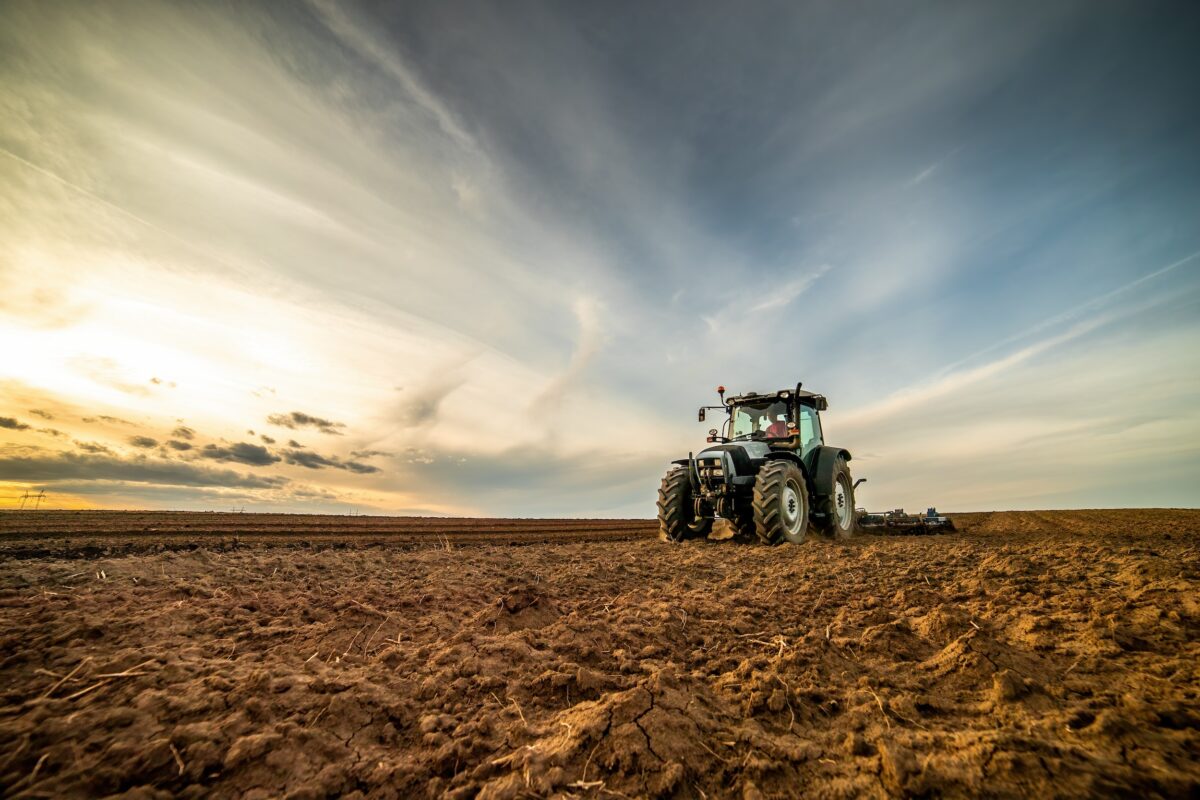
Every successful small acreage operation needs to start with the right foundation: farm equipment and essential tools that make the job seamless and efficient. Whether you’re raising a few animals, growing crops for local markets, or simply managing your land for wildlife and pasture productivity, the agricultural tools you choose can make or break your venture.
The challenge is that when you’re starting out in the farming world, it’s hard to know exactly which small farm equipment and agriculture tools are genuinely essential, and what you can defer until later (or not bother with at all).
Here at Hayden Outdoors we know a thing or two about running a farm and have helped countless farmers find the ideal farmland for their venture. It’s safe to say we’ve picked up a few expert tips and tricks of the trade when it comes to identifying the best small farm equipment and agriculture essentials for your unique needs, without spending your hard-earned money on the wrong tools.
Table Of Contents
Everything You Need To Know About Buying The Best Small Farm Equipment And Tools

No one walks into the farming world an expert at the get-go. In this guide, we’ll:
- Show you key categories of small farm equipment essentials and tools you’ll actually use
- Walk through equipment price ranges so you know what you should expect to spend
- Offer decision-making advice to help you avoid costly mistakes when purchasing equipment for your small farm
- Point out where to buy quality gear (including sites you already trust)
- Tie the farming tools and gear to real usage scenarios, so you know what equipment is genuinely essential
By the time you’re done with our guide of the best small farm equipment, you should feel confident building a “must-have” essentials list that balances capability, cost, and future farm growth.
How To Ensure You’re Buying The Best Quality Equipment Essentials And Tools For Your Small Farm
When selecting the best small farm equipment for your operation, quality and longevity matter just as much as tool functionality. This is our tried-and-true advice to ensure you’re buying agricultural tools that are built to last:
- Match horsepower and capacity to your scale — Choose equipment sized for your land and tasks, rather than selecting equipment based on what you might want to do someday on your small farm. The reality is, oversized farming tools and gear break down faster, waste fuel, and underperform for light tasks.
- Prioritize modularity and attachment flexibility — If your tractor or power unit can accept multiple attachments (mowers, tillers, sprayers, forks), you get higher utility out of a single machine. Similarly, buying small farm equipment with modular, upgradeable components will be key. For example, buying a utility tractor with future hydraulics or remote valves already plumbed can help you avoid a major (and costly) retrofit later.
- Inspect build materials and structural strength — Look for reinforced steel, heavy-gauge tubing, and quality welds. Thin sheet metal or light frames might save you money on the front end, but they will fail prematurely.
- Check parts availability and support — An excellent machine is useless if you can’t get bearings, seals, belts, or dealer support near you.
- Ask for maintenance history (if used) — For used farm equipment, get records of hours, major repairs, and component replacements. You’ll also want to ask about service intervals.
- Verify warranties and service plans — Especially for engines, transmissions, and hydros, you’ll want to ensure the warranty is meaningful and covers wear on the equipment.
- Test operation under load — Try working the equipment (if possible) to see how performance holds under real strain (e.g. mowing thick grass, pushing soil, pulling).
- Consider resale and depreciation — Small farm equipment from reputable brands tends to hold resale value better. That can offset your initial investment loss later.
- Account for repair and downtime costs — Note that costs of parts and labor have risen sharply. In fact, repair costs have spiked ~41 % since 2020. You’ll have to be more intentional about which small farm equipment is genuinely essential and which is just a “nice to have.”
- Always set aside a maintenance budget — No piece of farm equipment is immune to requiring repairs. Budget wisely to account for these.
- Use peer reviews and field testing — Join regional farm forums, social media groups, and reach out to area farmers. Their field experience is invaluable when choosing the best small farm equipment for your agricultural operation.
- Ensure proper safety features — ROPS (rollover protection systems), safety shields, emergency stops, and ergonomics matter and should not be overlooked when shopping for your small farm essentials.
Using these tips, you can weed out poor-quality tools and buy your small farm essentials with confidence.
Our Best Advice For Creating A Proper Budget For Small Farm Equipment Purchases
Realistic, disciplined, and phased planning is essential to putting together a budget for the small farm tools you need to acquire for your agricultural operation. As experts well-acquainted with the world of small farm operations, this is our best advice:
- Start with a “core essentials list,” then add incrementally —Identify the essential equipment you can’t do without (tractor, sprayer, mower, etc.). Budget for those first, and reserve “nice to have” items for later.
- Apply the 60/30/10 rule — Allocate approximately 60 % of your budget to power units (tractors, ATVs), 30 % to attachments and implements, and 10 % for hand tools, consumables, and safety gear.
- Normalize costs per acre (or per unit) — Use benchmarks like machinery cost per acre to compare options. For example, average crop machinery cost in 2023 was approximately $185.61 per acre for corn. If your farm is 10 acres, that suggests a rough expectation of $1,800–$2,500 in equipment cost scaled to your tasks.
- Factor in repair, maintenance, and downtime reserve — Plan to spend 8–15 % of your farm capital cost annually on parts, labor, equipment replacement components, and emergency repairs.
- Budget for fuel, insurance, and consumables — These “hidden” recurring costs can add up. Include fuel, tires, lubricants, belts, filters, and insurance in your first-year estimates.
- Use financing or leasing strategically — Leasing or renting for seldom-used small farm equipment may make sense. Compare the total cost over time to determine if ownership of your farming tools is the best route for your agricultural operation.
- Include delivery, setup, and training costs — New machines might require transport, calibration, or operator training. Don’t assume sticker price includes everything.
- Stagger large purchases over years — Avoid buying everything at once. Over years 1–3, you can phase in additions as your operation grows and income stabilizes.
- Use salvage or used gear wisely — Good used attachments or machines can shave 20–50 % off cost—but only if they’re in good condition with parts available.
- Leave a “contingency buffer” (10–20 %) — Unexpected needs or opportunities will arise; having flexibility helps avoid underinvestment in the best equipment for your small farm.
- Review and adjust annually — Reassess your equipment needs and budget each season, particularly as you scale your small farm. Use actual usage data to guide future purchases.
With methodical budgeting, you won’t be overwhelmed by sticker shock, and you’ll avoid overextending yourself financially.
When sourcing the best small farm equipment, you’re looking for the sweet spot of reliability, good pricing, and dependable service. These are our recommended channels for sourcing high quality farming tools:
- Hayden Outdoors equipment — Here at Hayden Outdoors, we make it our business to connect sellers to buyers, so they can find the best small farm equipment for their agricultural operations. You can browse all equipment currently available, and if you’re a seller, this is a great way to get in front of interested buyers.
- Authorized dealers of major brands — Brands like John Deere often have local dealerships with service, parts, and demos.
- Farm equipment co-ops or cooperatives — In some areas, co-ops allow small farmers to pool buying power or rent machinery at lower cost than if they had to purchase the equipment outright.
- Local repair shops and fabricators — Some rural machine shops or welders may build or customize farming equipment that larger manufacturers don’t carry.
When buying essential tools for your small farm, always inspect in person (if possible), evaluate wear, ask for maintenance logs, and ensure transport is feasible. It’s better to buy a bit more slowly and carefully than to end up with equipment that doesn’t meet your performance and quality needs.
Browse Equipment For Your Small Farm
At Hayden Outdoors, we know no two small farms are the same, and neither are your equipment needs. We’ve broken out our list of the best small farm equipment by use and function, so you can browse based on your specific agricultural necessities. Jump down to whichever section matches what you’re looking for.
Below we break down each small farm and agricultural tool by function. Under each tool heading, you’ll find:
- What it does
- Why you might need it
- What to look for
- Price ranges (low-to-high)
- Tips, trade-offs, and scenario-based advice
Because your agricultural operation likely will evolve over time, you won’t need everything on day one, but you can use this equipment essentials list as a guide for your growing small farm.
Farming Tools For Ground Preparation And Soil Work

1. Compact / Utility Tractor (25–60 HP scale)
Why this small farm equipment made the list: A tractor is the workhorse of any small farm and by far one of the most important and essential pieces of equipment. It moves attachments, hauls loads, powers implements, and gives you leverage for heavy tasks. It’s the backbone of your farm essentials lineup.
What to look for:
- 4WD or at least strong front-end capability
- Rear 3‑point hitch (Category 1 or 2 depending on size)
- PTO (540 rpm standard)
- Hydraulic remotes
- Comfortable operator station (ROPS, seat, ergonomics)
- Serviceability and parts availability
Equipment Price range:
- Entry-level new (around 25–35 HP): $18,000 – $35,000
- Mid-tier utility (35–60 HP): $30,000 – $55,000
- Used or older models: $10,000 – $25,000 (but condition matters)
Tractor cost can take up a large part of your small farm equipment budget, so be sure you pick one you won’t outgrow too quickly.
Browse Tractors
2. Rotary Tillers, Cultivators, And Disk Harrows
Why this small farm equipment made the list: After primary tillage, you’ll need to break clumps, mix soil, level seedbeds, or stir in compost and amendments. Implements like rotary tillers or disk harrows attach to your tractor for this work.
What to look for:
- Matching width to tractor HP
- Sturdy gearboxes and blades
- Adjustable depth
- Quick-attach hitch compatibility
Equipment Price range:
- Smaller 4–5 ft tillers: $1,500 – $4,000
- Mid-size disk harrows (6–8 ft): $3,000 – $8,000
- Larger heavy-duty versions: $8,000+
These farming tools are essential for getting your soil ready and maintaining tilled areas.
3. Plow, Chisel Plow, And Subsoiler
Why this small farm equipment made the list: For breaking deep compaction, turning under crop residue, or opening subsoils, a plow or chisel plow is an ideal piece of small farm equipment. It’s often used in rotation or weed control. Many small regenerative farms may skip a full moldboard plow in favor of shallower, lighter tools, but it remains a utility option.
What to look for:
- Appropriate depth capability
- Robust shank and frame design
- Replaceable points/shields
Equipment Price range:
- Simple single-shank subsoilers: $1,500 – $4,000
- Multi-shank chisel plows: $5,000 – $12,000
- Use this only when compaction or residue demands it. It’s a heavy-duty tool, not a daily driver.
Farming Tools For Planting And Seeding

4. Seeder, Planter, And Grain Drill
Why this small farm equipment made the list: Precision planting ensures good germination, seed spacing, and reduces waste. Seeders and drills help you plant grains, cover crops, grass seed, or cash crops efficiently.
What to look for:
- Metering accuracy
- Row or broadcast compatibility
- Seed depth control
- Ease of calibration
- Compatibility with your tractor’s drive
Equipment Price range:
- Small garden-style drop seeders: $500 – $2,000
- Pneumatic or row crop planters: $5,000 – $15,000
- Larger drills for cover crops: $15,000+
A good seeder will pay for itself over repeated seasons, which is why it has made our list of the best small farm equipment.
5. Fertilizer And Lime Spreader
Why this small farm equipment made the list: Applying fertilizer or lime evenly and accurately is crucial for healthy soil and yield. Hand broadcasting is tedious and inconsistent on anything beyond very small plots.
What to look for:
- Even spread width
- Adjustable rate settings
- Durable metering plates
- Hopper capacity
Equipment Price range:
- ATV or small pull-behind spreader: $400 – $1,500
- Tractor-mounted models (100–500 gal): $2,000 – $8,000+
- Apply only when soil tests indicate need; you don’t over-fertilize.
Farming Tools For Mowing, Clearing, And Pasture Maintenance
6. Finish Mower/Rotary Cutter
Why this small farm equipment made the list: To maintain pastures, fence lines, and buffer zones, a rotary cutter or finish mower is an indispensable farm essential. It keeps grass and brush under control.
What to look for:
- Cut width matching tractor HP
- Gearbox durability
- Anti-scalp wheels
- Replaceable blades
Equipment Price range:
- 5 ft “bush hog” style: $2,000 – $5,000
- 7–10 ft heavy duty: $5,000 – $12,000
If your acreage has rough fields or brushy zones, this will be one of your most-used implements.
7. Flail Mower Or Brush Mower
Why this small farm equipment made the list: For heavier vegetation, small trees, or woody brush, a more robust mower option (flail or brush model) may be justified. These are ideal in clearing abandonment zones or reclaiming fields.
What to look for:
- Hefty frame
- Robust rotor design
- Safety shielding
- Hydraulic assist (if available)
Equipment Price range: $8,000 – $20,000 depending on width and power rating.
Farming Tools For Hay And Feed Handling
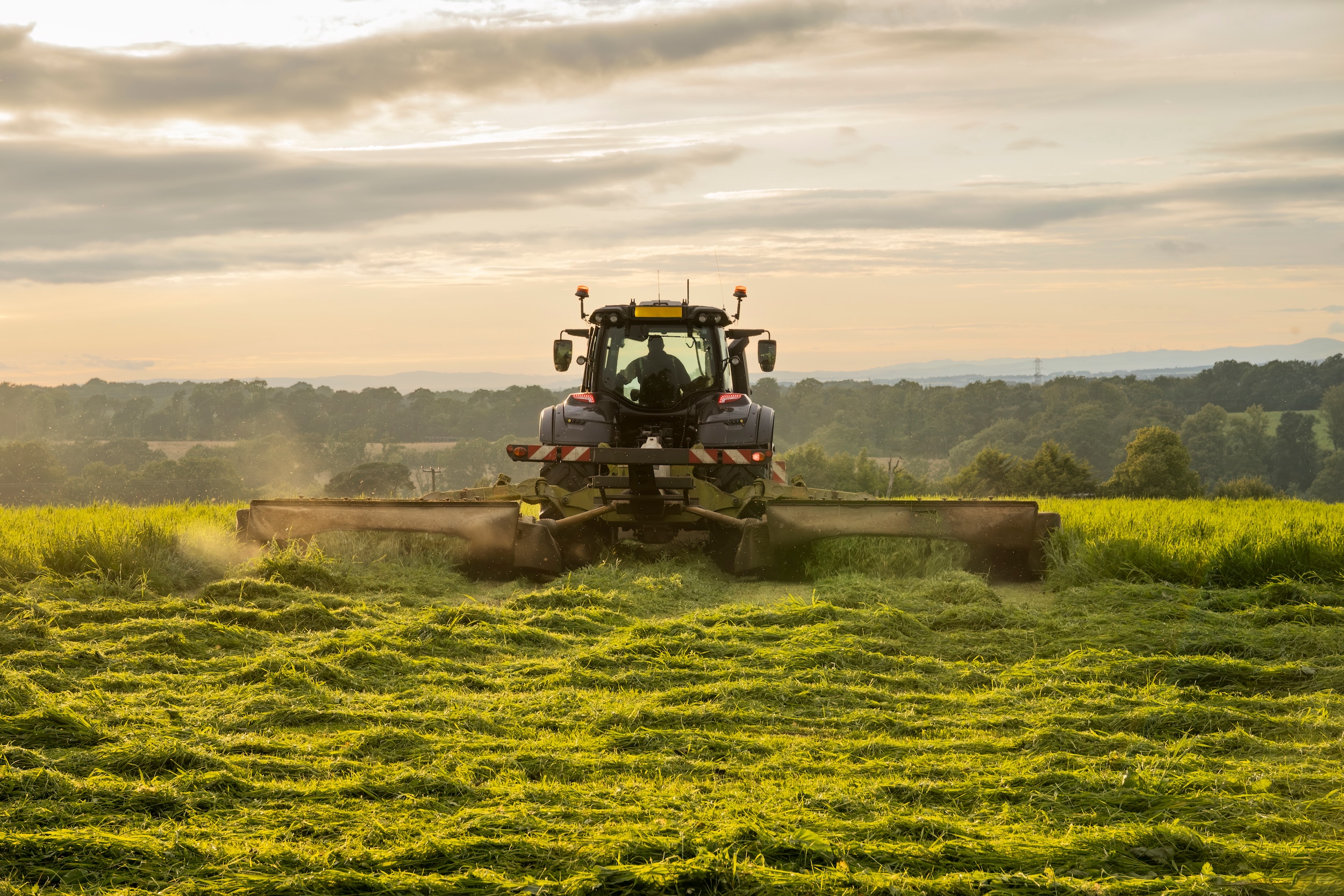
8. Hay Mower, Disc Mower, And Sickle Bar Mower
Why this small farm equipment made the list: If you plan to harvest hay or forage, mowing is the first step. The type of mower (disc, sickle, drum) depends on your terrain, acres, and desired speed.
What to look for:
- Cut width vs throughput
- Durability in rough terrain
- Maintenance of blades
- Compatibility with tractor PTO
Equipment Price range:
- Small disc/sickle bar (5–7 ft): $4,000 – $10,000
- Mid-sized (>8 ft): $10,000 – $25,000+
A quality hay mower extends the life of your stand and reduces losses.
9. Rake, Tedder, And Conditioner
Why this small farm equipment made the list: After mowing, you’ll need to windrow, fluff, or cure the forage. Rakes and tedders speed drying and reduce spoilage.
What to look for:
- Gentle handling of forage
- Adjustability
- Reliable linkages
Equipment Price range:
- Small side-delivery rakes: $2,000 – $6,000
- Rotary tedders or larger wheel rakes: $5,000 – $15,000+
This farm equipment is optional when you’re first starting out your small farm, especially if you bale only a few acres.
10. Bale Wagon, Round Baler, And Square Baler
Why this small farm equipment made the list: To compress hay into transportable and storable forms, balers are essential. The shape (round or square) matters for your handling preference and storage setup.
What to look for:
- Bale density and tie system (twine, net wrap)
- Windrow pickup width
- Conditioners (for forage crops)
- Mechanism reliability
Equipment Price range:
- Small square balers (e.g. 30×30): $4,000 – $12,000 used
- Round balers: $10,000 – $35,000+ depending on features
- Large chamber square balers: $30,000+
If hay volume on your small farm is low, you might rent baling services initially, rather than buying this equipment at the get-go.
Browse Hay Equipment & Bailers
Farming Tools For Livestock And Animal Handling
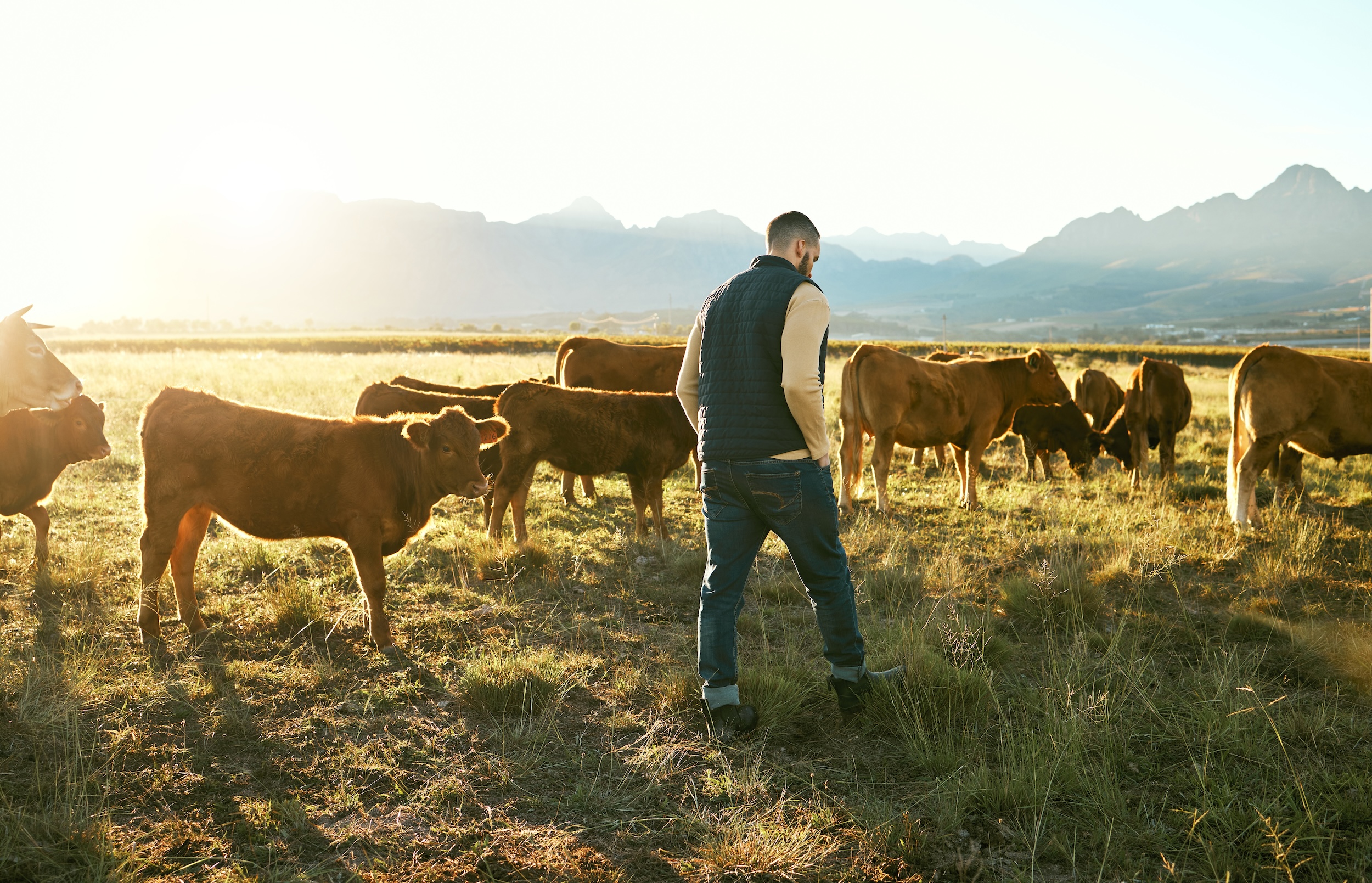
11. Post Driver And Post Hole Auger
Why this small farm equipment made the list: Strong, lasting fence lines are crucial for boundary control, rotational grazing, and predator control. Post drivers or augers allow you to install fence posts efficiently.
What to look for:
- Compatibility with your power unit
- Depth capability
- Quick-change bits
Equipment Price range:
- ATV-mounted/3-point augers: $1,000 – $4,000
- Hydraulic post drivers (heavy-duty): $5,000 – $15,000
Good fencing pays long-term in pasture integrity and animal control.
12. Livestock Handling And Corral Systems
Why this small farm equipment made the list: Efficient livestock operations require safe, functional corral systems for sorting, weighing, vaccinating, and loading/unloading animals.
What to look for:
- Modular and expandable panels
- Solid gates, latches, and walkways
- Integrated alley systems (if possible)
- Portability (if rotational grazing)
Equipment Price range: $3,000 – $20,000+ depending on scale
Often best built over time—start with basic panels and gradually upgrade.
Farming Tools For Transport And Hauling
13. Ranch Truck Or Utility Pickup

Why this small farm equipment made the list: For hauling feed, equipment, materials, and towing trailers, a pickup truck is invaluable. Choose a truck suited to rough roads and heavy loads.
What to look for:
- Payload and towing capacity
- Off-road suspension
- Bed length and durability
- Reliable drivetrain
Equipment Price range:
- Used ¾‑ton trucks: $20,000 – $50,000
- New mid-level pickups: $35,000 – $70,000+
- A truck is often your mobile base—don’t skimp too much here.
Browse Work Trucks & Commercial Vehicles
14. Utility ATV Or UTV (Side-by-Side)
Why this small farm equipment made the list: For quick access, farm chores, moving small loads, or reaching remote fence lines, a UTV is extremely handy. It bridges the gap between power machinery and foot traffic.
What to look for:
- Load bed capacity
- Four-wheel drive and clearance
- Durability and suspension
- Accessories (winch, racks, plow mounts)
Equipment Price range:
- Entry-level models: $8,000 – $15,000
- Mid-tier: $15,000 – $25,000
- Premium: $25,000+
ATVs often more cost-effective than a second “tractor” for lighter farm tasks.
Farming Tools For Irrigation, Spraying, And Soil Care
15. Boom Sprayer Or Field Sprayer

Why this small farm equipment made the list: To apply herbicides, pesticides, foliar fertilizers, or cover-crop suppression, a reliable sprayer is critical. It must deliver uniform coverage safely.
What to look for:
- Boom width and nozzle spacing
- Pressure control and pump type
- Tank capacity
- Agitation and plumbing quality
Equipment Price range:
- ATV or pull-behind sprayers: $800 – $5,000
- Tractor-mounted booms (30–60 ft): $5,000 – $20,000+
Start with a modest sprayer and scale boom width as acreage demands increase on your small farm.
16. Irrigation Equipment (Pivots, Basic Drip, Sprinkler Systems)
Why this small farm equipment made the list: If your small farm is in a more arid region, irrigation equipment may be necessary. A simple drip or sprinkler system can dramatically increase yield stability.
What to look for:
- Durability
- Ease of maintenance
- Water flow and coverage
- Pumps, filtration, control systems
Equipment Price range: There’s a wide variation in price for this specific type of small farm equipment, from a few thousand for drip kits to tens of thousands for pivot systems.
Don’t overbuild; start with the minimal “essential” system that meets your needs and expand as you scale your small farm operation.
17. Welding And Fabrication Setup
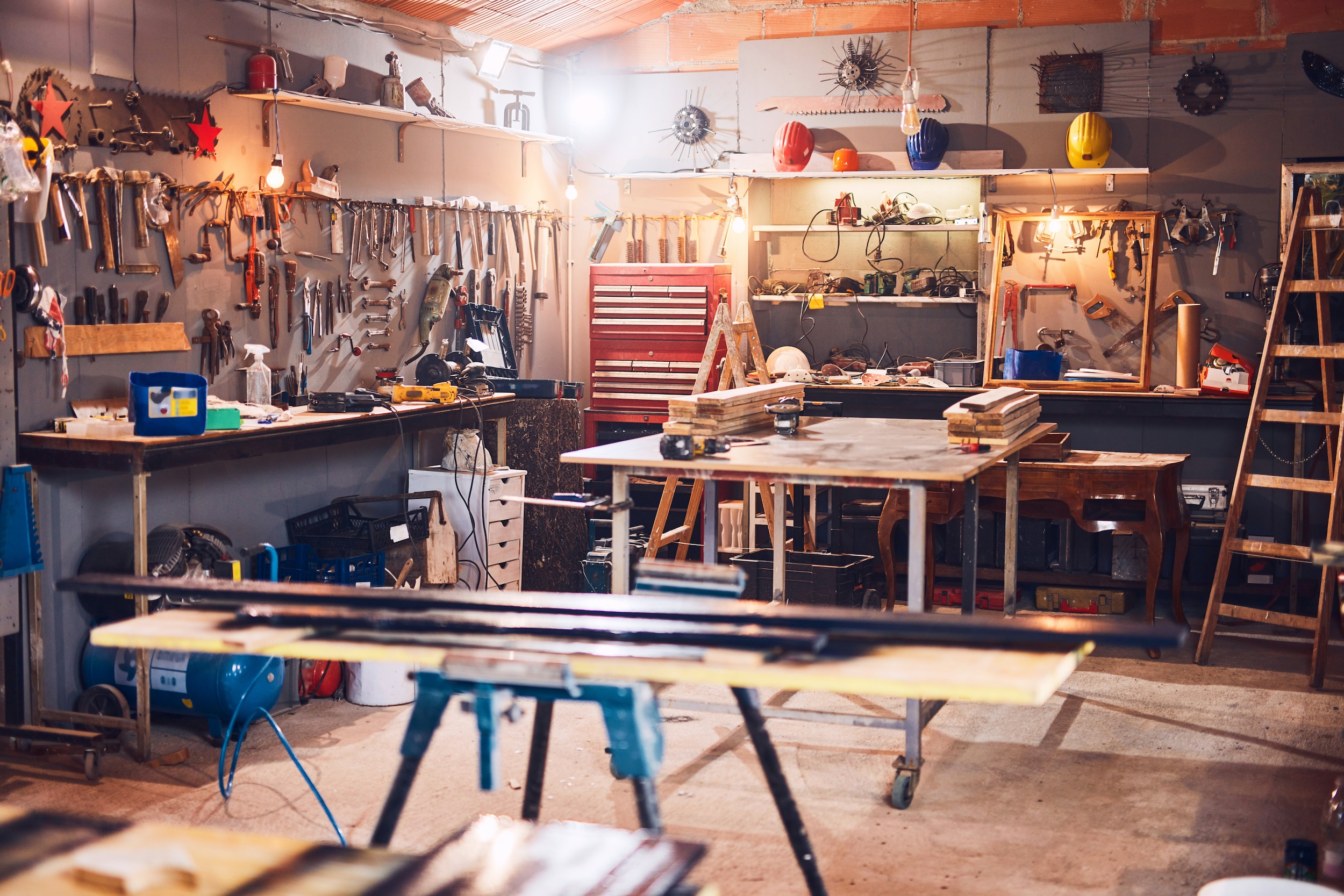
Why this small farm equipment made the list: On-farm repairs, custom brackets, or adapting implements requires a solid welding and fabrication setup.
What to look for:
- MIG or TIG machine
- Plasma/oxy set
- Grinder, drill press, bandsaw
- Vise, workbench
Equipment Price range: $2,000 – $8,000+ depending on quality and capability
This is your small farm’s “insurance policy” for downtime; much of it will pay for itself.
18. Tool Kits And Hand Tool Assortments
Why this small farm equipment made the list: Wrenches, sockets, hammers, screwdrivers, torque wrenches, pliers, files, pry bars—this equipment forms the backbone of daily repairs for any small farm operation.
What to look for:
- Durable tool sets (brand-backed)
- Metric + SAE mix
- Organized storage (rolling cabinets)
Equipment Price range: $300 – $2,000 depending on quality and coverage
Don’t skimp here. Cheap farming tools break, cost you time, and carry hidden frustrations.
19. Lifting And Hoisting Equipment (Hoists, Jacks, Chain Falls)
Why this small farm equipment made the list: To service tractors, remove engines, lift implements or heavy parts.
What to look for:
- Rated capacities
- Safety features
- Portability
Price range: $200 – $2,000+
Essential for confident maintenance work.
We’re Sharing The Secrets To Making Your Small Acreage Farm A Success

Building a well-functioning small farm doesn’t have to be complicated, and our experts at Hayden Outdoors are here to make sure it isn’t. If you’re still looking for that perfect plot of land to bring to life your small farm dream, we’ve curated a collection of some of the best. We’ve also shared our tried-and-true advice on financing your first farm.
As you continue your research to find the best small farm equipment for your agricultural endeavors, you’ll want to make sure you bookmark our guide to finding hidden gems at farming tool auctions. Who knows? You may just find your diamond in the rough for sale on Hayden Outdoors.
Find The Best Equipment For Your Small Farm
Finding Hidden Gems at Online Farm Equipment Auctions

Farm equipment auctions have evolved significantly in recent years. There is no longer a need to drive hours to remote auction yards or spend entire days inspecting machines in person. Today, you can bid on tractors and equipment right from your kitchen table. With a good understanding of how online auction sites work, it’s possible to score great deals from anywhere in the country. You just need to know how the bidding process works, and do a bit of homework.
Understanding Online Farm Equipment Auction Platforms
Hayden Outdoors offers one of the top online equipment auction platforms in the industry. Our website is user-friendly, features a wide-variety of equipment types, and ensures both buyers and sellers are verified for a secure experience. What sets Hayden Outdoors apart is our exclusive focus on farm and outdoor equipment. It is what we know best, and our expertise shows in detailed listings and high-quality photos.
“Understanding how each auction platform evaluates equipment and conducts condition tests is essential for accurately assessing the machinery,” adds Hayden Outdoors expert Jack Johnson. “While some sites may or may not offer in-person viewing, many have trained representatives inspect the equipment before it’s listed. For example, an employee might perform a series of functionality tests on certain components to verify that everything is functioning properly. They may also allow buyers to contact sellers directly to ask questions or arrange in-person inspections. Before bidding, it’s important to know what each platform evaluates on your behalf, as well as what options you have for viewing the equipment or communicating with the seller to determine if it’s the right fit for your needs.”
Auction Formats and Fees
Hayden Outdoors’s platform runs on a timed auction format. Similar to eBay, these auctions are open for several days or weeks, giving you time to evaluate listings, asks questions, and plan your bids. Live auctions, on the other hand, take place in real time with an auctioneer conducting the sale via livestream. These events are fast-paced and exciting, but require quicker decision-making.
Before you bid, make sure you understand the fee structure. Most auction platforms charge a buyer’s premium, typically between 5% and 15% of the final bid price. Some also apply a 2-3% fee for credit card payments. On high-dollar equipment, those percentages can add up quickly, so it’s smart to factor them into your budget ahead of time.
With Hayden Outdoors’ equipment auctions, there are no buyer’s premiums. Buyers and sellers handle payment arrangements directly with each other, similar to how Facebook Marketplace operates, which keeps transactions simple. Our platform is designed to connect serious buyers with quality equipment, without unnecessary middlemen, or unnecessary fees.
Pre-Auction Digital Research
Hunting for used farm equipment for sale starts with smart online research. Most auction platforms allow you to filter listings by equipment type, brand, model, year, location, and price range. One of the most effective strategies is setting up saved searches that alert you by email when new equipment is listed that matches your criteria.
Read each listing thoroughly. Make sure the equipment truly fits your needs – it’s easy to get excited about a great price on something that isn’t practical for your operation. Pay close attention to operating hours, maintenance history, and any noted repairs. A lack of detail in the listing can often be a red flag.
If a serial number is provided, use it to research the equipment’s history. Some platforms offer basic ownership and usage recodes, while third-party services can provide deeper insights into past owners or known issues with the machines. Taking time to dig into this information can help avoid costly surprises.
Finally, review all auction terms and policies before bidding on a piece of equipment. Look closely at the pickup windows, because some auctions make require you to retrieve your equipment within 24-48 hours, while others will allow more flexibility. Understand any buyer’s premiums, accepted payment methods, and whether returns are allowed. With Hayden Outdoors, buyers and sellers set their own pickup schedules, choose their preferred payment methods, and agree on the terms directly – offering a more flexible and personalized experience. Being informed upfront helps ensure a smoother auction process.
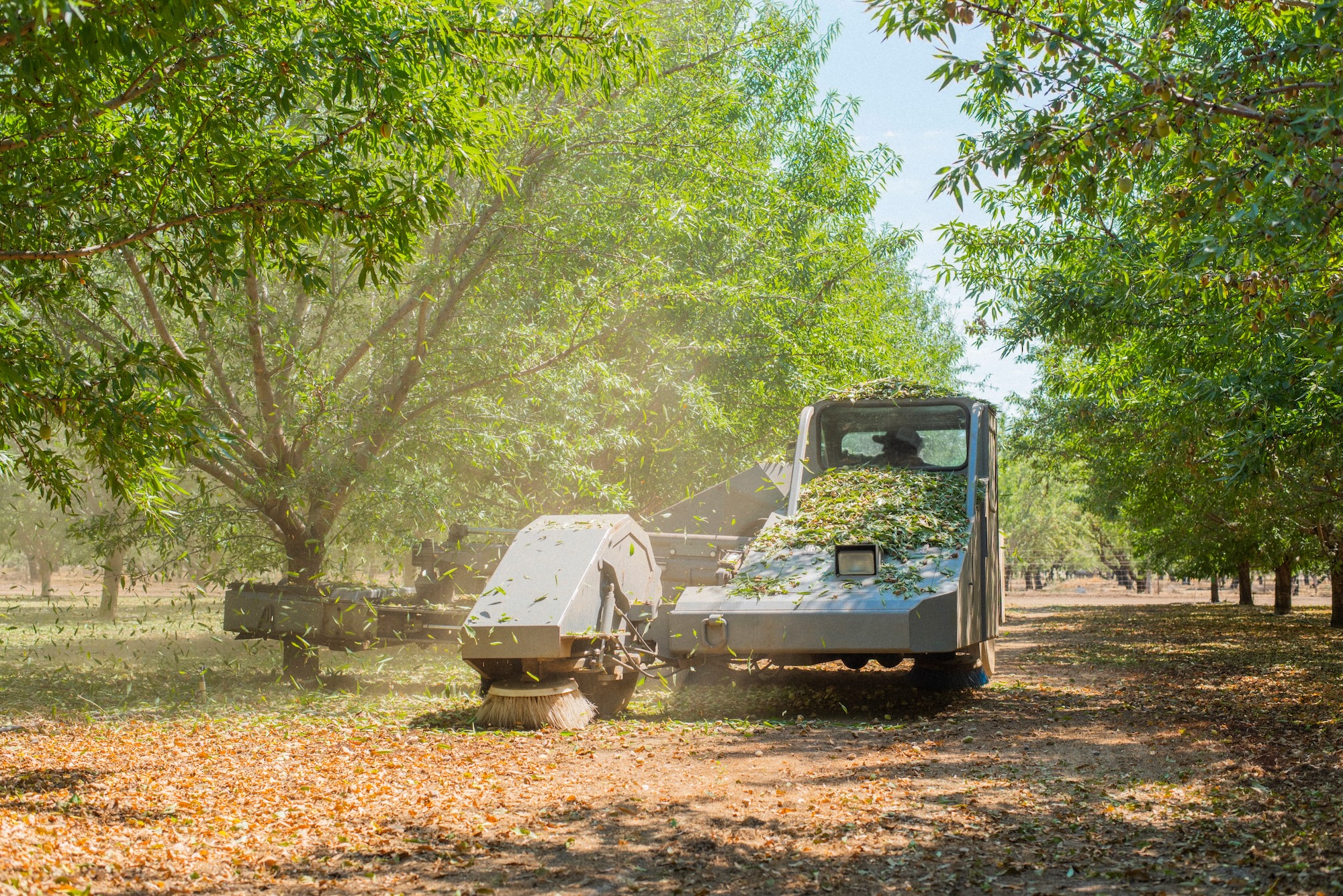
Virtual Equipment Assessment
Looking at equipment photos online is a skill worth developing. Begin with overall shots to assess the general condition. Equipment stored indoors or under cover is typically in better shape than items left outside. Pay attention for rust patterns – some surface rust is normal, but heavy rust in unusual areas can be a signal of potential problems.
Watch out for red flags in the equipment description. Vague phrases like “field ready” or “good condition” without supporting details should raise suspicion. Be cautious is key information – such as operating hours, maintenance records, or known issues – is missing, as this often suggests the seller may be hiding something. Also, take note of listings with only a few photos; limited images can be a sign that the seller doesn’t want to show the equipment’s true condition.
Ask the seller for addition photos or videos if you need them. Reputable sellers will readily provide extra images or footage of the equipment in operation. If a seller refuses to share reasonable visuals or becomes evasive about the equipment’s condition, treat it as a signal to ask more questions prior to bidding and to proceed with caution.
Determining Value Without Physical Inspection
Use online resources to determine what the equipment is worth. Websites like Tractor House and Machinery Trader list current offerings and recent sales, giving you a solid starting point for valuation. Be sure to check multiple sources, as prices can vary significantly by region.
Maintenance records are crucial when buying equipment online. Complete service histories indicate that the owner has taken good care of the maintenance. Look for evidence of regular oil changes, filter replacements, and scheduled maintenance. Purchasing equipment without any maintenance records carries a much higher risk.
Always bid below what you believe the equipment is worth to account for potential issues that you are unable to see. For older equipment, this “safety buffer” might mean bidding 20-30% under the estimated value. For newer, well-documented equipment, a buffer of around 10-15% is usually sufficient.
Online Bidding Strategy
You can choose between automatic bidding and live bidding. With automatic bidding, you set your maximum price, and the system bids on your behalf up to that amount. This helps prevent emotional overspending, though you might miss the chance to win for less. Live bidding gives you full control in real time but also increases the risk of overbidding if you get caught up in the excitement.
If you’re following multiple auctions, keep track of end times and your maximum bids for each. Use a spreadsheet or the auction site’s built-in tools to stay organized. Avoid bidding on too many similar items, or you might end up winning more than you need. It’s surprisingly easy to overbid at an agricultural equipment auction from home because comfort and privacy can lower your guard. Set strict limits ahead of time, and stick to them no matter what happens during the auction.

Post-Purchase Logistics
Plan your pickup or delivery before placing a bid. Confirm when the equipment will be available, how to access the pickup location, and the exact pickup times. Some locations have limited hours or require appointments. With Hayden Outdoors’ equipment auctions, payment and transportation are arranged directly between buyer and seller, giving you flexibility to work out what’s most convenient for both parties. For security, use trusted payment methods and keep clear records of the transaction. If the equipment doesn’t match the description, document any issues immediately with photos.
Conclusion
Online farm equipment auctions have transformed the way we buy machinery, giving buyers access to equipment from across the country without the need to travel. Success comes from developing the skills to evaluate online and bid strategically. Farmers and dealers who master these techniques gain a significant edge in finding quality equipment at competitive prices. The great deals are out there – you just need to know where to look and how to bid wisely.
How to Prepare to Sell Farm Equipment in an Online Auction
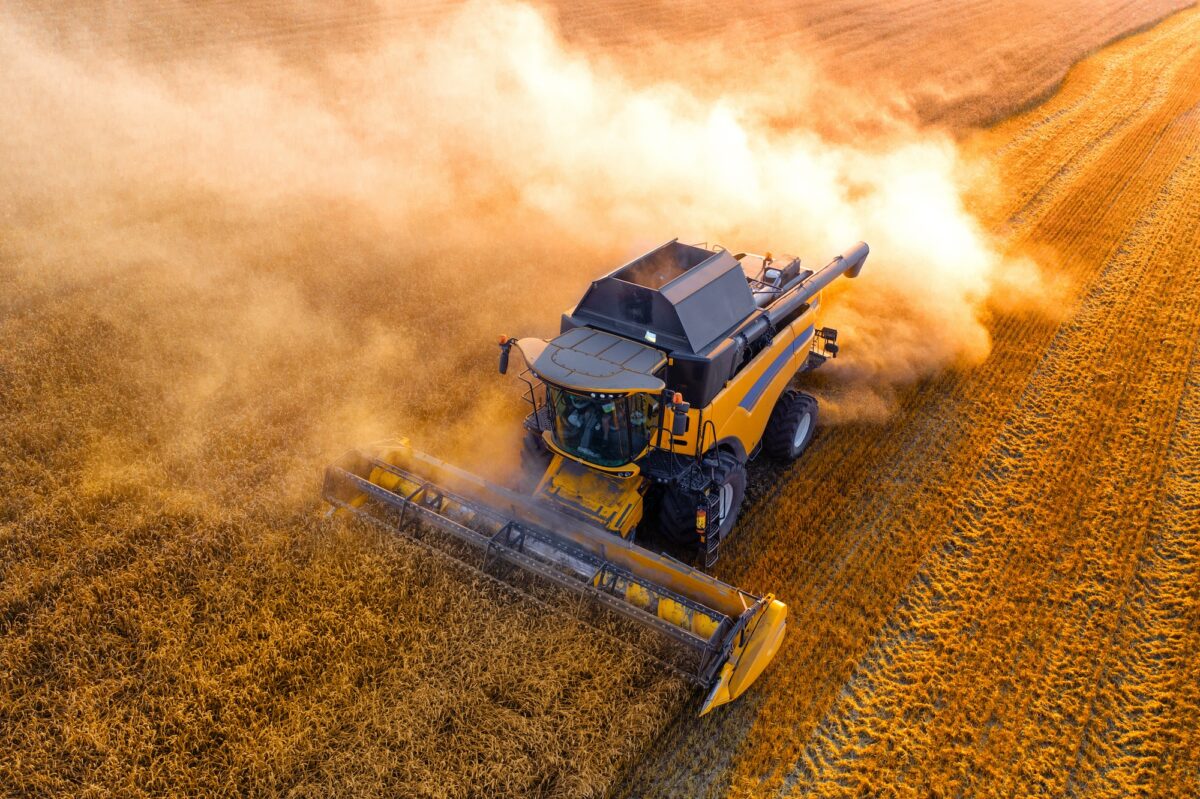
The agricultural equipment market has experienced a dramatic shift toward digital platforms in recent years. Online farm equipment auctions have surged in popularity, transforming how farmers and equipment dealers sell farm equipment. This digital revolution has opened doors that traditional on-site auctions simply couldn’t provide. So how do you prepare to sell your farm equipment online?
Selling farm equipment online offers compelling advantages over conventional methods. The most significant benefit is access to a vastly expanded audience. Your tractor or combine harvester can now attract bidders from across the country rather than just local buyers. The convenience factor cannot be overstated either. Buyers can participate from their kitchen table, and sellers can reach motivated purchasers without organizing a physical auction.
However, simply listing your machinery in an online auction doesn’t guarantee success. The digital marketplace is highly competitive, and buyers have countless options at their fingertips. Good preparation is the key difference between equipment that sells for a high price and machinery that gets low bids.
Evaluate Your Equipment’s Condition
Before any cleaning or repairs begin, conduct a comprehensive assessment of your equipment’s current state. This evaluation serves as the foundation for all subsequent preparation decisions and helps establish realistic expectations for the sale.
Start with a systematic inspection, examining each major system and component. For tractors, this means testing the engine, transmission, hydraulics, electrical systems, and power take-off. Check implements for structural integrity, wear on cutting edges or working surfaces, and proper operation of adjustment mechanisms. Document everything you find, including both positive attributes and areas of concern.
The critical decision point comes in determining what merits repair versus what should be sold as-is. This calculation involves more than just the cost of parts and labor. Consider how much time you will spend on repairs:
- Will the repairs actually increase the selling price?
- Is the equipment’s value high enough to justify the cost?
A $500 hydraulic repair on a $15,000 tractor might be worthwhile, but the same repair on a $3,000 piece of equipment probably isn’t.
Calculate the potential return on investment for each repair by researching similar equipment sales. If addressing a specific issue could increase your selling price by $2,000, and the repair costs $800, the math is straightforward. Be realistic about how much buyers will pay for a repaired item. They may prefer a lower price for equipment with known issues.

Clean and Detail Everything
First impressions matter tremendously in online auctions, where buyers must rely entirely on photographs to assess equipment condition. A thorough cleaning can literally add thousands of dollars to your final sale price.
Power washing represents the most effective starting point for most farm equipment. Use a pressure washer with appropriate PSI settings – typically 2,000 to 3,000 PSI for most agricultural machinery. Pay special attention to areas where grease, mud, and crop residue accumulate.
However, exercise caution around electrical components, air intake systems, and bearings. Cover or avoid these sensitive areas, or use lower pressure settings and appropriate cleaning solutions.
The operator area deserves special attention, as this is where buyers will imagine themselves working. Clean and condition seats, replace torn upholstery if cost-effective, and ensure all controls operate smoothly. Clear windows and mirrors, and make sure lighting systems function properly. A clean, well-maintained cab suggests careful overall maintenance to potential buyers.
Rust and corrosion issues require strategic handling. Address surface rust with wire brushing followed by touch-up paint, dramatically improving the equipment’s appearance. However, disclose structural rust or corrosion in critical areas honestly rather than simply painted over. Buyers appreciate transparency, and attempting to hide serious corrosion issues will backfire when discovered.
Make Strategic Repairs
Not all repairs are created equal when preparing equipment for auction. Focus your efforts and budget on improvements that enhance functionality and safety rather than purely cosmetic issues.
Prioritize repairs that affect the equipment’s core function. A combine harvester with a broken header or a tractor with hydraulic issues will face strong buyer resistance, no matter how good they look. These functional issues often cost more to address than their impact on selling price, making them worthwhile investments.
Safety concerns must take absolute priority, both from an ethical standpoint and a legal liability perspective. Faulty brakes, weak roll-over protection, and damaged safety shields can cause serious issues. These problems can arise if an accident occurs after the sale. Address these issues regardless of cost, or clearly disclose them if repairs aren’t feasible.
Document every repair and maintenance action you undertake during preparation. Take before and after photos, save receipts for parts and services, and maintain detailed records of work performed. This documentation becomes valuable marketing material that demonstrates the care and investment you’ve made in the equipment.
Gather Documentation
Comprehensive documentation can significantly enhance buyer confidence and justify higher selling prices. Organized records suggest careful maintenance and help buyers understand exactly what they’re purchasing.
Maintenance records and service history provide the clearest picture of how well you’ve cared for the equipment. Include routine maintenance records, major repairs, and any warranty work performed. If you’ve been diligent about record-keeping, this documentation can be one of your strongest selling points. Even incomplete records are better than none – they show some level of attention to maintenance.
Operating manuals and warranty information add tangible value to your listing. Many buyers will pay extra for equipment that comes with original documents. This is especially true for complex machines with many features and settings. If original manuals are missing, consider downloading digital copies from manufacturer websites to include with the sale.
Receipts for major repairs or upgrades deserve special emphasis in your documentation package. A $5,000 engine rebuild or a recent technology upgrade is more valuable to buyers. This holds especially true with detailed receipts. These receipts show the work done and its quality.
Take High-Quality Photos
Photography can make or break an online equipment auction. Buyers can’t come see the machinery in person. Your photos need to clearly show its condition and capabilities.
Capture equipment from multiple angles, ensuring buyers can see all sides and major components. Include wide shots that show the overall machine, as well as closer photos of specific systems and features. Take equipment photos in good light. Natural daylight usually gives the best results, because it helps avoid harsh shadows and bright spots.
Close-up shots of important features help buyers assess condition and functionality. Make sure to photograph items that show wear, like tires, cutting edges, and belts. Show control panels, instrument clusters, and any technology features.
Action shots of equipment in use can be quite compelling. However, only try this when it is safe to do so. A video of equipment operating smoothly provides powerful proof of functionality that static photos cannot match.
Write Detailed Descriptions
Your written description works with photos to give buyers the information they need. This helps them make smart bidding choices. Comprehensive, honest descriptions build trust and often result in higher final prices.
Include complete specifications and technical details. List engine specifications, horsepower ratings, transmission types, and any special features or options. Provide serial numbers, model years, and hour readings. The more specific information you provide, the more confident buyers will feel about bidding.
Honest disclosure of known issues is not just ethical – it’s smart business. Buyers appreciate transparency. They often bid higher on equipment with clear problems than on machines with hidden issues they might find later.
Describe any known mechanical problems, cosmetic damage, or missing components. Frame these disclosures positively by explaining how they affect operation and disclose needed repairs.
Highlight unique features or upgrades that set your equipment apart from similar listings. Recent technology installations, performance modifications, or additional accessories can justify premium pricing when properly presented.
Set Realistic Pricing
Pricing strategy in online auctions requires balancing multiple factors to achieve optimal results. Unlike fixed-price sales, auctions rely on competitive bidding to determine final value. However, your starting price and reserve settings significantly influence the outcome.
Research recent sales of similar equipment to establish realistic price expectations. Online platforms often provide sold listings, and auction results from major sales companies offer valuable benchmarks. Pay attention to equipment age, condition, and features when making comparisons. A 10-year difference in age or significant feature variations can dramatically affect values.
Consider seasonality and market trends when timing your auction. Planting equipment typically brings higher prices in late winter and early spring. On the other hand, harvest equipment peaks in late summer and early fall. Economic factors, commodity prices, and regional weather conditions all influence equipment demand and pricing.
Reserve prices protect you from selling below your minimum acceptable price, but set them carefully. Reserves that are too high can discourage bidding and result in failed auctions.
Think about starting with a low opening bid and a fair reserve. You can also use a higher opening bid with no reserve. This can help encourage more active bidding from the beginning.
Choose the Right Online Auction Platform
The platform you select for your equipment auction can significantly impact your results. Different auction sites cater to various market segments and offer different features and fee structures. Look for platforms that specialize in agricultural equipment and attract serious buyers in your market segment. Features to prioritize include:
- high-quality photo hosting capabilities
- detailed listing options
- mobile-friendly bidding interfaces
- strong search functionality that helps buyers find your equipment
Hayden Outdoors stands out as a top choice for farm equipment auctions. We provide a platform made just for agricultural and outdoor equipment. Our platform combines extensive reach with deep expertise in agricultural markets, attracting serious buyers who understand equipment values.

Conclusion
Success in online farm equipment auctions requires thorough preparation, honest presentation, and strategic decision-making. Putting time and effort into preparing your equipment usually pays off. You can get higher selling prices and smoother transactions.
The key lies in viewing preparation as an investment rather than an expense. Every hour spent cleaning, documenting, and photographing your equipment contributes to buyer confidence and competitive bidding. Clear and honest descriptions build trust. A professional presentation makes your equipment stand out in a busy market.
Remember that online equipment auctions are ultimately about connecting your machinery with the right buyer at the right price. Good preparation helps your equipment look its best. Take the time to do it right, choose your platform wisely, and your preparation efforts will pay dividends when the gavel falls.


 866-741-8323