×

Sign in
Sign in to save favorite properties and equipment, save your search parameters and more
Don’t have an account yet? Sign Up Now
Sign up
Already have an account? Login Now


 866-741-8323
Sign in
Sign in to save favorite properties and equipment, save your search parameters and more
Don’t have an account yet? Sign Up Now
Sign up
Already have an account? Login Now
866-741-8323
Login
Sign in
Sign in to save favorite properties and equipment, save your search parameters and more
Don’t have an account yet? Sign Up Now
Sign up
Already have an account? Login Now
Sign in
Sign in to save favorite properties and equipment, save your search parameters and more
Don’t have an account yet? Sign Up Now
Sign up
Already have an account? Login Now
 Back to Blog
/
Hunting and Fishing, Land Ownership /
Back to Blog
/
Hunting and Fishing, Land Ownership /
If you’ve been trying to figure out where to find morel mushrooms, you’ve probably noticed how elusive they can be. You can smell a good morel spot before you see it. There’s something about damp leaf litter, decaying hardwood, and the particular warmth of a forest in mid-April that carries its own kind of promise. And somewhere in that landscape, if you know what you’re looking for, morel mushrooms are waiting.
Morel mushroom foraging rewards knowledge far more than luck. The hunters who come home with full bags year after year aren’t just wandering the woods hoping for the best. They understand where morel mushrooms grow, they know where to find morels to pick in their region before the season even opens, and they can read the environmental signals that tell them conditions are right for foraging before they ever leave the truck. This guide covers all of it.
By the time you’re done reading, you’ll know the best regions and specific habitats for morel mushroom hunting, exactly where to pick morel mushrooms once you’re in the woods, when and how to time your morel mushroom foraging season, and which natural signs to watch for before heading out.
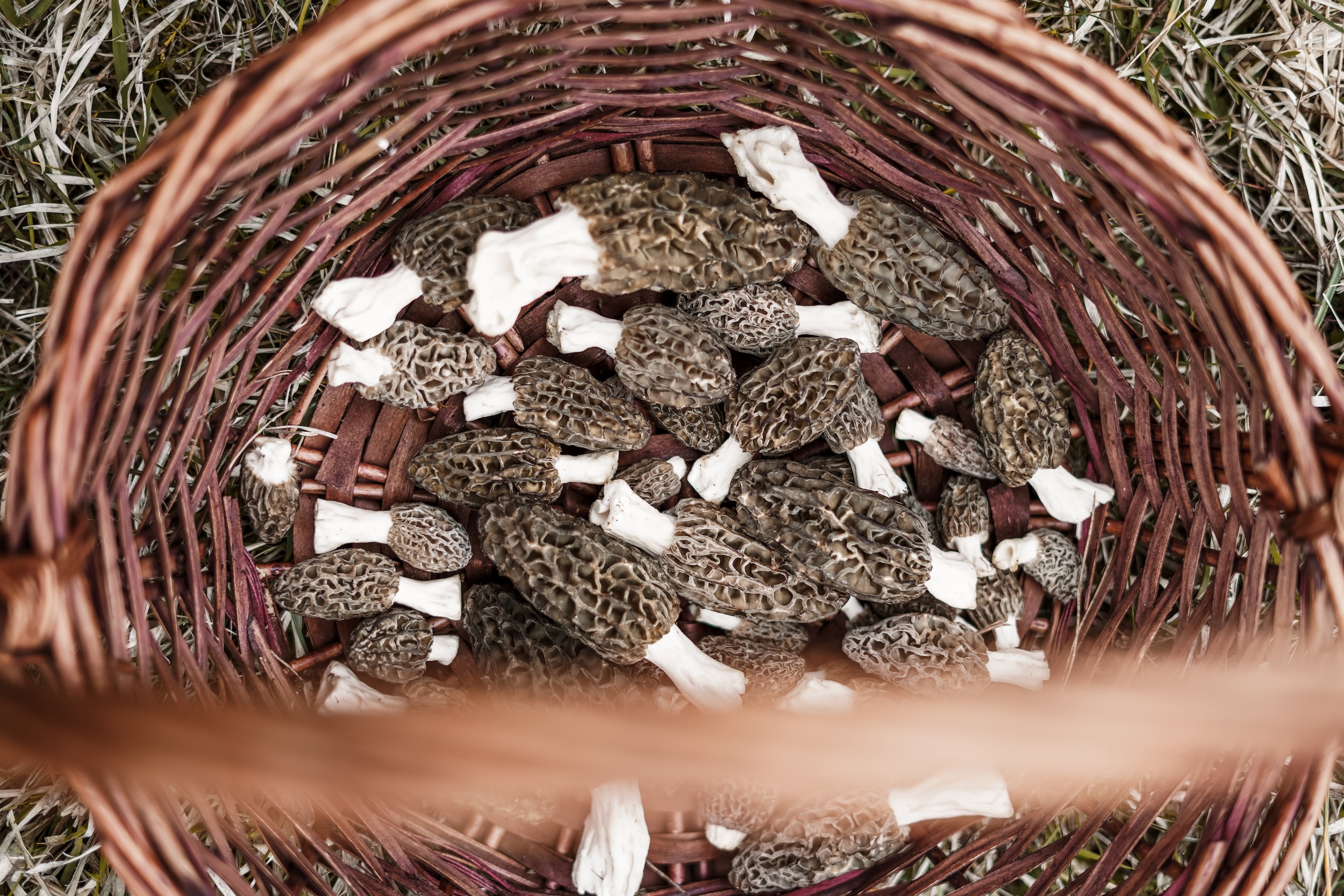
Disclaimer: This guide on where to find and pick morel mushrooms is intended for general informational purposes only and does not substitute for hands-on training with a qualified mycologist or experienced mushroom forager. Mushroom identification carries real risk, and no written guide, photo, or description should be your sole basis for eating any wild mushroom. If you’re new to morel mushroom foraging, go out with someone who has direct field experience before foraging independently. When in doubt, leave it.
Knowing where to find morel mushrooms comes down to understanding two things: which regions of North America grow them most reliably, and which specific habitats within any given forest concentrate them.
Both matter, and neither is enough on its own. Most people researching where morel mushrooms grow and where they can find them start at the regional level, and that’s the right place to begin.
Not every corner of North America grows morel mushrooms equally. Climate, soil composition, and native forest structure all play a role, and certain states have developed near-legendary reputations among mushroom foragers for good reason.
Michigan’s morel mushroom season runs from late April into mid-June, depending on location, with southern Michigan offering some of the earliest and most consistent fruiting in the state.
Michigan, Indiana, Missouri, Illinois, Ohio, and Wisconsin collectively form the heartland of morel mushroom hunting places in North America, and these states are where foragers benefit from rich loamy soils, abundant hardwood forests, and spring weather patterns that regularly deliver the warm, wet conditions morels need.
Indiana has emerged in recent seasons as one of the most productive morel mushroom foraging states in the country. Its river bottom hardwood stands deliver consistently strong results, particularly in years with adequate spring rainfall.
Missouri’s another standout, with a long-established foraging culture and public land that draws morel mushroom hunters from neighboring states every April.
For hunters wondering where to find morel mushrooms in the eastern part of the country, the Appalachian corridor deserves serious attention. West Virginia, Tennessee, Kentucky, Virginia, and Pennsylvania all offer the kind of deep, hardwood-dominant forests where morels concentrate. The hollows and creek drainages of Appalachia hold moisture well into spring and develop the organically rich, loamy soil conditions that morel mycelium prefers.
Out west, the story of where to find morel mushrooms shifts a bit. Washington, Oregon, Idaho, and Montana all produce morels, but the most celebrated morel mushroom foraging spots in the Mountain West tend to be in post-wildfire burn zones.
When fire moves through timber at moderate intensity, it creates disturbed, ashy, mineral-rich soil conditions that can trigger explosive morel mushroom flushes the following spring hunting season. First-year burns are typically the most productive. After that, as vegetation regenerates, the flush diminishes.
Cottonwood river bottoms and aspen stands in the intermountain states are also reliable targets for anyone figuring out where to find morel mushrooms in that part of the country.
Here’s what drives the difference between regions: three things have to work together. You need spring weather with adequate rainfall, loamy and well-drained soils high in organic matter, and the presence of the specific tree species that morels associate with.
Knowing which state to hunt is only the first step. Knowing where to pick morel mushrooms within a specific forest is what actually fills the foraging bag.
Within any given stand of timber, morels aren’t distributed evenly. When determining where to find morel mushrooms, keep in mind that they concentrate around specific trees and in specific soil conditions, which is why two foragers walking the same woods can have completely different results, depending on what they know to look for when foraging. Learning to identify these micro-habitats is the skill that separates consistent morel hunters from those who come home empty-handed.
The single most reliable habitat indicator for where to find morel mushrooms in the eastern United States is the presence of dying or recently dead elm trees. As an elm begins to decline, whether from Dutch elm disease or natural aging, it alters the soil chemistry around its root zone in ways that morel mycelium responds to.
Dead elms where the bark is just beginning to loosen and peel are worth approaching slowly and searching carefully. Ash trees function similarly, as do apple trees and tulip poplars. Old orchards with gnarled, declining apple trees have produced legendary morel mushroom hunting spots for generations of foragers and are worth tracking down on topographic or satellite maps before your trip.
Post-fire burn zones deserve special attention in the West. When a fire burns through timber at moderate intensity, the resulting disturbed, ashy soil triggers massive morel mushroom flushes the following spring season. The first year after a burn is typically the peak. After that, production tapers as ground cover returns. Carry fire perimeter maps or use satellite imagery from the previous summer to identify promising burn sites before the season opens.
Creek bottoms and river floodplains are consistently productive throughout the morel mushroom hunting season. These areas collect organic material, stay moist longer than adjacent hillsides, and build the loamy, well-draining soil composition that morels favor. They also warm slightly later than upland areas, which can extend your local mushroom picking window by several days after nearby slopes have already peaked.
Early in the morel mushroom hunting season, prioritize south-facing slopes when determining where to find these delicious morsels. These areas catch more direct sunlight as the spring sun angle increases and warms ahead of north-facing terrain.
When choosing where to find and pick morel mushrooms, start low and south-facing at the beginning of the season, then move progressively to north-facing slopes and higher elevations as the weeks advance. That single adjustment can add meaningful days of productive morel mushroom hunting at any given site.
Forest edges, old logging roads, and areas of mild soil disturbance are also worth checking when you’re working a property. The transition zone between timber and open land concentrates both moisture and sunlight in ways that can favor morel growth. Disturbed ground along old access roads through hardwoods is a consistent producer that a lot of foragers overlook.
The practical takeaway: When zoning in on where to find morel mushrooms, stop wandering and start mapping. Identify the target trees and habitat features before you go. Each dying elm or old apple tree is its own micro-site. Work them methodically, and you’ll understand where to find morels in your area better after one serious season than most casual hunters ever do.
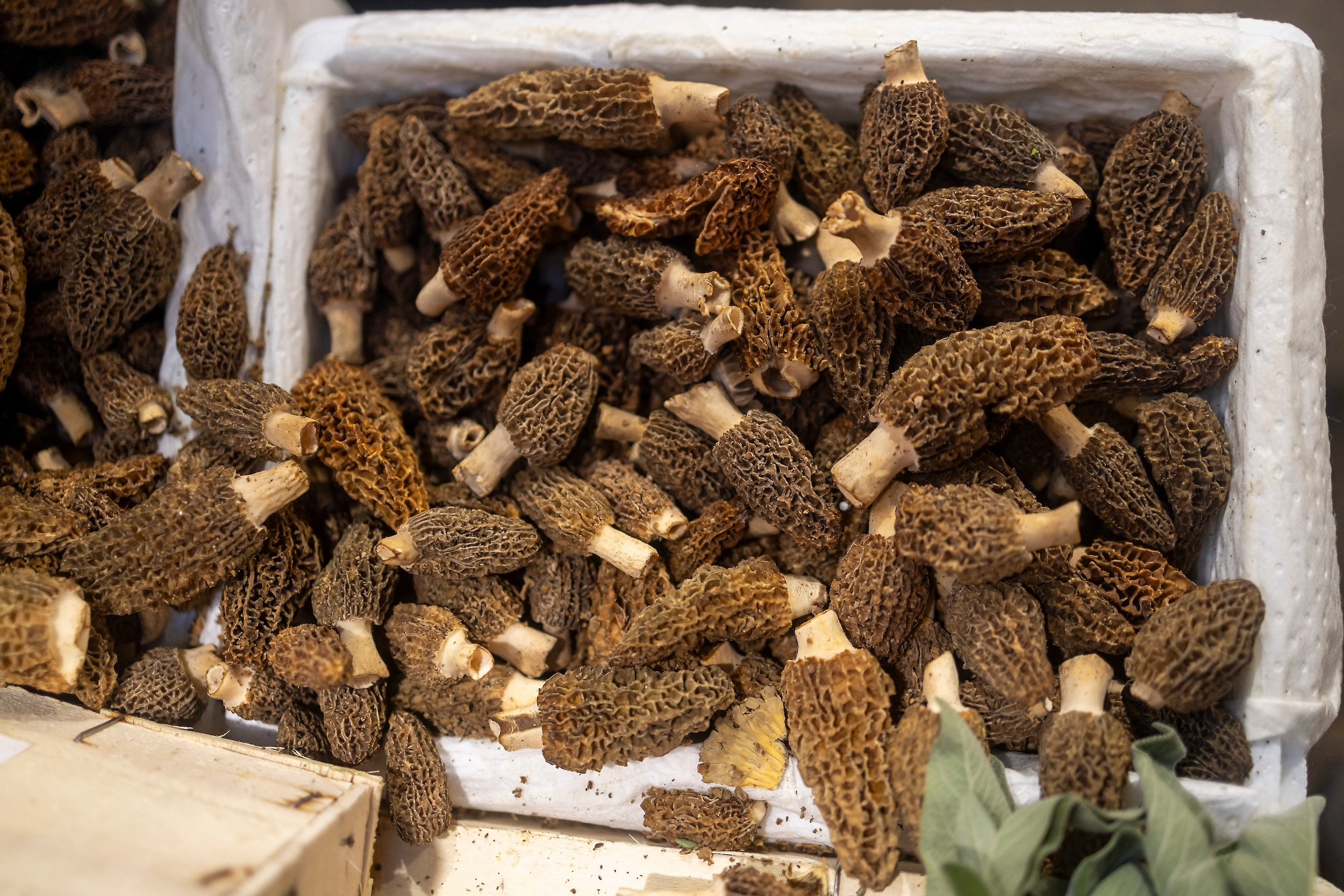
When it comes to determining where to find and pick morel mushrooms, timing is critical. Miss the window at a given location, and you’re waiting a full year to try again.
Understand how the morel mushroom season moves, though, and you can chase it across regions and elevations to extend your productive time considerably. And no matter where you go to find morel mushrooms in your part of the country, the seasonal logic follows the same fundamental pattern.
Morel mushroom hunting season in North America is a spring event, full stop. The productive window across most of the continent runs from late March through May, but the exact timing at any specific location depends on latitude, elevation, and the weather pattern of a given year.
The morel mushroom growing and foraging season moves like a slow wave from south to north and from low elevation to high. It starts in the Deep South and at lower Gulf Coast elevations in mid-to-late March, pushes through the Midwest through April, and reaches upper Midwest states and higher mountain elevations through May into early June.
The primary trigger for morel mushrooms to emerge and grow is soil temperature. Research highlighted by the Iowa State University Extension identifies soil temperature as a reliable predictor of mushroom emergence timing.
Most experienced foragers and mycologists point to a soil temperature of 50 to 55 degrees Fahrenheit measured at 4 to 6 inches depth as the sweet spot for morel emergence.
Air temperature works as a useful proxy: when daytime highs are consistently reaching 60 to 70 degrees and nighttime lows are staying reliably above 40 degrees, soil temperatures are likely approaching that range where you can expect to find morel mushrooms.
Understanding how morel mushroom hunting season shifts by region helps serious hunters extend their productive window well beyond what a single location offers. The timing for where to find morel mushrooms isn’t fixed from year to year, but these ranges hold fairly consistently across typical seasons.
Foragers in the Deep South and southern Appalachians should plan for mid-March through early April as their primary morel mushroom hunting season.
The Midwest core states, including Missouri, Illinois, Indiana, and Ohio, typically see peak morel mushroom hunting activity during early to mid-April, though a cool, wet spring season can push that several days to a week later.
The Great Lakes region, including Michigan, Wisconsin, and Minnesota, peaks from late April through mid-May.
If you’re determining where to find morel mushrooms in northern states and the Mountain West, May and into early June is your window, with elevation playing a major role in pushing timing later.
Pacific Northwest morel mushroom hunters often work through May and June, and at high-elevation sites in the Cascades or Rockies, productive hunting can push into July.
One practical approach for hunters who want to maximize their morel mushroom foraging season: start at the southern end of your accessible range early in the season and move northward or upward in elevation as the weeks pass.
A hunter based in the Midwest might open their morel mushroom hunting season in Missouri in early April, work central Indiana through mid-April, and finish in Michigan’s Upper Peninsula in late May. That kind of intentional approach can turn a two-week local window into six weeks of productive morel mushroom foraging.
One of the most important things to understand about morel mushroom hunting season is just how brief the productive window at any single location can be. Under ideal conditions, a flush can move from tiny pinhead emergence to fully mature, prime-condition mushrooms in two to three days.
Once morels elongate past peak, they dry out, become brittle, and lose most of their culinary value within days. A late discovery can mean a basket of mushrooms that are already past their best.
This is why dedicated morel mushroom hunters stay close to the season rather than waiting for it to come to them. Soil thermometers, weather tracking apps, and online foraging communities that share real-time reports from the field are all tools that serious hunters use to stay one step ahead of the flush and help them zone in on where to find those elusive morel mushrooms.
Sustainability Note: When picking morel mushrooms, only take what you need from a patch. Morels should be harvested at the fruiting body with a knife instead of digging them up. This avoids damaging the soil and mycelium. A common forager guideline is to leave 50% of the patch to ensure that the patch will continue to grow as spores and morel mushrooms will grow for future seasons and generations.
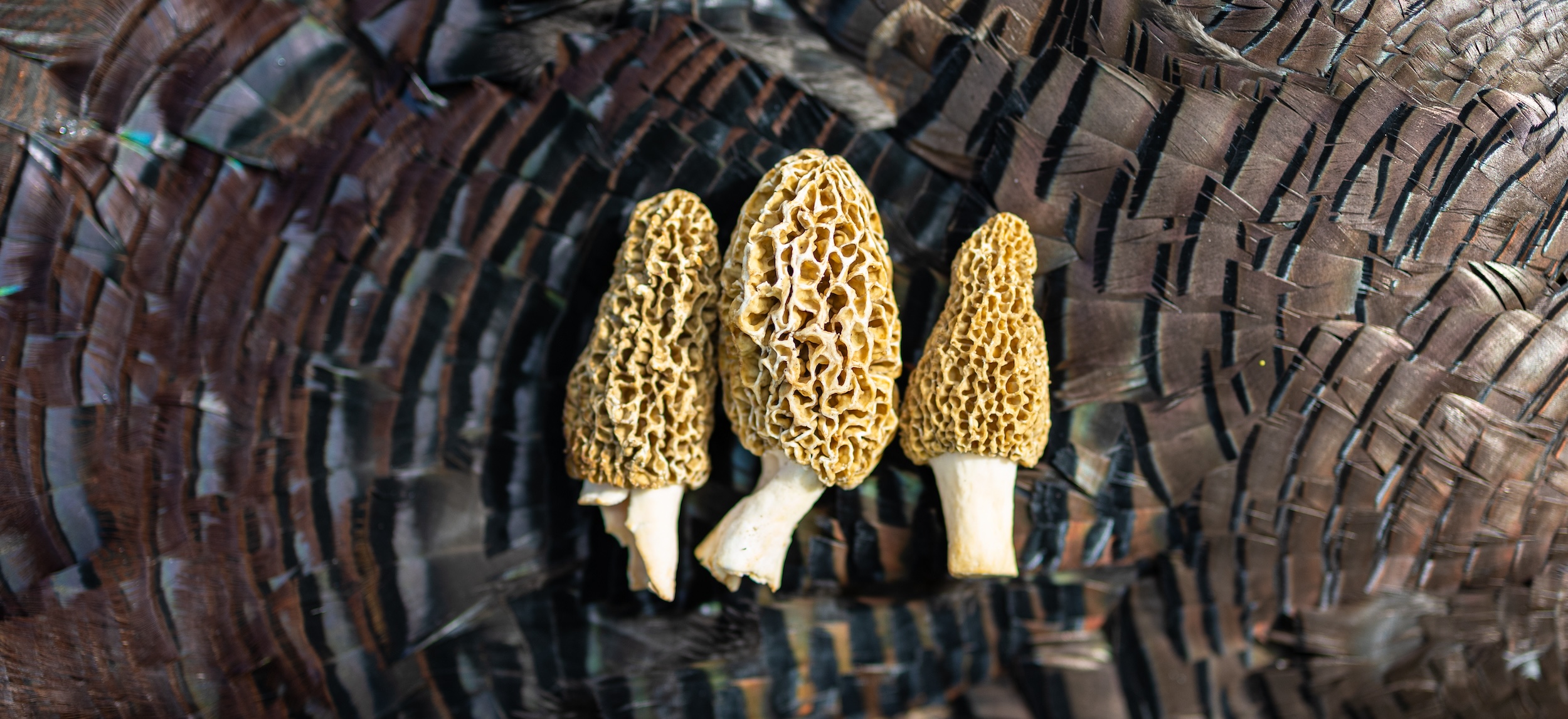
Understanding where morel mushrooms grow and knowing the general season window are both starting points. Knowing whether conditions are right on any specific day is what actually puts morels in your hunting bag.
Experienced morel mushroom foragers read a combination of soil conditions, plant activity, and weather patterns before heading out, and that combination of signals is far more reliable than relying on the calendar alone to find where they grow.
The most reliable method for timing your morel mushroom hunting season is checking soil temperature directly, and it doesn’t require anything more sophisticated than an inexpensive soil thermometer from any garden supply store.
Insert the probe 4 to 6 inches into the forest floor near your target trees. When you’re consistently reading 50 to 55 degrees Fahrenheit, hunting conditions for picking morel mushrooms are right.
Readings in the mid-40s mean you’re a week or more early at that elevation. Readings approaching 60 degrees and climbing suggest you may be at the tail end of the flush.
Air temperature readings serve as a reasonable proxy when you’re planning ahead without access to the field. Daytime highs consistently in the 60 to 70 degree range, combined with nighttime lows holding reliably above 40, typically indicate soil temperatures are approaching or within the target zone for when it’s optimal to pick those morel mushrooms.
Here’s something experienced foragers have known for generations: the forest itself tells you when it’s time to go foraging for morel mushrooms. Phenological indicators, which are the seasonal behaviors of plants, track closely with the same soil and temperature conditions that trigger morel emergence.
In the Midwest, watch for Mayapple umbrellas pushing up through the leaf litter on the forest floor. Their emergence reliably tracks the soil temperature threshold for morel hunting in the region.
In the eastern states, blooming redbud trees and flowering spicebush are classic signals that conditions are right to pick morel mushrooms. An old piece of forager folklore that has held up across generations says that when oak leaves have reached the size of a squirrel’s ear, the season is underway. Trillium blooms, spring beauty, and other early forest wildflowers emerging in force are additional confirmation that the morel mushroom hunting season has opened.
It all works for the same reason: the warming soil and adequate moisture that trigger early spring wildflowers also trigger the emergence of morel mushrooms. When the forest floor is waking up, so are the morel mushrooms, and this is where you’ll find them.
Soil temperature sets the baseline for morel mushroom foraging season, but the specific weather sequence leading up to your hunt makes an enormous difference in what you can forage for and pick.
The ideal setup is a soaking rain event of at least one inch, followed by two to three days of mild, overcast conditions in the 55 to 65 degree range with sustained humidity. Morels need moisture to develop the fruiting body, and mild temperatures protect them from drying out before they can be found.
A late frost after initial emergence can temporarily set a flush back, but morels are more resilient than most mushroom foragers expect. If temperatures dip hard after the first signs of morel mushroom emergence, don’t abandon the spots where you are looking to find them. Once warmth returns, activity typically resumes and can be even more productive than if the frost hadn’t occurred.
One thing to avoid: heading out immediately after a hard freeze that follows several days of 70-plus degree heat. That combination tends to end a flush quickly. Stable, mild conditions are your friend.
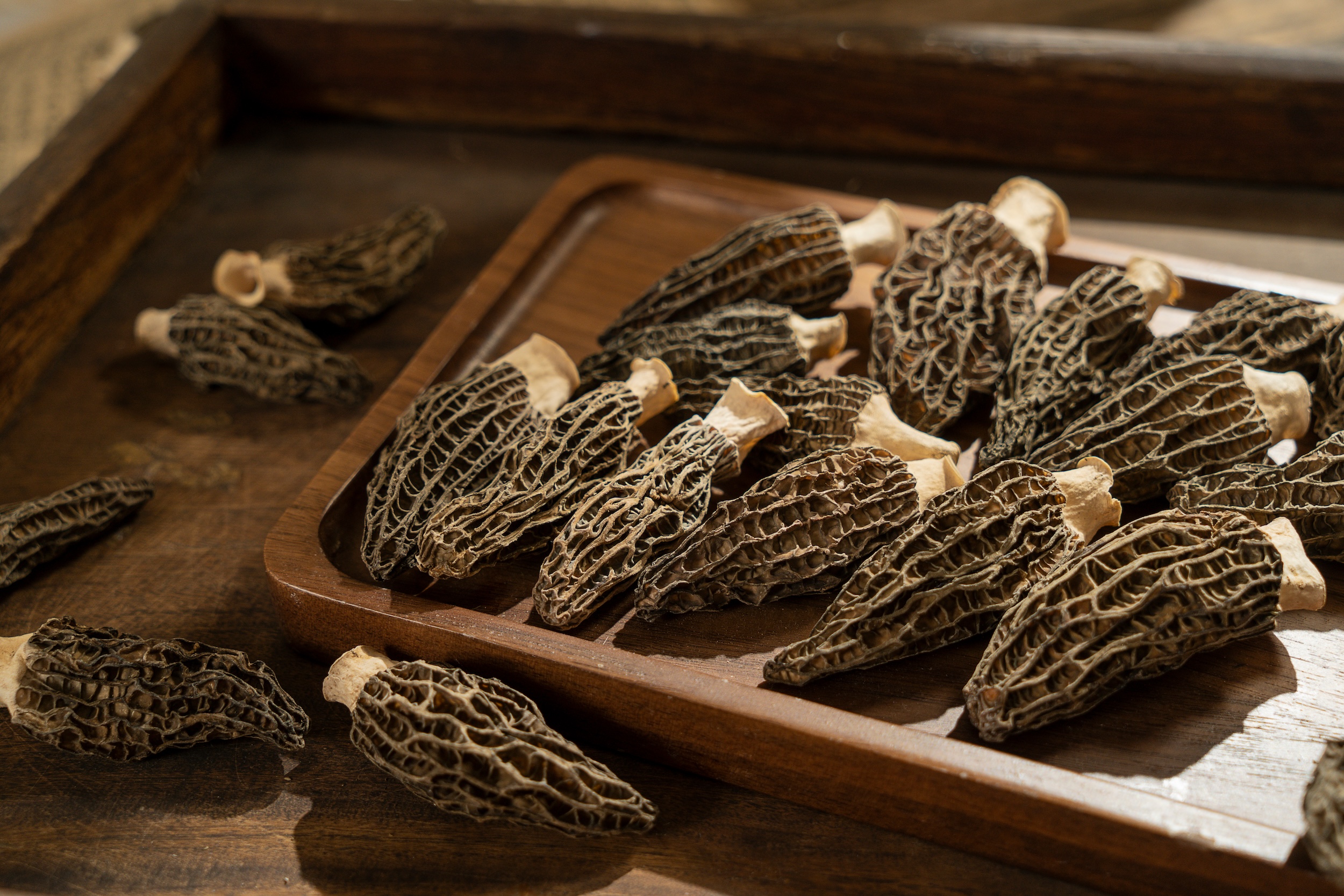
This is the part of morel mushroom foraging that demands the most careful attention. Several species that grow in the same forests as true morels can cause serious illness, and at least one genus has been linked to fatalities.
Knowing the difference isn’t just a cautionary footnote. It’s a core skill for anyone serious about morel mushroom hunting, and it matters just as much as knowing where to find and pick morel mushrooms in the first place.
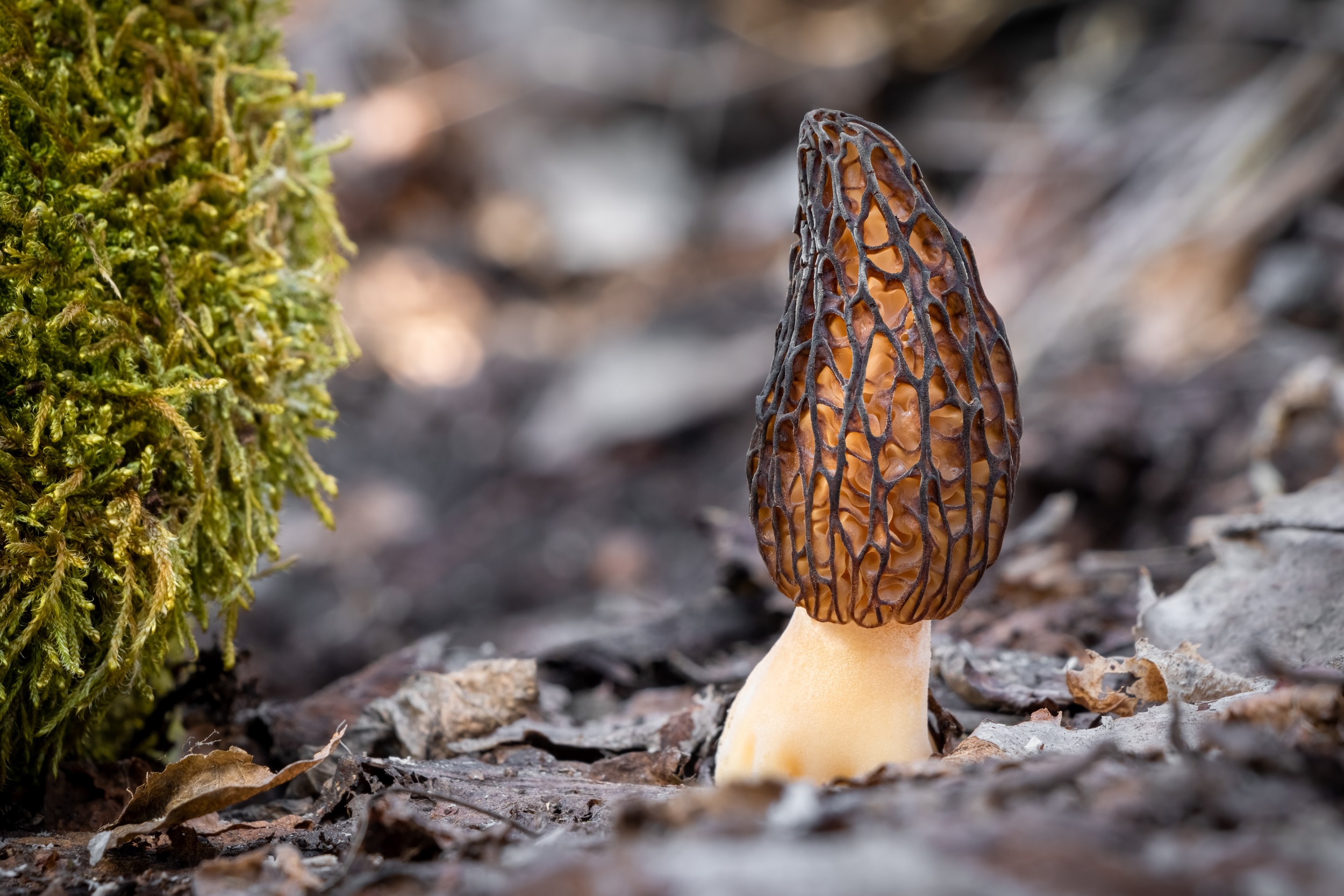
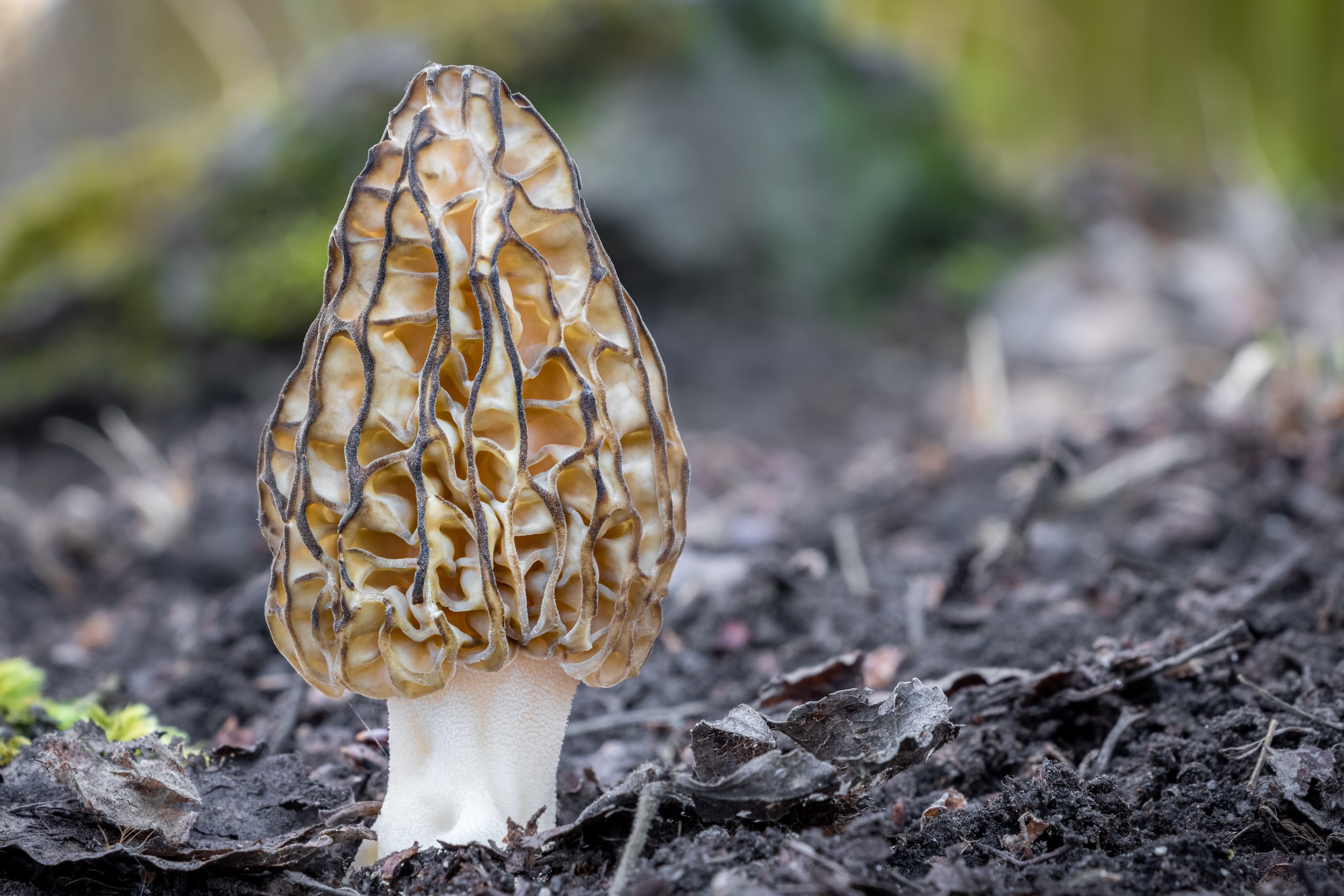
True morels belong to the genus Morchella, and they share three consistent identifying characteristics regardless of color or size.
Cap pattern. A true morel cap is covered in a deeply pitted, geometric honeycomb of interconnected ridges and pits. The pits face outward. The ridges connect continuously across the cap surface. This is a structured, regular pattern. It’s not wrinkled, lobed, folded, or brain-like. If the cap looks more like a crumpled piece of paper than a honeycomb, it’s not a true morel.
Cap attachment. On most true morels, the cap attaches directly to the stem at the base, forming one continuous structure from the tip of the cap to the bottom of the stem. It doesn’t hang loosely or connect only at the top of the stem like a hood placed over a post.
The hollow interior. When you slice a true morel mushroom lengthwise from cap tip to stem base, the inside is completely and uniformly hollow. No chambers, no partial walls, no cottony material. Just open, unobstructed interior from top to bottom. This is often cited as the most reliable test for distinguishing true morel mushrooms from dangerous lookalikes.
True morels come in several color forms. Black morels tend to grow and emerge first, early in the season, and are sometimes overlooked by hunters focused on the larger yellow morel. Yellow morels are the most recognized form, typically larger and fruiting at peak season.
Note on half-free morels: One true Morchella species, the half-free morel, has a cap that is only partially attached to the stem, with the lower half hanging free. This can create visual confusion with Verpa species.
For this specific comparison, the cap surface is a more dependable test: a half-free morel has a true geometric honeycomb pattern, while a Verpa cap is wrinkled, ribbed, and brain-like with no real pits.
Cap attachment also helps. A half-free morel’s cap fuses to the stem from roughly the midpoint up, while a Verpa’s cap hangs completely free and connects only at the very top. Note that while young Verpa specimens typically contain cottony pith in the stem, older specimens can become hollow, so interior alone is not a fully reliable test for this pairing.
Safety Note: When you do identify and pick those true morel mushrooms, always cook them thoroughly. Thorough cooking, whether sauteed in butter, pan-fried, or incorporated into a fully cooked dish, reduces your risk of illness significantly. You’ll also want to look out for common bugs or pests when harvesting or preparing to eat these mushrooms, particularly springtails, tiny beetles, or maggots, which can feed on them.
You now have a full picture of where to find morel mushrooms, how morel mushroom hunting season moves across latitude and elevation, where to pick morel mushrooms more productively once you’re in the right forest, and how to make every morel mushroom foraging trip count.
Here’s the thing: what separates foragers who find morels consistently from those who come home empty-handed isn’t superior luck or some inherited talent for reading the woods these mushrooms live in. It’s familiarity with a specific piece of land.
The hunters who fill their bags year after year know their ground and where to find morel mushrooms on it. They know which creek bottom holds the old elm trees, which hillside faces south and warms first, and which recently burned slope is entering its most productive spring. That kind of knowledge doesn’t come from one trip. It comes from returning to land you know, season after season, learning its rhythms.
If you’re serious about the outdoor life, whether that’s morel mushroom hunting, deer hunting, turkey hunting, or simply wanting a place to step outside and call your own, owning timberland changes the equation entirely.
At Hayden Outdoors, we specialize in timberland properties across the country. These are properties built around the habitat features described throughout this guide: hardwood timber, creek drainages, mixed forest composition, and the kind of ground that produces results not just during morel mushroom season but across every season of the outdoor year.
More than an investment, these are places to build a genuine outdoor life. Browse timberland for sale at Hayden Outdoors and find the land where your morel season begins.