
×

Sign in
Sign in to save favorite properties and equipment, save your search parameters and more
Don’t have an account yet? Sign Up Now
Sign up
Already have an account? Login Now


 866-741-8323
Sign in
Sign in to save favorite properties and equipment, save your search parameters and more
Don’t have an account yet? Sign Up Now
Sign up
Already have an account? Login Now
866-741-8323
Login
Sign in
Sign in to save favorite properties and equipment, save your search parameters and more
Don’t have an account yet? Sign Up Now
Sign up
Already have an account? Login Now
Sign in
Sign in to save favorite properties and equipment, save your search parameters and more
Don’t have an account yet? Sign Up Now
Sign up
Already have an account? Login Now
Turkey hunting represents one of America’s most treasured outdoor traditions, connecting modern hunters with a heritage stretching back generations. And there’s no denying that finding the best turkey hunting states can easily transform your season from ordinary to extraordinary.
From the hardwood bottoms of Alabama to the ponderosa pines of Montana, hunting wild turkeys on quality ground creates memories that last a lifetime. Whether you’re chasing your first gobbler or working toward completing a Royal Slam, location makes all the difference in your success and enjoyment.
What separates the best states for turkey hunting from every other place? It’s more than just bird numbers. The most exceptional turkey hunting states offer diverse habitat, reasonable access to quality ground, and regulations that support both conservation and hunter opportunity.
Here at Hayden Outdoors, our team knows a thing or two about hunting turkeys, and our guide breaks down the best turkey hunting states by region. We’ll help you identify prime turkey hunting destinations, whether you’re planning a weekend trip close to home or considering a property investment in prime turkey country.
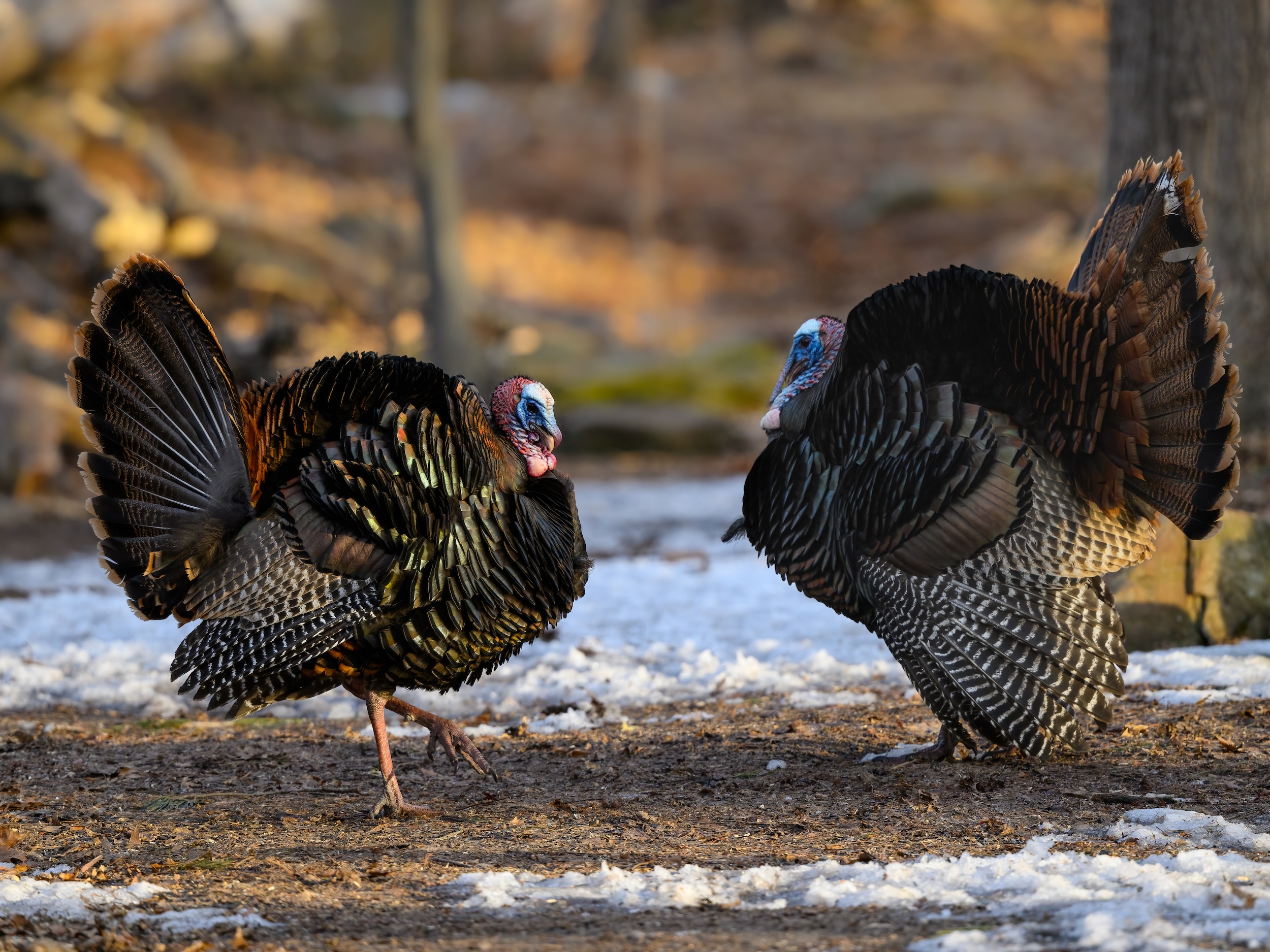
Yes, understanding what makes a state exceptional for turkey hunting can help you evaluate potential hunting places. But if you’re a landowner, this knowledge can also help you manage your property to its full potential.
North America hosts five distinct wild turkey subspecies, each perfectly adapted to its home range.
The Eastern Wild Turkey dominates from Maine to Florida and west to the Mississippi River. These birds have evolved in mature hardwood forests, thriving where rolling hills meet agricultural edges and creek bottoms offer the diversity they need.
Rio Grande Turkeys have historically called the south-central plains home, including states like Texas, Oklahoma, Kansas, and Nebraska. That said, Rio Grande turkeys exist in about 12 states total (including several western states like Colorado, New Mexico, Nevada, and California). They’ve adapted to more open landscapes where scattered trees line creek corridors and mesquite thickets provide cover. These birds handle drier conditions better than their eastern cousins and will travel greater distances between roosting and feeding areas.
Merriam’s Turkeys inhabit the mountainous terrain of the West. You’ll find them in Montana, Wyoming, Colorado, New Mexico, and scattered populations across other western states. They favor ponderosa pine forests and mountain meadows at elevations typically between 6,000 and 9,000 feet, displaying unique adaptations that let them thrive in the high country.
The Osceola (or Florida Wild Turkey) exists only in peninsular Florida. This subspecies has the most limited geographic range of any turkey, meaning completing a Grand Slam requires making the trip to the Sunshine State.
Gould’s Turkeys find their home exclusively in the states of New Mexico and Arizona. They’re known for their white-tipped tail feathers and long legs.
Why does subspecies matter beyond collecting slams? Each turkey subspecies displays different behaviors, vocalizations, and daily patterns that will influence your hunting strategy. For property owners, knowing which turkey subspecies lives on your land shapes every habitat management decision you’ll make.
When it comes to the best turkey hunting states, it’s worth noting that the best turkey habitats strike a balance between several critical elements. Mature roost trees provide nighttime safety from predators. Turkeys prefer large trees near water sources, selecting oaks, sycamores, cottonwoods, or pines, depending on what grows in their region.
Strut zones need relatively open ground where gobblers can display for hens. Old logging roads, field edges, ridgetops, and pastures all serve this purpose well. These types of places give turkeys the visibility they need while keeping escape cover close at hand. Nesting habitat requires dense understory vegetation that provides overhead cover while still allowing hens good visibility at ground level to detect predators.
Food sources shift with the seasons. Spring brings fresh green vegetation and insects that turkeys crave. Summer emphasizes insect-rich areas that growing poults depend on for survival. Fall features mast crops like acorns and beechnuts. Winter demands accessible food when snow blankets the ground, making agricultural grain fields particularly valuable. If you’re trying to make your land a great place for turkey hunting, these are all factors you’ll want to keep in mind.
Water availability matters more than many turkey hunters realize. Turkeys need daily water access and will concentrate near reliable sources during dry periods. Creeks, ponds, stock tanks, and springs all attract and keep birds on the land.
The best turkey hunting states come with a balance of public and private land hunting opportunities. Extensive public holdings through national forests, BLM parcels, and state Wildlife Management Areas give turkey hunters without property of their own solid options for places to hunt. Walk-in programs have expanded hunting opportunities in several plains states, creating win-win situations where private landowners allow public turkey hunting access.
For those considering land ownership, investing in a property in a top-notch turkey hunting state offers something special. Managing your own habitat and building family traditions on private ground provides rewards that turkey hunting on public lands simply can’t match.
State hunting regulations shape the quality of your turkey hunting experience in some pretty significant ways. Over-the-counter tag systems provide flexibility and ease of access. Draw systems can maintain quality by limiting hunter numbers, though they require advance planning and sometimes a bit of luck.
Bag limits are key to understanding if a state is one of the best places for turkey hunting. States with robust turkey numbers often allow two or more birds per season. However, recent turkey population declines in some regions have prompted more conservative limits to protect breeding populations, a necessary step to ensure future turkey hunting opportunities in these states.
Season timing plays a big role in the optimal time window for turkey hunting in different states across the US. Southern states often open in March when birds begin gobbling in earnest, while northern states may not start until mid-April or early May. Understanding these state based turkey hunting patterns helps you plan trips to these places when gobbling activity peaks.
Nonresident opportunities and associated costs vary widely between states. Some states welcome out-of-state turkey hunters with reasonable fees and unlimited tags. Other states limit nonresident turkey hunting participation through quotas, higher costs, or both. These state policies shape where traveling turkey hunters focus their efforts and their budgets.
Turkey Hunting Season Tip: Typically the Fall is not peak season for turkey hunting , but most states (41) also offer a fall season for turkey tags. In the Fall calling for birds is not a viable hunting method since they mate in the Spring. However, the Fall season allows turkey hunters to be able to bag a another bird in a year. The fall seasons are usually the only season allowing the harvest of either-sex birds (hens or gobblers).
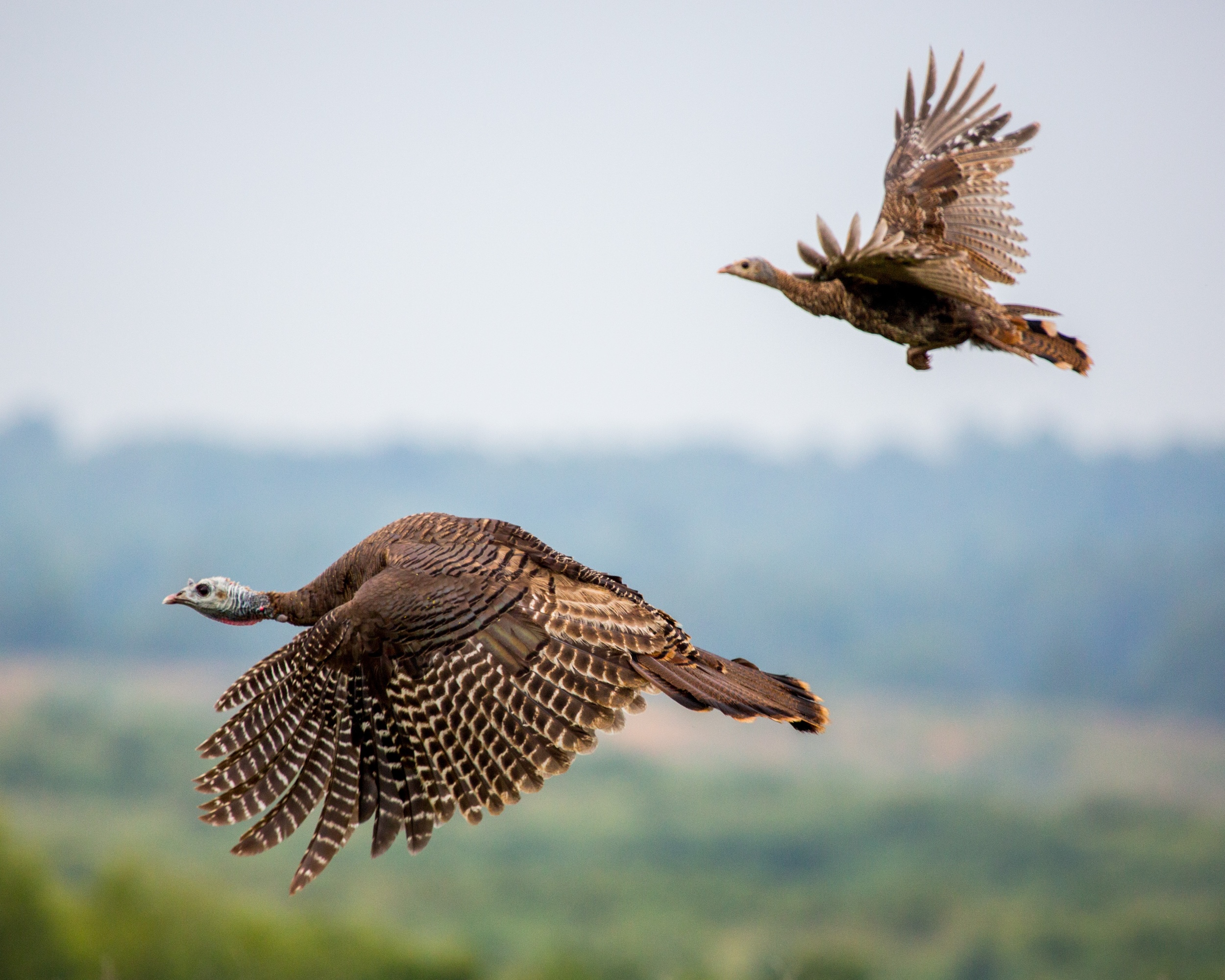
Regional characteristics play a huge role in determining turkey hunting quality and the overall experience in different states. Each major US region brings its own distinct advantages to the table.
The Southern region of the US features hardwood bottomlands and extensive pine forests that benefit from early vegetation green-up. Spring arrives weeks earlier here than up north, triggering turkey breeding activity as early as March. The longer growing season in the South supports robust insect populations that prove critical for turkey survival (one of the many reasons that southern states are some of the best for turkey hunting). Mixed pine and hardwood forests create the ideal habitat mix, with oaks producing the mast crops turkeys need and pines offering valuable winter cover.
Midwest states present agricultural landscapes beautifully interspersed with timber. River corridors and creek bottoms hold concentrations of birds, while crop fields provide abundant food sources throughout the year. The region’s oak ridges and diverse hardwood forests create exceptional turkey habitat, making the region great for turkey hunting. This agricultural-forest combination supports impressive turkey densities in many areas.
Western states offer dramatically different terrain that creates a unique turkey hunting experience. Ponderosa pine forests on mountain slopes, aspen groves, and scattered juniper woodlands create some of the best turkey hunting country out West. Elevation changes create distinct habitat zones, with birds often moving between areas as the seasons shift.
The Northeast states combine mixed hardwood forests with steep, often challenging terrain that tests your turkey hunting skills. Maple, beech, birch, and oak dominate these forests, creating diverse mast opportunities throughout the year. The later spring timing means turkey breeding activity peaks in May, offering hunters in these states prime hunting conditions when other areas have already closed their seasons.
Southern states benefit tremendously from early green-up, with vegetation emerging in late February and March. That means turkey breeding activity begins earlier in these states than anywhere else in the country. You can pursue gobblers in Alabama or Georgia in late March, then travel north to catch peak activity in Midwest states like Kansas or Nebraska several weeks later, extending your season considerably.
Peak gobbling periods align closely with breeding activity across the country. Southern states see their most vocal birds from late March through mid-April. Midwest states typically peak in mid to late April. Western states often see their best turkey hunting days in late April and early May due to elevation and latitude. Northeastern states typically peak in early to mid-May, giving hunters there the final opportunities of the spring season.
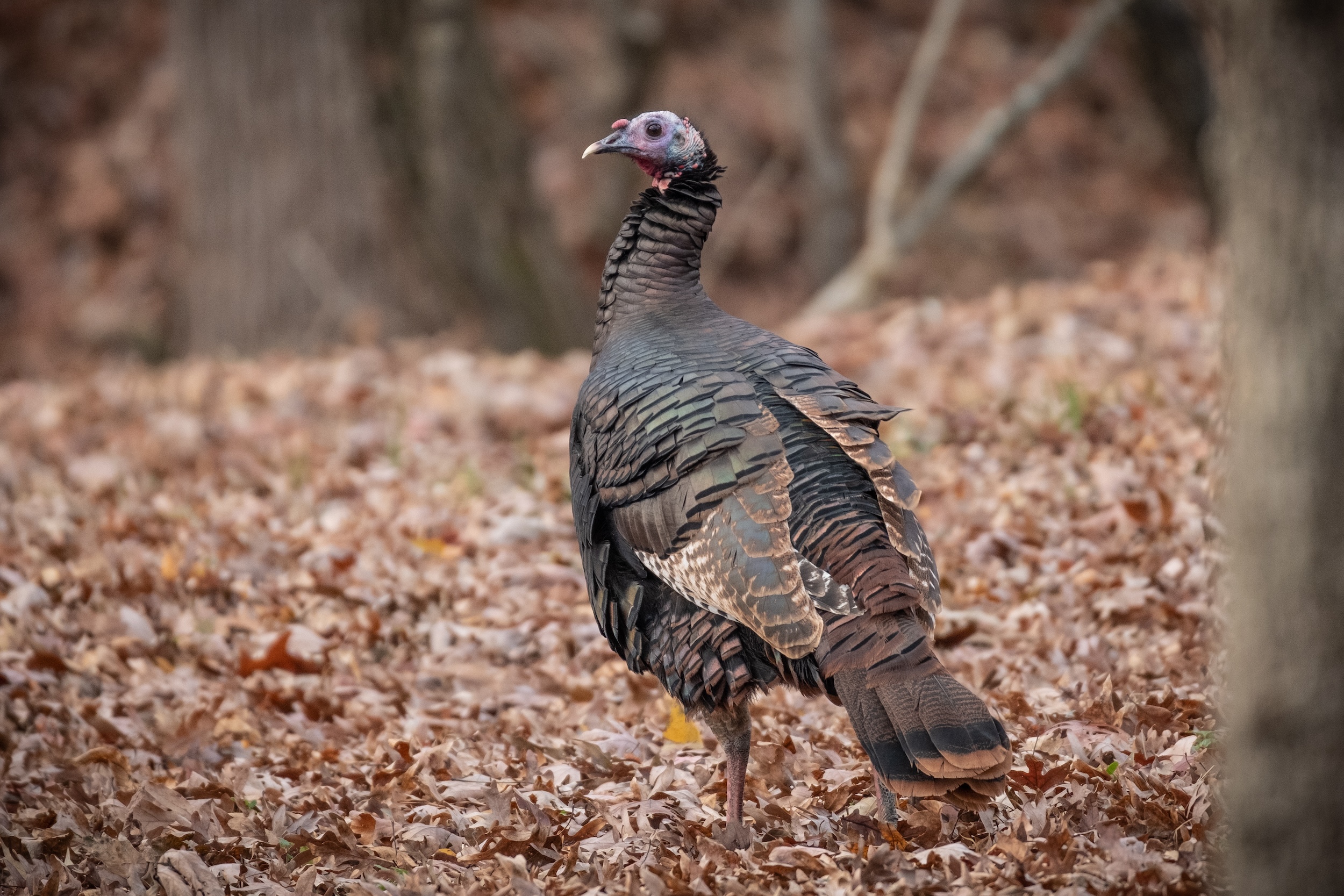
The Southern states rightfully claim their title as the heartland of turkey hunting. With extensive forests, mild spring weather, and robust populations of Eastern and Rio Grande subspecies, the South delivers exceptional opportunities from late March through May. When it comes to the best turkey hunting states in the South, these are our top picks.
Alabama consistently ranks among the best turkey hunting states in America, and the reasons become clear the moment you step into Alabama turkey woods. Alabama’s diverse landscape, from the Appalachian foothills in the north to the coastal plain in the south, provides the kind of habitat Eastern Wild Turkeys thrive in.
Turkey License Cost: Resident hunters in the state of Alabama pay $34.35 for an All Game License, and this includes turkey hunting privileges. Nonresident hunters need a $246.60 All Game 10-Day Trip License. Youth hunters under 16 hunt free. Public land hunters also need a $22.75 WMA License.
Turkey Hunting Seasons: Alabama divides into three zones with staggered spring turkey seasons. Zone 3 (south) typically opens mid-March, Zone 2 (central) late March, and Zone 1 (north) early April, all running into early May. This zoned approach allows hunters to follow progression northward.
Best Places in Alabama to Turkey Hunt: Bankhead National Forest in northwest Alabama offers over 180,000 acres of prime habitat. Talladega National Forest’s 392,000 acres across central Alabama provide diverse terrain and strong populations. Forever Wild properties, including Perdido River, Cahaba River, and Skyline WMA offer quality hunting with fewer crowds.
Landowner Opportunities: The state of Alabama’s combination of relatively affordable land prices and excellent habitat makes it particularly attractive for those considering turkey hunting land ownership. The state’s long season and generous two-bird limit reward landowners who invest thoughtfully in habitat improvements.
Missouri stands tall among the best turkey hunting states, bridging the southern and central regions. The Show Me State’s diverse landscapes support robust turkey populations across both public and private lands, giving hunters at every level solid opportunities.
Turkey License Cost: Missouri resident spring turkey permits cost $19.50, while nonresident permits ($304.50 for nonresidents and $190.50 for nonresident landowners) run significantly higher. Resident hunters can purchase up to two spring permits.
Turkey Hunting Seasons: The spring season typically opens mid-April and runs through early May. The state operates a two-bird limit for residents, though regulations restrict taking more than one during the first week, protecting breeding-age gobblers in the state, while providing excellent turkey hunting opportunities.
Best Places in Missouri to Turkey Hunt: Mark Twain National Forest’s nearly 1.5 million acres across the southern portion of the state of Missouri offers exceptional turkey hunting. The Ozark region’s rugged hills and oak forests hold some of the state’s highest densities. Conservation Areas like Poosey, Schell-Osage, and Swan Lake National Wildlife Refuge provide consistent success.
Landowner Opportunities: Missouri’s rich agricultural landscape, mixed with extensive timber, makes it an ideal place for turkey hunting property ownership. The Conservation Department offers valuable technical assistance to landowners interested in habitat improvement. Food plots, timber stand improvement, and prescribed burning all enhance turkey habitat in meaningful ways.
Missouri’s central location also makes it accessible to hunters throughout the Midwest, and properties with good turkey habitat and solid access command strong interest in the real estate market.
The state of Georgia delivers outstanding turkey hunting opportunities across diverse habitats, from the mountains to the coastal plain, securing its place among the best turkey hunting states in the Southeast. The Peach State is a place that offers something for every style of turkey hunter.
Turkey License Cost: Georgia residents pay $25 annually for a Big Game License (that includes turkey hunting), along with a Hunting License ($15 annually for non-seniors and $7 annually for seniors). Nonresidents need both a hunting license ($100) and Big Game License ($130) for a combined $230 annual cost.
Turkey Hunting Seasons: The 2026 spring season opens March 28 on private land and April 4 on public land, running through May 15 statewide. Hunters may harvest two gobblers per season, but only one per WMA on public land.
Best Places in Georgia to Turkey Hunt: Chattahoochee National Forest in north Georgia provides extensive public access with good turkey populations. Piedmont National Wildlife Refuge in central Georgia offers quality hunting. Oconee National Forest and numerous Wildlife Management Areas across the state also provide accessible turkey hunting options.
Landowner Opportunities: Georgia’s varied terrain, from mountains to piedmont to coastal plain, creates a wonderfully diverse place for turkey hunting. The state’s early season and strong Eastern turkey populations make Georgia attractive for property ownership focused on heritage and building family traditions that last for generations.
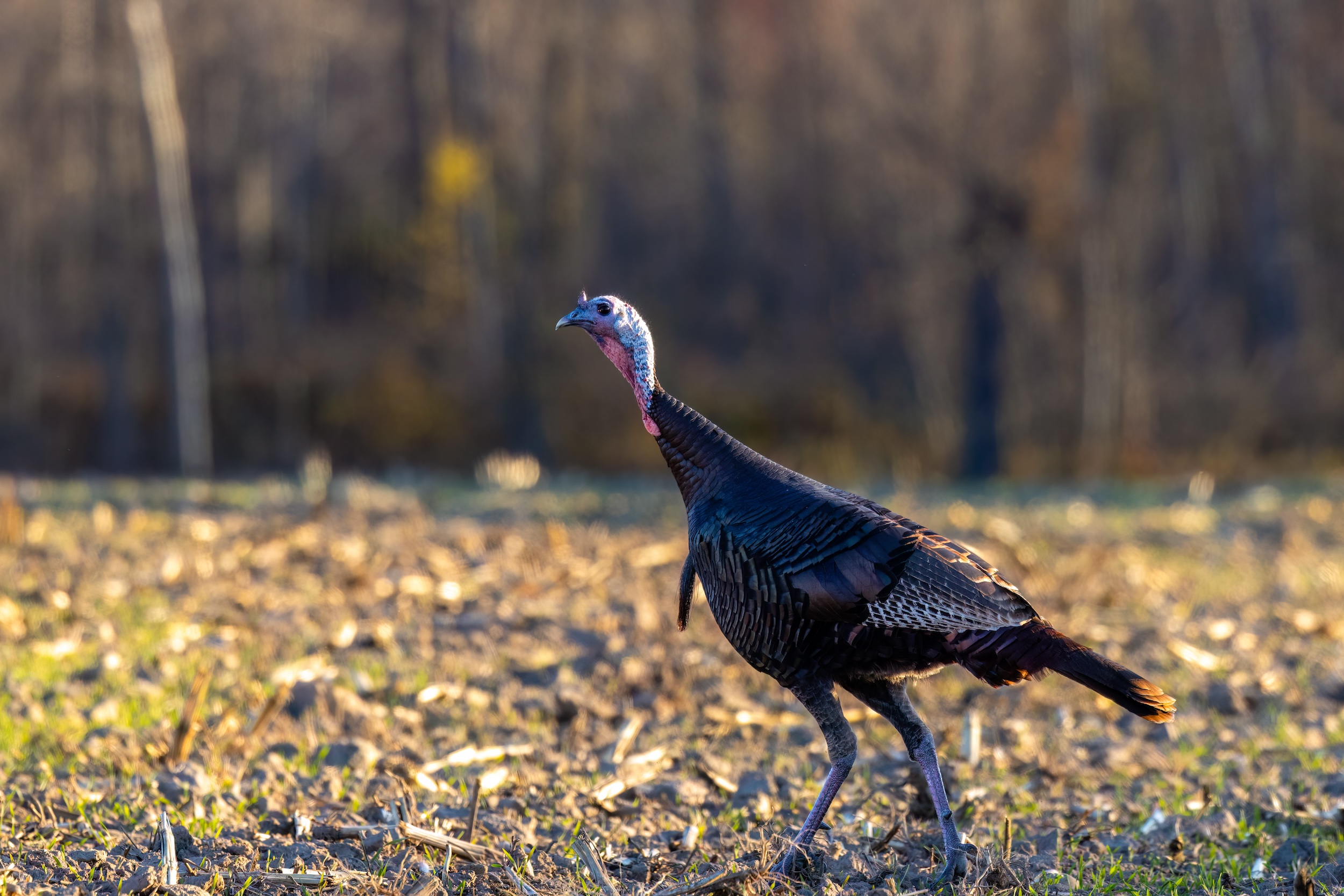
The Midwest is home to some of the best turkey hunting states in America, where diverse landscapes ranging from agricultural plains to hardwood river bottoms support healthy populations across multiple states.
Nebraska has earned its reputation as one of the best turkey hunting states in the Great Plains, offering something you won’t find many other places: unique hybrid turkeys displaying characteristics of both Merriam’s and Eastern subspecies. The state’s million-plus acres of public hunting ground and liberal regulations make it attractive to both resident and traveling hunters.
Turkey License Cost: State resident turkey hunting permits cost $34, while nonresident permits run $158. All hunters also need a $25 Habitat Stamp. Youth permits are just $8.50.
Turkey Hunting Seasons: The 2026 spring turkey season opens March 25 for archery, with youth shotgun starting April 11 and regular shotgun beginning April 18, closing May 31. Hunters may harvest two turkeys in spring, though nonresident permits are limited to 10,000 and typically sell out quickly.
Best Places in Nebraska to Turkey Hunt: The Pine Ridge region in northwest Nebraska offers exceptional Merriam’s turkey hunting in ponderosa pine forests. The Niobrara River valley holds good populations in mixed habitat. Ponca State Park and Indian Cave State Park provide accessible turkey hunting. And the Republican River valley attracts birds to WMAs like Red Willow and Harlan County Reservoir.
Landowner Opportunities: Nebraska presents exceptional value for turkey hunters considering land ownership. Properties featuring creek bottoms, pine draws, and adjacent crop fields create the ideal habitat mix turkeys need.
Kansas is a state that represents the fascinating transition zone where eastern hardwood forests meet the Great Plains, creating unique turkey hunting opportunities. The state supports both Eastern Wild Turkeys in the eastern third and Rio Grande Turkeys across central and western Kansas, with some impressive hybrid birds in the transition zone.
Turkey License Cost: Kansas residents pay $40 ($32.50 for the permit and $7.50 for a nonrefundable application fee) for a spring turkey permit. Nonresident spring turkey permits cost $85 ($75 for the permit and $10 for a nonrefundable application fee), making Kansas one of the more affordable turkey hunting states for out-of-staters. Youth permits (for Kansas residents) are available at $7.50.
Turkey Hunting Seasons: The 2026 spring season runs mid-April through late May across most units. Kansas divides into hunting units, with Unit 4 requiring lottery draw for all hunters. Nonresident hunters must enter a draw for Units 1, 2, 3, 5, and 6.
Best Places in Kansas to Turkey Hunt: The Flint Hills region of east-central Kansas offers outstanding hunting with tallgrass prairie and oak woodlands. Public areas like Clinton State Park, Perry State Park, and Fall River State Park provide access. Cimarron National Grassland in southwest Kansas is a great place for hunting Rio Grande turkeys.
Landowner Opportunities: Kansas offers excellent land ownership possibilities for turkey hunters. Properties featuring creek bottoms, scattered timber, and agricultural fields create the ideal habitat combination. The presence of both Rio Grande and Eastern subspecies makes Kansas a particularly attractive state for turkey hunters working on various slam achievements, adding another dimension to the property’s recreational value.
Iowa consistently ranks among the best turkey hunting states in the Midwest, with excellent populations supported by the state’s rich agricultural landscape beautifully interspersed with quality timber. This combination creates ideal conditions for both turkeys and the hunters who pursue them.
Turkey License Cost: The cost of the resident turkey tag in Iowa is $28.50. Nonresident turkey hunting licenses cost $119, but securing the license is dependent on lottery results.
Turkey Hunting Seasons: Spring seasons typically run early April through mid-May, with exact dates varying by season and zone. Iowa allows archery hunting earlier than shotgun seasons, dividing into multiple seasons to distribute pressure.
Best Places in Iowa to Turkey Hunt: The southern tier counties including Decatur, Wayne, and Davis hold excellent numbers. The Loess Hills region along the Missouri River offers unique topography and good turkey populations. Timber along the Des Moines, Iowa, and Cedar rivers provides prime turkey habitat. Public areas like Stephens State Forest, Yellow River State Forest, and Shimek State Forest offer quality turkey hunting opportunities in the state.
Landowner Opportunities: Iowa state’s combination of productive farmland and quality turkey hunting potential makes it attractive for recreational property ownership at every level. Creek bottoms featuring mature oaks, adjacent cropland, and well-managed food plots create exceptional habitat that also benefits whitetail deer, making these properties valuable for multiple species management and extending your hunting opportunities throughout the year.
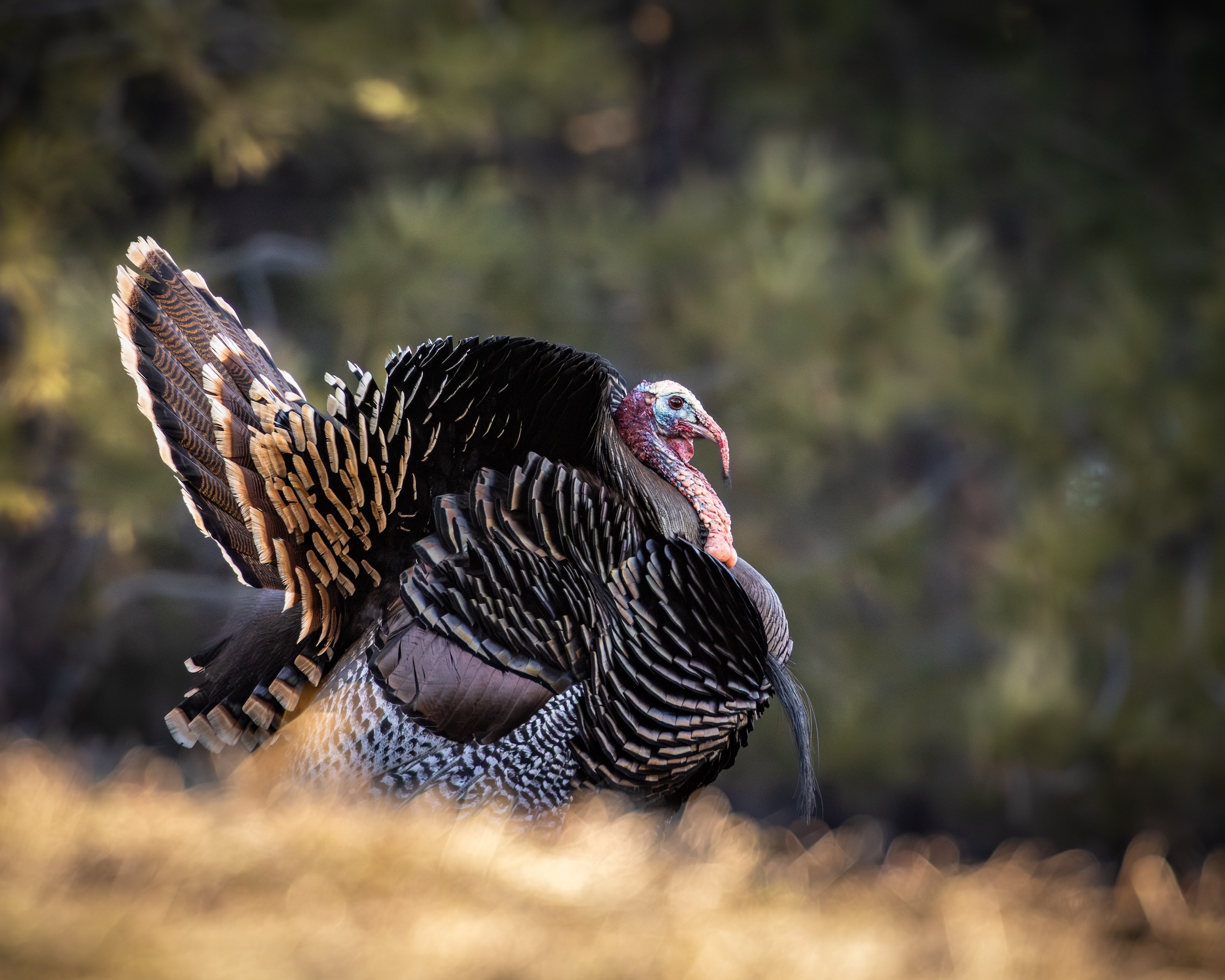
The states in the western US offer a distinctly different turkey hunting experience from any other region. Merriam’s turkeys inhabiting mountain ranges and ponderosa pine forests provide hunters with spectacular scenery alongside their pursuit of spring gobblers.
Montana ranks among the best turkey hunting states in the West, offering expansive public lands and healthy Merriam’s turkey populations set against some of the most dramatic landscapes you’ll find anywhere in the country. Big Sky Country delivers the quintessential western turkey hunting experience.
Turkey License Cost: The Montana resident turkey hunting license costs $6.50, and nonresident turkey licenses cost $115.
Turkey Hunting Seasons: Spring season runs April 15 through May 31, with shotgun and archery allowed. Fall season runs September 1 through January 1 in most regions, with either-sex harvest permitted.
Best Places in Montana to Turkey Hunt: The Long Pines and Ashland areas of Custer National Forest in southeast Montana have excellent populations and extensive public access. The breaks country along the Missouri River, particularly in Charles M. Russell National Wildlife Refuge area, offers unique turkey hunting. Fergus County in central Montana supports good numbers.
Landowner Opportunities: The state of Montana’s turkey hunting lands offer spectacular settings for those considering property ownership with a long-term vision. The combination of Merriam’s turkeys, mule deer, elk, and other big game species makes Montana properties attractive for comprehensive wildlife management that serves multiple generations. Properties featuring southern exposures, established ponderosa pine stands, and reliable water sources hold the most appeal for serious turkey hunters and their families.
The state of Colorado provides diverse Merriam’s turkey hunting opportunities across spectacular Rocky Mountain landscapes, earning its rightful place among the best turkey hunting states in the West. The Centennial State combines challenging terrain with rewarding hunts.
Turkey License Cost: Colorado state resident turkey hunting licenses cost $38.48 for spring and $32.11 for fall (with an $8 nonrefundable application fee). Nonresident licenses cost $194.21 (with an $11 nonrefundable application fee). Youth licenses under 18 are available for reduced rates of $20.62 for residents and $130.39 for nonresidents.
Turkey Hunting Seasons: Spring licenses are limited and awarded through a draw system. Both over-the-counter licenses and draw licenses are available depending on the hunting unit. Fall licenses provide additional opportunities through a separate draw.
Best Places in Colorado to Turkey Hunt: The Front Range foothills from Fort Collins south to Colorado Springs hold good Merriam’s populations. The South Platte River is one of the best turkey hunting places, along with the Arkansas River basin, and the Western slope areas, including around Grand Junction, offer quality hunting.
Landowner Opportunities: Colorado properties with quality turkey habitat typically also support elk, mule deer, and other big game species, creating comprehensive recreational value that extends across multiple seasons. Elevation, aspect, and water sources all play crucial roles in turkey distribution, making local knowledge invaluable when evaluating properties in the state for their turkey hunting potential.
Pro Hunting TIp: Acquiring turkey hunting licenses in the state of Colorado is quite accessible and straightforward, which is one of the big reasons it makes it on our list. That said, we’d be remiss if we didn’t also mention that Wyoming is also one of the best turkey hunting states in the Mountain West, especially if you’re looking for less crowded public land access.
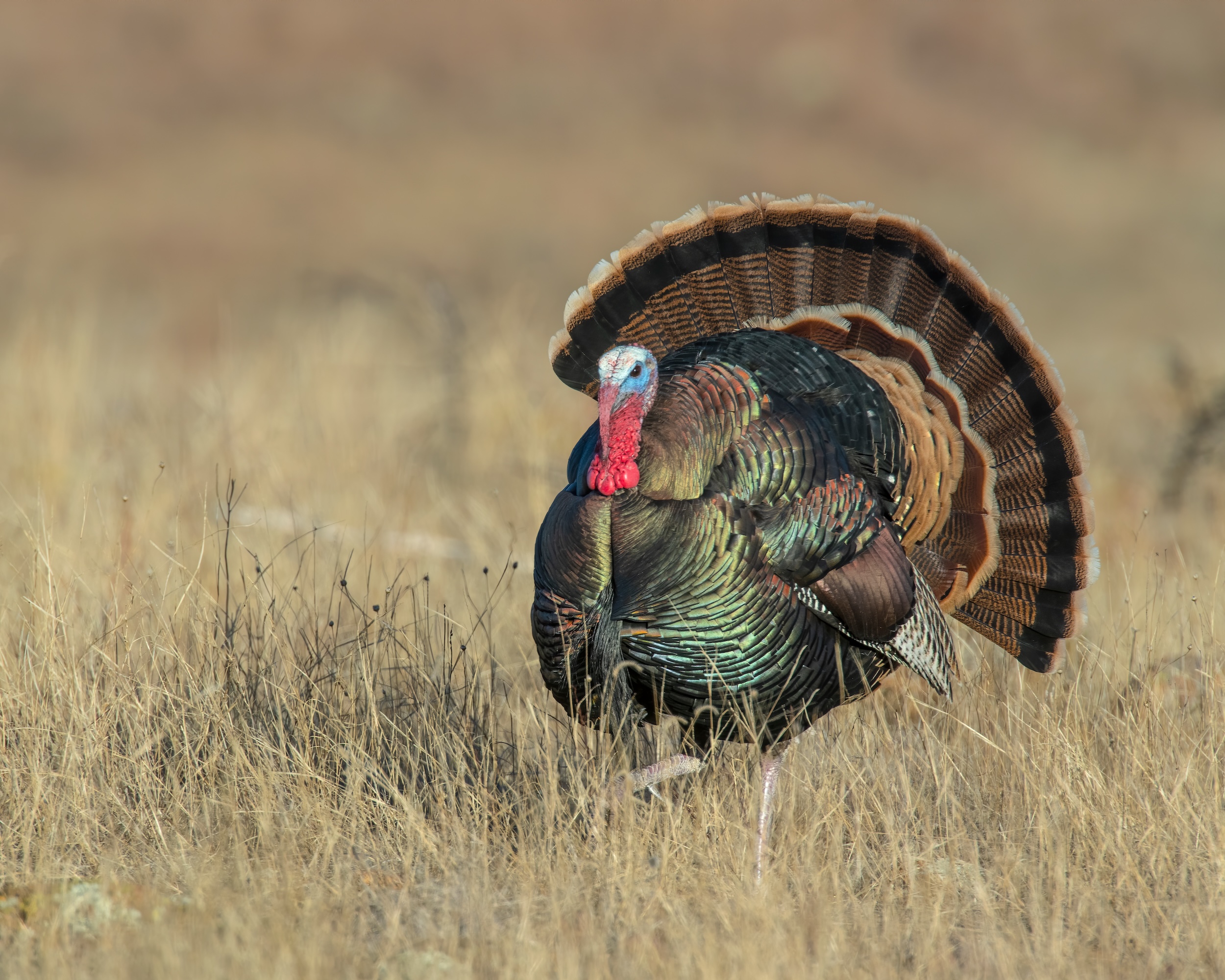
The Northeast offers excellent turkey hunting across states where dedicated conservation efforts have created thriving populations in challenging terrain. Late spring timing and mature hardwood forests characterize this region’s unique hunting experience.
Pennsylvania stands proudly as one of the best turkey hunting states in the US. With robust populations distributed across diverse landscapes from the Pocono Mountains to the Allegheny National Forest, the Keystone State’s successful turkey restoration represents one of wildlife management’s greatest achievements.
Turkey License Cost: Pennsylvania residents pay $20.97 for an adult hunting license, including one spring turkey tag. Hunters wanting a second spring gobbler can purchase a special spring turkey license for $21.97. Nonresidents can pay $101.97 for the adult hunting license, which includes one spring turkey tag and one fall turkey tag.
Turkey Hunting Seasons: The typical turkey hunting season in the state of Pennsylvania is from late April through late May.
Best Places in Pennsylvania to Turkey Hunt: Allegheny National Forest in northwest Pennsylvania offers over 500,000 acres with excellent turkey populations. State Game Lands across the state provide accessible hunting, with units in south-central and north-central regions known for consistent success. The ridge and valley region of central Pennsylvania holds high turkey densities in oak-dominated forests.
Landowner Opportunities: Pennsylvania’s extensive forests and relatively affordable rural land make it attractive for turkey hunting property ownership with real staying power. The state’s central location makes properties here accessible to hunters throughout the Northeast and Mid-Atlantic, and land with good turkey habitat and established populations commands strong interest when it comes to market.
Maine’s turkey population has grown steadily since reintroduction efforts began, with the Pine Tree State now supporting hunting across most of the state. Populations run strongest in the southern and western regions, where habitat conditions favor turkey success.
Turkey License Cost: Turkey hunters can get a small game hunting license ($15 for residents and $75 for nonresidents), along with a turkey permit ($20).
Turkey Hunting Seasons: Spring turkey season runs May 4 through June 6, 2026, with most Wildlife Management Districts allowing harvest of bearded birds. Youth spring turkey day occurs May 2, 2026.
Best Places in Maine to Turkey Hunt: Southern Maine counties hold the highest turkey densities. Areas around Portland, Augusta, and Bangor regions offer quality hunting. Public lands including state forests and WMAs provide access, though much of Maine’s prime turkey habitat exists on private land.
Landowner Opportunities: The state of Maine’s rural character and strong conservation ethic create excellent opportunities for habitat management and building sustainable turkey hunting traditions that last. Maine’s later spring timing means breeding activity continues well into late May and early June, extending your opportunities compared to southern states and giving you more time to work birds.
New York rounds out the best turkey hunting states in the Northeast with strong populations distributed across varied terrain from the Adirondacks to the Catskills and beyond.
Turkey License Cost: New York state resident hunting licenses cost $22 for adults, with turkey hunting permits available for $10. Nonresident turkey hunting permits are $20, and the hunting license is $100. Both are necessary in order to hunt.
Turkey Hunting Seasons: Spring seasons typically open early May and run through the end of the month. New York divides the state into zones with slightly different season dates to account for regional variations in habitat and bird behavior.
Best Places in New York to Turkey Hunt: The Southern Tier counties including Allegany, Steuben, and Chemung hold excellent turkey populations in mixed forest-agriculture landscapes. The Finger Lakes region offers quality hunting with good public access on state forests and WMAs. Central New York’s agricultural regions, particularly around Cayuga Lake and Madison County, provide productive turkey hunting.
Landowner Opportunities: New York offers diverse landownership opportunities, ranging from agricultural lands in central regions to forested mountain terrain in the Adirondacks and Catskills. Managing turkey habitat means maintaining oak forests for reliable mast production, creating strategic openings for nesting and brood rearing, and establishing food plots that provide critical nutrition during key periods. The state of New York’s turkey hunting heritage runs deep, and well-managed properties create legacies that families treasure for generations.
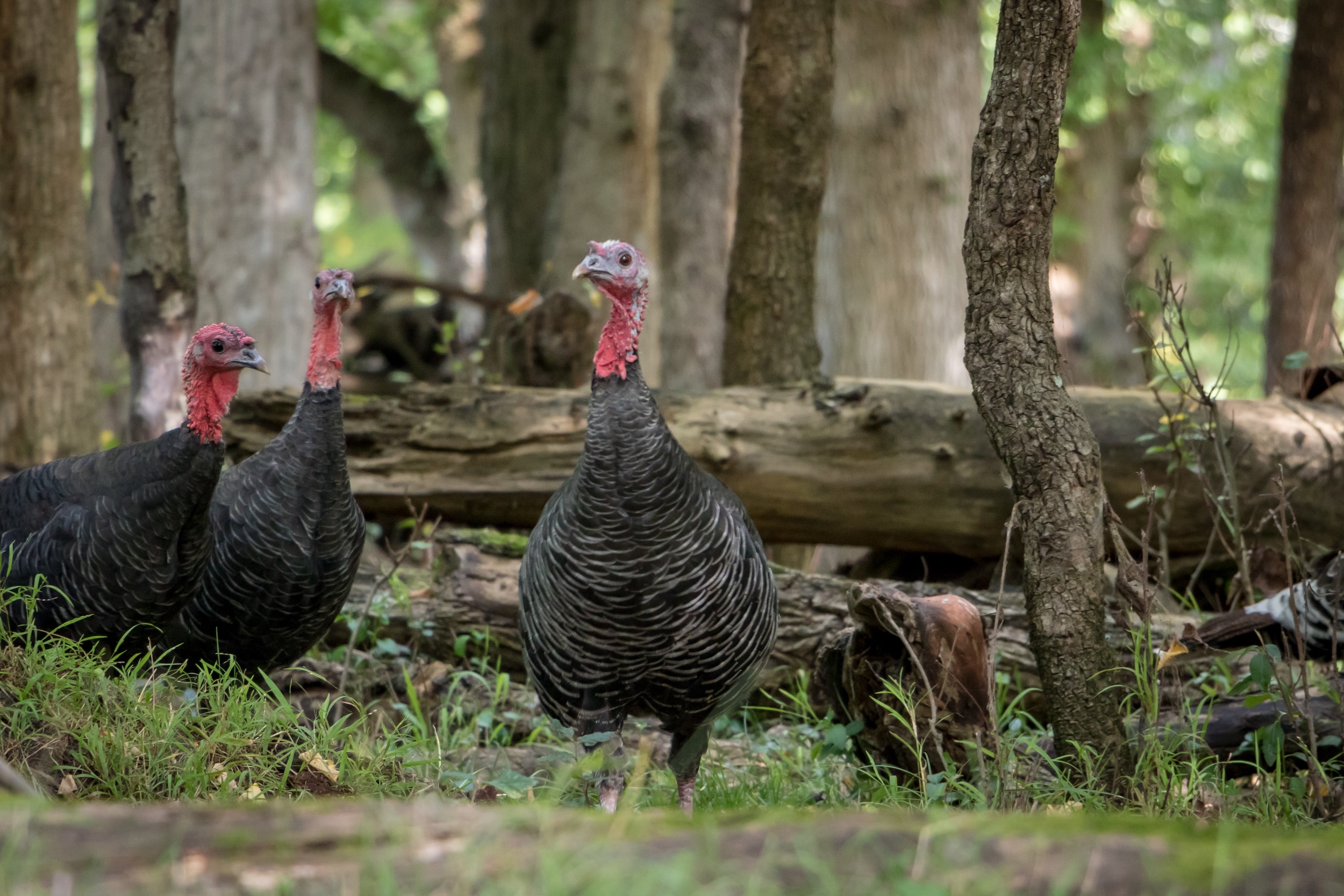
There’s nothing quite like having your own turkey hunting land. Whether you’re managing a small tract or substantial acreage, thoughtful habitat work can dramatically improve your turkey hunting experience and your property’s long-term value.
Creating a quality roosting habitat starts with protecting and enhancing mature trees on your property. Turkeys prefer large trees with trunk diameters exceeding 14 inches, typically located near reliable water sources. A selective timber harvest improves roost sites by thinning surrounding competition and allowing your preferred species to grow larger and stronger.
Food plot strategies for turkeys differ significantly from those focused solely on deer. Turkeys benefit from diverse plantings that provide nutrition across multiple seasons. Spring plots featuring clover, chicory, and annual ryegrass attract hens during the critical breeding season. Fall plots incorporating grain sorghum, corn, and winter wheat provide valuable food sources when natural mast crops run thin.
Managing nesting and brood-rearing cover requires maintaining areas with dense understory vegetation that provides the security hens need. Prescribed burning in late winter creates the patchy, diverse vegetation structure ideal for nesting success. And the fresh growth following a burn attracts the insects that young poults depend on for survival.
Water source development can also enhance your property’s value for turkeys and other wildlife species you’re managing for. Small ponds, seasonal wetlands, and reliable springs all attract turkeys, particularly during dry periods.
Turkey Hunting Habitat Pro Tip: Leverage land clearing to create strutting zones, along access lanes that help with bird movement and shooting lanes.
Using trail cameras effectively helps you pattern turkey movements and identify the key areas on your property that matter most. Unlike deer hunting where cameras aim to capture specific individuals, turkey scouting focuses on identifying travel corridors, preferred feeding areas, and roost locations that the birds use consistently. Place cameras strategically along field edges, near food plots, and at potential strutting areas where gobblers like to show off.
Identifying your property’s key turkey hunting areas comes from combining trail camera data with direct observation in the field. Spring scouting several weeks before season opens can help you identify where gobblers are roosting and where they fly down to strut each morning. Morning listening sessions from strategic points can help you map gobbler locations and understand their daily patterns.
Building family traditions around turkey hunting can create lasting value that extends far beyond any economic measure. Spring turkey season provides the perfect opportunity to introduce young hunters to the outdoors during mild weather and comfortable conditions. The interactive nature of calling turkeys engages new hunters in ways that passive stand hunting simply cannot match, creating memories and skills that last a lifetime.
Recreational properties in the best turkey hunting states, with documented turkey populations, command premium prices in today’s market. Buyers seeking turnkey hunting operations willingly pay more for properties with established food plots, known roost areas, and a proven track record of success.
Multi-species management opportunities make turkey hunting properties particularly attractive investments. Habitat improvements that benefit turkeys simultaneously enhance conditions for deer, creating opportunities for both spring turkey hunting and fall deer seasons.
Upland bird habitat, particularly for pheasant hunting, shares many characteristics with turkey brood-rearing cover. Properties supporting healthy turkey populations often provide excellent dove hunting in late summer and early fall, extending your hunting calendar across multiple seasons and giving you more reasons to enjoy your land.
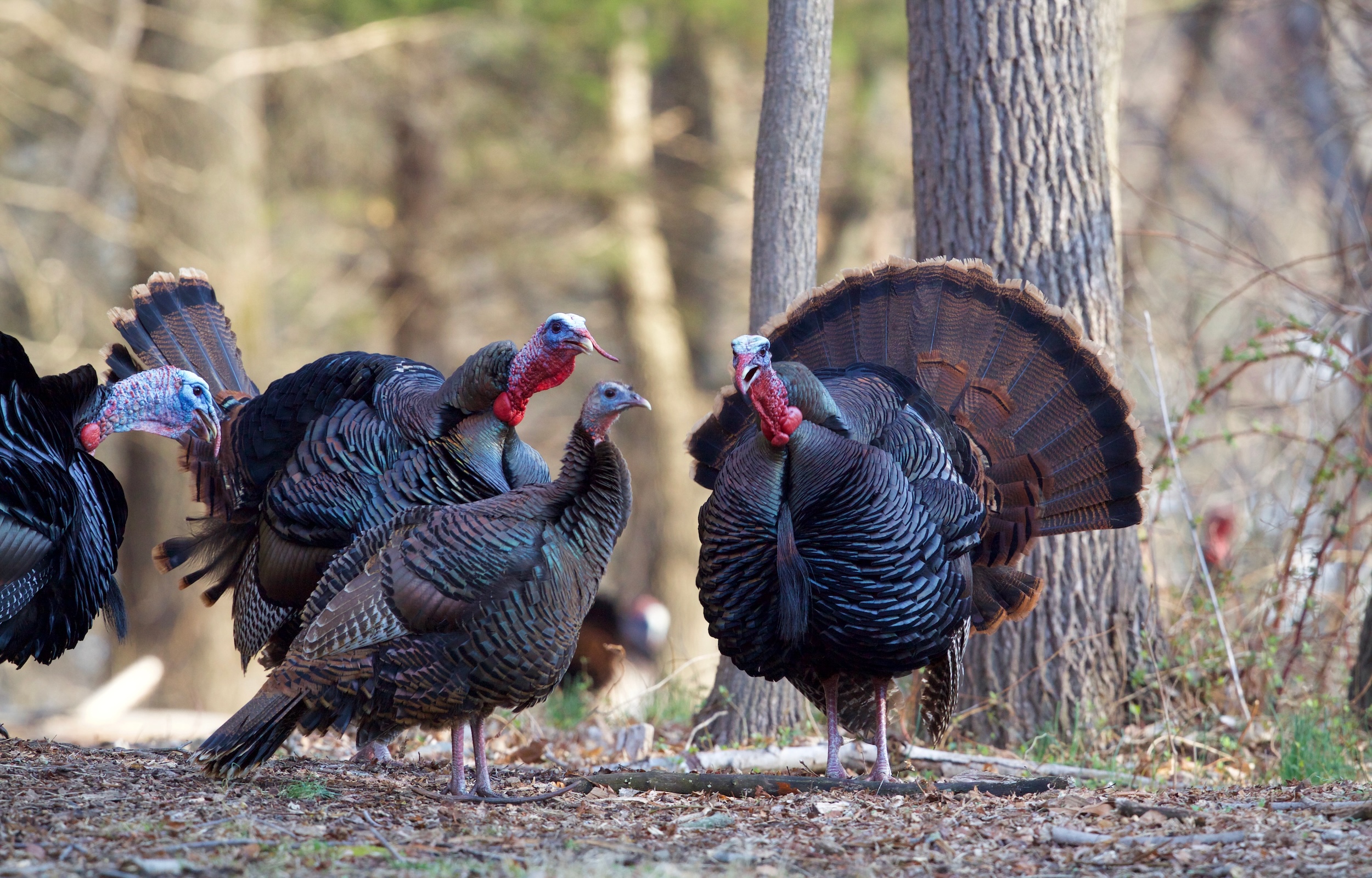
The best turkey hunting states span America from coast to coast, each offering unique opportunities and experiences worth pursuing.
Southern states like Alabama, Missouri, and Georgia provide extensive public access, robust populations, and early season turkey hunting when birds are fired up.
Midwest states including Nebraska, Kansas, and Iowa combine agricultural abundance with quality timber to support excellent turkey numbers and accessible hunting.
Western states like Montana and Colorado deliver the quintessential Merriam’s turkey hunting experience set against spectacular mountain landscapes.
And northeastern states such as Pennsylvania, New York, and Maine offer challenging terrain and late spring hunting when birds remain vocal into May.
Choosing the best places to turkey hunt will depend on your specific goals, the time windows you have available, and how far you’re willing to travel. And if you’re feeling particularly ambitious, traveling turkey hunters can experience different subspecies and landscapes by targeting multiple states and regions throughout the spring.
The heritage and legacy of turkey hunting continue growing stronger as new generations discover this challenging and rewarding pursuit. Whether you hunt public lands close to home or own a place in one of the best turkey hunting states, pursuing wild turkeys connects you with a tradition stretching deep into American history.
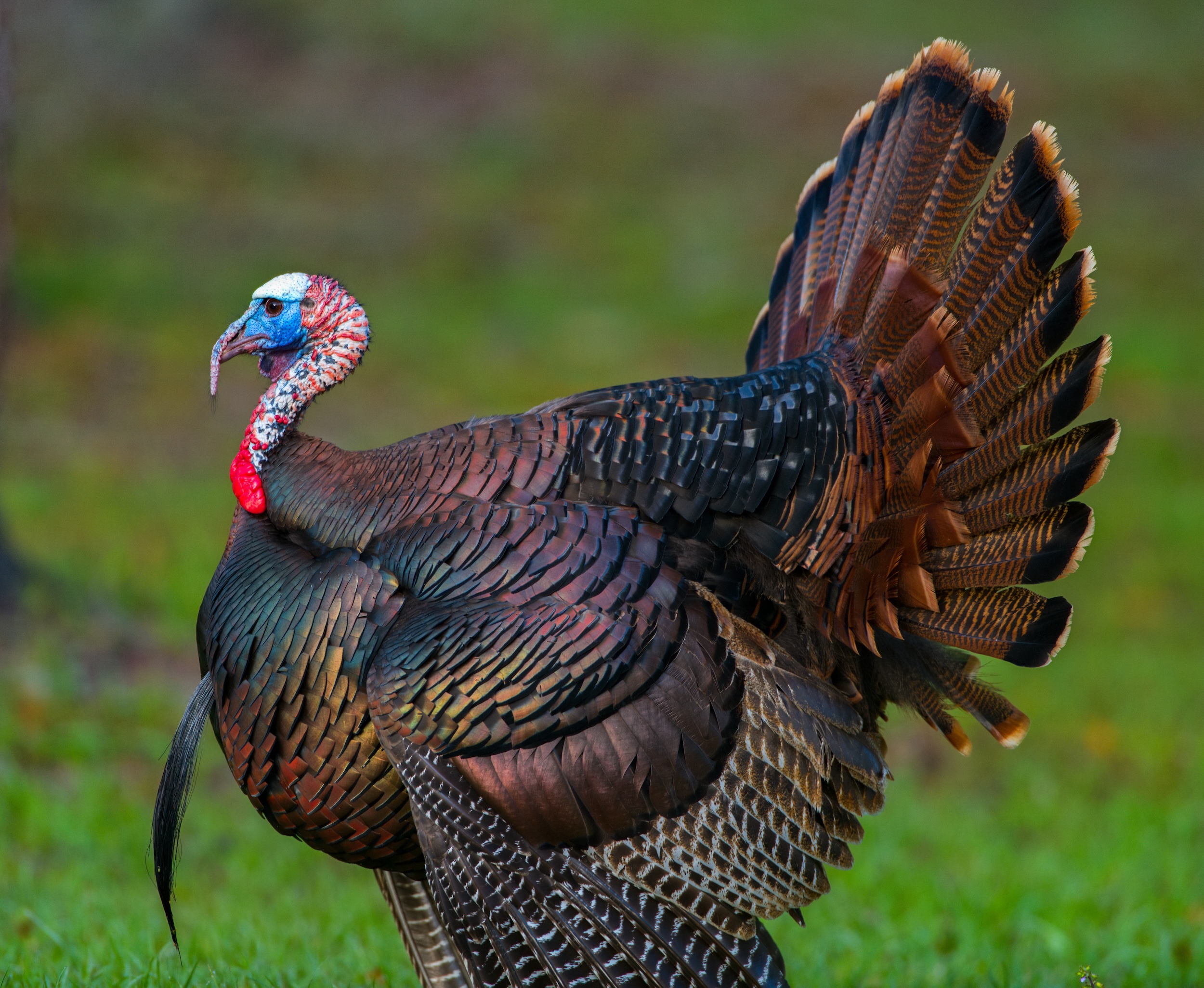
Owning turkey hunting land is so much more than acquiring real estate or making an investment. It’s about building something lasting: tradition, family heritage, and a lifestyle deeply connected to the land and its wildlife. Whether you’re searching for a small parcel near home or a larger tract in one of the best turkey hunting states, finding the right property can provide decades of enjoyment and memories.
Hayden Outdoors specializes in connecting hunters with properties across the best turkey hunting states in the US. Our agents understand the unique characteristics that make turkey hunting lands valuable and productive, from southern hardwood bottoms to western ponderosa pine forests and everything in between.
Whether you’re seeking a weekend retreat in one of the best turkey hunting states or a substantial property for comprehensive wildlife management and family gatherings, our Hayden agents can help you find your perfect piece of ground where turkey hunting traditions take root and memories are made.
Connect with a Hayden Outdoors agent today to discuss your turkey hunting land goals and start turning your vision into reality, no matter which state you’re looking to establish your hunting legacy in.
 Back to Blog