
×

Sign in
Sign in to save favorite properties and equipment, save your search parameters and more
Don’t have an account yet? Sign Up Now
Sign up
Already have an account? Login Now


 866-741-8323
Sign in
Sign in to save favorite properties and equipment, save your search parameters and more
Don’t have an account yet? Sign Up Now
Sign up
Already have an account? Login Now
866-741-8323
Login
Sign in
Sign in to save favorite properties and equipment, save your search parameters and more
Don’t have an account yet? Sign Up Now
Sign up
Already have an account? Login Now
Sign in
Sign in to save favorite properties and equipment, save your search parameters and more
Don’t have an account yet? Sign Up Now
Sign up
Already have an account? Login Now
When it comes to must-have equipment on your property, it’s easy to feel like there are too many options. One of the most versatile and useful pieces of machinery for most operations is a skid steer loader, but what is it even used for, and what can it do?
We get it; you’ve got real work to do. Maybe you’re staring down a property that needs grading, a barn that needs mucking out, a fence line that needs digging, or a pile of storm debris that isn’t going to move itself.
You need a machine that can keep up with all of it, fit through a gate, and not require a separate piece of equipment for every task on the list. And yet if you’ve tried to research that question online, you’ve probably run into the same problem: vague lists, recycled bullet points, and guides written by people who don’t work the land day in and day out.
At Hayden Outdoors, we’ve spent decades working alongside the farmers, ranchers, and landowners; we know how to actually run these machines inside and out. And we know what questions matter when you’re making a real equipment decision.
Our guide breaks down every major skid steer loader use case, walks through the different types (and what they do), and gives you the straight, practical information you need to put the right machine to work on your land.
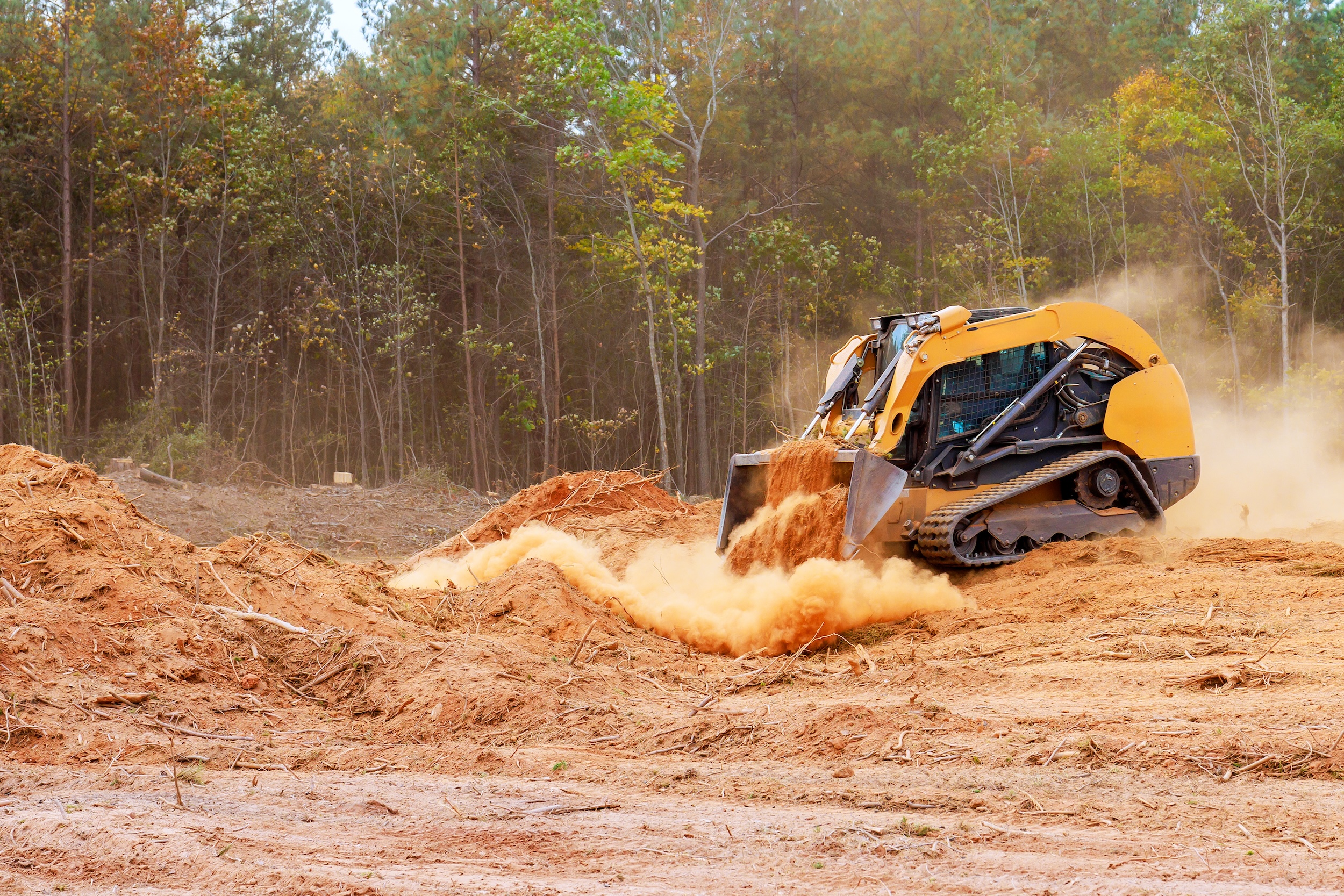
A skid steer loader is a compact, engine-powered machine with lift arms at the front that accept a wide range of interchangeable attachments for different uses.
What sets the skid steer apart from other compact equipment is its steering method (which ultimately impacts what it’s used for): the wheels or tracks on each side are powered independently, so the machine changes direction by varying the speed between sides rather than turning its wheels. This design allows it to pivot in its own footprint, which is where the name comes from.
Skid steers are consistently some of the most frequently rented pieces of construction and farming equipment in the US, which is a clear reflection of the broad ways in which the machine is used across industries.
That combination of compact size, strong hydraulic power, and attachment versatility is why skid steer loaders are used on farms, ranches, construction sites, landscaping operations, and rural properties of every kind.
To fully understand the capabilities, it helps to start with three core advantages that set it apart from every other piece of compact equipment.
The biggest reason skid steer loaders are so frequently used across a variety of industries is the attachment ecosystem built around them that allows them to do so much. With a wide variety of attachment types available from major manufacturers, a single skid steer can be used as a loader, a trencher, a mower, an auger, a snowblower, a brush cutter, a grader, a demolition tool, and more.
It’s like the Swiss Army Knife of compact equipment. You change the attachment, and you effectively have a different machine for a different job.
For a farm, ranch, or rural property operation where the work shifts by season and by the day, the kind of flexibility that a skid steer offers has direct financial value. One capital investment covers a wide range of tasks that would otherwise require separate equipment purchases, separate maintenance overhead, and separate storage.
When people ask what a skid steer is used for, this attachment flexibility expands those uses to a wide variety of tasks, significantly expanding what the equipment can do.
Most equipment steers by angling the front wheels. A skid steer cannot do that. Its wheels stay fixed and point straight ahead at all times. The operator changes direction by varying the speed between the left and right sides.
Speed up the right side, and the machine pivots left. Do the reverse, and it pivots right. Drive both sides in opposite directions, and it spins in place, executing a zero-radius turn.
When it comes to use cases, that capability means a skid steer loader can work in spaces where nothing else fits: between buildings, inside a barn aisle, through a standard farm gate, along a fence line, or on a residential job site hemmed in by neighboring structures.
For landowners and operators working in tight conditions, zero-turn maneuverability is often the deciding factor in choosing a skid steer over anything else available at the same price point that can’t do this.
One of the most common questions from rural landowners figuring out what a skid steer can be used for (and whether it belongs in their lineup) is how it compares to other machines they already own or are considering purchasing. Most equipment guides don’t touch this at all. Here is a straightforward breakdown.
Skid steer vs. a tractor: A tractor wins on drawbar work, pulling implements across large acreage, and powering rear-mounted PTO equipment. A skid steer wins on tight-space maneuverability, push-and-lift tasks, and attachment versatility for jobs that don’t require traveling across wide-open ground. On most working properties, they complement each other rather than replace each other.
Skid steer vs. mini excavator: A mini excavator is purpose-built for deep, precise digging and is hard to beat when you need to trench a utility line at significant depth. Skid steers are more versatile across job types and can dig with a backhoe or auger attachment, but they won’t match an excavator’s reach or precision for that specific task.
Skid steer vs. wheel loader: A full-size wheel loader moves more material per pass and cycles faster on large-volume jobs. A skid steer costs less to buy and operate, fits in spaces a wheel loader cannot enter, and handles a much broader range of tasks and uses through its attachment system. For most small-to-medium property operations, the skid steer is the more practical investment.
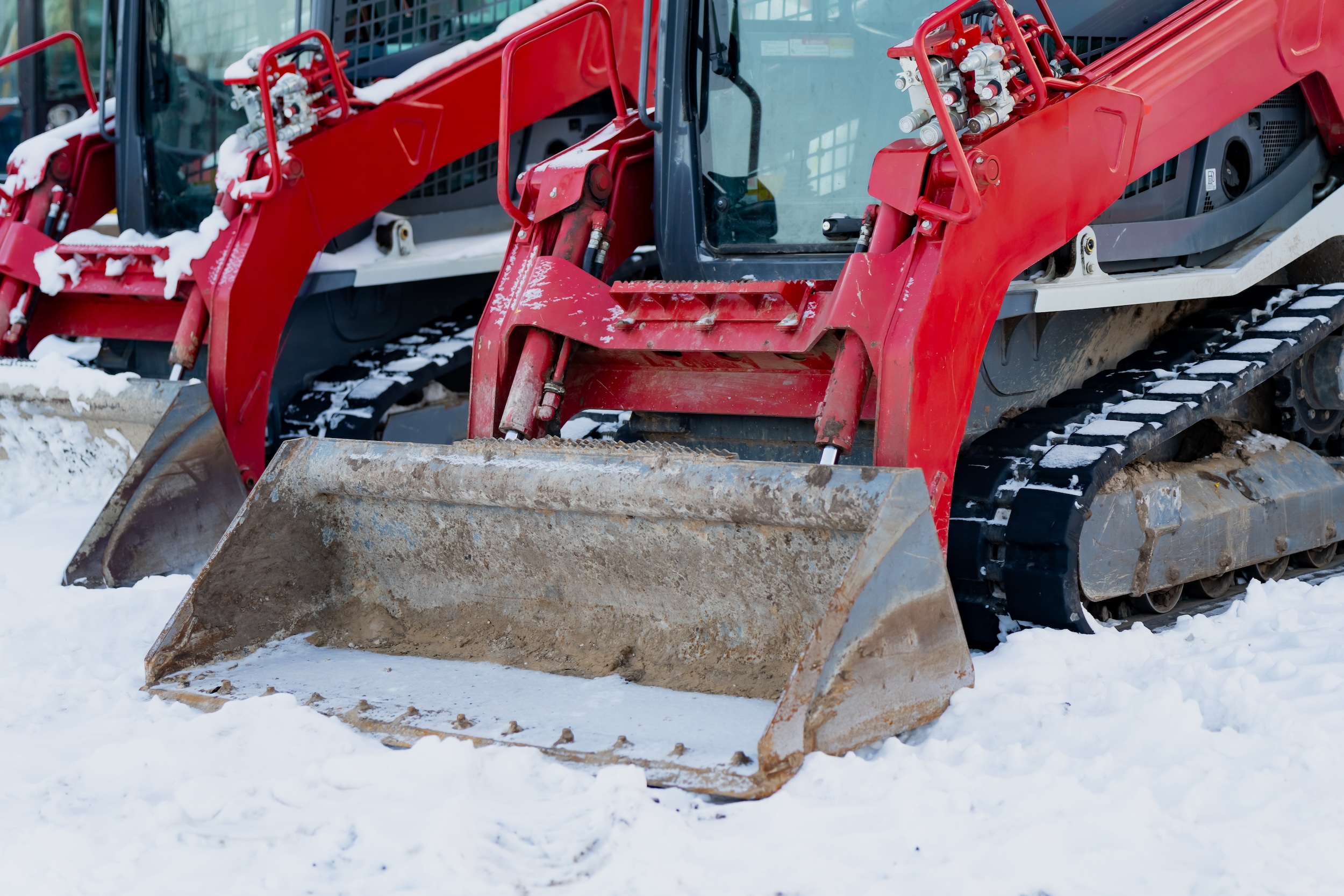
The honest answer to what a skid steer can do is simply: a lot. The skid steer loader uses we’ve listed below span construction, agriculture, landscaping, and beyond. We’ve organized them by application so you can get straight to what is most relevant for your operation.
This is where a skid steer and what it can do truly earns its reputation as the workhorse of rural operations. While most online guides reduce farm and ranch skid steer loader uses to a short bullet list, the reality is that a properly equipped machine handles a significant portion of the daily and seasonal workload on a working operation.
On a job site, a skid steer earns its keep from the first day. The compact frame of the skid steer allows it to be used where larger equipment cannot go, and its power-to-size ratio makes it useful across every phase of a project.
Skid steer loader uses on a job site include:
On urban or residential sites where the space between structures is measured in feet rather than acres, a skid steer is often the only compact piece of equipment that can be used to do the job at all. Its ability to swing around in a tight footprint and work close to existing structures without damaging them is a genuine operational advantage and is one of the core uses for the skid steer.
For landscaping and property development work, the skid steer loader is one of the most practical tools available. Small and medium frame machines are particularly well-suited here, with enough power for meaningful work and enough control to avoid tearing up finished areas.
Skid steer loader uses in landscaping include:
For landowners developing raw acreage or improving an existing property, this is a clear answer for what a skid steer loader is used for in a residential or rural context: it handles the majority of site prep work that would otherwise require hiring out multiple equipment types on separate days.
Another practical answer to what a skid steer can do in colder climates: it’s one of the most effective snow removal machines available at this size and price point, because of the combination of pushing power and attachment flexibility.
Plow blades, snow pushers, and snowblower attachments all mount to a standard machine, and the skid steer’s weight and low center of gravity provide solid traction on packed or icy surfaces.
For rural properties with long driveways and access lanes, ranch facilities with large lot areas to keep clear, or commercial operations that need consistent snow management, a skid steer with a snow attachment functions can be used as a year-round asset, rather than single-purpose equipment that sits idle for most of the year.
There are a few skid steer applications and uses that most guides overlook but are worth knowing about, particularly for buyers trying to evaluate total utility from a single machine.
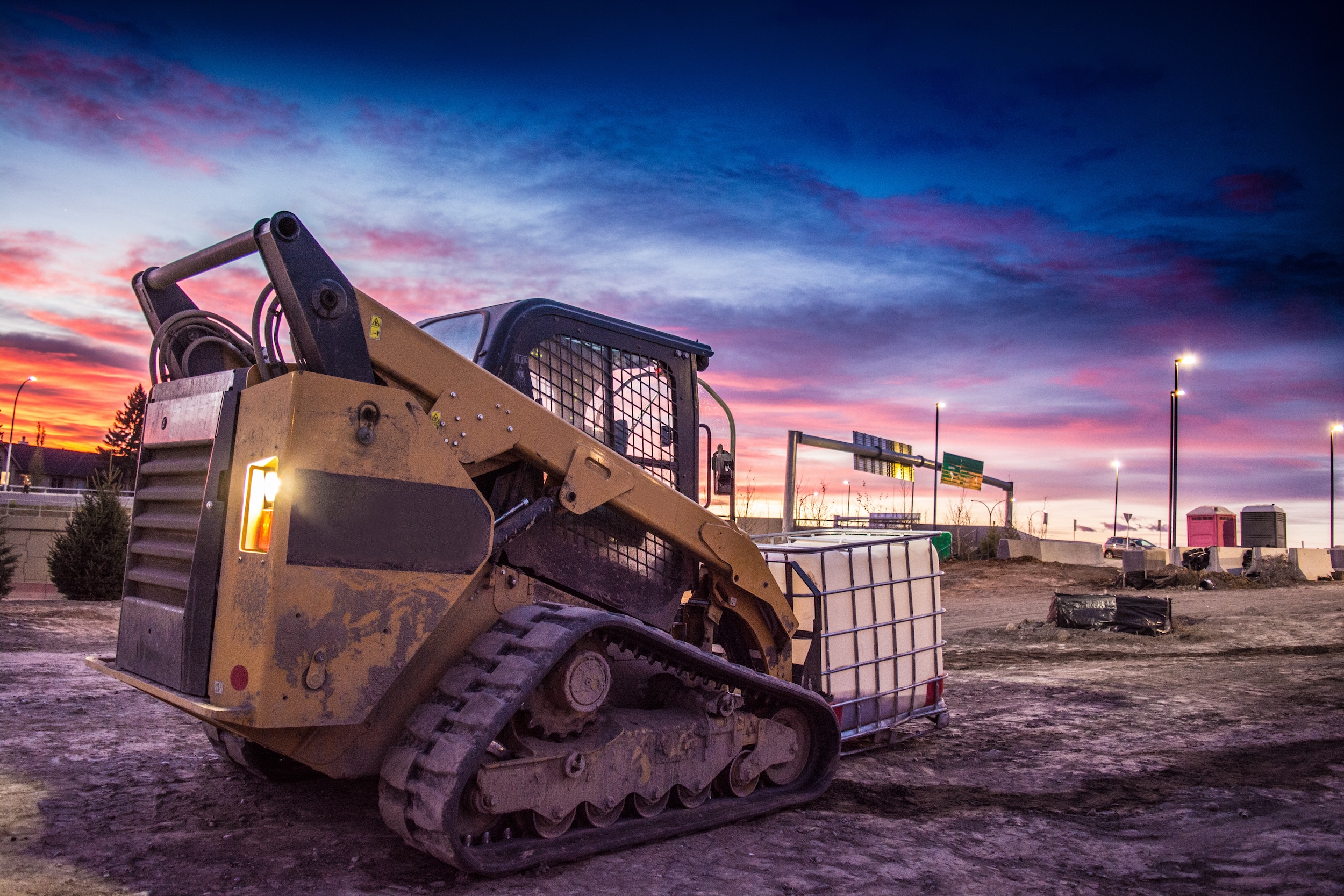
When evaluating what a skid steer loader can be used for and do on your property, there are two dimensions that directly affect suitability: whether the machine runs on wheels or tracks, and what size frame it carries.
Get both of these right and the machine works with you. Get either one wrong, and you’ll spend your time fighting your equipment instead of getting work done.
Wheeled skid steers are the more common configuration that’s used on developed ground. They move faster than tracked machines, execute true zero-radius turns, and cost less both to purchase and to maintain over time.
Wheeled skid steers are the right call when used for:
The tradeoff is traction and ground stability. Wheels lose grip in mud, sand, and soft, saturated soil. On turf, the skidding motion of a turn tears up the surface. If your primary working environment involves wet fields, undeveloped ground, or slopes, a wheeled skid steer will fight you in those conditions, thus limiting its uses.
A compact track skid steer loader, commonly abbreviated as CTL, runs on two continuous rubber tracks rather than wheels. The tracks distribute the machine’s weight over a much larger ground contact area, which reduces ground pressure per square inch and provides dramatically better traction on soft, muddy, or uneven surfaces.
CTLs are the right choice of skid steer for:
The tradeoffs are cost and surface limitations. Track loaders cost more upfront, tracks are more expensive to replace than tires, and these skid steers can mark hard paved surfaces when they’re used there. They also move more slowly and do not execute the true zero-turn of a wheeled machine without some risk of track wear.
This is a specification that so many equipment guides skip, but understanding it changes what a skid steer loader is used for in a practical sense, and should factor into any purchase or rental decision.
A radial lift skid steer raises its boom arms in a curved arc, reaching maximum forward reach at mid-height. It’s that arc path that makes these particular types of skid steers great when used for grading, backfilling, trenching, scraping; essentially tasks that require staying close to the ground. Radial lift machines are generally the lower-cost option and work well for most farm, ranch, and landscaping applications.
A vertical lift skid steer raises its boom in a path that keeps the load closer to the machine as it rises, then extends it forward near the top of the arc. The result is a higher maximum reach and more consistent dump height throughout the lift cycle. A vertical lift skid steer is the better choice when you regularly do the following: load trucks, fill elevated hoppers, stack materials, or work with attachments that need maximum height clearance. If loading out over high truck bed walls is a regular part of your operation, the use of a vertical lift skid steer is worth the additional cost.
Skid steer loaders are categorized into three frame sizes, which can directly impact the ways the equipment is used and what it can do. The three frame categories below map directly to the range of jobs each machine is built to handle.
Small frame (under 50 HP, under 1,750 lb rated operating capacity): This is the most maneuverable skid steer configuration and the one that fits through standard farm gates and commercial doorways. It’s best for residential and small-property landscaping, interior demolition, tight job sites in developed areas, and light farm and property maintenance tasks. It also has lower operating costs and is easier to transport than larger machines.
Medium frame (50-70 HP, 1,750-2,200 lb rated operating capacity): This is the most commonly owned and rented skid steer size, and for good reason. It handles the broad middle range of construction, landscaping, and agricultural work without the bulk of a large machine. Most working farms and ranches find that a medium frame skid steer loader covers the overwhelming majority of daily tasks and uses. This is the configuration most rental fleets stock in the greatest volume.
Large frame (over 70 HP, over 2,200 lb rated operating capacity): This skid steer size provides maximum lifting capacity and horsepower for heavy demolition, high-volume grading, large-scale land clearing, and any application that regularly pushes the limits of what a smaller machine can sustain. These machines tend to be less maneuverable and more difficult to transport, but they’re capable of work that smaller skid steers are unable to do within a full production day timeframe.
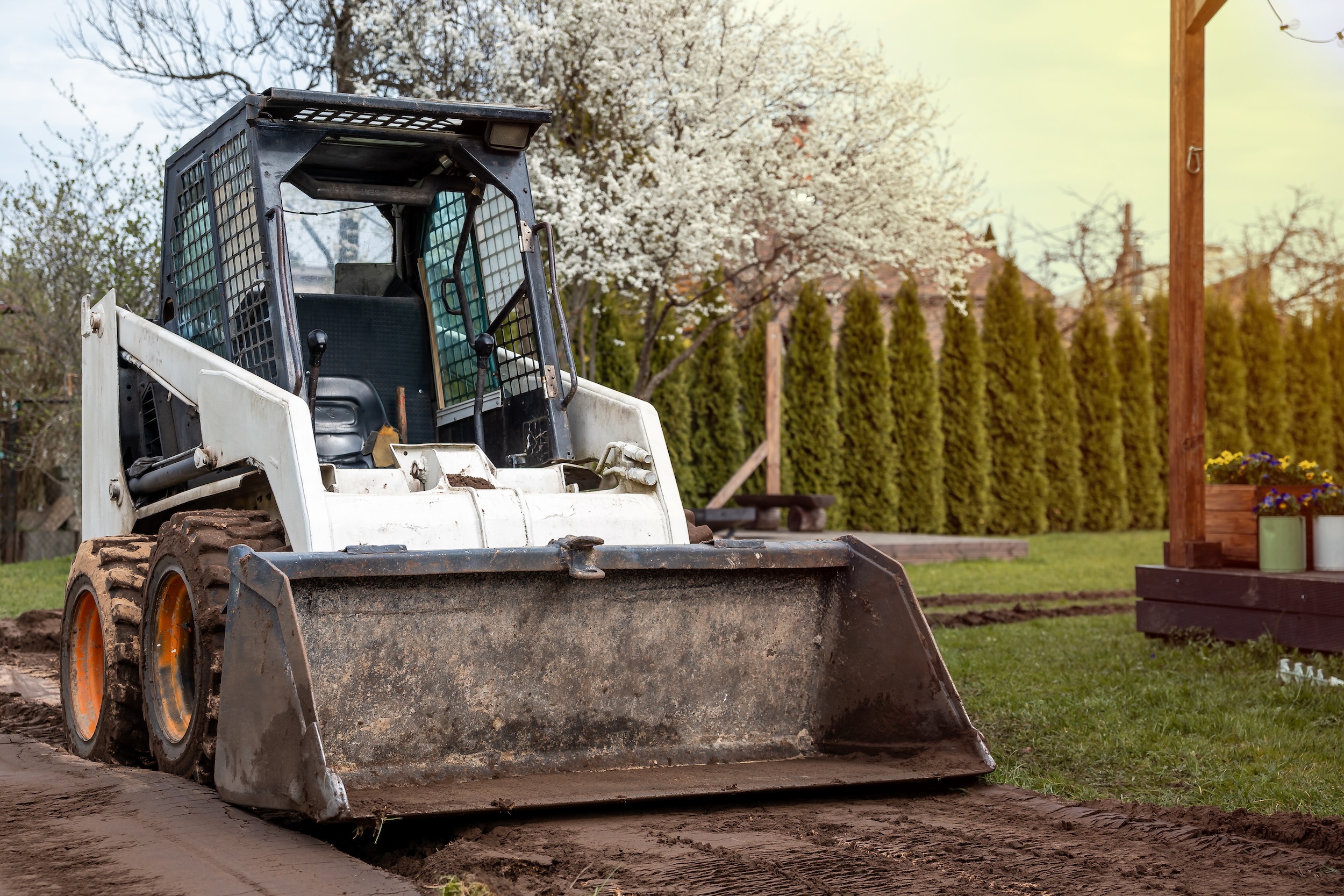
Once you understand what a skid steer is used for across all its applications, the next step is matching the right machine to your specific work.
The most common mistake buyers and renters make is sizing to the average of their expected tasks rather than the most demanding one. Start with your hardest requirement and size from there.
Every skid steer has a rated operating capacity, or ROC. Per OSHA’s material handling guidelines, for wheeled machines the ROC is set at 50 percent of the machine’s tipping load. For compact track loaders, the standard is 35 percent. That safety margin exists for good reason: operating close to the tipping load is dangerous and puts stress on both the machine and the ground beneath it.
The practical approach is to know the weight of your heaviest expected load, add a comfortable safety buffer, and use that number to set your minimum ROC requirement.
If you regularly move round bales weighing 1,500 pounds, you want a machine with a ROC well above that figure, not one that barely meets it. Getting this right is the most mechanical part of figuring out what a skid steer loader can be used for on your specific property.
Terrain and site conditions often determine the right type of skid. steer more definitively than lift capacity alone. Work through these questions before finalizing a configuration:
Answer these questions honestly, and you’re that much more likely to arrive at the right type and size of skid steer without second-guessing your purchase later. down the line.
This is a specification that trips up a lot of first-time buyers. Skid steers come with either standard-flow or high-flow hydraulics, and the difference determines which attachments you can use at full capability.
Standard-flow hydraulics handle the majority of common attachments well: buckets, augers, grapples, bale spears, post drivers, and most landscaping tools. High-flow hydraulics are required for power-hungry attachments including cold planers, high-speed mulchers, large brush cutters, and some trenchers.
If you intend to run high-demand attachments, verify that the skid steer you’re considering has high-flow capability before you plan to use it on your property. Adding it after the fact is not always possible and is never inexpensive.
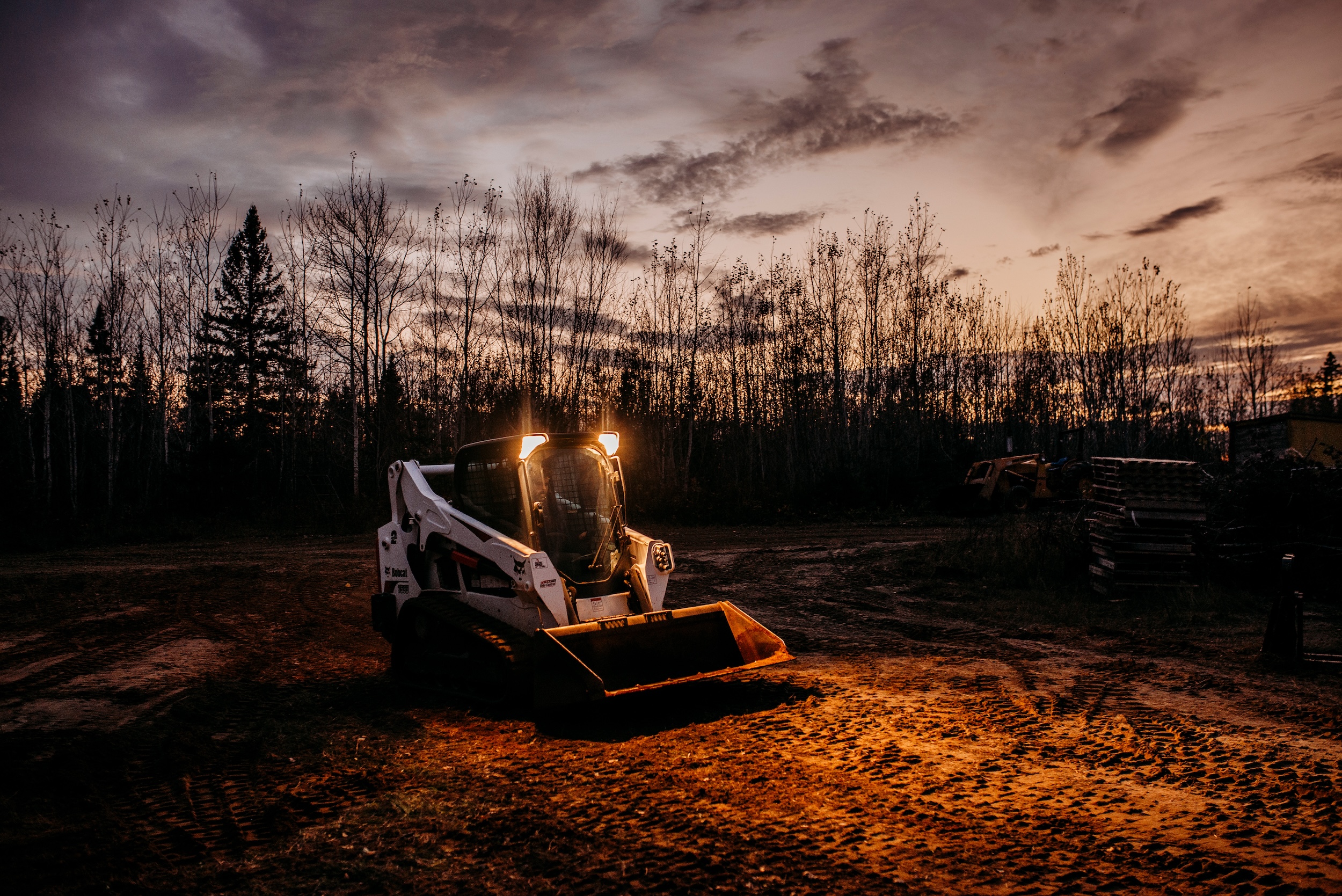
Part of knowing what a skid steer is worth to your operation is deciding whether renting or owning one is right for your particular use case. Both paths make sense depending on your situation, and the straight answer is that neither is universally right for everyone.
When To Rent: Renting a skid steer makes sense when you have a one-time or short-duration project, you’re not yet certain which type or size fits your operation, you want to avoid the overhead of ownership, including maintenance and storage, or you need a specialized configuration for a task that doesn’t come up regularly.
When to Buy: Buying makes sense when you’re putting a skid steer to work multiple times per year across different tasks, you have ongoing farm, ranch, or property needs that justify year-round availability, and the economics of ownership hold up against repeated rental costs. For most working rural properties, if you’re renting a skid steer more than two or three times annually, ownership starts to make financial sense.
The Used Skid Steer Option: Skid steers hold their value well and are built for demanding work, which means a well-maintained used machine with documented service hours is often the smart middle-ground purchase. Buying used lets you get into the right configuration without paying new-equipment pricing, and the major manufacturers build machines with long service lives that make used purchasing a sound long-term investment.
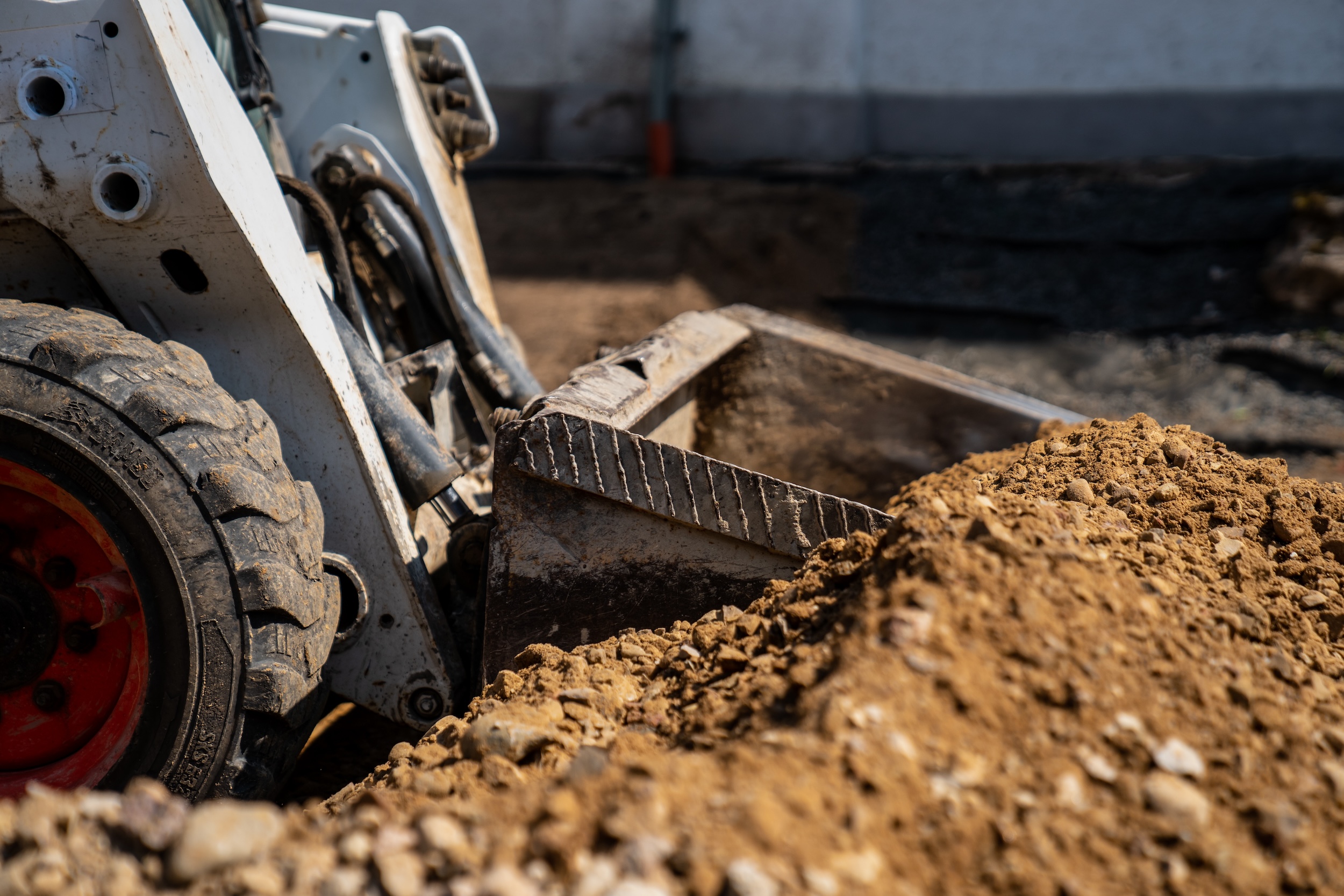
You’ve got a clear picture now of what a skid steer is used for across construction, agriculture, landscaping, and beyond, which type fits your terrain, and how to size the machine to the work. The next step is finding the right machine at the right price from someone who understands what you’re actually going to do with it.
At Hayden Outdoors, we connect buyers and sellers of farm, ranch, and rural equipment directly, with no fees or commissions collected on either side. Whether you’re looking for your first skid steer or adding to an existing fleet, our equipment listings are the place to start.
 Back to Blog