
×

Sign in
Sign in to save favorite properties and equipment, save your search parameters and more
Don’t have an account yet? Sign Up Now
Sign up
Already have an account? Login Now


 866-741-8323
Sign in
Sign in to save favorite properties and equipment, save your search parameters and more
Don’t have an account yet? Sign Up Now
Sign up
Already have an account? Login Now
866-741-8323
Login
Sign in
Sign in to save favorite properties and equipment, save your search parameters and more
Don’t have an account yet? Sign Up Now
Sign up
Already have an account? Login Now
Sign in
Sign in to save favorite properties and equipment, save your search parameters and more
Don’t have an account yet? Sign Up Now
Sign up
Already have an account? Login Now
These days, the pull to live a more rural life can be a strong one. Establishing your own escape to a quieter time and place offers great appeal for those who crave a simpler life. One great way to pursue your dreams of large-acre land is with a hobby farm. Pleasure farming can provide self-sufficiency, lifestyle enrichment and sustainability. But how do you start a hobby farm, and what does “hobby farm” even mean?
Those of us at Hayden Outdoors are deeply rooted in the country’s farming and ranching communities and lifestyle, and we’re happy to help clients find their ideal plot of ground to start their dream hobby farm. Here are good first steps and important considerations from the farmland experts at Hayden Outdoors.
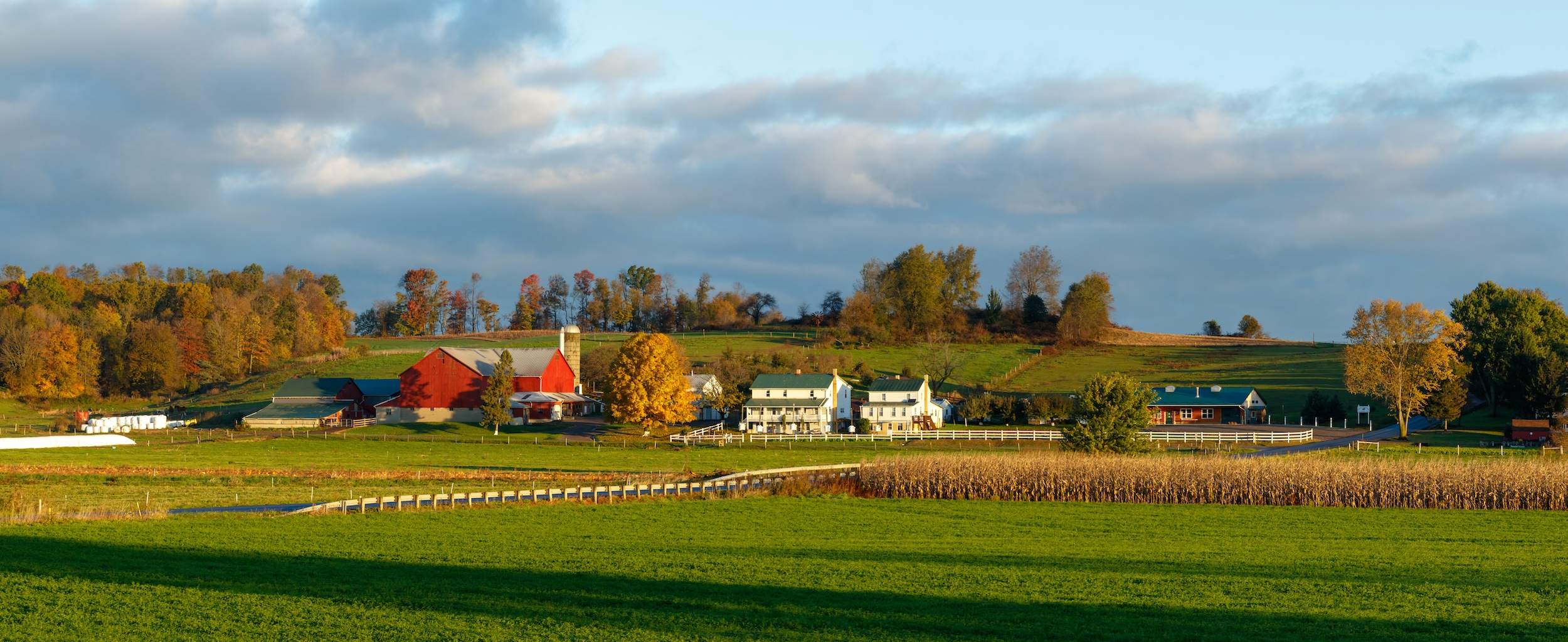
There’s no standard meaning or definition of what a hobby farm is, but generally, hobby farms are smaller than a commercial farm, and are operated for pleasure, recreation or supplemental income instead of as a full-time business.
You and your family or friends are typically the managers of a hobby farm, and while the farm might produce crops, livestock, orchards or gardens that supply you with a fresh bounty, people who own hobby farms do not typically rely on them as their main source of income.
Again, there’s no hard-and-fast rule here. If you’re looking for a good amount of land that will allow you to establish your own hobby farm without becoming overwhelmed, 10 acres is a good place to start.
However, more than 10 acres can also provide additional opportunities when starting your hobby farm, such as recreation, more room for cattle or timber harvesting, depending on your location and local regulations.
The idea of homesteading is derived from the earliest days of settlement in the West. The federal Homestead Act of 1862, signed by President Abraham Lincoln, established an area of public land—typically 160 acres—granted to any U.S. citizen willing to settle on and farm or otherwise improve upon the land for at least five years.
Today, that homestead definition is a little looser, often referring more to a large-acre plot of land established with the intent of self-reliance and sustainability. This might mean growing one’s own food, raising animals, harvesting crops or other produce and generating energy such as solar or wind to help sustain an independent lifestyle.
A homestead is not usually intended as an income-generating property, although some recreational property owners do turn to outfitters, guides and recreational opportunities to help offset ownership and property maintenance costs.
Definitionally, a hobby farm is typically less about self-reliance and more about fun and lifestyle enrichment, allowing owners to pursue passion projects like raising a small number of animals, beekeeping, maintaining orchards or harvesting specialty crops. Owners do not usually rely on a hobby farm as their sole source of income.
This last point—you, as the owner, not relying on a hobby farm as your sole source of income—is an important defining factor between a hobby farm and a farm utilized with the intent of turning a profit.
According to Utah State University, “In general, the IRS considers an activity a trade or business, and not a hobby, if it is conducted with a profit motive. Profit is defined as income (receipts) greater than expenses, where expenses include depreciation of capital assets. Note that this determination does not require that a profit is generated, only that there is motive for profit in conducting the activity. The distinction between a hobby and a trade or business is important because it determines the deductibility of expenses related to the activity.”
Farms that are treated as a business can deduct all ordinary and necessary expenses, even if they exceed the farm’s income. This can create a net operating loss to offset other income. By definition, hobby farms do not enjoy the same protections.
Internal Revenue Code § 183 codifies the “hobby loss” rules, stating, “if an activity is deemed to be a hobby, (i.e. not engaged in for profit), deductions for expenses are limited.” Also, “The burden is on the tax payer to prove the activity is carried out with a genuine profit motive.”
Some of the most important factors the IRS and the courts look at to determine if a farming activity is a for-profit business (and therefore eligible for full deductions) or a hobby (limited deductions) include:
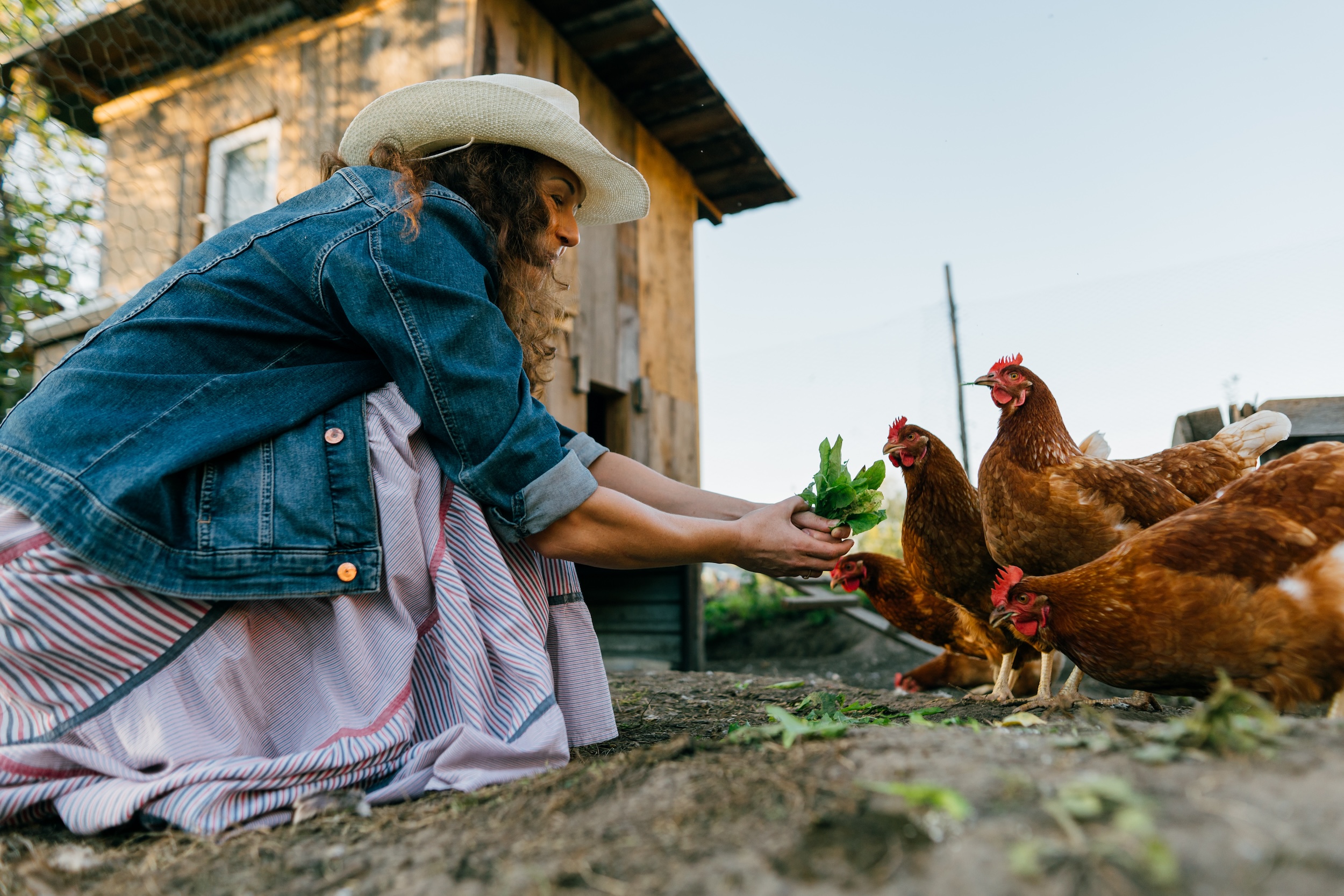
Here are a few quick-and-dirty rules farmers and hobby farmers turn to to help determine how they should classify their land and the business on it, as well as what they can and can not deduct from their taxes:
The 3-of-5 years rule: If your farmland activities show a net profit in at least three of five tax years, the IRS will most likely presume you are running a business.
According to the IRS, hobby farms:
For a comprehensive guide, the IRS provides Publication 225 (2024), Farmer’s Tax Guide. If you have specific questions about the tax implications of starting and owning a hobby farm, it’s important to talk to a recreational real estate professional and your accountant before you purchase the land to ensure you avoid any negative or unwanted tax implications.
If you dream of days in the dirt, exploring new ways to garden, farm, own chickens or experience the pure joy that piglets bring to the world, choosing to start a hobby farm might just be perfect for you. So let’s start with the pros of starting a hobby farm:
But hobby farming does come with important considerations, costs and cons, including:
If, after considering all of the pros and cons of starting a hobby farm, you’re still game to give it a go, here’s a final checklist of things to think about before you do.
And if you’re still not sure, talk with your farmland real estate agent to get a better idea of what’s involved, walk some plots of land and learn more about the realities of hobby farming. If it all adds up, you’re probably a great candidate.
You might be ready to start your own hobby farm if:
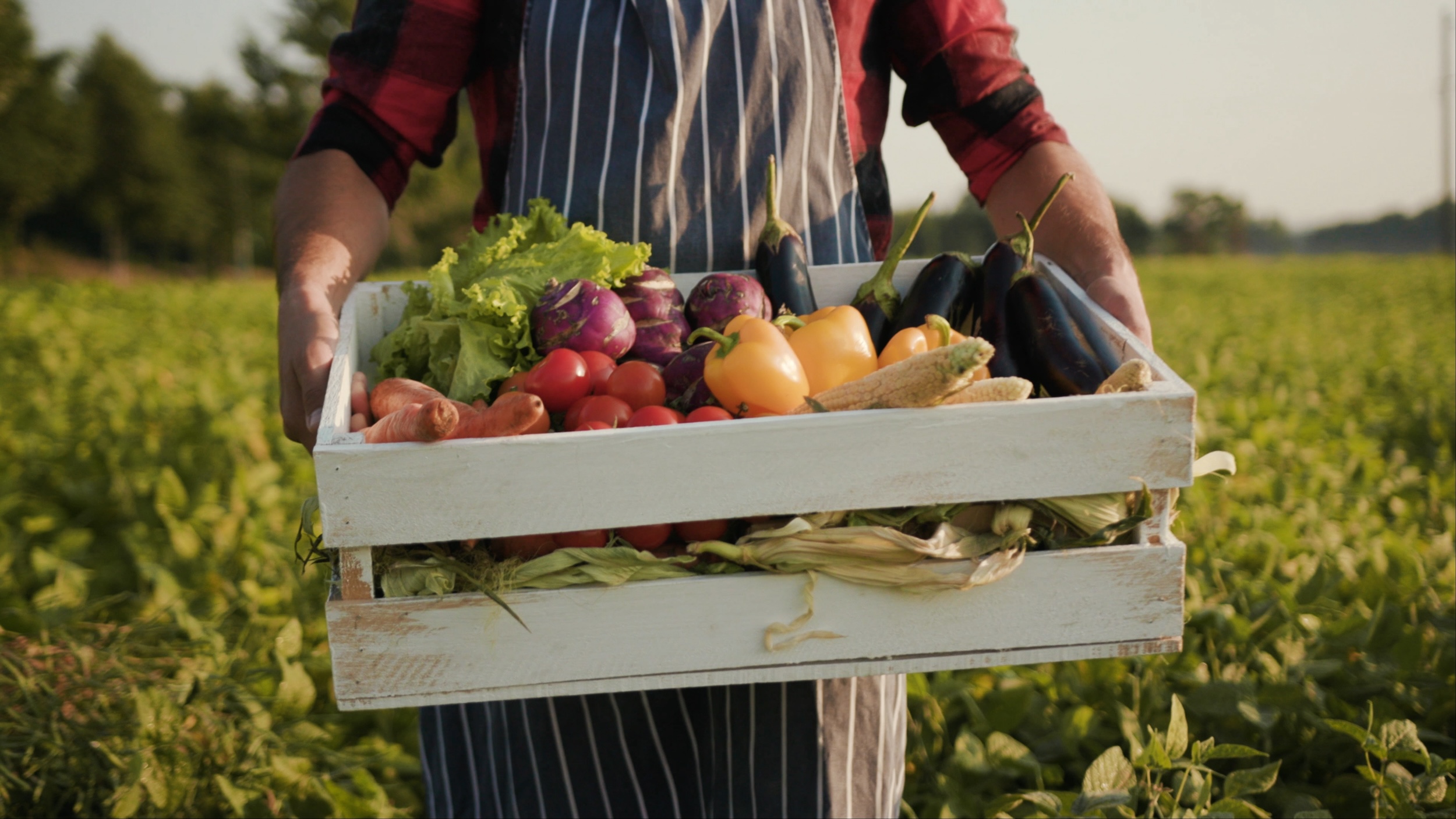
The time is now and you’ve found the perfect plot of farmland. Here are your next steps to start a hobby farm:
If you’re new to the game, learn the basics of farming, gardening, livestock care, soil management and what’s required to raise farm animals. Books, YouTube videos and local resources are a great place to start when getting into hobby farming. Don’t be afraid to ask local farmers at the weekly market how they got started.
Finding the right swath of ground for your hobby farm is key. Considerations include:
Here at Hayden Outdoors, helping your find the dream plot of land to start your hobby farm is our specialty. We’ve created a curated list of properties to get you started on your agricultural journey.
When you start your hobby farm, you’ll want to begin with a few animals, a small plot of crops and a manageable garden. Keep your operations sized to what you can realistically manage and maintain over time.
As you learn, consider how you want to grow your hobby farm. What else would you like to produce? Are there new opportunities for local sales or artisan outlets?

Here’s a comprehensive list of the farm equipment and essentials you’ll need to start a hobby farm, although specifics will vary depending on your overall objectives, goals and timeline.
This will depend on what kind of hobby farming you plan on doing, but can include a push mower, weed trimmer, ATV, trailer, plow, cultivator and manure spreader. Consider renting larger equipment or buying it at auction if you’re just starting out.

Ask those of us at Hayden Outdoors and we’ll tell you, it’s always a good time to spend more time on the land, and choosing to start a hobby farm is a great way to do it. Our recreational real estate professionals—many of whom grew up cultivating, tilling and harvesting themselves—are ready to help you find your personal dream farm, so you can start living off the land.
Or if you’d like to do a little online exploring before talking to an agent, these properties are all 100 acres or less, perfect for getting your feet wet and your hands dirty when it comes to establishing your own hobby farm.

 Back to Blog