
×

Sign in
Sign in to save favorite properties and equipment, save your search parameters and more
Don’t have an account yet? Sign Up Now
Sign up
Already have an account? Login Now


 866-741-8323
Sign in
Sign in to save favorite properties and equipment, save your search parameters and more
Don’t have an account yet? Sign Up Now
Sign up
Already have an account? Login Now
866-741-8323
Login
Sign in
Sign in to save favorite properties and equipment, save your search parameters and more
Don’t have an account yet? Sign Up Now
Sign up
Already have an account? Login Now
Sign in
Sign in to save favorite properties and equipment, save your search parameters and more
Don’t have an account yet? Sign Up Now
Sign up
Already have an account? Login Now
As the sun dips low and the crickets start their evening serenade, there’s no better place to be than on your own slice of heaven – your farm. But owning a farm isn’t just about the pastoral beauty and the peace it brings. It’s also about understanding the value of your land. Farm appraisal season is a crucial time for every property owner. It’s when you get to know the worth of your land, and it can significantly impact your financial decisions.
“Today’s farmers are very savvy businessmen and women,” said Hayden Outdoors Supervising Broker John Herrity. “They live it, breathe it, study it, and know it better than anyone.” That’s where this guide comes in. We’ll dive into the world of farm appraisals, shedding light on the process, and offering practical tips to help you navigate this season with confidence.
Farm appraisals are more than a simple assessment. They are comprehensive evaluations that help determine the land’s worth. This value affects everything from property taxes to the sale price if you ever choose to sell. You might wonder how farm appraisals differ from regular residential or commercial property appraisals. Well, agricultural land has unique features, like soil quality and water resources, that play a crucial role in its valuation.
The process can often feel overwhelming for landowners. However, understanding the components is key. Knowing what appraisers look for can ease the stress and clarify any confusion surrounding the process. Here are some basic elements appraisers typically consider:
Farm appraisal isn’t just about numbers. It’s about understanding how different factors come together. This insight can guide you in making informed decisions concerning your land. Knowing the appraisal process can also ensure your property’s potential is fully realized. It’s like uncovering hidden treasures lying beneath the earth.
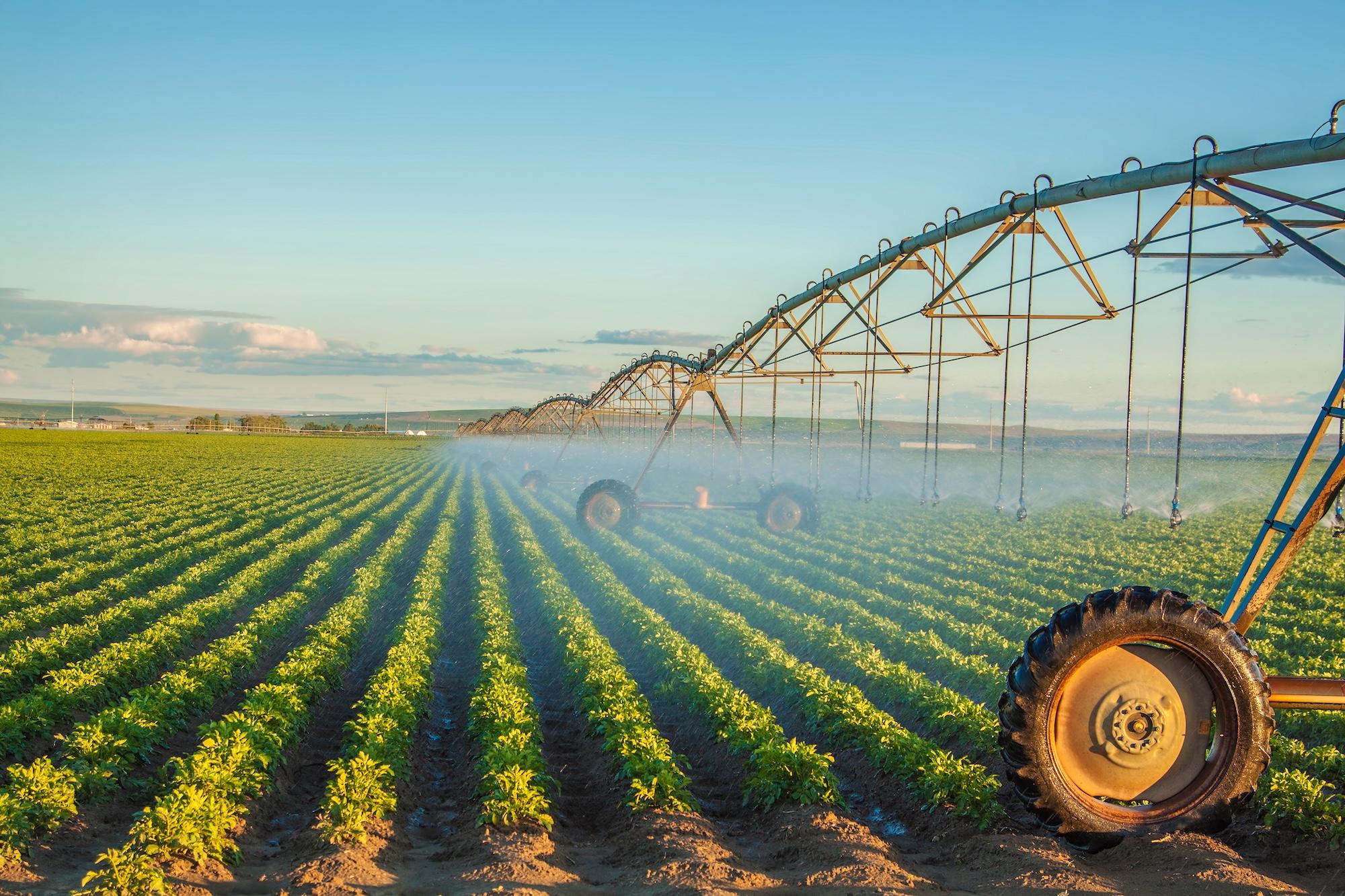
Several factors play into the assessment of agricultural land value. Each aspect has its unique contribution to the overall appraisal. Let’s delve into some of these key factors. One critical element is the location of the land. Proximity to main roads and markets can significantly enhance its value. Easier access can mean better logistics for selling produce or livestock.
Soil quality is another major influencer. Fertile soil, capable of supporting crops, boosts the land’s appeal. Rich land ensures productive farming and often commands a higher appraisal value. Water resources are essential for any farming operation. Land with ample and reliable water supplies is usually more valuable. Access to irrigation systems and water rights also enhance worth.
In addition to the quality of the soil itself, the percentage of tillable land is a major factor in evaluating row crop farmland. According to Herrity, appraisers must consider: “how much is tillable and how much is recreational/pasture? How much of the land is comprised of roads and waste/ditches?”
When it comes to valuing row crop it’s important to remember that the value to the next door neighbor or close neighbor can be considerably more than an outside investor. The opportunity to add land to your operation, as a neighbor, may only present itself once in a lifetime. The advantages to an adjoining neighbor to increase their farm footprint could affect the value as much as several hundred dollars per acre or 8-10% in some cases. Owner/operators may wait 15-20 years for that right tract to come on the market so when it does, they jump on it and tend to pay more than market value.
Current market trends can’t be overlooked. Appraisers take these into account when evaluating a property. Increasing demand for farmland can drive up land values. Recent sales of nearby comparable lands provide a benchmark. This assists appraisers in determining a reasonable value for your property. It’s about knowing how your land stands among its peers. Finally, the appraisal considers any improvements. Investments in infrastructure or land enhancements can increase the value. Keeping track of these developments ensures they are reflected in the appraisal.
Getting ready for a farm appraisal requires some thoughtful preparation. This effort can help reveal your property’s full potential. Start with gathering all necessary documents. Essential papers might include deeds, land surveys, and income records. These will aid the appraiser in understanding your property thoroughly. Consider tidying up and maintaining the farm. A well-presented appearance often leaves a positive impression. Functionality and cleanliness can influence the appraiser’s perspective.
Prepare a list of recent improvements and investments. Whether it’s a new barn or enhanced fencing, document them. Providing these details can highlight the added value. Make sure you’re available during the appraisal. Being present can help address questions and provide insights. A well-informed discussion with the appraiser can be advantageous. Here’s a quick list to help organize your prep work:

Farm appraisals come in various forms, each serving a distinct purpose. Understanding these types helps you select the right one. A full appraisal is the most detailed type. It involves a comprehensive visit and meticulous evaluation of the property. This is ideal for selling or significant financial decisions. Drive-by appraisals offer a quicker, less intrusive option. The appraiser assesses the farm from a distance. They’re useful when time is limited and a full appraisal isn’t required. Lastly, desktop appraisals rely on data without a physical visit. Using available records, they’re cost-effective for basic property insights. However, they lack the detail of a full appraisal.
Boosting your farm’s appraisal value takes strategic planning and effort. Start by sprucing up the property’s appearance. A neat and well-maintained farm speaks volumes to an appraiser. Documenting improvements is essential. Keep records of upgrades and investments made on the farm. This proof can significantly impact the valuation.
Consider features that add value. Organic certifications or specialty crops can enhance your farm’s appeal. Highlight these aspects during the appraisal process. Communication with your appraiser is key. Provide them with all necessary information, like water rights and land use plans. Ensuring they understand your property’s unique qualities can sway the appraisal in your favor. Here’s a quick checklist to prepare:
These steps can aid in reaching an optimal appraisal outcome.

Choosing a skilled appraiser is vital for a fair valuation. Seek someone with expertise in agricultural properties. Their knowledge ensures an accurate assessment. Check their credentials and references. Verify that they meet state requirements and have a solid track record. This due diligence is crucial for peace of mind. Communication counts. Ensure the appraiser understands your property’s unique features. Discuss your goals and any relevant improvements. Their grasp of these details aids in achieving a precise appraisal outcome.
Once the appraisal report lands in your hands, take time to digest it. This document outlines your property’s value based on various factors. Understanding its contents is key to making informed choices. A well-rounded report includes market analysis, land condition, and improvement potential. Pay close attention to these components. They highlight areas for enhancement and future value growth. After reviewing, decide your next steps. Use the report to guide estate planning or secure financing. If any part seems unclear or inaccurate, don’t hesitate to consult the appraiser for clarification.
Armed with your appraisal, you’re well-equipped for future endeavors. Use this newfound knowledge to make strategic property decisions. Your farm’s potential hinges on informed moves. Remember, a keen understanding of your land’s value can open doors. Whether it’s refinancing, selling, or planning enhancements, your appraisal is a powerful tool.
Thanks to Hayden Outdoors Supervising Broker John Herrity for lending his expertise on this article.
 Back to Blog