
×

Sign in
Sign in to save favorite properties and equipment, save your search parameters and more
Don’t have an account yet? Sign Up Now
Sign up
Already have an account? Login Now


 866-741-8323
Sign in
Sign in to save favorite properties and equipment, save your search parameters and more
Don’t have an account yet? Sign Up Now
Sign up
Already have an account? Login Now
866-741-8323
Login
Sign in
Sign in to save favorite properties and equipment, save your search parameters and more
Don’t have an account yet? Sign Up Now
Sign up
Already have an account? Login Now
Sign in
Sign in to save favorite properties and equipment, save your search parameters and more
Don’t have an account yet? Sign Up Now
Sign up
Already have an account? Login Now
Picture this: it’s the last evening before opening day of spring turkey season. While most hunters are back at camp checking gear, you are slipping quietly through a stand of mature oaks toward a creek bottom you scouted weeks ago. Knowing how to roost a turkey is exactly what put you in those woods at dusk instead of showing up blind at first light.
Thirty minutes before last light, a big tom cuts loose from the timber ahead of you, his gobble ringing off the ridgeline like a starting gun. You ease out your phone, drop a pin, and smile. You know exactly where he will be at first light, and you already know where to be waiting.
Learning how to roost a turkey is the single most reliable edge a hunter can build into a season. It transforms opening morning from a guessing game into a calculated ambush, and it is a skill that rewards hunters at every experience level.
Whether you’re stepping into the turkey woods for the first time or you’ve been chasing longbeards for decades, roosting a turkey the evening before a hunt is the move that consistently fills tags.
In this guide, we’re going to walk you through every piece of the process, from understanding why turkey roosting matters to reading the landscape like a seasoned woodsman, to executing the morning hunt with confidence.
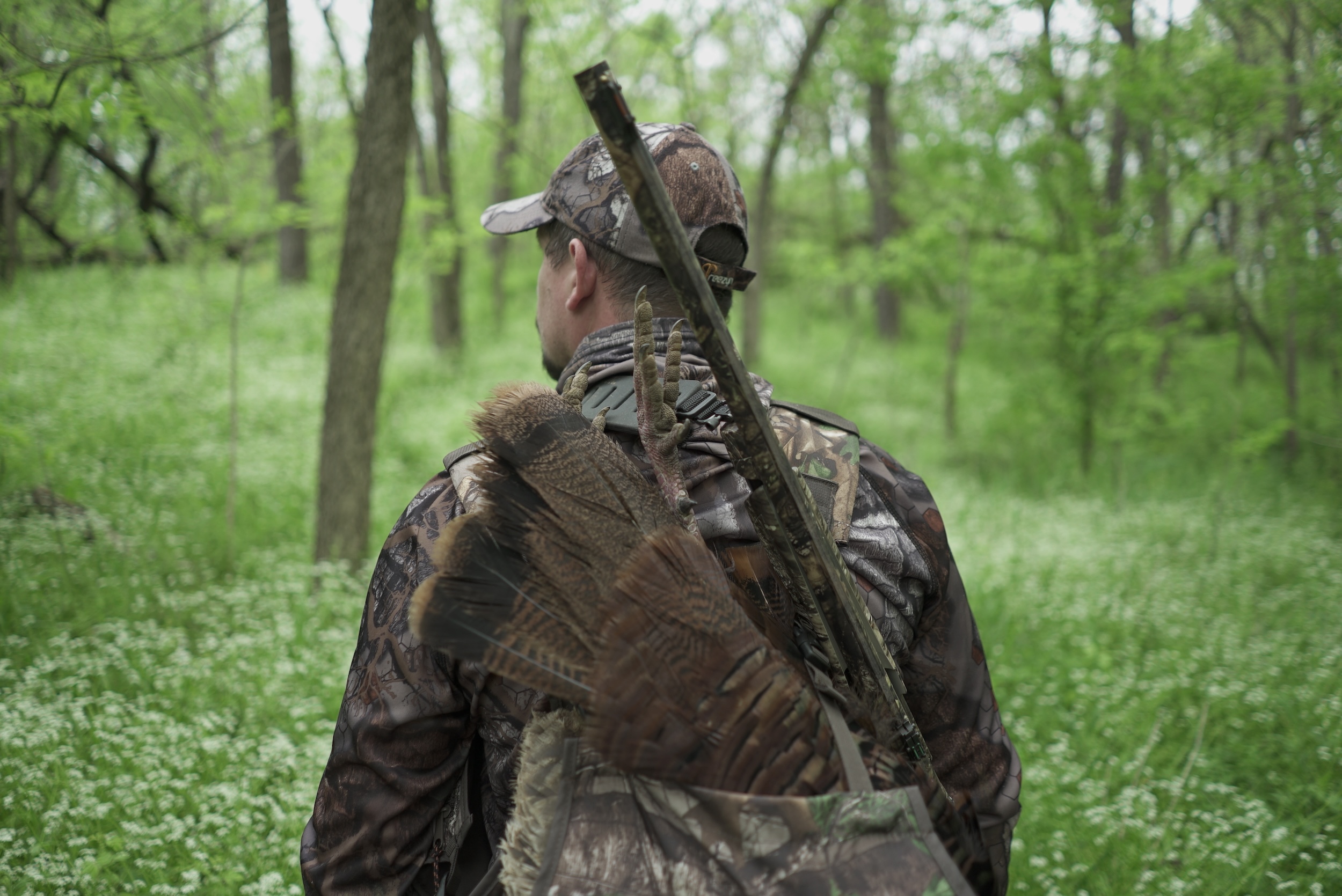
Before we dig into technique, let’s talk about why roosting a turkey is worth your time. The short answer: it removes uncertainty. And in turkey hunting, uncertainty is the enemy of success.
Wild turkeys are diurnal birds, meaning they’re active during daylight and spend their nights roosted in trees. This is a hardwired survival behavior. Perching off the ground puts them out of reach of most ground predators, and the height gives them a visual advantage over their surroundings.
Every single night, no matter what else happened during the day, the birds in your area are going somewhere to roost. The question is whether you know where.
Turkeys may use traditional roost sites multiple nights in a row, though they often move between trees within a general area. That detail is key: while individual birds do not always sleep in the exact same tree every night, groups of turkeys tend to return to the same roost locations with significant regularity.
That kind of repeatability is pure gold for a turkey hunter. When you roost a turkey the night before a hunt, you’re trading one variable for a certainty. You already know where the bird is sleeping. You already know the general direction he will pitch down at first light. All that is left is to get there early, get set up quietly, and be in position when the woods wake up.
That strategic advantage is exactly why turkey roosting is such a valuable scouting technique among serious hunters, and why mastering how to roost a turkey should be near the top of your pre-season checklist.
The other piece of this is confidence. There is a different energy to a morning hunt when you already have a bird roosted. You’re not wandering, you’re not guessing, and you’re not burning the first golden hour of shooting light trying to locate birds that may or may not be in the area. You’re already in position, already in the game, and already ahead of turkeys that have no idea you’re there.
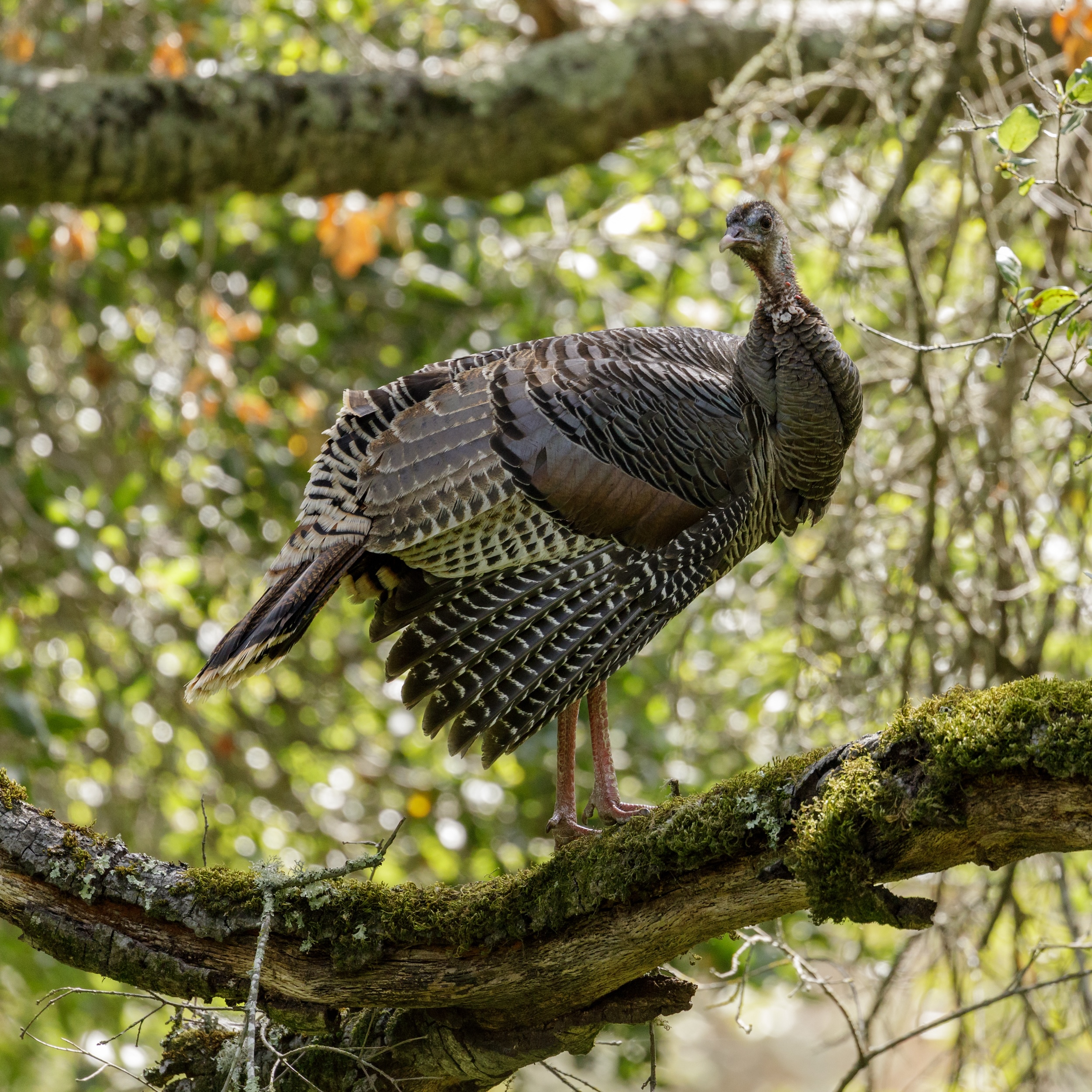
Understanding the timing of turkey roosting behavior is the foundation of knowing when to be in the field and where to focus your attention. Miss this window, and you may cover a lot of ground without ever locating a bird. Get the roost timing right, and a single evening session can set up multiple successful turkey hunts.
Turkeys generally begin their movement toward roost sites roughly 60 to 90 minutes before sunset, pecking and feeding their way toward the timber as the afternoon light softens. The actual fly-up to the turkey roost, the moment when they take to the branches, typically happens within the last 30 minutes before darkness.
On calm, clear evenings, you can often hear the heavy wingbeats and branch crashing as birds get airborne and settle into position. That sound is one of the most satisfying things in turkey hunting.
The weather also plays a real role in timing the turkey roost. On windy or stormy evenings, turkeys tend to fly up to the roost earlier, seeking the stability of a roost limb before conditions deteriorate. Clear, calm spring evenings are your best opportunity to listen for fly-up activity. If you’re in or near suspected roosting habitat on a calm evening, you will often hear the turkeys well before you see them.
On the back end, turkeys are governed by light. They will not fly down from their roost until there is enough visibility to see predators below them. In practice, fly-down happens roughly 20 to 45 minutes after sunrise, though fired-up toms earlier in the season may pitch down sooner in response to calling or the presence of hens. Cloudy or foggy mornings can push fly-down time later, which is worth keeping in mind when determining how to roost a turkey.
This timing matters because it defines your morning arrival window. You want to be settled and in position before first light, well before the first gobbles of the day break the silence. Birds are already alert and scanning from their perches at that point. A hunter who is still moving through the woods when legal shooting light arrives has already put themselves at a disadvantage.
The most productive window for roosting a turkey is the final 60 to 90 minutes of daylight. Get into the area quietly, find a good listening post, and wait. No aggressive calling is needed at this stage. Your job is observation.
Use a locator call such as an owl hoot or crow call to trigger a shock gobble that reveals a tom’s location in the last few minutes of light, but save the turkey sounds for the morning. When roosting a turkey, you’re only gathering information, not hunting.
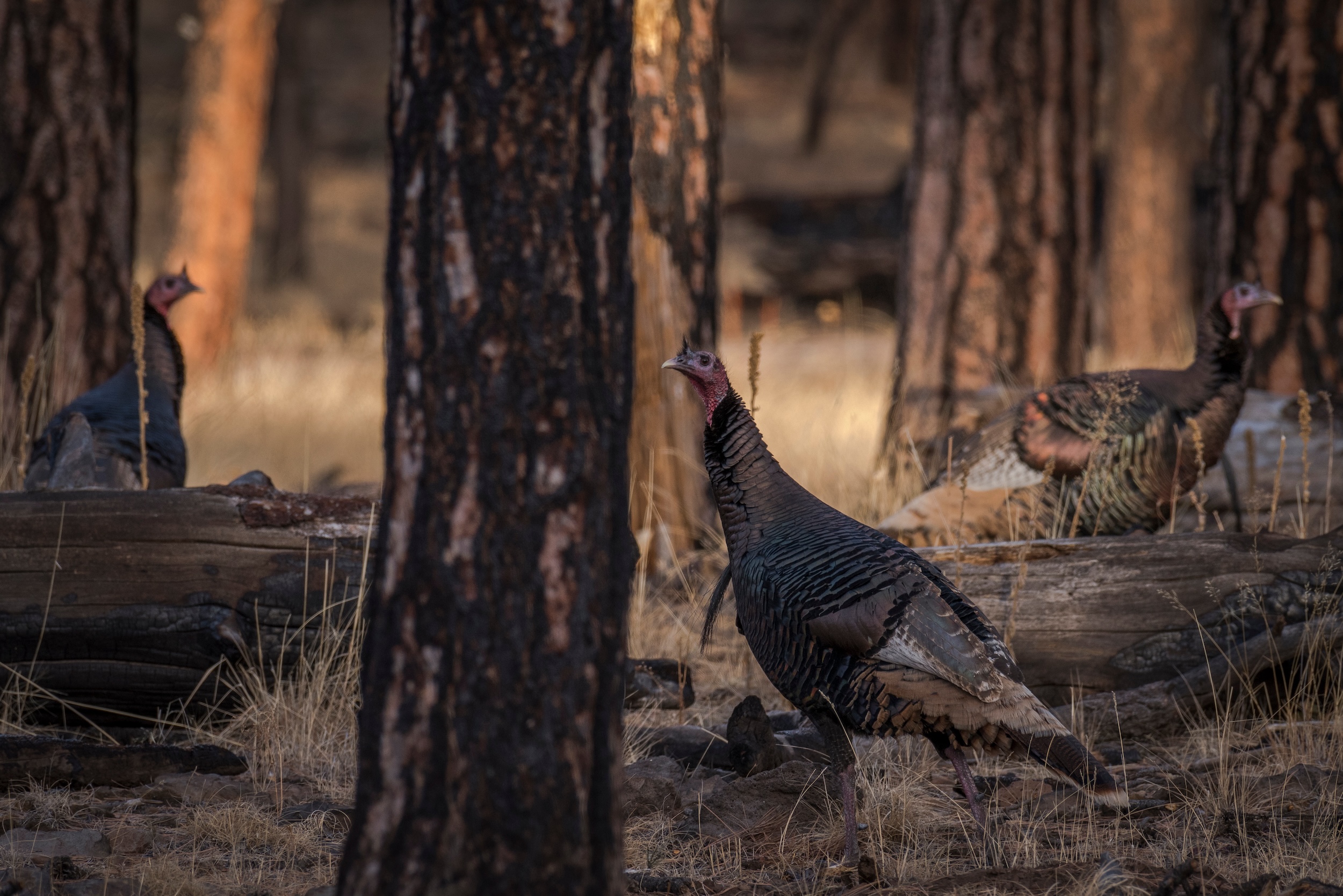
This is where the real skill of learning how to roost a turkey comes into focus. Turkeys don’t roost randomly. They select specific locations based on a consistent set of preferences, and once you understand what drives those preferences, you will start reading the landscape in an entirely new way.
Start with the trees themselves. Turkeys tend to prefer the largest trees available and try to roost as high as they can comfortably perch. In fair weather, hardwood trees with wide, open crowns are the primary choice for a turkey roost, while conifers become more attractive during harsh weather because they offer protection from wind and precipitation.
The Oklahoma Department of Wildlife Conservation notes that ideal roost trees are generally 40 to 50 feet tall with wide, open crowns and ample horizontal limbs. Oaks, sycamores, cottonwoods, pines, and pecans are among the most commonly used species, though the specific tree will vary by region.
The understory beneath the roost tree matters just as much as the tree itself. Turkeys tend to steer clear of trees that have quite a bit of brush at the base. They need a clean flight path up and down, and they depend on their exceptional vision to watch for predators from the limb.
A perfect roost tree surrounded by impenetrable undergrowth may be passed over in favor of a slightly less impressive tree with clear sightlines.
One of the most reliable roost turkey patterns you’ll find is the connection between turkeys and water.
Creek drainages and river bottoms lined with mature timber are consistently productive roost areas. The tall trees along waterways provide structural support, and the proximity to water and insect-rich bottomland vegetation makes the area a complete package for turkeys.
The sound of moving water provides an added layer of security. If a creek or river runs through the property you’re hunting, make that your first turkey roost scouting destination.
Elevation also plays a significant role in how to roost a turkey. Turkeys often choose roosts that are at higher elevations. The combination of height, wind advantage, and visibility makes ridgeline timber a premium roost location.
Birds roosting on the downwind side of a ridge benefit from scent carried uphill while enjoying an elevated view of their surroundings in multiple directions. In hilly terrain, ridge-top timber with adjacent field edges is one of the first places to scout for active roosting turkeys.
One of the most classic turkey roost setups is the combination of an open feeding field adjacent to a woodlot with large, open-crowned hardwoods (bonus points if the tree is near a food source). Turkeys feed in the field during the afternoon, then as evening approaches, they move toward the timber edge, stage briefly in the transition zone, and fly up.
Do not overlook mature pine stands, particularly in the South and Southeast. Turkeys love mature pines for nightly roosting because of their sturdy, well-positioned limbs.
Long-leaf and loblolly pines in the South, ponderosa pines in the West, and hemlock stands in the Northeast are all worth scouting during your pre-season work.
In mixed timber regions, turkeys often use whatever species offers the most structural security and the best understory visibility for their roost.
Once you’re in the field, the ground beneath a tree will tell you whether it is being actively used as a turkey roost. Here’s what to look for:
Modern mapping tools have made pre-season scouting process a good bit faster. Some apps allow you to identify creek drainages, mature timber pockets, ridgelines, and field edges from home before you ever put boots on the ground.
Look for the combination of features described above: creek bottoms with adjacent timber, ridges with open hardwood canopy, and field edges with large trees nearby. Topographic maps help you identify benches and hollows, both of which can help you find productive turkey roost areas.
Trail cameras placed on travel corridors between roost and feeding areas, rather than directly at the roost tree itself, can confirm the presence of turkeys without disturbing the site. Positioning a camera on a logging road, field edge pinch point, or creek crossing near suspected roosting timber gives you visual confirmation of bird numbers and movement patterns without pushing a turkey off its preferred overnight roost.
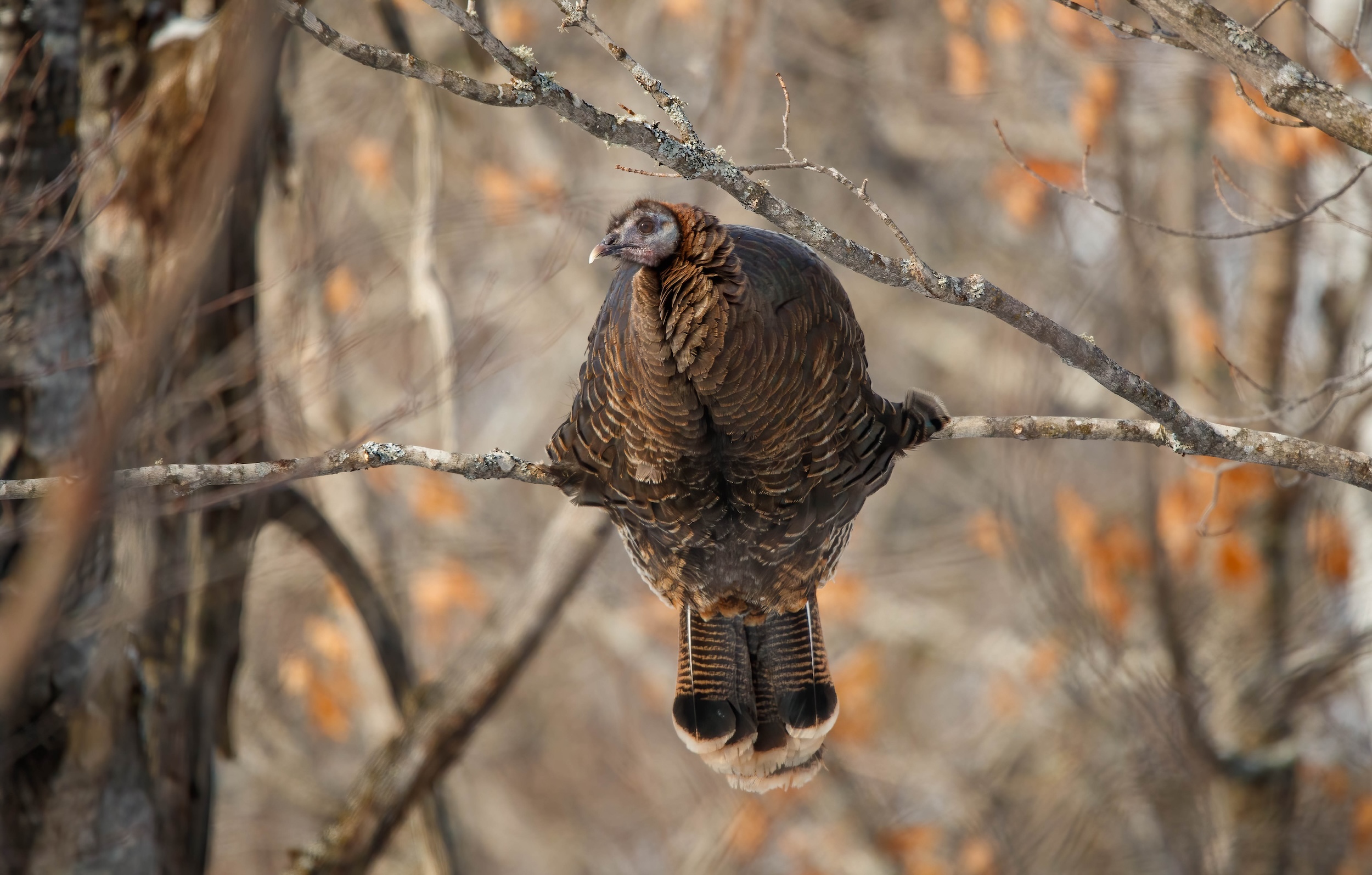
This question comes up often enough that it deserves a direct, honest answer: it depends on where you’re hunting. Turkey roosting regulations vary significantly by locale, and getting this wrong has real consequences for your license and your hunting future.
Several locations explicitly prohibit shooting a turkey while it’s perched in a tree. Texas Parks and Wildlife says clearly that it’s unlawful to hunt roosting turkeys by any means at any time.
Oklahoma’s regulations list roost shooting as prohibited. Michigan’s regulations say it’s unlawful to take a wild turkey while it’s in a tree. Maine similarly prohibits it. These states treat the restriction as a matter of fair chase and sound wildlife management.
Other states take a different approach. New York, for example, does not explicitly prohibit shooting a roosted bird, making it technically legal during legal shooting hours as long as all other regulations are followed.
And then in some locales, the restriction is tied to shooting hours rather than roost status specifically.
The bottom line: always consult your specific location’s current hunting regulations before your season opens. Never assume that what was legal in one spot applies in another, and never assume last year’s regulations remain unchanged. Your local wildlife agency’s official website is your authoritative source.
Beyond the legal question, there is a practical one worth understanding. The purpose of learning how to roost a turkey is not to shoot one off the limb. It’s to know where the bird is sleeping so you can set up nearby and engage him ethically on the ground at first light. That is the hunt.
The roost is simply the intelligence that makes the hunt possible. Hunters who use roosting information to execute a fair-chase morning setup are using one of the most time-honored and effective techniques in the game.
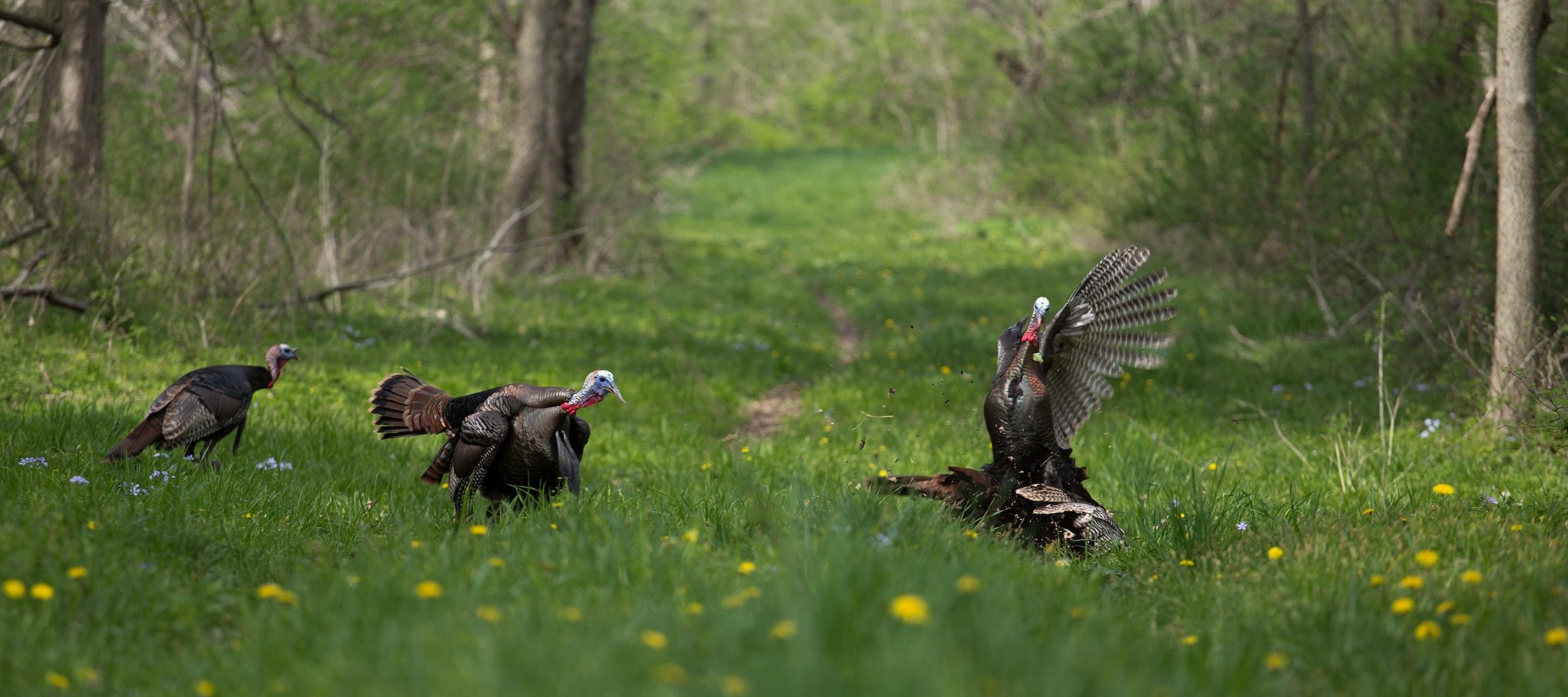
You’ve done the work. You slipped in at dusk, found a tom, heard him fly up, and marked his location. Now the real game begins. Here’s how to convert that turkey roosting success into a filled tag.
The moment you hear a bird fly up, drop a pin on your mapping app. Note the topography between your listening post and the roost tree, and any terrain features that might influence the bird’s fly-down direction. Turkeys often pitch down toward the same open areas they flew up from, and landing zones are frequently influenced by the topography directly adjacent to the roost. A slope leading into a field, a logging road, or a creek bottom bench are all common fly-down destinations.
Spend time that evening studying your map. Where is the nearest food source? Where does the bird need to travel to find hens, a strut zone, or water? Identify two or three possible setup locations within 100 to 150 yards of the roost tree and choose the one that puts you downwind of the bird’s most likely direction of travel.
Your entry route in the morning is just as important as your setup location. A hunter who cracks branches, scrapes leaves, or inadvertently bumps close to the roost tree in the dark has burned the hunt before shooting light even arrives.
Plan a route that keeps you on the downwind side, minimizes noise by using terrain features like creek drainages or open timber floors, and gets you to your setup position with time to settle.
Being settled and still before the first gobble of the morning is the standard to hold yourself to. Turkeys are already alert and scanning from the limb well before they commit to flying down.
Position yourself between the roost and where the bird wants to go, not directly under his tree. A setup 100 to 150 yards away gives you room to call and lets the bird feel like he is traveling toward something rather than walking into a trap. Use a natural backstop such as a large tree, brush pile, or rock to break your outline, and ensure your shooting lane is clear in the direction the bird is most likely to approach.
Pop-up blinds are a solid option for hunters who want maximum movement concealment, especially with decoys in play. Natural cover works equally well for experienced hunters who move slowly and stay disciplined.
The Washington Department of Fish and Wildlife recommends setting up about 70 or more yards from a roost site and letting the birds come to you, and that guidance holds across most setups.
Once you’re in position, resist the urge to overcall. A soft tree yelp while the bird is still on the limb lets him know a hen is nearby without firing him up to the point where he locks up and waits for her to walk to his tree. After fly-down, a series of natural yelps and clucks spaced realistically is often all you need. The goal is to sound like a relaxed hen going about her morning.
If a tom flies down and immediately leaves with a group of hens, make a note of the direction he travels. That information is intelligence for your next setup, and it is the kind of pattern knowledge that turns average turkey hunters into consistently successful ones.
One successful turkey roosting session creates a repeatable playbook. Birds in an undisturbed area will often return to the same general roost location for multiple consecutive nights during the spring season.
If you roost a turkey on Tuesday evening and your hunt does not connect on Wednesday morning, the odds are good that he’s back in the same timber Wednesday night. Reset, adjust your setup based on what you observed, and go again. Patience and persistence, built on solid knowledge of how to roost a turkey, is a formula that works.
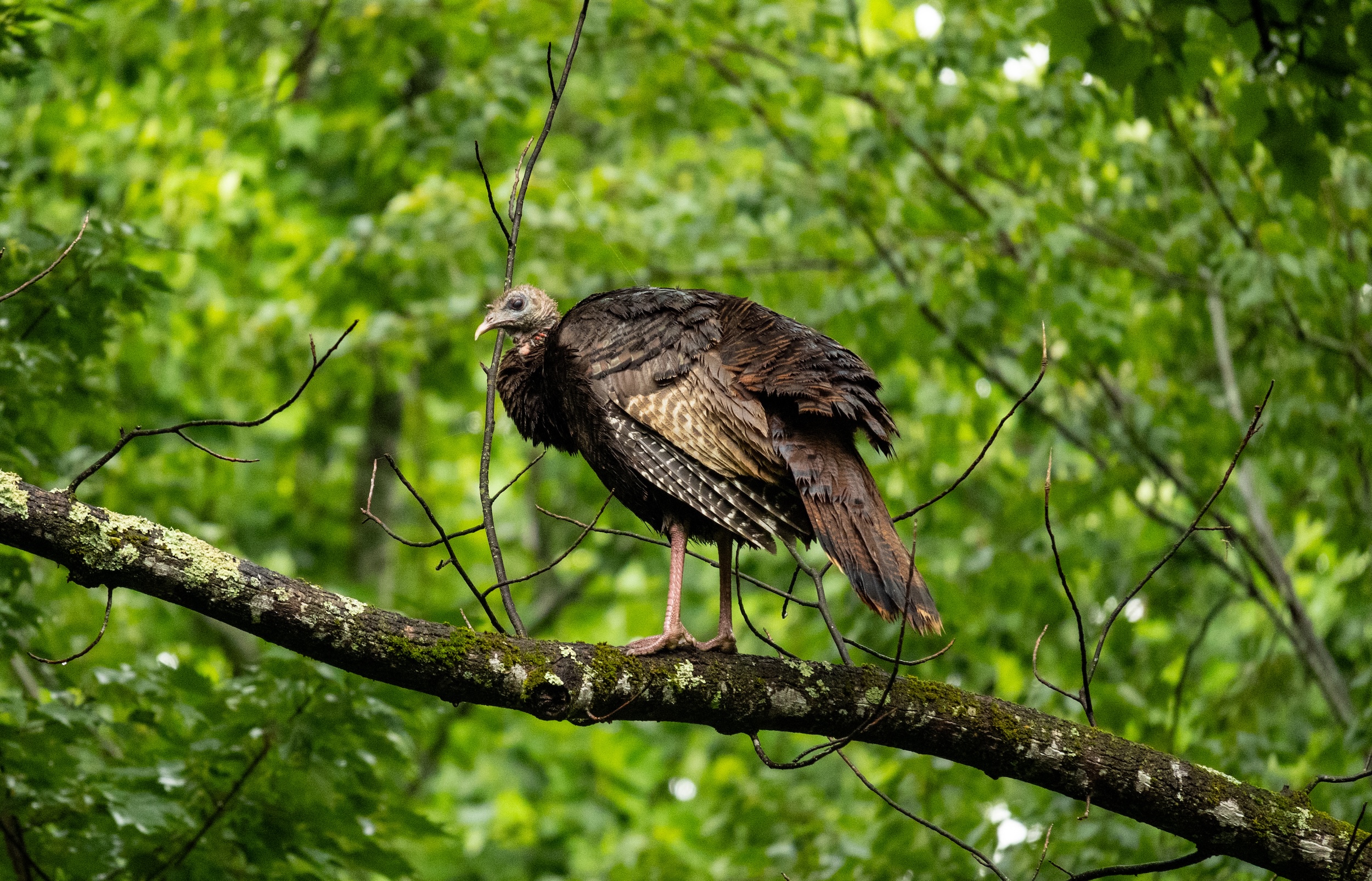
Learning how to roost a turkey doesn’t have to be complicated. But it does require discipline. The best turkey hunters in the country are not necessarily the loudest callers or the most aggressive setup artists. They’re the ones who do the work the evening before, who know where their birds are sleeping, and who are already in position when the gobbling starts at first light.
The full system comes down to this: understand turkey roosting timing, identify the habitat features that draw birds to specific areas, read the ground sign that confirms active roost use, know local regulations, and execute a quiet, well-planned morning setup.
Do that consistently, and your success rate in the spring turkey woods is going to climb in a meaningful way.
Spring turkey season rewards preparation above all else. Roost the turkey tonight; hunt it tomorrow.
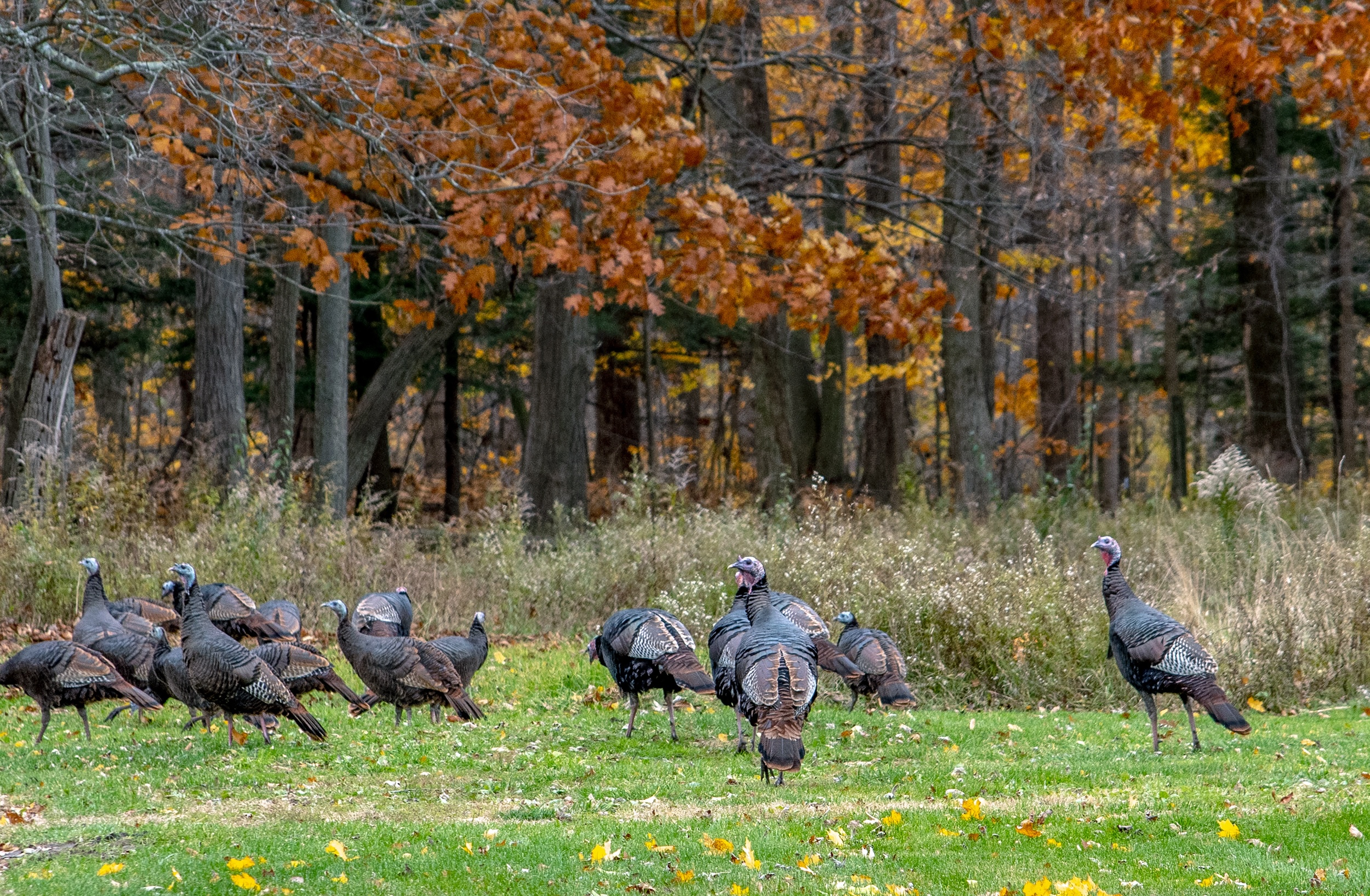
All of this knowledge, every turkey roosting technique and habitat insight in this guide, performs best when you’re hunting the right ground. Access to quality turkey habitat with mature timber, creek bottoms, field edges, and productive ridge country makes every strategy more effective and every season more rewarding.
That is exactly where Hayden Outdoors comes in. As one of the best land brokerages in the country, Hayden Outdoors has been connecting people with farm, ranch, and recreational properties since 1976.
Our team of over 200 agents and brokers across turkey country know what to look for in a property that will hold and grow bird populations year after year.
Owning turkey hunting ground changes everything. When you control access to a property with the right mix of roosting timber, feeding areas, and water, you can manage that habitat, reduce pressure, and build a relationship with the birds on that land across multiple seasons. You can roost the same toms year after year, watch them grow, pattern their movements, and hunt them on your terms.
Whether you’re looking for a small recreational parcel or a large-scale ranch with established wild turkey populations, browse current land listings or connect with one of our knowledgeable land specialists to talk through your goals. The right property is out there.
View Available Turkey Hunting Properties
 Back to Blog