×

Sign in
Sign in to save favorite properties and equipment, save your search parameters and more
Don’t have an account yet? Sign Up Now
Sign up
Already have an account? Login Now


 866-741-8323
Sign in
Sign in to save favorite properties and equipment, save your search parameters and more
Don’t have an account yet? Sign Up Now
Sign up
Already have an account? Login Now
866-741-8323
Login
Sign in
Sign in to save favorite properties and equipment, save your search parameters and more
Don’t have an account yet? Sign Up Now
Sign up
Already have an account? Login Now
Sign in
Sign in to save favorite properties and equipment, save your search parameters and more
Don’t have an account yet? Sign Up Now
Sign up
Already have an account? Login Now
 Back to Blog
/
Equipment, Land Ownership /
Back to Blog
/
Equipment, Land Ownership /
At Hayden Outdoors, we’ve spent decades helping families find, protect, and build legacies on the land. We understand that successful farming goes far beyond just owning good ground. It’s about knowing your crop, understanding your fields, and making the right decisions at the right time. That’s why learning how to know when corn is ready to harvest stands as one of the most valuable skills you’ll develop as a farmer.
The quality of your harvest directly reflects the care you’ve put into your land and crops all season long. When you know when your corn is ready to harvest and act on that knowledge with confidence, you’re protecting the investment you’ve made in every acre.
Whether you’re continuing a multi-generational farming tradition or establishing your own agricultural legacy, mastering corn harvest timing is critical both to profitability and your farm’s reputation.
This guide is designed for new farmland owners, agricultural investors, and those who have inherited farmland and are looking to understand the fundamentals of corn harvest timing.
While experienced farmers have developed intuitive harvesting knowledge through years in their corn fields, understanding when to harvest corn can easily transform good yields into exceptional ones for those newer to growing corn.
The signs are there in your fields, waiting for you to read them. In this guide, we’ll break down how to recognize when exactly your corn is ready to harvest and how to execute that harvest with precision.
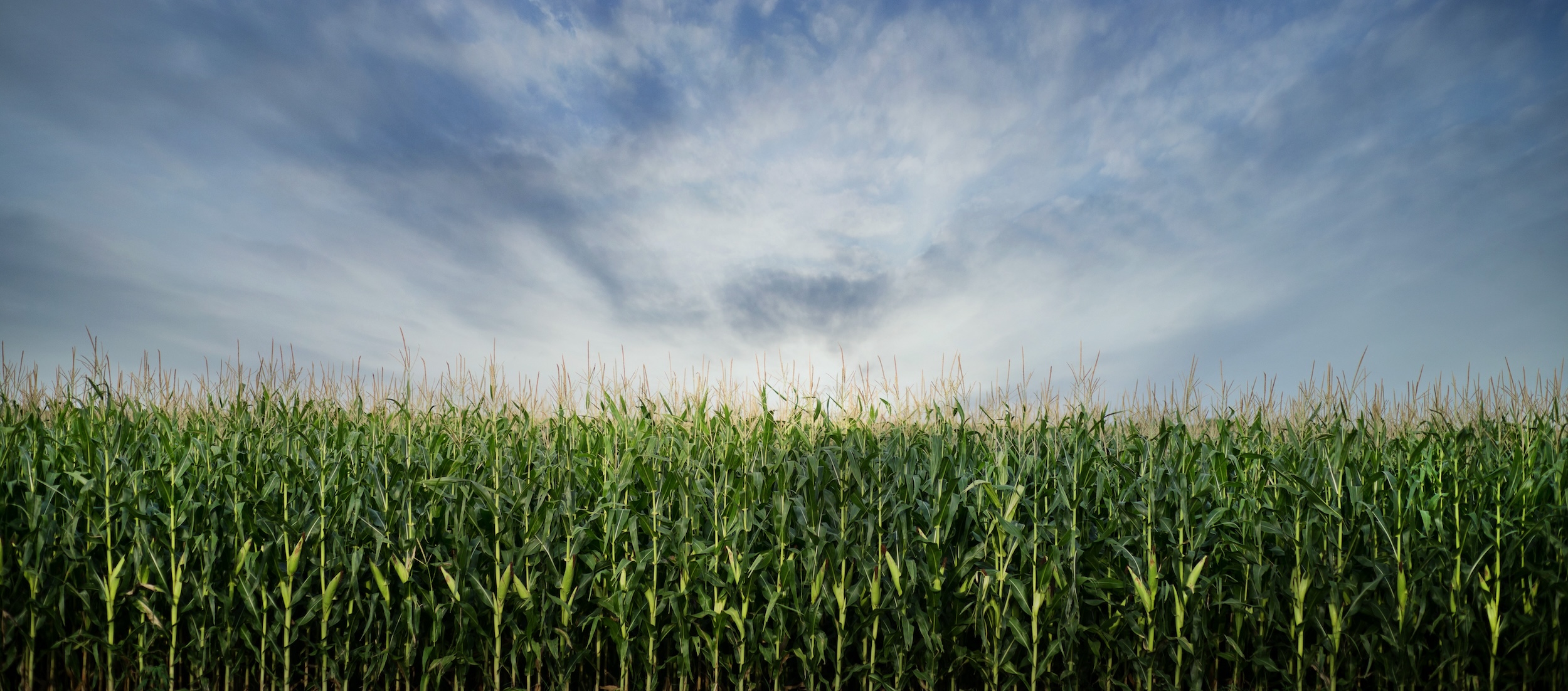
Timing your corn harvest correctly protects the hard work you’ve invested throughout the growing season. The window for when corn is ready to harvest can be a bit of a challenge to narrow down, but understanding what’s at stake helps you make confident decisions that serve your operation well.
When you harvest corn early, it often means dealing with excess moisture content. You’ll need to invest in artificial drying before storage, which adds cost to the harvesting process.
High-moisture corn requires careful handling to maintain quality, and you’ll want to monitor stored grain closely to prevent any issues. The good news is that early harvest problems can be solved.
Grain dryers handle excess moisture effectively, and starting your harvest a bit early can actually protect yields when weather forecasts suggest challenging conditions ahead.
Waiting too long to harvest your corn brings an entirely different set of challenges. As corn stands past its optimal harvest window, you face increasing exposure to lodging and weather events.
Research shows that severe lodging leads to annual yield losses of 5 to 25% in the U.S. When stalks go down or ears drop, that’s yield you won’t recover. Overly dry corn can also shatter during combining, leaving more grain in the field than you’d like.
Here’s the practical reality: harvesting a bit late typically presents more challenges than harvesting early. Early harvest moisture can be corrected through drying, though this does impact your profit margins (as a result of the costs associated with drying).
On the other hand, when you harvest your corn too late, lodging, ear drop, and weather damage are issues that can’t really be recovered from.
So when is that sweet spot to know when to harvest corn? We’re aiming for a moisture content low enough to minimize drying expenses with timing early enough to capture your full yield potential.
When you understand how to know when corn is ready to harvest, you’re better positioned to hit that target consistently, season after season.
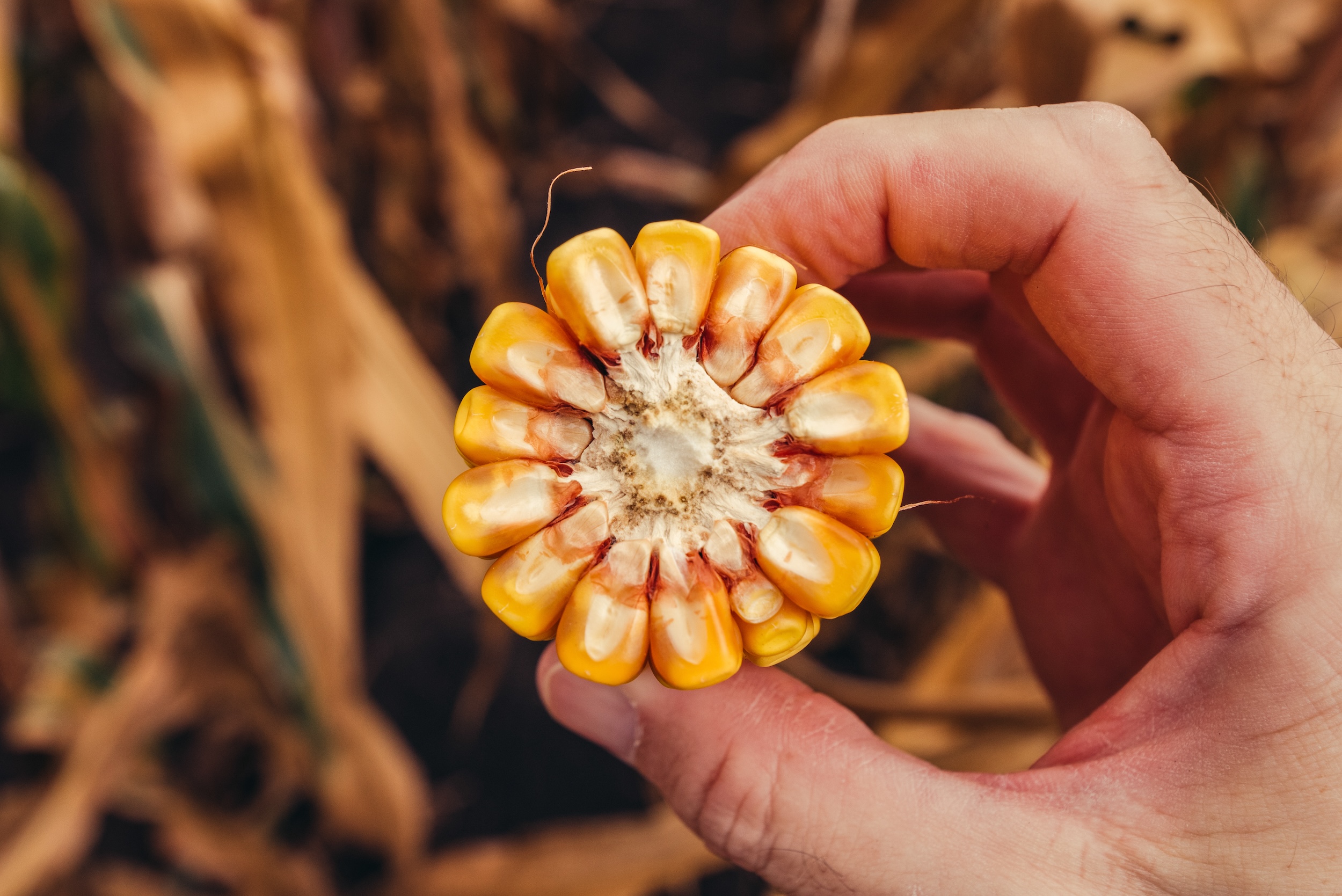
Moisture content serves as your primary guide for when to harvest corn. Field corn destined for grain storage performs best at around 15% moisture. At this level, you can store corn safely without artificial drying, maximizing your return on every bushel.
Most farmers begin harvest when moisture sits between 20% and 26%, balancing economics with practical risk management. The math tells an important story here. Research shows that corn harvest losses increase to 10% – 15% when harvested at a moisture content of 15%, compared with 1% – 3% harvest loss at a moisture content of 26%.
Put simply, when you harvest your corn at higher moisture, you protect your yield by getting corn out of the field before lodging or weather events can cause damage. Yes, you’ll invest in drying capacity and energy costs, but you’re preserving the bushels you grew.
Many successful corn farmers find this trade-off works in their favor, particularly when weather forecasts suggest potential problems on the horizon.
Sweet corn follows entirely different timing when you’re growing for fresh market or processing. You’re harvesting based on kernel development and sugar content rather than storage moisture targets. Sweet corn comes out of the field at much higher moisture, typically in the milk or early dent stage, just 18 to 24 days after pollination.
For grain storage, your timeline depends on your marketing strategy. Long-term storage through spring or summer requires moisture at or below 15% to maintain quality. Shorter storage periods with good aeration systems may allow slightly higher moisture, giving you flexibility in when corn is harvested while still protecting grain quality.
Measuring moisture accurately helps you track when corn is ready to harvest. Handheld moisture testers provide quick field readings, letting you monitor drydown progress across your acres.
Sampling from multiple field locations gives you the complete picture, since moisture can vary significantly based on soil type, drainage, and elevation within a single field.
Elevator testing with calibrated equipment confirms your field readings and ensures you know exactly what you’re delivering.
The economic trade-off between drying costs and field losses varies by operation size (what works for a hobby farm can be quite different than a large commercial operation), available infrastructure, and local grain markets. The answer often depends on your total acreage, typical harvest window, and local elevator availability.
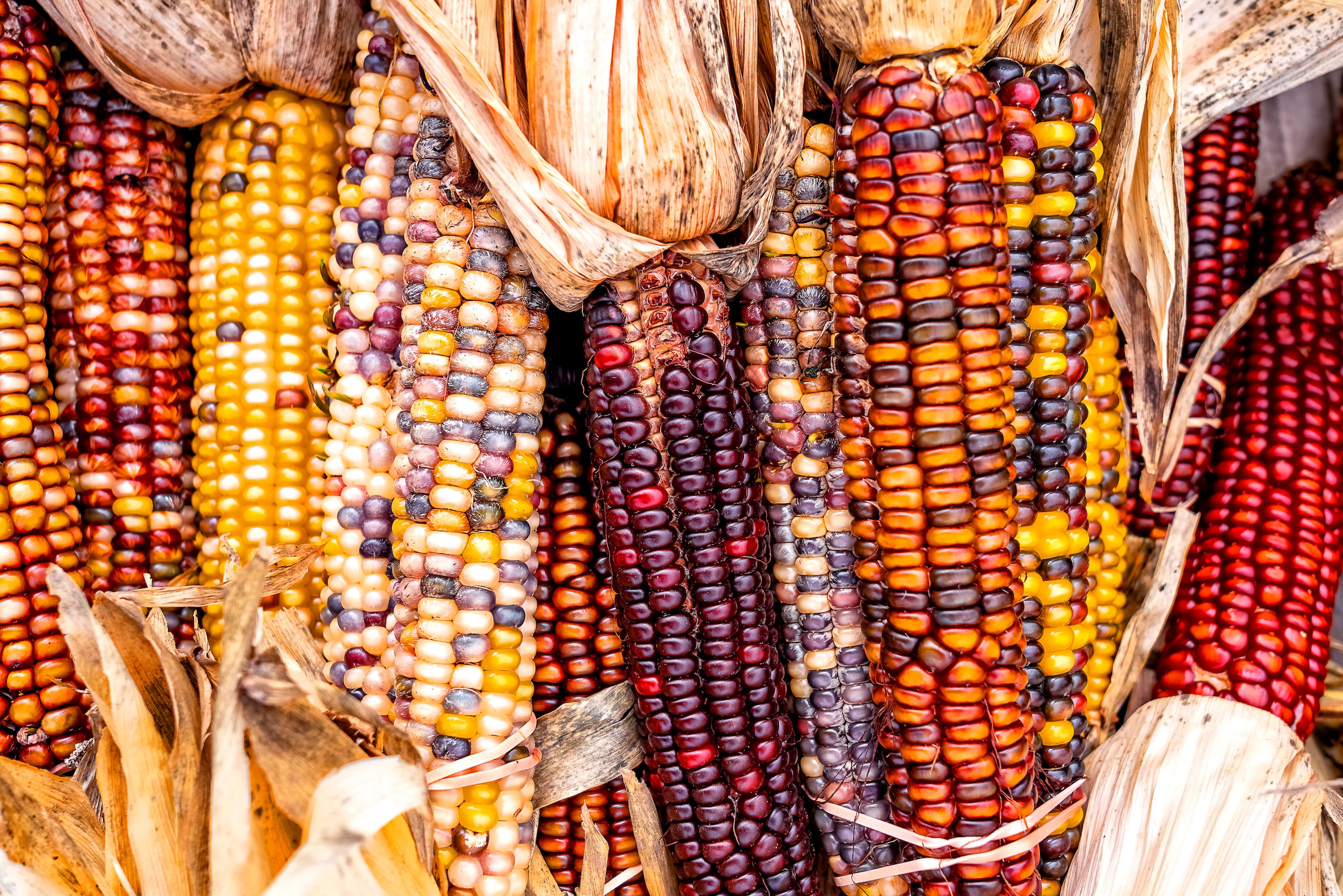
Different corn types have different harvesting time windows, though the fundamental principles of when to harvest corn remain pretty consistent. Understanding your specific crop can help you apply those principles effectively.
When selecting corn cultivars, consider that varieties vary by maturity timing, growing characteristics, and intended use, with options ranging from traditional grain corn to specialty types suited for specific farming goals.
Field corn for grain production follows the traditional timeline tied to physiological maturity and natural drydown. You’re watching for black layer formation signaling maturity, then monitoring as moisture drops from around 30% at physiological maturity toward your harvest target.
This type of corn gives you the most flexibility in harvest timing, as field corn can stand for extended periods if stalk quality remains strong.
Sweet corn requires much tighter harvesting timing windows. When corn is ready to harvest for fresh consumption, you’re working with just a few days of peak quality.
Sweet corn hits its stride 18 to 24 days after pollination, in that window when kernels have filled with sugars but haven’t yet begun converting those sugars to starch.
Miss this harvesting window and quality declines quickly. Sweet corn operations demand careful planning and often staged plantings to maintain consistent harvest readiness across the season.
Specialty varieties and heirloom corn types may mature on different schedules than modern hybrids. If you’re growing corn for direct marketing, organic production, or specific processing uses, knowing the unique characteristics of those corn cultivars helps you determine when the corn is ready to harvest.
Some heritage varieties mature earlier, others later. And the drydown rates can differ from standard field corn hybrids.
For flint corn (an heirloom variety), look for indicators including dried, brown silky tassels at the top of each ear, kernels that resist denting when pressed with your thumbnail (no milky liquid present), and stalks showing browning and drying characteristics, usually occurring in the late summer through early fall months. This will help you determine when the corn is ready to harvest.
Silage corn brings whole-plant considerations into harvest timing. You’re targeting 60% to 70% whole-plant moisture, typically when kernels reach the dent stage. The entire plant gets chopped and ensiled, creating high-quality livestock feed. Silage harvest comes earlier in the calendar than grain harvest, giving you a head start on clearing fields.
The beauty of understanding these differences in when specific types of corn are ready to harvest is that you can potentially spread your harvest window across multiple corn types.
This reduces the pressure to get everything combined in a narrow timeframe and allows you to match your equipment capacity to your total farm acreage more effectively.
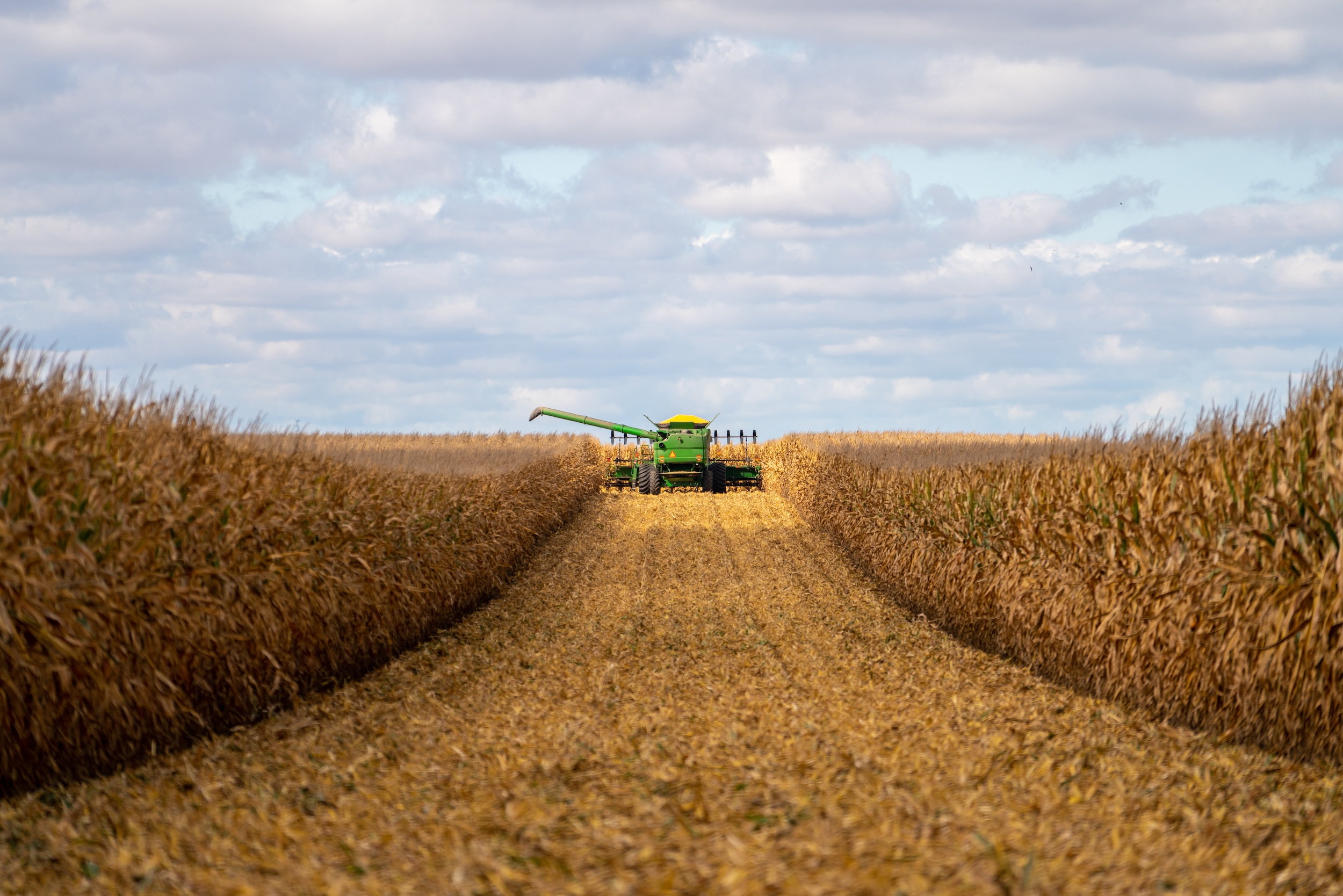
Geography plays a substantial role in determining when to harvest corn across your farming operation. Harvest dates range from as early as July to as late as mid-December, with optimal timing varying by state climate and yearly weather patterns.
Understanding regional patterns helps you plan logistics, line up equipment, and anticipate when your corn crop will be ready.
Corn Belt states including Iowa, Illinois, and Indiana typically see harvest beginning in September, with October representing prime combining season.
These states benefit from consistent growing seasons and moderate fall weather supporting natural field drying. Most farmers who grow corn in this region can count on good harvest conditions through October, with November serving as the backup window if weather or logistics push harvest later.
Northern states such as Minnesota, Wisconsin, and the Dakotas face later harvest timing, often not starting until October. Shorter growing seasons and cooler fall temperatures mean less opportunity for natural drydown in the field.
However, these regions also produce excellent corn, and farmers there have developed effective strategies for determining when the optimal time has arrived to harvest their corn crop.
It’s worth noting, however, that understanding when corn is ready to harvest in northern climates often means accepting higher moisture content and investing in quality drying infrastructure, due to the storm potential.
Southern states have earlier harvest seasons, frequently beginning in August and running through September. Warmer temperatures and earlier planting dates mean the corn physiologically matures quite a bit sooner.
Within any region, elevation and latitude can impact when corn is harvested. Higher elevation farms typically see later maturity dates, while lower elevation ground may be ready earlier.
These geographic factors affect growing degree day accumulation and fall weather patterns, both of which influence when corn is ready to harvest on your specific farming operation.
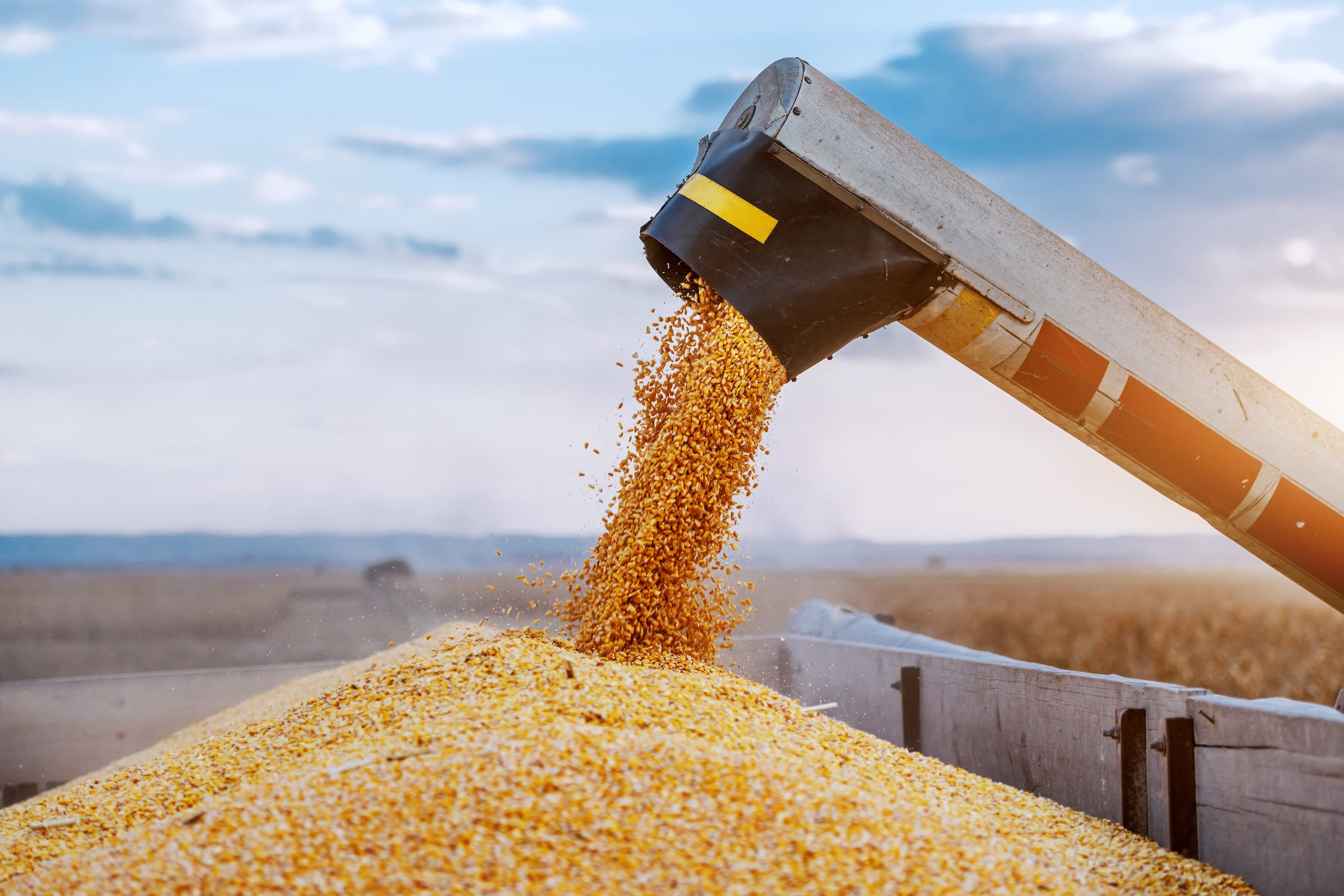
Drydown rates explain much of the regional timing variation. During warm September weather, corn may naturally lose 0.5% to 1% moisture per day under favorable conditions.
As temperatures cool through October and November, this rate slows considerably. And by late November, natural field drying nearly stops, which is why delaying harvest into December rarely provides moisture reduction benefits.
Weather patterns vary year by year, of course. A wet spring that delays planting pushes everything later. An unusually hot, dry summer may advance maturity.
Tracking your own farm’s patterns over multiple growing seasons provides the best foundation for anticipating when to harvest corn on your ground. Every season adds to your knowledge and refines your timing.
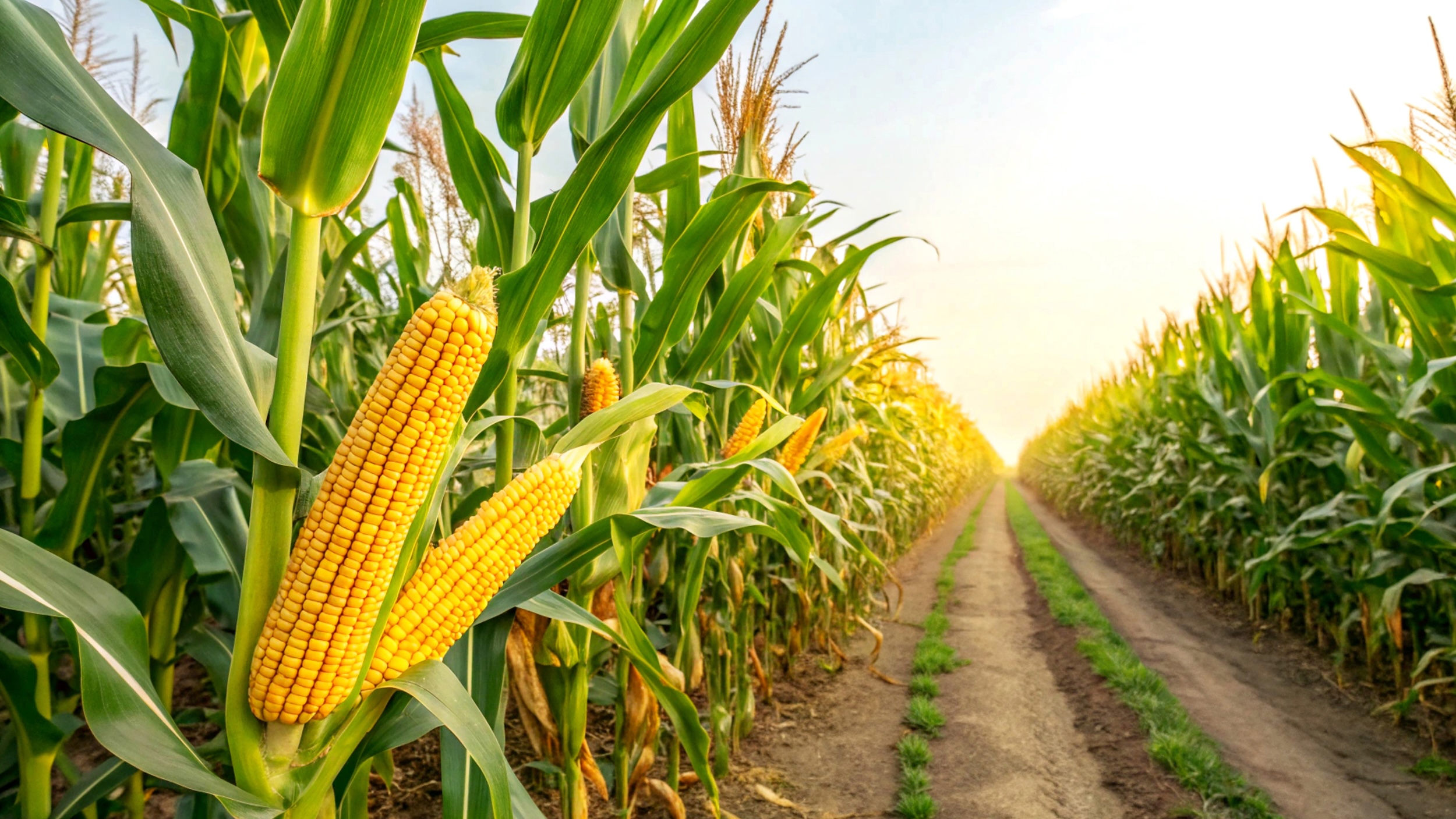
Testing your fields as the harvest window approaches can provide you with concrete information for getting the timing just right. Several proven field tests, performed regularly, help you understand crop condition and readiness.
The Push Test: Walk into your field and select a consecutive section of about 10 to 12 corn plants. Push each plant to approximately 35 to 45 degrees from vertical, then release. Healthy stalks with good structural integrity will spring back upright. When more than 10% fail to return to an upright position or show stalk breakage, you’re seeing signals that it’s time to consider harvesting, even if moisture content sits higher than your ideal target. This test gives you early warning of lodging potential.
The Pinch Test: As you move through your field, pinch stalks between the nodes, checking for firmness. Solid, firm tissue indicates good stalk health and structural strength. Softer tissue or any discoloration suggests declining stalk quality. The lower internodes matter most here, as this is where structural issues typically develop first. This quick check helps you assess whether your crop can safely stand for additional field drying.
Moisture Sampling Techniques: Rather than relying on one spot, take representative samples from multiple locations across each field. Edge rows often dry faster than interior sections. Low-lying areas may hold more moisture while hilltops dry quicker. This variation within a single field affects your harvest strategy. Comprehensive sampling tells you whether you need to split harvest timing by field section or if you can proceed to harvest the entire field at once.
When to Scout: Begin regular field checks in late summer as corn approaches physiological maturity. Weekly scouting when harvest season nears keeps you informed about drydown progress, stalk health changes, and any developing issues that would warrant harvesting your corn early. This regular monitoring builds your confidence in knowing when corn is ready to harvest.
Visual Maturity Indicators: Beyond the specific tests, general observation provides valuable information. Black layer formation, kernel dent development, and husk appearance can all help you assess the maturity and readiness of your corn to know when it is ready to harvest. Experienced farmers develop an eye for these indicators, complementing their formal field tests with visual assessment.
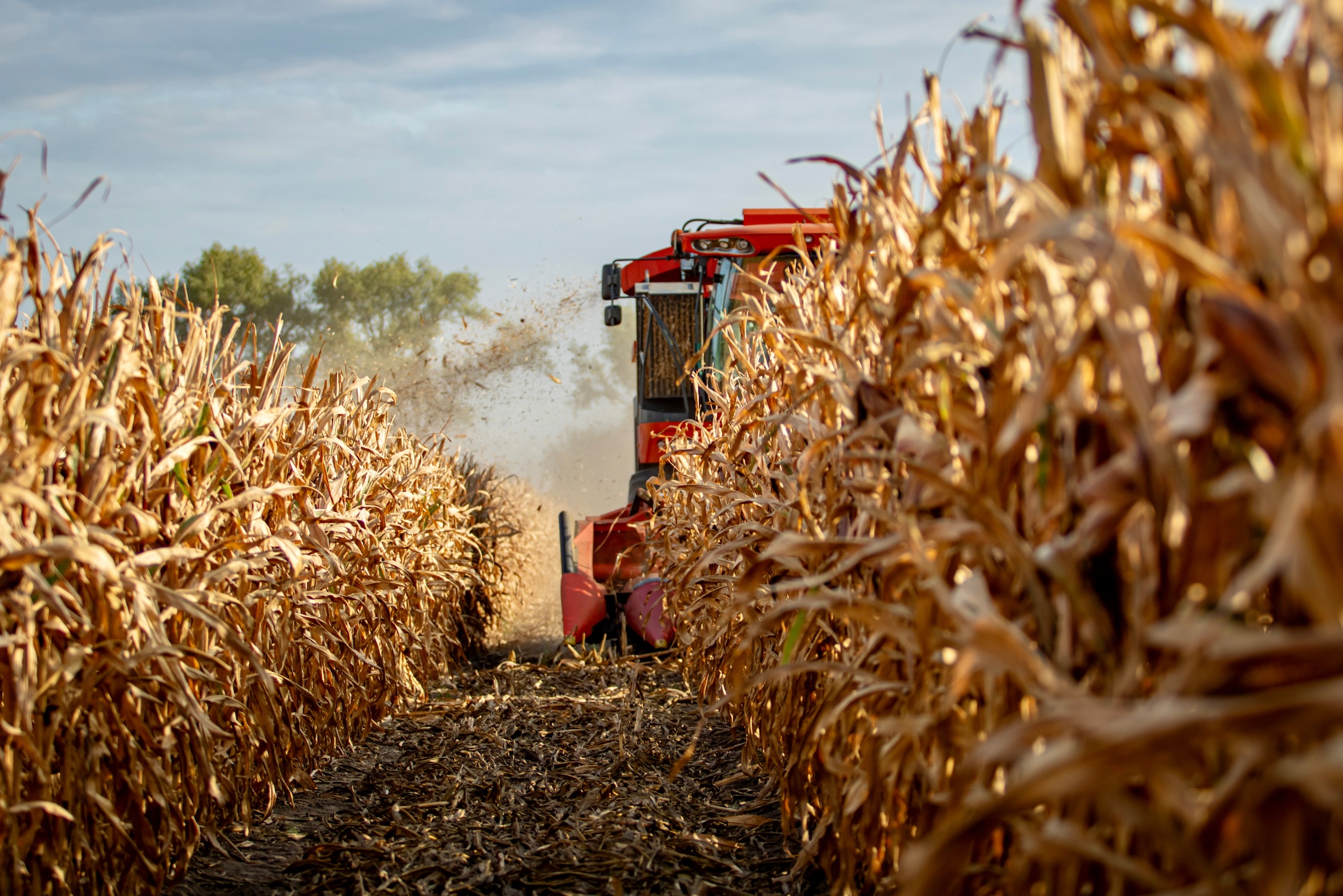
Recognizing the physical markers of corn maturity is key to helping you make informed harvest decisions. Each sign can tell you something about your crop’s developmental stage and readiness.
Black Layer Formation: This definitive marker of physiological maturity appears at the kernel base, where it connects to the cob. The dark line indicates the plant has completed nutrient movement into the kernel, reaching maximum dry weight. While black layer signals maturity, corn at this stage typically holds 25% to 35% moisture. Understanding this helps you know when corn is ready to harvest from a maturity standpoint, even though additional field drying may be beneficial.
The Milk Line and Starch Line: Earlier in development, these internal kernel markers track progress. Breaking a kernel in half reveals the milk line, showing the transition from liquid to solid starch. As kernels mature, this line moves from crown to tip. When the milk line reaches the kernel tip, you’re approaching maturity. The progression of these internal markers gives you advance notice that corn harvest season is approaching.
Kernel Dent Development: The characteristic dent forming at the kernel crown marks advancing maturity. As moisture leaves and the crown collapses slightly, that dent becomes more pronounced. The progression from no dent to slight dent to full, well-defined dent provides a visual timeline you can track as harvest approaches.
Ear Positioning: Watch how corn ears hang on stalks as the season progresses. Maturing, drying corn naturally tips ears downward. This positioning helps shed water and protect grain quality. Ears still pointing upward suggest active maturation is ongoing. Downward-tipping ears indicate good drying progress and that you’re getting closer to when corn is ready to harvest.
Husk Texture Changes: Fresh, actively growing corn displays tight, green husks. Through maturation, husks gradually dry and become papery in texture. They loosen from ears and fade from green toward tan or brown. While husk appearance alone shouldn’t determine when it’s time to harvest your corn, it adds one more data point to your overall harvesting assessment.
Stalk Integrity: Stalk appearance changes through the maturation process. Green, firm stalks indicate active plant function. As the plant senesces naturally, stalks fade toward tan or brown and gradually lose strength. Monitoring this progression helps you understand whether your corn crop can safely stand for additional field drying or whether declining stalk strength suggests it’s time to begin harvest.
The Experienced Farmer’s Touch and Taste Test: Farmers with years on their ground often have the firsthand experience and intuition to understand when corn is ready to harvest. Some taste kernels to assess moisture and maturity. Others judge by the feel of the grain. These traditional methods passed through generations complement modern testing and data, bringing experience-based wisdom to harvest decisions.
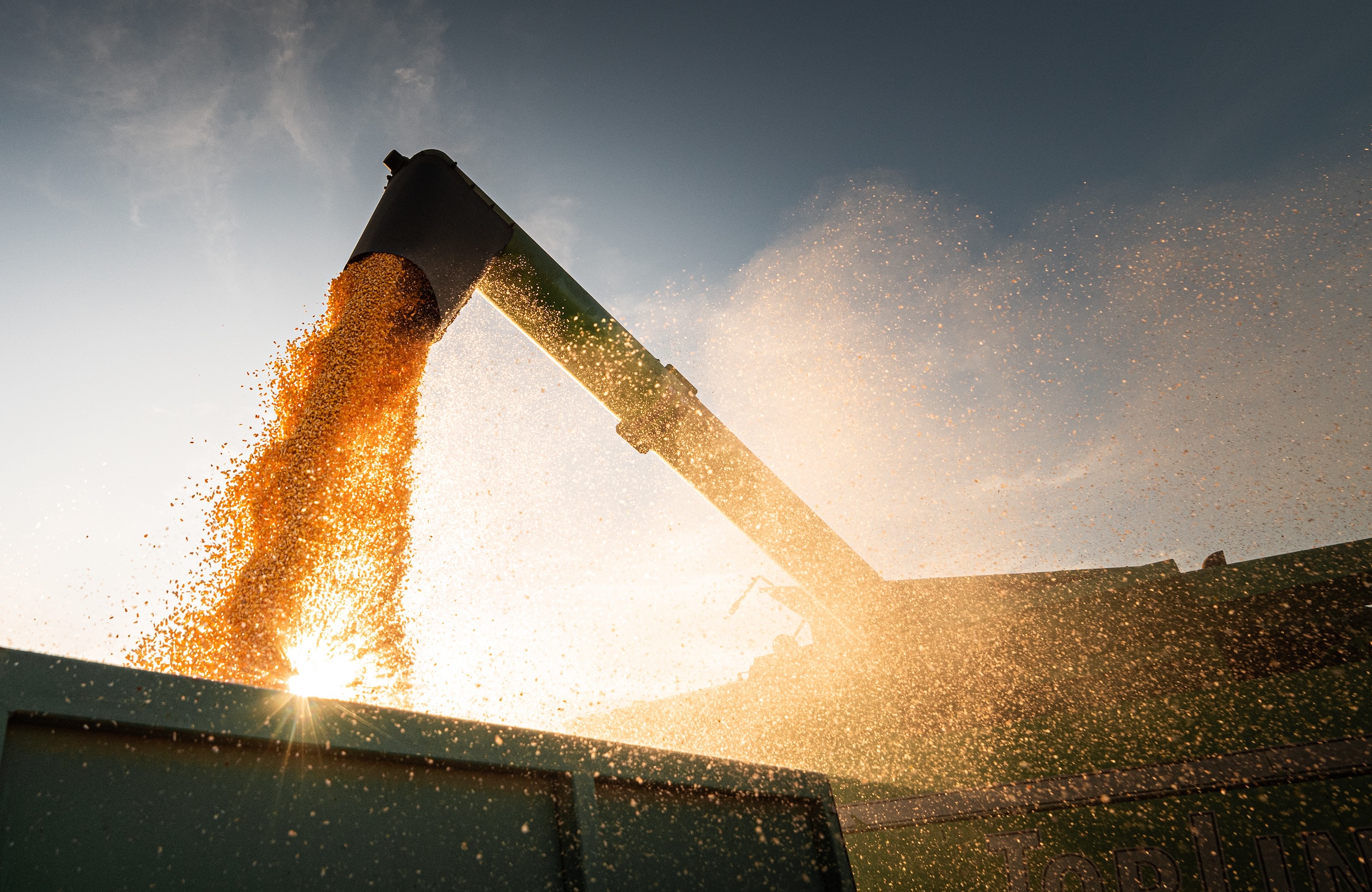
Weather shapes harvest timing as much as crop maturity does. Understanding how weather influences your decision on when to harvest corn is key to optimizing your timing.
Those warm, dry September days offer an excellent opportunity for natural field drying. Every percentage point of moisture your corn sheds in the field rather than in a grain dryer saves on propane and energy costs.
When favorable weather prevails, taking advantage of natural drying makes solid economic sense. However, balancing field drying benefits against weather risks requires a bit of judgment.
Extended forecasts suggesting storms, high winds, or early cold snaps may warrant starting your corn harvest at higher moisture rather than risking losses than can occur when the weather turns sour. This is where understanding how to know when corn is ready to harvest includes factoring in what’s coming, not just what conditions are today.
Storm season timing varies by region, but it affects operations nationwide. Southern farmers watch for late-season tropical systems. Upper Midwest operations monitor for early snowfall. Plains states anticipate strong wind events.
Any of these weather patterns can affect standing corn, so incorporating weather outlook into harvest planning will serve your farming operation well.
Fall weather patterns create natural urgency as the season advances. October typically allows continued field drying, though at slower rates than September. By November, shorter days and lower temperatures mean moisture reduction slows considerably.
Understanding this seasonal progression helps you set realistic expectations for when to harvest corn based on the calendar and weather patterns.
Sometimes starting harvest at higher moisture to prevent potential lodging makes the best financial sense. If forecasts suggest prolonged wet or windy conditions, combining your crop at 22% to 25% moisture protects yield, even though you’ll invest in corn drying.
The associated costs for drying corn with higher moisture content can be less than losing 10% to 20% of your yield to lodging or weather damage.
Creating a field priority plan based on stalk strength and lodging risk helps manage harvest logistics effectively. Scout all your acres and identify which fields show the most vulnerability. Harvest these first, even if other fields have slightly more favorable moisture content.
Corn fields with strong stalks and low lodging risk can safely wait for additional natural drying before the harvest. This prioritization approach protects your most vulnerable acres while optimizing overall moisture management.
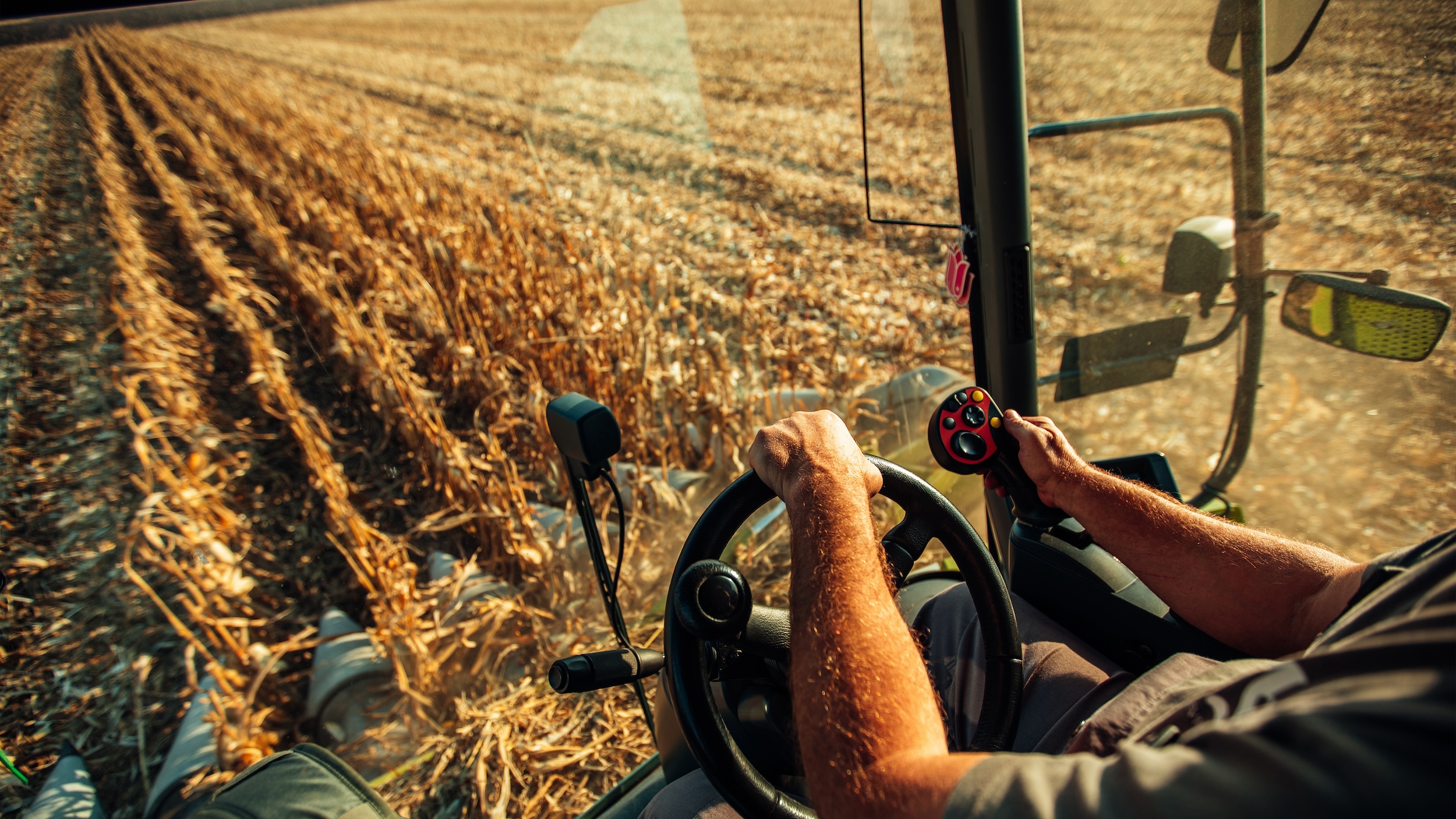
Knowing when corn is ready to harvest is just the start. Executing an efficient harvest with minimal loss requires both good preparation and attention throughout the process. Your pre-harvest checklist is key to setting your farm up for success.
Inspect equipment thoroughly to make sure everything’s running smoothly before you need it. This includes verifying combine settings, checking corn head components, and ensuring grain handling systems are ready. Addressing maintenance before you begin prevents delays once harvest starts rolling.
Next, you’ll want to make sure you test moisture content across all fields to confirm readiness and establish harvest order. Scout for any lodging to identify areas needing special attention.
Optimal daily harvest timing can enhance both quality and efficiency. Morning hours, after any dew has dried, offer good conditions for maintaining grain quality, particularly at higher moisture levels. Starting as soon as conditions permit allows you to maximize each day’s progress.
Extremely hot afternoons may warrant a break if temperatures could contribute to excessive kernel damage, though most modern equipment handles various conditions well.
Combine speed recommendations ultimately depend on the conditions of your field and your crop’s characteristics. In healthy, standing corn with good stalk integrity, you can maintain reasonable speeds while achieving clean harvest results.
The goal is efficiency balanced with quality. In any areas showing lodging or down stalks, slowing to two miles per hour or less reduces losses significantly. The extra time invested in careful combining of challenging spots pays dividends in captured corn yield.
Proper header height and operation minimize what’s left behind. Set your corn head to pick ears cleanly without gathering excessive trash or missing low-hanging ears. Throughout each day, monitor combine performance and check what’s being left in the field.
Adjust settings as needed when moisture content or field conditions change to ensure you get the best possible yields when you harvest your corn. Good operators stay attentive to these details rather than assuming initial settings remain optimal all day.
Corn Harvesting Tip: Record keeping builds knowledge for future seasons. Document moisture content by field, note yield results, record any areas with issues, and track harvest timing.
This information becomes valuable when making variety selections, adjusting planting dates, or planning logistics for upcoming years.
The patterns you identify over multiple seasons help refine your approach to determining when corn is ready to harvest on your specific operation.
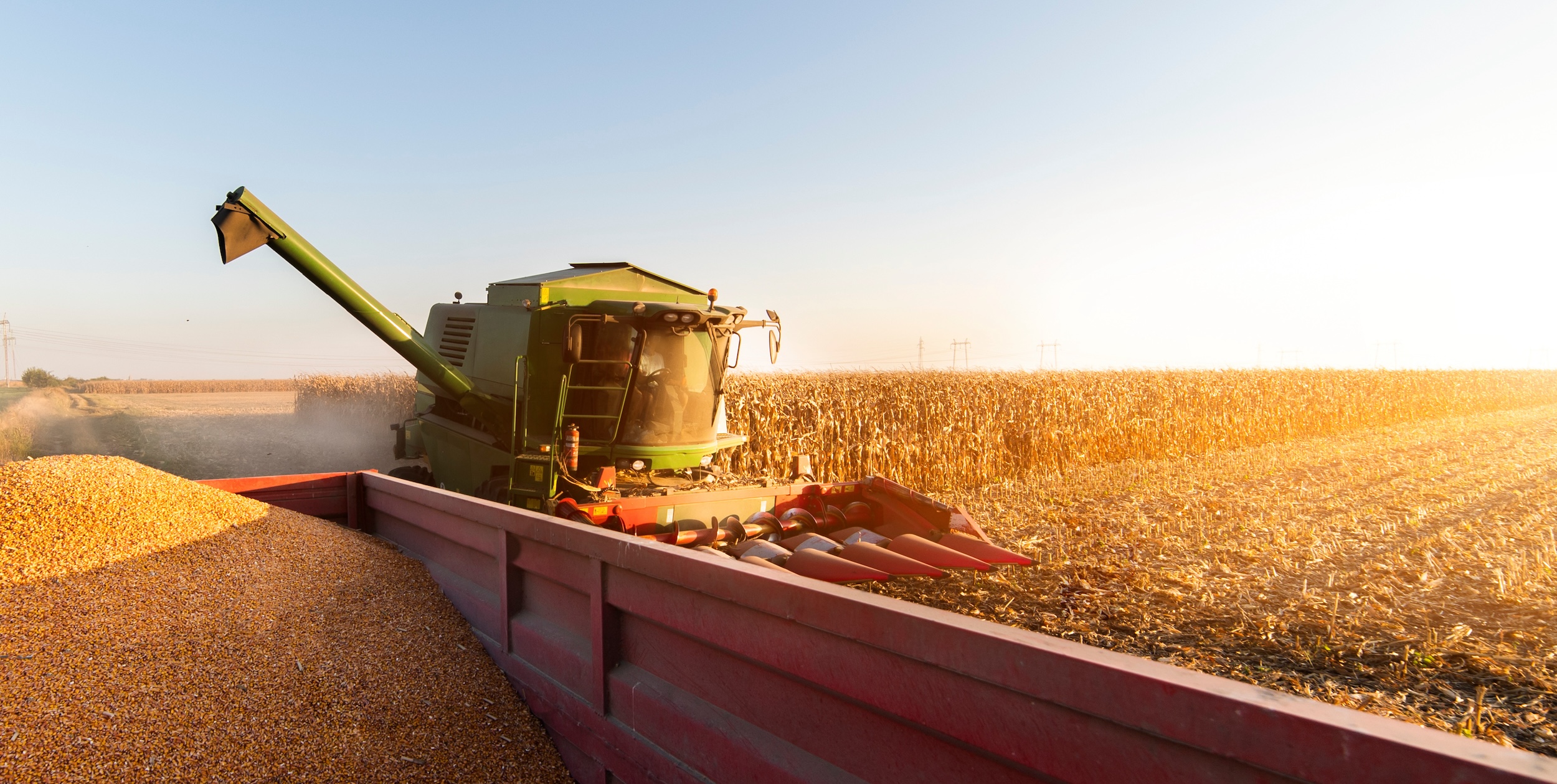
Quality equipment makes the corn harvest season more efficient, while also protecting grain quality. Your farm’s scale determines exact equipment needs, but there’s a core set of tools that are valuable across various farm sizes.
Commercial operations rely on capable combines as the foundation of harvest infrastructure. Modern machines offer monitoring systems, automated adjustments, and the capacity to cover substantial acreage efficiently.
Your corn head should match your combine’s capacity and your typical field conditions. Row spacing and the number of rows your header handles affect daily progress and overall efficiency.
Different moisture levels and field conditions call for adjusted combine settings to minimize grain damage while maximizing clean grain in the tank.
Higher-moisture corn often needs different cylinder speed, concave clearance, and fan speed compared to drier grain. Learning your specific machine’s optimal settings for varying conditions has the ability to improve your corn harvest yields significantly.
Efficient corn harvesting operations use grain carts to keep combines running productively. Carts allow unloading on the go, transporting full loads to storage or trucks while your combine continues harvesting. This coordination minimizes downtime and maximizes acres covered daily.
When harvesting corn above storage moisture, drying equipment becomes essential. Bin dryers, continuous-flow systems, or batch dryers each serve different scales and offer distinct advantages. Investment in drying capacity often enables earlier harvest timing, reducing field loss exposure while capturing full yield potential.
Proper storage infrastructure protects grain quality after harvest. Aeration fans, temperature monitoring, and adequate bin capacity maintain harvested grain in excellent condition until sale or use. Quality storage complements quality harvest.
Handheld moisture meters provide quick field testing to guide decisions about when to harvest corn. While not matching elevator-grade precision, portable testers deliver the information you need during the decision-making process.
Specialized reels, dividers, and lifters designed for challenging field conditions can improve results when harvesting lodged corn. These accessories help guide down stalks into gathering chains, reducing losses in difficult situations.
For Small Operations: Hand harvesting your corn remains practical for smaller acreages or specialty crops. Basic tools include harvest containers, cutting tools if needed, and drying racks for processing grain manually. Equipment options for smaller operations can make hand harvesting more manageable and efficient.
When you’re ready to upgrade or expand your harvest capabilities, finding quality combines from a trusted source ensures you’re investing in machines that serve your operation reliably, season after season.
Some seasons bring lodging challenges come harvest time, despite excellent management of your corn crop. Knowing how to handle these situations protects yield and keeps harvest progressing.
Corn fields with considerable lodging require more time to harvest than standing corn, often taking three to four times longer to combine the same acreage. Factor this reality into your planning.
If significant acreage is down, you may need to start harvesting your corn earlier, adjust your schedule, or bring in additional equipment or help to complete the corn harvest in a reasonable timeframe.
Lodged corn is what you’ll want to harvest first. It continues deteriorating as it sits in the field. Stalks break down, ears may drop, and grain quality can decline.
Once you identify a lodged area, prioritize getting that corn harvested rather than waiting for slightly better moisture in other fields.
Slowing down significantly when harvesting lodged corn protects yield. As we mentioned earlier, operating at two miles per hour or less allows your combine and corn head to pick up more down stalks and reduces grain left behind. Yes, it takes longer, but the alternative of leaving substantial amounts in the field doesn’t serve your bottom line well.
When possible, harvest against the direction of lodging. If stalks are leaning northeast, approach from the northeast so plants lean back toward your corn head. This orientation helps gathering chains catch stalks and guide them into the header more effectively.
Adjust gathering chains and deck plates based on lodging severity. You may need lower header height and adjusted chain tension to better catch flat stalks.
Some operators add aftermarket gathering aids specifically designed for down corn, which can improve performance significantly in challenging conditions.
Safety Note: Never attempt clearing stalks from your corn head with power engaged. Shut down completely before addressing any blockages. The slower, more demanding nature of harvesting lodged corn can create frustration, but safety always comes first.
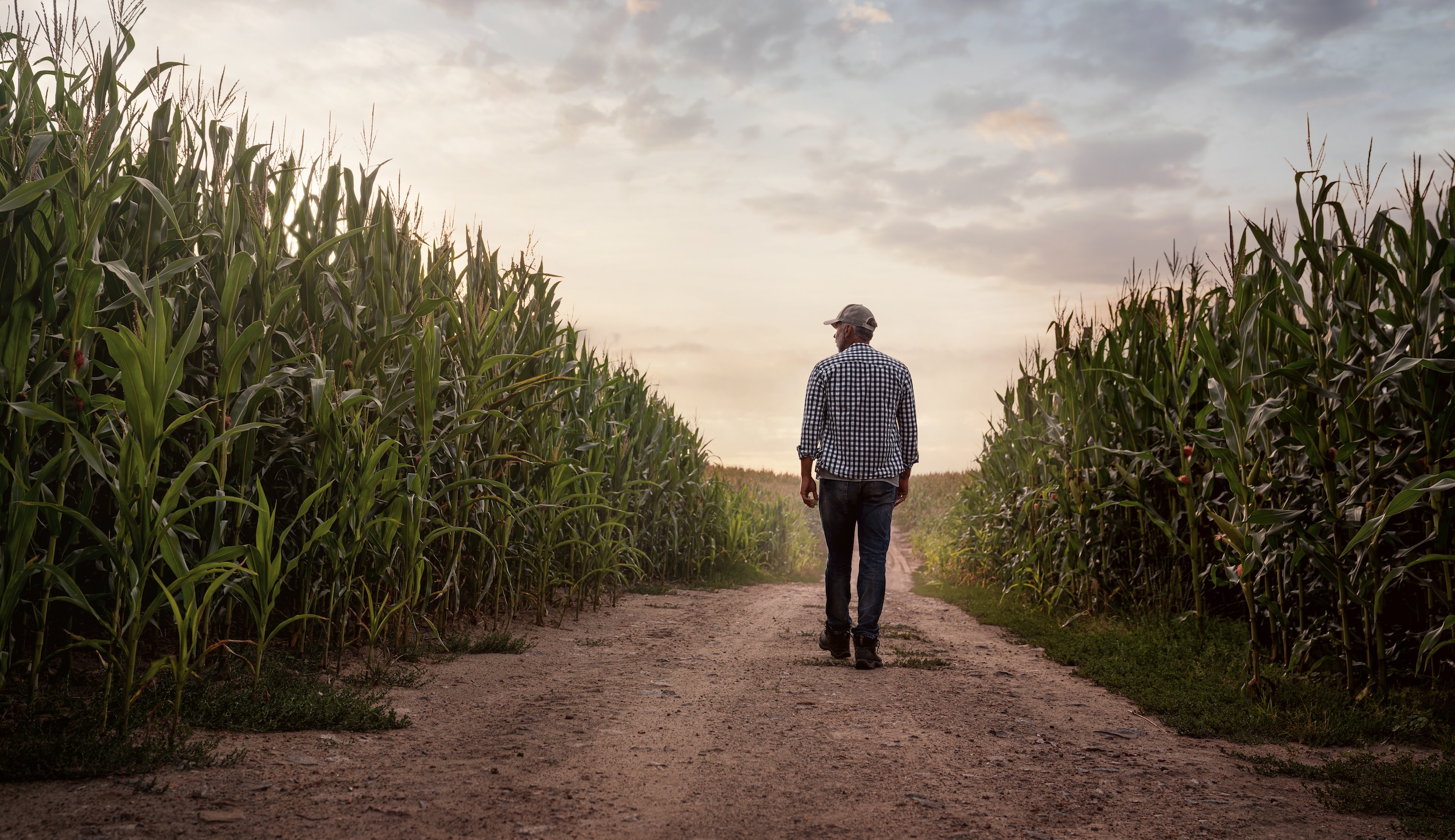
Understanding when corn is ready to harvest is critical knowledge, but that knowledge becomes truly meaningful when applied to quality farmland.
The foundation of any agricultural legacy starts with the land itself. Quality cropland with proper drainage, appropriate soil types, and strong production history creates opportunities for consistent harvesting success year after year.
Whether you’re expanding your existing corn farmland or establishing new ground, finding the right acres matters tremendously. Here at Hayden Outdoors, we connect farmers like you with properties supporting your agricultural vision.
From established cropland with existing infrastructure to undeveloped ground offering development potential, the right land provides the foundation for applying everything you know about corn production and harvest timing.