
×

Sign in
Sign in to save favorite properties and equipment, save your search parameters and more
Don’t have an account yet? Sign Up Now
Sign up
Already have an account? Login Now


 866-741-8323
Sign in
Sign in to save favorite properties and equipment, save your search parameters and more
Don’t have an account yet? Sign Up Now
Sign up
Already have an account? Login Now
866-741-8323
Login
Sign in
Sign in to save favorite properties and equipment, save your search parameters and more
Don’t have an account yet? Sign Up Now
Sign up
Already have an account? Login Now
Sign in
Sign in to save favorite properties and equipment, save your search parameters and more
Don’t have an account yet? Sign Up Now
Sign up
Already have an account? Login Now
 Back to Blog
/
Equipment, Land and Habitat Management /
If you’ve ever stopped a loaded truck, climbed out to swing a cattle gate open, pulled through, and climbed back out to latch it behind you, you’ve probably wished for a way through that fence without leaving the cab. How do cattle guards work, and could one save you the trouble? A cattle guard, also called a cattle grate, is a set of rails laid across a shallow pit where a road meets a fence line. Most cattle won’t step onto it, while your pickup, stock trailer, and hay truck can roll right across without stopping.
At Hayden Outdoors, we spend a lot of time on working ranches and with the families who run them, and this question comes up often. So we put together a landowner’s guide that walks through how cattle guards work, what they do well (and what they don’t), why cows tend to respect these grates, and how to decide between a cattle guard and a good old-fashioned cattle gate.
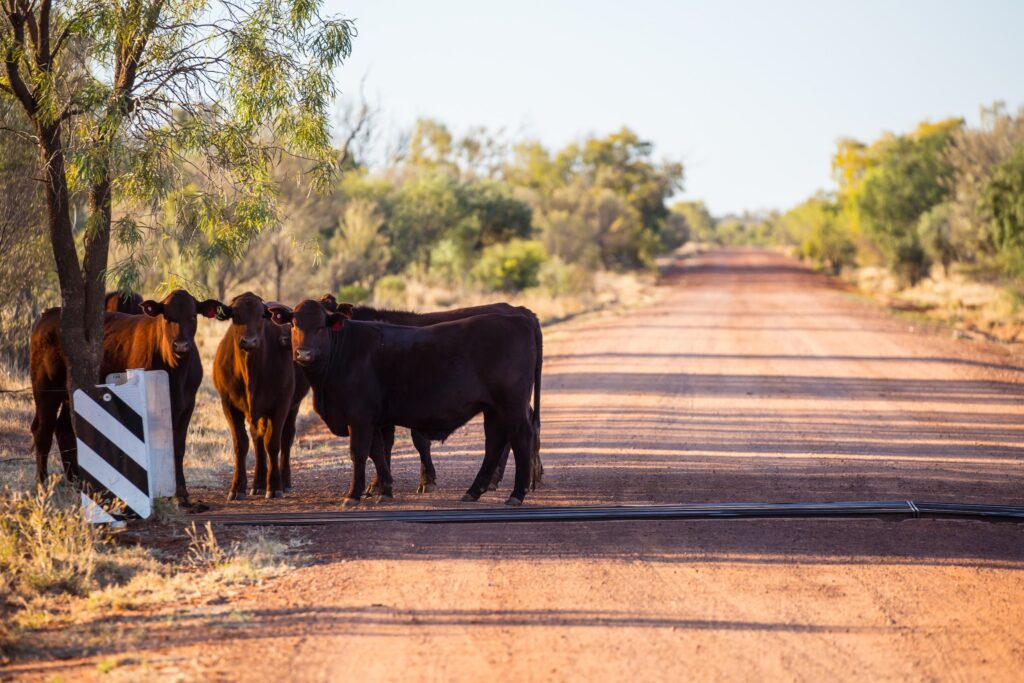
Cattle guards rely on two cow traits: limited depth perception and a flat hoof that needs solid footing. A row of rails runs across the road, perpendicular to traffic, with open gaps between them and a shallow pit underneath. To a cow standing at the edge, that pattern looks like uncertain footing over a drop, so she usually turns back and looks for grass somewhere else. To a tire, it’s just a slightly rumbly stretch of road.
The idea’s been around for a long time. Kansas author James F. Hoy wrote an entire book on the subject, and the University Press of Kansas notes that it traces the first U.S. cattle guard patent back to 1837. Early versions were simply poles or logs laid over a ditch, and they held cattle back in much the same way that modern steel guards do.
Ranchers kept refining the design, and today you’ll find everything from simple pipe grids on private lanes to heavy precast units on state highways.
What is a cattle guard, in plain terms? It’s a grid of steel pipes, rails, or concrete ridges set over a shallow pit or raised frame where a road crosses a fence line. It lets vehicles pass freely while discouraging cattle from crossing. Depending on where you live, you may hear it called a cattle grate, cattle grid, stock guard, or a Texas gate.
Most modern cattle guards or grates are built from steel pipe or rail on a concrete or steel foundation, and plenty of ranchers go with precast concrete bases that drop into place without pouring on site.
Part of the appeal of the cattle grate is its simplicity. A cattle guard has no hinges, latches, chains, or springs. And it’s not like a gate that can be accidentally left open when you’re in a hurry to get off the ranch. Because there aren’t any moving parts on a cattle grate, there’s very little to wear out, which is why many ranchers call a cattle guard the lowest-maintenance “gate” on the place.
That said, there is a little upkeep involved. You’ll still want to clean out the pit now and then, touch up paint on steel rails, and keep an eye on the wings and fence ties. Compared with a swinging cattle gate that sags, drags, and eventually needs new hinges, most ranchers find the maintenance for a cattle guard to be quite light.
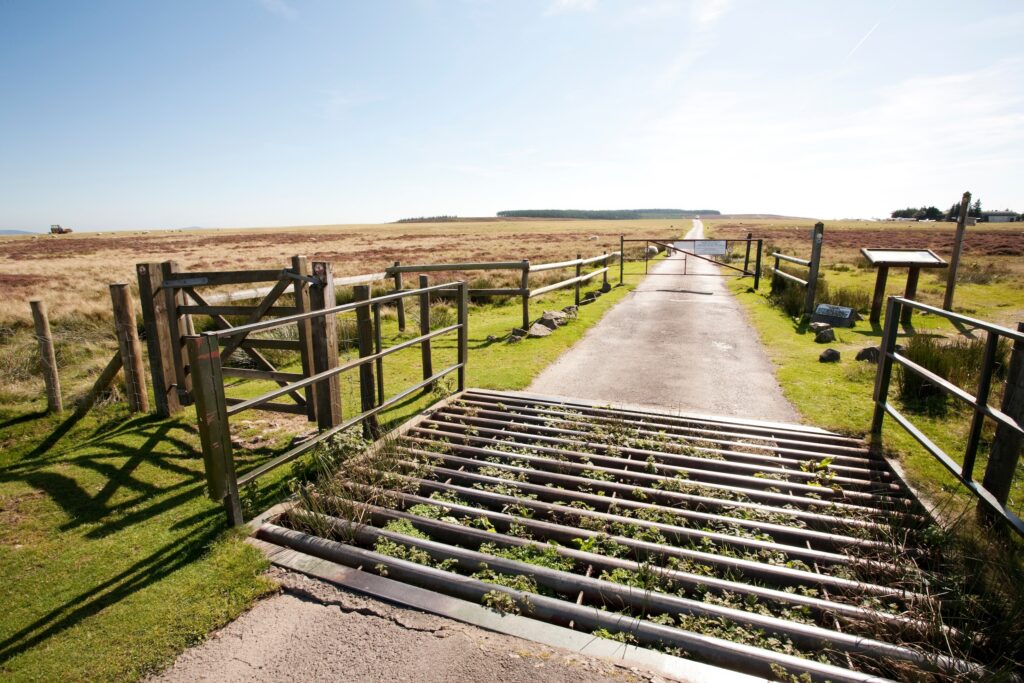
A cattle gate does its job well when everyone who uses it actually closes it. The nuisance is the time it takes (and what happens when someone forgets to close the gate after themselves).
If each gate stop takes about two minutes, and you pass through ten times a day, that’s about 120 hours a year spent opening and closing one cattle gate. Add a second gate, a hired hand, a feed truck, and a hunting lease, and those minutes add up. In winter, when you’re breaking ice and feeding in the wind, these gate stops feel even more challenging.
Then there’s the cattle gate that gets left open. Ranch visitors who don’t regularly handle livestock can easily forget, and even careful hands can slip up during a busy week on the ranch. Cattle guards work as an excellent solution for these types of situations.
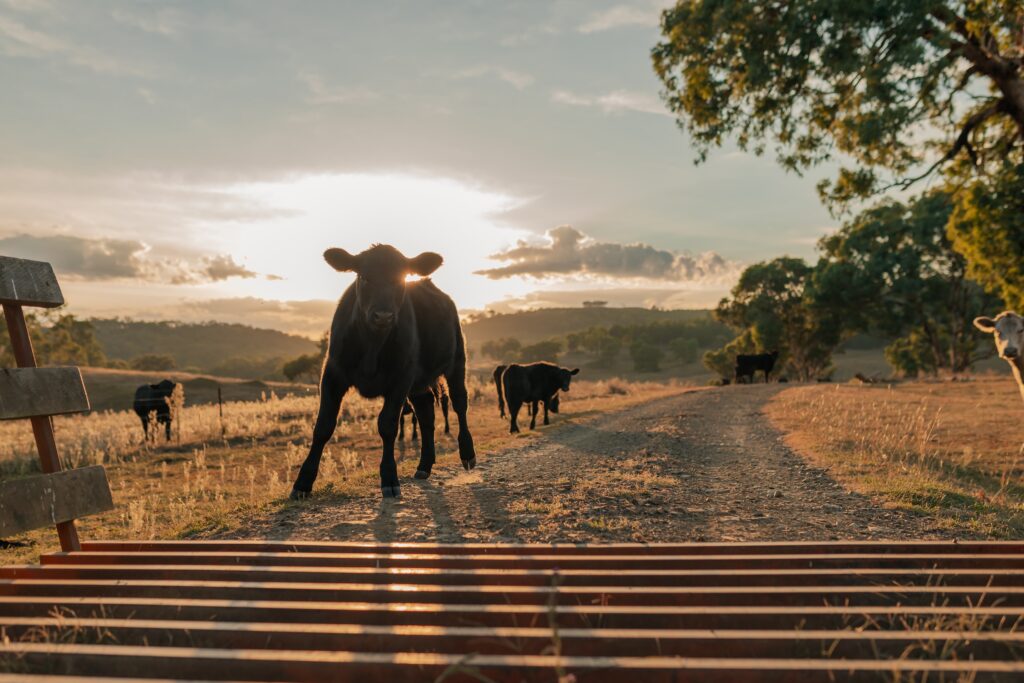
Most cattle respect a guard the first time they see one, without really needing any training. But how exactly do cattle guards work on a cow that’s never seen one? Three things are at play: the cow’s eyesight, footing, and experience.
Cattle are prey animals, and their eyes are built to spot movement from almost any direction. According to the Penn State Extension, their wide-set eyes give them close to 300 degrees of vision, but their depth perception is poor. Cattle may treat a shallow or shaded spot as a pit they can’t cross.
The University of Wisconsin Extension explains that because cattle rely mostly on vision from one eye at a time, with only a narrow band of binocular vision straight ahead, they have a hard time judging depth and often balk at shadows. The contrast between the bright rails of a cattle grate and the dark gaps below looks like a hole with no clear bottom, and most cows would rather not find out how deep it is.
You can often see this same thing play out when a cow stops when it stumbles across a puddle or a shadow. Handling specialists design corrals with this in mind, and a cattle guard uses the same trait to hold cattle back with nothing more than steel rails and open space.
A cow’s eyesight limitations are what cause it to hesitate when it stumbles upon a cattle guard. But the unstable footing is the added layer that further deters cattle from crossing the grate.
A cow’s hooves are fairly flat, and the round rails on a cattle grate give that hoof very little to grip. If the cow does test it, their hoof tends to rock forward or back, and it can feel right away that the footing isn’t stable. Most cattle back off after that first try, having decided that the grate is an unstable route.
But this begs the question: if a cow does decide to traverse the grate, can the cattle guard hurt the cow? A guard that is built to a good design, sized correctly, and kept clean typically doesn’t cause trouble for cattle, because most animals turn away before testing their weight on it (that said, injury can in some instances happen, but we’ll get into that later).
Problems tend to show up with guards that are too short, have worn or broken rails, or have a pit packed with dirt that lets a hoof sink partway in. That’s why a good design and regular upkeep are important parts of having a cattle guard on your property.
Do cattle guards work for a lifetime? Mostly, though, how long they last really depends on how you build and care for them. Cattle are curious and, given enough reason, persistent. And there are a few elements that can cause your cows to test the boundaries:
You may also have seen painted lines on highways that mimic cattle guards. How do cattle grates work when they’re only paint on asphalt? Many transportation departments and ranchers have tried them. And painted stripes can work for a while, especially with cattle that have already learned how real guards feel underfoot. With these types of guards, many cows do hold off at first.
Over time, though, many cattle test the stripes and discover the road is flat. The U.S. Forest Service even suggests bold painted stripes as a backup near recreation sites, noting that some horses and mules hesitate to cross them, but it treats them as a temporary deterrent rather than a replacement for a real barrier. That’s why a physical guard with a clean pit tends to be a better long-term solution.
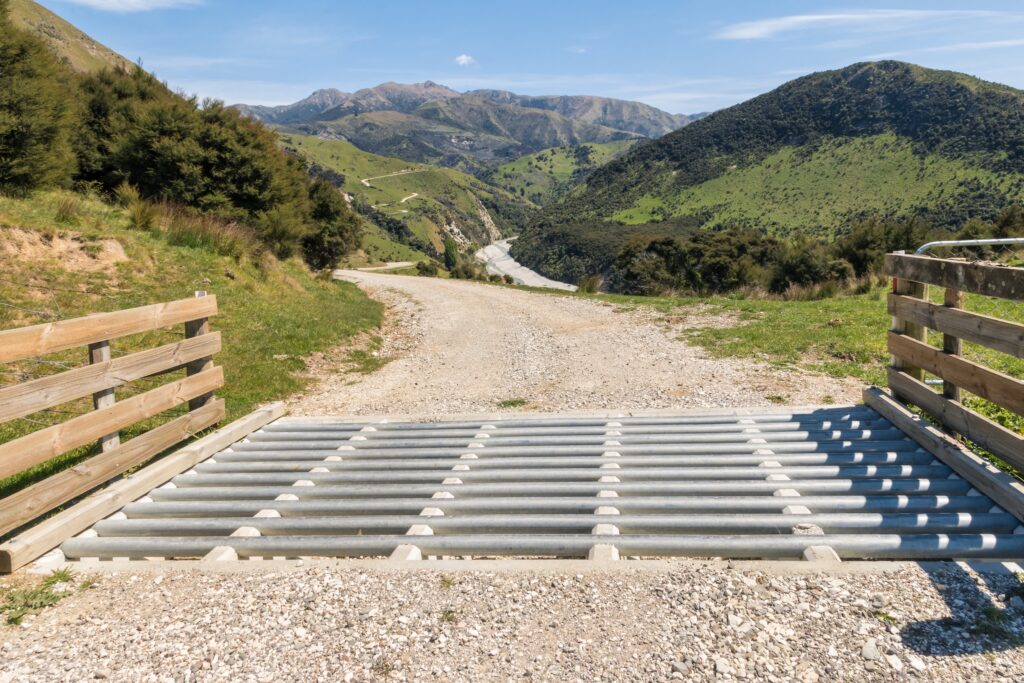
Plenty of ranches have horses, sheep, or goats alongside their herd of cattle, and many ranches share ground with wildlife. So, how well do cattle guards work on other animals? Each one responds a little differently, and a few are better served by their own crossing.
Horses and mules: The Forest Service’s Equestrian Design Guidebook says cattle guards are dangerous for horses and mules, whether they’re loose or under saddle, because a horse may try to walk or jump across and can trap a hoof or leg between the rails. Horses have smaller hooves and more slender lower legs than cattle, and a trapped horse that panics can do serious damage. If horses share a pasture served by a cattle guard, many ranchers will add a bypass gate right beside it so riders and loose horses have a safe way through.
Sheep and goats: Small, sure-footed animals may pick their way across the rails of a cattle grate, and goats in particular seem to treat the guard as a puzzle rather than a barrier. A cattle gate or tighter fencing usually does a better job for small ruminants.
Deer and elk: How well do cattle guards work on deer and elk? Not very. Both can clear most standard guards with ease. If keeping deer off a garden or out of a hay yard is the goal, you’ll likely need taller fencing along with a longer guard.
Small wildlife in the pit: A research note in California Fish and Wildlife Journal found that the pit under a cattle guard can act like a pitfall trap for rodents, amphibians, and reptiles that fall in and can’t climb out. The authors describe designs with open sides or drain pipes that let small animals walk out, and they encourage retrofitting older cattle guards where protected species live. A simple escape ramp in a corner of the pit beneath your cattle grate is an easy weekend project that helps both wildlife and the cleanliness of your guard, and it doesn’t change how cattle guards work on cows.
So how do cattle guards work in a mixed operation? Quite well, as long as you plan for the animals that shouldn’t be on them.
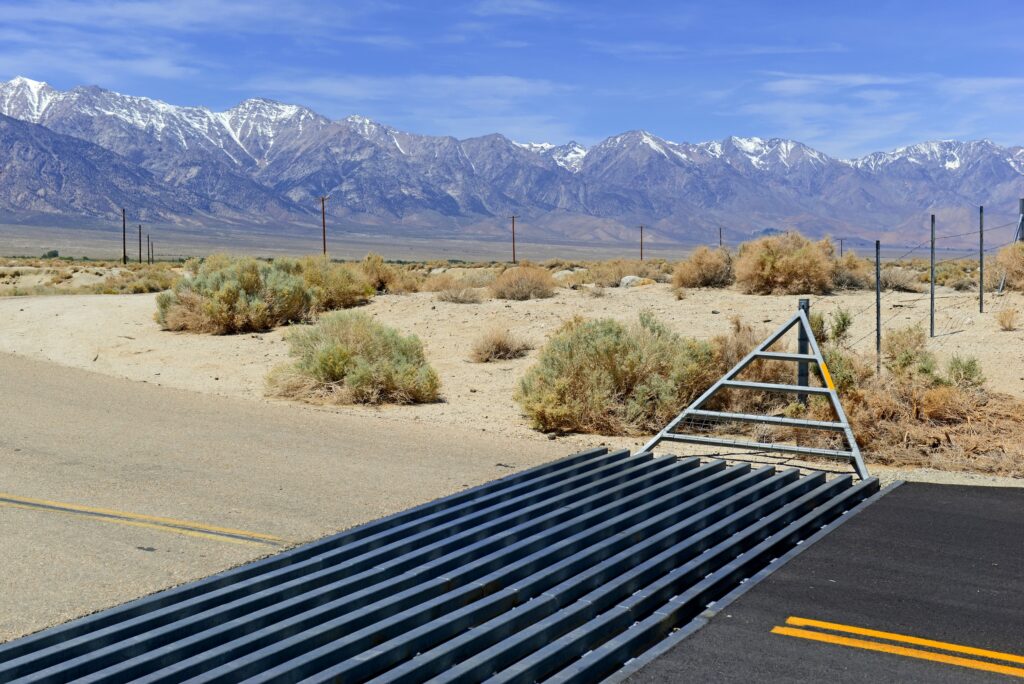
So which is the right choice, the guard or the gate? The answer really depends on your traffic, your animals, and your budget. Regardless of whether you choose a cattle guard or a cattle gate, both options have their particular strengths on a ranching operation. Let’s break it down.
| Factor | Cattle Guard | Cattle Gate |
|---|---|---|
| Upfront cost | Higher, especially with a concrete foundation | Lower for most standard gates |
| Installation | Excavation, foundation, wings, and fence ties | Posts, hinges, and a latch |
| Daily use | Drive straight through | Stop, open, pull through, close |
| Upkeep | Pit cleanout, paint, periodic inspection | Hinges, latches, sagging and dragging |
| Horses | Needs a bypass gate | Works well |
| Sheep and goats | Often unreliable | Works well |
| Human error | Nothing to leave open | Only as good as the last person through |
If the entrance to your ranch receives a good bit of traffic, a cattle guard tends to be a solid option. Main ranch entrances, the road to the calving barn, feedlot lanes, and any crossing used by employees, contractors, or hunters are all good candidates for a grate.
How much do cattle guards cost, and does the math work out? Prices vary a lot depending on width, load rating, material, and whether you buy new or used, so it’s smart to get quotes from a few fabricators and check the used market before you commit.
If the cattle guard is going on a county road, local fees may apply too. For example, Union County, New Mexico lists a $50 administration fee and a $300 installation fee, and the applicant supplies the guard. But even with those additional fees, when many ranchers compare those numbers to the hours they’d spend at a cattle gate opening and closing up behind them, a cattle guard at a busy entry point may be worth the investment.
With that said, there’s still a place for the traditional cattle gate. Low-traffic pasture crossings, horse operations, leased ground you may not farm next year, and spots where you need to sort or move cattle all tend to favor a cattle gate over a guard. Many ranchers use both, pairing a cattle guard with a walk-through or vehicle gate beside it, so they have options for horses, cattle drives, and oversized equipment.
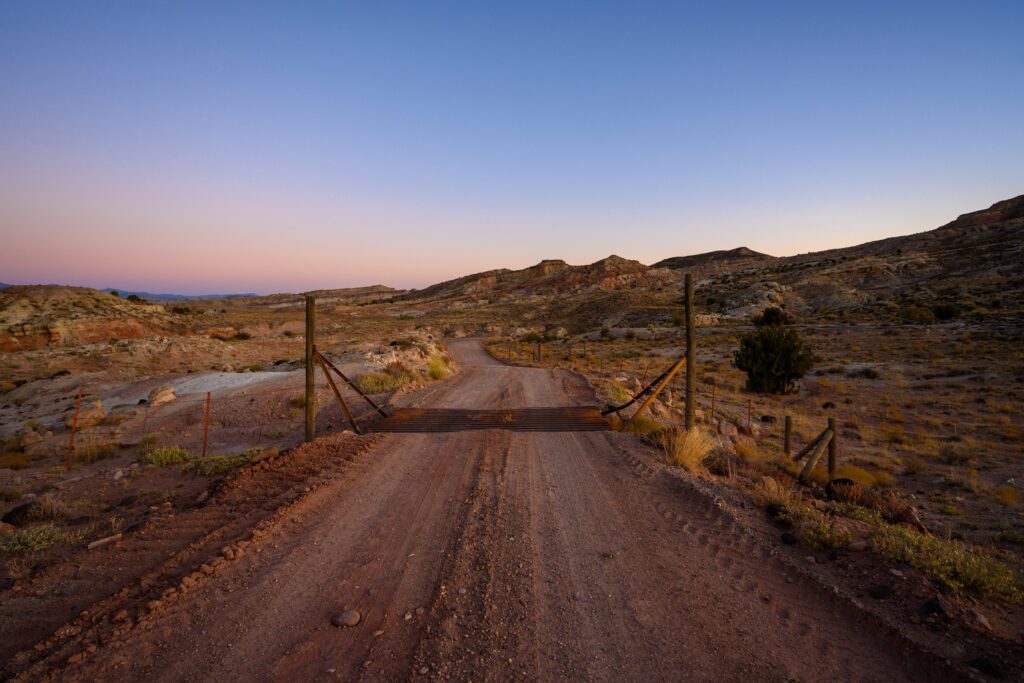
A cattle guard is part fence and part bridge, so the weight it can hold matters just as much as its ability to hold cattle back. When you size one, think about the heaviest vehicle that’ll cross it: a loaded semi hauling calves, a grain truck at harvest, a fuel truck, or a fire engine responding to a grass fire.
Many public agencies spell out load requirements. Fremont County, Colorado’s cattle guard policy requires cattle guards on county roads to meet or exceed an HS20 rating with a concrete base, and state departments of transportation, such as Montana DOT, publish standard drawings built around HS20 highway loading. On a private lane that only sees pickups and tractors, you may not need a highway-rated unit, but a manufacturer can help you match the rating to what type of weight your cattle guard needs to bear.
Material use is an important consideration as well. A steel cattle grate is strong and easy to transport and set. Concrete guards resist rust and can use deep beams that give a stuck hoof room to slide back out. Round-top rails do the most to unsettle a hoof, while flat-top rails ride more smoothly at speed. You’ll want to select the rail shape based on whether ride quality or deterrence matters more at that crossing.
Pro Tip: Make sure you always check your local requirements and choose a rating based on the heaviest expected vehicle to cross your cattle guard.
Not every piece of land is suitable for digging, and in those cases a cattle guard without a pit is worth considering. But how do cattle grates work without a pit underneath them? A flat or box-style cattle grate sits on top of the ground on a raised frame, often with skirts around the sides to keep dirt and gravel from creeping underneath. Some are light enough to move between fence openings, which works well on rented ground or seasonal pastures.
The tradeoff here is depth. A guard over a true pit or a tall foundation gives cattle a more convincing gap to look at, and many ranchers find cattle grow more willing to test guards set close to ground level. Do flat cattle guards work as well as ones set over a pit? Usually not quite as well, though how your herd responds in the first few weeks can tell you a lot. If you go with an above-ground design, choose a generous length, keep the underside clean, and watch how your herd responds during those first few weeks.
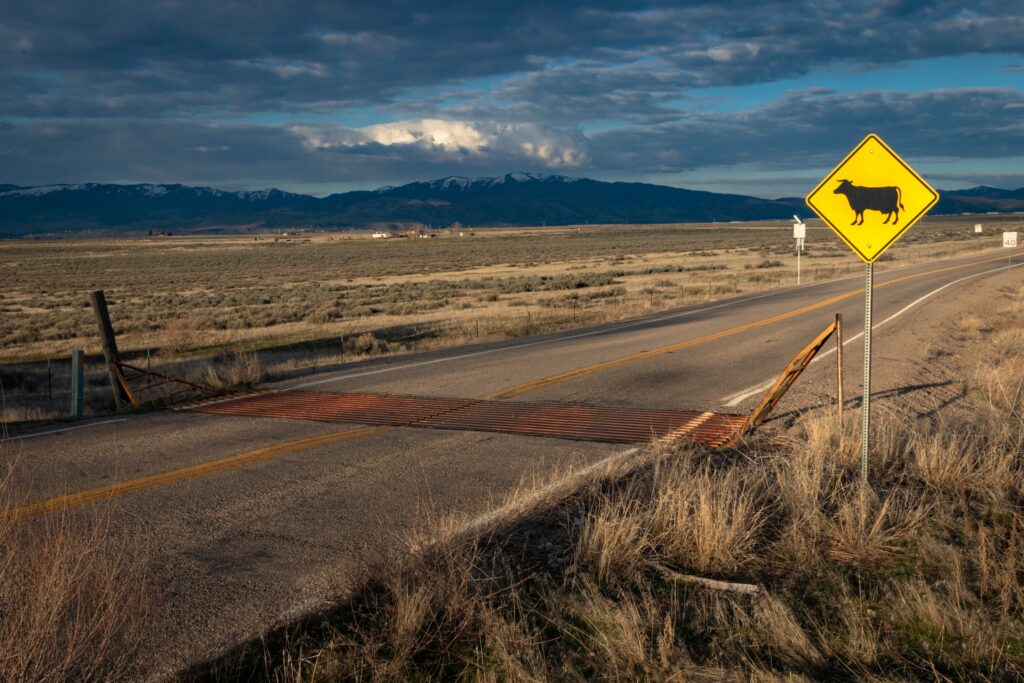
Yes, and they depend on who and what will cross the grate. There’s no single national size, but agency standards and extension guidance provide a few rules of thumb. Width decides which vehicles can cross, and length decides whether or not cattle attempt to jump or cross.
Width runs across the road, side to side. You’ll want to choose a size that accommodates your widest regular vehicle or implement, with some room to spare. Private ranch lanes often use guards in the 12 to 16 foot range, while county roads may require more. Powder River County, Montana sets a 24-foot minimum for cattle guards on its roads, for example, and asks landowners to install a bypass gate of at least 16 feet on or next to the county right-of-way. At the other end of the scale, the Forest Service’s trail cattle guard report describes guards just 4 to 5 feet wide and notes that widths of 52 to 60 inches will let most ATVs squeeze through.
Length runs in the direction of travel. This is what deters cattle from jumping. How long do cattle guards need to be to work well? Many highway standards land around 8 feet. The British Columbia Ministry of Transportation, for example, specifies a standard length of 2,500 millimeters, a little over 8 feet. The Forest Service trail guards ranged from about 5.6 to 13 feet long, and the report notes that cattle avoided them even when bunched up. If you run big, athletic bulls or cattle that get pushed hard at the crossing, leaning toward the longer end is often going to be the best move.
Rail spacing and pipe size vary by manufacturer and by the cattle you have on your ranch. On any cattle grate, the goal is gaps that look uninviting and don’t give a hoof comfortable footing, paired with rails strong enough for your loads. Ask your supplier what spacing their cattle guard design uses and what livestock it was built for.
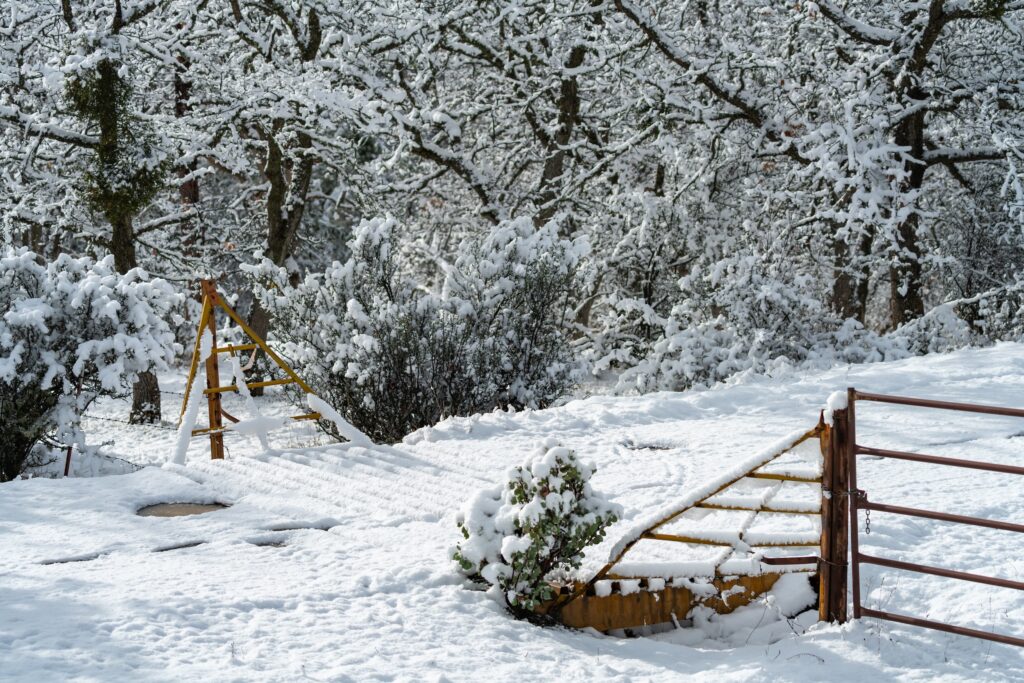
Getting the guard in the ground is only part of the job. Where you put it, how you tie it into the fence, and how you care for it all affect how well the cattle guard holds up over time.
You’ll likely need to start with paperwork if your cattle guard will touch a public road or shared access. Different counties handle this in different ways. For example, in Grand County, Colorado, a cattle guard application goes to the Board of County Commissioners for approval, and the applicant covers the cost of the guard and blocks.
On grazing allotments or roads crossing Bureau of Land Management or Forest Service ground, you’ll want to talk with the local office before you order anything for your cattle guard, since they often have their own specifications.
Cattle typically won’t cross a well-built guard, but they’ll walk around one if the ends are open. Wings are short panels or fence sections that angle from each end of the guard to the nearest fence posts, closing the gap. The Forest Service lists suitable wings or side barriers among the must-haves for a trail guard that works.
Keep the wings clean and simple. The Forest Service’s equestrian guide shows how clutter and barbed wire in the angled wings can create hazards for everyone, especially horses, so smooth panels or well-built fence ties are usually a better choice.
How well do cattle guards work in winter? This really depends mostly on keeping the pit clear. Mud, gravel, and blowing snow can pack the pit until it forms a bridge, and cattle notice.
A few things help:
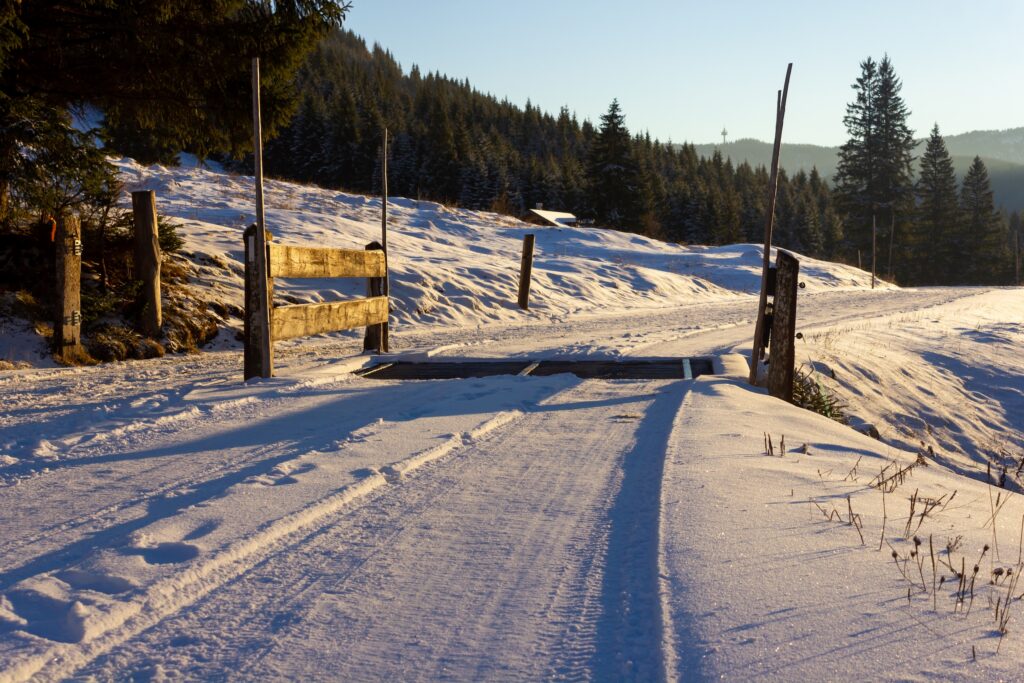
Many of the problems ranchers have with their cattle guards can be traced back to how the grate was sized and set. A cattle guard that’s too short may get jumped. One rated too light can bend under a loaded truck. Missing wings let cattle walk around the ends of the cattle guard, and a packed pit turns the whole thing into a bridge. In a horse pasture without a bypass gate, the risk of injury goes up.
This is why you’ll want to size the guard for your animals and your heaviest load, add wings and a bypass gate, and give the pit some attention a few times a year.
Cattle can get hurt on a guard too, though it happens less often with one that’s built well and properly maintained. Most injuries come when an animal tries to cross anyway, such as a spooked cow, a calf trailing close behind its mother, or cattle crowded hard from behind, and a hoof slips down between the rails.
A few simple habits lower those odds. Keep rail spacing to the manufacturer’s spec, choose a pit deep enough that a slipped hoof can pull back out, and clear the guard after storms. During a gather, move cattle through a gate instead of pushing them toward the guard, and give pairs a gate to use so calves aren’t tempted to follow their mothers across.
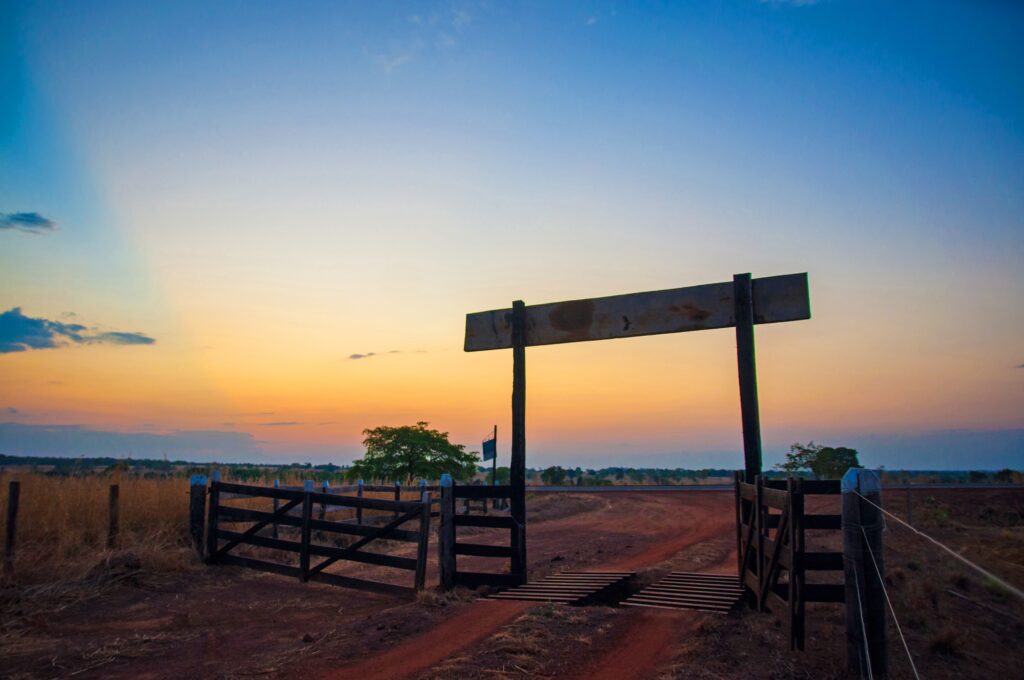
With the right cattle guard in place, you pull up to your main entrance with a load of hay, roll straight past where the cattle gate used to be, and see the herd in the mirror still grazing right where you left them. Because of this, plenty of ranchers call a cattle guard one of the best upgrades they’ve made. It’s part of what makes for a smooth ranching operation.
At Hayden Outdoors, we know ranch life because we live it and work alongside the people who make it happen every day. When you’re ready to shop, browse the Hayden Outdoors equipment marketplace for ranching gear from sellers across the country. If you’ve got equipment sitting idle after an upgrade, you can list it there too and help a neighbor find exactly what they need to keep their ranch running smoothly.
Browse Farm And Ranch Equipment