×

Sign in
Sign in to save favorite properties and equipment, save your search parameters and more
Don’t have an account yet? Sign Up Now
Sign up
Already have an account? Login Now


 866-741-8323
Sign in
Sign in to save favorite properties and equipment, save your search parameters and more
Don’t have an account yet? Sign Up Now
Sign up
Already have an account? Login Now
866-741-8323
Login
Sign in
Sign in to save favorite properties and equipment, save your search parameters and more
Don’t have an account yet? Sign Up Now
Sign up
Already have an account? Login Now
Sign in
Sign in to save favorite properties and equipment, save your search parameters and more
Don’t have an account yet? Sign Up Now
Sign up
Already have an account? Login Now
 Back to Blog
/
Land and Habitat Management, Land Ownership /
Back to Blog
/
Land and Habitat Management, Land Ownership /
Whether you’re a potential or existing landowner and assuming you don’t farm yourself, learning how to earn capital from your farmland by renting a portion or all of it can be valuable in the viability of your property. It’s important to understand some key steps, leasing rates for your local area, and how to protect yourself with a valid property or lease contract.
While the details will vary and are specific to state rates and regulations, there are generally two ways to rent or lease your land: cash per acre (or cash upfront) or share in cost of profits and harvest. The choice should be based on how involved or uninvolved you want to be in the maintenance and harvesting of the land. Cash upfront typically requires less collaboration between you and the person leasing your land, while sharing in profits and harvests might mean you need to be more involved in work and decision making.
Given the fluctuating prices of crops, federal subsidies, and local and regional factors, this is an important step that requires some research. Consider multiple factors, not just the USDA’s National Agricultural Statistics Service, which is an average that can skew specific characteristics of your land.
There is the easy first step of simply talking with other farmers, ranchers and producers in the community who are doing the same thing. Also reach out to ag lenders, real estate agents who specialize in farmland leasing and sales, and the USDA’s Farm Service Agency.
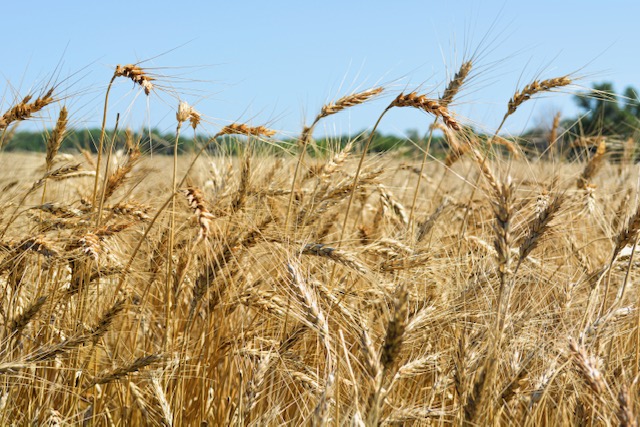
The USDA provides a variety of tools to help determine baseline land rental rates, including the Cash Rents Survey, current agricultural land values, the National Agricultural Statistics Service, and current USDA assistance programs.
Talk with your accountant and insurance agent about the implications of renting your land. Doing so might require additional or higher tax payments and added insurance coverage. Protect yourself and your property against liabilities.
Just like renting an apartment or home, it’s important to vet potential farmers who want to rent or lease your land. Due to our pulse on the local Ag market, advertise your land through our team of agents, and interview multiple people. Make sure the person you choose shares your vision for the property, and check references if available to ensure you’re entrusting your property with someone who is knowledgeable, committed, and passionate.
Even if you’re leasing your land to your most trusted friend or family member, it’s extremely important to draw up a lease that outlines the rental or lease agreement, profit sharing, timeline, and any additional considerations, restrictions or qualifications. Then check in as needed to ensure both parties feel the partnership is valuable and beneficial.