
×

Sign in
Sign in to save favorite properties and equipment, save your search parameters and more
Don’t have an account yet? Sign Up Now
Sign up
Already have an account? Login Now


 866-741-8323
Sign in
Sign in to save favorite properties and equipment, save your search parameters and more
Don’t have an account yet? Sign Up Now
Sign up
Already have an account? Login Now
866-741-8323
Login
Sign in
Sign in to save favorite properties and equipment, save your search parameters and more
Don’t have an account yet? Sign Up Now
Sign up
Already have an account? Login Now
Sign in
Sign in to save favorite properties and equipment, save your search parameters and more
Don’t have an account yet? Sign Up Now
Sign up
Already have an account? Login Now
As experts in all things farmland, we work closely with rural landowners and ag operators every day. We know farming because it’s in our roots, and we understand the real-world decisions farmers face, especially when it comes to investing in mission-critical equipment like tractors. In this guide, we’ll walk you through what a driverless or autonomous tractor can offer your operation. You’ll learn how these self driving machines work, the advantages they bring to the table, what they cost, and how to evaluate the total cost of ownership of an automated tractor.
We’ll also break down which types of farms are best suited for driverless tractor technology, what the resale market looks like, and what potential pitfalls exist for these self driving vehicles. By the end, you’ll have the knowledge you need to make an informed purchase decision, and you’ll know where to turn when it’s time to find the right autonomous tractor for your farmland.
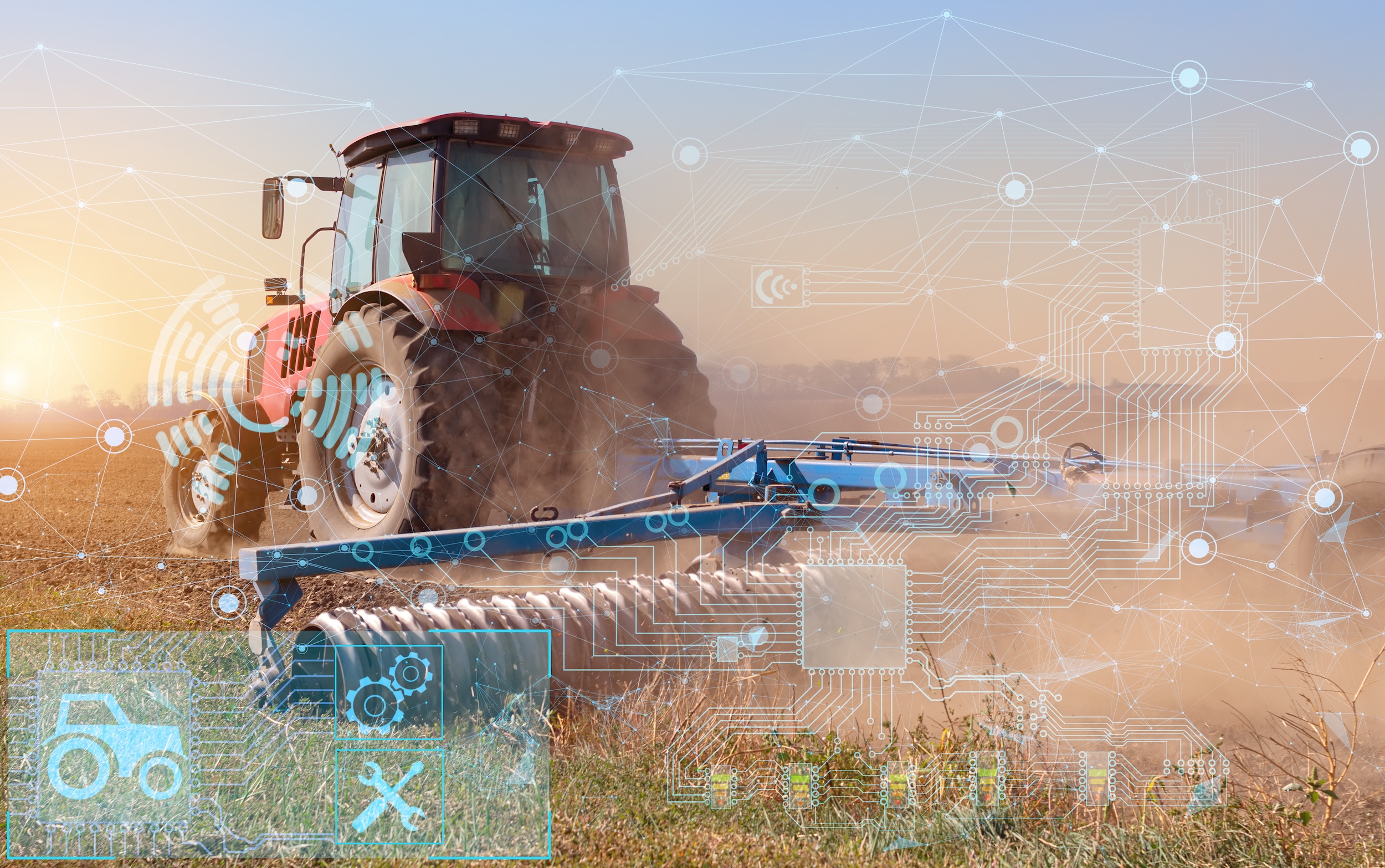
Along with the rise in electric tractors, autonomous tractors are rapidly becoming a central topic in modern farming conversations. These high-tech machines are designed to perform essential agricultural tasks without a human in the driver’s seat, revolutionizing how farmers manage labor, time, and field operations.
As we move into a new stage of modern agriculture, we’re here to help farmers understand the distinctions and capabilities of driverless and autonomous tractors, which can very well be the key to staying competitive and efficient.
For many farmers, the concept of a tractor that drives itself sounds like science fiction. After all, the image of the hard-working farmer navigating their land is synonymous with what it means to work in agriculture. That said, autonomous tractors are a growing trend and already being used across the country on farms of all sizes.
Whether you’re running a multi-acre grain operation or exploring ways to grow your ag business operations, knowing what makes an autonomous tractor different from traditional models and what options are available will help guide a more informed investment.
The term autonomous tractor (also known as a self-driving tractor, driverless tractor, automated tractors, or automatic tractor) is becoming more common, but it’s important to understand what it really refers to.
At its simplest, an autonomous tractor is a vehicle capable of performing farm tasks (such as tillage, planting, spraying, or hauling) with little intervention or no human driver in the cab. As with many emerging technologies, there’s a spectrum:
This differentiation is crucial. Some farmers may think they already own an “autonomous” tractor if it has autosteer as a function. However, full autonomy takes things several steps further—and also requires additional planning, equipment, and training.
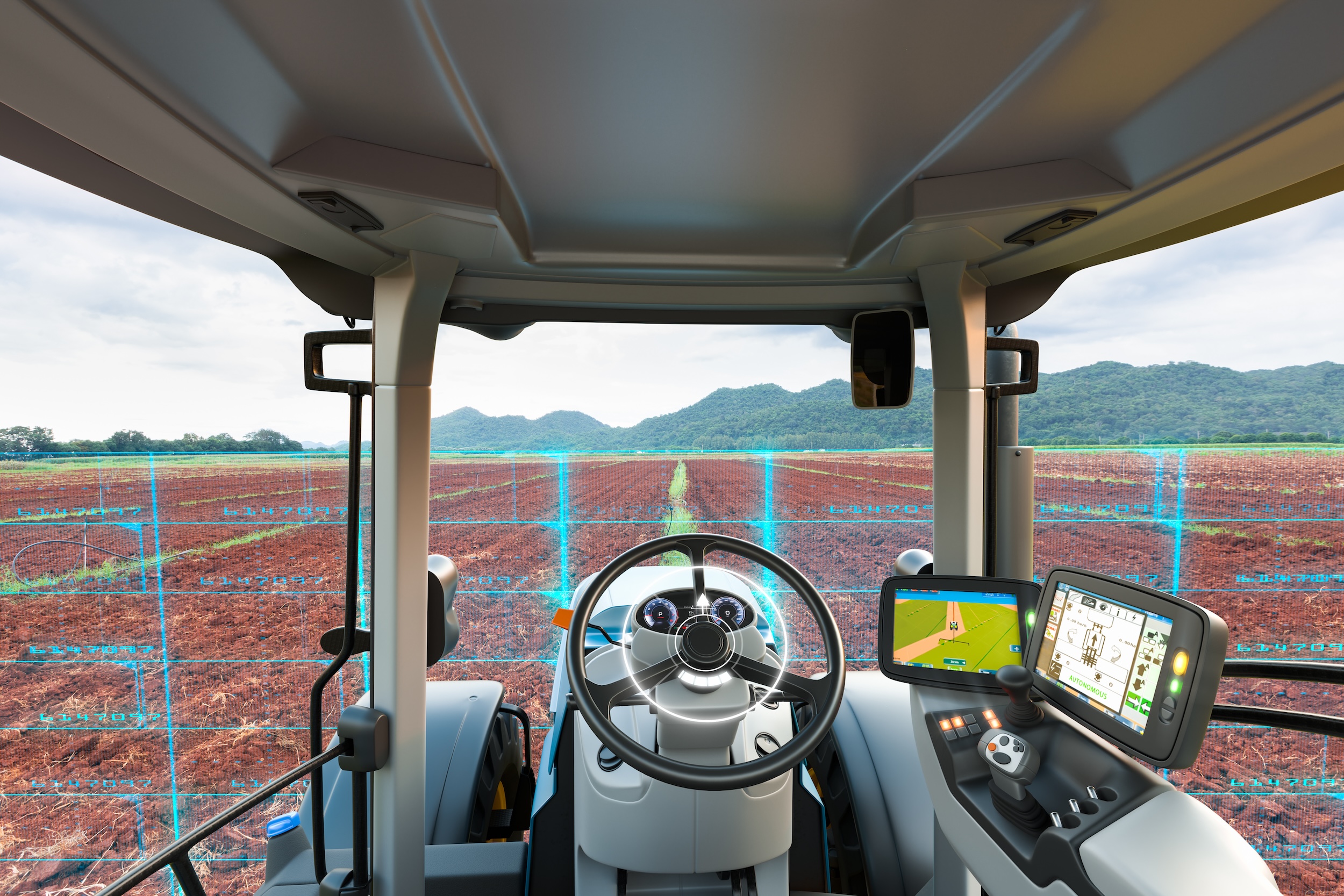
At the heart of every autonomous tractor is a combination of GPS precision, sensor technology, and artificial intelligence (AI) that allows these driverless vehicles to function.
These machines aren’t just big pieces of metal moving through a field; they’re complex systems designed to think, navigate, and adapt without a human behind the wheel. Understanding how driverless and autonomous tractors work is essential if you’re considering integrating one into your farming operation.
Unlike traditional tractors that rely on a skilled operator to steer, monitor, and make decisions in real time, autonomous tractors use high-tech tools to handle everything from pathfinding to implement control. It’s essentially performing the same tasks, without the need for human involvement.
GPS systems ensure exact location tracking, while sensors detect and navigate around obstacles on the farm.
The real power of autonomous tractors lies in the software: AI platforms that make decisions based on real-time data, enabling the driverless tractor to execute farming tasks with precision and consistency.
That little bump in terrain in the middle of your field of row crops? The autonomous tractor can learn those intricacies and adjust accordingly.
While the idea of the autonomous tractor may seem futuristic, it really just comes down to a combination of hardware and software. Understanding how automated tractors function helps clarify what you’re investing in. Here are the essential systems:
GPS and GNSS systems play a key role in making autonomous tractors viable. These technologies provide accurate location tracking that enables straight-line navigation, tight headland turns, and consistent field coverage. Real-time kinematic (RTK) GPS, in particular, can reduce pass-to-pass errors to within one inch, which significantly reduces overlap and wasted inputs.
On a 1,000-acre farm, eliminating just 5% of overlap during seeding can result in substantial savings on everything from seed to fuel to time. Farmers using high-precision guidance often report improved yield uniformity and fewer field gaps. Those little efficiencies end up saving you both in time and in money required to pay those working on your farm.
Most autonomous tractors use real-time kinematic (RTK) GPS, which offers centimeter-level accuracy compared to traditional GPS. This level of accuracy ensures that the tractor stays on precise paths, eliminating overlaps and missed rows, which can be easily missed by a human driving a tractor.
Each sensor on a driverless or autonomous tractor serves a specific function. LiDAR scans the terrain with lasers to create a 3D map, enabling your tractor to detect and respond to dips, mounds, and debris. Radar is especially helpful in low-visibility conditions such as dust, fog, or heavy rain. Cameras help with identifying objects in the path of the tractor, which is helpful both from a navigation and safety perspective.
Rather than your farm having to count on a tractor operator having their eyes on every corner of the farm, these sensors form a 360-degree awareness system that allows autonomous tractors to stop for obstacles, reroute when necessary, and operate safely, even when human supervision is minimal. These sensors work in tandem to help the tractor make real-time decisions, such as stopping when a dog runs in front or navigating around a ditch.
In today’s fast-moving agricultural landscape, artificial intelligence is what transforms data into decisions. Once GPS and sensor inputs are received, AI processes that information and determines the best paths for the tractor, the necessary speeds, and any relevant equipment settings. It can also learn from repeated operations, improving efficiency and reliability over time.
For example, if a field has an irregular shape or contains known obstacles, the AI can modify path planning to optimize coverage without the help of a driver. Some systems even detect soil compaction patterns or yield variability to adjust tillage depth or seeding rate.
All of the data the autonomous tractor collects via its sensors can be used to plan routes, make real-time adjustments, and optimize task performance on the farm. Some models even use machine learning to improve over time, adapting to specific field conditions, terrain patterns, or crop types. It’s essentially like training your own farm hand, without the labor costs.
One of the biggest perks? Autonomous tractors allow farmers to manage operations from the office, a truck, or even another state with their real-time connection. This means your farm managers can schedule tasks, receive alerts, and track progress via smartphones or tablets. This is especially useful for large farms where supervising every machine manually is impractical.
One of the biggest challenges farmers face is the need to always feel like they must be on the farm at all times, and this type of technology loosens those reins a bit and gives you, as the farmer, just a bit more freedom.
That said, the challenge of connectivity is real. Remote farms with weak cell coverage may struggle to maintain real-time data transmission. In these cases, satellite internet or local RTK towers may be necessary to maintain control and data flow to keep operations running smoothly on the farm.
If you’re considering an autonomous tractor, the costs of building out the needed infrastructure to ensure connectivity should be a part of your budgeting process.
The reality is, investing in an autonomous tractor is expensive. So how can you effectively determine whether this type of technology really makes sense for your farm?
To boil it down, driverless tractors are designed to optimize every aspect of fieldwork, whether that’s reducing overlap during seeding or extending work hours far beyond a human’s capacity.
If you’re undecided on whether an autonomous tractor could be right for your farming operation, there are a few perks to consider.
1. Labor Efficiency and Availability: Farm labor is getting harder to find and more it’s often more expensive. Autonomous tractors significantly reduce the need for human drivers, freeing up skilled labor for tasks requiring more oversight or flexibility. During peak seasons, this means more acres covered with fewer people.
2. 24/7 Operation: Unlike human drivers, autonomous tractors don’t need rest, meals, or breaks. That means they can run overnight and during long weather windows. For short-season crops or unpredictable climates, this could mean the difference between a successful or failed harvest.
3. Fuel and Input Savings: Consistent pathing reduces overlap and missed rows.
4. Enhanced Safety: Fewer humans in the cab reduces exposure to dust, noise, and heat, all of which can lead to long-term health problems. Fewer driver errors also mean fewer accidents.
5. Precision and Repeatability: Every pass is consistent, regardless of the time of day or fatigue level. This leads to improved planting depth, seed spacing, and application accuracy.
6. Better Data Collection: Some autonomous tractor systems collect operational and environmental data as they work. Over time, this builds a valuable dataset for decision-making, yield mapping, and resource optimization.
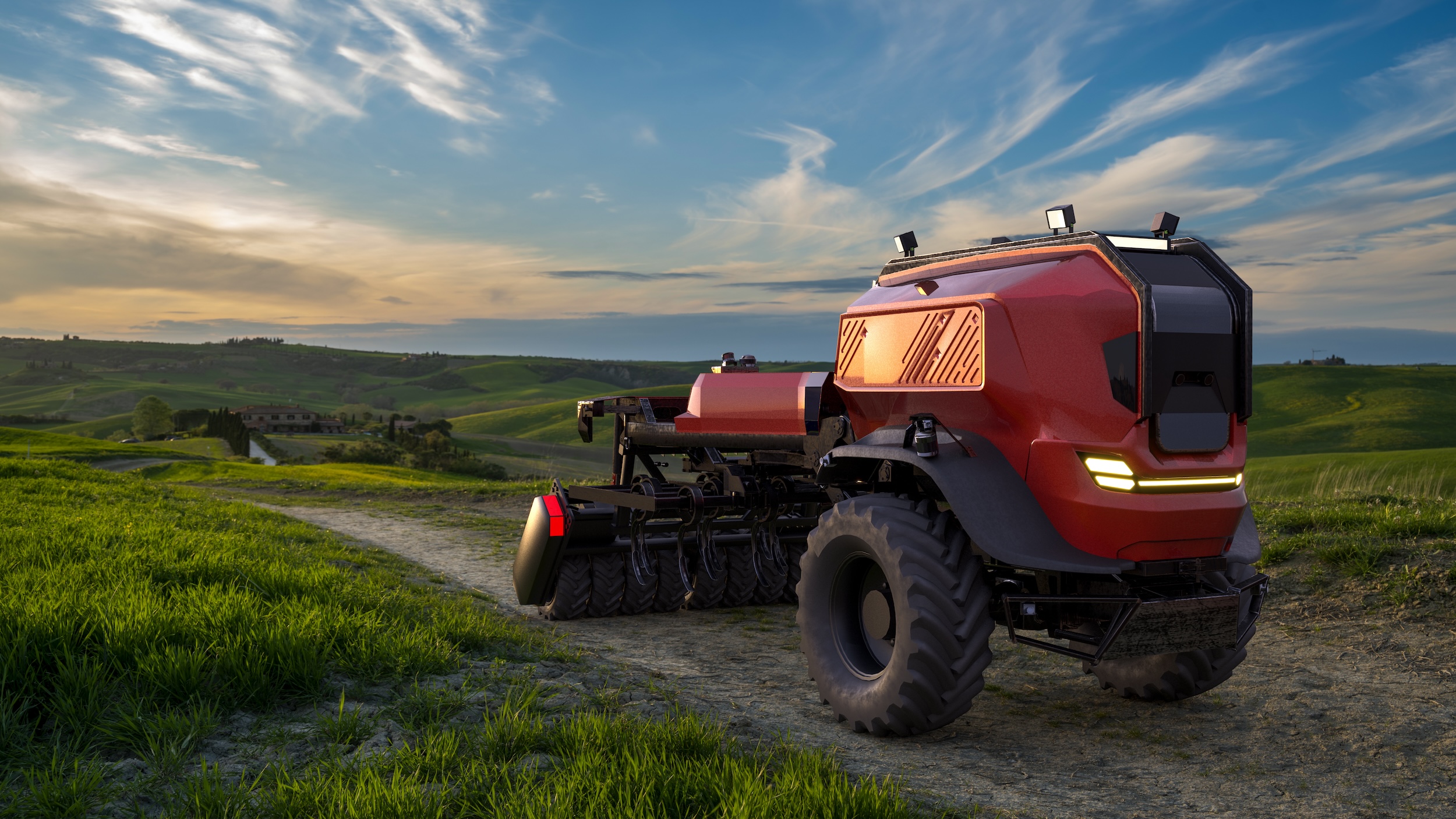
The upfront cost of a driverless or autonomous tractor can seem intimidating, but the long-term return on investment can often justify the expense, especially for operations looking to streamline labor and reduce field inefficiencies.
When calculating costs, it’s important to consider both the purchase price and the ongoing benefits these machines bring through labor savings, productivity gains, and reduced equipment wear.
Driverless tractors typically come at a premium compared to traditional models. However, those costs are often offset within a few seasons through decreased reliance on hired labor, fewer mistakes during field operations, and improved machine uptime.
It’s also essential to consider the opportunity cost of not automating: missed windows, inefficient routes, and operator fatigue can all chip away at margins. A careful analysis will show that for many farms, autonomous technology isn’t just viable, but it’s also strategic.
The price of a driverless tractor varies by brand, autonomy level, power, and implements.
Here’s a breakdown of typical costs:
That higher price point raises the question: Is it worth it to invest in an autonomous tractor? We’ve created a sample 5-year cost-benefit scenario to give you the insights.
Sample ROI Scenario (500-acre operation):
Many farms report even faster ROI when factoring in reduced hiring headaches and overlapping harvest seasons.
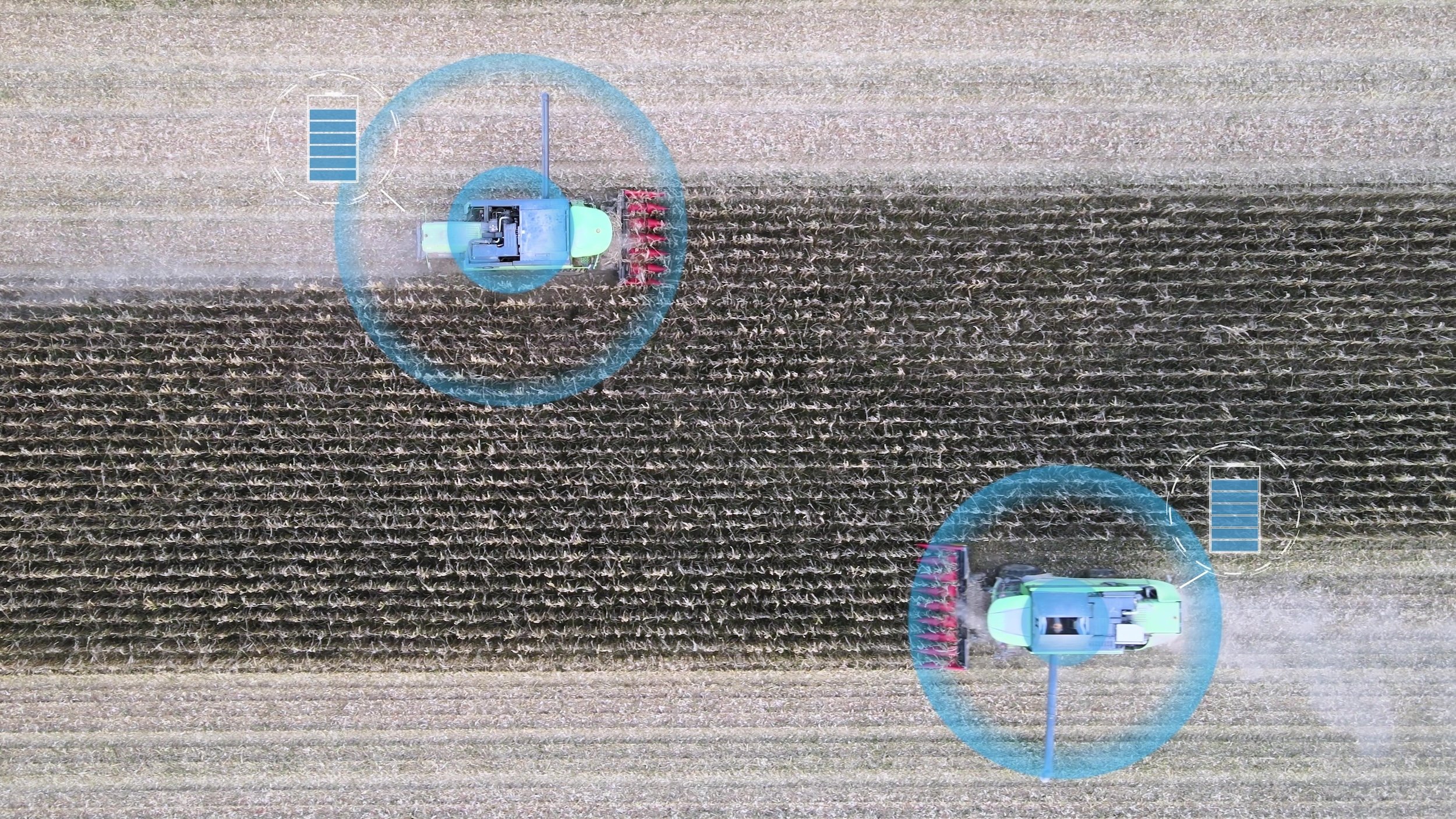
Not all farms are equally suited to go autonomous. The best types of farms for driverless tractors are those that already embrace technology and have operational scale or labor challenges that self-driving tractors can help solve.
That said, even mid-sized and small farms can benefit from specific autonomous features, especially when they want to hedge against rising labor costs.
Autonomous tractors are ideal for farms with the following characteristics:
Farms that have long, straight field layouts, consistent cropping patterns, and repeatable operations benefit most from autonomous tractor deployment. These characteristics reduce the complexity of pathfinding and increase the efficiency of automated workflows.
Large-scale row crop operations, particularly those planting corn, soybeans, or wheat, see the greatest return from full autonomy.
In contrast, operations with tight field spacing, irregular perimeters, or many different crops may require more human oversight. For these farms, semi-autonomous solutions or specialized tractor retrofits may offer a better balance between cost and functionality.
Autonomous and driverless tractors make more sense for different terrain types than others. If your farm is in the following types of places, a self driving tractor could be a good fit:
Hilly or forested areas may challenge the accuracy of the sensors and the GPS reception, making autonomous tractors less ideal for those types of farming operations.
The reality is that a self driving tractor will require a baseline level of infrastructure in order to operate at its full potential. Consider the following factors before investing in this type of tech for your farm:
Farmers should assess whether their existing tech capabilities (e.g., variable rate control, yield monitors) really allows for the platforms needed for an autonomous tractor to live up to its potential.
As of now, most driverless tractor deployments focus on primary tillage, herbicide and fertilizer application, harvest towing/transport, and nutrient spreading. The reality is that these are tasks that benefit from repeatable, linear movements. These jobs demand long hours and typically have low variability, making them better suited for automation.
While planting and harvesting are inherently more complex due to variable conditions and real-time decision-making, improvements in machine learning are steadily expanding the scope of tasks suitable for autonomy.
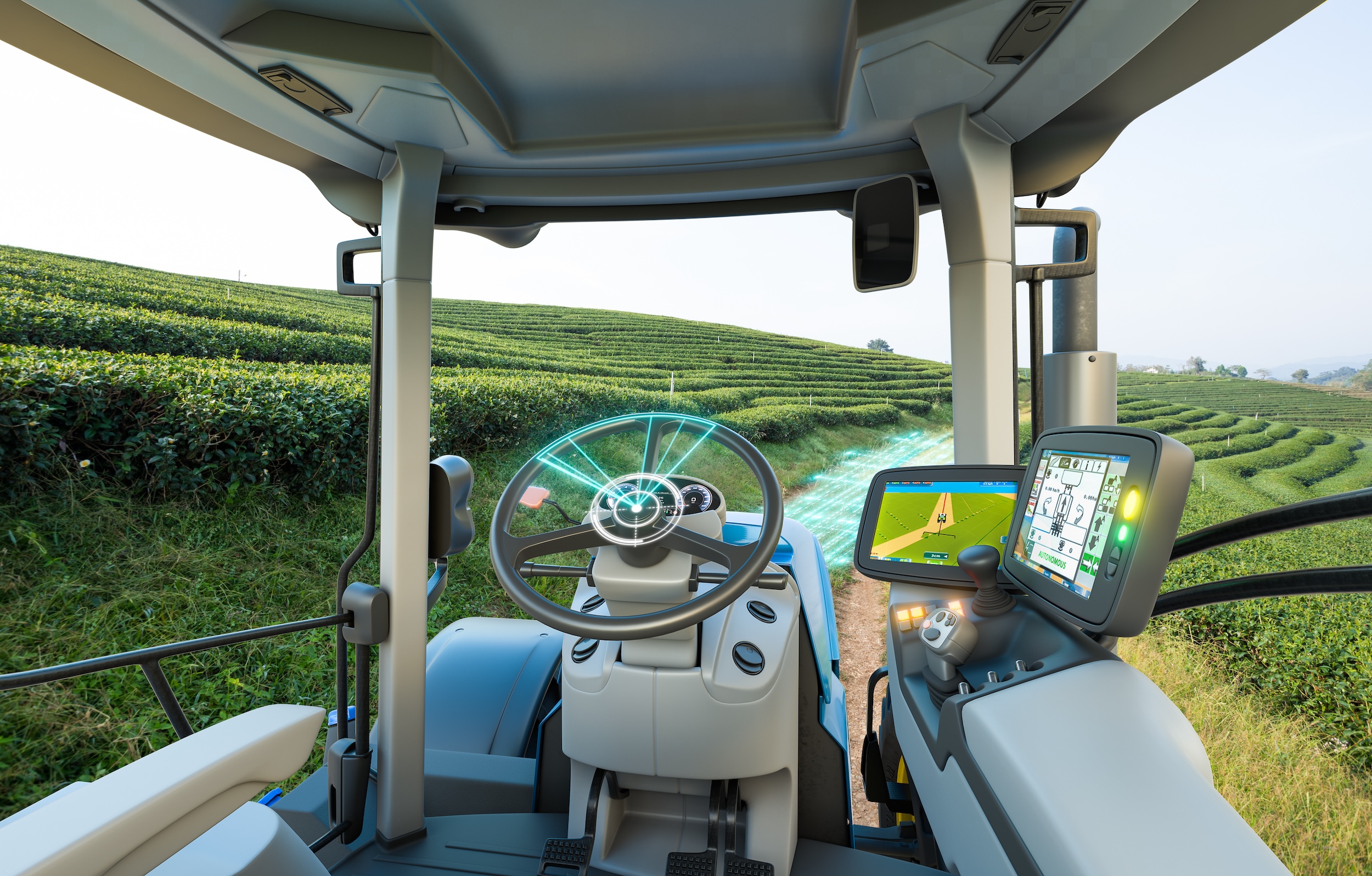
While the initial purchase price of a driverless tractor is a big part of the conversation, it’s not the full story. We really have to look at the long-term cost of ownership, which can vary widely based on the brand, software requirements, connectivity infrastructure, and service agreements for the specific tractor you’re considering.
Farmers exploring self driving or autonomous tractors must budget not just for hardware, but also for the digital ecosystem that powers it. From licensing fees to cloud-based data storage, autonomous systems often require recurring investments that are new to many farmers. Understanding these costs, and planning for them, is critical for determining the true value of an autonomous system.
Failing to account for these expenses can turn what seemed like a cost-saving upgrade into an unexpected budget burden (those subscription services can add up quickly). But with proper planning, these tools can deliver powerful, predictable returns over time.
Your investment in a driverless or autonomous tractor doesn’t stop at the purchase. Here’s a detailed breakdown of total cost of ownership (TCO):
1. Software Licensing
2. Connectivity and Support
3. Maintenance and Parts
4. Staff Training
5. Regulatory and Insurance
6. Obsolescence Risk
Technology lifecycles are fast. What’s cutting-edge today could be outdated in five years. Ensure your autonomous tractor vendor provides:
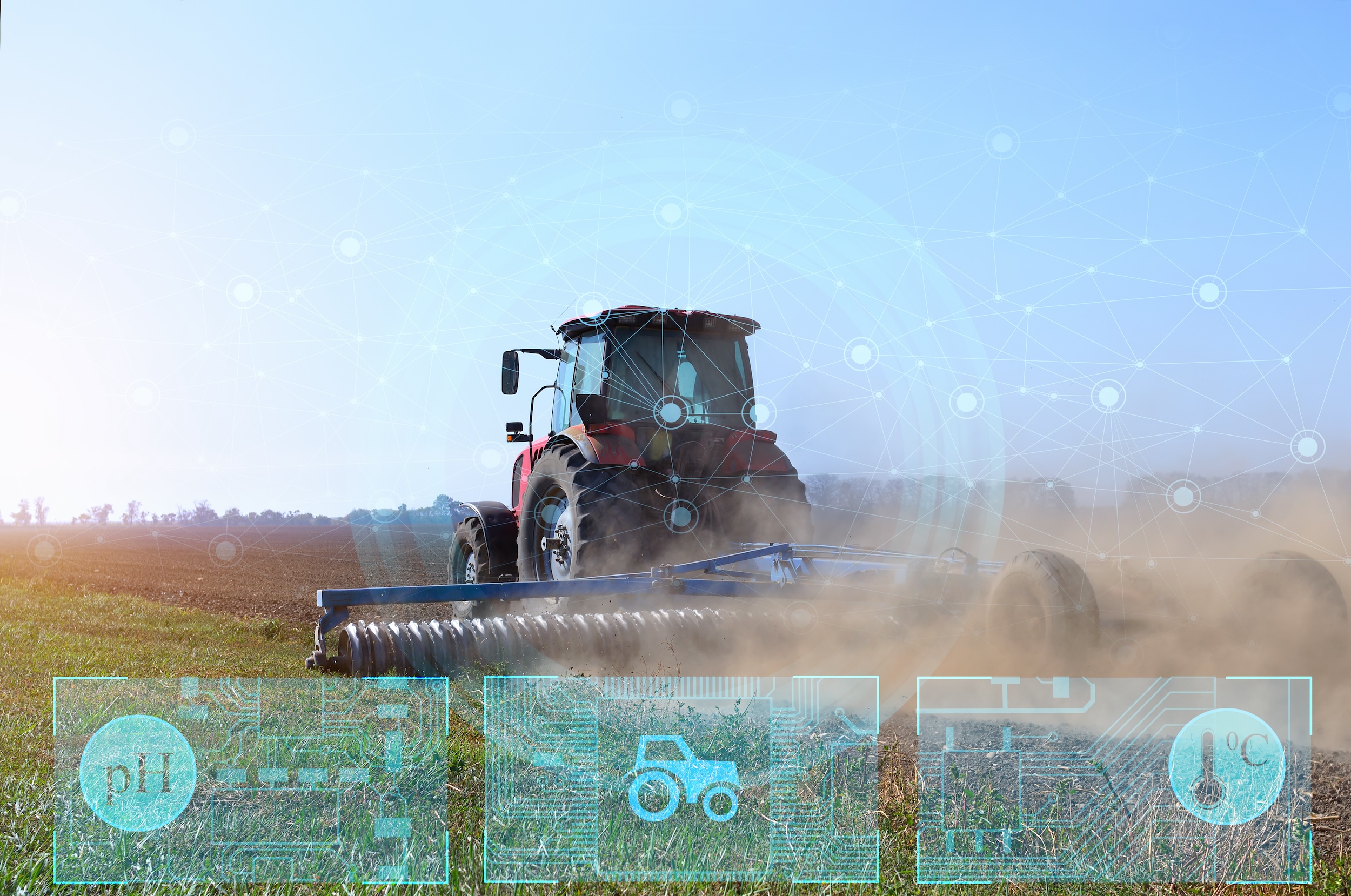
Resale value is an important, but often overlooked, factor in the total cost of ownership of driverless tractors. Here’s the reality: the market for autonomous tractors is quite new, and it’s natural to wonder how well these machines hold their value compared to traditional models. While it’s still early days for large-scale resale data, several trends are beginning to emerge.
Autonomous tractors from major manufacturers (think: John Deere) with scalable platforms and regular software support tend to retain value better than lesser-known brands. Buyers on the secondary market are looking for reliability, serviceability, and assurance that the technology won’t become obsolete overnight.
The resale market is still forming. Here’s what to keep in mind:
Key Value Retention Factors
Buyer Concerns
Until the market matures, assume slightly lower resale value for your driverless tractor and plan ROI accordingly.
No agricultural technology is perfect, and self driving or autonomous tractors are no exception. While they offer significant advantages, farmers must also weigh the trade-offs. Costs, complexity, and connectivity requirements can pose barriers, particularly for smaller operations or those in remote areas with limited infrastructure.
While these downsides don’t necessarily negate the benefits, they do need to be factored into your planning process to determine if autonomous tractors are right for your farm. These are the core drawbacks:
As a general best practice, we recommend starting with one or two autonomous tractors to test performance before scaling fleet-wide.
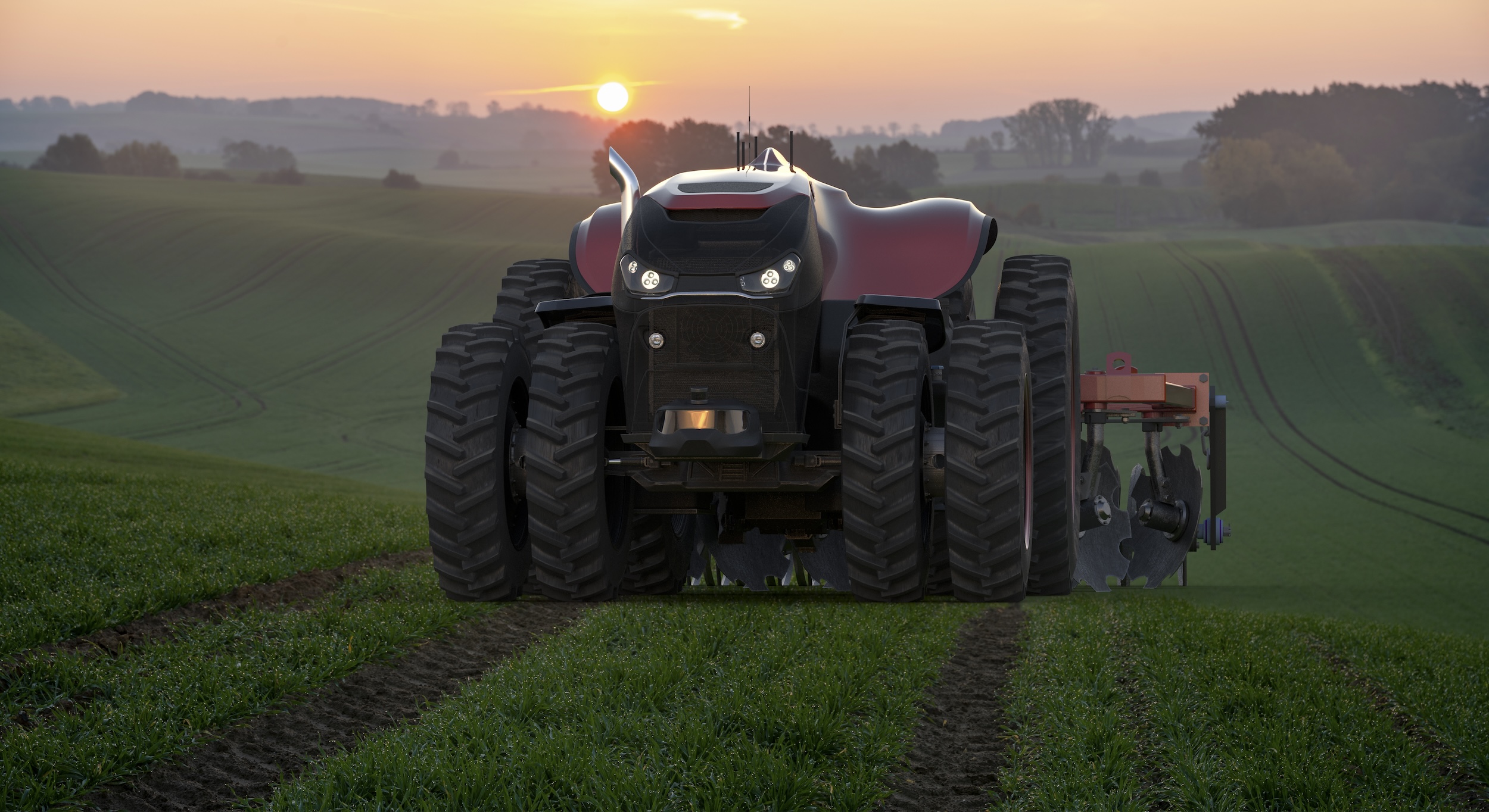
Buying a self driving tractor isn’t just about picking a machine—it’s about choosing a tractor that aligns with your farm’s long-term goals. From the needed technical requirements to the training needs, there are multiple moving parts to consider. Making the right choice involves more than checking horsepower and tire size.
Buying an autonomous tractor is a strategic investment that will impact how you farm for years to come. Before you commit, make sure you’ve considered the full picture: connectivity readiness, crop compatibility, labor availability, and vendor support. Taking a thorough, structured approach ensures you maximize ROI and avoid costly surprises down the line.
Use this checklist to guide your decision:
Navigating the regulatory environment of self driving tractors is a vital part of adopting autonomous equipment. While some states are welcoming the technology, others require certification or restrict fully unmanned operation. Farmers in California, for instance, must comply with specific emissions, safety, and operational standards.
From an insurance perspective, autonomous tractors may require special policies that address liability in the event of software failure or accident. Support readiness is equally important. Having access to certified technicians, manufacturer support, and remote diagnostics ensures problems can be resolved quickly and safely.
Our best advice? Consider scheduling a trial period or demonstration before purchasing an autonomous tractor. Some vendors offer demo days or seasonal rentals to test technology on your particular farm.
While autonomous tractors are changing the way many producers approach fieldwork, making the right investment on driverless technology still comes down to your unique farming operation, goals, and budget.
At Hayden Outdoors, we connect farmers and landowners with a wide network of equipment sellers across the country. Whether you’re looking to explore your options or list a tractor for sale, our platform helps match the right equipment with the right buyer.
And if you’re still on the search for the perfect piece of farmland, we’ve got you covered there, too.


 Back to Blog