×

Sign in
Sign in to save favorite properties and equipment, save your search parameters and more
Don’t have an account yet? Sign Up Now
Sign up
Already have an account? Login Now


 866-741-8323
Sign in
Sign in to save favorite properties and equipment, save your search parameters and more
Don’t have an account yet? Sign Up Now
Sign up
Already have an account? Login Now
866-741-8323
Login
Sign in
Sign in to save favorite properties and equipment, save your search parameters and more
Don’t have an account yet? Sign Up Now
Sign up
Already have an account? Login Now
Sign in
Sign in to save favorite properties and equipment, save your search parameters and more
Don’t have an account yet? Sign Up Now
Sign up
Already have an account? Login Now
 Back to Blog
/
Equipment, Land Ownership /
Back to Blog
/
Equipment, Land Ownership /
As agriculture moves into 2026, the industry is facing one of its most transformative periods in decades, with a few key trends, technologies, and current agricultural advancements paving the way for future farming success.
Driven by shifting climate conditions, current rapid technological advancements in agriculture, evolving consumer demands, and a tightening labor market, today’s producers are navigating a complex landscape of opportunity and challenge.
For those who want to stay ahead, it’s no longer just about keeping up with what’s trending. It’s about strategically evaluating which innovations, practices, and investments align with their unique operation, goals, and region.
In this guide, we explore the most impactful agriculture industry trends of 2026, from current breakthrough technologies to shifting land values, infrastructure developments, and the future of regenerative practices.
Whether you’re a seasoned producer or new to the field, we’ll provide you with a comprehensive outlook of the top agriculture industry trends to help you ask the right questions and identify the current advancements, practices, and technologies worth investing in.
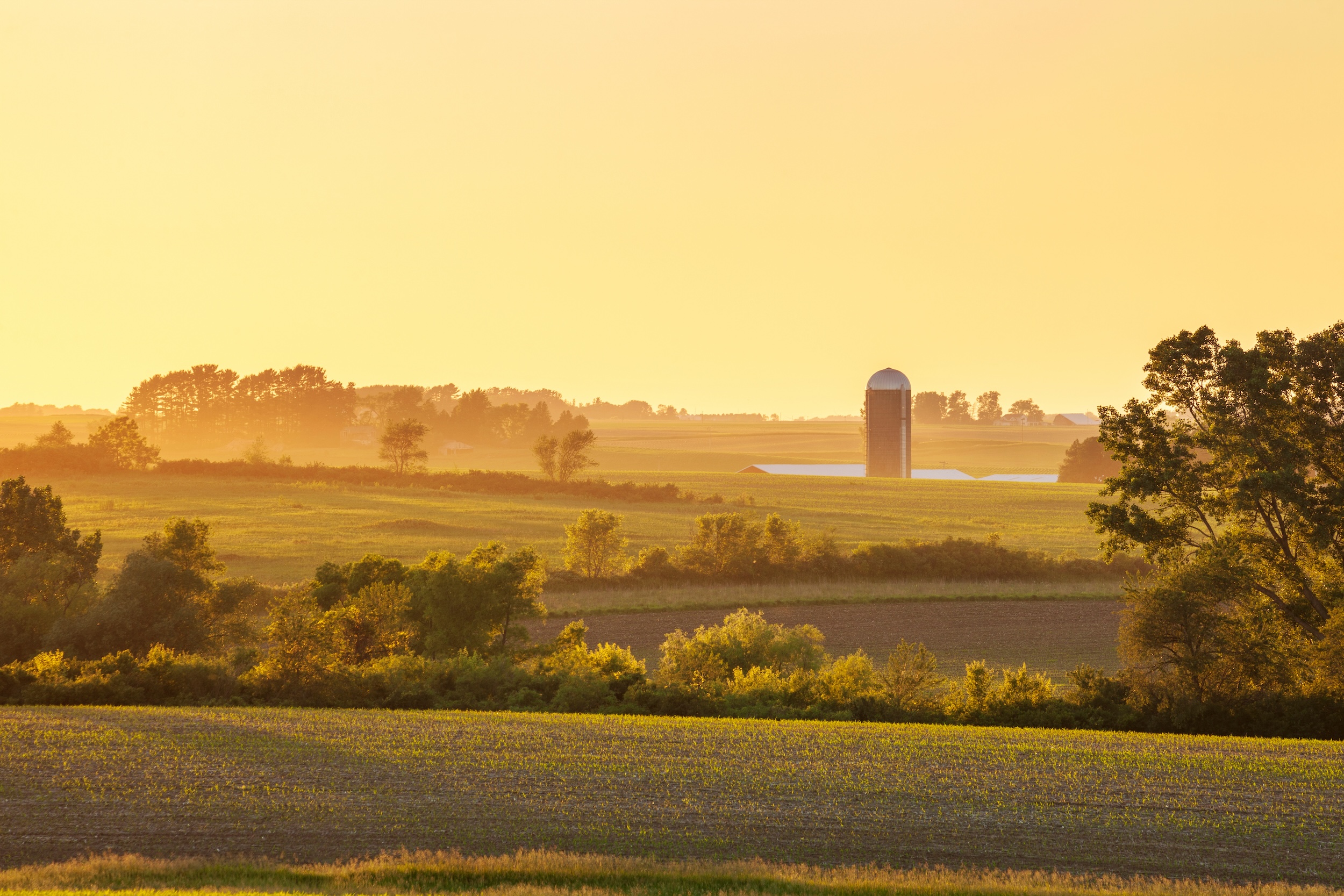
Land investment trends in the agriculture industry are shifting rapidly. Climate change, water access, and proximity to infrastructure are all influencing where farmers choose to invest.
Climate Migration: As weather patterns shift, some traditionally productive regions are seeing decreased viability, while other regions are becoming newly attractive. States in the Upper Midwest and parts of the Pacific Northwest are gaining attention due to moderate climates and growing seasons, resulting in them becoming a trending hub for agriculture.
Water Access: Water rights are becoming a major factor in land purchasing decisions. In arid states like Arizona and California, farms with senior water rights command premium prices. Smaller operations may struggle to compete here, while large-scale farms are investing in water-efficient agricultural technologies and pivoting toward the trend of growing less water-intensive crops.
Proximity to Markets: With rising fuel costs and supply chain vulnerabilities, many farmers are prioritizing land near processing facilities, co-ops, or urban markets. This agriculture industry trend benefits smaller, regional farms looking to reduce transport costs and serve local communities.
Is this agriculture industry trend right for my farm? Before buying farmland, ask yourself: Is this land future-proof against climate and water stress? And does it offer logistical advantages based on my operation’s size and market focus?
Find Land In Prime Farming Regions

2026 marks a pivotal year for agricultural technology trends. With digital tools becoming more accessible and farm economics pushing for higher efficiency, farmers are looking to smart technologies and current agricultural advancements to drive productivity and resilience.
However, the adoption curve for the top agricultural technologies remains steep for some, especially smaller operations navigating cost and complexity barriers. These are the current trending agricultural technologies and advancements to keep an eye on:
When it comes to the top agricultural technologies of 2026, autonomous tractors and electric-powered machinery in particular are the current advancements gaining momentum in the industry, especially among large-scale growers.
These solutions reduce labor costs and environmental impact, encouraging leaner and more sustainable farming initiatives. That said, upfront investment and infrastructure (charging stations, maintenance know-how) remain limiting factors for this particular agricultural technology trend, making these current advancements limited to more established operations.

When it comes to leveling the farming playing field, accessible analytics tools and real-time decision support systems are among the top agricultural technologies and current advancements truly making a dent in the industry.
These platforms, which are often powered by AI and cloud computing, are transforming how farmers gather, interpret, and act on data. Many now integrate seamlessly with existing equipment, sensors, and drones, offering intuitive dashboards that track key variables like soil moisture, nutrient levels, crop health, pest presence, and even financial inputs.
Real-time alerts and predictive recommendations are the current agricultural technological advancements that are helping growers fine-tune inputs such as irrigation or fertilizer, improving margins by avoiding waste and increasing yield.
Importantly, these trending agricultural technologies are becoming more affordable and user-friendly, currently opening up precision agriculture technological advancements to medium- and small-scale farming industry operations. Some systems also allow farmers to benchmark performance against anonymized regional data, offering new ways to evaluate success and make data-driven decisions.
Is this agriculture industry trend right for my farm? Ask yourself:
From weather forecasting to market timing, AI-driven predictive analytics are improving crop planning. Meanwhile, farmer-owned data co-ops are allowing producers to benefit from shared insights without ceding control.
Is this agriculture industry trend right for my farm? Evaluate whether your data privacy needs align with those of shared platforms before exploring this particular agricultural technology trend.
While biotechnology is not an entirely new agricultural technology, it has been an ever-growing trend in the industry. Gene-edited crops with enhanced drought or pest resistance are expanding across climates, while robotics for specialty crops (e.g., fruit and nut harvesting) is addressing labor shortages.
However, these trending agricultural technologies often require customized implementation, and not all regions have access to support networks for troubleshooting and maintenance. Additionally, access to biotechnology remains somewhat uneven across farm sizes and agricultural ventures.
Larger operations are typically better positioned to invest in biotech due to their scale, capital resources, and technical expertise. Smaller farmers may face higher entry costs, regulatory complexity, or limited access to agronomic advisors familiar with gene-edited varieties.
That said, new cooperative models and educational initiatives are beginning to close this gap, helping independent growers evaluate biotech options that make sense for their scale and crop portfolio and allow them to take advantage of these trending agricultural technologies.
As farms adopt a mix of new tools, integration platforms are emerging to connect data streams across equipment brands and systems. Look for solutions that prioritize open architecture and offer support during setup.
From breeding optimization to health monitoring, AI is bringing precision to animal husbandry. Livestock operations should consider the value of early illness detection vs. the cost of system installation.
Is this agriculture industry trend right for my farm? Ask yourself: Is having access to current agricultural advancements that identify illness early and prevent widespread illness amongst other livestock something that I can afford and will save me money in the long run?
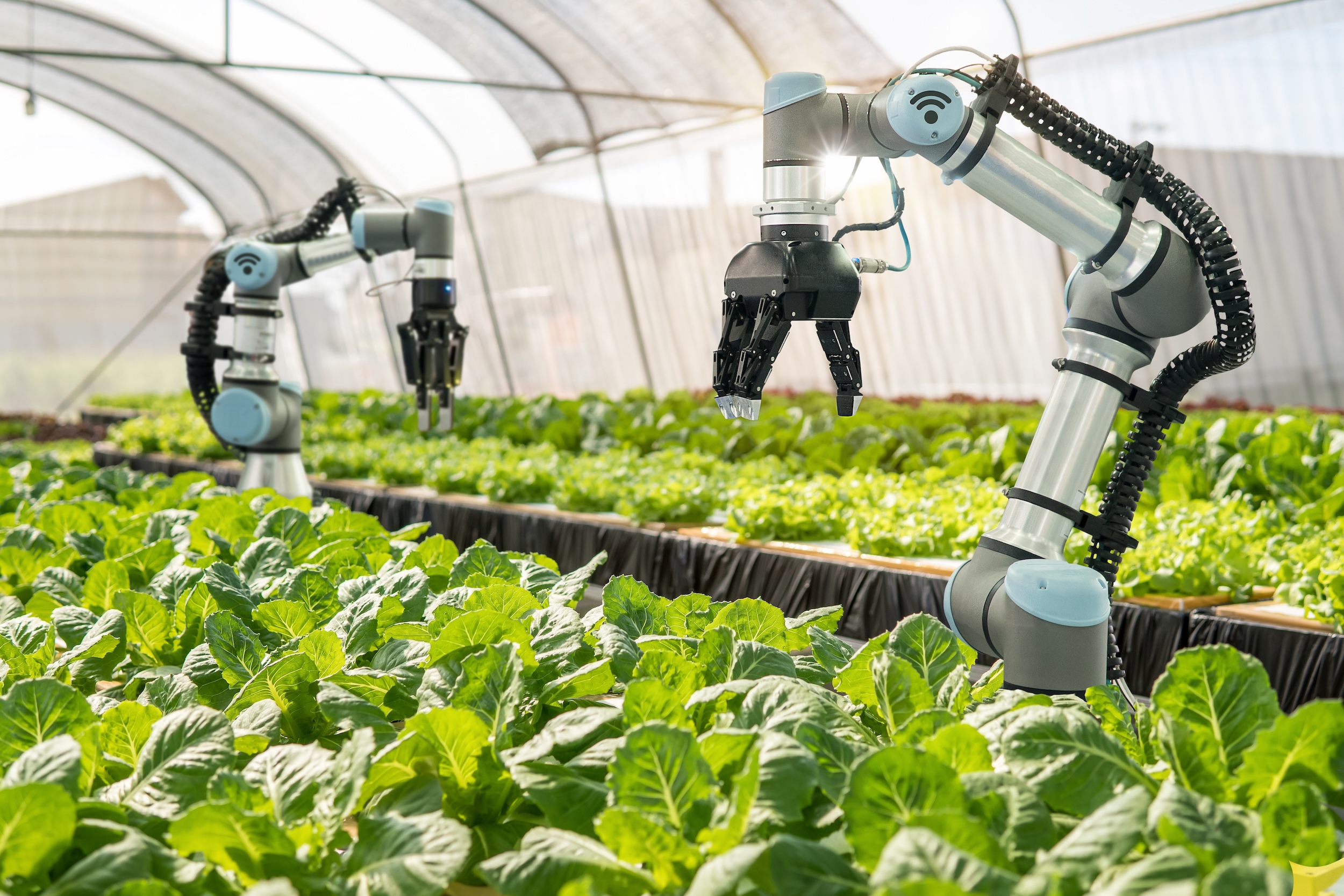
The labor shortage continues to challenge the agriculture industry, which is what is leading to automation being a core trend in the agriculture industry. As older farmers retire and fewer young people enter the field, the workforce dynamic is shifting.
As farmers looking to keep up with the agriculture industry trends, these are a few things to keep an eye on:
Is this agriculture industry trend right for my farm? Ask yourself:
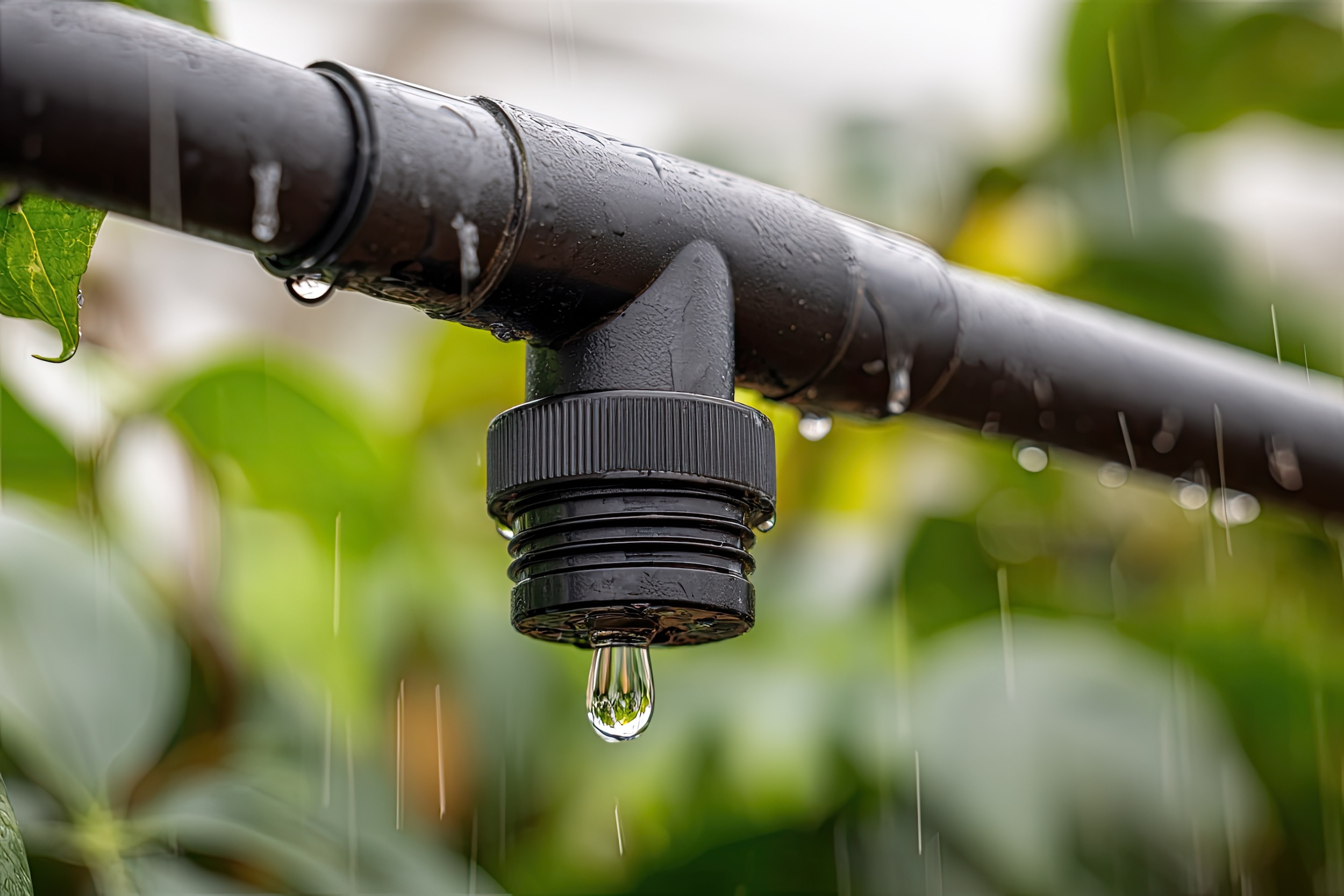
Investments in infrastructure are central to both profitability and long-term sustainability, and current agricultural advancements and trends are addressing exactly that. Here are key infrastructure trends shaping the ag industry in 2026:
Farmers should explore available infrastructure grants and consider long-term ROI before taking advantage of any of these agriculture industry trends and current advancements.
Is this agriculture industry trend right for my farm? Ask yourself: Does this technological or machinery upgrade cut costs, boost yields, or open up new revenue channels?
Agricultural policy is evolving to support the adoption of technologies and environmental stewardship. Farmers tuned into these changes can capture financial incentives.
When monitoring policy-related agriculture industry trends, look out for:
Before investing in any top agricultural technologies or current advancements, consider: Does this ag technology or practice qualify for incentive support, and what’s the payback period under current tax laws?
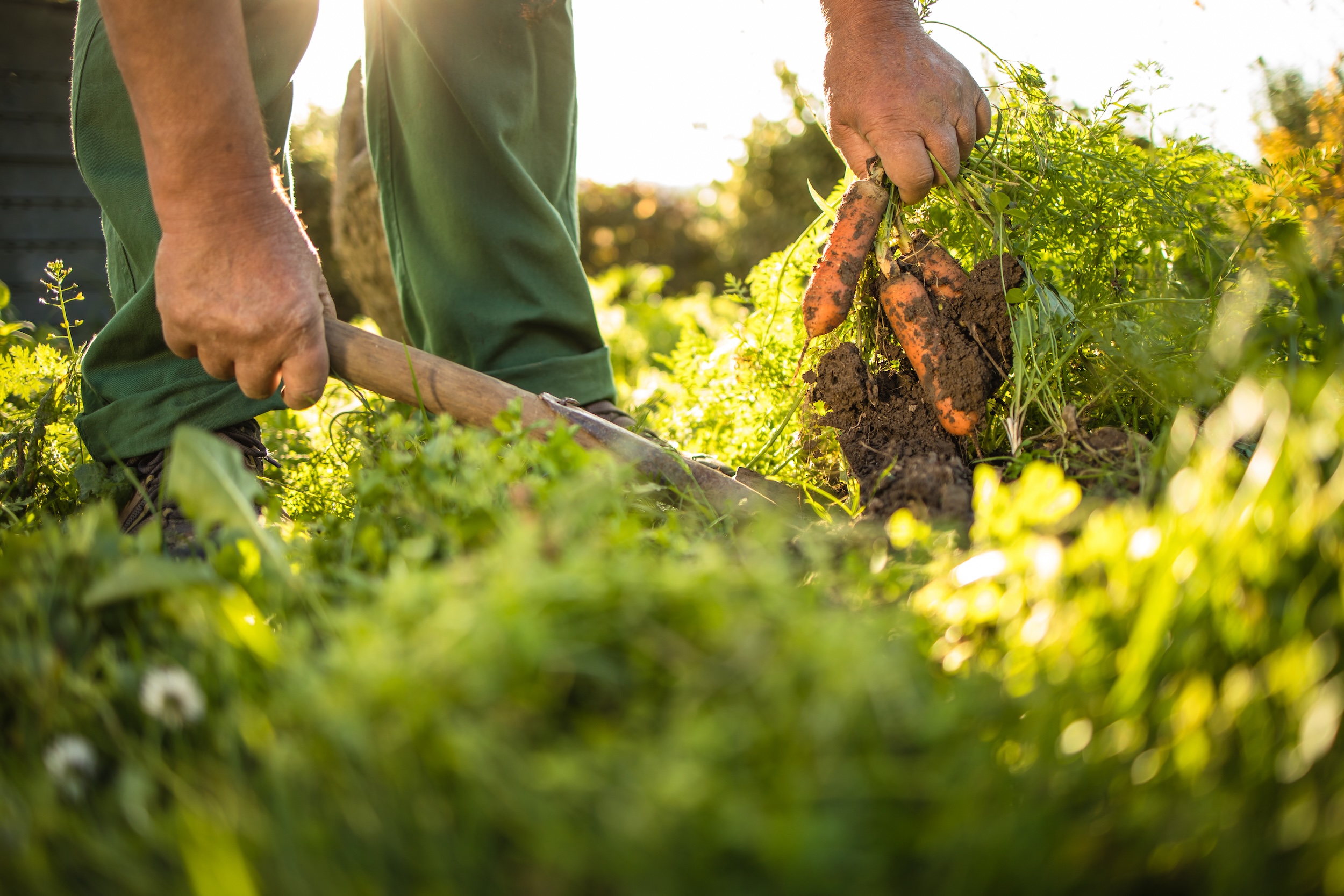
Regenerative agriculture is an industry trend gaining widespread momentum in 2026 for its dual focus on long-term profitability and ecological restoration. As producers face growing pressure to reduce their environmental footprint, all while maintaining yield and profitability, regenerative agriculture presents a compelling model that meets both economic and ecological goals.
So what does this particular agriculture industry trend look like?
Despite the promise of the regenerative agriculture industry trend, there are challenges. Upfront investment in cover crop seed, fencing, or new grazing infrastructure can be substantial. Moreover, understanding and navigating verification processes for carbon programs can be daunting. However, early adopters who build systems now may enjoy first-mover advantages as credit markets mature and prices increase.
Regenerative agriculture is no longer a fringe practice. It’s one of the most impactful agriculture industry trends of 2026. By combining soil health with smart finance, it offers a viable way to future-proof operations while aligning with growing consumer and policy demands for sustainability.
Is this agriculture industry trend right for my farm? Ask yourself:

One of the biggest trends in the agriculture industry is being driven by consumers themselves. Nowadays, consumers are demanding more transparency about where their food comes from, and farmers who want to get ahead of current trends are responding. These are the ways they’re taking advantage of this trend:
Is this agriculture industry trend right for my farm? Ask yourself:

Despite all the buzz around new and trending agricultural technologies and advancements, these trends in particular are the highly strategic investment decisions farmers are currently making:
Which agriculture industry trend is right for my farm? Ask yourself:

Agritourism, where farms invite the public onto their land for recreational, educational, or hospitality experiences, is an agricultural trend that is redefining how farmers engage with consumers and generate income.
This trending segment of the agriculture industry blends traditional production with rural tourism, offering everything from farm stays and U-pick produce to weddings, tours, and seasonal festivals.
More than a side business, the agritourism trend is becoming a strategic way for farmers to diversify income, especially as margins tighten in commodity markets. It’s also helping the next generation of producers build community-focused brands and add value to their land without intensive cropping.
Here’s everything you need to know about this particular trend in agriculture:
Is this agriculture industry trend right for my farm? Ask yourself:
Whether you’re looking for land to implement cutting-edge precision ag, establish a regenerative operation eligible for carbon credits, or create an agritourism destination, Hayden Outdoors connects you with farmland matched to your vision, so you can get ahead of current agriculture industry trends.
Our experienced agents guide you through every step, from market insights to financing strategies, to ensure your land investment supports the agriculture trends that matter most to you.
Start exploring available farmland listings or connect with a local expert to bring your 2026 ag vision to life.
Find Your Next Plot Of Farmland