
×

Sign in
Sign in to save favorite properties and equipment, save your search parameters and more
Don’t have an account yet? Sign Up Now
Sign up
Already have an account? Login Now


 866-741-8323
Sign in
Sign in to save favorite properties and equipment, save your search parameters and more
Don’t have an account yet? Sign Up Now
Sign up
Already have an account? Login Now
866-741-8323
Login
Sign in
Sign in to save favorite properties and equipment, save your search parameters and more
Don’t have an account yet? Sign Up Now
Sign up
Already have an account? Login Now
Sign in
Sign in to save favorite properties and equipment, save your search parameters and more
Don’t have an account yet? Sign Up Now
Sign up
Already have an account? Login Now
Picture this: you walk into a garden center for the first time, cart in hand, ready to begin your growing journey. Within ten minutes you’ve got a broadfork, a three-piece cultivator set, a soil blocker, and a specialty dibber in your cart, and you haven’t even found the seeds yet. This is the trap most beginner gardeners fall into, and it starts with the same problem: nobody told them which gardening tools for beginners actually matter before they opened their wallets.
Our gardening must haves list does exactly that. Whether you’re planning a few raised beds out back or turning over a plot of ground for the very first time, we’ll walk you through the gardening essentials, tools, and supplies that genuinely move the needle, and the ones that can wait.
We’ve organized everything by stage, because that’s how gardening actually works: you plant, you tend, you harvest. As a beginner, the best way you can invest in gardening tools is to follow that same sequence.
By the time you finish reading, you’ll know what gardening tools are best to buy first, what to skip entirely, and how to build a kit with supplies for beginners that grows with you season by season.
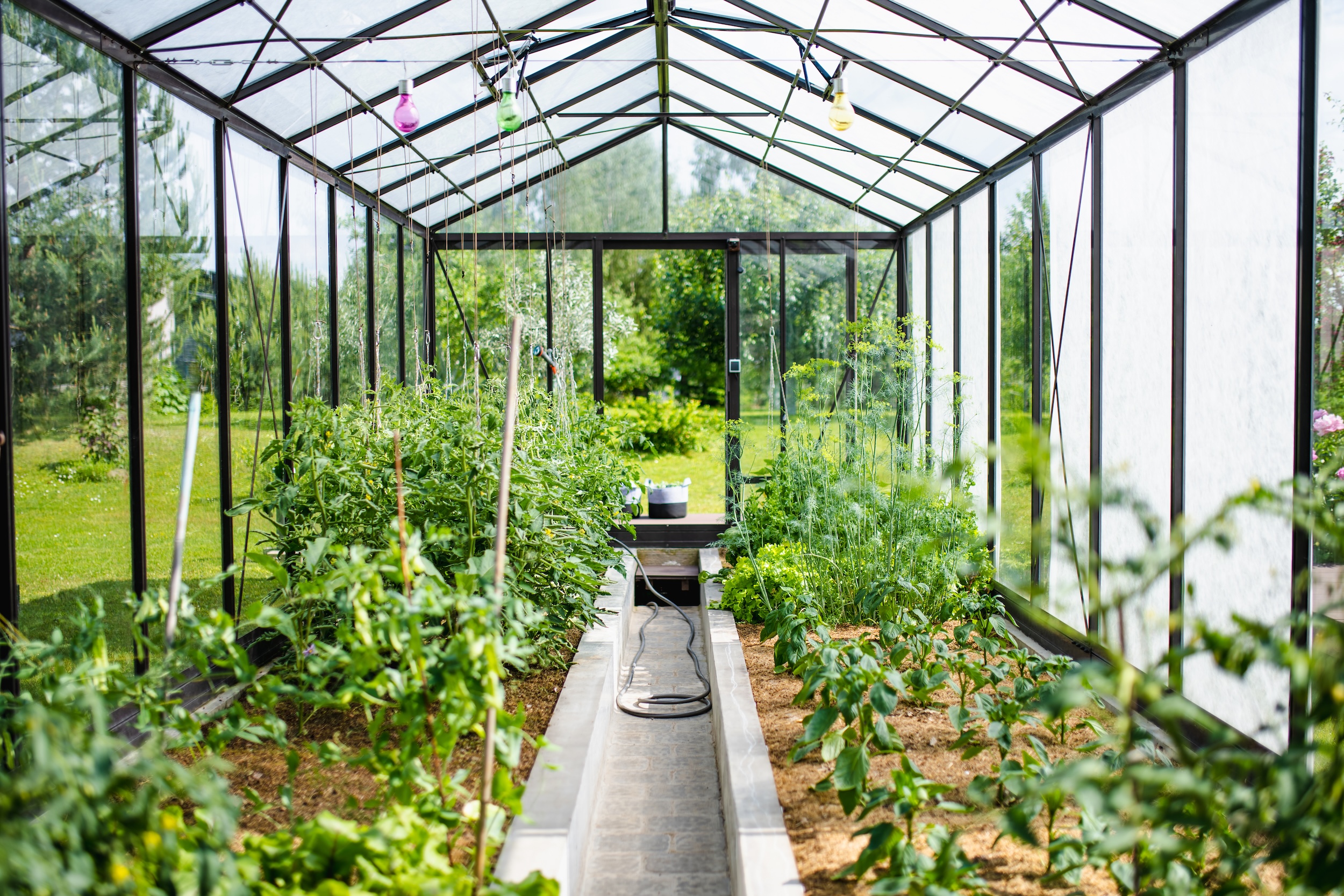
As a beginner, before you spend a dollar on any gardening supplies or tools, it helps to have a filter. Not every tool that shows up in a beginner gardening list is essential.
Some are genuinely useful. Some are useful only for specific situations. And some are solutions to problems you won’t have until you’re further into your gardening journey.
Here’s a three-question test you can apply to any gardening tool before you buy it:
That filter alone can save most gardening beginners a couple of hundred dollars in tools and supplies that aren’t essential at this point.
Beyond those three questions, scale matters more than most gardening blogs admit. The best gardening tools for a 4×4 raised bed look almost nothing like the best gardening tools for a 20×20 in-ground plot.
A hand trowel and a watering can are gardening essentials that can cover roughly 80% of tasks in a small raised bed setup. That same hand trowel becomes an afterthought if you’re breaking ground on a large in-ground vegetable garden, where a full-size spade and a garden fork earn their keep every single week.
Think about your gardening setup in three tiers:
One more thing worth mentioning before we get into our list must have gardening essentials recommendations: start with renting before buying for large, one-time tasks. This will help you narrow down which equipment really works for you in your garden before you fully invest.
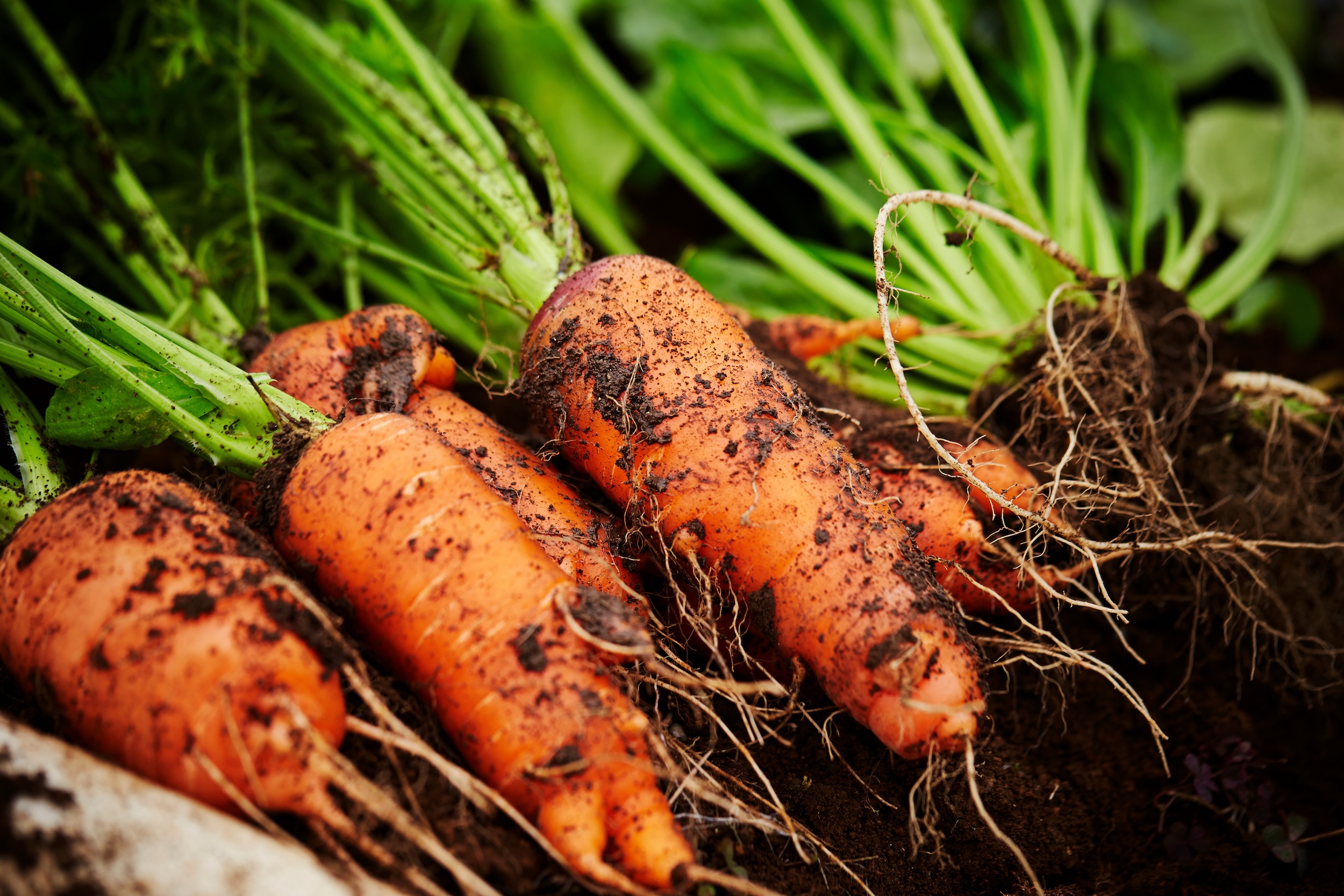
The single biggest gap in most beginner gardening guides is this: they hand you a generic list of tools and supplies without asking what you’re actually growing. The planting tools list for someone growing container herbs on a patio is inevitably different from the gardening tools a beginner needs for root vegetables in clay-heavy ground.
Before we get into stage-by-stage recommendations, here is how garden type shapes your tool decisions.
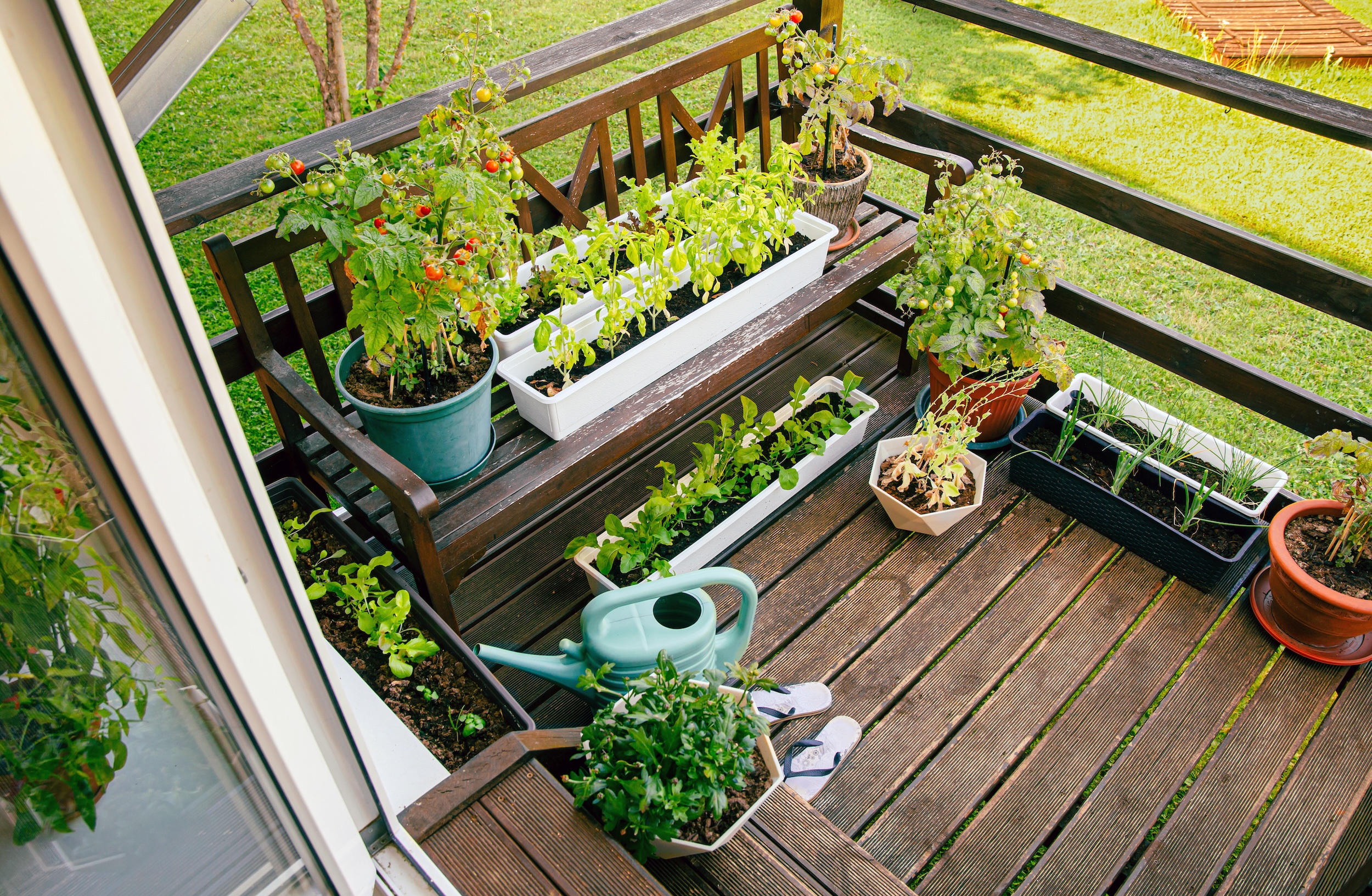
For beginners growing in pots, window boxes, or a small collection of containers, your list of essential gardening supplies and tools is quite short. The work is small-scale and precision-driven. You need a hand trowel, a watering can with a fine rose head, a small pair of pruning snips, and a potting scoop. That’s genuinely close to the full list.
Tools you don’t need: a full-size spade, a garden fork, a wheel hoe, or a tiller. None of those gardening tools have a job to do in a container setup.
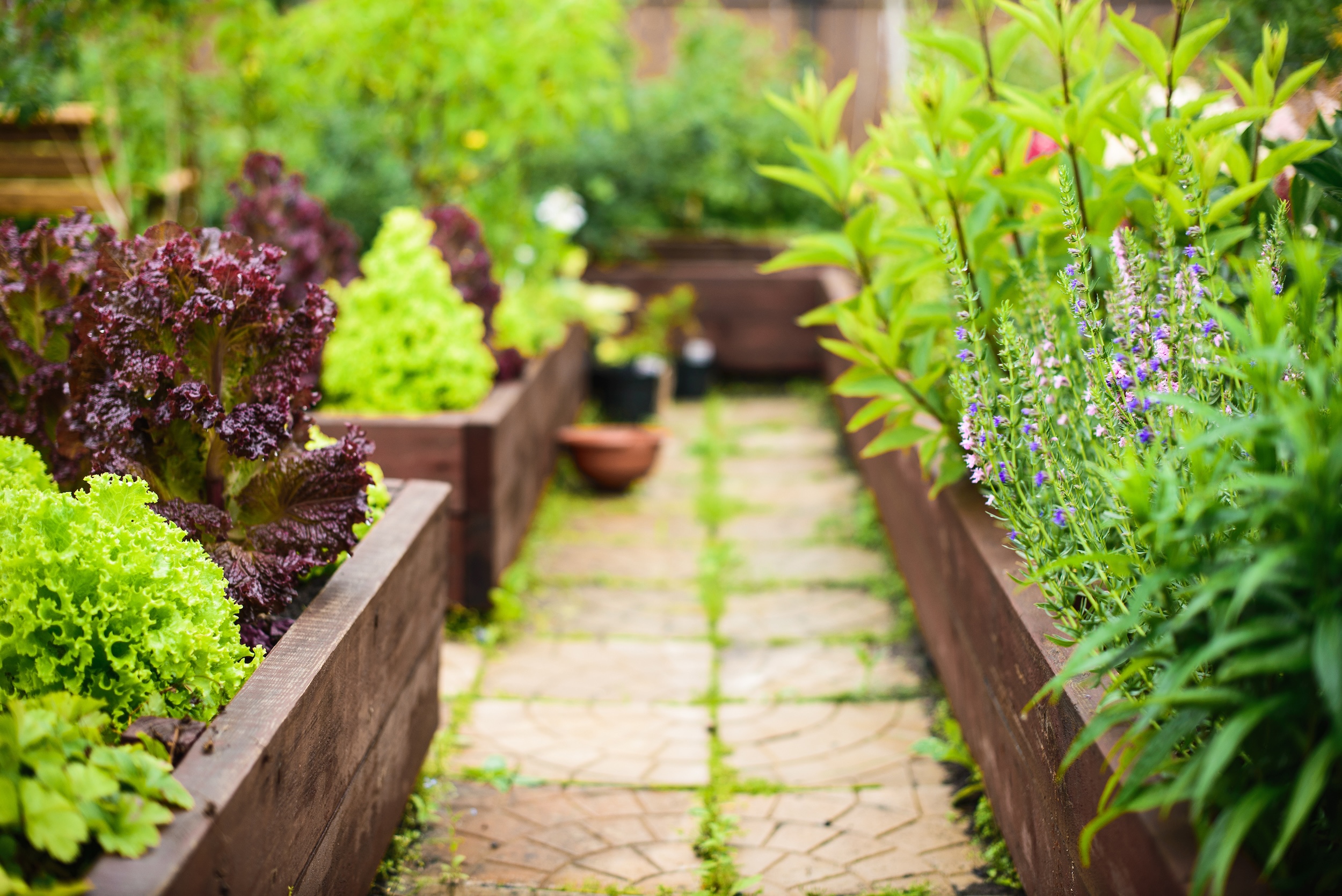
Raised beds are the most forgiving setup for beginner gardeners, and they’re also the gardening setup where your soil investment matters more than the tools you invest in. If your beds are filled with quality amended soil, loose, well-draining, and rich in organic matter, most of the work happens with your hands and a basic hand trowel.
The best gardening tools in a raised bed setup are a long-handled stirrup hoe for weeding between rows, a watering wand with a shutoff valve for reaching across beds without leaning, and a basic drip or soaker irrigation setup if you’re managing more than two or three beds.
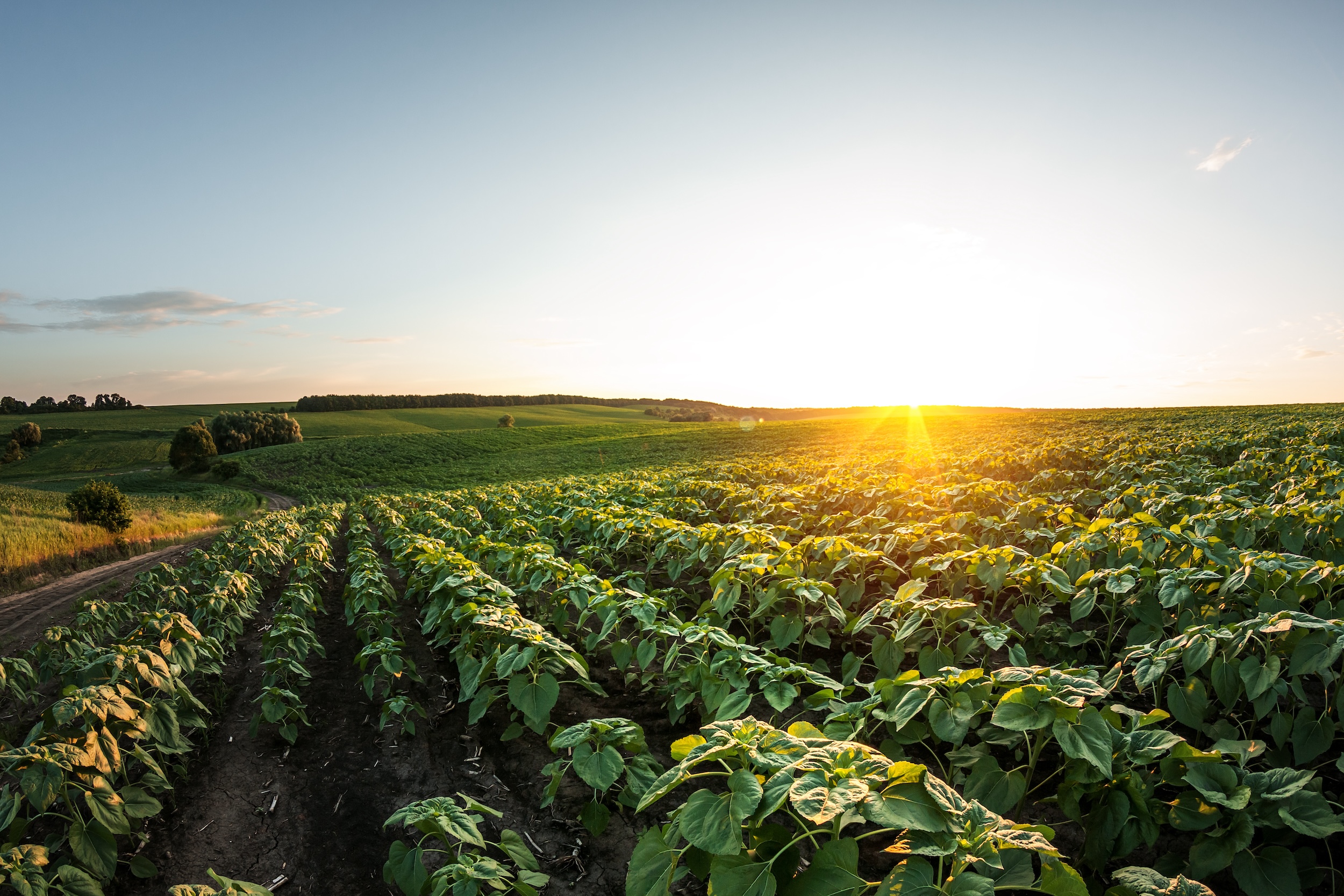
An in-ground garden is where your planting tools list expands a good bit. You’ll need gardening tools for initially breaking and amending soil, tools for sustained weed pressure, and implements that can handle the physical demands of working real ground rather than a contained bed.
Here’s something most beginner guides skip entirely: your soil type changes which specific gardening tools you need. Clay-heavy soil requires a heavy-duty spading fork and a flat spade that can cut through compacted ground. Sandy loam is far more forgiving and works with almost any standard tool.
Pro Tip: If you’re not sure what your soil is made of, try the ribbon test: take a handful of moist soil and squeeze it into a ribbon between your thumb and forefinger. If it ribbons out smoothly past two inches, you’ve got significant clay content. If it falls apart immediately, you’re working with sandy soil. Knowing this before you buy any gardening tools and supplies can save you from buying the wrong equipment.

Herb gardens and pollinator plantings are usually compact, border-style, or tucked into tight spaces. They call for precision over power. A narrow hand trowel or a hori hori knife, a small pair of snips, and a compact watering can are the best gardening tools for this setup.
Beyond garden type, the specific crops you’re planting in your garden shift your gardening essentials list in ways worth knowing upfront.
Root vegetables like carrots, beets, and parsnips need deep, loose, stone-free soil to develop properly. A garden fork becomes an essential gardening tool at harvest time for loosening soil without slicing through roots, and it’s also useful during bed prep if your ground has any compaction at all.
Vining crops like cucumbers, squash, and pole beans need vertical support. Most beginner gardening guides label staking and trellising as optional extras, but if you’re growing vining crops, support structures are functionally required supplies for a healthy harvest and absolutely should make it on any list of best gardening tools.
Heavy feeders like tomatoes, peppers, and corn benefit enormously from a soil test kit. Most beginner gardeners skip soil testing and wonder later why their plants plateau. A basic soil test kit from a garden center or your local cooperative extension service comes at a pretty low cost and tells you exactly what amendments your soil needs before you plant.
Leafy greens are the crop that generally requires very little in the way of gardening tools. Lettuce, spinach, kale, and arugula are forgiving, fast-growing, and don’t ask much of either your soil or your tool kit. A hand trowel and a pair of scissors are the tools that cover most of what you’ll do with leafy greens in your garden.
One must have gardening tool worth singling out here, regardless of what you’re growing, is the hori hori knife. This Japanese soil knife does the job of a hand trowel, a weeder, a transplanting tool, and a soil probe all in one.
It has a serrated edge on one side, a smooth edge on the other, and depth markings on the blade. It’s one of the most versatile tools in beginner and experienced gardener tool kits alike, and it’s consistently overlooked in North American beginner guides simply because it’s less common on big-box retail shelves.
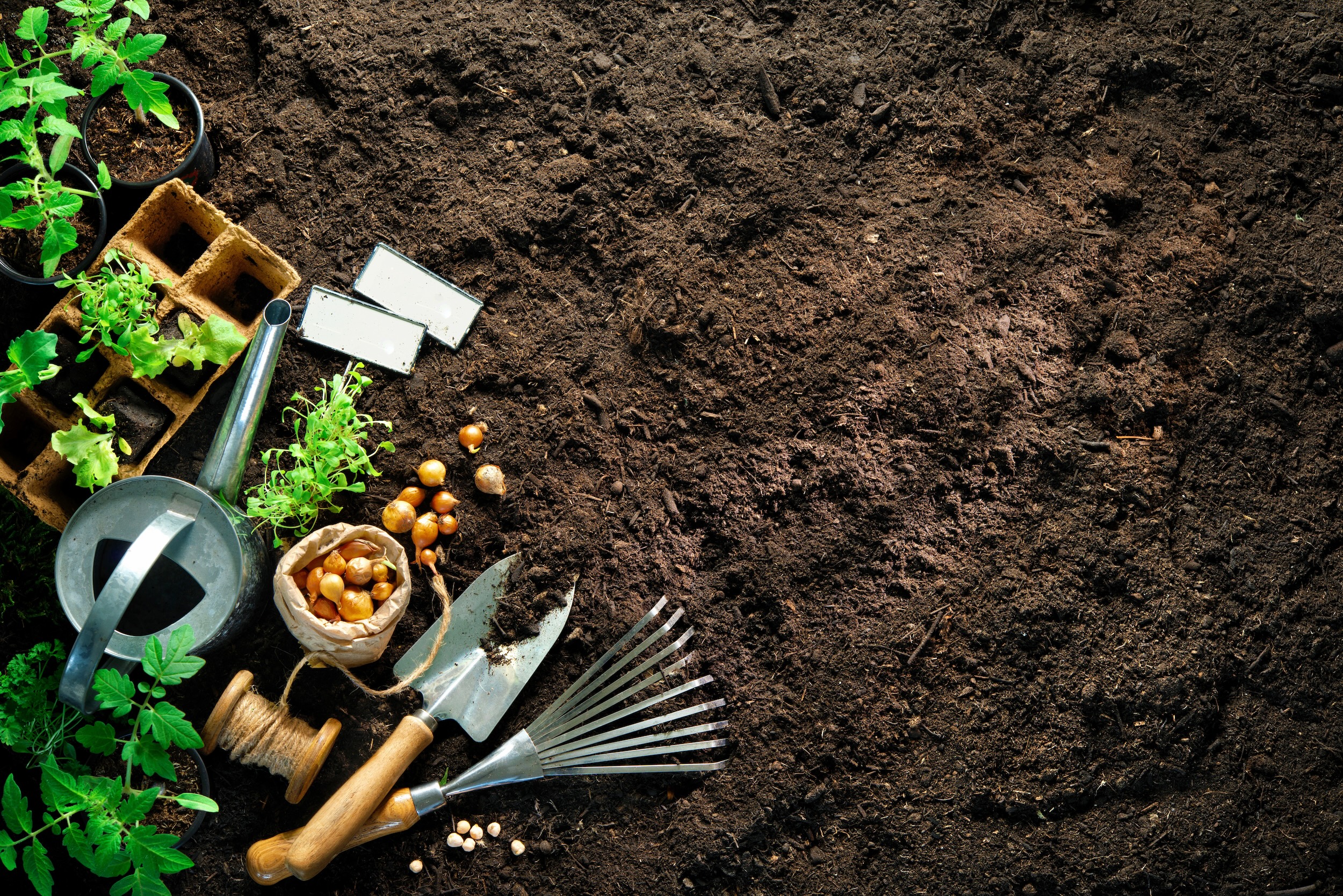
Most beginner gardening guides dump every tool recommendation into a single list, which means you either feel like you have to buy everything at once or don’t know where to start. We’ve organized our tool recommendations by stage instead, because gardening is sequential, and your supply purchases can be too.
Start with the seeding and planting essentials. Add maintenance tools as your garden gets established. Wait on harvest tools until you’re actually close to harvest. This approach keeps upfront costs manageable and means every tool you buy has an immediate job.
Here’s what actually belongs in each stage.

These are the gardening tools you need before anything goes into the ground. Get this stage right and the rest of the season runs more smoothly.
Hand trowel: The hand trowel is hands-down one of the best and single most-used gardening tools in most beginner gardens (and frankly, in most experienced gardens, too). Look for one with depth markings stamped into the blade (genuinely useful for planting at the right depth), a comfortable ergonomic grip, and a stainless steel or carbon steel head rather than aluminum (which can bend under pressure).
Garden spade or digging fork (for in-ground gardens): If you’re working in in-ground garden beds, a full-size spade or digging fork is an essential part of your core gardening equipment list. A spade is for cutting, edging, and moving soil. A fork is for loosening and aerating without fully turning the soil over, which is better for preserving soil structure and for breaking up clods after initial digging. If you can only buy one, a digging fork is your best bet; it’s the gardening tool that handles more tasks in a vegetable garden context.
Hori hori knife: As mentioned above, this is one of the best gardening tools that most beginner guides miss. A good hori hori handles transplanting, weeding, dividing, and soil probing in one.
Seed starting trays and dome lids: If you’re starting seeds indoors before your last frost date, which is the right move for tomatoes, peppers, eggplants, and most brassicas, you need seed starting trays with clear dome lids. The domes hold humidity during germination and lift off once seedlings are established. For most home gardeners, 6-cell or 12-cell trays strike the right balance between space and root room. Avoid very small cell sizes, like 72-cell plug trays, for large-seeded crops. Roots get crowded fast.
Seed starting mix: This is one of the most misunderstood distinctions in beginner gardening, and getting it wrong is one of the most common reasons germination fails. Seed starting mix, potting mix, and garden soil are three different products for three different purposes. Seed starting mix is fine-textured, lightweight, and low in nutrients. It’s designed to hold moisture without compacting around delicate emerging roots. Potting mix is coarser, nutrient-rich, and designed for established plants in containers. Garden soil is typically too heavy and poorly draining for either container or seed starting use. Seeds started in the wrong medium have a much harder time emerging. Use seed starting mix for germination, then transplant into potting mix or your amended garden bed once seedlings have their first true leaves.
Soil thermometer: Most beginner gardeners plant by calendar date, which leads to planting too early in cold soil or too late in warm climates. Soil temperature is what actually drives germination. Tomatoes, for example, germinate poorly below 60 degrees Fahrenheit and ideally want soil at 70 degrees or above. According to the Old Farmer’s Almanac, many beginner gardeners lose weeks of growing time by relying on calendar dates alone, which is why having tools like a soil thermometer on your gardening essentials list is a worthwhile move.
Plant markers and labels: Every variety looks the same after a week underground. Tomato seedlings don’t announce which cultivar they are. Buy a pack of plastic or wooden plant markers and label everything you start. This becomes even more important if you’re starting multiple tomato or pepper varieties, which is almost impossible to track visually once they’re in trays.
Measuring tape: Spacing errors are among the most common and consequential mistakes beginner gardeners make. Overcrowded plants compete for light, water, and nutrients, and they’re far more susceptible to disease. Seed packets list spacing requirements for good reason.
What tools and supplies to skip at this stage of gardening: heat mats (useful for peppers and eggplants but not essential for most crops), soil blockers (an advanced technique with a learning curve that doesn’t help beginners just getting into gardening), and specialty dibbers (a pencil or your finger works perfectly well).

Once your seeds are in the ground or your transplants are settled, the work shifts to protecting your investment through the growing season. These are the essential gardening tools you’ll reach for most consistently from planting through pre-harvest.
Stirrup or oscillating hoe: The hoe is one of the most underestimated tools in a beginner gardening kit. Most gardeners picture the flat-headed garden hoe, which works fine but requires more effort. The stirrup hoe, also called an oscillating hoe or hula hoe, cuts on both the push and the pull stroke, slicing weed seedlings just below the soil surface with significantly less effort. Cultivation timing is one of the most important factors in weed management: the goal is to disturb weed seeds in the top inch of soil before they establish root systems. A stirrup hoe is the right tool for that job and one of the best gardening tools a beginner can own for ongoing season maintenance.
Watering can with a rose head: For seedlings and recent transplants, a garden hose on even a gentle setting delivers too much force. A watering can with a fine rose head, the perforated cap that breaks the flow into a soft spray, gives you precise, gentle control over how much water hits the soil and where. This is a genuine gardening essential in the early weeks after planting.
Garden hose with a watering wand: Once plants are established, a watering wand attached to your garden hose becomes one of the most practical tools in your gardening kit. The wand’s extended reach lets you water at soil level, which is where you want water to go, without leaning awkwardly over raised beds or straining across a wide in-ground garden. Look for a wand with a shutoff valve at the handle, so you’re not fighting the hose every time you move between beds.
Drip irrigation or soaker hose: This is consistently framed as an upgrade or luxury item in beginner gardening tool guides and lists. We’d push back on that. Consistent soil moisture is one of the single most important factors in healthy plant development, and it’s one of the hardest things to maintain manually if you have more than two or three garden beds or a schedule that doesn’t allow for daily watering. Not only can drip irrigation reduce water use, but it can also deliver moisture more consistently to plants when compared to overhead watering.
Hand pruners: A quality pair of bypass hand pruners, the type where two curved blades pass each other like scissors, rather than an anvil design where a blade crushes against a flat surface, handles deadheading, stem trimming, harvesting, and general shaping all season long. Bypass pruners make cleaner cuts that heal faster and reduce disease entry points, making them an essential gardening tool.
Well-fitted garden gloves: Garden gloves sound simple until you’ve used a pair that fits badly. Loose, one-size gloves are one of the most common beginner frustrations. They reduce dexterity, bunch at the fingers, and make precise work feel clumsy. Look for fitted gloves with nitrile-coated fingertips, which give you grip and sensitivity without sacrificing protection. A well-fitted pair makes every gardening task more comfortable and more precise, which is why it’s on our list of best gardening tools.
Knee pads or a garden kneeler: This one is almost never mentioned in lists of the best beginner gardening essentials and tools, and that’s a real gap. Back and knee discomfort are some of the top reasons beginners cut sessions short or stop gardening altogether before the season ends. They make a meaningful difference in how long and how comfortably you can work in the garden.
Organic mulch: Mulch is technically a supply rather than a tool, but it belongs on any honest list of maintenance gardening essentials because its impact is outsized relative to its cost. A two to three-inch layer of organic mulch, straw, wood chips, or shredded leaves suppresses weed germination, retains soil moisture, moderates soil temperature, and breaks down over time to feed soil biology.
A basic fertilizer system: Beginners take note: soil fertility is the invisible gardening supply that determines whether your plants thrive or just survive. Liquid fertilizers work fast and give you precise control, which is useful for container plants and heavy feeders mid-season. Slow-release granular fertilizers work steadily over weeks, making them a lower-maintenance choice for in-ground or raised bed gardens. The most common beginner mistake here is over-fertilizing with nitrogen, which pushes lush green growth at the expense of fruit and root development. If you soil-test before planting, your amendments will be based on actual data rather than guesswork.
What tools and supplies to skip at this stage: Pesticide sprayers and broad-spectrum pest treatments (address pest problems when and if they arise, not preemptively, because most early-season pest pressure resolves on its own or with simple interventions), and elaborate trellising systems (assess your vining crops mid-season and build what you actually need rather than pre-building for a worst case).

Harvest season is the payoff for everything you’ve put into the ground. The right tools at this stage protect the quality and longevity of what you’ve grown in your garden. These are the best, most essential gardening tools to have by your side come harvest time.
Garden trug or harvest basket: A flat-bottomed garden trug, the classic oval-shaped garden basket, is more practical than a round bucket or a deep basket for harvesting. The flat base keeps produce from rolling and bruising, and the wide opening makes it easy to lay longer crops like zucchini or beans flat rather than bending them.
Garden snips or sharp scissors: For herbs, beans, leafy greens, and flowers, clean cuts matter. Tearing stems rather than cutting them stresses the plant, slows regrowth, and leaves ragged entry points for disease. A dedicated pair of garden snips or sharp kitchen scissors kept in your kit handles the vast majority of soft harvesting work cleanly and efficiently.
A harvest knife: For melons, winter squash, cabbage, and root vegetables, a dedicated harvest knife earns its place on the list of best gardening tools for beginners. You don’t need a gardening-branded product here. A quality paring knife or a Japanese produce knife with a comfortable handle works perfectly well. The key is sharpness, which protects both the produce and your hands.
Breathable produce bags or harvest storage supplies: Most beginner gardening guides and tool lists end at the moment of harvest. But what you do in the first 30 minutes after picking significantly affects how long your produce stays usable. Breathable mesh or cloth bags extend the life of most vegetables and herbs by preventing the moisture buildup that accelerates spoilage in plastic bags. Beyond bags, it’s worth knowing which crops need to cure before storage. Garlic, onions, winter squash, and potatoes all benefit from a period of drying in warm, well-ventilated conditions before they go into long-term storage.
A garden journal: If the goal is to become a more confident and capable gardener season over season, a garden journal is one of the most underrated beginner gardening tools on this entire list. Tracking what you planted, when you planted it, what the soil conditions were, what worked, what failed, and what you harvested gives you a compounding advantage that no tool purchase can match. Your second season becomes dramatically more informed when you have real data from your first.
What tools and supplies to skip at this stage: specialty root harvesters and potato forks (a standard garden fork does this job cleanly), and post-harvest processing equipment like dehydrators and pressure canners (useful eventually, but well outside the scope of a beginner gardening tool kit).
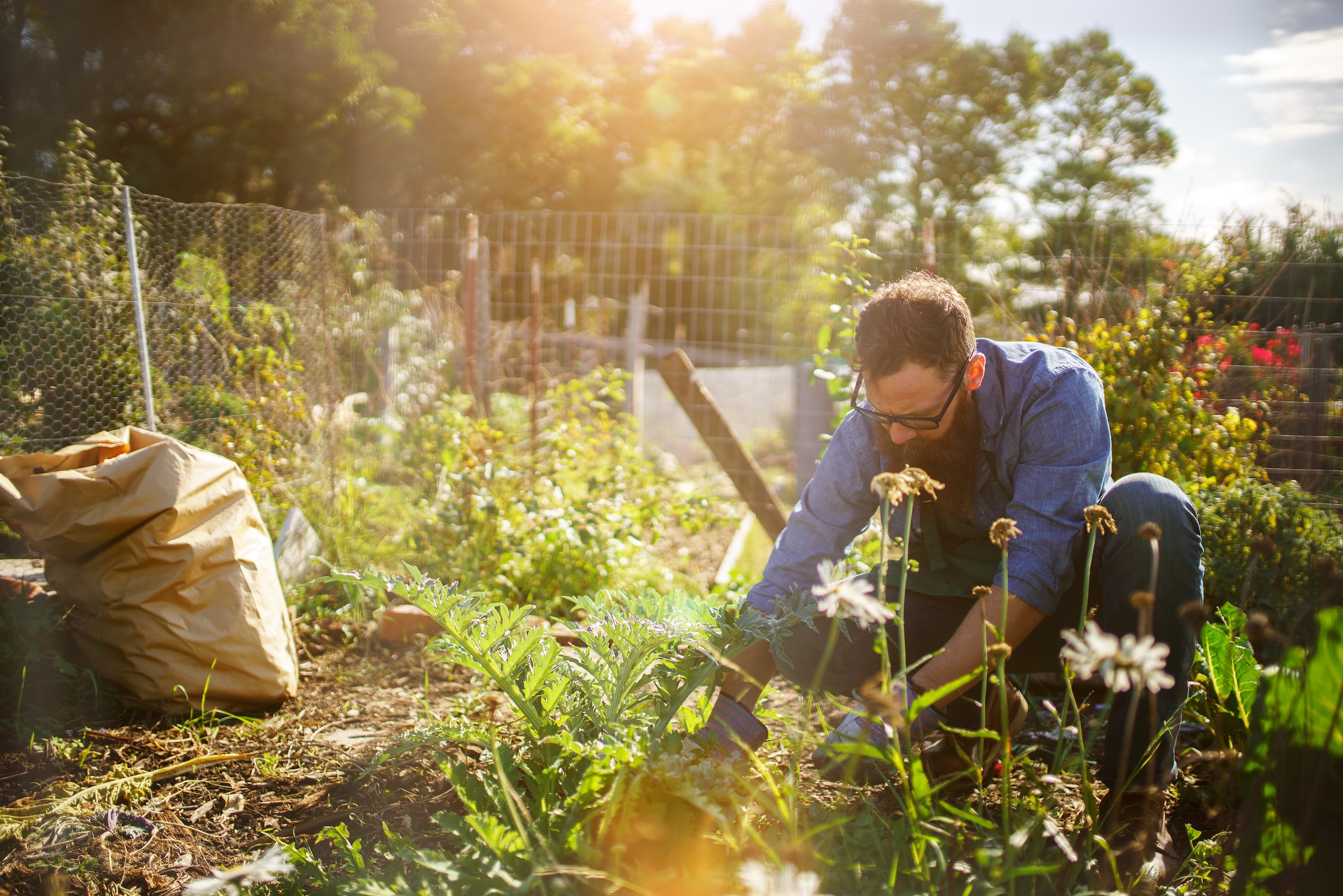
One of the most practical things we can offer any beginner gardener is a realistic sense of what a functional starter gardening tool kit actually costs, and where you can save without compromising your experience.
A Phase 1 starter gardening tool kit for most beginner gardeners covers the absolute minimum needed to get through a first planting season: a hand trowel or hori hori knife, a pair of fitted garden gloves, a watering can with a rose head, a stirrup hoe, bypass hand pruners, plant markers, and a bag of seed starting mix. Going for a mid-range version of each of these beginner gardening tools could cost around $100.
On where to find quality without overpaying: end-of-season sales in late August and September offer some of the best pricing on gardening equipment and tools. Estate sales are genuinely underrated. Older American-made hand tools are often forged rather than stamped, which makes them heavier, better balanced, and longer-lasting than much of what’s available at the same price point. Farm supply stores or your local independent co-op consistently often stock high quality gardening essentials.
The general rule on what beginner gardening tools to invest in versus what to buy at a lower price point: spend on tools with handles you’ll grip repeatedly and tasks you’ll perform constantly. Save on consumables like plant markers, grow bags, and seed starting trays, and on tools with limited seasonal use.
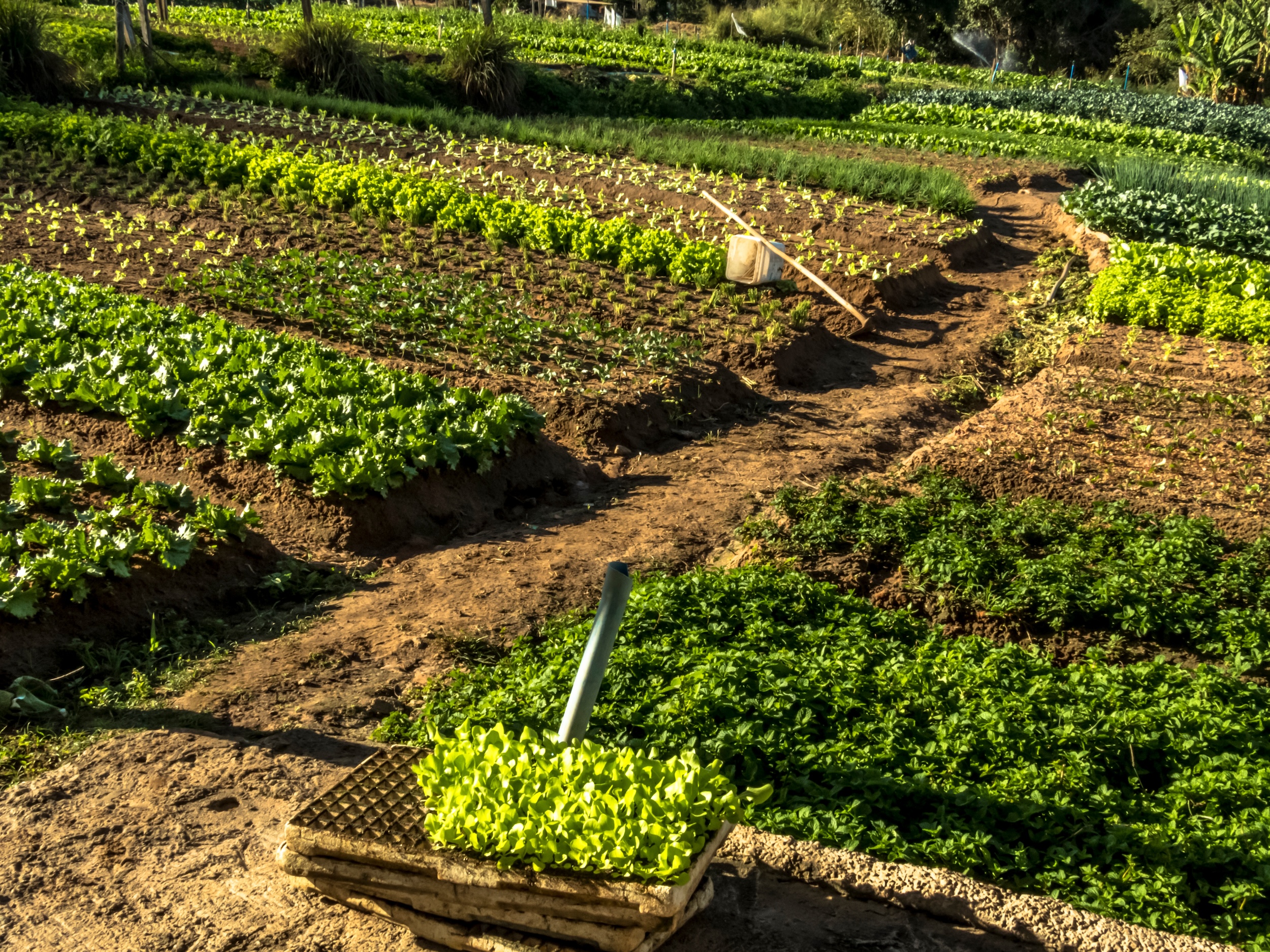
Even with a list of the best gardening tools for beginners in hand, a few consistent mistakes can undermine your setup.
Buying your gardening tools before understanding your soil. Investing in the wrong gardening tools for your soil type creates more work, not less. A standard spade in dense clay is a frustrating fight. A digging fork in that same clay is far more manageable. Know your soil type first.
Skipping maintenance of your gardening equipment. A hand trowel caked in dried soil, a spade head going orange with rust, or a pair of pruners that won’t close cleanly. These aren’t just aesthetic problems; they make every gardening task harder and shorten the life of your tools significantly. Five minutes of maintenance after each gardening session, wiping blades clean, tapping soil off metal, applying a light coat of linseed oil to wooden handles once a season, extends the lifespan of your tools.
Storing tools on bare ground. Wooden handles left in direct contact with soil absorb moisture and rot from the base up. Hang your gardening tools on a wall rack or store them vertically in a bucket of sand lightly oiled with mineral oil. This keeps metal heads clean and dry and handles off the ground.
Over-buying in year one. The YouTube and Instagram rabbit hole is real. There’s always a new specialty gardening tool being demonstrated by someone whose garden has been running for fifteen years. Resist the pull to buy these gardening tools until you know what you actually need from your own experience, which is usually once you’re no longer a beginner.
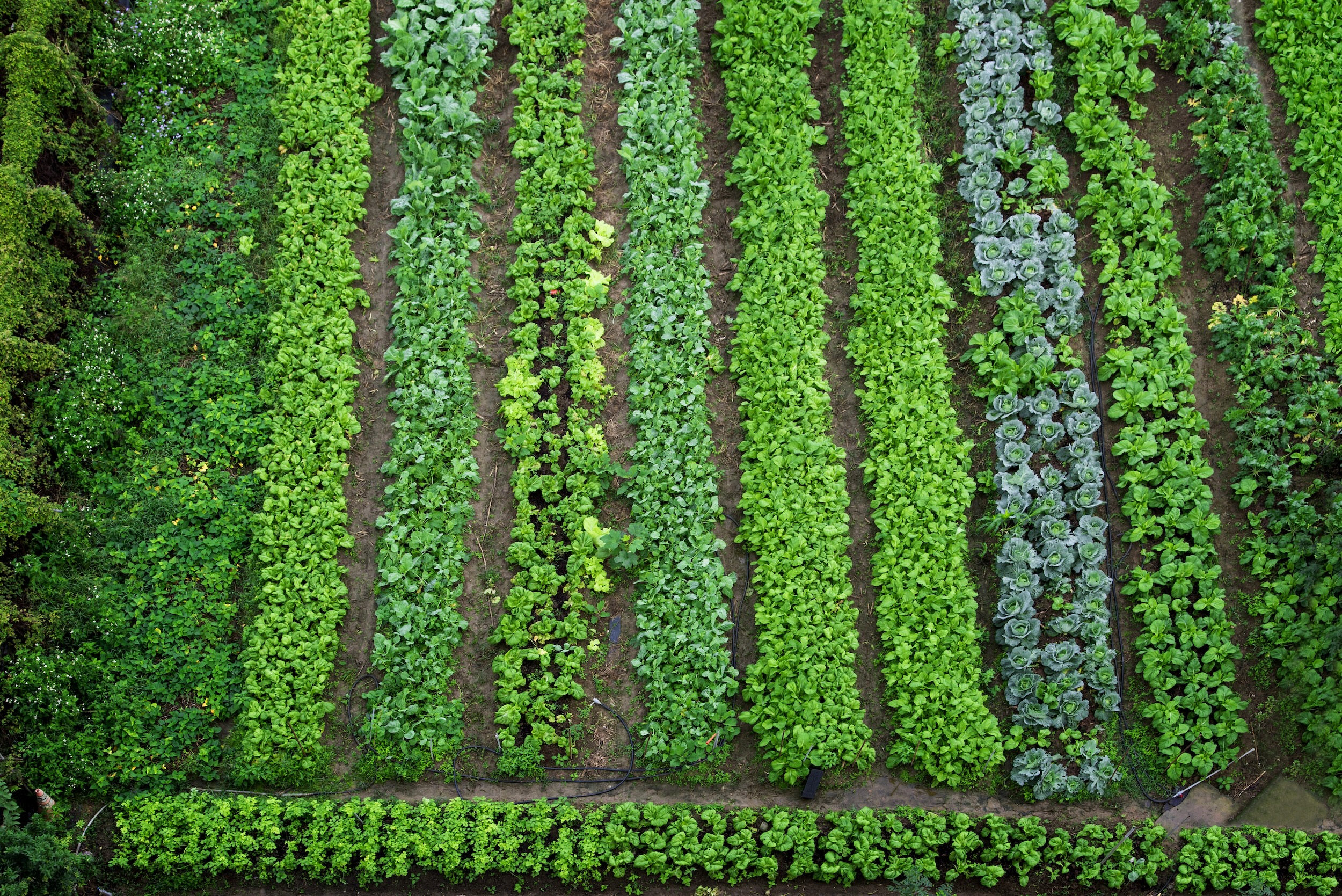
A first garden is one of the most satisfying things you can build. The right gardening tools and supplies for beginners make it achievable. The right plan makes it stick. And a realistic, stage-based approach to what you buy, and when, means you’re never spending more on gardening tools than the season in front of you requires.
Most beginner gardeners who stick with it past that first season start to notice something: the instinct to grow things doesn’t stay contained to a raised bed or a backyard plot. It expands. The more you learn to read soil, manage a growing season, and work with land on its own terms, the more land starts to feel like something worth having more of.
At Hayden Outdoors, we spend our days helping people find properties where that instinct has real room to run. Acreages, rural parcels, and working land with room for serious gardens, orchards, and everything that grows from a genuine connection to the ground.
If you’re starting with a 4×4 raised bed today and dreaming about what a few acres might look like someday, we’d love to help you find your own piece of ground.
View Available Farming Properties
 Back to Blog